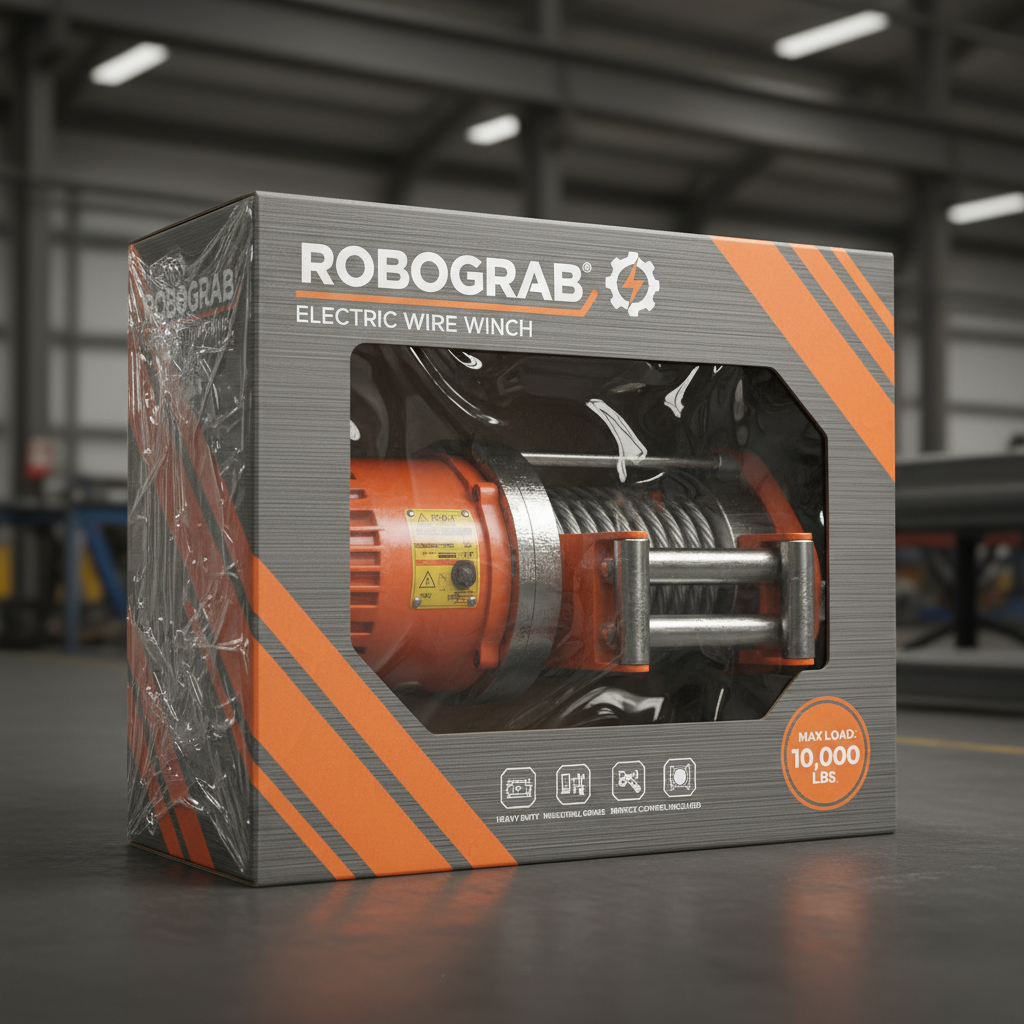
The demand for efficient and reliable methods for pulling cables is globally significant, impacting infrastructure development, energy transmission, and telecommunications networks. From sprawling urban centers to remote rural areas, the safe and effective installation of cables is paramount for modern society. The electric cable pulling winch emerges as a crucial solution, providing the power and precision needed to navigate complex cabling projects. It’s a technology that underpins connectivity and ensures the seamless flow of essential services, directly impacting economic growth and quality of life worldwide.
The electric cable pulling winch isn’t just a piece of machinery; it represents a shift towards safer, more efficient, and increasingly automated cabling practices. Driven by growing urbanization and the expansion of renewable energy infrastructure, the need for robust and adaptable cable installation solutions is higher than ever. Investments in advanced winch technology, like those offered by electric cable pulling winch manufacturers, are critical for meeting these challenges and ensuring projects are completed on time and within budget. The increasing focus on sustainability also drives the adoption of electric winches, reducing reliance on fossil fuel-powered alternatives.
Furthermore, the industry faces increasing pressures regarding worker safety and environmental impact. Traditional cabling methods often involve manual labor, increasing the risk of injury. Electric winches, with their precise control and reduced physical exertion requirements, offer a safer working environment. By streamlining operations and reducing project timelines, these winches contribute to lower overall costs and minimize disruption, making them an indispensable tool for modern cable installation projects.
The Global Significance of Electric Cable Pulling Winches
The global energy sector relies heavily on the efficient laying of power cables, both overhead and underground. The International Energy Agency (IEA) projects substantial investment in grid infrastructure over the next decade to support the transition to renewable energy sources. Electric cable pulling winches are critical in these projects, ensuring the reliable installation of the necessary cabling for transmitting power from renewable energy farms to urban centers. This demand extends to developing nations seeking to modernize their energy grids.
Beyond energy, the telecommunications industry’s continual expansion of fiber optic networks globally also depends on these winches. According to Statista, the fiber optic cable market is experiencing significant growth, fueled by the increasing demand for high-speed internet. Installing these cables efficiently and safely, especially in challenging terrains, requires specialized equipment like electric cable pulling winches capable of handling long cable runs and varying environmental conditions.
Defining Electric Cable Pulling Winches
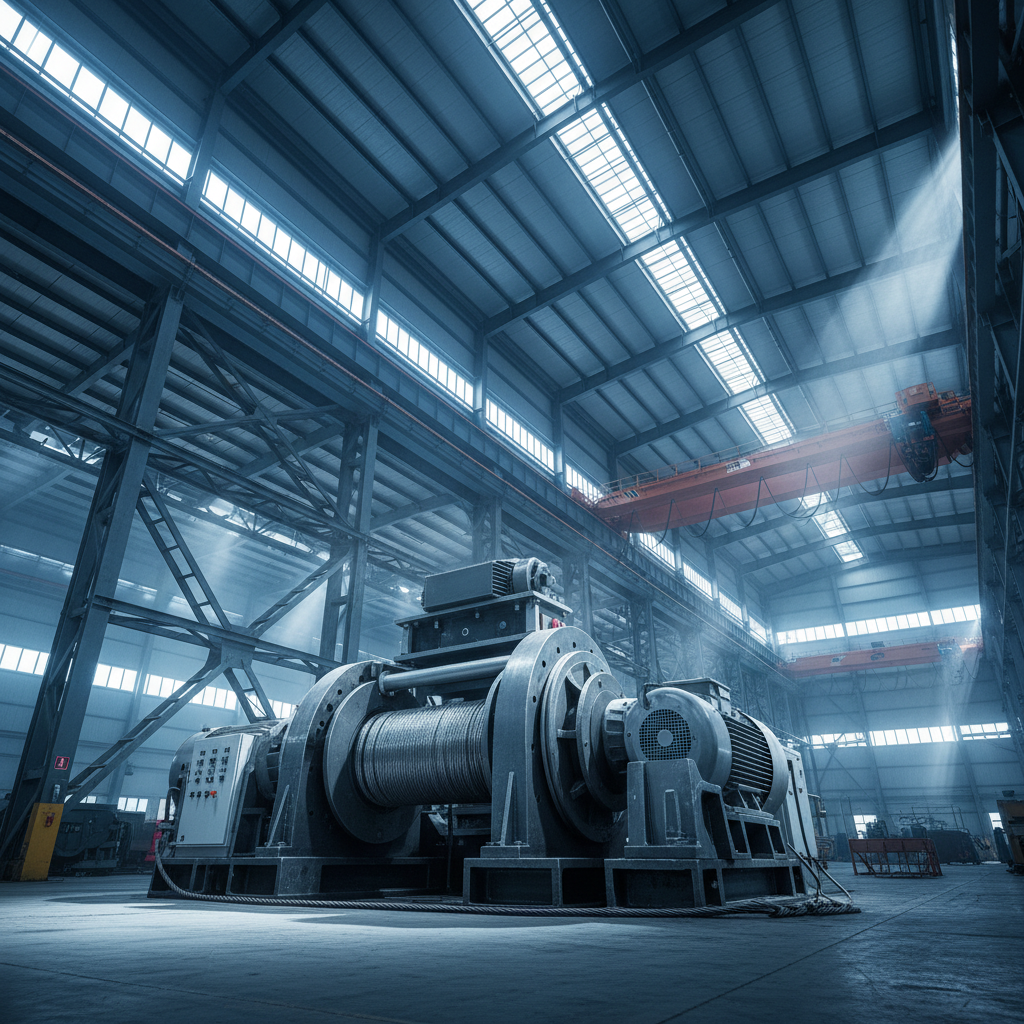
An electric cable pulling winch is a specialized piece of machinery designed to exert a controlled pulling force on cables during installation. Unlike manual winches or those powered by internal combustion engines, these winches utilize electric motors to generate the necessary power. They are typically equipped with features such as variable speed control, dynamic braking, and cable tension monitoring, enhancing safety and precision. They are used to pull cables through conduits, ducts, or directly into trenches, minimizing the risk of damage to the cable and ensuring a smooth, controlled installation process.
In essence, the electric cable pulling winch solves the fundamental challenge of overcoming friction and resistance encountered when laying cables over distance. This is particularly important in complex installations involving bends, multiple conduits, or underground routes. They’ve evolved from basic hoisting mechanisms to sophisticated systems integrated with advanced monitoring and control technologies.
These winches are essential to modern infrastructure projects, playing a critical role in expanding internet access, improving energy distribution, and supporting sustainable development goals. Without them, cabling projects would be significantly slower, more labor-intensive, and potentially less reliable.
Key Components and Operational Principles
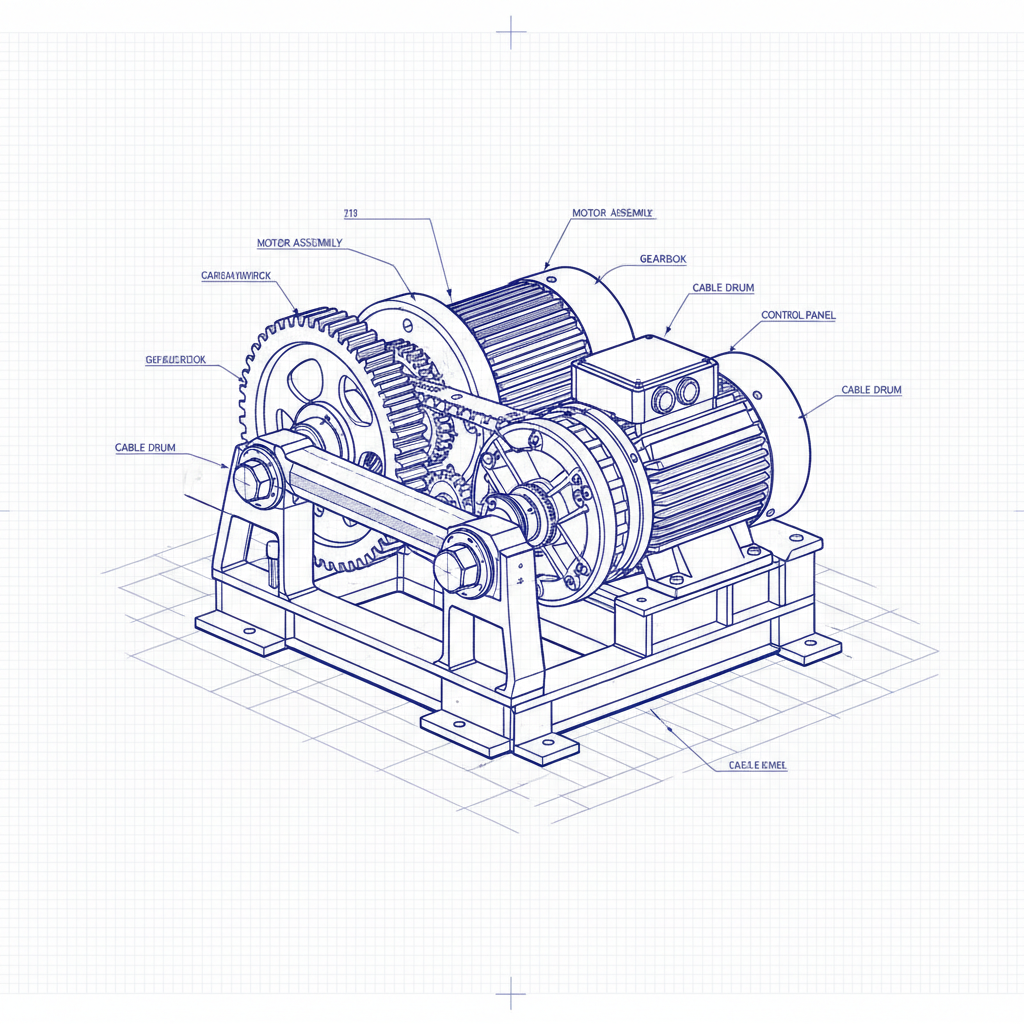
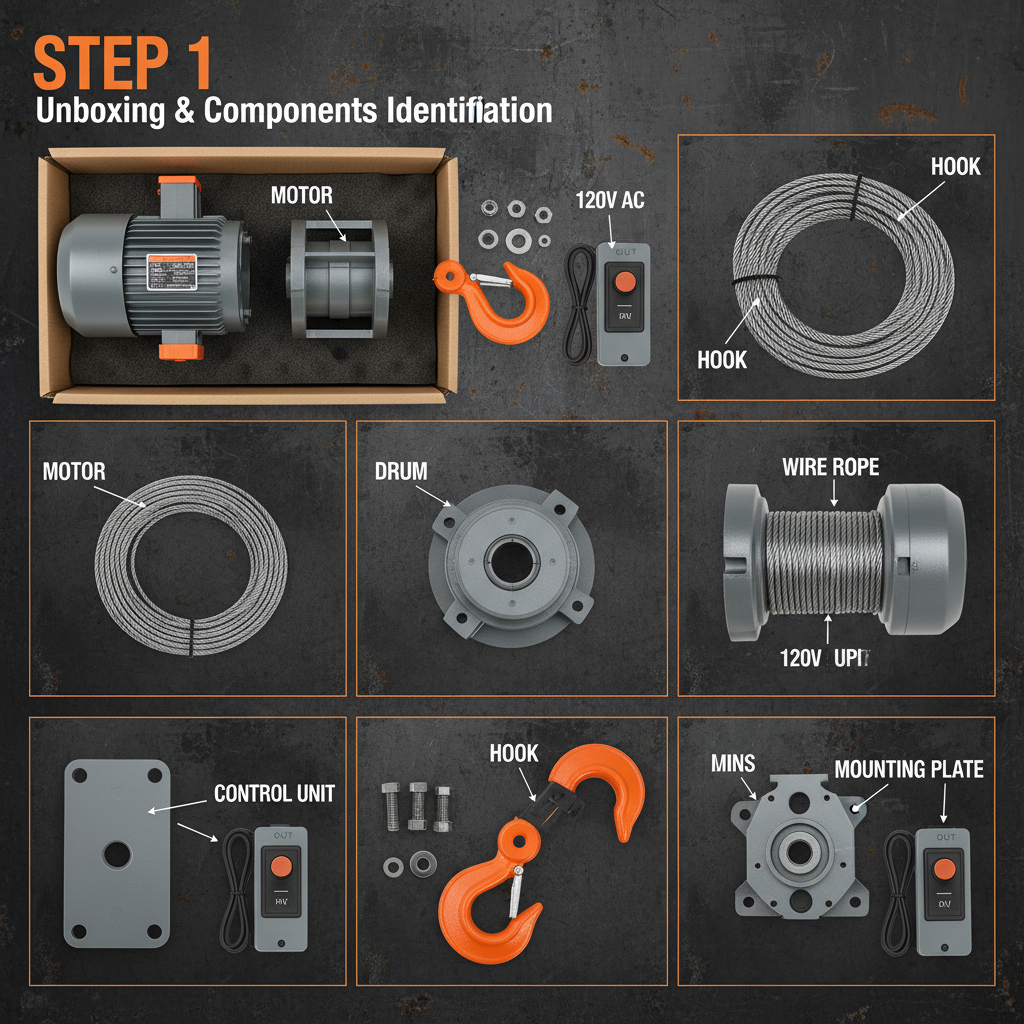
The core of an electric cable pulling winch lies in its powerful electric motor, which drives a drum or capstan to wind and unwind the cable. This motor is often coupled with a gearbox to provide the necessary torque for overcoming the pulling forces. A robust braking system, including dynamic and mechanical brakes, ensures controlled stopping and prevents cable slippage. Precise control systems manage the speed and tension applied to the cable.
The winch’s frame, typically constructed from high-strength steel, provides a stable and durable foundation. Cable guides and rollers minimize friction and ensure even cable distribution on the drum. Sophisticated models may incorporate load cells to continuously monitor cable tension, preventing over-stressing and potential damage. Many winches incorporate remote control systems, enhancing operator safety and convenience.
Operationally, the winch operates by generating rotational force through the electric motor, transmitting this force to the drum or capstan, and wrapping the cable around this rotating component. The operator controls the speed and direction of rotation, carefully managing the cable tension to avoid exceeding the cable’s safe working load. Modern winches often incorporate sensors and control algorithms to automate this process, providing a consistent and reliable pull.
Performance Factors and Specifications
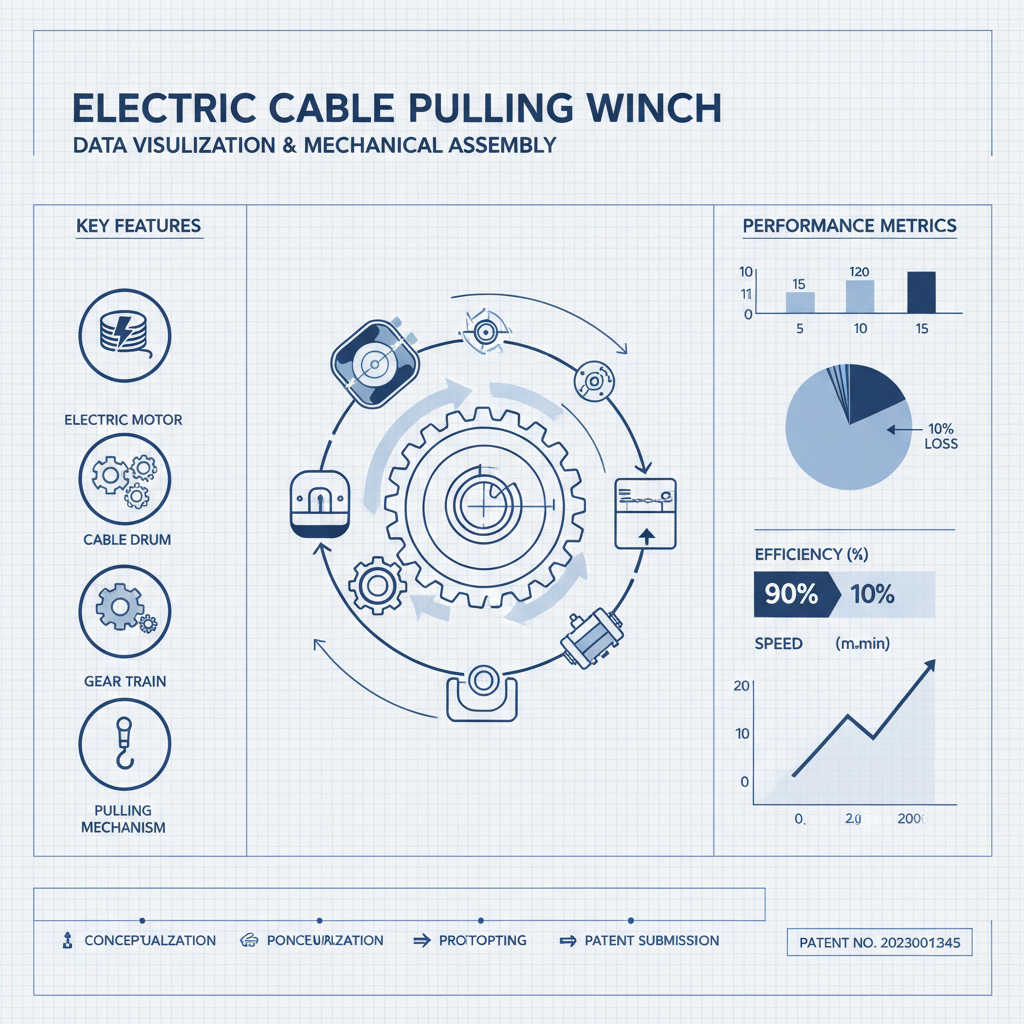
Several key specifications determine the performance capabilities of an electric cable pulling winch. Pulling force, measured in Newtons or pounds, indicates the maximum load the winch can exert. Cable capacity refers to the length and diameter of cable the winch can accommodate. Line speed, measured in meters per minute or feet per minute, dictates the rate at which the cable can be pulled.
Another vital parameter is the winch’s power supply requirements (voltage and amperage). The duty cycle, expressing the percentage of time the winch can operate continuously without overheating, is also critical. Durability and environmental resilience (IP rating) are vital, especially for outdoor applications.
Electric Cable Pulling Winch Performance Comparison
Applications Across Diverse Industries
The applications of electric cable pulling winches are far-reaching. In the power generation and distribution sector, they are essential for installing transmission lines, connecting substations, and laying underground cables for residential and commercial power supply. The telecommunications industry relies on them for expanding fiber optic networks, crucial for delivering high-speed internet and mobile connectivity.
Construction projects, including the building of tunnels, bridges, and large-scale infrastructure, frequently employ these winches for cabling and rigging purposes. Mining operations utilize them for cable installation in shafts and tunnels. Even in the renewable energy sector, they play a key role in installing cables for wind farms and solar power plants.
Benefits and Long-Term Value Proposition
The benefits of adopting electric cable pulling winches are manifold. Compared to manual methods, they significantly reduce labor costs and increase efficiency, accelerating project completion times. They provide a safer working environment by minimizing the physical strain on workers and reducing the risk of cable damage. Electric winches are also more environmentally friendly than diesel-powered alternatives, reducing emissions and contributing to a smaller carbon footprint.
The long-term value lies in their reliability, durability, and low maintenance requirements. High-quality electric cable pulling winches are designed for years of continuous operation, minimizing downtime and maximizing return on investment. They also contribute to improved cable installation quality, reducing the risk of future failures and maintenance costs.
Ultimately, investing in this technology represents a commitment to safety, efficiency, and sustainability, building trust with stakeholders and enhancing a company’s reputation for innovation and responsible practices.
Future Trends and Technological Advancements
The future of electric cable pulling winches is likely to be shaped by several key trends. Increased automation, driven by advancements in robotics and artificial intelligence, will lead to the development of self-operating winches capable of navigating complex cable routes with minimal human intervention. Integration with IoT (Internet of Things) sensors will enable real-time monitoring of cable tension, speed, and winch performance, providing valuable data for optimizing operations and preventing failures.
We can also anticipate the development of more lightweight and portable winches, making them suitable for a wider range of applications. Sustainable materials and energy-efficient motor designs will further reduce the environmental impact of these machines. The use of advanced control algorithms will enhance precision and safety, improving the overall efficiency of cable installation processes.
These innovations will position electric cable pulling winches as even more indispensable tools for building and maintaining the infrastructure of the future.
Summary of Challenges and Solutions in Electric Cable Pulling Winch Technology
| Challenge |
Impact on Project |
Proposed Solution |
Implementation Cost (1-10) |
| Cable Damage during Pulling |
Increased repair costs, project delays |
Dynamic Tension Control and Cable Guides |
6 |
| Limited Access in Confined Spaces |
Difficulty installing cables in tunnels or ducts |
Compact Winch Designs and Remote Control Systems |
7 |
| Operator Safety Concerns |
Risk of injury due to manual handling or equipment malfunction |
Automated Systems and Emergency Stop Mechanisms |
8 |
| Energy Consumption and Efficiency |
High operating costs and environmental impact |
Energy-Efficient Motors and Regenerative Braking Systems |
5 |
| Monitoring Cable Tension Accurately |
Risk of cable damage or breakage |
Load Cell Integration and Real-Time Data Analysis |
7 |
| Maintaining Winch in Harsh Environments |
Reduced lifespan and increased maintenance costs |
Robust Enclosures and Corrosion-Resistant Materials |
6 |
FAQS
The maximum cable weight an electric cable pulling winch can handle varies significantly depending on the winch’s specifications. Generally, winches are rated by their pulling force (in Newtons or pounds), which correlates to the maximum cable weight they can safely pull. Capacities range from a few hundred kilograms for smaller winches to several tons for heavy-duty industrial models. Always refer to the manufacturer’s specifications to determine the appropriate winch for your cable’s weight and length.
Cable damage during pulling can be minimized by using appropriate cable socks or rollers to protect the cable’s outer jacket, ensuring smooth transitions around bends and avoiding sharp angles. Maintaining consistent tension and using a winch with dynamic braking prevents sudden stops that can strain the cable. Regular inspection of the cable and winch components is also crucial to identify and address potential issues proactively.
Prioritize safety by ensuring all personnel are properly trained in winch operation and adhere to established safety protocols. Always wear appropriate personal protective equipment (PPE), including gloves, safety glasses, and hard hats. Never exceed the winch’s rated capacity, and ensure the winch is securely anchored before operation. Establish a clear communication system and maintain a safe distance from the pulling path. Regularly inspect the winch for any signs of damage or malfunction.
A drum winch features a rotating drum around which the cable is wound, offering greater storage capacity for longer cable runs. A capstan winch, conversely, uses a vertical rotating cylinder (the capstan) to pull the cable, typically using a catenary method where the cable is not wound but pulled over the capstan. Capstan winches are often favored for their ability to pull cables with varying diameters and for applications requiring intermittent pulling.
Regular maintenance is vital for ensuring the winch’s longevity and safe operation. Monthly inspections should include checking for worn or damaged components, lubricating moving parts, and verifying the functionality of the braking system. Annual maintenance should involve a more comprehensive inspection and servicing by a qualified technician, including electrical system checks and gearbox lubrication.
Electric winches offer several advantages over hydraulic or pneumatic alternatives. They are generally quieter, cleaner (no oil leaks), and more energy-efficient. Electric winches provide more precise control over speed and tension, and they require less maintenance than hydraulic systems. They are also often more environmentally friendly, with zero tailpipe emissions.
Conclusion
In conclusion, the electric cable pulling winch stands as a cornerstone of modern infrastructure development and maintenance. Its ability to deliver efficient, safe, and reliable cable installation solutions is crucial across diverse industries, from energy and telecommunications to construction and mining. By embracing technological advancements and prioritizing sustainability, this technology continues to evolve, addressing the ever-growing demands of a connected world.
Looking ahead, continued innovation in automation, material science, and energy efficiency will further enhance the capabilities of electric winches, solidifying their role as an indispensable tool for the future. Investing in quality equipment and implementing robust maintenance programs will not only maximize return on investment but also ensure worker safety and minimize environmental impact. To learn more about how electric cable pulling winches can benefit your projects, visit our website today.