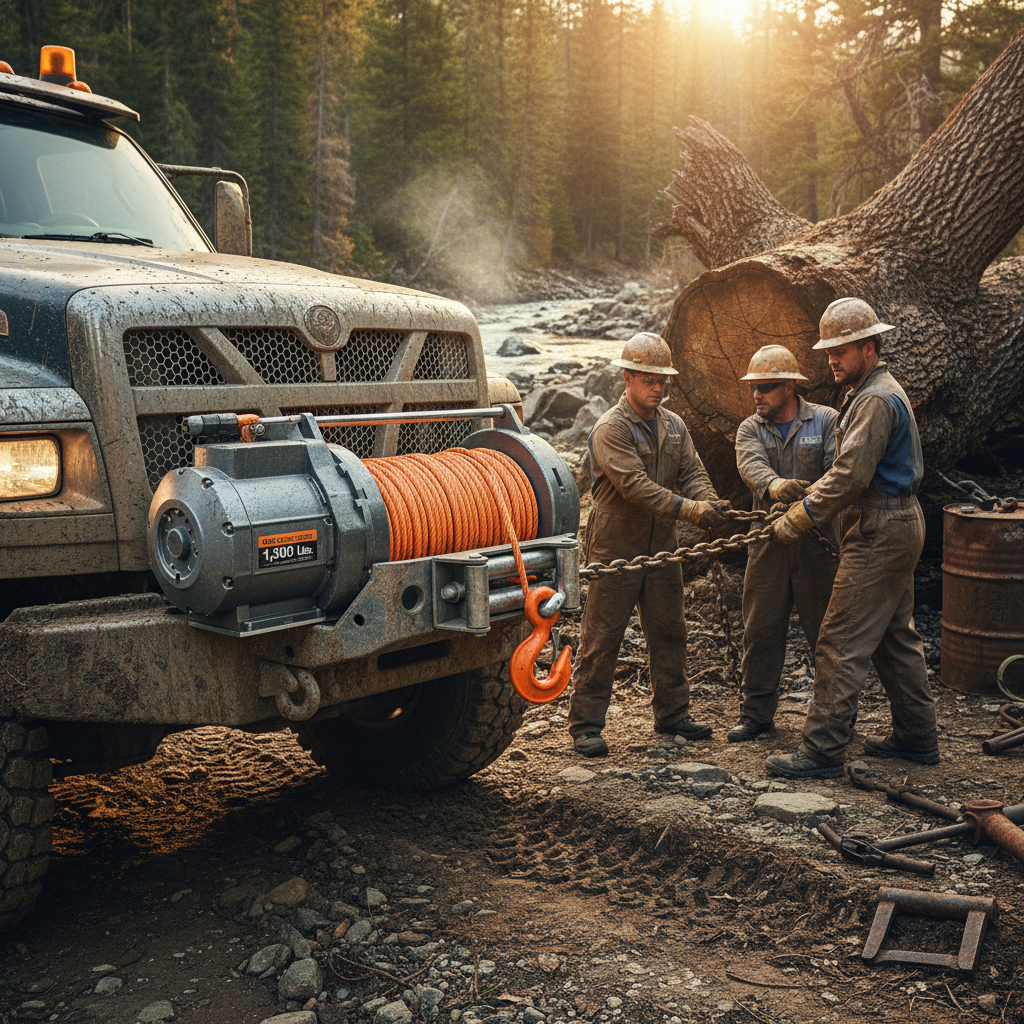
Look, I’ve spent twenty years on construction sites, getting dust in my teeth and grease under my fingernails. I’ve seen a lot of equipment come and go, a lot of promises made and broken. And let me tell you, when it comes to getting a job done safely and efficiently, reliable lifting power is king. That’s where the electric wire winch comes in. It’s not glamorous, it's not the flashiest piece of tech, but it’s the workhorse that keeps things moving. I’ve seen these things haul everything from generators to structural steel, and I’ve learned to appreciate a solid, dependable piece of kit when I see one. Forget the back-breaking manual labor – electric wire winches are about getting the job done smarter, not harder.
For too long, we’ve relied on outdated, gas-guzzling winches that are noisy, require constant maintenance, and frankly, aren’t that safe. The shift to electric is a game-changer. Lower emissions, quieter operation, and a smoother, more controlled lift are huge benefits. But it's not just about the environmental aspect; it's about improving the working conditions for my crews. Reducing noise pollution and offering more precise control means fewer accidents and a more productive workforce. I need equipment I can rely on, and frankly, the old tech just doesn't cut it anymore.
I’m not a salesman, I’m a practical guy. I need equipment that solves problems, not creates them. And the modern electric wire winch? It’s ticking a lot of boxes. I've seen firsthand how they’re streamlining operations, increasing safety, and ultimately, saving my companies money. It's an investment, sure, but a worthwhile one that pays dividends in the long run. That’s why I’m a believer.
The Importance of Electric Wire Winches in Modern Construction
Let's be real, construction isn’t getting any easier. Regulations are tighter, margins are thinner, and the demand for efficiency is higher than ever. That's where a reliable electric wire winch steps in. We're talking about a foundational tool, not some fancy add-on. From lifting materials to positioning equipment, these winches are the backbone of countless projects. They're the difference between a smooth operation and a costly delay.
We’re seeing a huge push for sustainable building practices, and that includes minimizing our environmental impact. Electric winches, unlike their gas-powered counterparts, produce zero emissions at the point of use, helping us meet increasingly stringent environmental regulations and demonstrating a commitment to responsible construction. This isn't just about ticking boxes, it's about building a better future, one lift at a time.
Defining the Electric Wire Winch: A Construction Essential
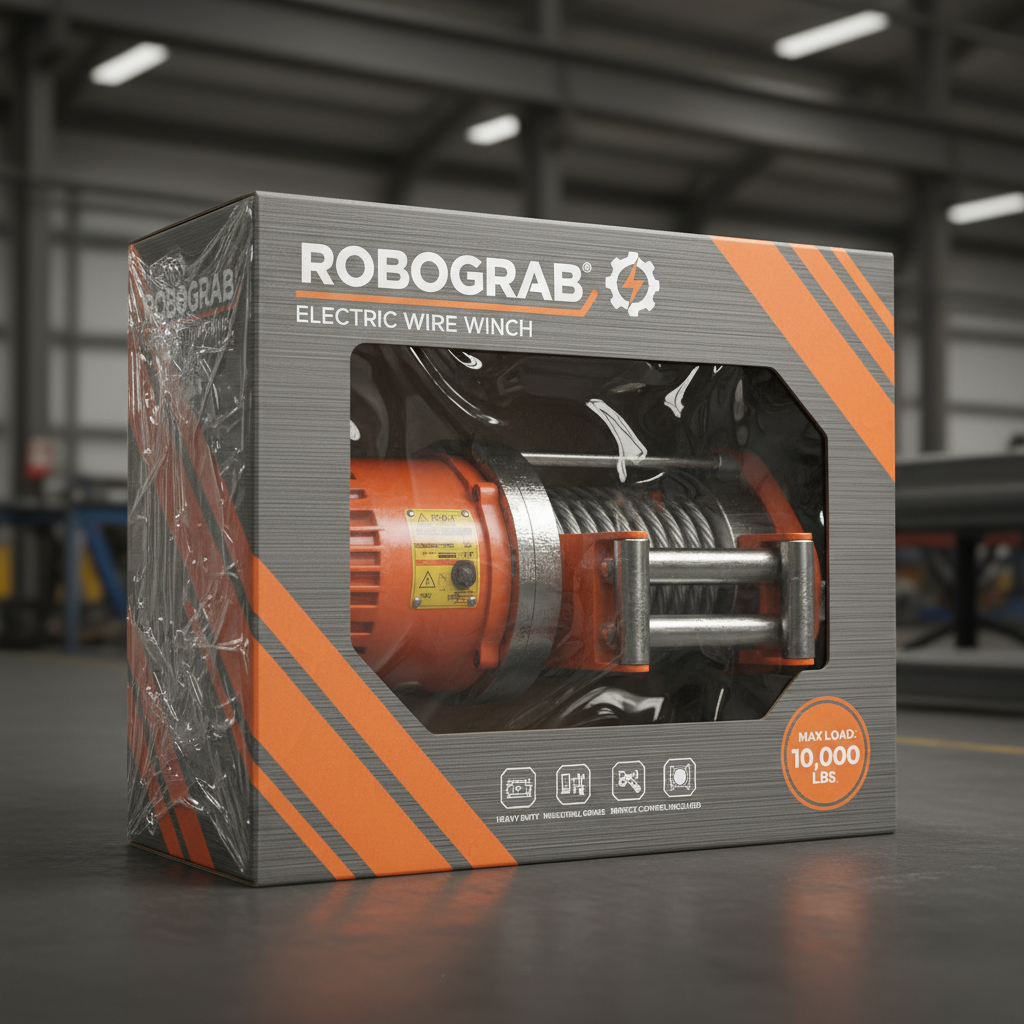
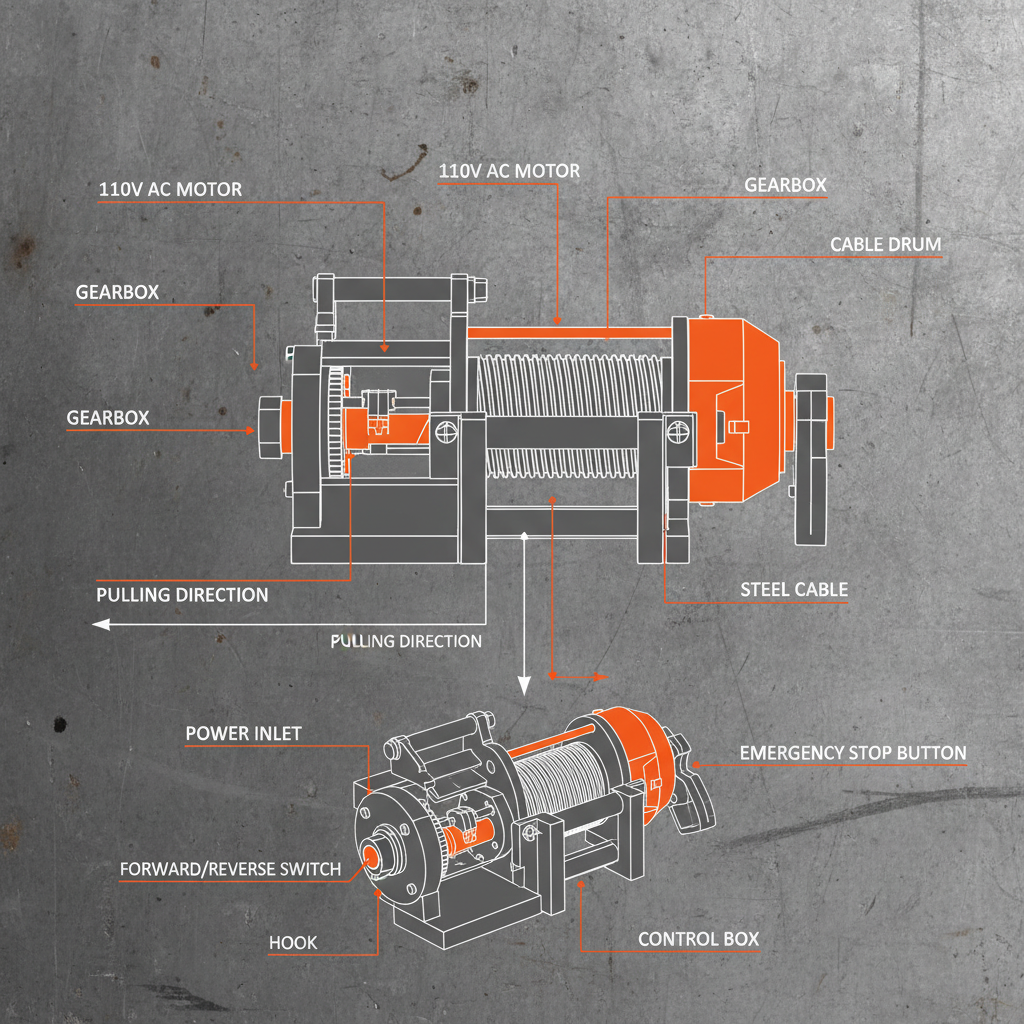
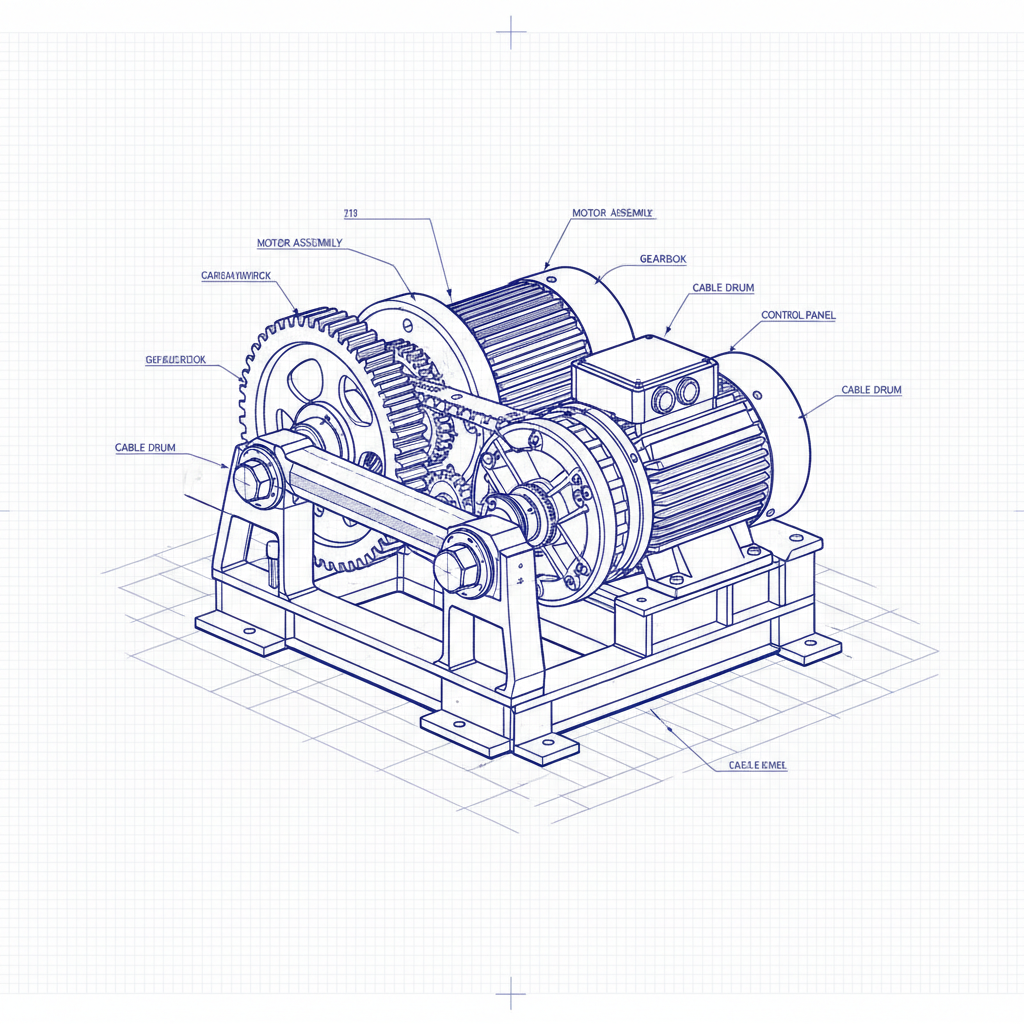
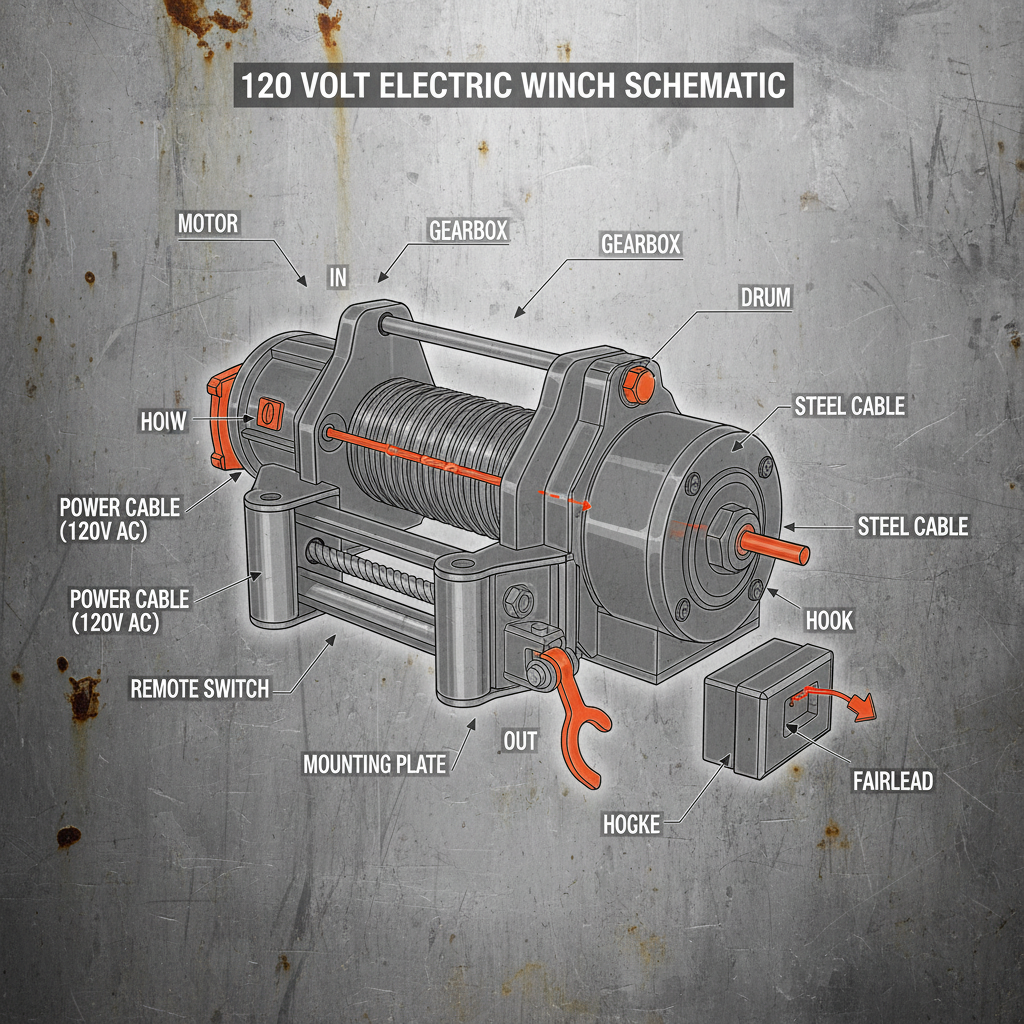
Simply put, an electric wire winch is a mechanical device that uses an electric motor to spool a cable, providing controlled lifting and pulling power. It’s a step up from manual winches, offering greater capacity, speed, and precision. Crucially, it allows a single operator to manage significant loads without the physical strain and risk associated with manual labor. I’ve seen crews save hours – sometimes even days – on a project just by swapping out a manual winch for an electric one.
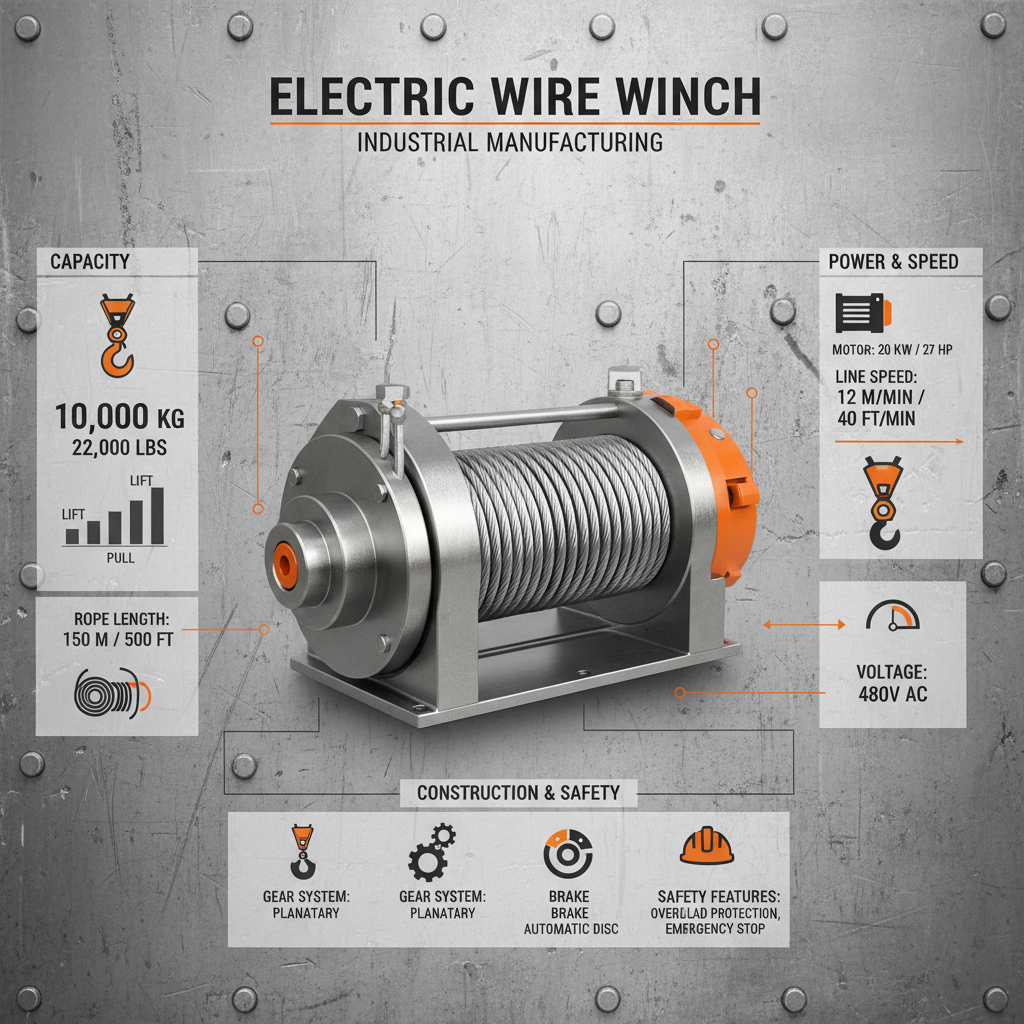
This isn't just about convenience, though. Modern electric wire winches are built with safety in mind, featuring overload protection, emergency stop functions, and durable construction. They're designed to integrate into existing lifting systems and can be customized for a wide range of applications, from simple material handling to complex rigging operations. A good winch isn't just about lifting weight; it’s about lifting it safely.
Think of it as the digital upgrade for an age-old task. Just like we’ve moved from hand tools to power tools, electric wire winches represent the evolution of lifting technology, making jobs easier, faster, and – most importantly – safer for everyone on site.
Key Factors Influencing Electric Wire Winch Performance
When I’m evaluating an electric wire winch, I’m not just looking at the headline specs. I need to understand the whole package. First and foremost is capacity. What’s the maximum weight it can safely lift? Then there’s wire rope length and diameter. A longer rope provides greater reach, while a thicker rope offers more strength and durability. You need to choose the right combination for the specific job.
Beyond that, motor power and efficiency are critical. A powerful motor delivers faster lifting speeds, but it also needs to be efficient to minimize energy consumption. We’re always looking for ways to reduce our operating costs and carbon footprint. Durability and weather resistance are non-negotiable. Construction sites are tough environments, and a winch needs to be able to withstand dust, dirt, rain, and extreme temperatures.
Finally, control systems are hugely important. A winch with precise and responsive controls allows for smooth, controlled lifting and lowering, minimizing the risk of accidents. Look for features like variable speed control and remote operation. A well-designed control system can make all the difference.
Global Applications of Electric Wire Winches
These aren’t just used on standard construction sites. I’ve seen them everywhere, from erecting wind turbines in remote locations to installing heavy machinery in factories. In the oil and gas industry, they're used for offshore platform maintenance and equipment installation. They're indispensable in mining operations for hauling materials and equipment up steep inclines.
Think about disaster relief. When a bridge collapses or a building is damaged, electric wire winches are often the first pieces of equipment on the scene, used for clearing debris and rescuing survivors. Their portability and ease of use are invaluable in these emergency situations. I’ve even seen them used in large-scale salvage operations, recovering sunken vessels and equipment.
Electric Wire Winch Application Ratings (1-10)
Advantages and Long-Term Value Proposition
The upfront cost of an electric wire winch might be higher than a traditional gas-powered model, but the long-term savings are significant. Lower fuel costs, reduced maintenance requirements, and increased efficiency all contribute to a lower total cost of ownership. Plus, you're investing in a more sustainable solution that aligns with modern environmental standards.
From a safety perspective, the benefits are undeniable. Electric winches offer smoother, more controlled lifting, reducing the risk of accidents and injuries. This translates to lower insurance premiums, fewer lost-time incidents, and a more productive workforce. It’s about protecting our most valuable asset – our people.
Future Trends and Innovations in Electric Wire Winch Technology
We're starting to see a lot of exciting developments in this space. Smart winches with integrated sensors and data analytics are becoming increasingly common. These systems can monitor load weight, rope tension, and operating conditions, providing valuable insights for optimizing performance and preventing failures.
Remote diagnostics and predictive maintenance are also on the horizon. Imagine a winch that can automatically alert you to potential problems before they become critical, minimizing downtime and reducing repair costs. These innovations, combined with advancements in battery technology and motor efficiency, are poised to revolutionize the electric wire winch industry.
Challenges and Solutions in Electric Wire Winch Implementation
One of the biggest challenges is power availability. On remote construction sites, access to reliable electricity can be limited. That’s where battery-powered or hybrid electric winches come in. These models offer the flexibility to operate without a direct power source, making them ideal for challenging environments.
Another challenge is ensuring proper training and maintenance. Electric winches require specialized knowledge and skills to operate and maintain safely and effectively. Investing in comprehensive training programs for your crews is essential. And regular preventative maintenance is crucial for maximizing the lifespan and reliability of your equipment.
Finally, initial investment costs can be a barrier for some companies. However, exploring financing options, leasing programs, and considering the long-term cost savings can help overcome this obstacle. It’s about shifting your perspective from upfront cost to total cost of ownership.
Summary of Key Electric Wire Winch Implementation Considerations
| Challenge |
Impact on Project |
Potential Solution |
Implementation Cost (1-10) |
| Limited Power Access |
Operational Delays, Increased Costs |
Battery-Powered/Hybrid Winches |
7 |
| Lack of Trained Personnel |
Increased Risk of Accidents, Reduced Efficiency |
Comprehensive Training Programs |
6 |
| High Initial Investment |
Budget Constraints, Project Delays |
Financing/Leasing Options |
5 |
| Environmental Extremes |
Equipment Malfunction, Reduced Lifespan |
Weather-Resistant Winch Models |
4 |
| Maintenance Requirements |
Downtime, Repair Costs |
Preventative Maintenance Schedules |
3 |
| Integration with Existing Systems |
Compatibility Issues, Operational Disruptions |
Careful Planning and System Assessment |
2 |
FAQS
When it comes to safety, you want to prioritize overload protection, which prevents the winch from lifting loads exceeding its capacity. Look for features like an emergency stop button for immediate control, and a robust braking system to ensure a secure hold. Wire rope inspection is also crucial—regularly check for wear and tear. A well-maintained winch is a safe winch, and that’s non-negotiable on any job site.
The upfront cost of an electric winch can be higher, but the long-term operating costs are generally much lower. Gas-powered winches require regular fuel purchases, oil changes, and more frequent maintenance. Electric winches, on the other hand, have fewer moving parts, reducing maintenance needs, and electricity is typically cheaper than gasoline. Over the life of the winch, you’ll likely save a significant amount of money on operating costs.
With proper care and regular maintenance, a good quality electric wire winch can easily last 10-15 years, or even longer. Regular inspections, lubrication, and prompt repairs are key to maximizing its lifespan. Protecting it from harsh weather conditions and overloading it are also crucial. Think of it as an investment – treat it well, and it’ll pay you back for years to come.
It depends on the winch's certification. You'll need to look for winches specifically rated for use in hazardous locations, often referred to as "explosion-proof" or "intrinsically safe" winches. These winches are designed to prevent sparks or heat that could ignite flammable materials. Always consult with safety regulations and ensure the winch meets the required standards for your specific environment.
Proper training is absolutely essential. Operators should be thoroughly trained on the winch’s specific features, safe operating procedures, load calculation, and emergency shutdown procedures. Training should also cover regular inspection and maintenance tasks. A certified training program ensures operators understand the risks and how to mitigate them, promoting a safer work environment.
Selecting the right wire rope is critical for safety and performance. Consider the load weight, the diameter required for the winch drum, and the environmental conditions. Different materials offer varying levels of strength, corrosion resistance, and flexibility. Consult with a wire rope specialist to determine the best option for your specific needs. Don't skimp on quality—a strong, reliable wire rope is a worthwhile investment.
Conclusion
We've covered a lot of ground, but the bottom line is this: the electric wire winch is more than just a piece of equipment; it’s an investment in efficiency, safety, and sustainability. From reducing operating costs to minimizing environmental impact, these winches offer a compelling value proposition for construction companies of all sizes. It’s about working smarter, not harder, and creating a safer, more productive work environment for everyone involved.
The future of lifting technology is electric, and it’s happening now. Don’t get left behind. Explore the options, invest in quality equipment, and prioritize training and maintenance. A well-chosen and properly maintained electric wire winch will be a valuable asset for years to come. Ready to upgrade your lifting power? Visit our website at www.lbswinch.com to learn more.