The electric winch 120v has become indispensable on modern construction sites, in recovery operations, and even in specialized industrial settings. It’s not just about lifting heavy objects anymore; it’s about efficiency, safety, and reducing the physical strain on workers. I’ve seen firsthand how a reliable electric winch 120v can turn a potential bottleneck into a smooth operation, saving time and preventing injuries. We’ve moved past the days of back-breaking manual labor or relying solely on large, cumbersome hydraulic systems – the 120v electric winch offers a sweet spot of power and portability.
What’s really striking is the versatility. From hoisting materials up scaffolding to pulling equipment into place, these winches are adapting to a wide range of tasks. I’ve seen them used in everything from bridge construction to pulling stranded vehicles off muddy tracks. It’s a workhorse that’s quietly becoming a standard piece of equipment on sites I visit. The increasing demand reflects a growing awareness of the importance of worker safety and operational efficiency.
Beyond the immediate benefits, the availability of a 120v option makes these winches incredibly accessible. You don’t need specialized high-voltage setups. Plug it into a standard outlet, and you’re ready to go. This simplicity is a huge advantage when you’re working in remote locations or dealing with tight deadlines. That plug-and-play aspect really minimizes downtime and keeps projects moving.
The Rising Importance of electric winch 120v
You’re seeing electric winches, particularly the 120v models, pop up on more and more job sites. Why? Because the industry's finally prioritizing efficiency and worker wellbeing. Back in the day, everything was muscle power or massive, complicated machines. These smaller, electrically powered winches offer a manageable solution for a lot of lifting and pulling tasks. It's a game changer for tasks that used to require a whole crew.
From my experience, it’s not just about the lift capacity; it’s about control. These winches give you precise control over the load, which is critical for safety. You’re minimizing the risk of dropped materials and potential injuries. And honestly, the guys on the ground appreciate not having to strain themselves to the breaking point all day.
Defining the electric winch 120v
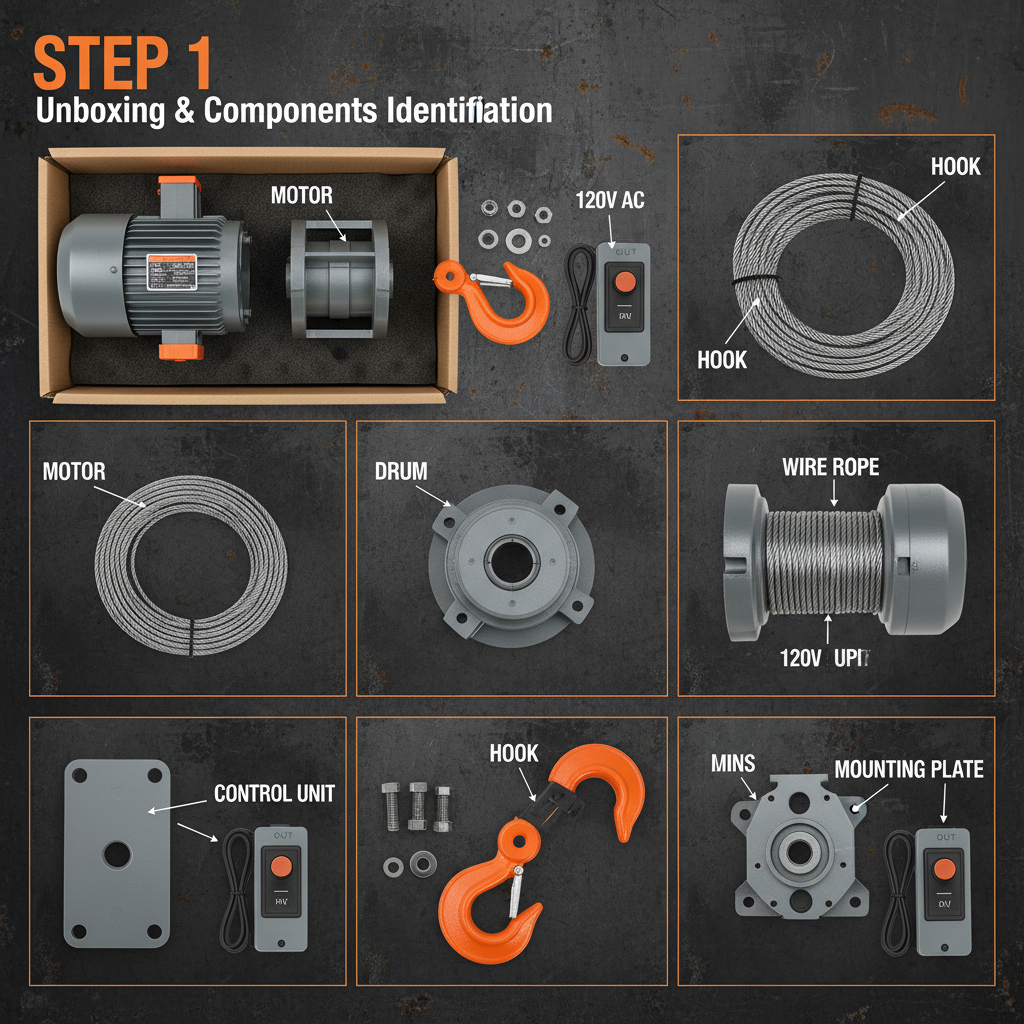
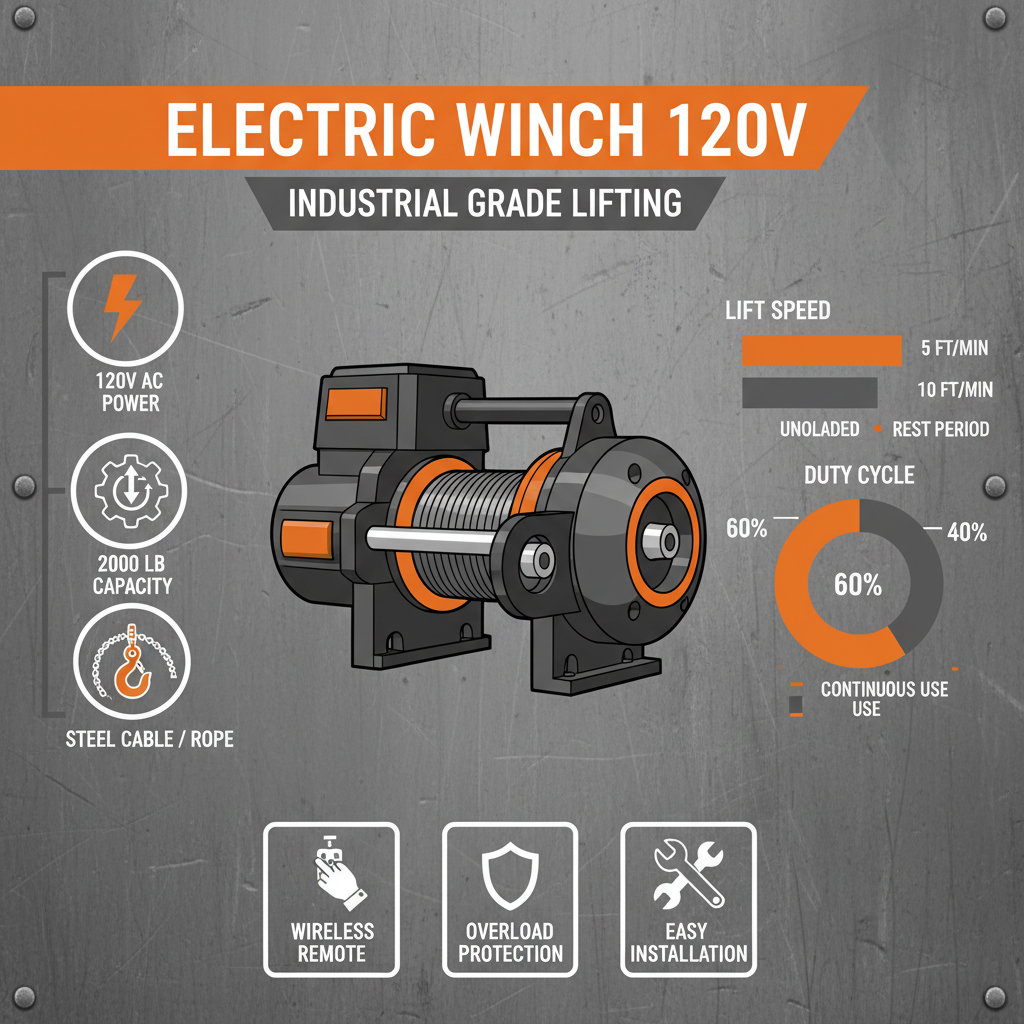
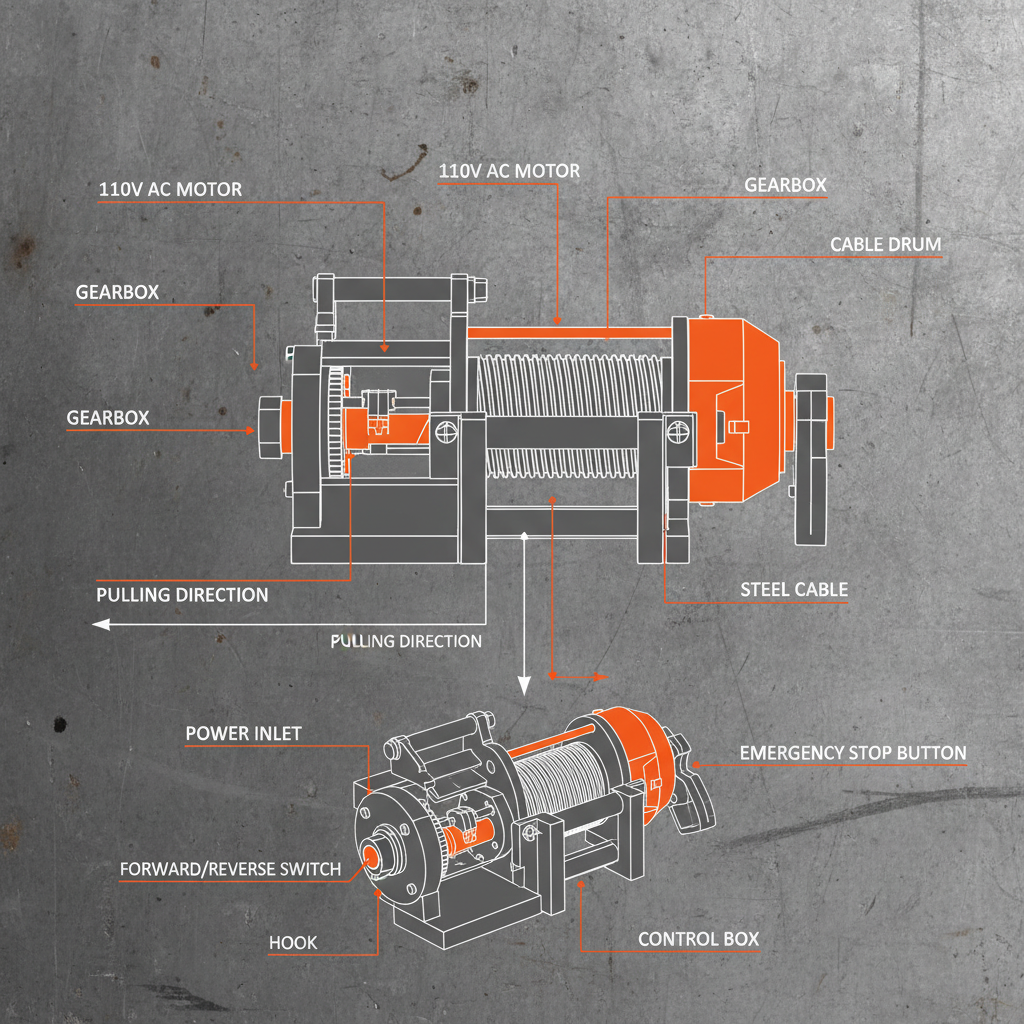
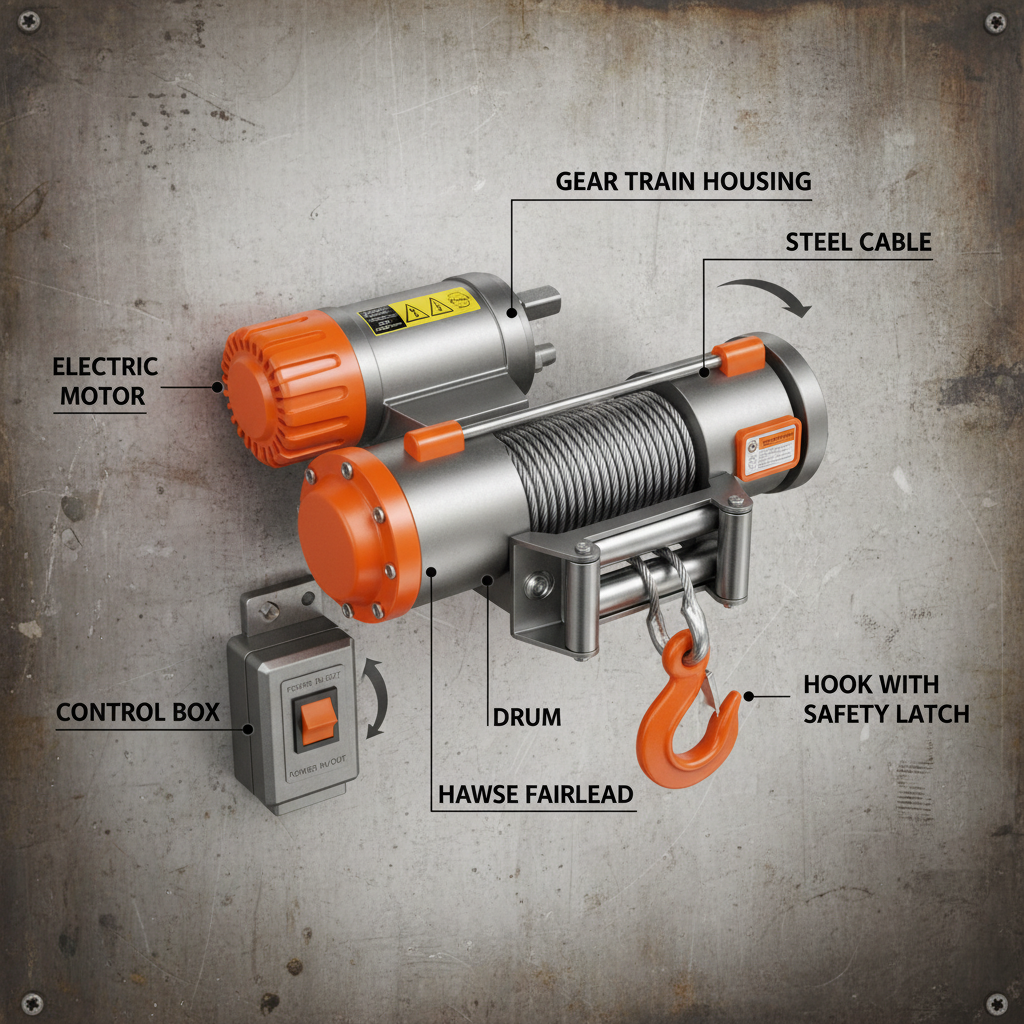
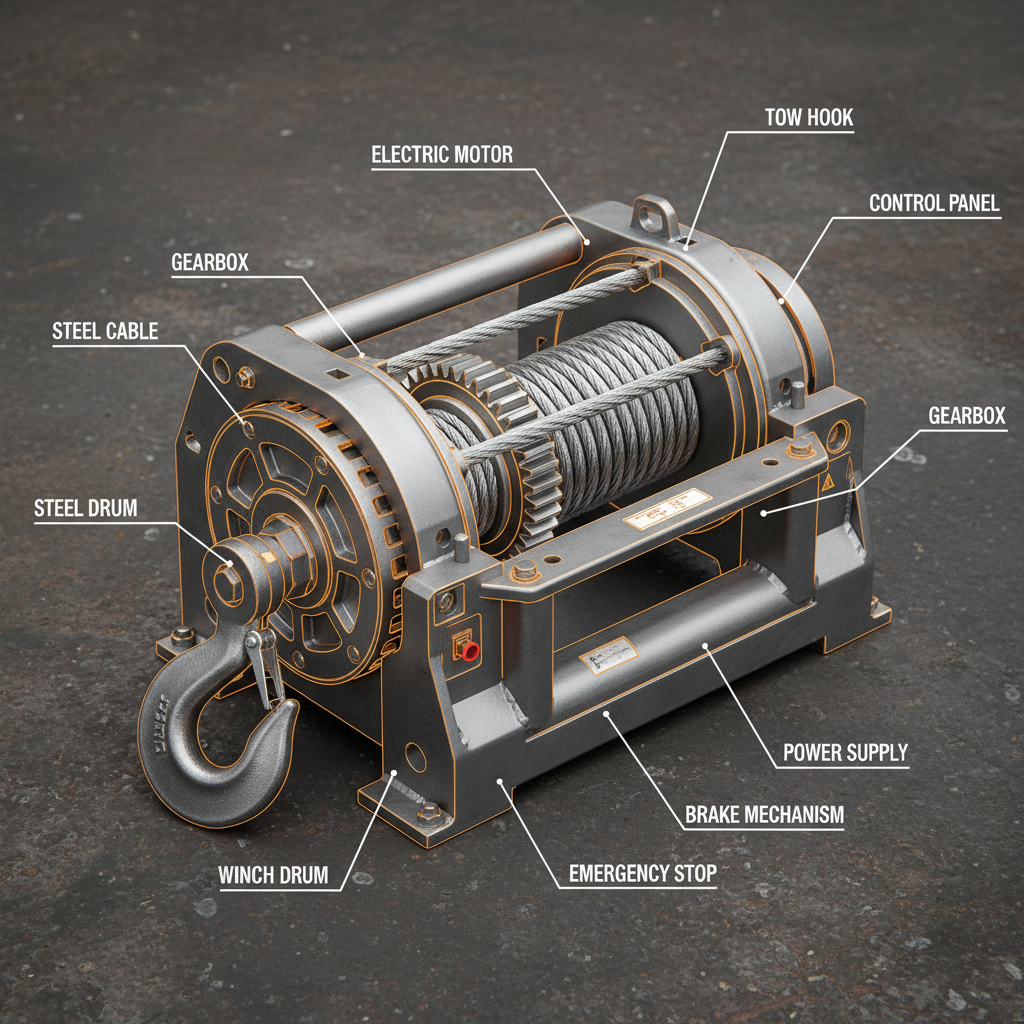
Simply put, an electric winch 120v is a powered device used to pull or lift materials. The “120v” part is crucial – it means it runs on a standard North American voltage, making it incredibly user-friendly. You don’t need a dedicated high-voltage power source. It's got a motor, a drum (or spool) to wrap the cable around, a brake system, and usually a remote control for operation. It’s the modern evolution of the traditional hand-cranked winch.
It’s become essential because modern industry demands adaptability. We're working in tighter spaces, with more complex projects, and a constant need to improve safety protocols. The 120v electric winch fits that bill perfectly. It's a piece of equipment that allows us to do more with less – less manpower, less risk, and ultimately, less downtime.
It’s not just construction, either. I've seen these winches used in marine applications, for vehicle recovery, and even in some specialized manufacturing processes. They're finding their way into pretty much any field where controlled lifting and pulling are needed.
Key Components and Features
Durability is paramount. I've learned the hard way that cheap winches just don't cut it on a real job site. You need a robust motor, a heavy-duty cable, and a solid frame. The gear system is also critical – a good winch will have a reliable gear reduction system to provide the necessary torque. I always check for sealed components, especially if it's going to be exposed to the elements.
The brake system is another non-negotiable feature. It needs to be responsive and reliable to hold the load securely, even when power is interrupted. I’ve seen too many close calls with winches that have weak brakes. Look for dynamic braking, which applies the brakes automatically when you release the control.
Remote controls are a must-have. They allow the operator to position themselves safely away from the load, providing a clear view of the operation. I prefer winches with variable speed control – it gives you more precision when positioning materials. Also, look for overload protection, which prevents the winch from exceeding its rated capacity.
Practical Applications Across Industries
Construction is the big one, naturally. I’ve seen these winches used for lifting lumber, steel beams, concrete forms, and all sorts of other materials. They’re especially handy for hoisting materials to upper floors of buildings. But beyond that, they’re increasingly used in rigging applications, pulling equipment, and even as part of temporary support structures.
The automotive industry is another big user. Mechanics use them to pull engines, transmissions, and other heavy components. Tow truck operators rely on them for vehicle recovery. Even in the agricultural sector, you’ll find them used for pulling trailers, lifting hay bales, and other tasks.
Average Electric Winch 120v Application Rates by Industry
Advantages and Long-Term Value
The biggest advantage, hands down, is safety. Reducing the need for manual lifting minimizes the risk of back injuries and other strains. Plus, the precise control you get with an electric winch allows for safer positioning of materials. That alone justifies the investment.
From a cost perspective, these winches pay for themselves quickly. They reduce labor costs, speed up operations, and minimize the risk of costly accidents. A well-maintained 120v electric winch is a long-term investment that consistently delivers a positive return.
Future Trends and Innovations
We’re starting to see more integration of smart technology into electric winches. Things like load monitoring systems, wireless controls with feedback, and even predictive maintenance features are on the horizon. Imagine a winch that can alert you to potential problems before they cause a breakdown – that’s where things are headed.
I also anticipate seeing more emphasis on energy efficiency and sustainable materials. Manufacturers are exploring ways to reduce the environmental impact of these winches, from using more recycled materials to developing more energy-efficient motors.
The move towards automation is also significant. Integrating electric winches into automated lifting systems will further streamline operations and improve safety.
Challenges and Mitigation Strategies
One common challenge is proper maintenance. These winches need regular inspections and lubrication to ensure they’re operating safely and efficiently. Too many companies neglect this aspect, which leads to premature failures and potential hazards.
Another issue is cable management. A tangled or damaged cable can be extremely dangerous. It’s crucial to use proper cable guides and to inspect the cable regularly for wear and tear. Also, proper training for operators is essential. They need to understand how to use the winch safely and effectively.
Finally, choosing the right winch for the application is critical. You need to consider the load capacity, the duty cycle, and the environmental conditions. A winch that’s undersized or not suited to the task can be a recipe for disaster.
Key Performance Indicators for electric winch 120v Maintenance
| Maintenance Task |
Frequency |
Estimated Cost (USD) |
Impact on electric winch 120v Lifespan |
| Cable Inspection |
Daily |
$5 |
High |
| Lubrication of Moving Parts |
Monthly |
$20 |
Medium |
| Brake System Inspection |
Quarterly |
$50 |
High |
| Motor Inspection & Cleaning |
Semi-Annually |
$75 |
Medium |
| Gearbox Oil Change |
Annually |
$100 |
High |
| Full System Inspection |
Bi-Annually |
$150 |
Critical |
FAQS
The weight capacity varies significantly based on the model and manufacturer, but most electric winch 120v units range from 500 lbs to 5,000 lbs. It’s absolutely crucial not to exceed the manufacturer’s stated capacity. Overloading a winch can lead to catastrophic failure, causing serious injury and damage. Always check the specifications before use and factor in a safety margin.
Many electric winches are designed with some level of weather resistance, but it’s important to choose a model specifically rated for outdoor use if you’ll be regularly operating it in the rain or snow. Look for features like sealed motors and corrosion-resistant components. Even with a weather-resistant winch, always avoid submerging it in water and ensure the power source is properly grounded and protected.
The cable is arguably the most critical component of any winch, so regular inspection is essential. I recommend a visual inspection before each use to check for any signs of fraying, kinking, corrosion, or broken strands. If you find any damage, replace the cable immediately. A damaged cable can snap under load, creating a dangerous situation.
A single-line winch configuration uses a single length of cable to lift the load. A double-line configuration, on the other hand, uses a pulley to double the cable, effectively halving the pulling force required but also halving the lifting speed. Double-line configurations are ideal for heavier loads, while single-line configurations are better suited for faster lifting of lighter loads.
As the name suggests, these winches are designed to run on a standard 120-volt AC power source. This means you can typically plug them directly into a standard outlet. However, it's crucial to ensure that the outlet is properly grounded and has a sufficient amperage rating to handle the winch’s power draw. Using an extension cord is okay, but make sure it’s a heavy-duty cord that can handle the load.
Safety first! Always wear appropriate personal protective equipment, including gloves, safety glasses, and a hard hat. Keep bystanders clear of the load zone. Never exceed the winch's rated capacity. Use a properly sized and rated cable and ensure it’s spooled neatly. Never stand in the direct path of the cable during operation. And finally, always follow the manufacturer’s instructions.
Conclusion
The electric winch 120v has fundamentally changed how we approach lifting and pulling tasks across numerous industries. It’s not just a tool; it’s a solution that enhances safety, improves efficiency, and reduces physical strain. Its accessibility, combined with ongoing innovations in smart technology and sustainable materials, positions it as a critical piece of equipment for the foreseeable future.
Investing in a quality electric winch 120v is an investment in your team’s safety and your project’s success. I recommend prioritizing regular maintenance and training to maximize the lifespan and performance of your winch. For reliable electric winches and expert advice, visit our website: electric winch 120v.