0%

Table of Contents

High speed electric winch technology is rapidly becoming integral to a diverse range of industries and emergency response scenarios globally. These winches offer a significant advantage over traditional mechanical systems, providing faster operation, greater precision, and enhanced safety features. This increased efficiency is vital in situations demanding quick and reliable lifting or pulling power, driving demand and innovation in the field. Understanding the intricacies of high speed electric winch systems is crucial for professionals involved in industries like maritime, construction, oil & gas, and disaster relief.

The global market for electric winches, particularly those focused on high-speed applications, is experiencing substantial growth, fueled by increasing automation and a demand for more efficient operations. According to market research reports, the industry is projected to reach significant value in the coming years, driven by investments in infrastructure development and increasing safety regulations. The proliferation of remote and challenging work environments further necessitates the adoption of robust and reliable high speed electric winch solutions.

The core benefit of understanding high speed electric winch technology lies in its ability to improve operational efficiency, reduce downtime, and enhance safety protocols across numerous sectors. From quickly deploying rescue equipment in emergency situations to efficiently handling heavy loads on construction sites, these winches are streamlining processes and minimizing risks. This knowledge empowers individuals and organizations to make informed decisions when selecting, implementing, and maintaining these critical pieces of equipment.
Advancements in High Speed Electric Winch Technology and Global Applications

Introduction to high speed electric winch

Advancements in High Speed Electric Winch Technology and Global Applications

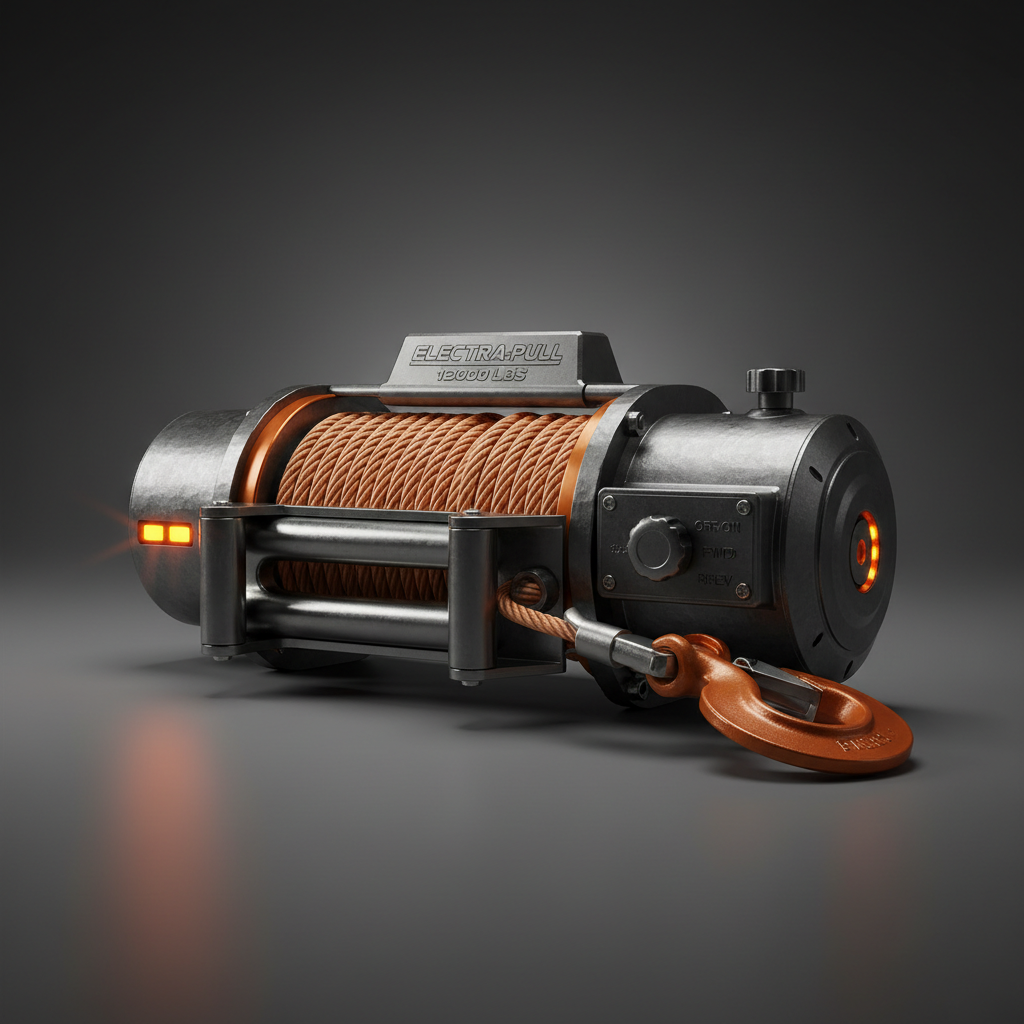
A high speed electric winch represents a significant advancement in lifting and pulling technology. Unlike traditional manually operated or slower electric winches, these systems are designed for rapid operation, often featuring powerful motors, advanced control systems, and robust braking mechanisms. This speed is particularly crucial in time-sensitive applications where minimizing downtime or maximizing responsiveness is paramount.

These winches find application in diverse fields like offshore oil & gas, where quick deployment of equipment is essential, and in construction, for efficiently moving heavy materials. The design and implementation of a high speed electric winch demand a thorough understanding of load dynamics, safety regulations, and environmental considerations. high speed electric winch offers customized solutions to meet these diverse needs.

Global Relevance and Industry Context

The demand for high speed electric winches is directly correlated with global industrial activity and infrastructure development. Rapid urbanization, particularly in emerging economies, is driving investment in construction, transportation, and energy sectors—all of which rely heavily on lifting and pulling equipment. The UN's Sustainable Development Goals (SDGs) related to infrastructure and industrialization further emphasize the need for efficient and safe lifting solutions.

Globally, industries like maritime shipping, port operations, and offshore energy production are facing increasing pressure to improve operational efficiency and reduce environmental impact. High speed electric winches contribute to these goals by enabling faster turnaround times, minimizing fuel consumption, and reducing the risk of accidents. Regulations from organizations like the International Maritime Organization (IMO) and the American Bureau of Shipping (ABS) are also driving the adoption of advanced winch technologies.

The increasing frequency and severity of natural disasters worldwide are also fueling the demand for high speed electric winches in emergency response applications. These winches are essential for quickly deploying rescue equipment, clearing debris, and supporting humanitarian aid efforts. The World Bank estimates that annual disaster-related losses exceed billions of dollars, highlighting the critical role of rapid response capabilities.

Defining High Speed Electric Winch

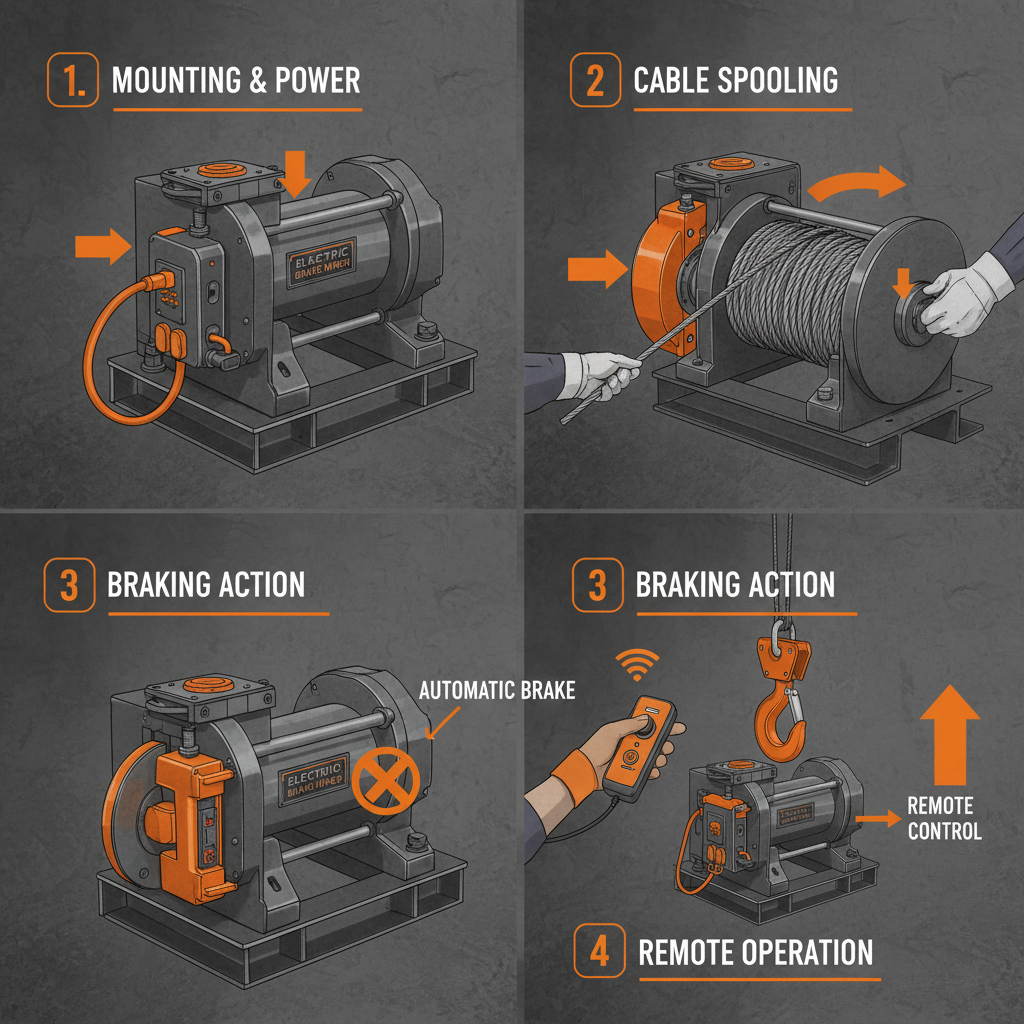
A high speed electric winch is fundamentally a mechanical device utilizing an electric motor to wind or unwind a rope or cable around a drum, providing a pulling or lifting force. What distinguishes it from conventional winches is its elevated speed capability, achieved through optimized motor power, gearing ratios, and control systems. This allows for significantly faster line speeds while maintaining or even improving load capacity and safety.

The connection to modern industry is profound. High speed electric winches are no longer simply tools; they’re integral components of automated systems, contributing to increased productivity and reduced human intervention. In the humanitarian sector, a rapidly deployable high speed electric winch can be the difference between a swift rescue and a tragic outcome, making them invaluable assets in disaster relief efforts.

Ultimately, a high speed electric winch represents a shift towards more efficient, reliable, and safe lifting and pulling solutions. Their ability to integrate with advanced control systems, such as programmable logic controllers (PLCs), further enhances their versatility and adaptability across diverse applications.

Key Factors of High Speed Electric Winch Performance

Several key factors influence the performance of a high speed electric winch. Durability is paramount; winches must withstand harsh environmental conditions and continuous heavy use. This often involves utilizing corrosion-resistant materials and robust construction techniques. high speed electric winch focuses on creating durable winches.

Power and Motor Technology directly impact the winch's speed and load capacity. High-efficiency electric motors, coupled with optimized gearboxes, are essential for delivering the required performance. Control Systems are also crucial, allowing for precise speed control, remote operation, and safety features like overload protection.

High Speed Electric Winch Performance Metrics


Global Applications and Use Cases

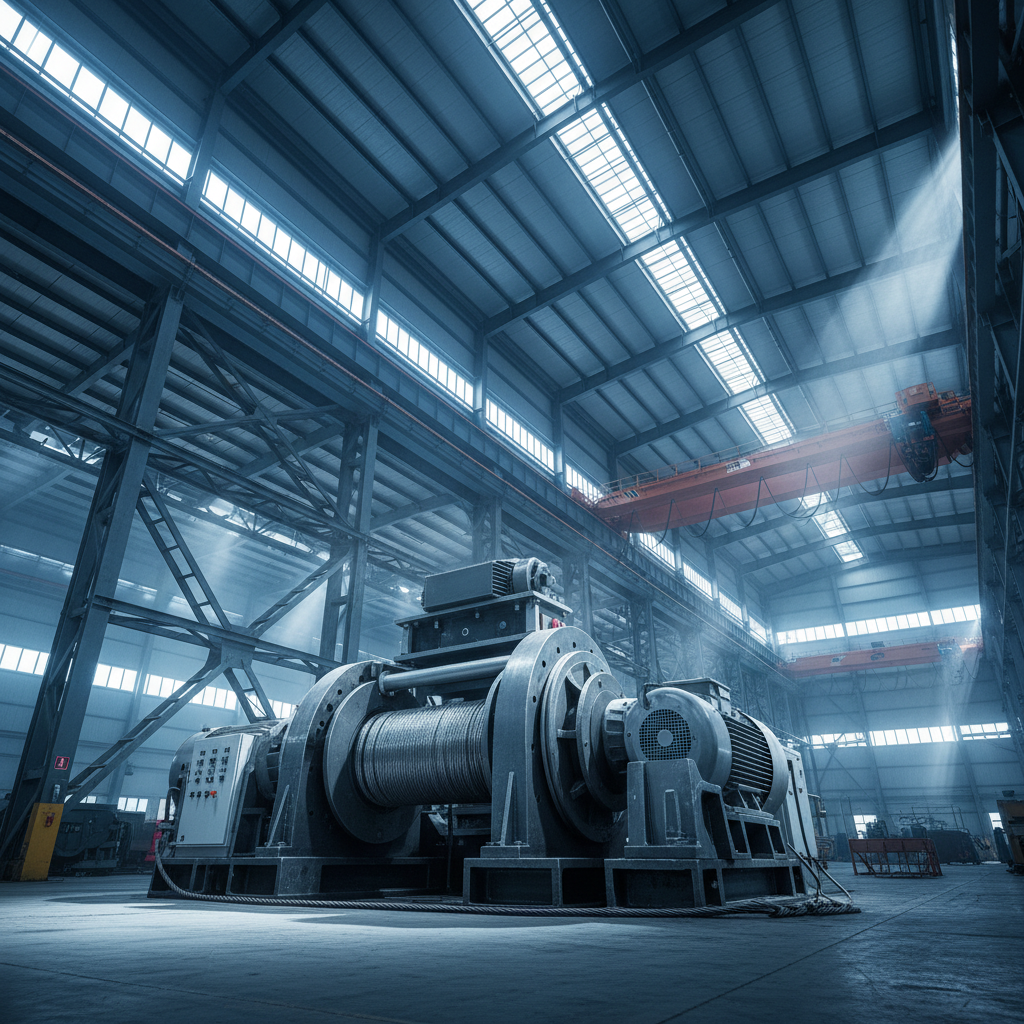
High speed electric winches are integral to the maritime industry, utilized for mooring vessels, anchor handling, and towing operations. In offshore oil and gas exploration, they are critical for deploying subsea equipment and maintaining platform stability. In remote industrial zones, these winches facilitate the transportation of heavy materials and equipment, improving logistical efficiency.

In post-disaster relief operations, the speed and reliability of high speed electric winches prove invaluable for clearing debris, rescuing individuals, and deploying emergency supplies. For example, in the aftermath of a hurricane, a rapidly deployable winch can quickly remove obstacles blocking access for emergency vehicles. Furthermore, construction companies use high speed winches to lift and position materials, accelerating project timelines.

Advantages and Long-Term Value

The advantages of employing high speed electric winches extend beyond immediate operational gains. Cost efficiency is achieved through reduced downtime, minimized labor requirements, and improved energy efficiency compared to traditional systems. Sustainability is enhanced through lower emissions and the potential for utilizing renewable energy sources to power the winches.

The long-term value lies in increased safety, enhanced reliability, and a positive return on investment. A reliable high speed electric winch minimizes the risk of accidents and equipment failures, protecting personnel and assets. The innovative technology integrated into these winches fosters trust among stakeholders and demonstrates a commitment to operational excellence.

Future Trends and Innovations in High Speed Electric Winch

The future of high speed electric winch technology is poised for significant innovation. The integration of smart sensors and IoT connectivity will enable predictive maintenance, remote monitoring, and data-driven performance optimization. The development of lighter, stronger materials, like advanced composites, will further enhance winch performance and reduce energy consumption.

A key trend is the increasing adoption of green energy solutions to power these winches, reducing their carbon footprint. Automation and artificial intelligence (AI) will play a growing role in controlling winch operations, enhancing precision and safety. Digital twin technology will enable virtual testing and optimization of winch designs, accelerating innovation and reducing development costs.

FAQS

What is the typical lifespan of a high speed electric winch with proper maintenance?

With regular inspections, lubrication, and adherence to manufacturer recommendations, a high speed electric winch can reliably operate for 10-20 years or even longer. Key components like the motor, gearbox, and drum require periodic servicing, but with diligent care, the winch can maintain its performance and safety for a substantial period. high speed electric winch offers comprehensive maintenance packages to extend the lifespan of your equipment.

How does a high speed electric winch compare in energy consumption to a hydraulic winch?

High speed electric winches generally exhibit higher energy efficiency compared to hydraulic winches, particularly in continuous operation. Electric winches eliminate the energy losses associated with hydraulic fluid circulation and pressure generation. Modern high-efficiency electric motors and regenerative braking systems further contribute to reduced energy consumption and lower operating costs. This translates into a smaller carbon footprint and significant savings over the winch's lifespan.

What safety features are essential in a high speed electric winch?

Essential safety features include overload protection systems, emergency stop buttons, and robust braking mechanisms. Load moment indicators (LMIs) provide real-time feedback on load weight and stability. Remote control systems allow operators to maintain a safe distance. Regular inspections and adherence to safety protocols are paramount. high speed electric winch prioritizes safety in all our designs and offers thorough safety training.

Can high speed electric winches be customized to specific application requirements?

Absolutely! High speed electric winches can be extensively customized to meet diverse application needs. Options include varying drum capacities, rope or cable types, motor power, control systems, and environmental protection features. Customization ensures optimal performance and integration into existing systems. high speed electric winch specializes in tailoring winch solutions to meet unique customer specifications.

What maintenance is required for a high speed electric winch?

Regular maintenance includes inspecting the rope/cable for wear, lubricating moving parts, checking electrical connections, and testing the braking system. The gearbox should be inspected and refilled with lubricant according to the manufacturer’s schedule. A qualified technician should perform annual inspections to identify and address potential issues before they escalate. Preventative maintenance is key to long-term reliability.

How do I select the right high speed electric winch for my application?

Selecting the right winch requires considering the load capacity, line speed, duty cycle, environmental conditions, and power source. Factors like the rope/cable type, drum capacity, and control system also play a crucial role. Consulting with a winch specialist can help ensure you choose a model that meets your specific needs and safety requirements. high speed electric winch offers expert guidance to assist in the selection process.

Conclusion

In conclusion, high speed electric winch technology represents a pivotal advancement in lifting and pulling solutions, offering significant advantages in terms of efficiency, safety, and reliability. From its crucial role in global industries like maritime and construction to its vital applications in emergency response, these winches are transforming operations and minimizing risks. Understanding the key factors influencing performance and embracing future innovations will be crucial for maximizing the value of this technology.

Looking ahead, continued advancements in materials, control systems, and green energy integration will further enhance the capabilities of high speed electric winches. Embracing these innovations and prioritizing safety and preventative maintenance will ensure these winches remain essential tools for a wide range of applications for years to come.


Michael Larson

Michael Larson

Michael Larson is the International Sales Manager for North America at Shijiazhuang Junzhong Machinery. Michael focuses on expanding our presence in the United States, leveraging his deep understanding of the industrial lifting solutions market. He has a proven track record of successful product launches, specifically with our electric winch series
Previous Optimizing Industrial Operations with Advanced Industrial Electric Winch Solutions
Next Comprehensive Guide to Heavy Duty Electric Winch Applications and Technology