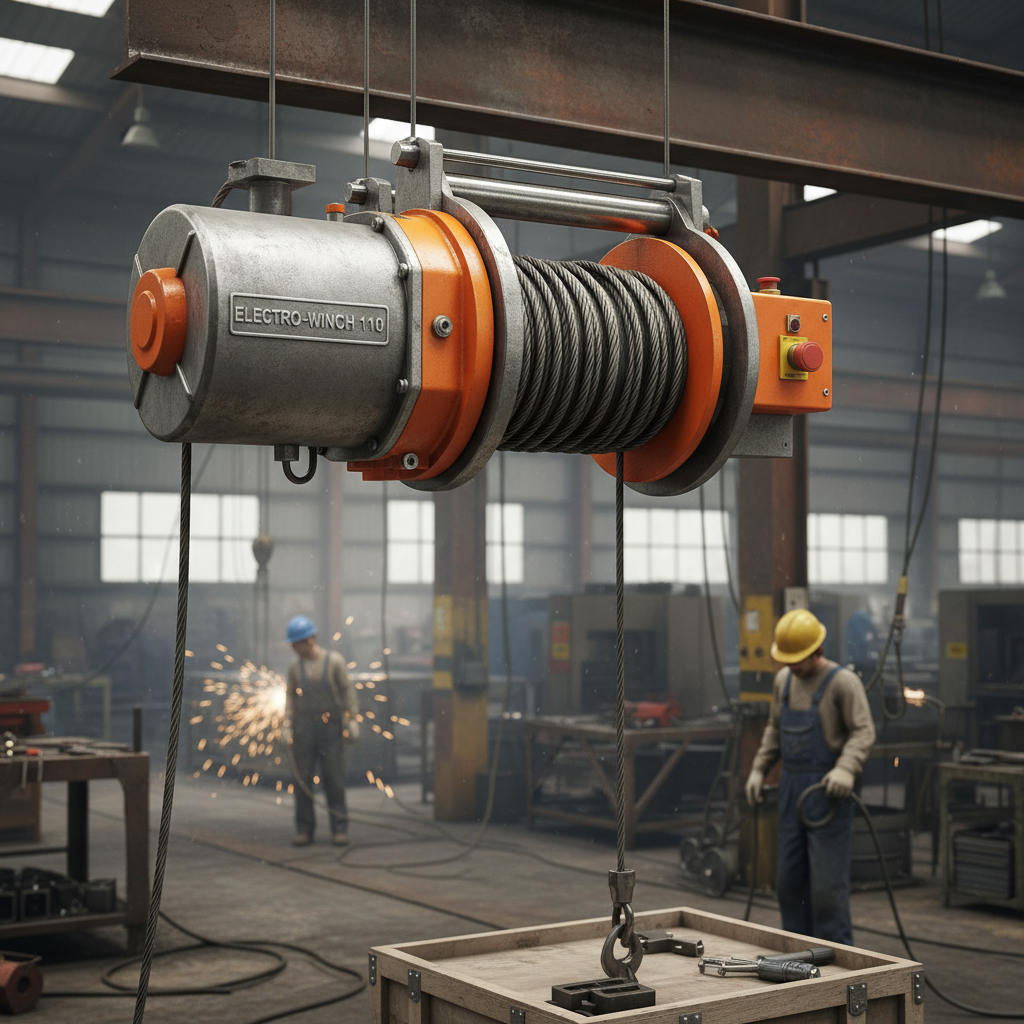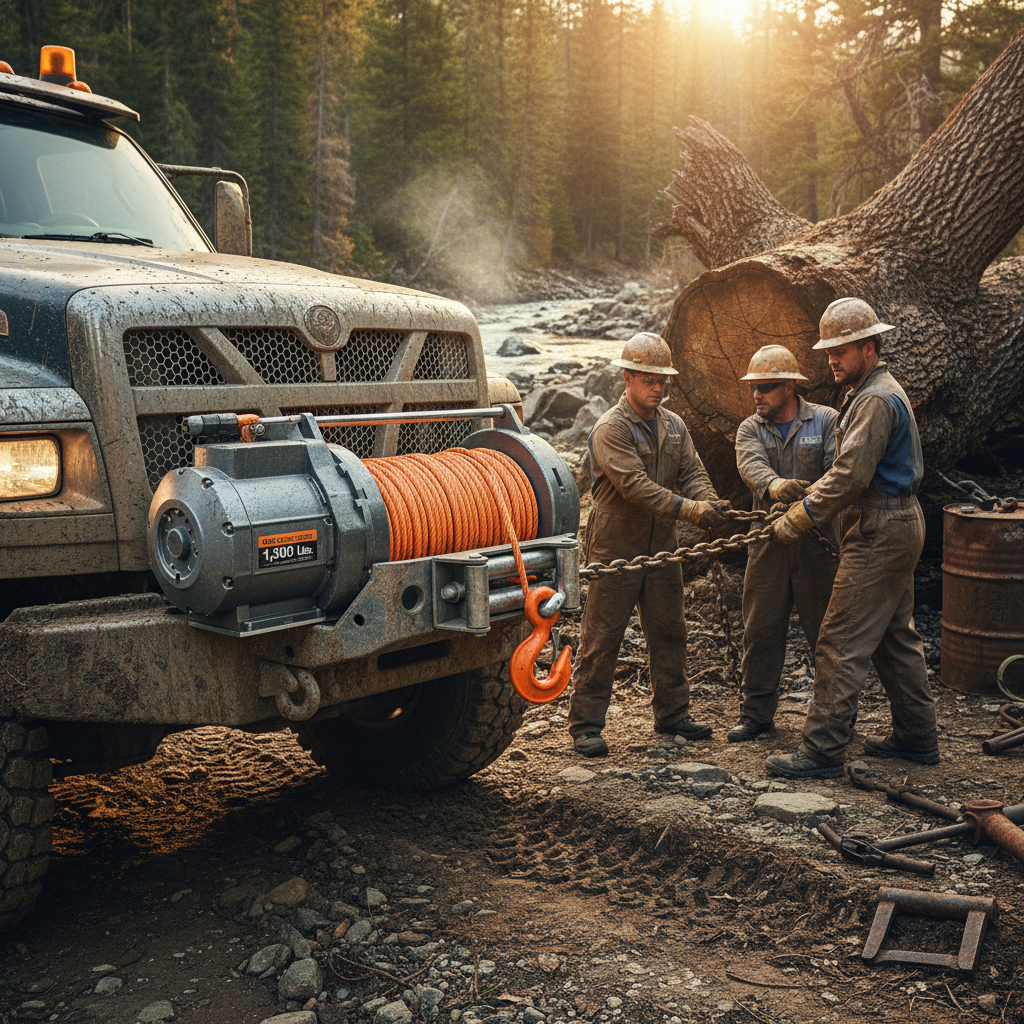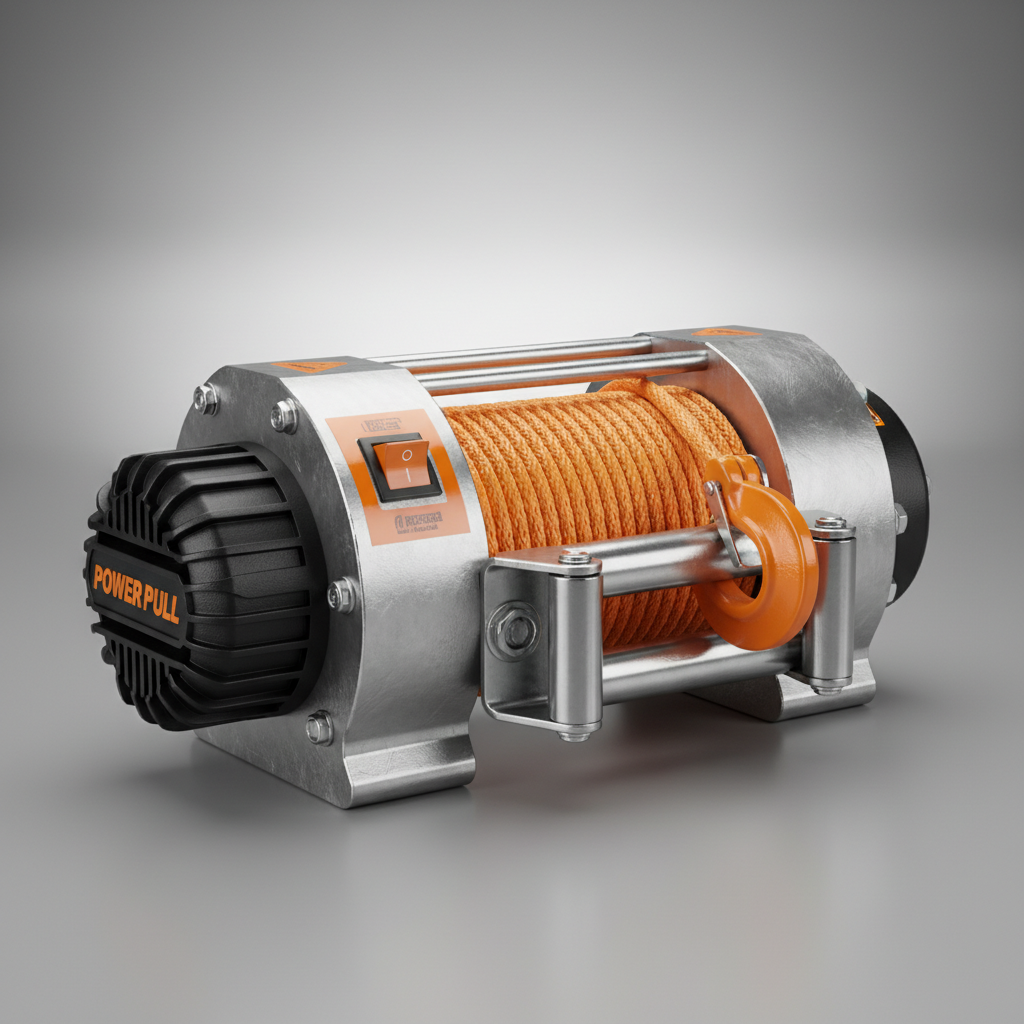
Honestly, the whole electric winch scene has been buzzing lately. Everyone's talking about automation, remote control… you see it everywhere on the docks now. Seems like folks are finally realizing spending all day cranking a handle isn’t the best use of their time. Used to be, a winch was just a winch. But now? Now you’ve got variable speed, load sensing, wireless control… it's getting fancy, real fancy. And that’s good, but also… it adds layers of things that can go wrong.
Have you noticed how everyone jumps on the ‘bigger is better’ bandwagon? Designers get caught up in horsepower and torque ratings, forgettin’ about the guys actually using the thing. I saw a design last year, all 24-volt, beefy motor… looked great on paper. But it was a beast to move around. Nobody wants to lug a fifty-pound winch around the deck. It's gotta be practical, you know? That's the first trap. Another one is forgetting about saltwater. Everything needs to be corrosion resistant, obviously, but it's more than just slapping on a stainless steel bolt. It's the grade of the steel, the coatings… the little things.
We mostly use aluminum alloy for the housings – 6061-T6, mostly. Feels good in the hand, not too heavy. And it doesn't rust like steel. Though it smells a bit metallic when you’re machining it, even with the coolant. The gears, though… that’s where things get interesting. Used to be all bronze, durable stuff, but expensive. Now we’re seeing a lot of hardened steel, with specialized coatings. Polyurethane is making inroads too, surprisingly. It's quiet, self-lubricating... but it doesn't have the same feel as metal, if you know what I mean. It feels… soft.
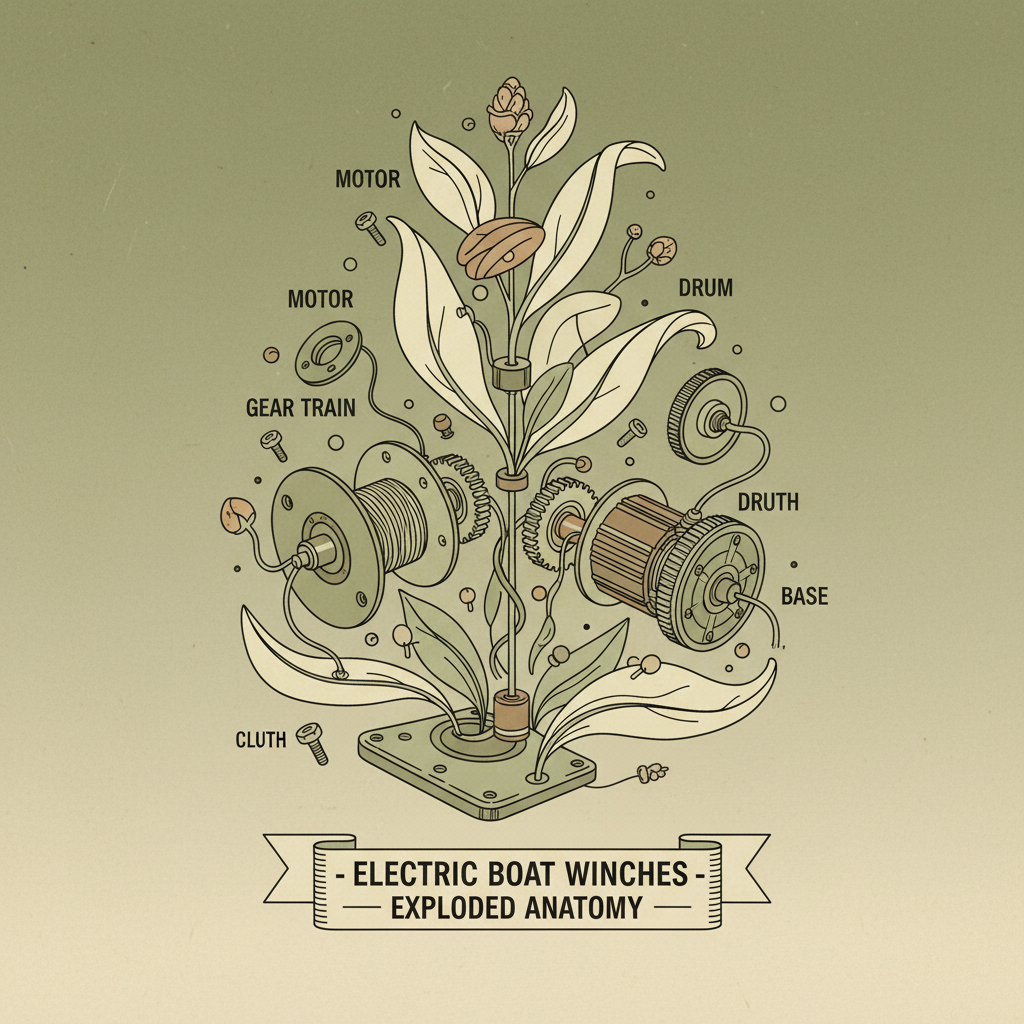
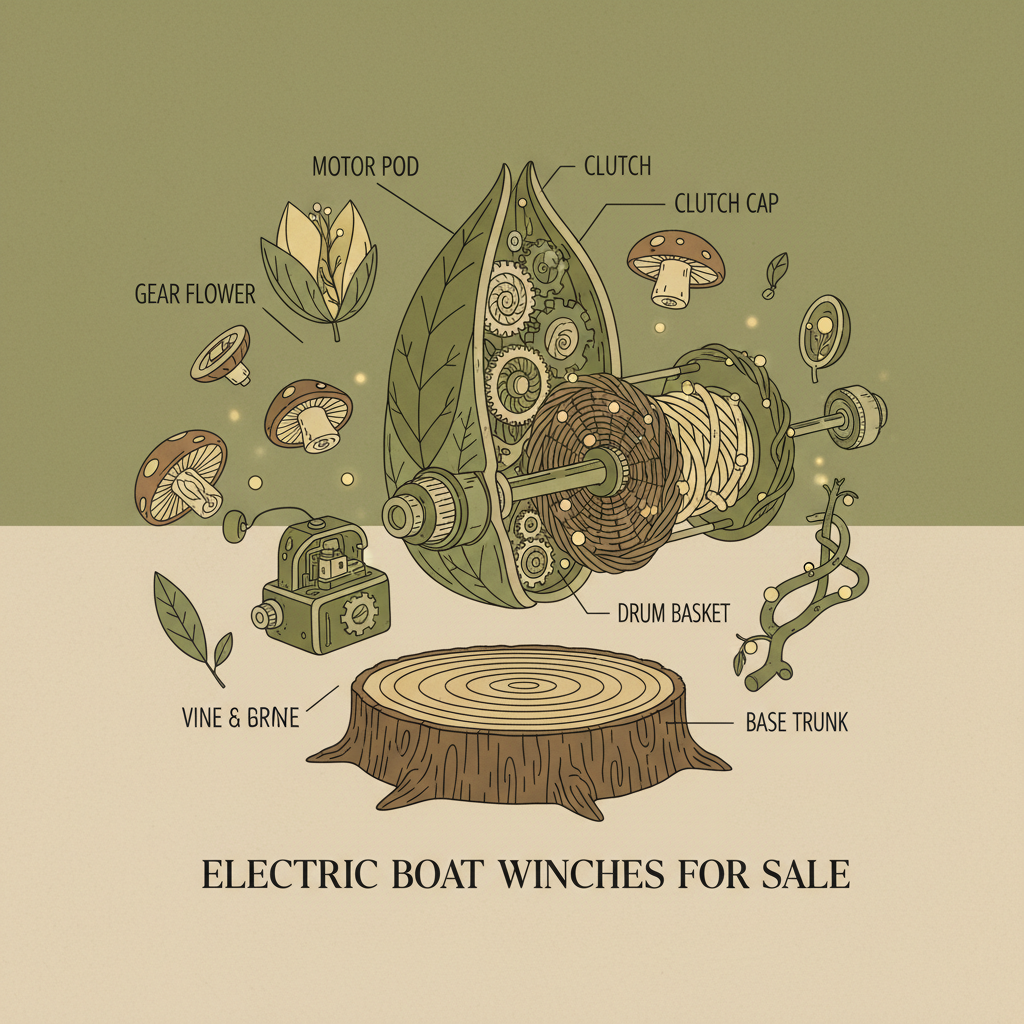
Strangely enough, the push for quieter operation is big. Folks don't want the constant whine of a motor all day. It drives ‘em nuts. So a lot of effort goes into noise dampening, gear design… things like that. It’s good, don’t get me wrong, but it adds cost. And sometimes, you end up sacrificing a little bit of power for the sake of silence. The thing is, out on the water, there's already a lot of noise – waves, the engine… sometimes, I wonder if it even matters.
Also, everyone's obsessed with 'smart' winches now. Bluetooth connectivity, load monitoring, auto-stop features... It’s all well and good, but the battery life can be a real headache. I encountered this at a marina in Florida last time – guy had a fancy winch with all the bells and whistles, and the battery died halfway through hauling in his sailboat. Left him stuck out there for hours. Simple, reliable is often better.
That's a tough one. It really depends on use, maintenance, and the environment. A well-maintained winch in freshwater can easily last 10+ years. But in saltwater, with heavy use, you're looking at more like 5-7. Regular cleaning and lubrication are key. Salt spray is brutal, you know? And don't forget to inspect the cable regularly for wear and tear.
It depends on your electrical knowledge. If you're comfortable wiring up a 12 or 24-volt system, it's not too bad. But you need to ensure proper fusing and grounding. A bad electrical connection can be dangerous. I strongly recommend having a qualified marine electrician do the installation if you're not confident. It’s not worth the risk.
Regular lubrication of the gears and cable is crucial. Check the electrical connections for corrosion. Inspect the cable for frays and kinks. And make sure the remote control is working properly. We recommend a full inspection at least once a year, and more frequently if the winch is used heavily. It’s preventative, but saves headaches down the road.
Absolutely not! They are not designed or certified for lifting people. That's a recipe for disaster. Electric winches are for lifting equipment, not humans. There are specific lifting devices designed for that purpose, and you should always use those. Don't even think about trying to rig up an electric winch for personnel lifting.
A single-line winch pulls directly on the cable, while a double-line winch uses a pulley system to double the pulling power. Double-line winches are ideal for heavier loads, but they also pull the cable slower. The choice depends on your specific needs and the weight of the items you'll be lifting. It's all about mechanical advantage, really.
Look for features like overload protection, emergency stop buttons, and a robust braking system. The cable should have a high breaking strength, and the winch should be properly grounded. And always, always follow the manufacturer's instructions. Safety should be your top priority, always. We also recommend using cable dampers to prevent the cable from snapping back if it breaks.
So, electric boat winches are changing the game, no doubt. They’re more efficient, more convenient, and they can make life a lot easier on the water. But they're not a silver bullet. They require proper maintenance, careful installation, and a healthy dose of common sense.
I think we’ll see continued innovation in this space – more powerful motors, smarter controls, and better battery technology. But ultimately, whether this thing works or not, the worker will know the moment he tightens the screw. And that’s the bottom line.