0%

Table of Contents

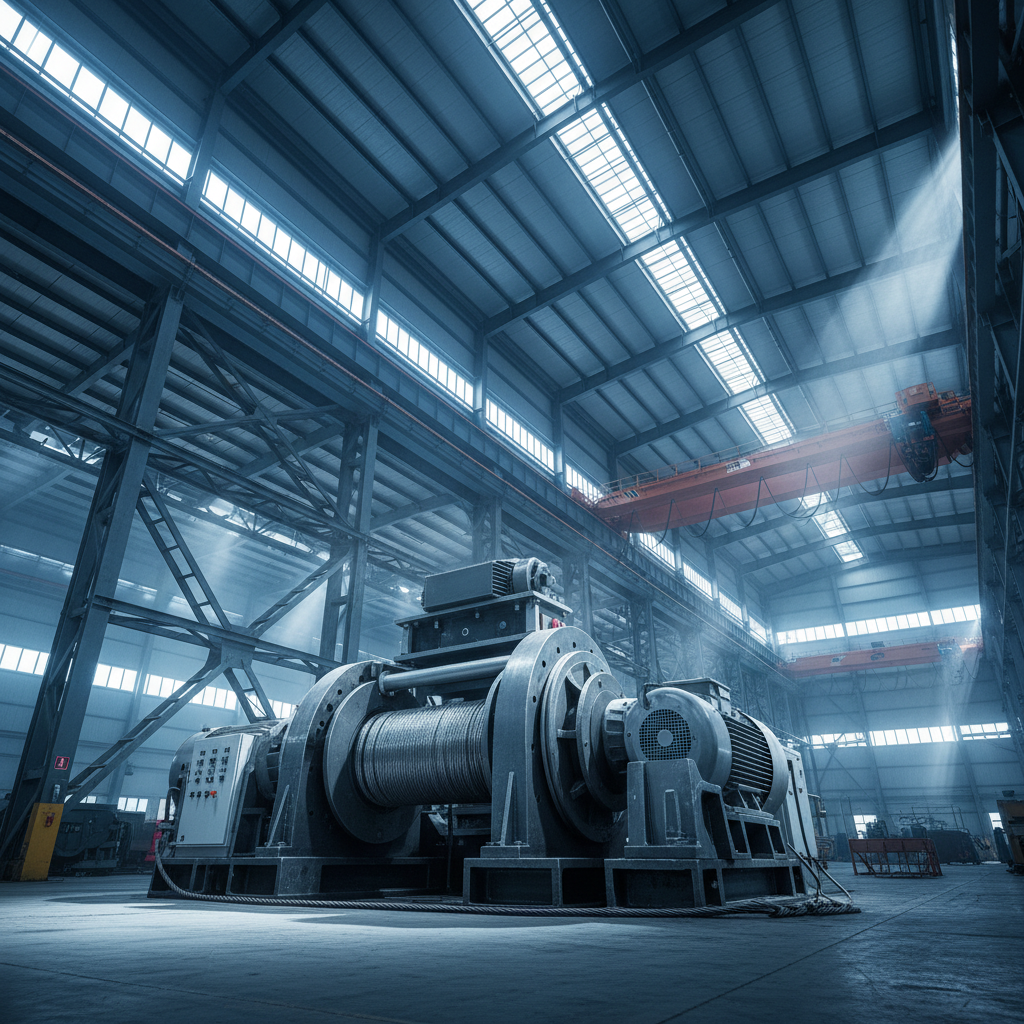
The demand for robust and reliable lifting solutions is escalating globally, driven by factors ranging from infrastructure development and resource extraction to disaster relief and recreational activities. At the heart of this demand lies the electric winch with synthetic rope, a technology that offers significant advantages over traditional winch systems. This article delves into the intricacies of electric winches utilizing synthetic rope, exploring their functionalities, applications, benefits, and future trends. Understanding this technology is crucial for professionals across various industries seeking efficient, safe, and sustainable lifting solutions.

The global market for winches is experiencing steady growth, with a particular surge in the adoption of electric-powered models. This shift is primarily attributed to the increasing emphasis on reducing carbon emissions and improving operational efficiency. The incorporation of synthetic rope, as opposed to steel cable, further enhances the appeal of these winches due to its lightweight nature, increased safety, and reduced maintenance requirements. According to recent market analyses, the demand for specialized winches, including those with synthetic rope, is projected to grow significantly over the next decade.

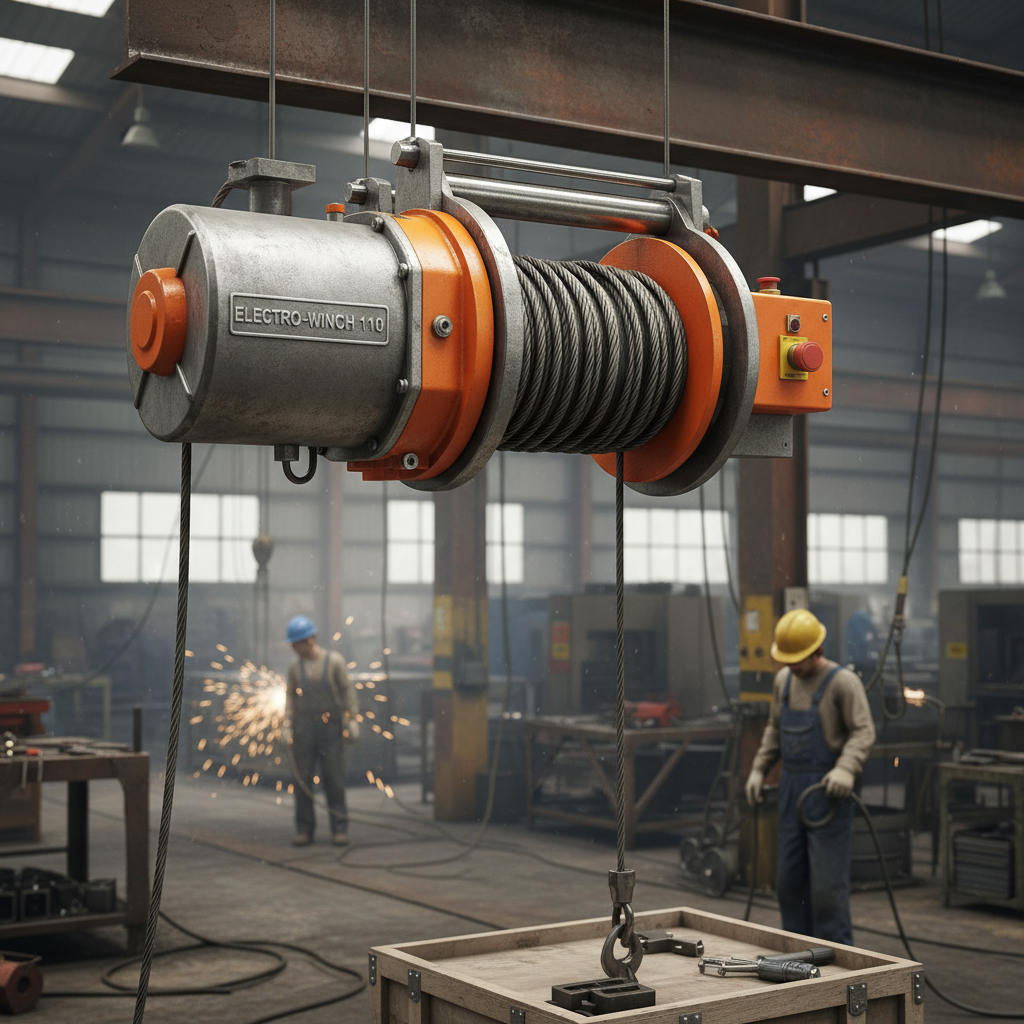
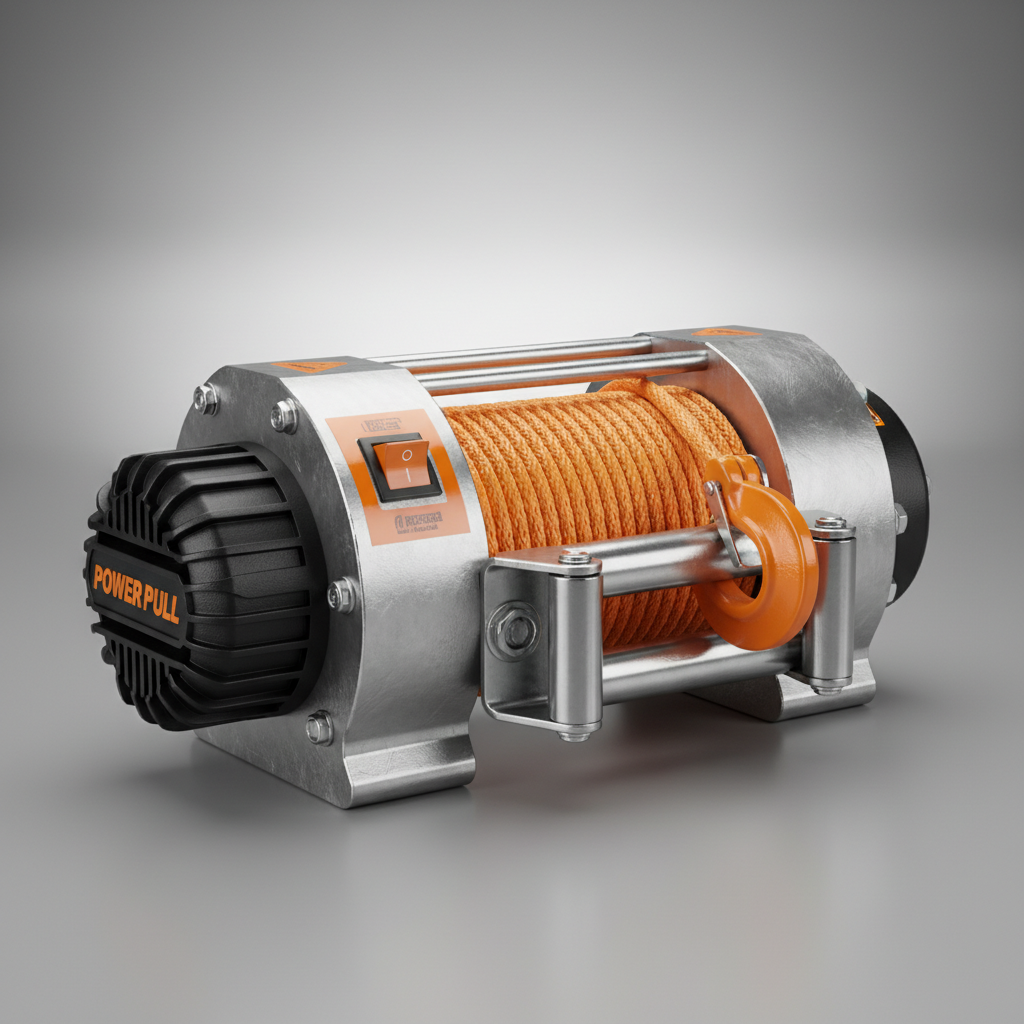
An electric winch with synthetic rope is a powered lifting device that utilizes an electric motor to spool and unspool a synthetic rope, providing controlled lifting, pulling, or tensioning capabilities. It’s a versatile tool used in a multitude of applications, from recovering vehicles to positioning heavy equipment. The move towards synthetic rope—typically made from high-strength polymers like Dyneema or Spectra—has revolutionized winch technology, offering a viable alternative to traditional steel cable, and answering modern industrial and emergency response needs.
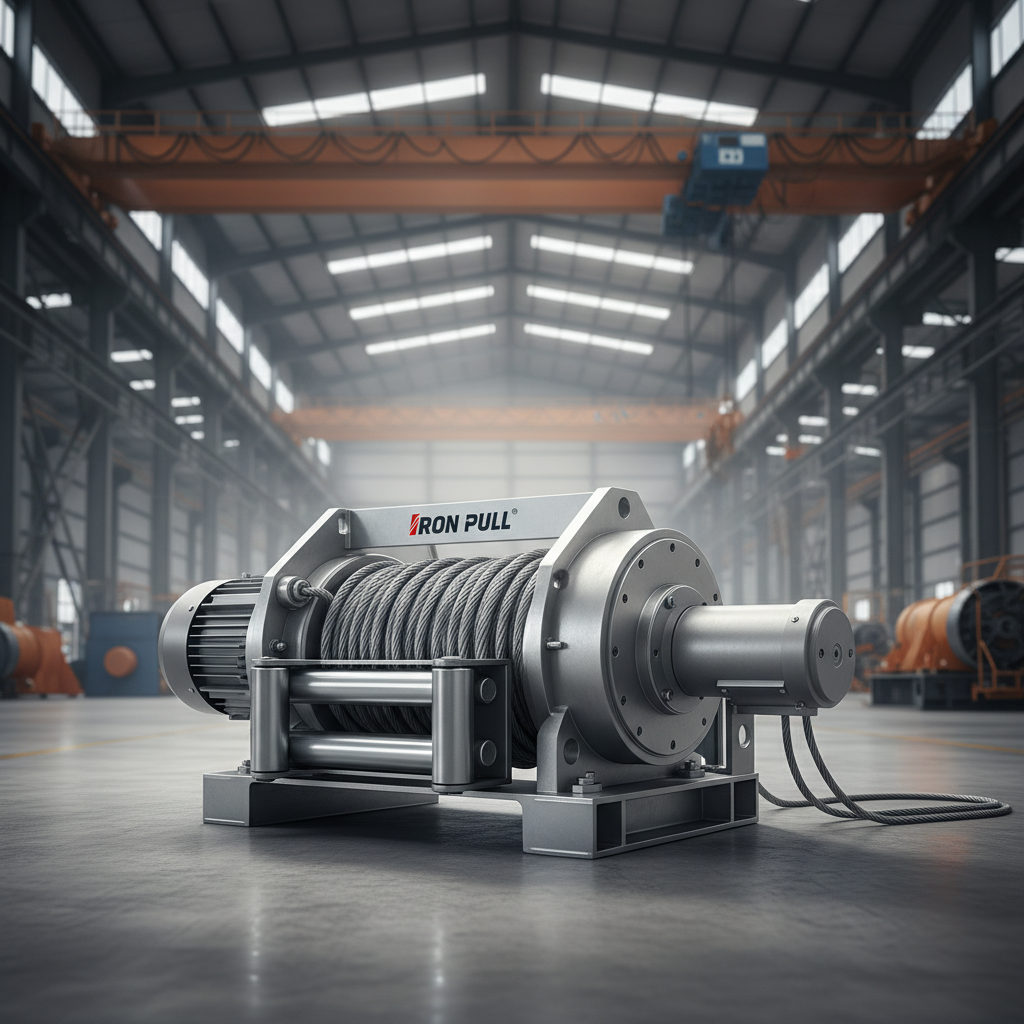
Advanced Electric Winch with Synthetic Rope for Efficient Lifting Solutions

The Fundamentals of Electric Winch with Synthetic Rope

Advanced Electric Winch with Synthetic Rope for Efficient Lifting Solutions

The core functionality of an electric winch with synthetic rope revolves around converting electrical energy into mechanical force. This force is then used to wind or unwind the synthetic rope around a drum, enabling the lifting or pulling of loads. The electric motor, coupled with a gear system, provides the necessary torque and control for various applications. Understanding these fundamentals is key to appreciating the capabilities and limitations of this technology.

A key difference between traditional steel cable winches and those employing synthetic rope lies in the material properties. Synthetic ropes offer a higher strength-to-weight ratio, meaning they can handle significant loads while being considerably lighter than steel cables. This reduced weight translates to easier handling, faster deployment, and decreased overall system weight. The inherent flexibility of synthetic rope also contributes to improved safety and reduced risk of injury.

Global Relevance and Industrial Context

The global need for efficient and reliable lifting solutions spans numerous industries. From construction and mining to marine operations and automotive recovery, electric winches with synthetic rope play a vital role in optimizing workflows and enhancing safety. The rising demand in emerging economies, coupled with increasing safety regulations, is driving the adoption of advanced winch technologies worldwide.

Consider the oil and gas industry, where winches are essential for offshore platform maintenance and equipment handling. Synthetic rope winches are becoming increasingly favored due to their corrosion resistance and non-conductive properties, crucial in hazardous environments. Similarly, in the forestry industry, these winches assist in timber extraction and loading, offering a lighter and safer alternative to traditional methods. According to the UN, sustainable industrialization is a key component of achieving global development goals, and efficient lifting solutions are pivotal in this context.

The automotive industry leverages these winches for vehicle recovery, particularly in off-road environments. Emergency services and disaster relief organizations rely on the rapid deployment and high strength-to-weight ratio of electric winches with synthetic rope for clearing debris, rescuing vehicles, and supporting search and rescue operations. These are critical applications where speed and reliability are paramount.

Defining Electric Winch with Synthetic Rope

An electric winch with synthetic rope is a mechanical device that uses an electrically powered motor to wind or unwind a high-strength synthetic rope around a spool, providing a controlled pulling or lifting force. It differs from traditional winches primarily through its power source and the material of the rope used.

Its connection to modern industry is strong. Modern manufacturing processes and logistical operations depend on the efficient movement of goods. The electric winch with synthetic rope enhances efficiency, safety, and sustainability in these processes. Furthermore, its suitability for remote and challenging terrains positions it as a crucial component in infrastructure development projects globally.

In humanitarian contexts, these winches offer a fast and reliable solution for clearing obstacles, recovering vehicles, and setting up temporary infrastructure in disaster-stricken areas, providing vital support during critical response efforts. The ability to operate independently from hydraulic systems and the lower weight of the synthetic rope are significant advantages in these situations.

Key Characteristics and Core Components

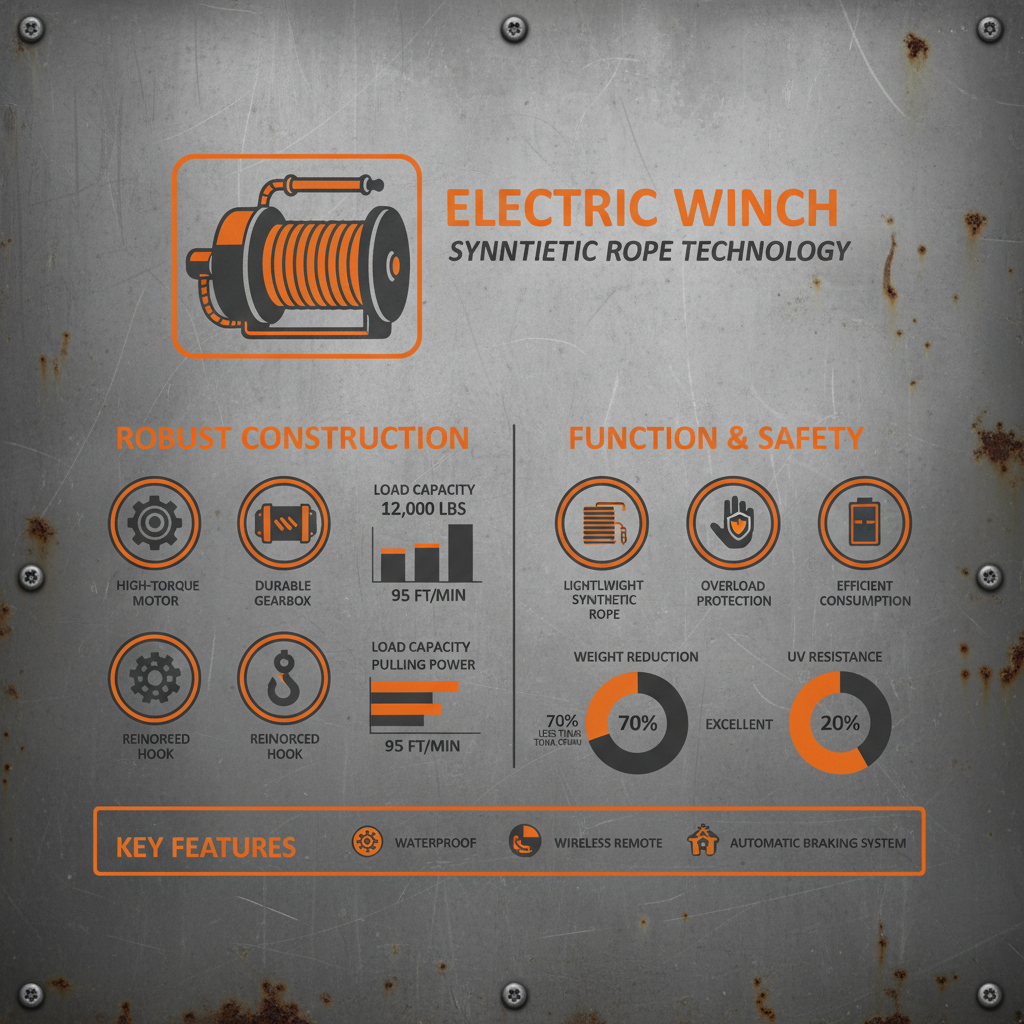
Several key characteristics define the performance and usability of an electric winch with synthetic rope. These include its pulling capacity, rope length, motor power, gear ratio, and control system. The pulling capacity dictates the maximum weight the winch can handle, while the rope length determines the reach of the winch.

Core components include the electric motor, the gear system (planetary gearboxes are common), the drum or spool, the synthetic rope itself, the brake system, and the control unit. The electric motor provides the power, while the gear system amplifies the torque. The brake system ensures secure holding of the load, and the control unit allows for precise operation.

Comparative Performance of Electric Winch with Synthetic Rope Methods


Global Applications and Use Cases

In post-disaster relief operations, electric winches with synthetic rope are invaluable for clearing roads, recovering vehicles, and assisting in the rescue of individuals trapped by debris. Their lightweight and easy-to-deploy nature make them ideal for rapid response scenarios.

In remote industrial zones, such as mining operations or oil fields, these winches facilitate the safe and efficient movement of equipment and materials. Their robustness and ability to withstand harsh environmental conditions make them essential tools for maintaining operational continuity. Furthermore, the marine industry utilizes these winches for mooring, towing, and lifting operations, leveraging their corrosion resistance and high strength.

Advantages and Long-Term Value

The advantages of using an electric winch with synthetic rope are numerous. These include reduced weight, increased safety (due to rope breakage prevention and reduced recoil), lower maintenance costs, and enhanced environmental friendliness (synthetic ropes are often recyclable).

The long-term value stems from the increased operational efficiency, reduced downtime, and improved safety record. These factors translate to cost savings, enhanced productivity, and a positive impact on the organization's reputation. The durability of synthetic rope, coupled with the reliability of electric motors, ensures a long service life and a strong return on investment.

Future Trends and Innovations

Future trends point towards the integration of smart technologies into electric winches with synthetic rope. This includes features such as remote control, load monitoring, and predictive maintenance. These advancements will enhance operational efficiency, improve safety, and reduce maintenance costs.

The development of even stronger and more durable synthetic rope materials is also underway. Innovations in energy storage and motor technology will lead to more powerful and efficient winches. Furthermore, the adoption of automation and robotic control systems will expand the applications of these winches in various industries.

Sustainability will continue to be a driving force, with a focus on developing winches powered by renewable energy sources. This aligns with the global push towards reducing carbon emissions and promoting environmentally responsible practices.

Summary of Key Challenges and Potential Solutions for Electric Winch with Synthetic Rope

Challenge Impact Area Potential Solution Implementation Difficulty (1-5)
Synthetic Rope UV Degradation Rope Longevity UV-resistant rope coatings and materials 3
High Initial Cost Market Adoption Bulk purchasing discounts, leasing options 2
Limited Awareness of Benefits Industry Uptake Targeted marketing campaigns, industry workshops 4
Complex Control Systems User Friendliness Simplified user interfaces, intuitive controls 3
Power Source Dependence Operational Flexibility Integration with portable power sources, hybrid power systems 2
Need for Specialized Training Safe Operation Comprehensive training programs, certification schemes 3

FAQS

What are the main advantages of synthetic rope over steel cable in winches?

Synthetic rope, like Dyneema or Spectra, offers significant advantages over steel cable. It's considerably lighter, making winches easier to handle and deploy. It's also stronger for its weight, doesn't rust, and is safer – if a synthetic rope fails, it’s less prone to violent recoil compared to a snapped steel cable. Maintenance requirements are also typically lower for synthetic ropes, reducing downtime and operational costs. Ultimately, a winch with electric winch with synthetic rope provides a safer, more efficient, and user-friendly experience.

How does an electric winch compare to a hydraulic winch in terms of efficiency and cost?

Electric winches generally offer higher efficiency compared to hydraulic winches, converting a greater percentage of power into pulling force. They also tend to have lower maintenance costs as they have fewer moving parts and don’t require hydraulic fluid. The initial cost of an electric winch might be comparable, but the long-term operational savings due to reduced maintenance and increased efficiency often make it a more cost-effective solution. An electric winch with synthetic rope takes these advantages even further.

What safety precautions should be taken when operating an electric winch with synthetic rope?

Always inspect the synthetic rope for any signs of damage before use, including abrasions, cuts, or UV degradation. Wear gloves and eye protection during operation. Ensure the winch is securely mounted and the load is properly secured. Never exceed the winch’s rated pulling capacity. Use a dampener to absorb energy in case of rope failure. Regularly maintain the winch according to the manufacturer’s instructions, focusing on the motor and brake system. Proper training on the use of an electric winch with synthetic rope is crucial.

What is the lifespan of a synthetic rope on an electric winch?

The lifespan of a synthetic rope depends on several factors, including usage frequency, load weight, environmental conditions (UV exposure, abrasion), and proper maintenance. A well-maintained synthetic rope can last for several years, even with heavy use. However, regular inspections are essential to identify any signs of wear and tear. Replace the rope immediately if any damage is detected. Following manufacturer recommendations will maximize the lifespan of your electric winch with synthetic rope.

Are electric winches with synthetic rope suitable for saltwater environments?

Yes, synthetic ropes, particularly those made from Dyneema or Spectra, are highly resistant to saltwater corrosion, making them ideal for marine applications. However, it's crucial to rinse the winch and rope with freshwater after exposure to saltwater to remove any salt residue. Additionally, ensure the electric motor and other components are appropriately sealed and protected against corrosion. Choosing a winch specifically designed for marine use will provide optimal performance and longevity in saltwater environments; look for electric winch with synthetic rope models specifically built for the marine environment.

What maintenance is required for an electric winch with synthetic rope?

Regular maintenance is key to ensuring the longevity and performance of your winch. This includes inspecting the synthetic rope for wear, lubricating moving parts (motor, gears), checking electrical connections, and testing the brake system. Keeping the winch clean and free from debris is also important. Consult the manufacturer’s manual for specific maintenance recommendations. Remember to thoroughly inspect the electric winch with synthetic rope at regular intervals.

Conclusion

In conclusion, the electric winch with synthetic rope represents a significant advancement in lifting technology. Its combination of power, efficiency, safety, and environmental friendliness makes it a valuable tool across a wide range of industries. From disaster relief to industrial operations, these winches are proving their worth as reliable and versatile solutions. Understanding their capabilities and limitations is crucial for maximizing their benefits.

Looking ahead, continued innovation in materials, motor technology, and smart control systems will further enhance the performance and usability of these winches. As sustainability becomes increasingly important, the demand for eco-friendly lifting solutions will drive the adoption of electric winches with synthetic rope. To learn more about how an electric winch with synthetic rope can benefit your operations, visit our website today!

Kevin O'Connell

Kevin O'Connell

Kevin O'Connell is a Senior Production Engineer at Shijiazhuang Junzhong Machinery. He oversees the manufacturing process for our large tonnage hydraulic winches and complex cable retracting systems. Kevin’s expertise lies in optimizing production efficiency while maintaining high quality. He was vital to the streamlining of production for the equipment used
Previous Advancements in Electric Truck Winch Technology and Global Applications
Next Electric Cable Pulling Winch Solutions for Modern Infrastructure Projects