Electric car winch systems are rapidly gaining prominence as essential components for off-road enthusiasts, overlanders, and emergency responders. These powerful tools provide a reliable method for self-recovery and assisting others in challenging terrains. The increasing popularity of electric vehicles (EVs) is further driving demand, as electric winches offer a quieter, more efficient, and environmentally friendly alternative to traditional hydraulic or gas-powered winches. Understanding the capabilities, applications, and future trends of electric car winch systems is crucial for anyone venturing off the beaten path or preparing for unexpected roadside challenges.
The global market for vehicle winches, including electric car winch models, is experiencing significant growth, fueled by a surge in adventure tourism and a heightened awareness of preparedness. According to industry reports, the off-road vehicle accessories market is projected to reach \$XX billion by 2028, with winches representing a substantial share. This growth is particularly evident in regions with diverse landscapes and challenging driving conditions, such as North America, Europe, and Australia.
Electric car winch technology addresses a critical need for reliable self-recovery solutions in remote locations where assistance may not be readily available. Beyond recreational use, these winches are vital for professional applications like forestry, mining, and search and rescue operations. The shift towards electric models also aligns with growing environmental concerns and the demand for sustainable off-road equipment.
The Fundamentals of Electric Car Winch
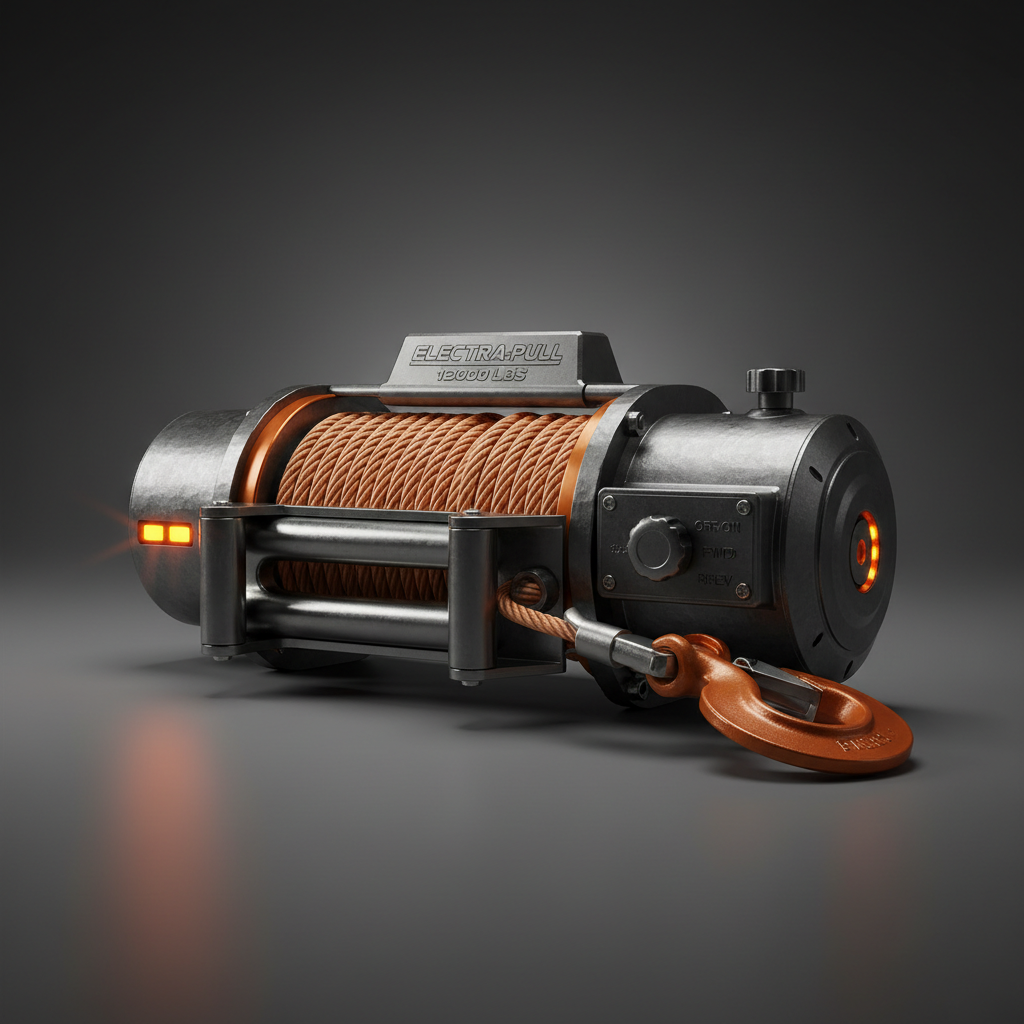
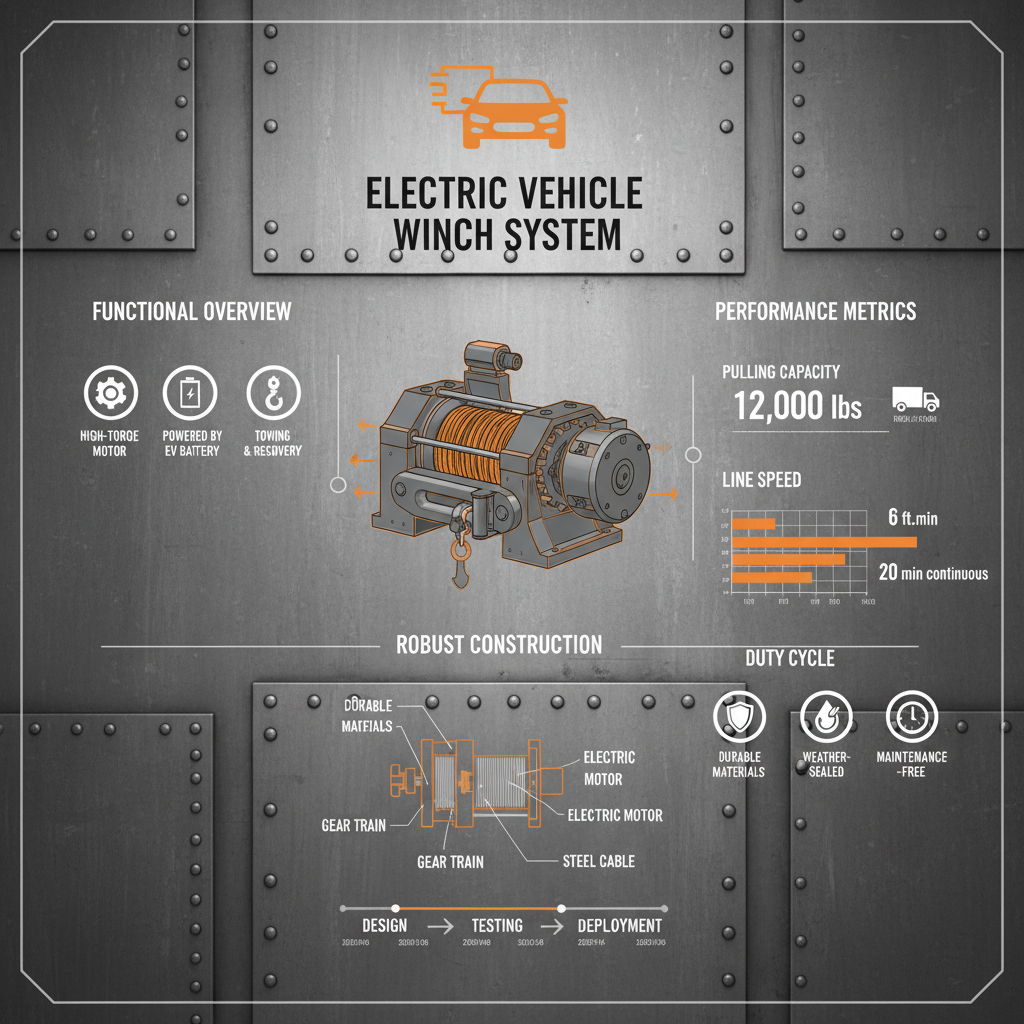
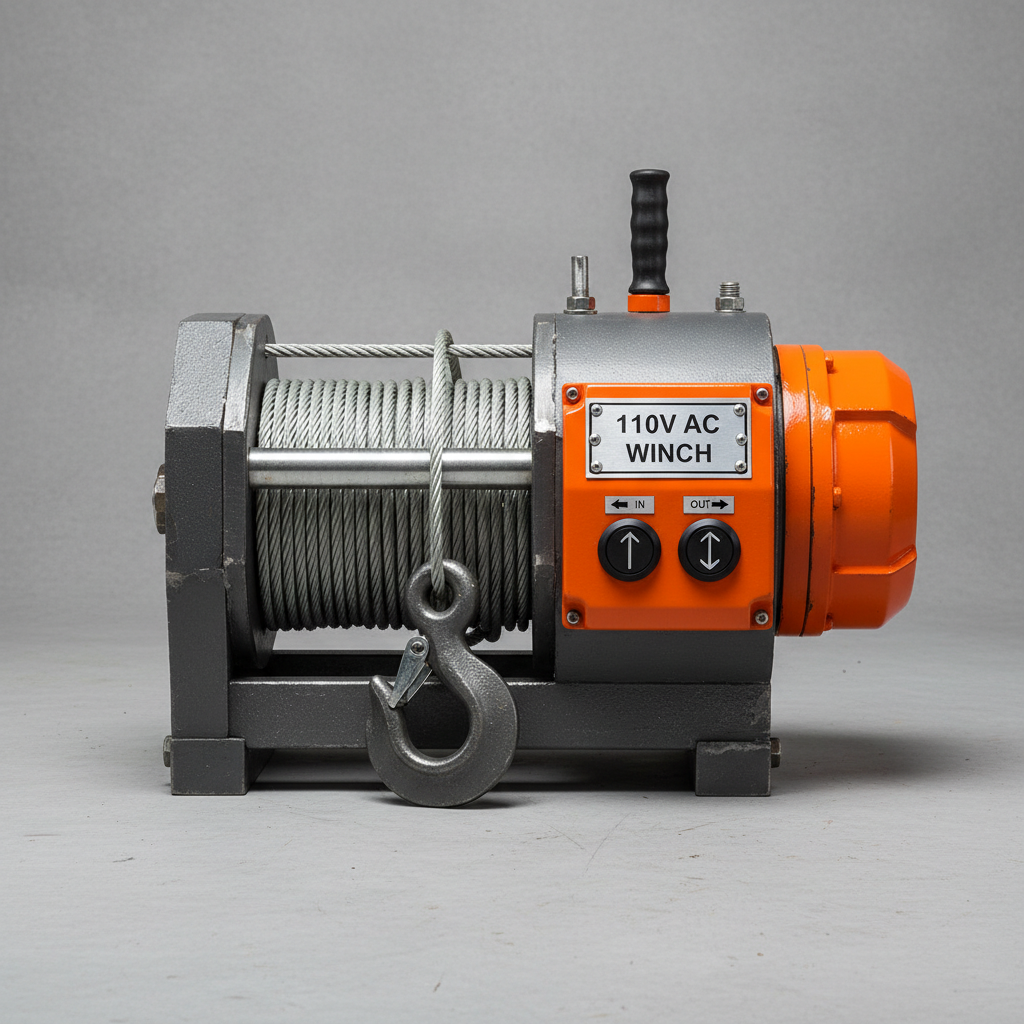
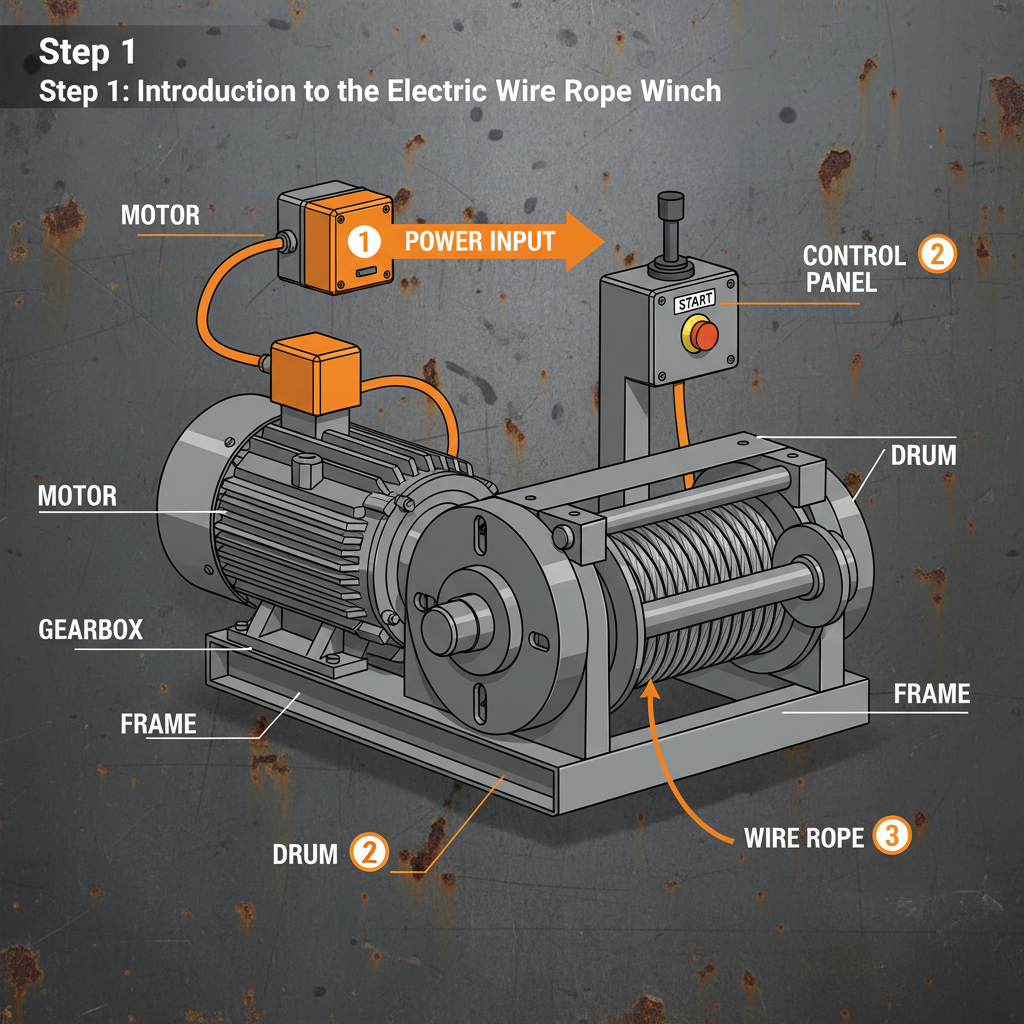
At its core, an electric car winch utilizes an electric motor to rotate a drum, around which a steel cable or synthetic rope is wound. This system provides controlled pulling power for overcoming obstacles or recovering vehicles. The efficiency and reliability of these systems are directly related to the quality of the motor, gearbox, and control mechanisms. A key consideration is the winch's pulling capacity, measured in pounds or kilograms, which dictates the types of loads it can handle.
The selection of an electric car winch depends on the vehicle's size, weight, and intended use. Factors such as cable length, winch speed, and remote control capabilities also play crucial roles in determining the optimal system for a given application. Proper installation and regular maintenance are essential to ensure the long-term performance and safety of the electric car winch.
Defining Electric Car Winch and Its Relevance
An electric car winch is a self-contained mechanical device powered by an electric motor, specifically designed to exert a strong pulling force. Unlike traditional winches relying on manual labor, hydraulic systems, or internal combustion engines, electric winches offer convenient, powerful, and relatively quiet operation. They are commonly mounted to the front or rear of vehicles to provide recovery assistance in off-road scenarios.
The relevance of electric car winch extends beyond recreational off-roading. They are increasingly utilized by professionals in industries such as towing, marine salvage, and construction. In emergency situations, these winches can be invaluable for clearing debris, recovering vehicles, and assisting in rescue operations. The growing trend towards electric vehicles makes electric winches an increasingly logical and environmentally conscious choice.
Connecting the technology to modern needs, electric car winch represents a significant advancement in vehicle recovery systems. They offer a powerful and reliable solution for overcoming challenging situations, enhancing safety, and promoting self-sufficiency in a variety of environments. Their integration with modern vehicle electronics and control systems further enhances their usability and functionality.
Key Components and Characteristics
Several key factors define the performance and reliability of an electric car winch. Firstly, the motor itself is critical. High-quality motors deliver consistent power and withstand demanding conditions. Secondly, the gearbox plays a vital role in translating the motor's speed into usable pulling force. Gear ratios determine the winch's speed and torque.
The cable or synthetic rope is another crucial component. Steel cables offer high strength and durability, while synthetic ropes are lighter and safer, reducing the risk of recoil in case of breakage. Finally, the control system, including the remote control and solenoid pack, ensures precise and reliable operation. Modern systems often feature advanced features like load sensing and automatic braking.
Beyond the core components, characteristics like waterproof rating, corrosion resistance, and ease of installation are important considerations. A winch designed to withstand harsh environments will provide years of dependable service. Factors like noise level and energy consumption also influence user experience and overall system efficiency.
Performance Factors of electric car winch
The performance of an electric car winch is governed by a combination of factors that determine its effectiveness and suitability for specific applications. Winch capacity, measured in pounds or kilograms, is a primary consideration, dictating the maximum weight it can safely pull. Proper winch selection ensures that it can handle anticipated loads without strain or damage.
Electric Car Winch Performance Characteristics
Global Applications and Industries Served
The applications of electric car winch are diverse and span numerous industries worldwide. In the off-road and overlanding communities, these winches are essential for self-recovery and navigating challenging terrain, particularly in regions like the American Southwest, Australia’s Outback, and the mountainous areas of Europe.
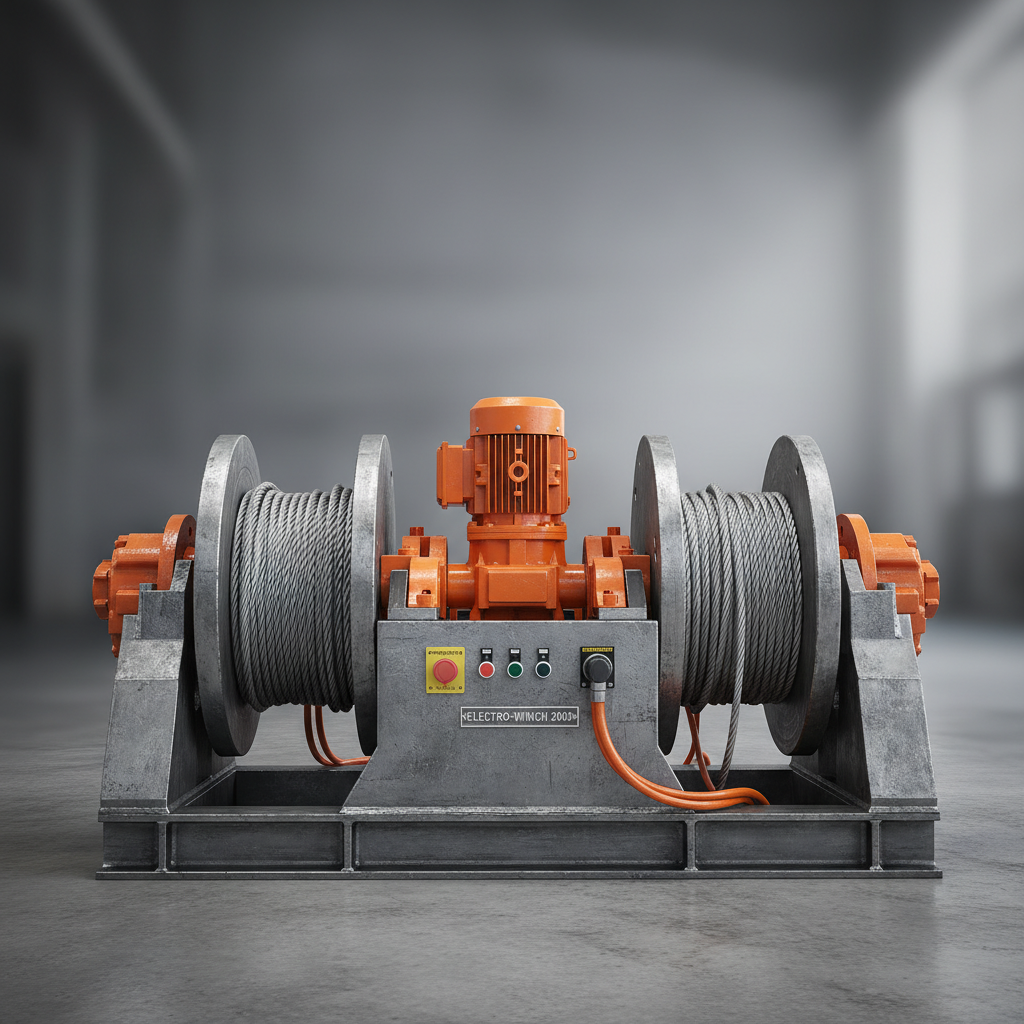
Beyond recreation, electric winches play a critical role in professional settings. Forestry companies utilize them for moving felled trees, while mining operations employ them for hauling equipment and materials. Search and rescue teams rely on their robust pulling power to recover vehicles and assist individuals in disaster zones. In post-disaster relief operations, electric car winch are crucial for clearing debris and restoring access to affected areas.
Advantages and Long-Term Value Proposition
Electric car winch offer several compelling advantages over traditional winch systems. They are significantly quieter in operation, reducing noise pollution and enhancing user comfort. They also eliminate the exhaust fumes associated with gasoline-powered winches, contributing to a cleaner environment. Moreover, electric winches require less maintenance due to their simpler design and fewer moving parts.
The long-term value of investing in an electric car winch lies in its reliability, durability, and cost-effectiveness. While the initial investment may be higher, the reduced maintenance requirements and lower operating costs translate to significant savings over the winch's lifespan. The increased safety features and ease of use further enhance their value proposition, providing peace of mind and promoting self-sufficiency.
Future Trends and Innovation in electric car winch
The future of electric car winch is poised for continued innovation, driven by advancements in materials science, battery technology, and smart control systems. We can expect to see lighter and more compact winch designs, utilizing high-strength synthetic fibers for cables and ropes. Improved motor efficiency and battery life will further enhance performance and reduce energy consumption.
The integration of smart technology, such as load sensing, automatic braking, and remote monitoring, will offer enhanced control and safety features. Furthermore, the development of wireless control systems and smartphone integration will streamline operation and provide real-time feedback. The increasing demand for sustainable off-road equipment will also drive the adoption of eco-friendly materials and manufacturing processes.
The trend towards vehicle electrification will undoubtedly accelerate the adoption of electric car winch. As EVs become more prevalent, the demand for compatible and efficient winch systems will continue to grow, fostering further innovation and development in this dynamic field.
Summarizing Key Considerations for Electric Car Winch Selection and Application
| Winch Capacity (lbs) |
Cable/Rope Material |
Motor Voltage (V) |
Control System Type |
| 9,500 |
Steel Cable |
12 |
Wired Remote |
| 12,000 |
Synthetic Rope |
12 |
Wireless Remote |
| 10,000 |
Steel Cable |
24 |
Wired Remote with Load Sensor |
| 8,000 |
Synthetic Rope |
12 |
Wireless Remote with Smartphone App Control |
| 15,000 |
Steel Cable |
24 |
Wired Remote with Heavy-Duty Solenoid |
| 11,000 |
Synthetic Rope |
12 |
Wireless Remote with Automatic Braking System |
FAQS
Electric car winch typically range in pulling capacity from 8,000 to 15,000 pounds, though models exceeding 20,000 pounds are available. The appropriate capacity depends on the vehicle’s weight and the type of recovery scenarios anticipated. Selecting a winch with a higher capacity than needed offers a safety margin, but also increases weight and cost. Always refer to the manufacturer’s specifications for accurate ratings.
Steel cable is known for its high strength and durability, making it suitable for heavy-duty applications. However, it’s also heavier, prone to kinking, and can recoil dangerously if it breaks. Synthetic rope, on the other hand, is lighter, safer, and doesn’t kink easily. It’s also more resistant to corrosion, but typically has a lower breaking strength than steel cable of the same diameter. The choice depends on your priorities and intended use.
Regular maintenance is crucial for ensuring the longevity and reliability of your electric car winch. This includes lubricating moving parts, inspecting the cable or rope for wear and tear, checking the electrical connections, and keeping the winch clean and free from debris. It's also important to periodically inspect the mounting bolts and ensure they are securely tightened. Refer to the manufacturer's manual for specific maintenance recommendations.
Safety is paramount when operating an electric car winch. Always wear gloves and eye protection. Use a tree saver strap or winch anchor to avoid damaging trees. Never stand in the direct path of the cable or rope. Ensure the winch is properly mounted and secured to the vehicle. Avoid exceeding the winch's rated capacity. Familiarize yourself with all the winch's controls and safety features before use.
While many electric car winches are designed for universal fitment, compatibility can vary depending on the vehicle's make and model. Factors like frame strength, mounting points, and electrical system capacity must be considered. It’s essential to select a winch that is appropriately sized for your vehicle and to ensure proper installation by a qualified professional. Some vehicles may require additional reinforcement or modification.
The lifespan of an electric car winch depends on several factors, including usage frequency, maintenance practices, and environmental conditions. With proper care and regular maintenance, a high-quality electric winch can last for 10 years or more. However, heavy use or neglect can significantly shorten its lifespan. Investing in a reputable brand and following the manufacturer’s recommendations will maximize its longevity.
Conclusion
In conclusion, electric car winch represent a significant advancement in vehicle recovery technology, offering a powerful, reliable, and environmentally conscious solution for a wide range of applications. From recreational off-roading to professional industrial operations, these winches enhance safety, promote self-sufficiency, and provide peace of mind in challenging situations. Understanding the key components, performance factors, and future trends is crucial for making informed decisions and maximizing the value of these essential tools.
Looking ahead, we can expect to see continued innovation in electric car winch technology, driven by advancements in materials science, smart control systems, and the growing demand for sustainable off-road equipment. By embracing these advancements and prioritizing proper maintenance and safety practices, we can unlock the full potential of electric car winch and ensure their continued relevance in a rapidly evolving world. For more information and to explore our range of electric car winch, visit our website at electric car winch.