The electric wire rope winch stands as a cornerstone of modern lifting and hauling solutions, impacting industries from construction and manufacturing to marine operations and disaster relief. Its ability to efficiently and safely move heavy loads has revolutionized workflows, minimizing manual labor and enhancing productivity across the globe. Understanding the nuances of electric wire rope winch technology, its applications, and future trends is crucial for professionals seeking optimized operational efficiency and robust safety standards.
Globally, the demand for reliable lifting equipment is continuously increasing, driven by infrastructure development, expanding industrial sectors, and a heightened focus on workplace safety. The electric wire rope winch, offering precise control, consistent performance, and reduced environmental impact compared to traditional methods, addresses these needs directly. Innovations in motor technology, control systems, and wire rope materials are further solidifying its position as a preferred choice for demanding applications.
The electric wire rope winch is a mechanical device that uses an electric motor to spool or unspool a wire rope, enabling the lifting or pulling of heavy objects. Unlike manual winches or those powered by combustion engines, the electric version offers greater precision, repeatability, and the ability to be integrated into automated systems. This technology is not only integral to industrial processes but also plays a vital role in humanitarian efforts, providing crucial lifting capacity in challenging environments.
Introduction to Electric Wire Rope Winch
Electric wire rope winches represent a significant advancement in lifting technology, offering a blend of power, precision, and safety that traditional methods simply can’t match. Their increasing adoption across numerous industries signals a growing recognition of their benefits, particularly in environments where reliable and controlled lifting is paramount. The versatility of the electric wire rope winch allows for customization to meet specific operational requirements.
The evolution of these winches has been driven by innovations in electric motor technology, control systems, and materials science. Modern electric winches are often equipped with features like variable speed controls, overload protection, and remote operation capabilities, making them both user-friendly and highly efficient.
The Global Significance of Electric Winches
The global market for electric winches is substantial and continues to expand, mirroring the growth of infrastructure projects, industrial activities, and the demand for safer lifting solutions. Regions with rapidly developing economies, such as Asia-Pacific and Latin America, are experiencing particularly strong growth in winch demand. According to recent industry reports, the global winch market is projected to reach billions of dollars in the coming years, with electric winches representing a significant portion of this growth.
Several key factors contribute to this growth, including stricter safety regulations, increasing labor costs, and a growing emphasis on automation. Electric winches offer a safer and more efficient alternative to manual lifting, reducing the risk of workplace injuries and improving overall productivity. Furthermore, the ability to integrate electric winches into automated systems streamlines operations and minimizes human intervention.
The significance extends beyond commercial applications; electric winches play a crucial role in disaster relief, search and rescue operations, and emergency response efforts. Their portability and reliability make them invaluable tools in challenging and remote locations where swift and effective lifting is essential.
Defining Electric Wire Rope Winch Technology
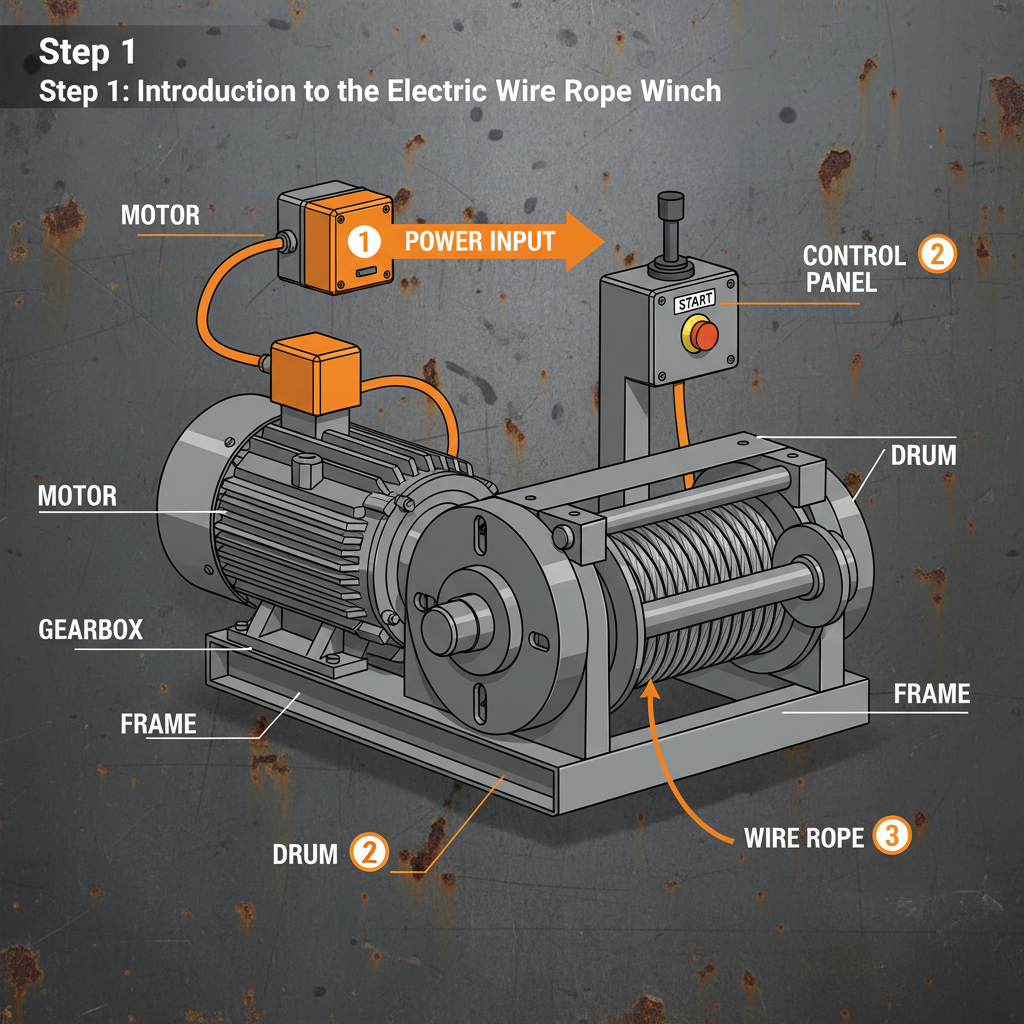
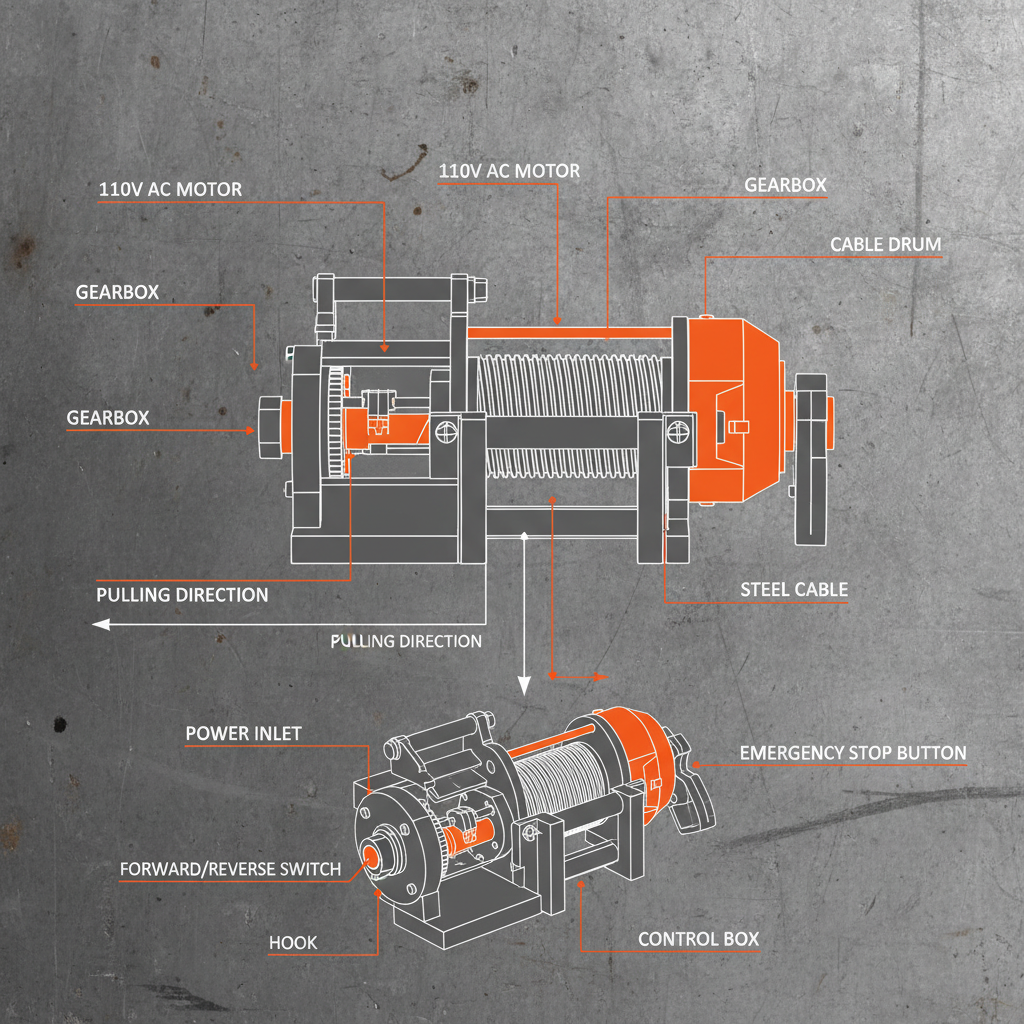
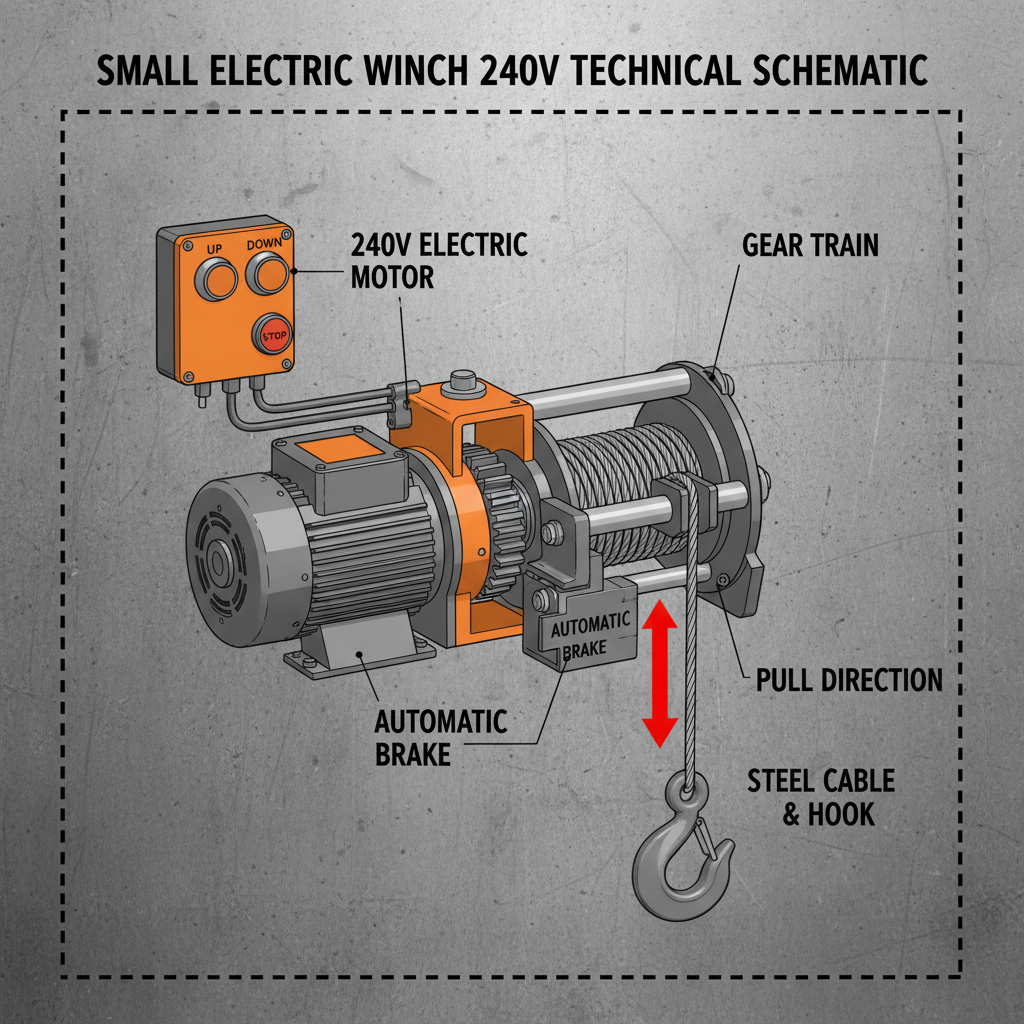
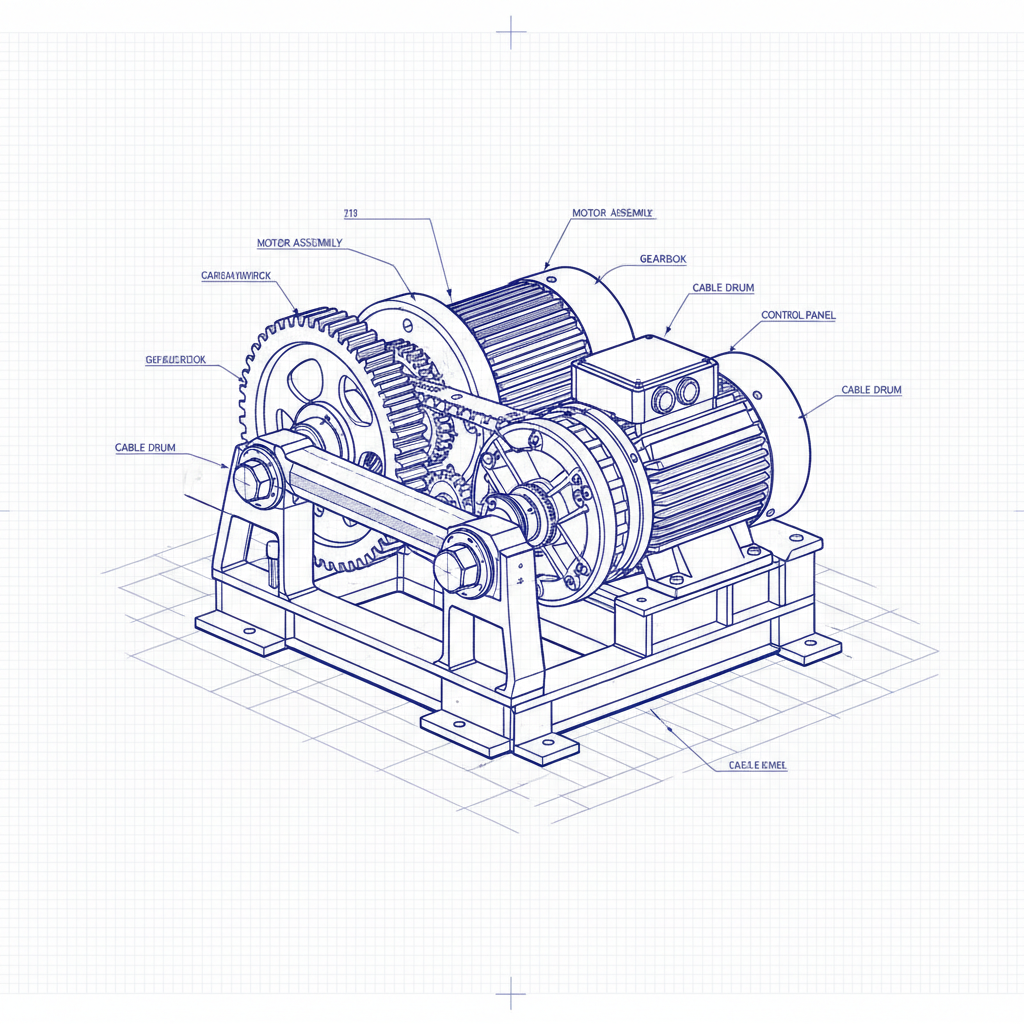
An electric wire rope winch, at its core, is a powered mechanical device designed to lift or pull heavy loads using a rotating drum around which a wire rope is wound. The electric motor provides the power to rotate the drum, and a braking system ensures controlled lowering of the load. The wire rope, typically made of steel, provides the tensile strength necessary to handle substantial weights. The key components work in concert to deliver a safe and reliable lifting solution.
Its connection to modern industry and humanitarian needs is deeply ingrained. In industries like construction, they are integral to lifting building materials and equipment. Within maritime sectors, they secure vessels and manage cargo. In disaster relief, electric wire rope winch systems clear debris and help establish critical infrastructure. Their adaptability and power make them an essential tool for progress and recovery.
The precise control offered by electric winches, coupled with safety features like overload protection and emergency stop mechanisms, sets them apart from other lifting methods. The ability to fine-tune the lifting speed and position of the load is critical in many applications, ensuring both efficiency and safety.
Key Factors Influencing Winch Performance
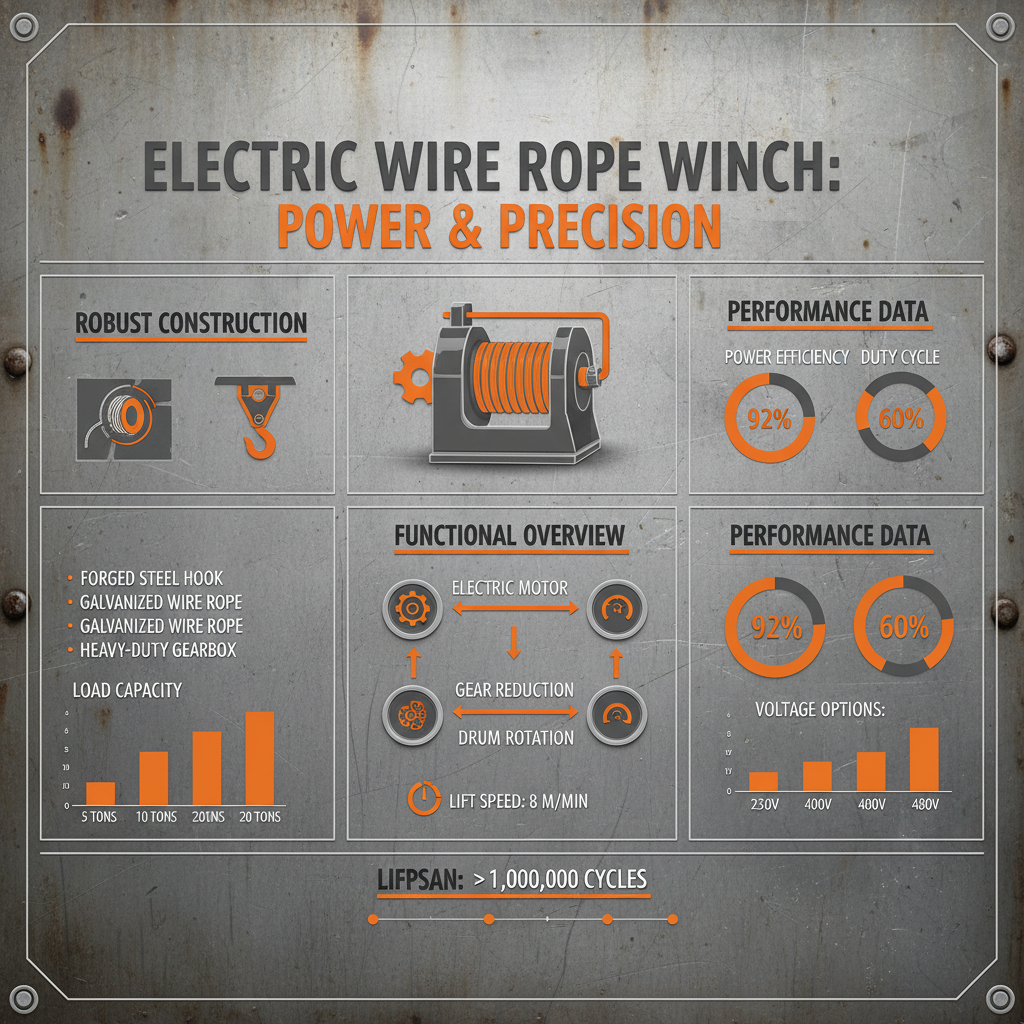
Several core aspects determine the effectiveness and reliability of an electric wire rope winch. Durability is paramount, ensuring the winch can withstand repeated use and harsh environmental conditions. Scalability refers to the winch’s capacity to handle varying load weights and lifting heights, while cost efficiency considers the balance between initial investment, operational costs, and long-term maintenance requirements.
Another crucial factor is safety, encompassing features like overload protection, emergency stop mechanisms, and proper wire rope maintenance. The ease of operation and maintenance also significantly impact overall efficiency. Finally, the quality of components—from the electric motor to the gear system—directly correlates to the winch's longevity and performance.
Winch Performance Factors
Diverse Applications of Electric Winches
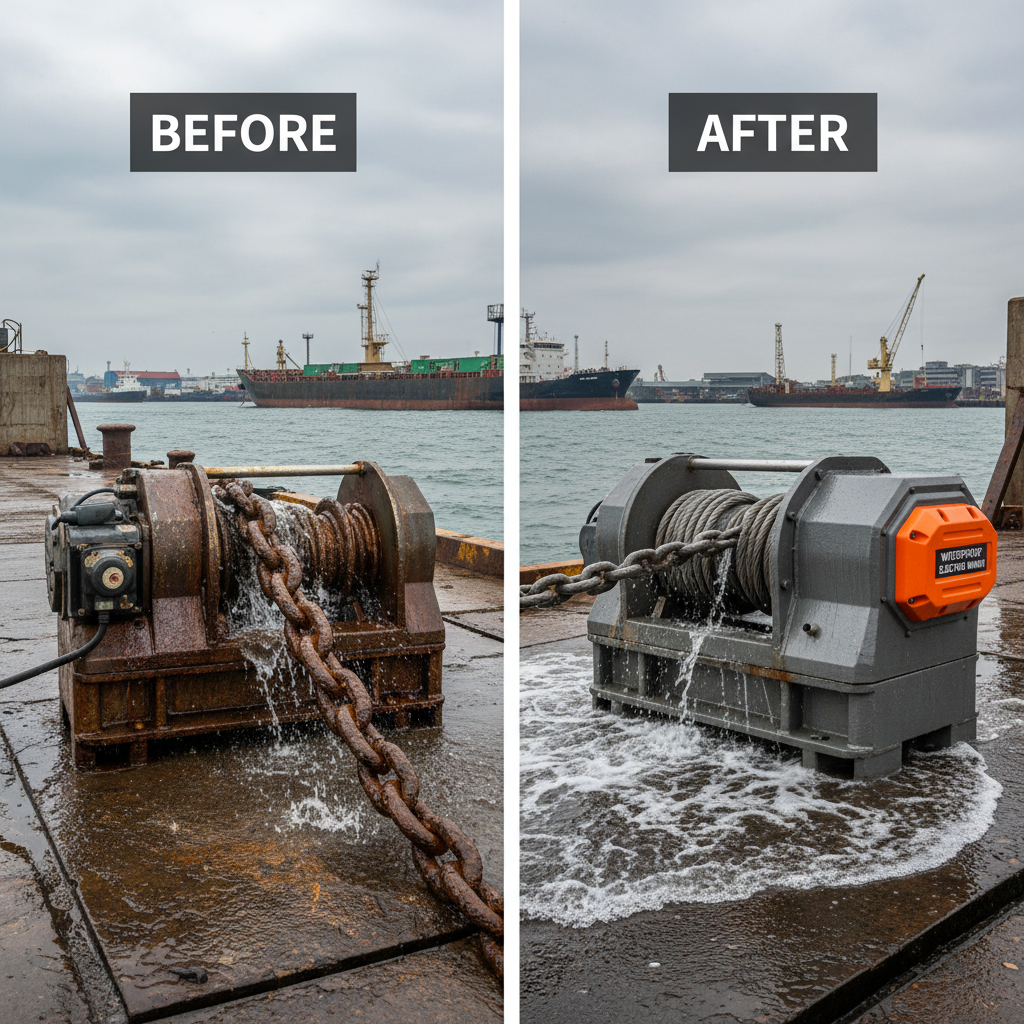
Electric wire rope winches find applications in a remarkably diverse range of industries and scenarios. In construction, they are used to lift heavy materials, equipment, and pre-fabricated structures. In the marine industry, they are essential for mooring vessels, anchoring, and cargo handling. Manufacturing plants utilize them for moving heavy machinery and components.
Beyond these core sectors, electric winches play vital roles in mining, forestry, oil and gas exploration, and even entertainment industries. In post-disaster relief operations, they are invaluable for clearing debris, lifting damaged structures, and facilitating rescue efforts. In remote industrial zones, their reliability and efficiency make them indispensable for maintaining operations.
Advantages and Long-Term Value
The advantages of using an electric wire rope winch are manifold. Tangible benefits include reduced operational costs due to lower energy consumption and minimal maintenance requirements, enhanced safety through precise control and safety features, and increased productivity by automating lifting tasks. The long-term value extends beyond these immediate gains, encompassing sustainability through reduced emissions and improved workplace conditions.
From an emotional perspective, electric wire rope winch solutions foster a sense of security and reliability, promoting worker confidence and reducing the risk of accidents. Logically, their precision and repeatability contribute to higher-quality results and reduced errors. Trust in the equipment’s performance is paramount, ensuring consistent and dependable operation.
Future Trends and Innovations
The future of electric wire rope winches is bright, driven by ongoing technological advancements and a growing emphasis on sustainability. We are seeing increasing integration of smart technologies, such as remote monitoring, predictive maintenance, and automated control systems. These innovations enhance efficiency, reduce downtime, and improve overall performance.
The adoption of green energy sources, such as solar power, to power electric winches is also gaining traction, reducing their environmental impact. Furthermore, advancements in materials science are leading to the development of lighter, stronger, and more durable wire ropes and winch components. Automation and robotics will play an increasing role in winch operation, further enhancing safety and efficiency.
Challenges and Solutions
Despite their numerous advantages, electric wire rope winches face certain challenges. One common limitation is the potential for overheating in high-duty cycle applications. This can be addressed through improved cooling systems and the use of more efficient electric motors. Another challenge is the need for regular maintenance to ensure optimal performance and prevent failures.
Solutions include implementing robust preventative maintenance schedules, utilizing remote monitoring systems to detect potential issues early, and providing comprehensive training for operators and maintenance personnel. Addressing concerns about the initial investment cost through lifecycle cost analysis, demonstrating long-term savings and benefits, is also crucial.
Innovative solutions such as incorporating advanced sensor technology for real-time load monitoring and predictive failure analysis are also being explored to enhance safety and reliability.
Key Comparative Analysis of Electric Wire Rope Winch Systems
| System Type |
Initial Cost (USD) |
Maintenance Complexity (1-10) |
Operational Efficiency (1-10) |
| Standard Electric Winch |
5,000 |
6 |
8 |
| Variable Speed Electric Winch |
7,500 |
7 |
9 |
| Remote Controlled Electric Winch |
8,000 |
5 |
9 |
| Heavy-Duty Electric Winch |
12,000 |
8 |
7 |
| Smart Electric Winch (IoT Enabled) |
10,000 |
4 |
10 |
| Explosion-Proof Electric Winch |
15,000 |
9 |
7 |
FAQS
The lifespan of an electric wire rope winch varies considerably depending on usage, maintenance, and environmental conditions. With regular maintenance, a well-built winch can reliably operate for 10-20 years or even longer. Factors impacting lifespan include load frequency, duty cycle, and exposure to corrosive elements. Proper lubrication, wire rope inspection, and timely component replacement are vital for maximizing longevity.
Wire rope inspection is crucial for safety and should be conducted regularly, following industry guidelines and regulations. A visual inspection should be performed before each use, looking for signs of wear, corrosion, or damage. A more thorough inspection, involving detailed measurements and non-destructive testing, should be carried out at least annually, or more frequently for high-use applications.
Essential safety features include an overload protection device to prevent lifting loads exceeding the winch’s capacity, an emergency stop mechanism for immediate shutdown, and a robust braking system to ensure controlled lowering. Limit switches prevent over-travel of the wire rope, and guards protect operators from moving parts. Regular safety inspections and adherence to operating procedures are also paramount.
Regular maintenance includes lubricating moving parts, inspecting the wire rope for wear and damage, checking the braking system, and ensuring proper electrical connections. Gears should be inspected for wear, and the motor should be kept clean and free of debris. Following the manufacturer’s maintenance schedule is crucial for preventing breakdowns and ensuring safe operation.
Yes, specialized electric winches are designed for use in hazardous environments, such as those containing flammable gases or explosive dust. These winches are typically equipped with explosion-proof motors and enclosures, preventing ignition sources. It is crucial to select a winch specifically certified for the intended hazardous environment and follow all safety regulations.
The lifting capacity is determined by several factors including the winch’s motor power, gear ratio, wire rope strength, and drum diameter. The safe working load (SWL) is the maximum load that the winch can safely lift under normal operating conditions. It’s vital to never exceed the SWL and to consider the reduction in capacity when using multiple wire rope parts.
Conclusion
The electric wire rope winch stands as an indispensable tool across a wide array of industries, providing a safe, efficient, and reliable solution for lifting and hauling heavy loads. Its versatility, coupled with ongoing technological advancements, ensures its continued relevance in a rapidly evolving world. Understanding the core principles, key factors, and future trends surrounding electric winches is paramount for professionals seeking to optimize operations and enhance safety.
Looking ahead, the integration of smart technologies, the adoption of sustainable energy sources, and a heightened focus on automation will shape the future of electric wire rope winch technology. Investing in quality winches, implementing robust maintenance programs, and prioritizing operator training are essential for maximizing long-term value and ensuring safe and efficient operation. For a comprehensive range of high-quality electric wire rope winch solutions, visit our website today.