The world relies heavily on lifting and material handling equipment, and within this sector, the 110 volt electric winch plays a crucial, often unseen role. From construction and manufacturing to marine applications and even home use, these winches provide controlled lifting, lowering, and tensioning capabilities. Understanding their capabilities, applications, and safety features is paramount for efficient operations and accident prevention. The increasing demand for compact, reliable, and easily operated lifting solutions has driven the growth of the 110 volt electric winch market globally, making it a key component in modern logistical systems.
Globally, the lifting and material handling industry is a multi-billion dollar market, driven by infrastructure development, industrial growth, and the need for efficient logistics. According to recent reports, the electric winch segment is experiencing a substantial growth rate, fueled by the demand for safer and more precise lifting operations. The 110 volt electric winch, in particular, is popular for its ease of use and compatibility with standard power supplies, making it accessible to a wider range of users.
Challenges such as the need for enhanced safety features, improved energy efficiency, and remote monitoring capabilities are driving innovation in the 110 volt electric winch sector. Meeting these demands will be critical for manufacturers to remain competitive in an increasingly complex and regulated market. Investing in robust and reliable 110 volt electric winch solutions is essential for businesses looking to optimize their operations and ensure workplace safety.
The Global Significance of 110 Volt Electric Winches
The demand for efficient and reliable lifting solutions is constantly growing across diverse industries worldwide. The 110 volt electric winch provides a versatile and cost-effective answer to many material handling challenges. They are instrumental in various sectors, including construction, manufacturing, marine, automotive, and even recreational activities, facilitating operations that would otherwise be impossible or dangerously inefficient.
The United Nations' Sustainable Development Goals (SDGs), particularly those related to infrastructure development and responsible industrialization, implicitly rely on the availability of robust and safe lifting equipment. Efficient material handling, enabled by equipment like the 110 volt electric winch, is crucial for building sustainable infrastructure and promoting economic growth in developing nations. The consistent growth of this sector demonstrates its vital role in global progress.
Defining the 110 Volt Electric Winch
A 110 volt electric winch is a mechanical device used to wind or unwind a rope or cable to lift or pull loads. The ‘110 volt’ specification refers to the electrical power required to operate the winch – commonly found in North American power systems. Unlike manually operated winches or those powered by hydraulics or pneumatics, an electric winch utilizes an electric motor to drive the spool, offering greater control, speed, and capacity.
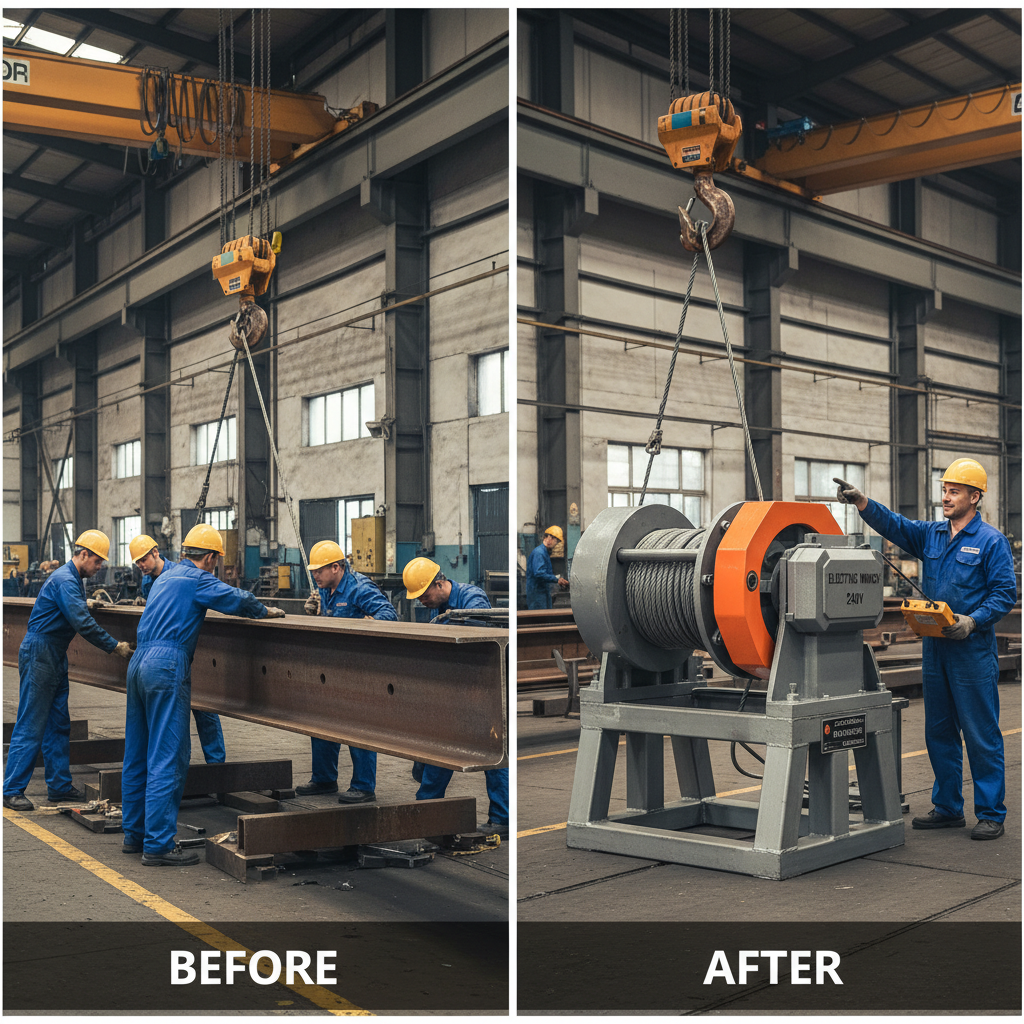
These winches are integral to modern industry, enabling precise and efficient material handling in a wide range of applications. They play a critical role in construction sites, allowing for the safe lifting of materials and equipment; in manufacturing facilities, assisting in assembly and maintenance; and in marine settings, used for anchoring, boat launching, and cargo handling.
Beyond industrial applications, 110 volt electric winches are also utilized in humanitarian efforts, such as disaster relief operations, where their portability and relative ease of use make them valuable assets in difficult terrain. The accessibility of a standard 110-volt power source further enhances their utility in emergency situations.
Key Components and Operational Principles
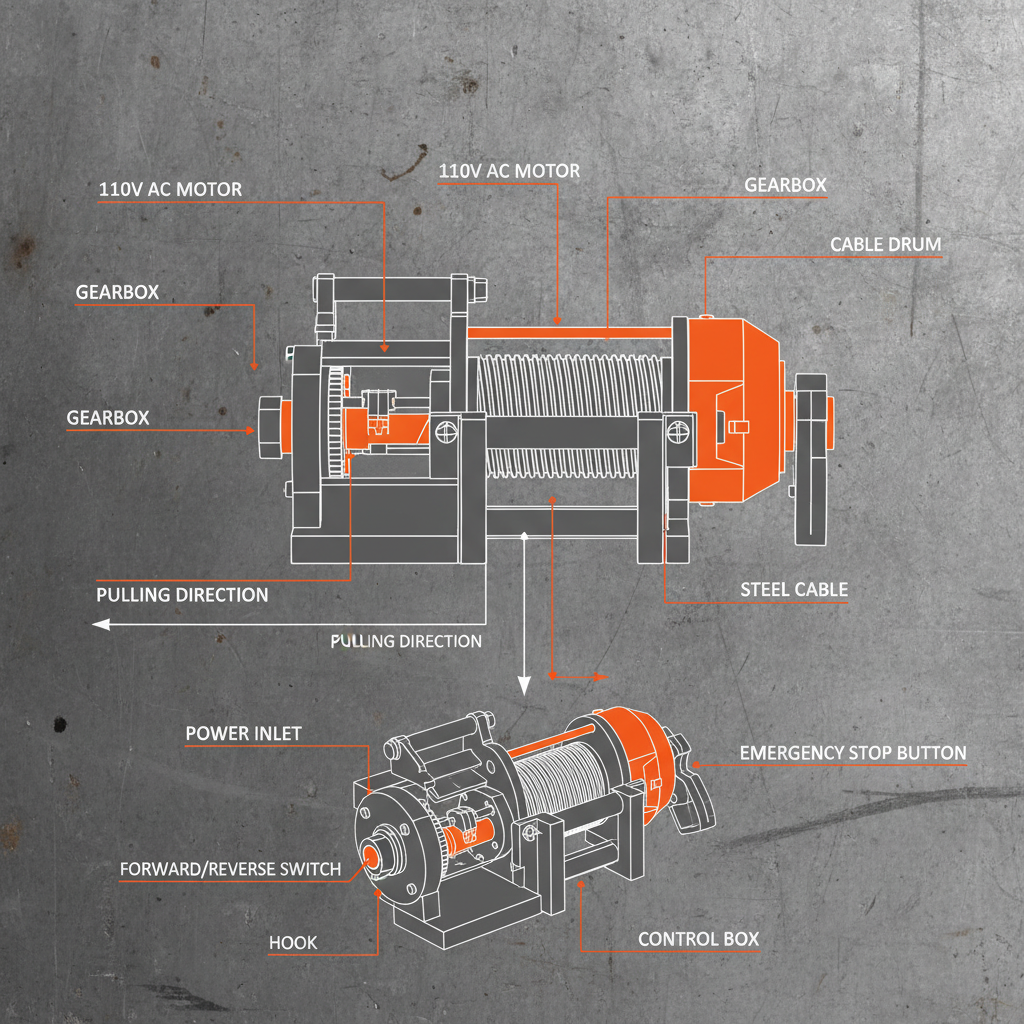
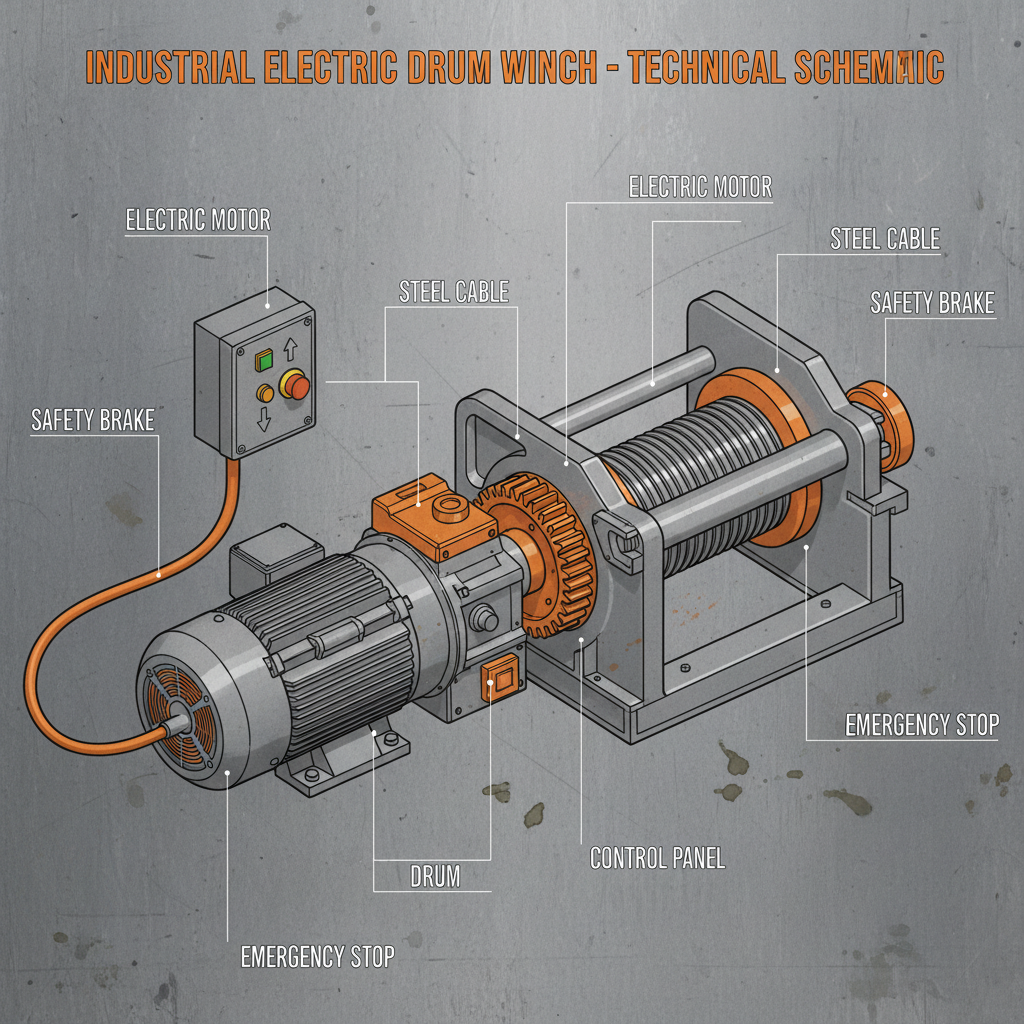
The core components of a 110 volt electric winch include the electric motor, a gear system, a drum or spool, a rope or cable, and a braking system. The electric motor provides the power, which is then transmitted through the gear system to increase torque and reduce speed. This allows the winch to lift heavier loads. The drum or spool is where the rope or cable is wound around, and the braking system ensures the load remains securely held in place.
Operationally, a 110 volt electric winch works by applying electrical power to the motor, which rotates and drives the gear system. The gear system then turns the drum, winding or unwinding the rope or cable. Control switches allow the operator to precisely control the direction and speed of the winding process. Modern winches often incorporate overload protection systems to prevent damage and ensure safe operation.
The choice of materials and construction methods significantly impacts the winch’s performance and lifespan. High-quality steel alloys are typically used for the gears, drum, and other critical components to withstand heavy loads and harsh operating conditions. Proper lubrication and regular maintenance are also essential for ensuring long-term reliability.
Performance Characteristics of 110 Volt Electric Winches
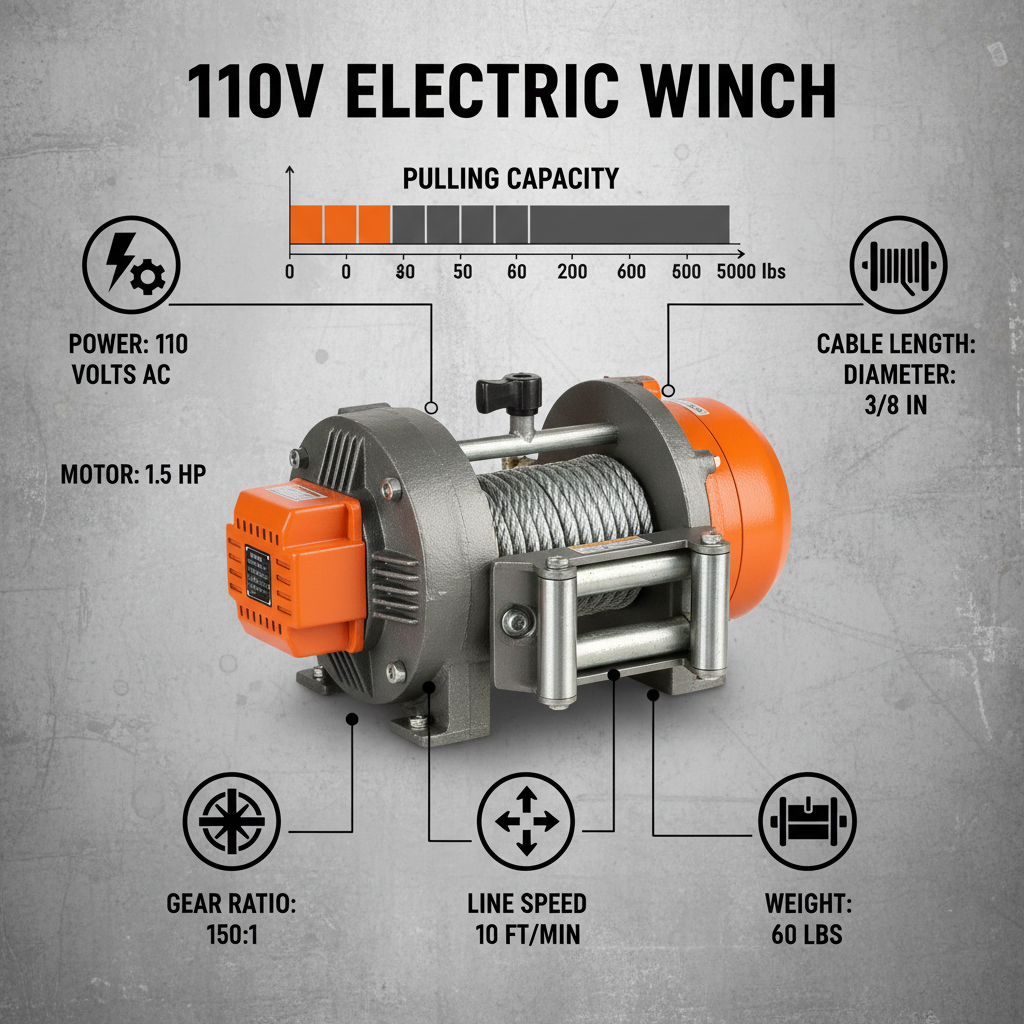
The performance of a 110 volt electric winch is defined by several key characteristics, including its lifting capacity, rope speed, duty cycle, and safety features. Lifting capacity refers to the maximum weight the winch can safely lift, typically measured in pounds or kilograms. Rope speed determines how quickly the rope can be wound or unwound.
The duty cycle specifies the percentage of time the winch can operate continuously within a given period. A higher duty cycle indicates the winch can handle more sustained use. Safety features, such as overload protection, automatic braking systems, and emergency stop buttons, are crucial for preventing accidents and ensuring operator safety.
Comparative Performance of 110 Volt Electric Winch Configurations
Global Applications and Industry Integration
110 volt electric winches are found in a multitude of applications across the globe. In the construction industry, they are used for lifting building materials, tools, and personnel. Marine applications include anchoring, boat launching, and cargo handling on vessels of all sizes. In the automotive sector, they assist in vehicle recovery and equipment positioning.
From remote industrial zones in Australia to bustling construction sites in New York City, and even disaster relief operations in earthquake-affected regions of Nepal, the versatility of the 110 volt electric winch makes it an invaluable tool. Their relatively simple power requirements also mean they can be easily deployed in areas with limited infrastructure.
Advantages and Long-Term Value Proposition
The advantages of utilizing a 110 volt electric winch extend beyond immediate operational benefits. Cost-effectiveness is a primary factor, with electric winches often requiring less maintenance and energy input compared to hydraulic or pneumatic alternatives. They offer precise control and smooth operation, reducing the risk of damage to materials and improving overall efficiency.
Long-term value is realized through enhanced safety, reduced downtime, and increased productivity. The reliability of a well-maintained 110 volt electric winch contributes to a more secure working environment and minimizes disruptions to critical operations. Furthermore, the availability of spare parts and readily available technical support further enhance their long-term viability.
Future Trends and Innovations in 110 Volt Electric Winch Technology
The future of 110 volt electric winch technology is focused on several key areas, including increased automation, integration with smart technologies, and improved energy efficiency. Remote control systems and programmable logic controllers (PLCs) are becoming increasingly common, allowing for precise and automated operation.
The integration of sensors and data analytics will enable predictive maintenance, minimizing downtime and extending the lifespan of the winches. Furthermore, the development of more energy-efficient motors and the incorporation of regenerative braking systems will contribute to a more sustainable and environmentally friendly operation. These advancements position 110 volt electric winches as crucial components in the evolving landscape of industrial automation.
The exploration of lighter, stronger materials, such as advanced composites, is also underway, aiming to reduce the overall weight of the winches without compromising their lifting capacity or durability. This is particularly important for applications where portability and maneuverability are critical.
FAQS
With regular maintenance, including lubrication, inspection, and repair of worn parts, a 110 volt electric winch can typically last for 10-15 years or more. The actual lifespan will depend on the frequency of use, the severity of the operating conditions, and the quality of the original components. Preventative maintenance schedules are vital to maximizing longevity.
Essential safety features include overload protection, which prevents the winch from lifting loads exceeding its capacity; automatic braking systems, which engage immediately in case of power failure; and an emergency stop button for quick shut-off. Look for winches that meet relevant safety standards, such as those set by OSHA or CE.
Calculate the total weight of the heaviest load you will be lifting, including the weight of any rigging or attachments. Always choose a winch with a lifting capacity that exceeds the maximum load by a safety margin – typically 20-25%. It’s always better to overestimate than to risk overloading the winch.
While both operate on 110 volts, three-phase winches are typically used for heavier-duty applications and offer higher power output and efficiency. Single-phase winches are more common for lighter loads and are easier to integrate into standard electrical systems. The availability of three-phase power is also a significant factor in the choice.
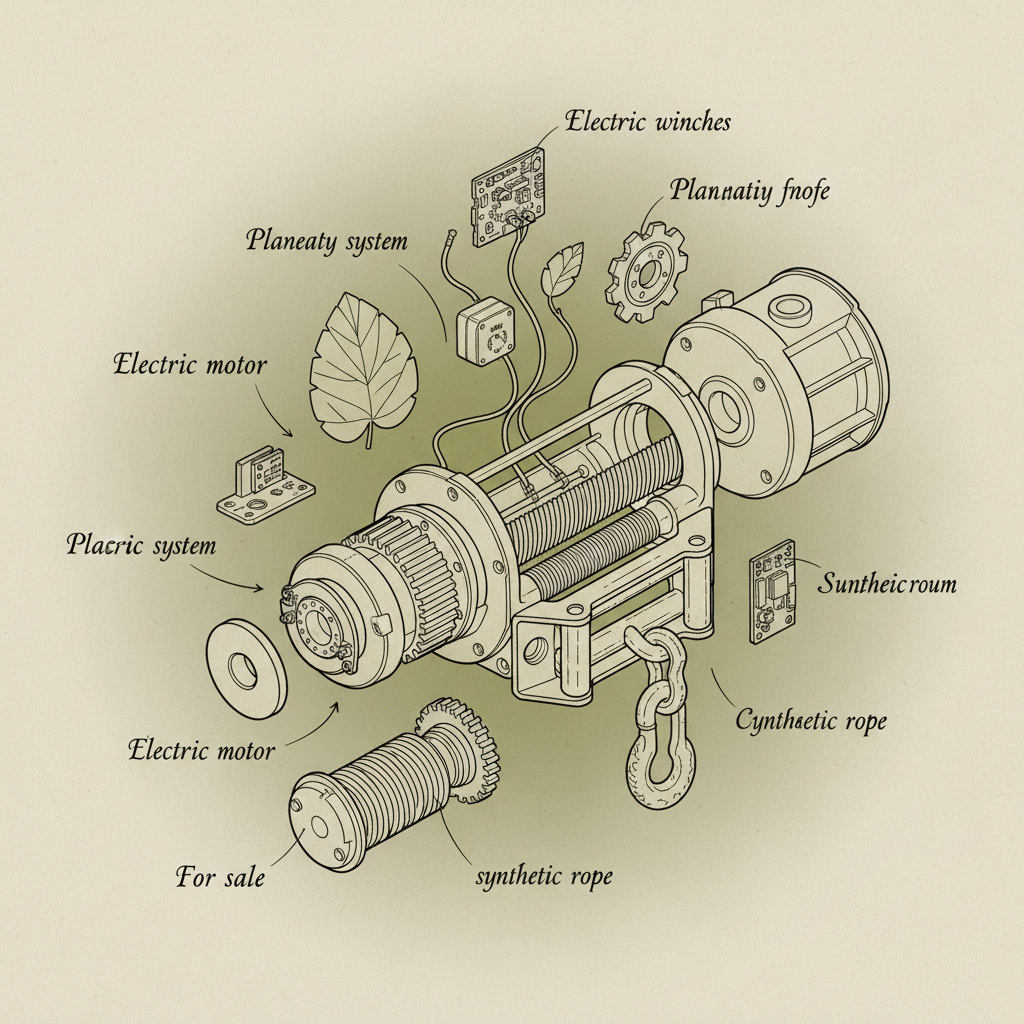
The choice of rope or cable depends on the application and the type of load being lifted. Steel wire rope is strong and durable, suitable for heavy loads and abrasive environments. Synthetic ropes, such as nylon or polyester, are lighter, more flexible, and resistant to corrosion, making them ideal for marine applications. Always ensure the rope or cable has a sufficient breaking strength.
Regular maintenance includes lubricating moving parts, inspecting the rope or cable for wear and tear, checking the braking system, and ensuring all electrical connections are secure. Periodic inspection by a qualified technician is also recommended to identify and address any potential issues before they become serious problems.
Conclusion
In conclusion, the 110 volt electric winch stands as a vital component across a vast array of industries, offering a potent combination of lifting power, operational efficiency, and safety. Its adaptability to diverse applications, coupled with continuous innovations in automation and energy efficiency, ensures its continued relevance in a rapidly evolving technological landscape. Understanding its capabilities and limitations is paramount for maximizing its benefits and ensuring responsible operation.
As we look ahead, the integration of smart technologies and the pursuit of sustainable solutions will further enhance the value proposition of the 110 volt electric winch. Investing in robust, well-maintained winches and embracing innovative technologies will be critical for organizations seeking to optimize their material handling processes, improve workplace safety, and achieve long-term operational success.