Waterproof electric winches represent a crucial advancement in lifting and pulling technology, particularly in environments where standard equipment would fail. Their ability to operate reliably when exposed to water, corrosive substances, and extreme weather conditions makes them invaluable across a wide range of industries and applications. Understanding the nuances of waterproof electric winch design, capabilities, and applications is critical for anyone involved in marine operations, industrial maintenance, disaster relief, and beyond. The benefits extend beyond mere functionality; they enhance safety, reduce downtime, and minimize long-term operational costs.
Globally, the demand for robust and dependable winch systems is continuously increasing, driven by factors such as expanding offshore energy exploration, growing infrastructure projects in coastal regions, and a heightened focus on disaster preparedness. Traditional winch systems often succumb to the elements, leading to costly repairs, delays, and potential safety hazards. The development and adoption of waterproof electric winch technology addresses these challenges head-on, providing a sustainable and reliable solution for demanding environments. This demand is echoed by organizations like the UN, which increasingly require specialized equipment for humanitarian efforts in flood-prone areas and coastal communities.
The increasing frequency of extreme weather events and the expansion of industries into harsh environments are further amplifying the need for advanced winch solutions. As a result, investment in waterproof electric winch technology is projected to rise significantly in the coming years, driven by both public and private sector demand. This growth represents not only an economic opportunity but also a crucial step towards ensuring operational resilience and safety in a rapidly changing world.
The Importance of Waterproof Electric Winch
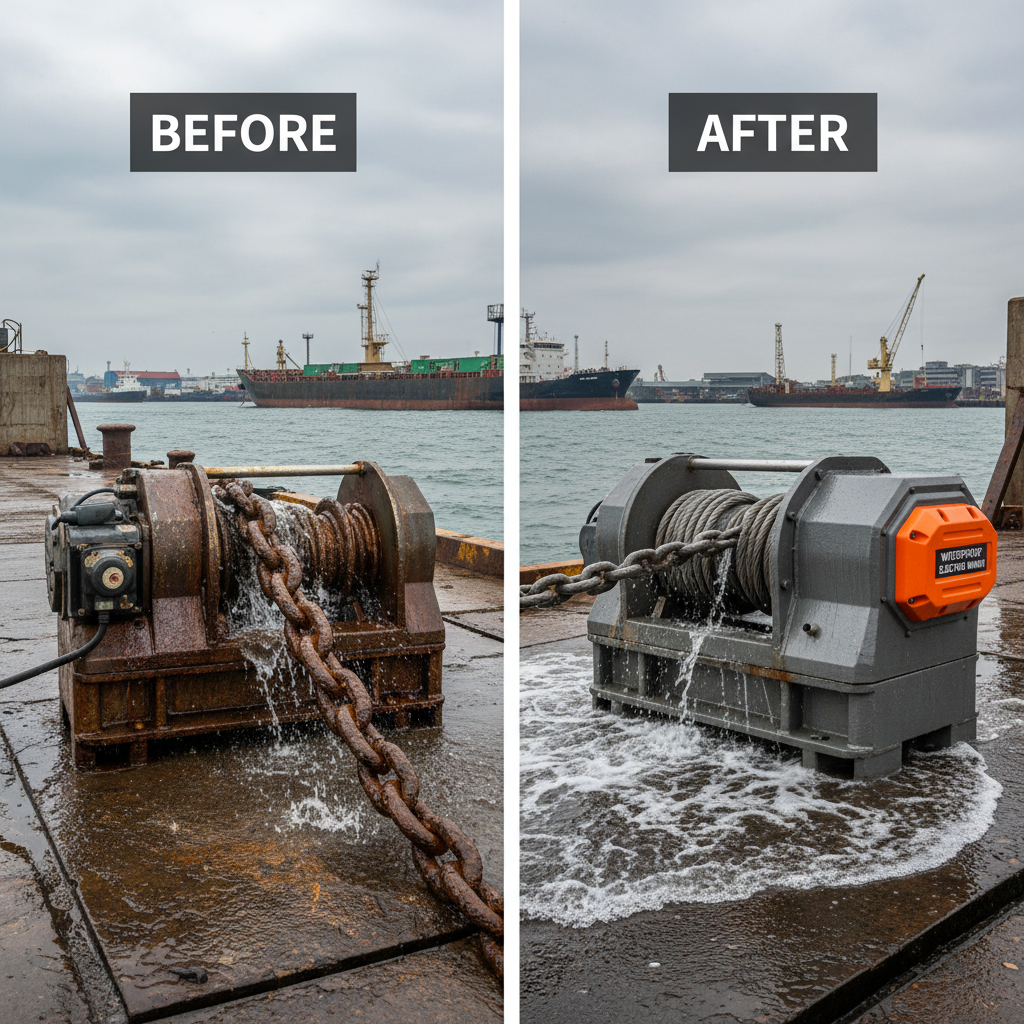
The prevalence of waterproof electric winch systems is growing due to the increased need for reliable operations in challenging environments. From marine applications to industrial settings exposed to harsh weather, the ability of these winches to maintain functionality without corrosion or failure is paramount. This translates directly into enhanced safety, reduced maintenance costs, and increased operational efficiency. waterproof electric winch are specifically designed to withstand submersion, saltwater exposure, and extreme temperatures, unlike traditional winch systems.
Their importance is especially pronounced in critical infrastructure projects, disaster relief operations, and industries like oil and gas, where downtime can have severe consequences. Investing in waterproof electric winches is a proactive measure that mitigates risks, ensures business continuity, and safeguards valuable assets.
Defining Waterproof Electric Winch Technology
A waterproof electric winch is a lifting device powered by an electric motor, specifically engineered with robust sealing and protective coatings to prevent water ingress and corrosion. Unlike standard electric winches, these systems incorporate features like watertight enclosures for the motor and gearbox, sealed electrical connectors, and corrosion-resistant materials throughout their construction. This ensures reliable operation even when fully submerged or exposed to harsh marine environments.
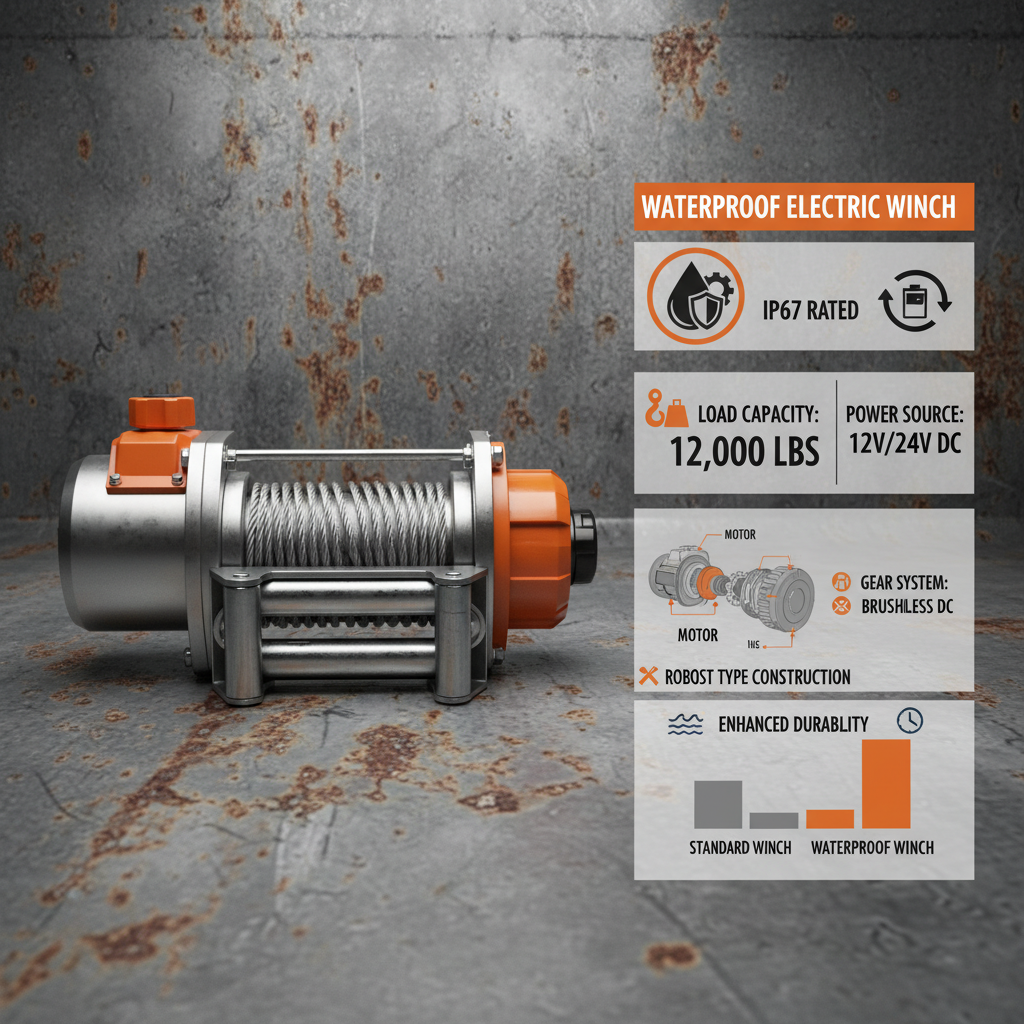
The level of waterproofing is typically measured by an IP (Ingress Protection) rating. A higher IP rating indicates a greater degree of protection against water and dust. For example, an IP67 or IP68 rated winch offers complete protection against immersion. The term ‘waterproof’ in this context often refers to resistance to water pressure and prolonged submersion, rather than simply resistance to splashes.
The integration of waterproof electric winch technology into modern industrial practices is vital for maintaining operational efficiency and reducing safety risks, particularly in areas with demanding environmental conditions. These systems are instrumental in meeting the needs of industries that demand high performance and long-term durability in challenging climates.
Core Components and Key Features
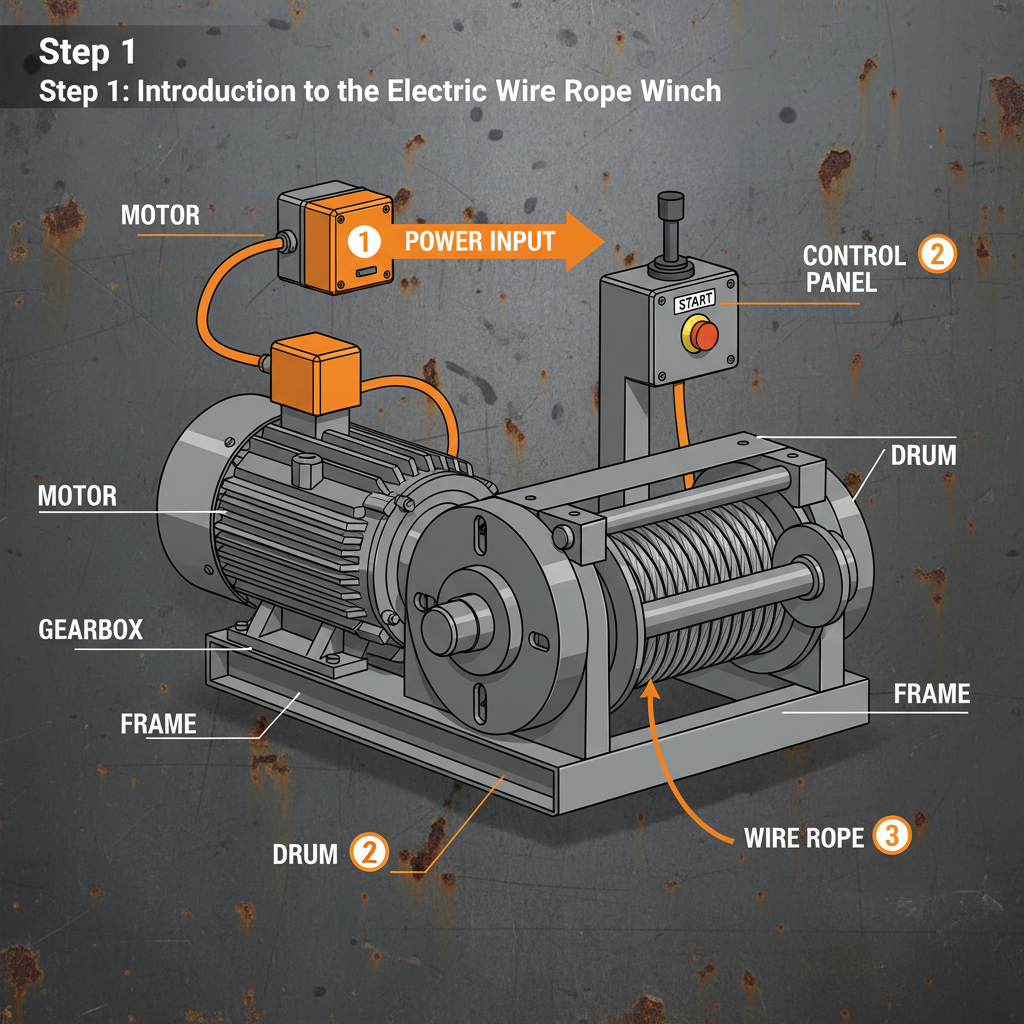
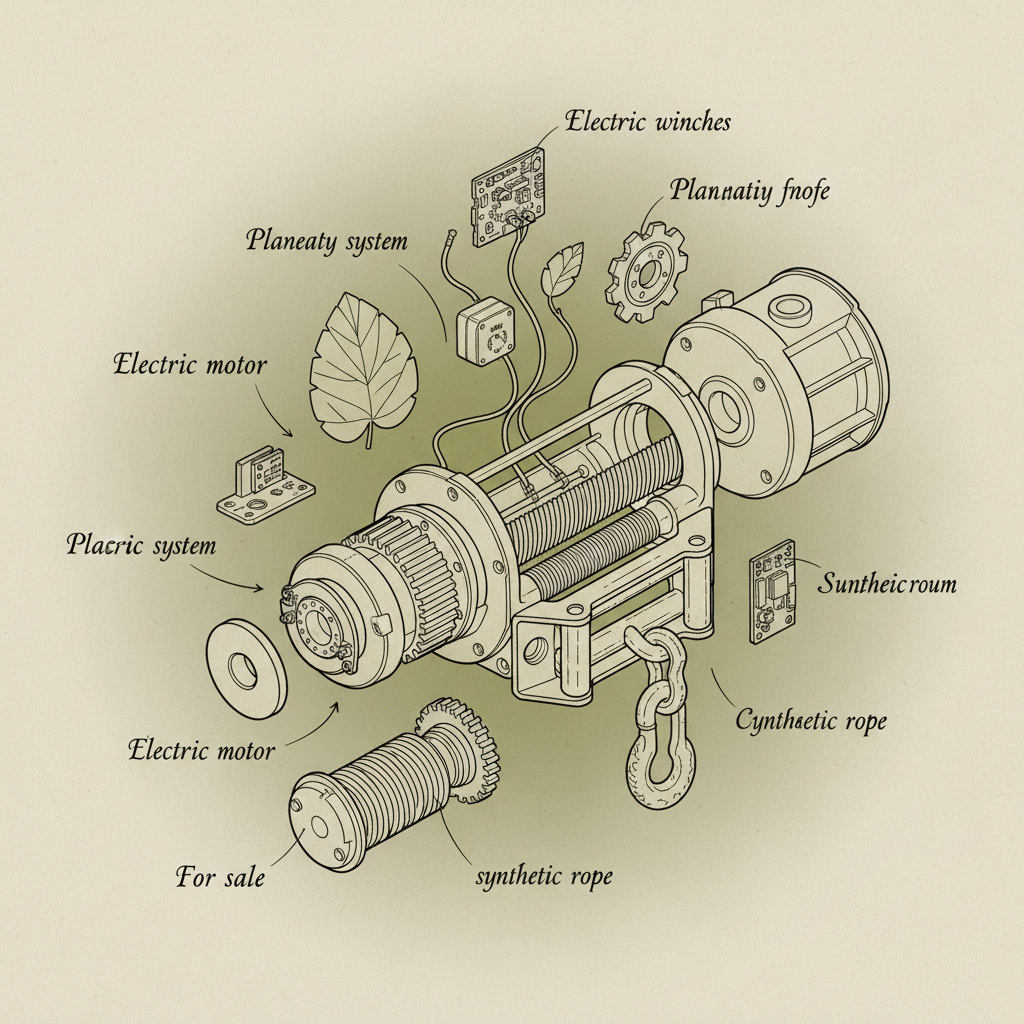
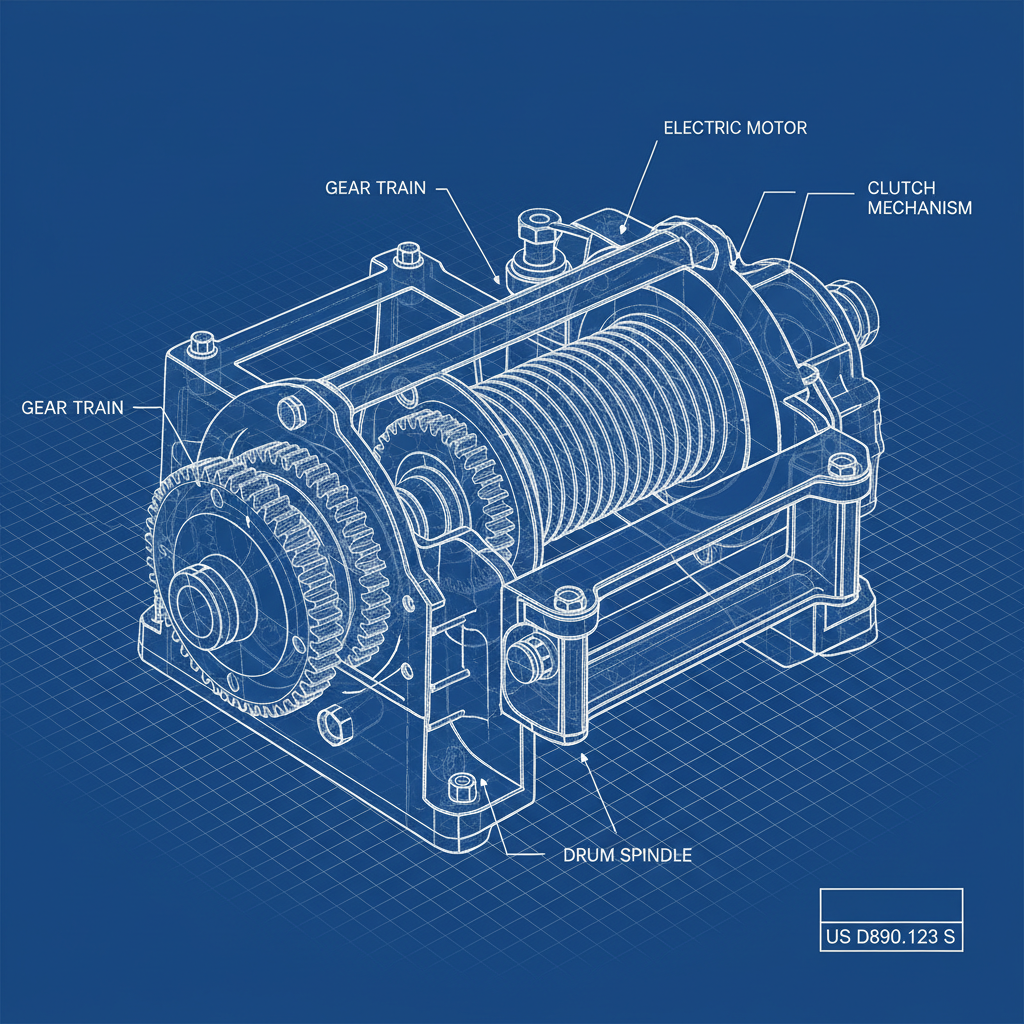
Several key components contribute to the functionality and reliability of a waterproof electric winch. These include a sealed electric motor, a robust gearbox, a drum for winding the cable, a braking system, and a control system. The motor is often encased in a watertight housing filled with oil for cooling and added protection. The gearbox, typically planetary, is designed for high torque and efficient power transfer. waterproof electric winch systems also commonly feature remote control capabilities for increased operator safety and convenience.
Beyond the core components, the materials used are critical. Stainless steel, marine-grade aluminum, and specialized polymers are commonly employed to resist corrosion and ensure long-term durability. Furthermore, sealed electrical connections and wiring harnesses prevent water ingress and short circuits. Advanced coatings, such as epoxy or polyurethane, provide an additional layer of protection against saltwater and other corrosive substances.
Key features often include variable speed control, overload protection, and emergency stop mechanisms. These features enhance safety, optimize performance, and protect the winch from damage. Additionally, many models are equipped with sensors and monitoring systems that provide real-time data on load, speed, and operating conditions.
Performance Metrics and Specifications
Evaluating the performance of a waterproof electric winch involves several key metrics. Pulling capacity, measured in tons or kilograms, indicates the maximum load the winch can safely handle. Line speed, expressed in meters per minute, determines how quickly the cable can be wound or unwound. The rope capacity, or the length of cable the drum can hold, is crucial for specific applications.
Other important specifications include the motor power (in kilowatts or horsepower), the gear ratio, and the IP rating. Understanding these parameters is essential for selecting a winch that meets the specific requirements of a given task. Factors like duty cycle (the percentage of time the winch can operate continuously) also influence performance and longevity.
Waterproof Electric Winch Performance Comparison
Global Applications of Waterproof Electric Winch
Waterproof electric winches find applications across a diverse range of industries globally. In the marine sector, they are essential for anchoring, mooring, and towing vessels. Offshore oil and gas platforms rely on them for lifting and positioning equipment, as well as for emergency response operations. In post-disaster relief operations, they are used to clear debris, recover vehicles, and establish temporary infrastructure.
Industrial applications include material handling in waterfront facilities, loading and unloading cargo, and supporting construction projects in coastal areas. Increasingly, waterproof electric winch are being used in aquaculture for net hauling and equipment maintenance. They are also critical for salvage operations and underwater work.
Advantages and Long-Term Value Proposition
The advantages of using waterproof electric winches extend beyond their ability to function in wet environments. Reduced maintenance costs are a significant benefit, as corrosion is minimized. Improved safety is another key advantage, as the reliable operation of the winch prevents accidents and injuries. The increased operational efficiency translates into reduced downtime and higher productivity.
Long-term, the investment in a high-quality waterproof electric winch provides a substantial return. The durability of the components ensures a longer lifespan, reducing the need for frequent replacements. Furthermore, the reliability of these systems fosters trust and confidence among operators, enhancing their overall performance and peace of mind.
The sustainability aspect also contributes to the long-term value. By minimizing the need for repairs and replacements, waterproof electric winches reduce waste and conserve resources, making them an environmentally responsible choice.
Future Trends and Innovations in Waterproof Winch Technology
The future of waterproof electric winch technology is focused on several key areas. The integration of smart sensors and IoT (Internet of Things) connectivity will enable real-time monitoring of winch performance, predictive maintenance, and remote diagnostics. Advancements in battery technology will lead to more powerful and efficient cordless models, enhancing portability and flexibility.
Materials science is also playing a crucial role, with the development of new corrosion-resistant alloys and composite materials. Furthermore, the adoption of variable frequency drives (VFDs) will allow for more precise speed control and energy efficiency. A growing trend is the incorporation of renewable energy sources, such as solar power, to power the winch systems, promoting sustainability.
These innovations will drive down costs, improve performance, and expand the range of applications for waterproof electric winches, solidifying their position as an indispensable component of modern industrial and marine operations.
A Comparative Overview of Waterproof Electric Winch Technologies
| Technology Type |
Corrosion Resistance |
Energy Efficiency |
Maintenance Requirements |
| Stainless Steel Winches |
High (Excellent resistance to saltwater) |
Medium (Standard efficiency levels) |
Moderate (Regular lubrication and inspection) |
| Epoxy-Coated Winches |
Good (Provides a protective barrier against corrosion) |
Medium (Comparable to standard winches) |
Low (Requires periodic re-coating) |
| Aluminum Alloy Winches |
Medium (Good resistance to some corrosives) |
High (Lightweight materials improve efficiency) |
Moderate (Anodizing maintenance required) |
| Polymer-Encased Winches |
Very High (Excellent resistance to most chemicals) |
Medium (Dependent on motor efficiency) |
Very Low (Minimal maintenance) |
| Sealed Gearbox Winches |
High (Internal components protected from water) |
High (Reduced friction improves efficiency) |
Moderate (Oil level checks) |
| IP68 Rated Winches |
Excellent (Complete submersion protection) |
Medium to High (Dependent on motor type) |
Low (Minimal maintenance) |
FAQS
The IP (Ingress Protection) rating defines the level of protection a winch offers against solids (like dust) and liquids (like water). It's expressed as 'IP' followed by two digits. The first digit relates to solid particle protection, and the second to liquid ingress protection. A higher second digit indicates better water resistance. For waterproof electric winches, IP67 or IP68 are common, meaning they can withstand immersion in water up to a certain depth and duration, ensuring reliable operation in wet conditions. Understanding the IP rating is critical for selecting a winch appropriate for the intended environment.
While designed for minimal maintenance, waterproof electric winches still require periodic inspections. Regularly check for any signs of physical damage, corrosion, or wear on the cable, drum, and housing. Lubricate moving parts as recommended by the manufacturer. Inspect electrical connections for corrosion and ensure seals remain intact. For sealed gearbox winches, check oil levels. Following the manufacturer’s guidelines will maximize the winch's lifespan and ensure optimal performance.
Choosing the correct pulling capacity is vital for safe operation. Calculate the maximum weight you need to lift or pull, and add a safety factor of at least 20-30%. This accounts for dynamic loads, friction, and potential unforeseen circumstances. Consider the angle of pull – a steeper angle reduces the effective pulling capacity. Selecting a winch with a capacity significantly lower than required can lead to overloading and potential failure.
Standard electric winches are susceptible to corrosion from saltwater and humidity, leading to decreased performance and premature failure. Waterproof winches, with their sealed components and corrosion-resistant materials, offer significantly improved reliability and longevity in marine environments. This translates into reduced downtime, lower maintenance costs, and enhanced safety for crew and equipment. They are designed to withstand continuous exposure to the harsh conditions inherent in marine operations.
Certain waterproof electric winches are designed and certified for use in hazardous environments, such as those with flammable gases or dust. These winches typically feature explosion-proof motors and enclosures, meeting specific safety standards. Always verify that the winch has the appropriate certifications (e.g., ATEX, IECEx) for the intended hazardous location before use.
A properly maintained waterproof electric winch can have a lifespan of 10-20 years or even longer, depending on usage frequency, operating conditions, and the quality of construction. Regular inspections, lubrication, and timely repairs are crucial for maximizing longevity. Choosing a winch from a reputable manufacturer with high-quality components will also contribute to a longer service life.
Conclusion
Waterproof electric winches are no longer a niche product but an essential component in numerous industries facing increasingly challenging operational environments. Their robust design, corrosion resistance, and reliable performance provide significant advantages over traditional winches, enhancing safety, reducing costs, and increasing efficiency. The ability to operate effectively in harsh conditions, coupled with ongoing technological advancements, positions them as a crucial investment for long-term operational success.
Looking ahead, continued innovation in materials science, smart technologies, and sustainable energy solutions will further enhance the capabilities of waterproof electric winches. By embracing these advancements and prioritizing preventative maintenance, organizations can unlock the full potential of this technology and ensure reliable, safe, and efficient operations for years to come. For quality and performance, visit our website today: www.lbswinch.com.