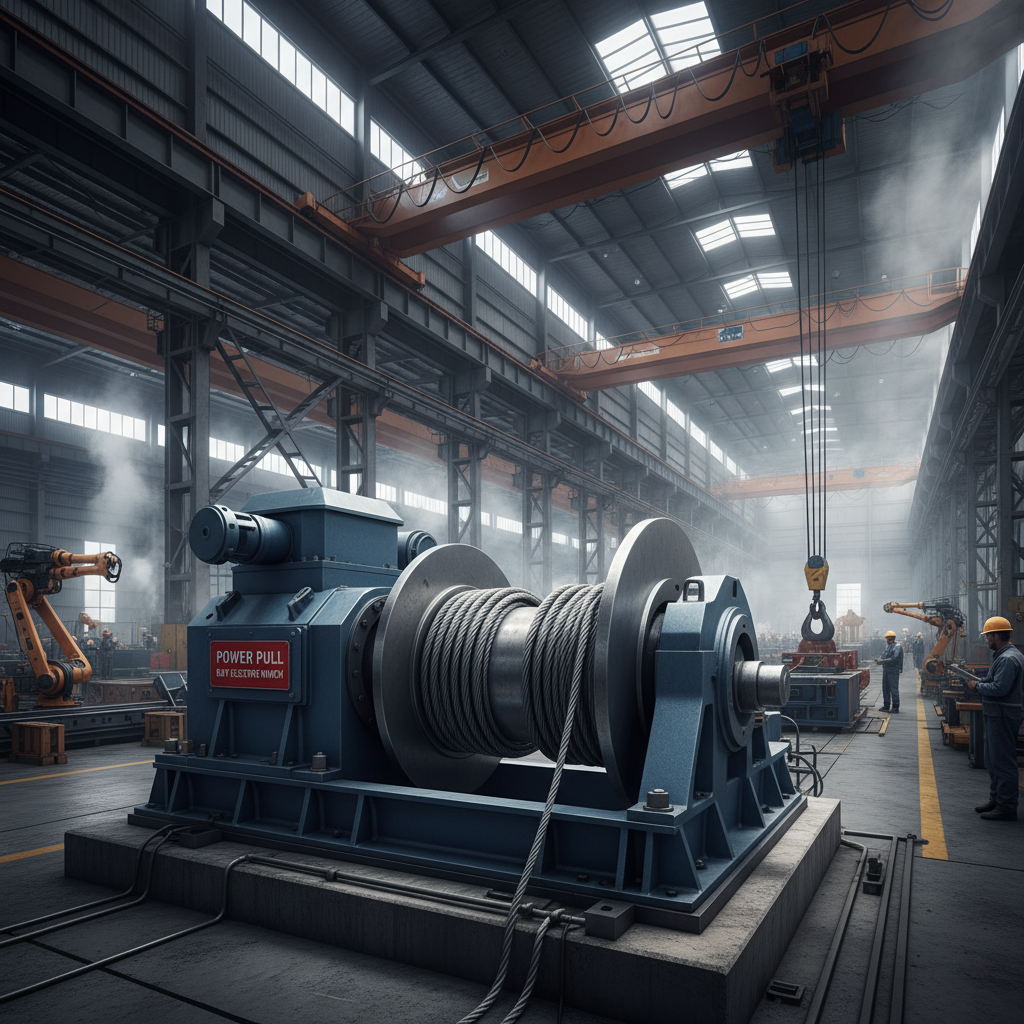
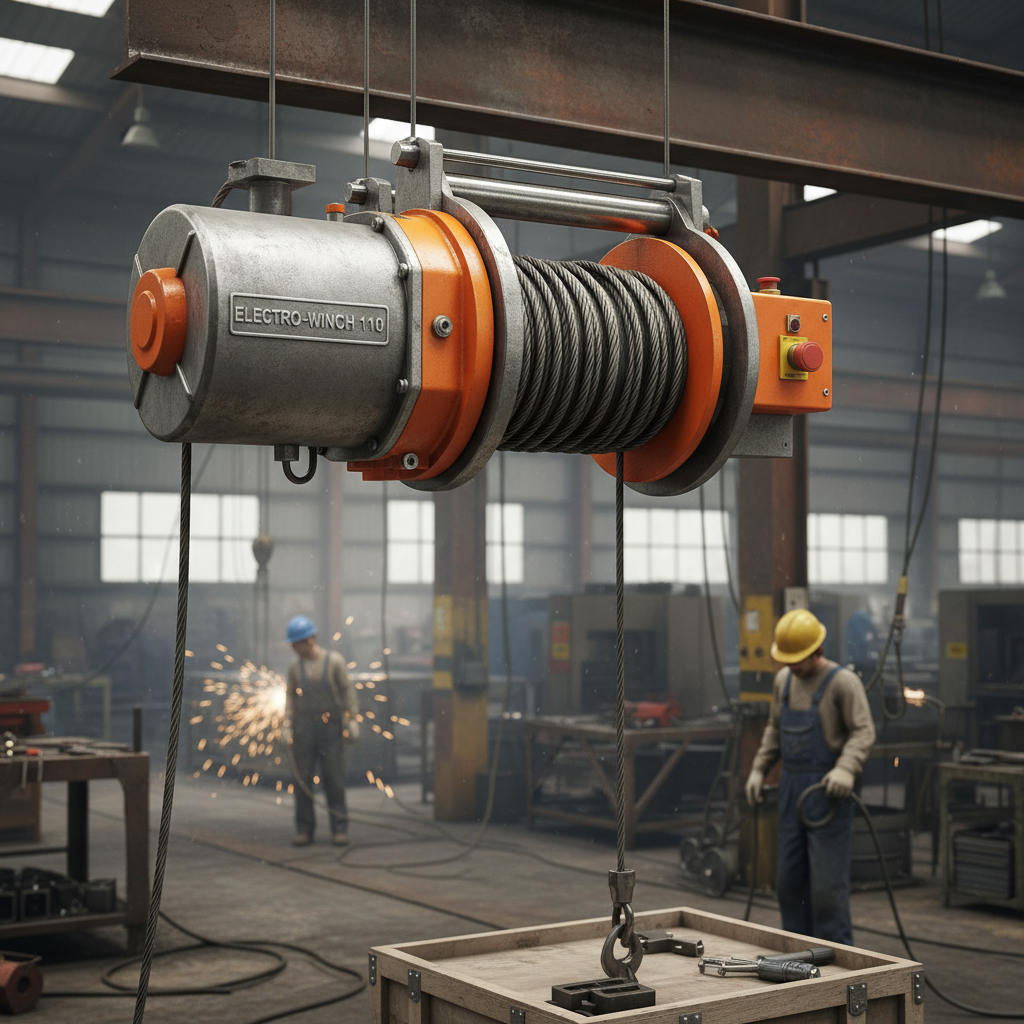
Variable speed electric winches are becoming increasingly crucial across diverse sectors, offering precision and control previously unattainable with traditional winching systems. These systems address a growing need for adaptable lifting and pulling solutions, enhancing efficiency and safety in complex operations. From industrial applications like material handling and positioning to specialized uses in marine, construction, and even recreational vehicles, the demand for variable speed control is rising dramatically. Understanding the nuances of this technology—its benefits, applications, and future trends—is paramount for professionals and end-users alike.
The global market for electric winches, particularly those with variable speed capabilities, is experiencing substantial growth, driven by factors such as increasing automation, stricter safety regulations, and a focus on operational efficiency. Reports from organizations like the International Organization for Standardization (ISO) increasingly emphasize the need for precise control in lifting operations. Challenges such as the need for robust performance in harsh environments and the integration of smart technologies are fueling innovation within the industry. The variable speed electric winch is evolving to meet these demands.
In a world demanding greater precision and adaptability, the variable speed electric winch provides a compelling solution. This technology isn’t merely about upgrading a traditional winch; it’s about fundamentally changing how lifting and pulling tasks are approached, offering enhanced control, improved safety, and optimized performance across a wide spectrum of industries and applications.
The Significance of Variable Speed Electric Winches
Variable speed electric winches represent a significant leap forward in lifting and pulling technology, offering a level of control and precision previously unavailable in traditional systems. They are becoming increasingly important as industries seek to enhance efficiency, safety, and operational flexibility. These winches provide a tailored approach to specific tasks, minimizing the risk of damage to loads and maximizing worker safety.
The ability to adjust the speed of operation allows for smoother starts and stops, reducing stress on equipment and improving the overall lifespan of the winch and connected machinery. This is particularly beneficial in applications involving sensitive materials or delicate positioning requirements, making the variable speed electric winch a crucial asset in modern operations.
Defining Variable Speed Electric Winches
A variable speed electric winch is a powered lifting and pulling device that utilizes an electric motor and a speed control system to adjust the rate at which a cable or rope is wound or unwound. Unlike traditional winches with fixed speeds, these winches allow operators to precisely control the speed of operation, enabling finer movements and greater control over the load. This is achieved through the use of variable frequency drives (VFDs) or other electronic speed controllers.
This technology bridges the gap between raw power and delicate control, providing a solution that’s suitable for a wide range of applications. In modern industry, where precision and efficiency are paramount, a variable speed electric winch isn't just a tool; it’s an integral component of streamlined workflows and safe operational practices. It’s increasingly vital in addressing humanitarian needs where controlled lifting and positioning are essential in disaster relief scenarios.
The core distinction lies in the ability to adapt to the specific demands of the task at hand. Whether it’s the gentle lowering of a valuable component or the controlled pulling of a heavy object, a variable speed winch provides the flexibility and precision required to achieve optimal results while maintaining the highest levels of safety.
Core Components and Operational Factors
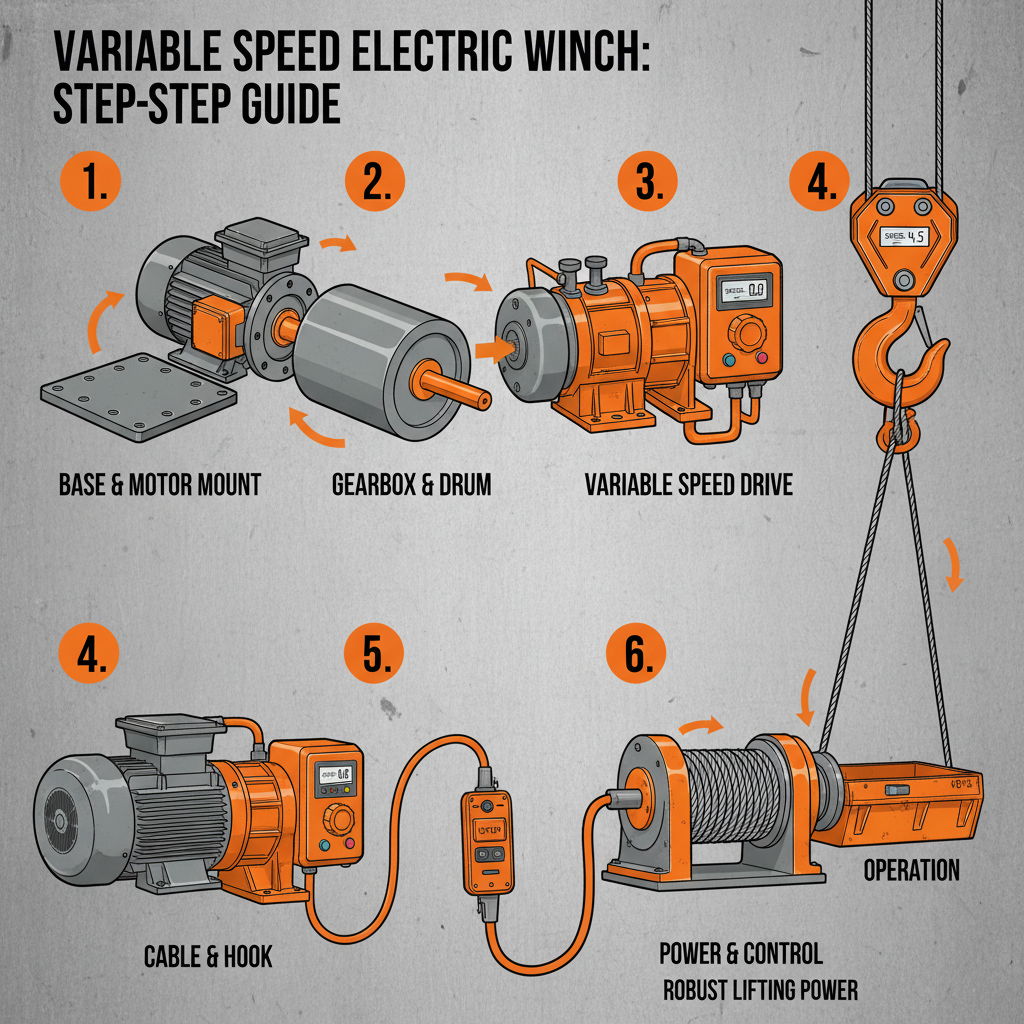
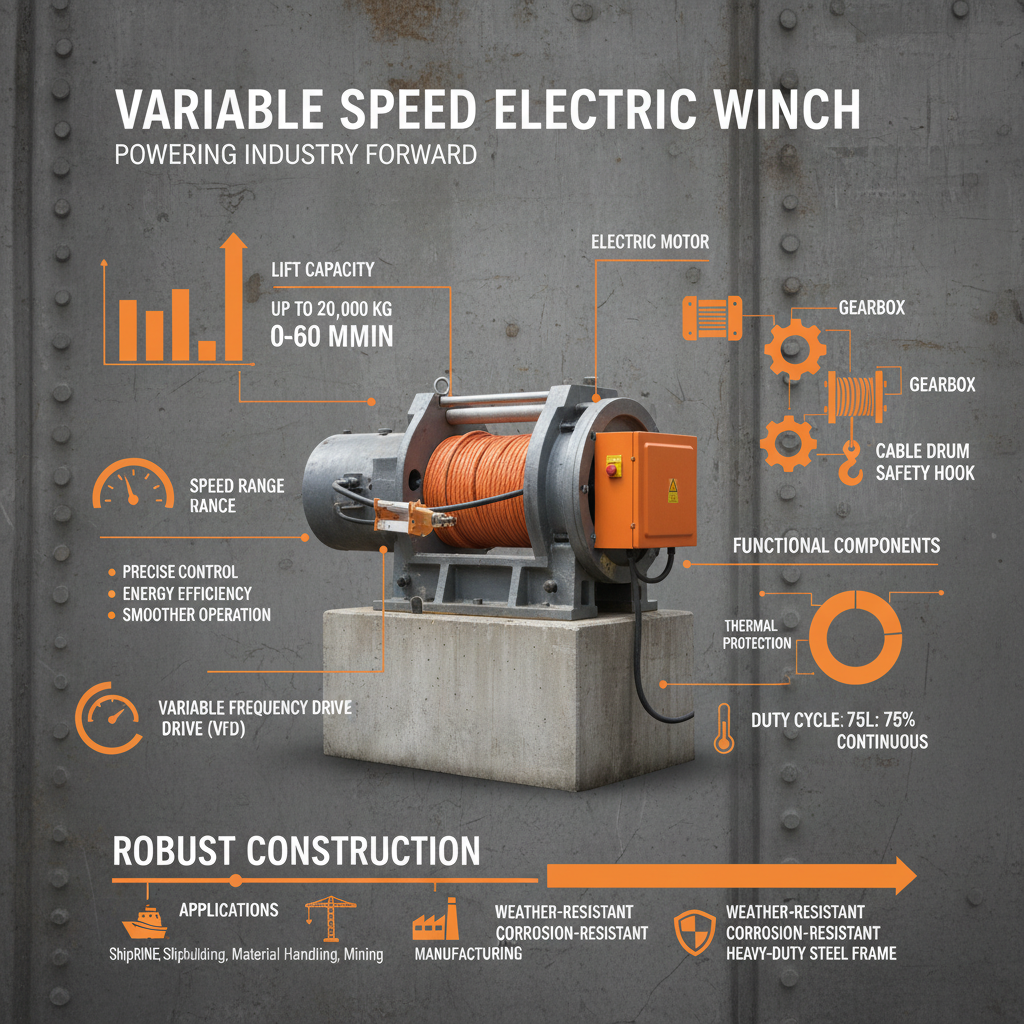
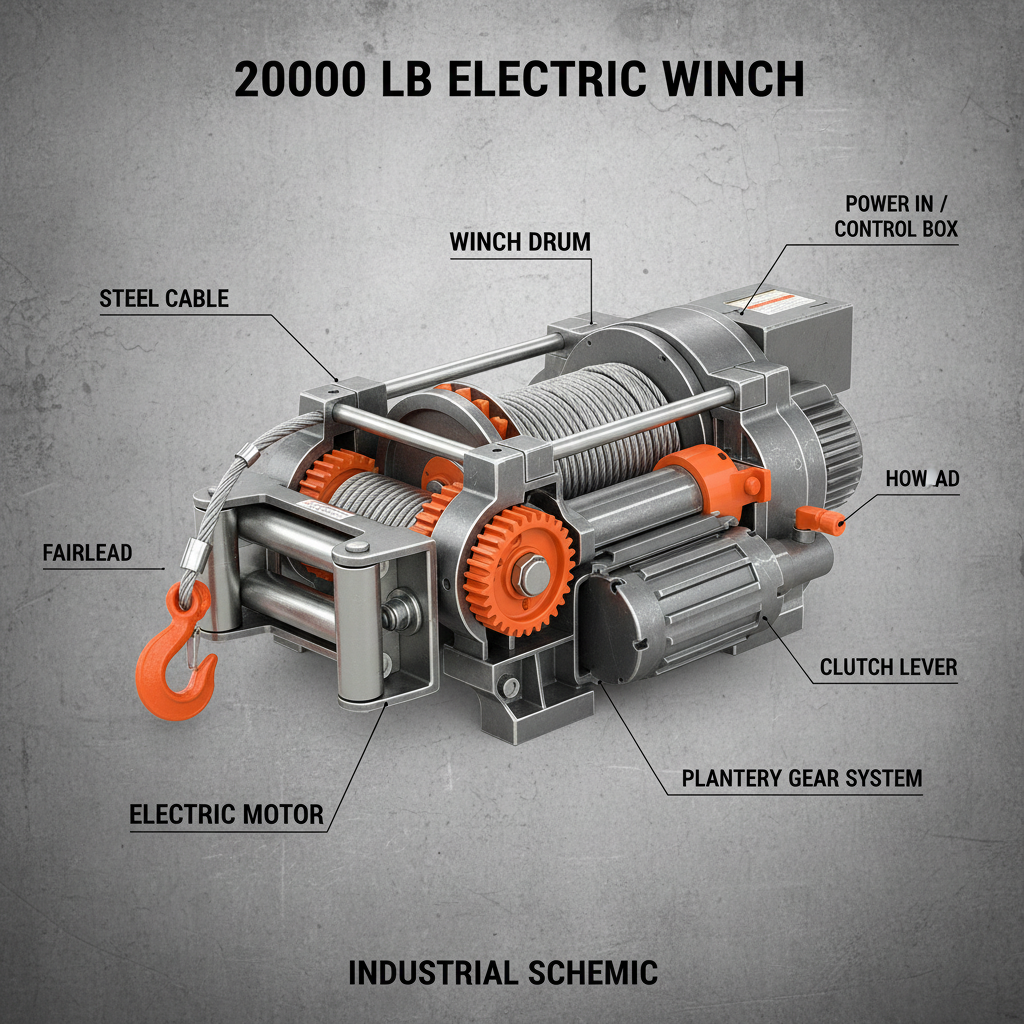
Several key components contribute to the functionality and performance of a variable speed electric winch. These include a robust electric motor, a precision gearbox, a variable frequency drive (VFD) for speed control, a durable drum or spool, and a reliable braking system. The quality and integration of these components are crucial for ensuring smooth operation, long-term reliability, and optimal performance.
Operational factors, such as load weight, rope diameter, and environmental conditions, also play a significant role. Selecting a winch with the appropriate capacity and features for the intended application is essential. Regular maintenance, including lubrication and inspection of critical components, is vital for extending the lifespan of the winch and ensuring continued safe operation. Proper training for operators is also fundamental for maximizing efficiency and minimizing risk.
The VFD is the heart of the variable speed control, allowing for precise adjustments to the motor’s speed and torque. This enables operators to adapt to changing conditions and maintain optimal control throughout the lifting or pulling process. The overall design and construction of the winch, including the materials used and the quality of manufacturing, also contribute significantly to its performance and durability.
Performance Metrics and Winch Capability
Evaluating the performance of a variable speed electric winch involves considering several key metrics. These include rated line pull (the maximum weight the winch can lift or pull), lifting speed (the rate at which the load is raised or lowered at different speeds), duty cycle (the percentage of time the winch can operate at full load), and braking force (the capacity of the braking system to hold the load securely).
Understanding these metrics is crucial for selecting a winch that meets the specific requirements of the application. A higher rated line pull indicates greater lifting capacity, while a wider range of lifting speeds offers greater control and flexibility. The duty cycle determines how frequently the winch can be used without overheating or experiencing premature wear.
Variable Speed Electric Winch Capability Comparison
Global Applications and Industry Impact
Variable speed electric winches find widespread application across a multitude of industries. In marine settings, they are crucial for anchoring, mooring, and towing operations. In construction, they’re used for lifting materials, positioning equipment, and supporting structural assembly. The automotive industry utilizes them in vehicle recovery and testing applications.
In remote industrial zones, where consistent performance is critical, and in post-disaster relief operations where precise control is paramount, variable speed electric winch systems demonstrate their value. They’re also increasingly integrated into specialized applications like stage rigging, film production, and aerial work platforms.
Advantages and Long-Term Value Proposition
The advantages of employing variable speed electric winches extend beyond operational efficiency. They offer enhanced safety through precise control, reducing the risk of accidents and damage. Reduced wear and tear on equipment translates to lower maintenance costs and extended lifespan. Moreover, the ability to tailor the lifting or pulling speed to the specific task optimizes energy consumption and minimizes environmental impact.
The long-term value proposition lies in increased productivity, reduced downtime, and a stronger commitment to safety and sustainability. The peace of mind that comes with using reliable and controllable equipment, coupled with the potential for significant cost savings, makes a variable speed electric winch a wise investment for any organization.
From a social impact perspective, the enhanced safety provided by these winches fosters a more secure working environment, promoting worker well-being and trust in operational processes. This contributes to a positive organizational culture and improved overall performance.
Future Trends and Technological Advancements
The future of variable speed electric winches is intertwined with several key technological trends. The integration of smart sensors and IoT (Internet of Things) connectivity will enable real-time monitoring of winch performance, predictive maintenance, and remote control capabilities. The development of more energy-efficient motors and drive systems will further reduce environmental impact and operating costs.
Automation and robotic integration are also poised to play a significant role, allowing for fully automated lifting and pulling operations. Furthermore, the increasing adoption of green energy sources, such as solar and wind power, will drive the development of eco-friendly winch systems.
Digital transformation is influencing winch design and operation, with advanced software providing detailed operational data and facilitating optimized performance. Continued material science innovations will lead to lighter, stronger, and more durable winch components, further enhancing their reliability and longevity.
Challenges and Solutions
Despite their numerous advantages, variable speed electric winches face certain challenges. These include the initial cost of investment, the complexity of installation and maintenance, and the potential for electromagnetic interference. Ensuring compatibility with existing infrastructure and addressing concerns about cybersecurity are also important considerations.
Innovative solutions are emerging to address these challenges. Modular winch designs simplify installation and reduce costs. Advanced diagnostic tools streamline maintenance and minimize downtime. Shielding techniques mitigate electromagnetic interference, and robust cybersecurity protocols protect against unauthorized access. Furthermore, training programs equip operators and maintenance personnel with the skills and knowledge required to operate and maintain these systems effectively.
Overview of Variable Speed Electric Winch Challenges and Solutions
| Challenge |
Impact on Operation |
Proposed Solution |
Implementation Cost (1-10) |
| High Initial Investment |
Barriers to adoption for smaller businesses |
Leasing options & modular designs |
6 |
| Complex Installation |
Increased setup time and potential errors |
Pre-assembled units & remote support |
7 |
| Maintenance Requirements |
Potential downtime & specialized technicians |
Predictive maintenance systems & training |
5 |
| Electromagnetic Interference |
Disruption of nearby electronic devices |
Shielded cabling & filters |
4 |
| Cybersecurity Concerns |
Vulnerability to remote attacks & data breaches |
Secure communication protocols & firewall protection |
8 |
| Integration with Legacy Systems |
Compatibility issues with existing infrastructure |
API-based integration & custom adapters |
7 |
FAQS
Variable speed electric winches offer significantly improved control, precision, and safety compared to traditional winches. The ability to adjust the lifting or pulling speed allows for smoother operations, minimizing the risk of damage to loads and reducing stress on the equipment. This results in increased efficiency, lower maintenance costs, and a more secure working environment. They are especially valuable when dealing with sensitive materials or complex positioning requirements.
A wide range of industries benefit from variable speed electric winches, including marine (anchoring, mooring, towing), construction (lifting materials, positioning equipment), automotive (vehicle recovery), manufacturing (material handling), and even entertainment (stage rigging). They are increasingly adopted in specialized applications like aerial work platforms and renewable energy installations.
Determining the correct winch capacity requires careful consideration of the maximum load weight, the desired lifting speed, and the duty cycle. It's crucial to select a winch with a rated line pull that exceeds the maximum load, with a safety factor incorporated. Consider the rope diameter and length needed for the application and consult with a winch specialist to ensure proper sizing.
Regular maintenance is essential for ensuring the long-term reliability of a variable speed electric winch. This includes lubricating moving parts, inspecting the rope for wear and tear, checking the braking system, and examining the electrical components. Following the manufacturer's recommended maintenance schedule and performing routine inspections can prevent costly repairs and downtime.
Yes, variable speed electric winches can be significantly more energy efficient than traditional winches. The ability to adjust the speed to match the specific task requirements minimizes energy consumption and reduces operating costs. Modern winches utilize energy-efficient motors and drive systems, further enhancing their sustainability.
Variable speed electric winches typically include several safety features, such as overload protection, emergency stop buttons, automatic braking systems, and rope limit switches. These features are designed to prevent accidents, protect the load, and ensure the safety of operators. Regular inspection and testing of these safety features are essential.
Conclusion
Variable speed electric winches represent a transformative technology in the realm of lifting and pulling operations. Their ability to provide precise control, enhance safety, and improve efficiency makes them invaluable assets across a diverse range of industries. By embracing these advancements, organizations can optimize their workflows, reduce costs, and promote a more sustainable and secure working environment. The benefits of adopting this technology extend far beyond simply upgrading equipment.
Looking ahead, the integration of smart technologies and the increasing focus on sustainability will continue to drive innovation in the variable speed electric winch market. We encourage you to explore the possibilities and discover how a variable speed electric winch can revolutionize your operations. Visit our website today to learn more and find the perfect solution for your needs.