The integration of high-efficiency lifting solutions has become a cornerstone of modern workshop productivity, and the small electric winch 240v stands as a pivotal tool for small-to-medium enterprises. By bridging the gap between manual labor and heavy industrial cranes, these compact devices allow for precise load handling in confined spaces, significantly reducing the risk of workplace injuries while accelerating operational timelines.
Across the globe, the demand for specialized lifting equipment has surged as the "micro-factory" and home-industrialization trends grow. A reliable small electric winch 240v provides the necessary torque and stability to handle critical components without requiring a massive infrastructure overhaul, making it an essential asset for maintenance teams, automotive shops, and light manufacturing plants.
Understanding the nuances of voltage compatibility, load capacity, and safety certifications is crucial for any procurement manager. Selecting a high-quality small electric winch 240v ensures not only immediate efficiency but also long-term sustainability, aligning with international safety standards like ISO and CE to guarantee a secure environment for all operators.
Global Demand and Industrial Relevance of Small Electric Winch 240v
The global industrial landscape is currently witnessing a shift toward modularity and decentralization. In this context, the small electric winch 240v has become indispensable, particularly in regions where standard industrial 3-phase power is unavailable but 240v single-phase power is ubiquitous. This accessibility allows smaller workshops in developing economies to scale their production capabilities without investing in expensive electrical grid upgrades.
Statistically, the adoption of compact electric lifting gear has seen a steady increase in accordance with ISO safety guidelines, as companies strive to minimize manual lifting. The small electric winch 240v addresses the critical challenge of "last-meter" material movement, providing a mechanical advantage that ensures loads are moved with precision, reducing downtime caused by inefficient handling processes.
Defining the Small Electric Winch 240v in Modern Logistics
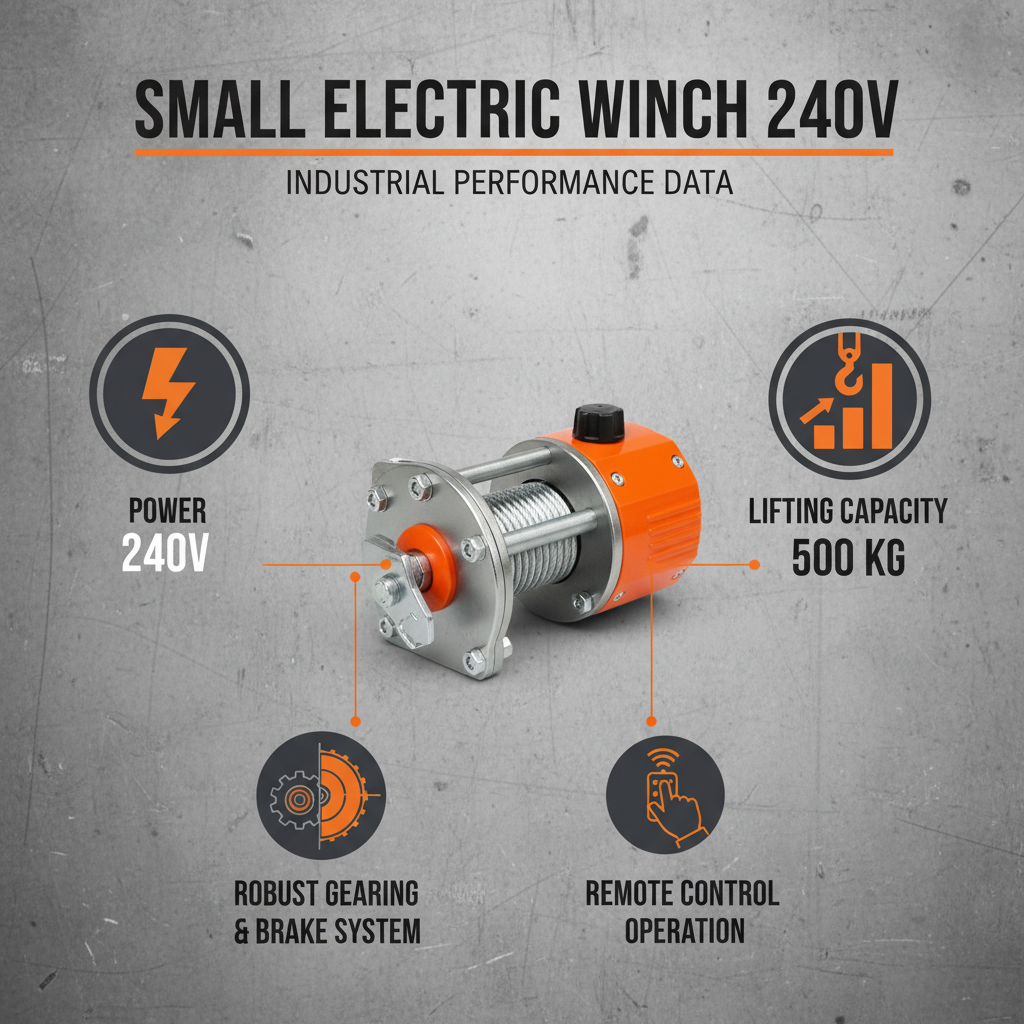
At its core, a small electric winch 240v is a motorized device designed to pull, lift, or tension a load using a cable or rope wound around a drum. Unlike heavy-duty industrial cranes, these winches are engineered for portability and ease of installation, typically utilizing a single-phase 240v power supply which makes them compatible with standard commercial and residential electrical outlets in many parts of the world.
In the realm of modern logistics and humanitarian aid, the agility of a small electric winch 240v is a game-changer. Whether it is hoisting medical supplies in temporary clinics or moving machinery in remote research stations, the ability to deploy a lifting solution quickly and safely is paramount. This equipment transforms a high-effort physical task into a controlled, mechanical operation.
Beyond simple lifting, these devices are integrated into complex systems including automated conveyors and custom rigging setups. By combining a compact footprint with high torque output, the small electric winch 240v serves as the fundamental building block for customized material handling solutions tailored to specific spatial constraints.
Core Components and Performance Factors
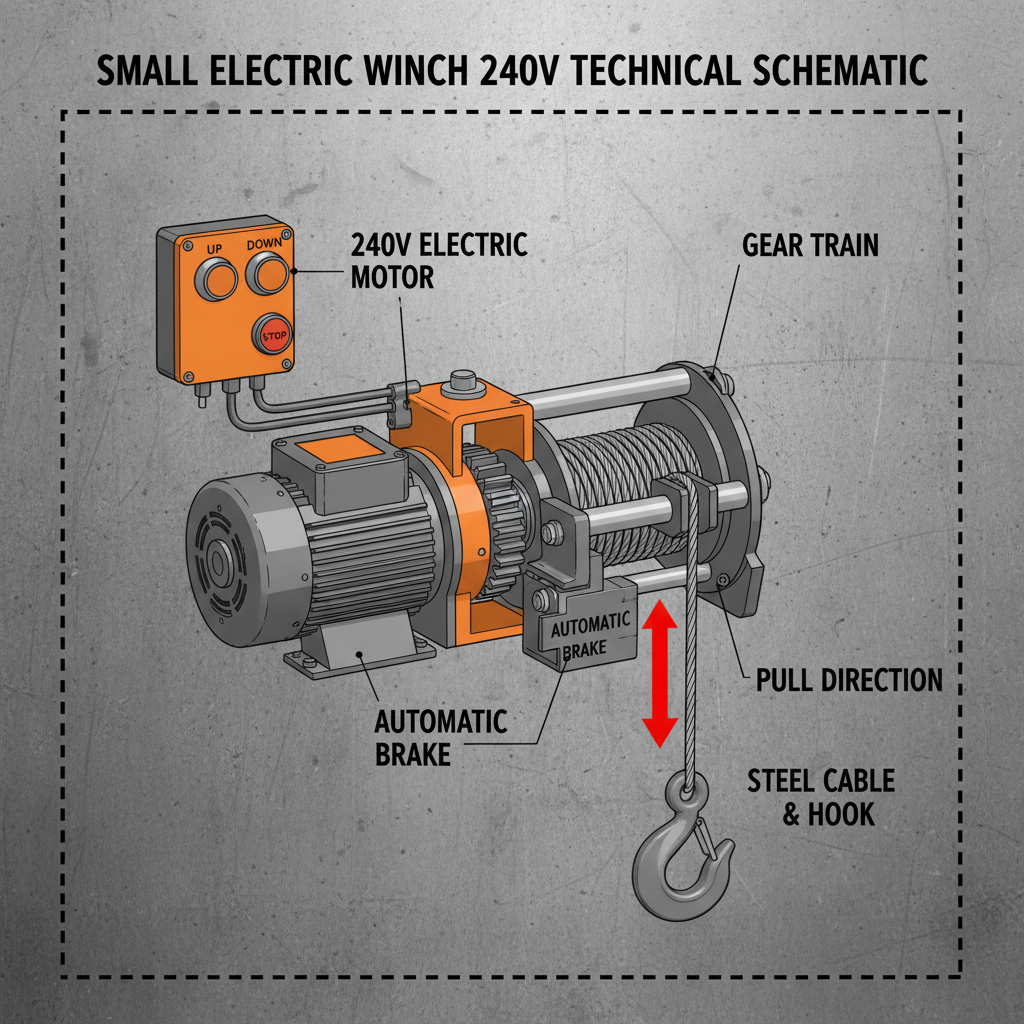
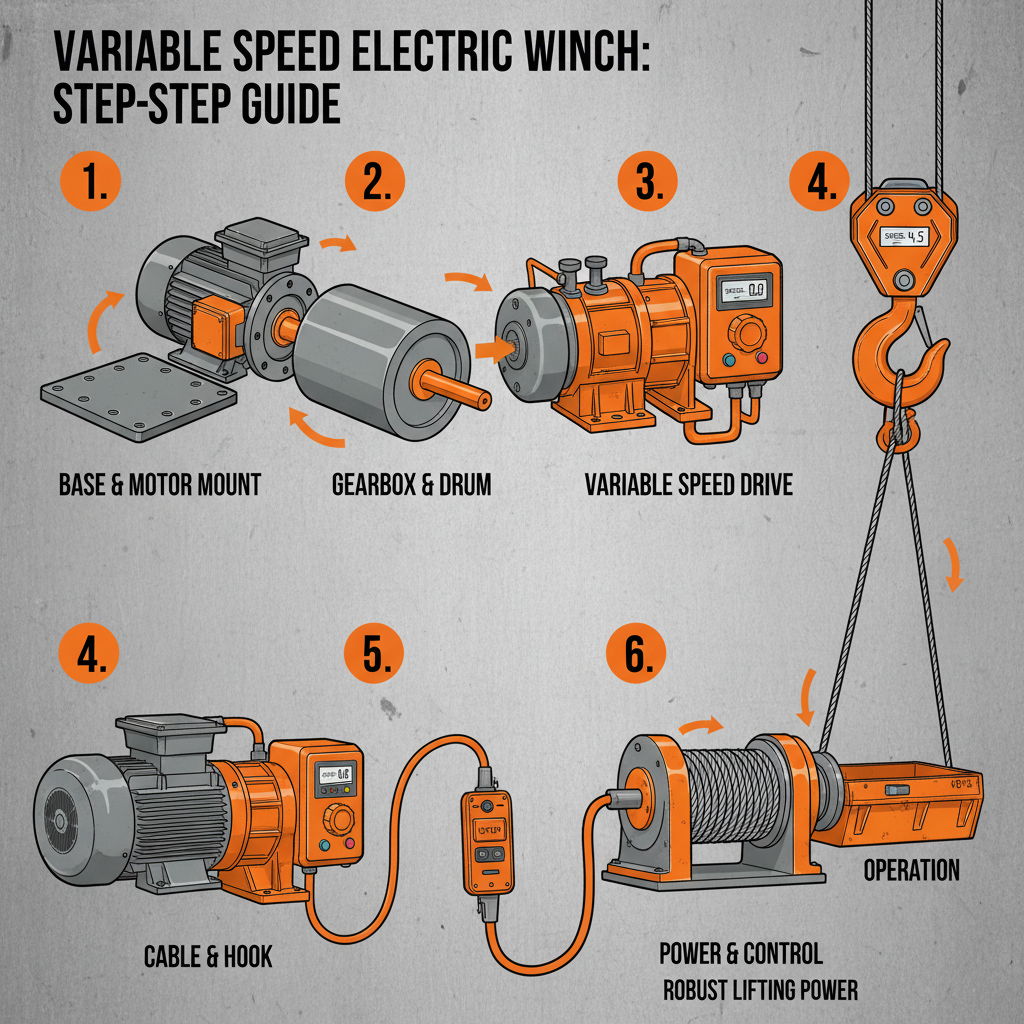
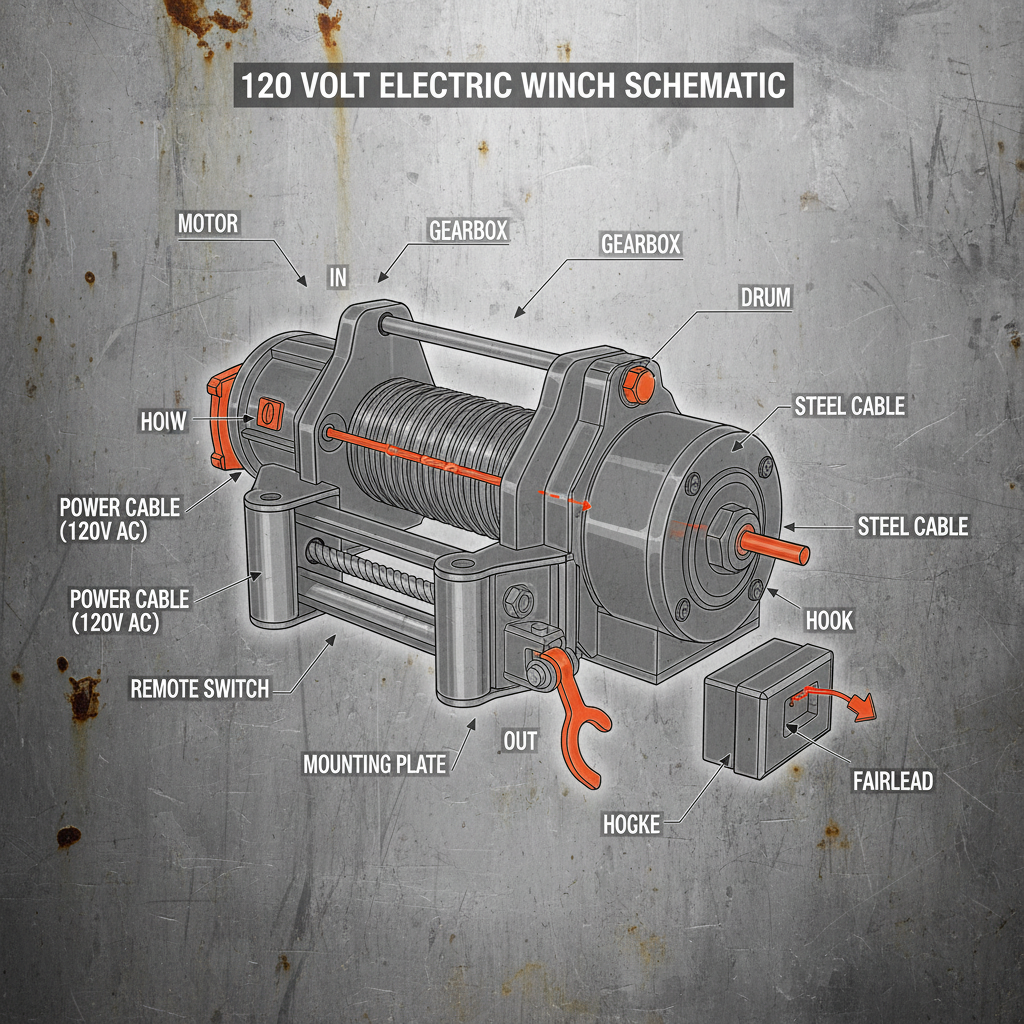
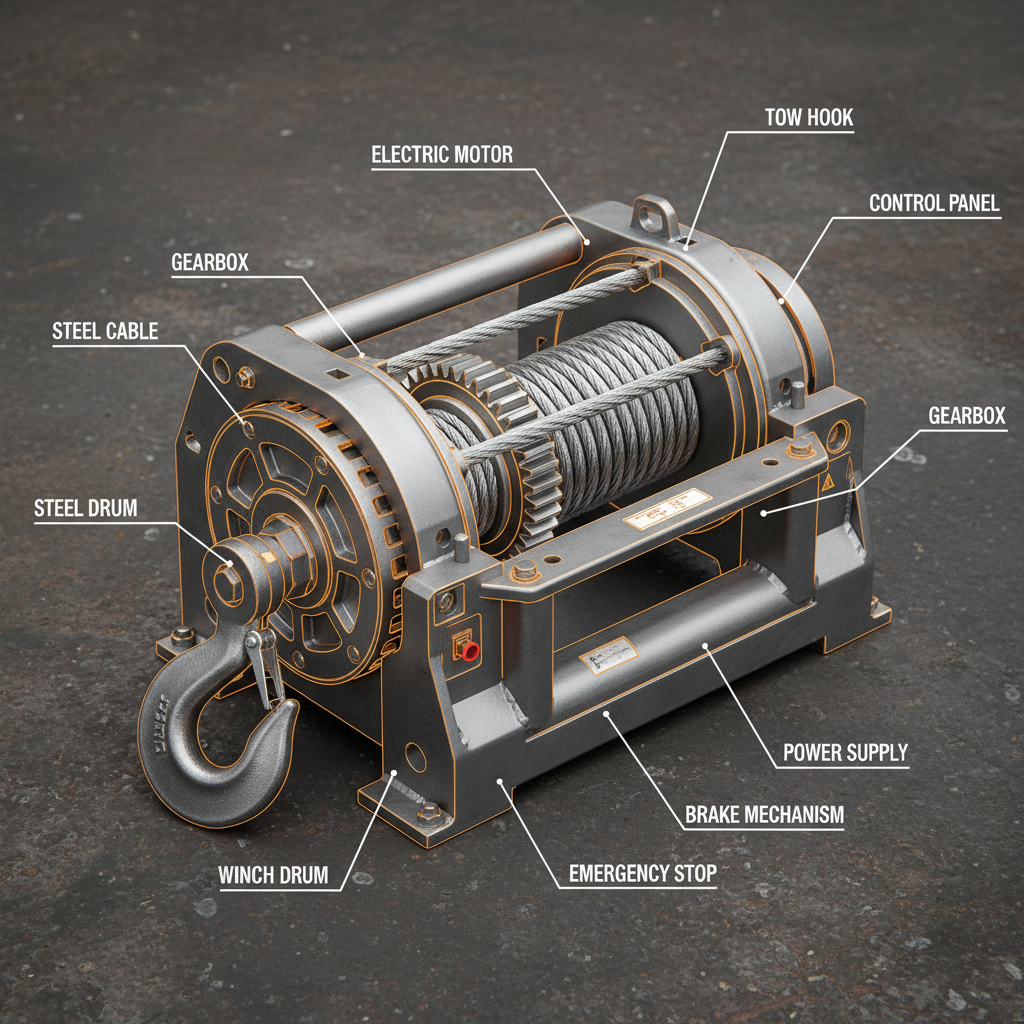
The reliability of a small electric winch 240v depends heavily on its internal architecture. Key components include the high-torque electric motor, the planetary gear system which multiplies force, and the braking mechanism that prevents load slippage. Each part must be synchronized to ensure that the lifting motion is smooth and predictable.
Durability is further enhanced by the quality of the winch drum and the cable material used in a small electric winch 240v. Using reinforced steel wire or synthetic fibers, combined with precision-machined grooved sleeves, ensures that the cable winds evenly, preventing overlap and reducing wear and tear over thousands of duty cycles.
From a cost-efficiency perspective, the small electric winch 240v is designed for low maintenance. Most professional-grade units feature sealed gearboxes and overheat protection sensors, ensuring that the motor does not burn out during extended use, thereby extending the lifecycle of the investment and reducing the total cost of ownership.
Comparative Efficiency and Load Metrics
When evaluating different configurations of the small electric winch 240v, efficiency is measured by the ratio of power consumption to lifting speed and capacity. Different gear ratios allow users to choose between a high-speed winch for light loads or a slow, high-torque winch for heavier materials.
The following data illustrates how different variations of small electric winch 240v systems perform across key metrics such as durability, ease of installation, and energy efficiency, providing a benchmark for selection.
Performance Metrics for Small Electric Winch 240v Variations
Versatile Applications Across Global Industries
The application of the small electric winch 240v spans various sectors. In the automotive industry, these winches are frequently used for engine removal and chassis lifting in independent garages. In the construction sector, they are utilized for hoisting light building materials to upper floors of small-scale residential projects, bypassing the need for massive tower cranes.
Beyond commercial use, these winches are vital in remote industrial zones and disaster relief operations. For instance, NGOs often use a small electric winch 240v powered by portable generators to clear debris or install water purification systems in areas where infrastructure has collapsed, proving that compact power can have a massive social impact.
Long-Term Economic and Safety Advantages
Investing in a high-quality small electric winch 240v yields tangible long-term value by drastically reducing labor costs. By automating the lifting process, companies can reallocate manpower to more skilled tasks, effectively increasing the overall throughput of the facility without increasing the headcount.
From a safety perspective, the logical advantage is the elimination of manual strain. Lowering the physical burden on workers reduces the incidence of musculoskeletal disorders, which in turn lowers insurance premiums and decreases absenteeism. The trust built into a reliable braking system gives operators the peace of mind necessary to work efficiently.
Furthermore, the sustainability of a small electric winch 240v compared to diesel-powered alternatives is significant. With zero local emissions and lower noise pollution, these electric units help workshops meet stricter environmental regulations and create a more pleasant working environment for employees.
Future Innovations in Electric Lifting Technology
The future of the small electric winch 240v is closely tied to the digital transformation of the industry. We are seeing the emergence of "smart winches" that incorporate IoT sensors to monitor cable tension in real-time, alerting operators to potential fatigue or overloading before a failure occurs.
Automation and green energy are also playing pivotal roles. Future iterations may feature regenerative braking systems that feed energy back into the power grid and the use of graphene-reinforced composites for drums to reduce weight while increasing load capacity. This evolution ensures that the small electric winch 240v remains relevant in an era of Industry 4.0.
Additionally, policy shifts toward carbon neutrality are driving the development of higher-efficiency motors. The integration of variable frequency drives (VFD) into small electric winch 240v units will allow for smoother acceleration and deceleration, further enhancing safety and reducing peak power demand.
Analysis of Small Electric Winch 240v Technological Evolution
| Evolution Stage |
Key Technology |
Impact on Efficiency |
Safety Level (1-10) |
| Traditional Phase |
Basic AC Motor |
Moderate |
6 |
| Current Standard |
Planetary Gearing |
High |
8 |
| Smart Integration |
IoT Load Sensors |
Very High |
9 |
| Eco-Optimized |
VFD Controllers |
Optimized |
8 |
| Advanced Materials |
Composite Drums |
Extreme |
9 |
| Full Automation |
AI Predictive Maint. |
Maximum |
10 |
FAQS
Yes, but it depends on the IP rating of the specific unit. For outdoor use, ensure the small electric winch 240v has a weather-resistant housing and an IP65 or higher rating to protect the motor and electrical components from dust and moisture. Always use a GFCI outlet for added safety in damp conditions.
With proper maintenance, a professional-grade small electric winch 240v can last 10 to 15 years. The key to longevity is regular lubrication of the gear system and timely replacement of the lifting cable when fraying is detected. Avoiding overloading is the most critical factor in extending its life.
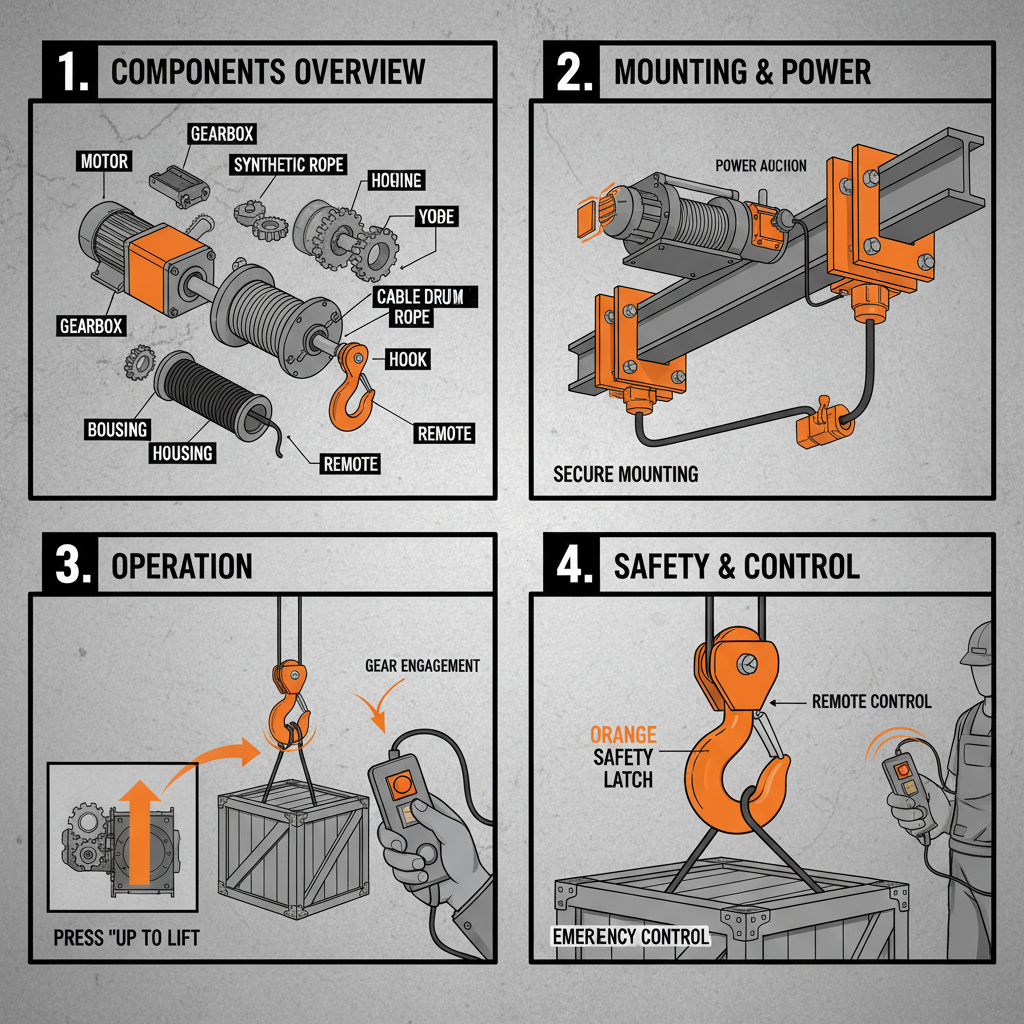
Absolutely. Because they operate on standard 240v single-phase power, they are ideal for home workshops. However, users must ensure the winch is securely mounted to a structural beam capable of supporting the maximum load to prevent structural failure during lifting operations.
Steel cables offer superior durability and heat resistance, making them ideal for heavy industrial use. Synthetic ropes are lighter, easier to handle, and safer if the cable snaps. For most small electric winch 240v applications, steel is preferred for longevity, while synthetic is chosen for portability.
While it uses 240v, it is recommended to have a dedicated circuit to avoid tripping breakers, especially if other heavy machinery is running on the same line. Consulting a licensed electrician to ensure the wire gauge is sufficient for the winch's amp draw is highly advised.
Look for CE (Conformité Européenne), UL (Underwriters Laboratories), or ISO certifications. These ensure that the small electric winch 240v has undergone rigorous testing for electrical safety, load-bearing integrity, and emergency stop functionality, protecting both the operator and the cargo.
Conclusion
The small electric winch 240v represents a critical intersection of accessibility and power, providing a scalable solution for lifting challenges in a variety of global industrial settings. By integrating robust components, adhering to international safety standards, and leveraging the ubiquity of 240v power, these devices empower small businesses and humanitarian organizations to operate with a level of efficiency and safety previously reserved for large-scale industrial plants.
Looking forward, the shift toward smart monitoring and eco-friendly materials will only enhance the value proposition of the small electric winch 240v. We encourage operators to prioritize quality and certification over initial cost to ensure long-term reliability and workplace safety. For those looking to upgrade their lifting capabilities, we invite you to explore our professional range. Visit our website: www.lbswinch.com