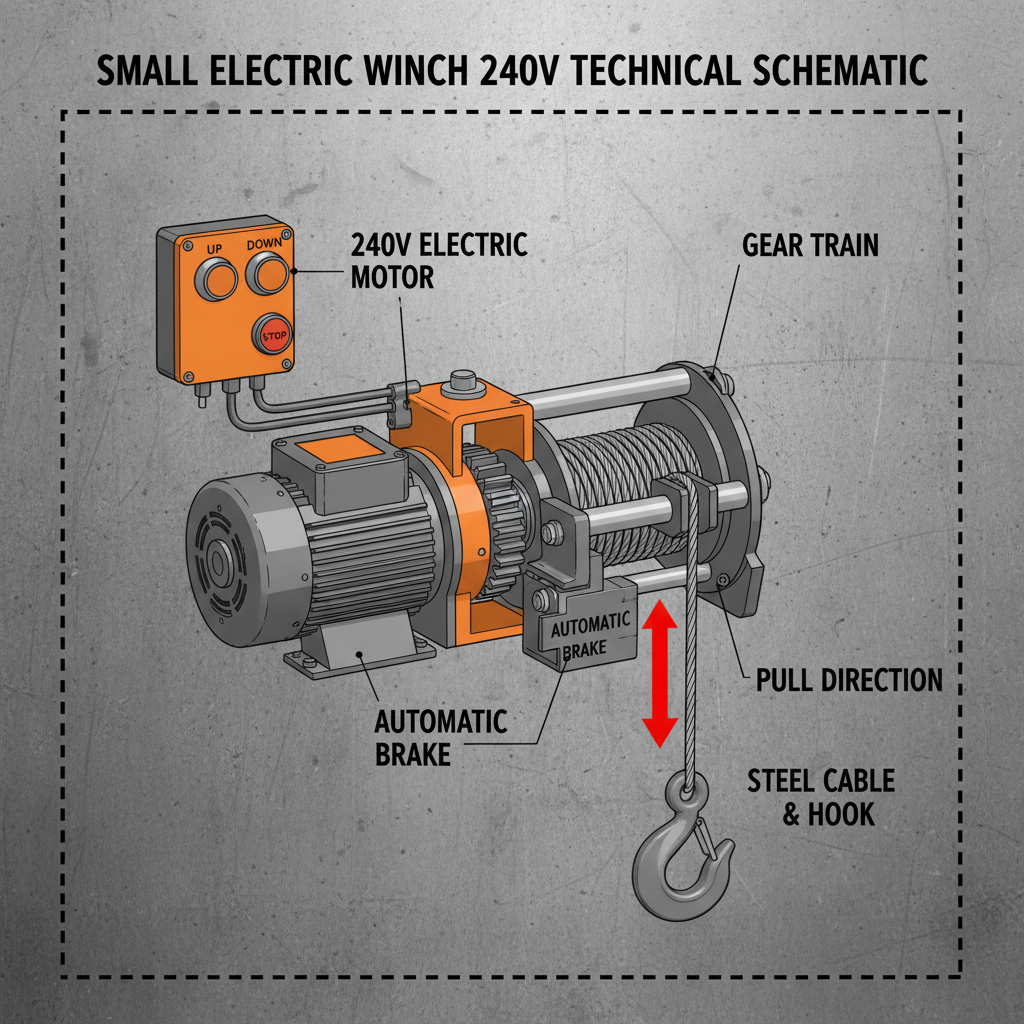
The 120 volt electric winch – it’s not glamorous, but it's the backbone of so much work getting done on site. I’ve spent years watching crews struggle with manual winches, wasting time and risking injuries. Switching to a reliable 120V electric winch isn’t just about convenience; it’s about efficiency, safety, and frankly, getting the job done right the first time. It’s a deceptively simple piece of kit that makes a huge difference when you're facing tight deadlines and challenging terrain.
You see a lot of equipment come and go, but the things that stick around, the things that earn their keep, are the ones that solve real-world problems. The 120 volt electric winch addresses a basic need - moving heavy loads - but it does so in a way that minimizes downtime and maximizes control. From hauling materials up inclines to positioning equipment, it’s a workhorse I’ve come to depend on.
I’ve seen the productivity gains firsthand. Guys aren’t exhausted from cranking handles all day, meaning they can focus on the actual work. And frankly, a 120V winch is a lot more precise than manual operation, reducing the risk of damage to materials or, worse, to themselves. It’s an investment that pays for itself quickly.
The Importance of 120 Volt Electric Winch
Look, construction’s a tough business. Every second counts, and every bit of effort adds up. The global demand for infrastructure and construction is only increasing, and with it, the need for reliable, efficient lifting and pulling solutions. According to the UN, global construction spending is projected to reach over $15 trillion by 2030. A 120 volt electric winch isn’t a flashy solution, but it’s a critical one for keeping projects on schedule and within budget. It addresses the inherent challenges of moving heavy loads in often difficult environments.
I’ve seen too many jobs delayed because of bottlenecks caused by manual lifting. It’s simply not sustainable, especially with increasing labor costs and stricter safety regulations. A 120 volt electric winch offers a direct response to these pressures. It's about minimizing physical strain, increasing precision, and ultimately, boosting overall productivity. It's a small tool with a big impact.
Defining the 120 Volt Electric Winch
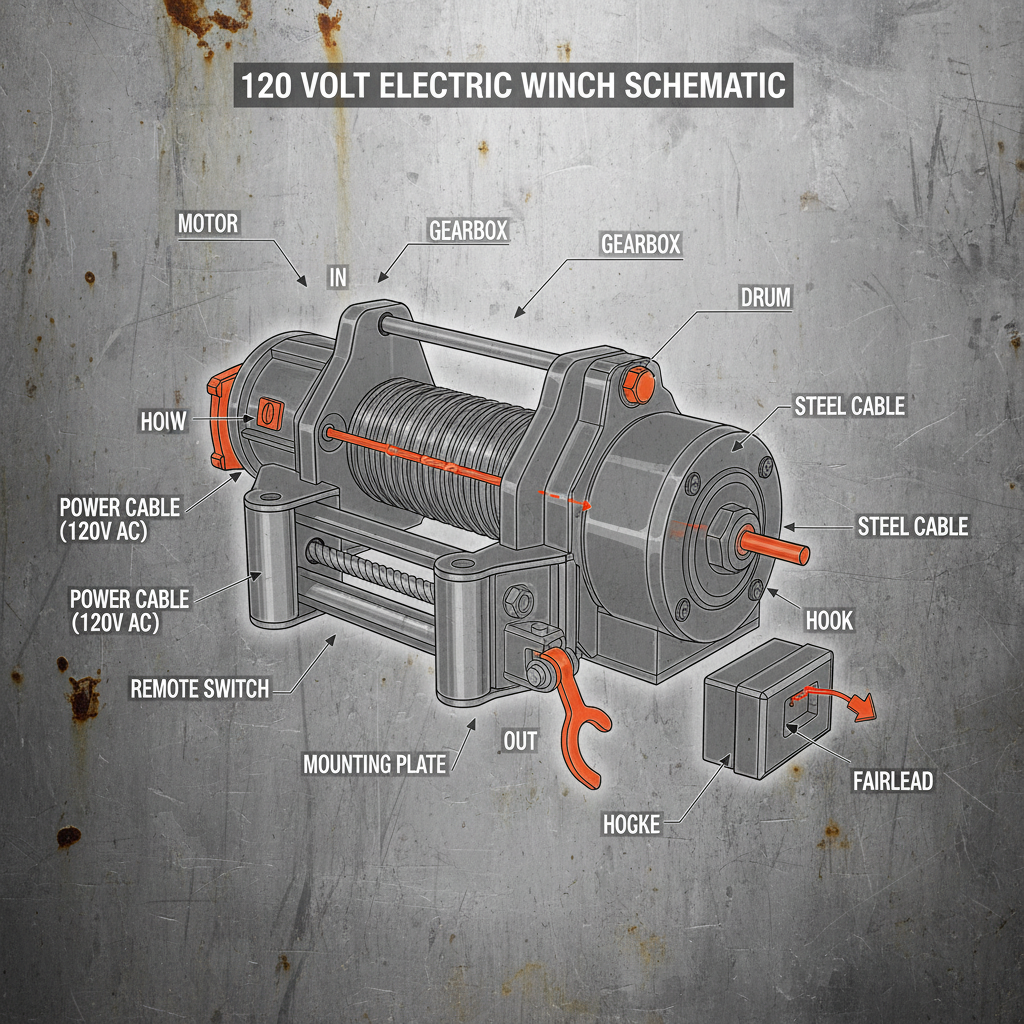
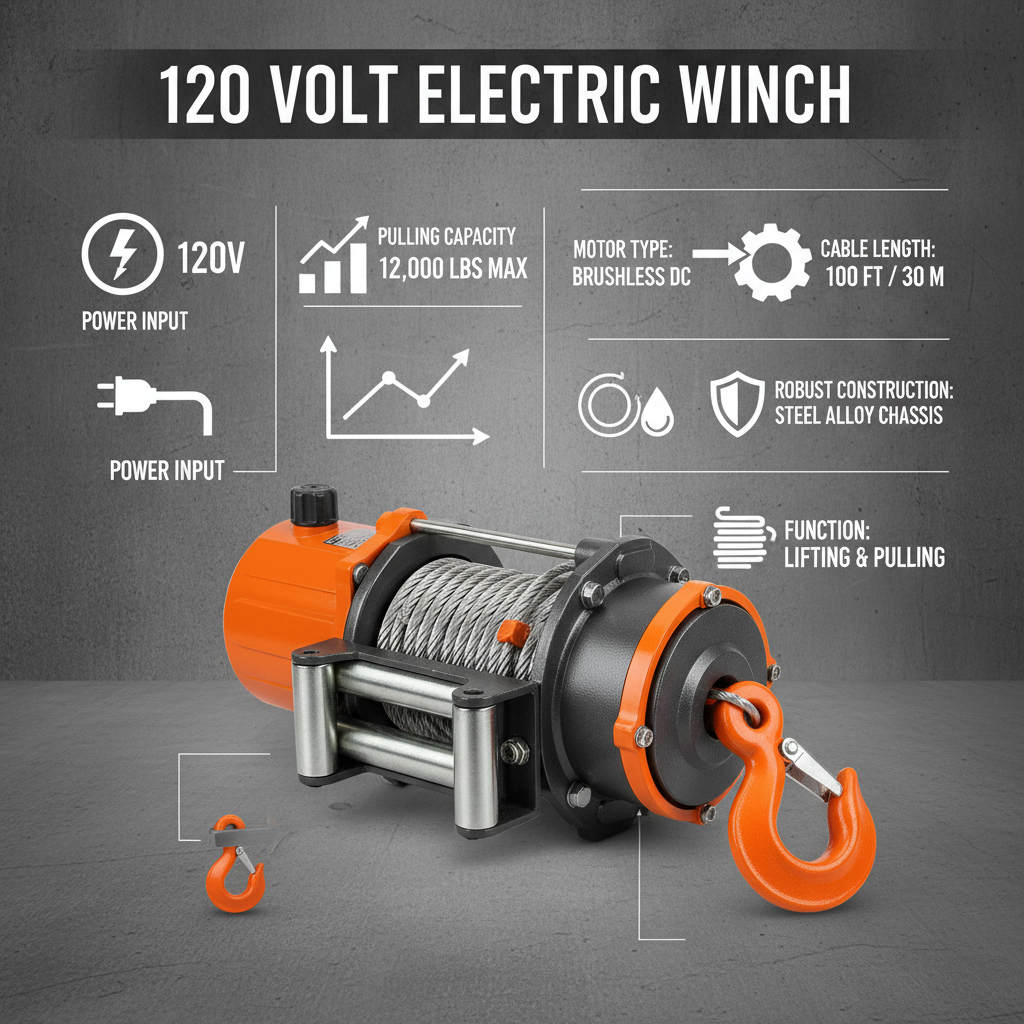
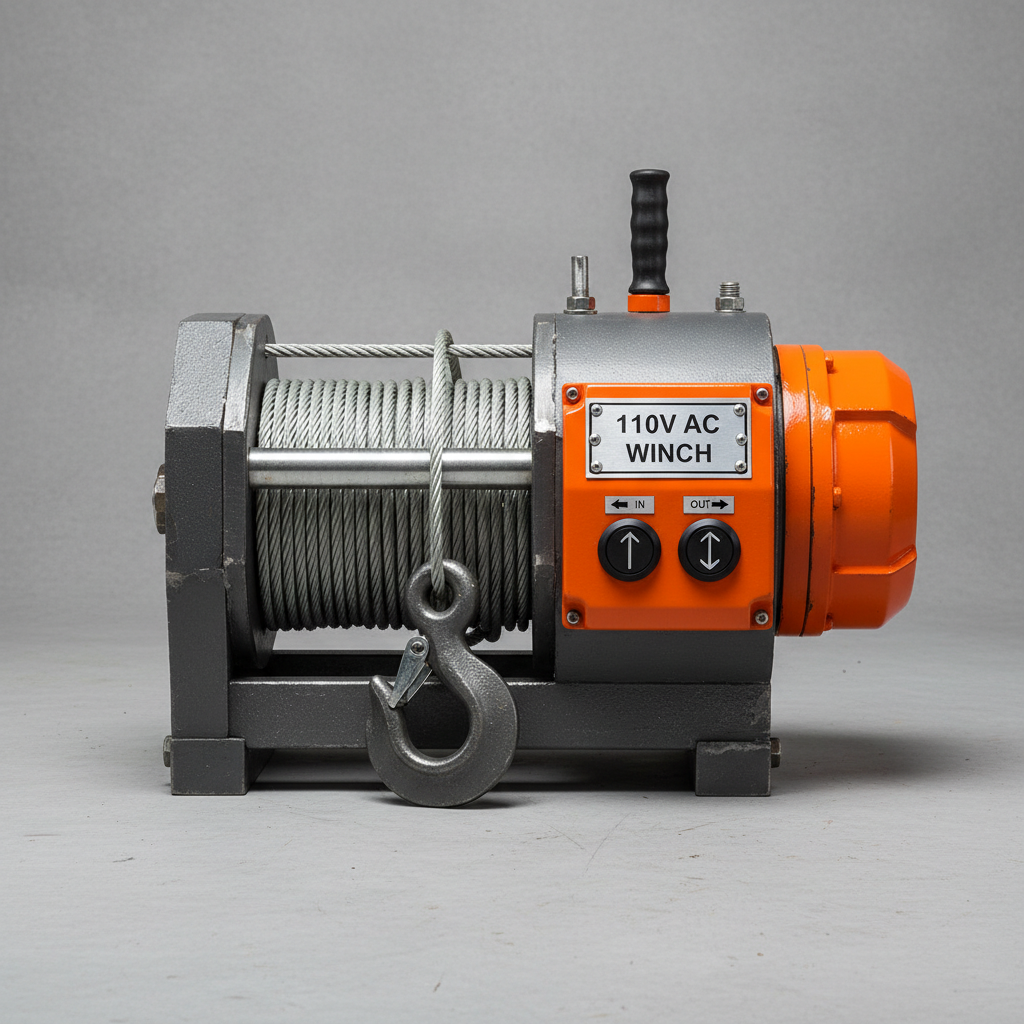
Simply put, a 120 volt electric winch is a powered machine designed to wind a rope or cable around a drum, allowing you to pull or lift heavy objects. What sets the 120V version apart is its power source – standard AC power readily available on most job sites. No need for hydraulics, pneumatics, or generators; plug it in and go. This makes it incredibly versatile and easy to deploy.
It’s a fundamental piece of equipment in modern construction, material handling, and even some emergency response situations. Unlike older, manual winches, an electric winch provides consistent power and control, reducing the risk of operator fatigue and ensuring a smoother, more controlled lift.
That accessibility is huge. It's easy for anyone on the crew to operate with minimal training. And it seamlessly integrates into existing electrical systems, reducing setup time and costs. It’s a practical solution for a wide range of tasks, and that's why you see them everywhere.
Key Factors for Choosing a 120 Volt Electric Winch
When I'm spec'ing out a winch, I’m not just looking at the price tag. Durability is paramount. These things get abused on a job site, so you need a robust construction, quality materials, and proper weather protection. I’ve seen cheap winches fail after a few weeks, costing way more in downtime and repairs than it’s worth.
Capacity is another critical factor. You need to accurately assess the maximum weight you’ll be lifting and choose a winch with a sufficient safety margin. Don't skimp here. Overloading a winch is a recipe for disaster. I also pay close attention to the rope or cable length and the gear ratio – these dictate both the lifting height and the pulling speed.
Finally, think about features like remote controls and automatic braking systems. These can significantly enhance safety and control, especially in situations where precise positioning is required. A good winch is an investment in efficiency and, more importantly, worker safety. I always prioritize those two things.
Practical Applications of 120 Volt Electric Winches
You'll find a 120 volt electric winch on nearly every job site I’ve worked. Hauling building materials like lumber, steel beams, and concrete forms is a common use. They're essential for lifting equipment onto roofs or into trenches. I've used them to pull vehicles out of mud, position generators, and even help with tree removal.
I’ve seen them used extensively in infrastructure projects – bridge construction, road repair, and utility installations. They’re also incredibly useful in marine applications, like pulling boats onto trailers or securing loads on barges. Anywhere you need reliable pulling power, a 120V winch can handle it.
120 Volt Electric Winch Application Ratings
Advantages and Long-Term Value of 120 Volt Electric Winches
The biggest advantage, without question, is safety. Reducing manual effort significantly lowers the risk of strains, sprains, and more serious injuries. Plus, the controlled operation of an electric winch minimizes the chance of dropped loads or runaway cables. That’s a huge win for any project manager.
Beyond safety, there’s the long-term cost savings. While the initial investment might be higher than a manual winch, the increased efficiency and reduced downtime quickly offset that cost. A well-maintained 120 volt electric winch will last for years, providing a consistent return on investment.
Future Trends in 120 Volt Electric Winch Technology
I'm seeing a push toward smarter winches – models with load monitoring systems, variable speed controls, and even remote diagnostics. This data can help optimize performance, predict maintenance needs, and improve overall safety.
There's also growing interest in incorporating more sustainable materials and energy-efficient designs. As the industry moves towards greener practices, we’ll likely see more 120 volt electric winches powered by renewable energy sources or featuring regenerative braking systems.
I think the integration of IoT (Internet of Things) will be big. Imagine winches that can communicate their status, usage data, and maintenance needs directly to a central management system. That's the future, and it’s going to make managing equipment even more efficient.
Challenges and Solutions with 120 Volt Electric Winches
One common challenge is ensuring proper grounding and electrical safety, particularly on older job sites with potentially unreliable wiring. Always double-check your power source and use a GFCI (Ground Fault Circuit Interrupter) to prevent shocks.
Another issue can be cable management. A tangled or damaged cable is a major safety hazard. Investing in high-quality cables and using proper storage techniques can prevent these problems. I always recommend regular cable inspections.
Finally, proper maintenance is crucial. Regular lubrication, inspection of the gears, and testing of the braking system will extend the life of the winch and prevent unexpected failures. It's a small investment of time that can save you a lot of headaches down the road.
Summary of 120 Volt Electric Winch Maintenance Requirements
| Maintenance Task |
Frequency |
Difficulty Level (1-5) |
Required Tools |
| Lubrication of Gears |
Every 50 operating hours |
2 |
Grease gun, appropriate lubricant |
| Cable Inspection |
Before each use |
1 |
Visual inspection |
| Brake System Test |
Monthly |
3 |
Load testing equipment |
| Electrical Connection Check |
Weekly |
2 |
Multimeter, insulated tools |
| Motor Brush Inspection |
Every 100 operating hours |
4 |
Screwdrivers, replacement brushes |
| Gearbox Oil Level Check |
Every 6 months |
1 |
Dipstick, appropriate oil |
FAQS
Determining the right winch size hinges on the maximum weight you’ll be lifting or pulling. You need to factor in not only the load's weight but also the incline of the surface and any potential friction. A general rule of thumb is to choose a winch with a capacity at least 1.5 times the maximum expected load. Err on the side of caution – it’s always better to have a winch that’s slightly oversized than one that’s constantly being pushed to its limits.
Many 120 volt electric winches are designed for outdoor use, but it's crucial to ensure the model you choose is specifically rated for wet environments. Look for features like sealed motors and weather-resistant enclosures. Always use a GFCI (Ground Fault Circuit Interrupter) to protect against electrical shock, and avoid operating the winch in standing water. Proper maintenance, like keeping the motor clean and dry, is also essential.
The type of cable or rope you use is critical for safety and performance. Steel cable is the most common choice for heavy-duty applications, offering excellent strength and durability. However, synthetic rope, like Dyneema, is becoming increasingly popular due to its lighter weight and higher strength-to-weight ratio. Always ensure the cable or rope’s working load limit exceeds the maximum weight you’ll be lifting, and inspect it regularly for wear and tear.
Regular inspection and maintenance are key to extending the life of your winch and ensuring safe operation. Before each use, visually inspect the cable or rope for damage, and check the motor and gears for signs of wear. Lubricate moving parts regularly, and test the braking system to ensure it's functioning correctly. A more thorough inspection should be performed monthly, including checking electrical connections and tightening any loose bolts.
Safety should always be your top priority. Always wear appropriate personal protective equipment (PPE), including gloves and safety glasses. Ensure the load is securely attached and balanced before lifting. Never exceed the winch’s rated capacity. Keep bystanders clear of the lifting area, and never stand directly in the path of the cable or rope. And always disconnect the power when performing maintenance.
Finding a reputable supplier is crucial to ensure you’re getting a quality product and reliable support. Look for companies with a proven track record, positive customer reviews, and a commitment to safety. LBS Winch is a great place to start. They offer a wide range of 120 volt electric winches and can provide expert advice on choosing the right model for your needs.
Conclusion
The 120 volt electric winch isn’t a glamorous tool, but it’s an essential one for anyone involved in construction, material handling, or emergency response. Its combination of power, versatility, and safety makes it a valuable asset on any job site. From boosting productivity to reducing risk, the benefits are clear.
Investing in a quality 120 volt electric winch is an investment in efficiency, safety, and long-term cost savings. Don’t skimp on quality or maintenance. Choose a winch that’s appropriate for your needs, and take the time to learn how to operate it safely and effectively. For reliable solutions and expert advice, visit our website today: www.lbswinch.com.