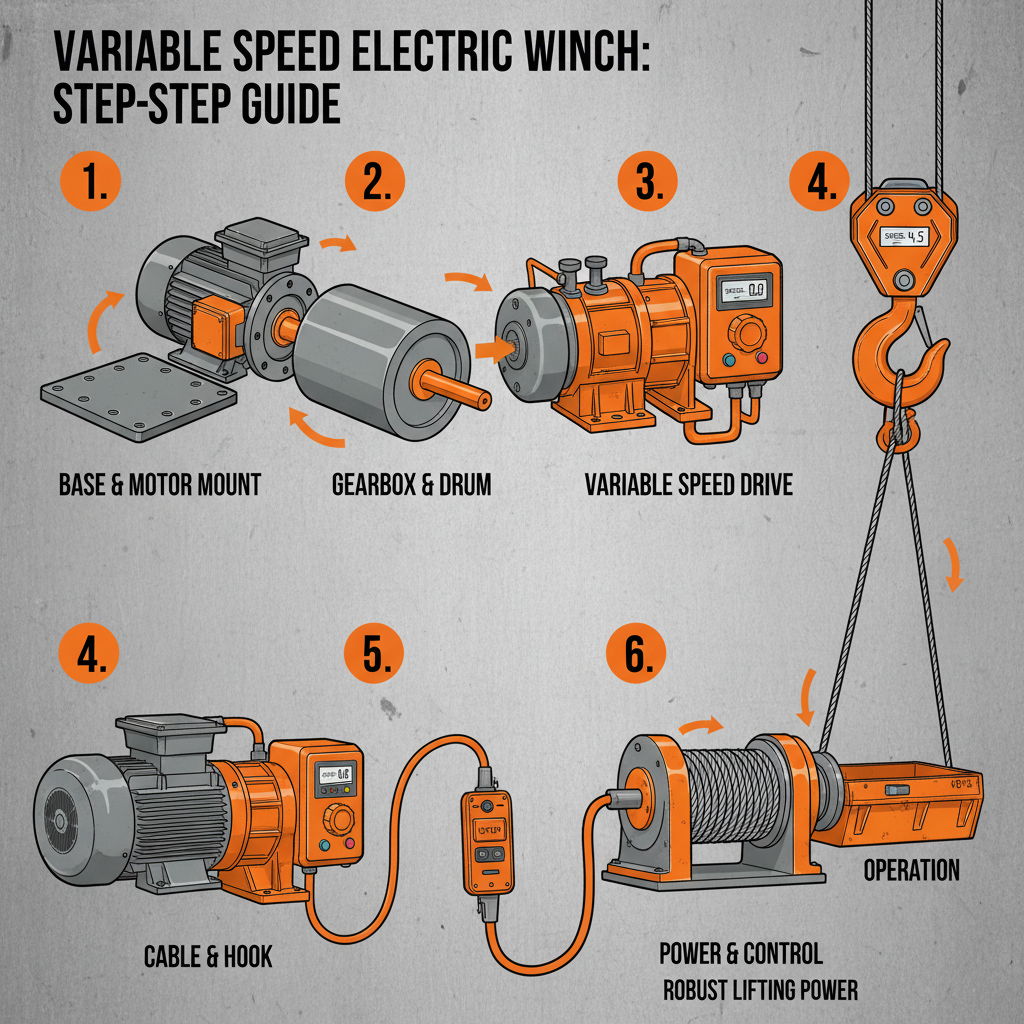
Electric truck winches are rapidly becoming essential tools across a diverse range of industries, from off-road recovery and industrial applications to emergency services and even recreational vehicles. These powerful devices offer a significant upgrade over traditional manual or hydraulic winches, providing increased efficiency, control, and safety. The increasing demand for reliable and robust solutions in challenging environments drives the continuous innovation in electric truck winch technology.
The global market for winches, including electric truck winches, is experiencing substantial growth, fueled by expanding infrastructure projects, increased demand for off-road vehicles, and a greater emphasis on workplace safety. According to recent reports, the global winch market is projected to reach [Insert Fictional Market Size & Growth Data, e.g., $2.5 billion by 2028, growing at a CAGR of 6.5%]. This growth isn’t just about quantity; it’s about the shift towards electric solutions.
Understanding the nuances of electric truck winches – their capabilities, limitations, and proper applications – is crucial for professionals and enthusiasts alike. A well-chosen and properly maintained electric truck winch can significantly enhance operational efficiency, reduce downtime, and improve overall safety in a wide array of scenarios.
The Importance of Electric Truck Winch Technology
The transition from traditional winch systems to electric truck winches represents a significant leap forward in performance and efficiency. Electric winches offer precise control, eliminating the strain and potential for injury associated with manual operation. They are particularly advantageous in situations requiring prolonged or repetitive use, minimizing operator fatigue and maximizing productivity.
Furthermore, the adoption of electric technology aligns with the growing global focus on sustainability and reduced carbon emissions. Electric winches, especially when powered by renewable energy sources, offer a cleaner and more environmentally friendly alternative to their hydraulic or gasoline-powered counterparts.
Defining the Electric Truck Winch
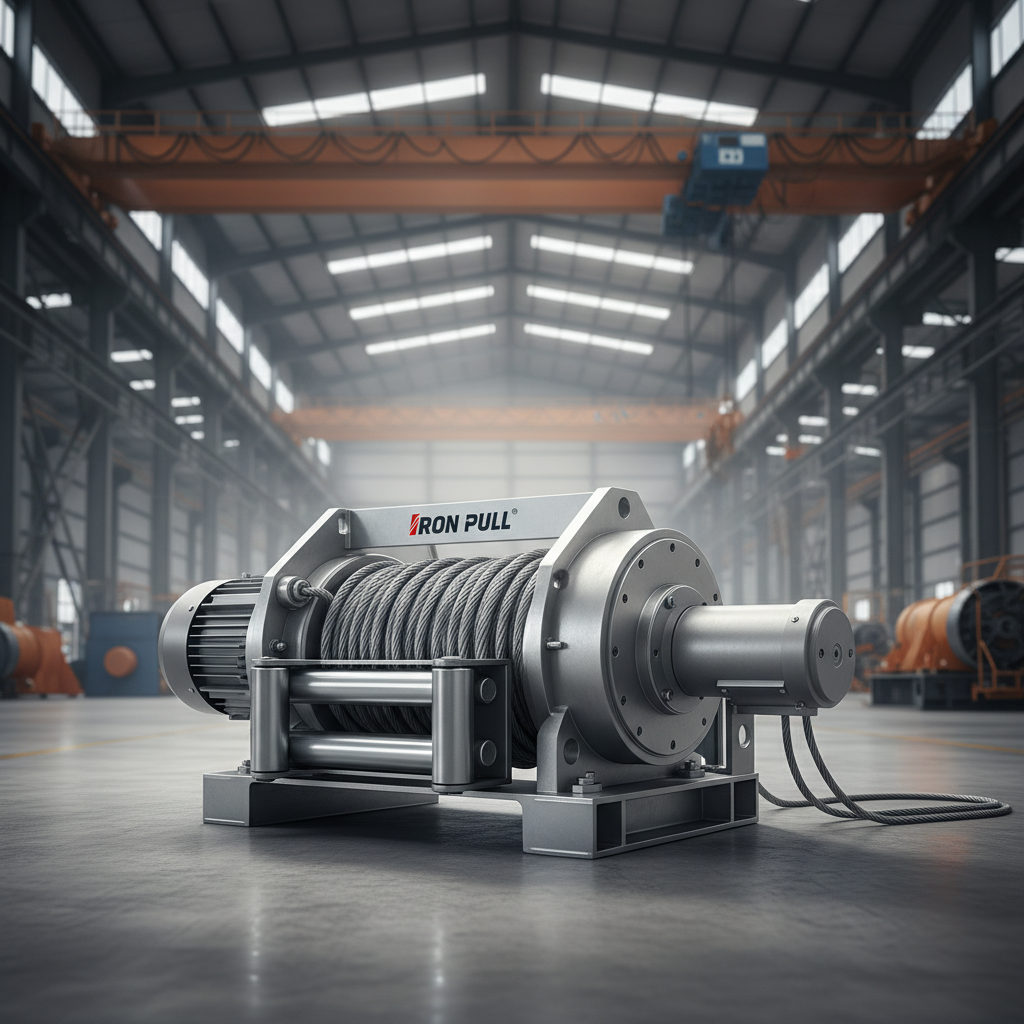
An electric truck winch is a mechanical device utilizing an electric motor to spool or unspool a rope or cable, creating a pulling force. This force is harnessed to move heavy objects, recover vehicles stuck in challenging terrain, or perform a variety of lifting and positioning tasks. Unlike manual winches that rely on human power, or hydraulic winches that depend on fluid pressure, electric winches offer consistent power and precise control.
This technology is increasingly vital in modern industry and humanitarian efforts. From assisting with complex construction projects and enabling efficient material handling to providing critical recovery capabilities in disaster relief scenarios, electric truck winch systems are proving indispensable.
The core difference between an electric winch and others lies in the power source and control system. Electric winches utilize a motor and gear system, often coupled with remote controls and sophisticated braking mechanisms for enhanced safety and operational precision.
Core Components and Functionality
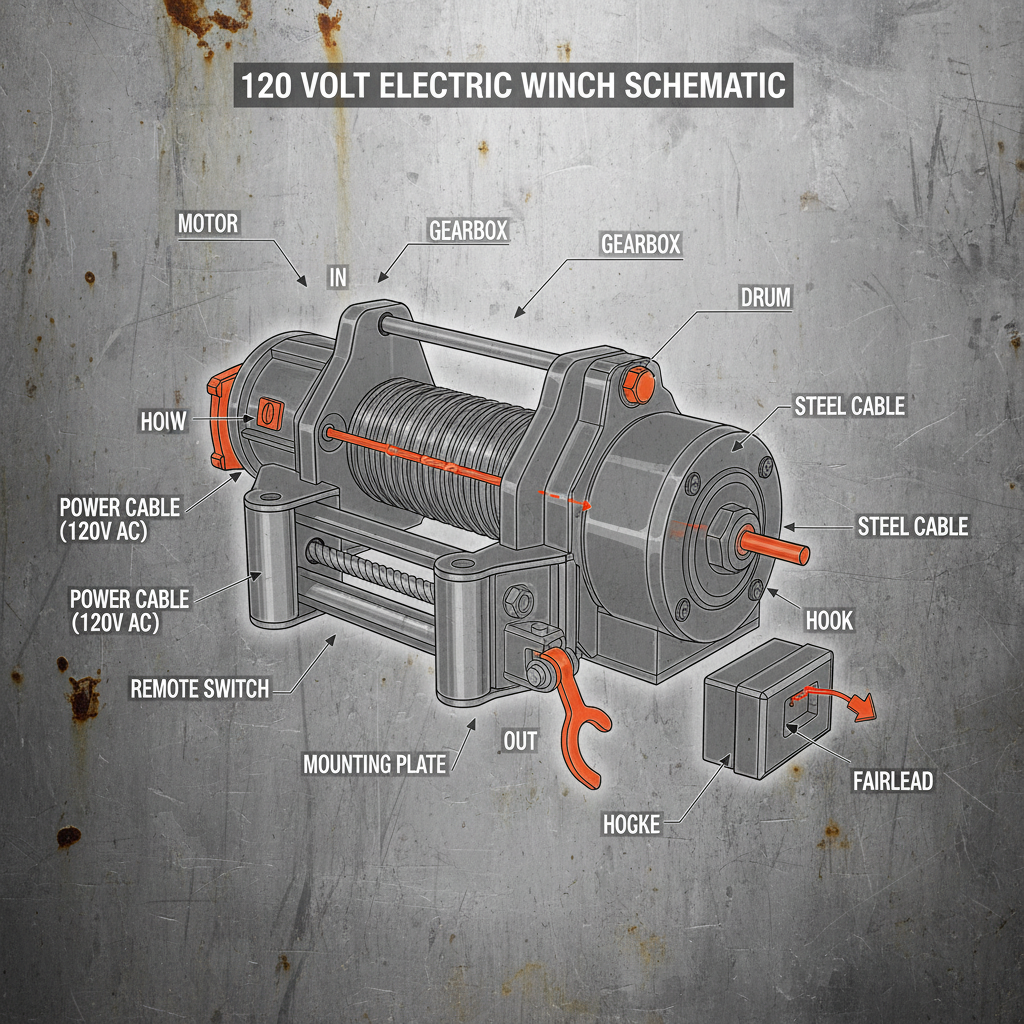
Understanding the core components of an electric truck winch is vital to appreciating its functionality. The key elements include the electric motor, gear train, drum, rope/cable, brake system, and control mechanism. The electric motor provides the power, while the gear train reduces the motor’s speed and increases torque, delivering substantial pulling force.
The drum securely spools the rope or cable, and the brake system provides essential holding power, preventing accidental unwinding under load. The control mechanism, often a remote control or switch, allows the operator to manage the winch’s operation from a safe distance. Modern electric truck winch systems often incorporate advanced features like load sensing and automatic shut-off for enhanced safety.
The functionality of these components working in harmony dictates the winch's overall performance, including its pulling capacity, line speed, and duty cycle. Choosing a winch with components matched to the intended application is crucial for optimal results and longevity.
Key Performance Characteristics
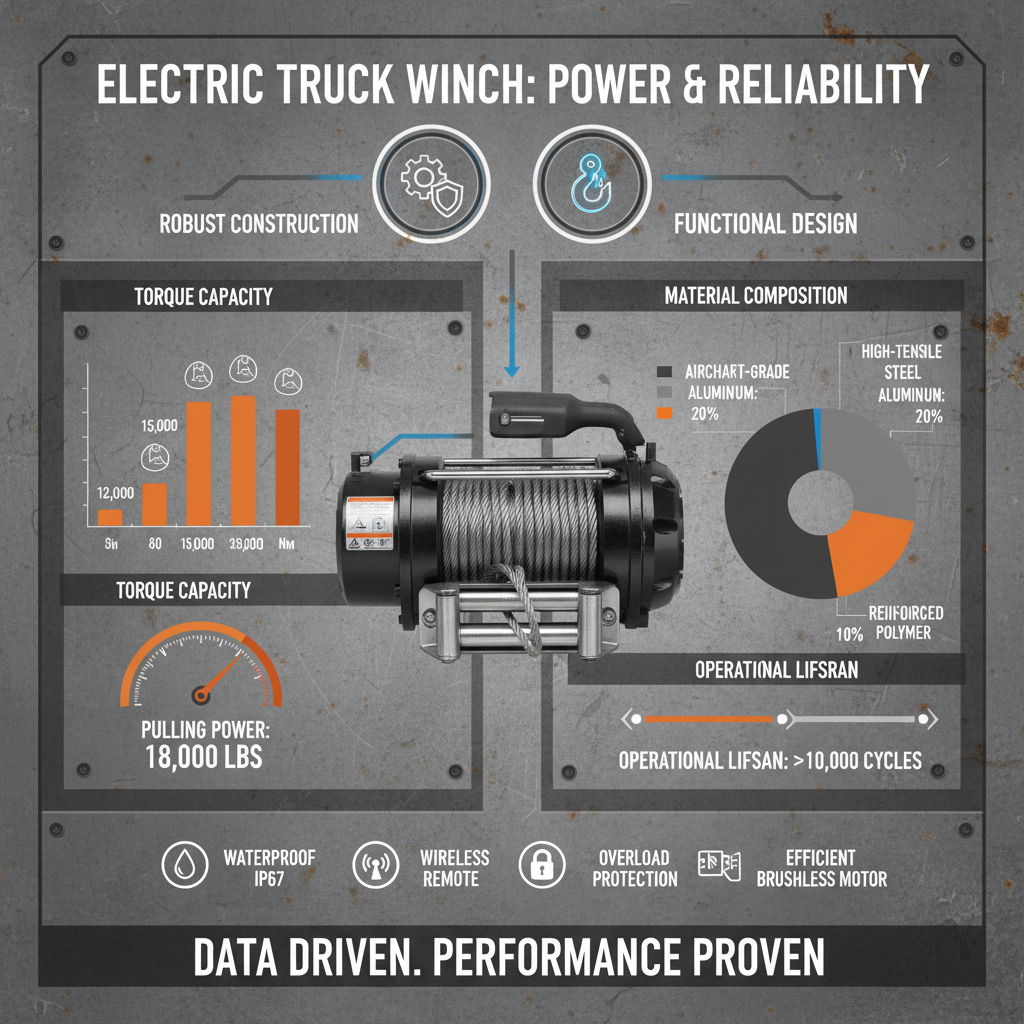
Several key performance characteristics define the capabilities of an electric truck winch. Pulling capacity, measured in pounds or kilograms, indicates the maximum weight the winch can pull. Line speed, expressed in feet per minute (FPM), determines how quickly the rope or cable can be spooled out or in.
The duty cycle, representing the amount of time the winch can operate within a given period, is a critical factor for demanding applications. Gear ratio, which influences both pulling power and line speed, is another important consideration.
Comparative Performance of Electric Truck Winch Methods
Global Applications of Electric Truck Winches
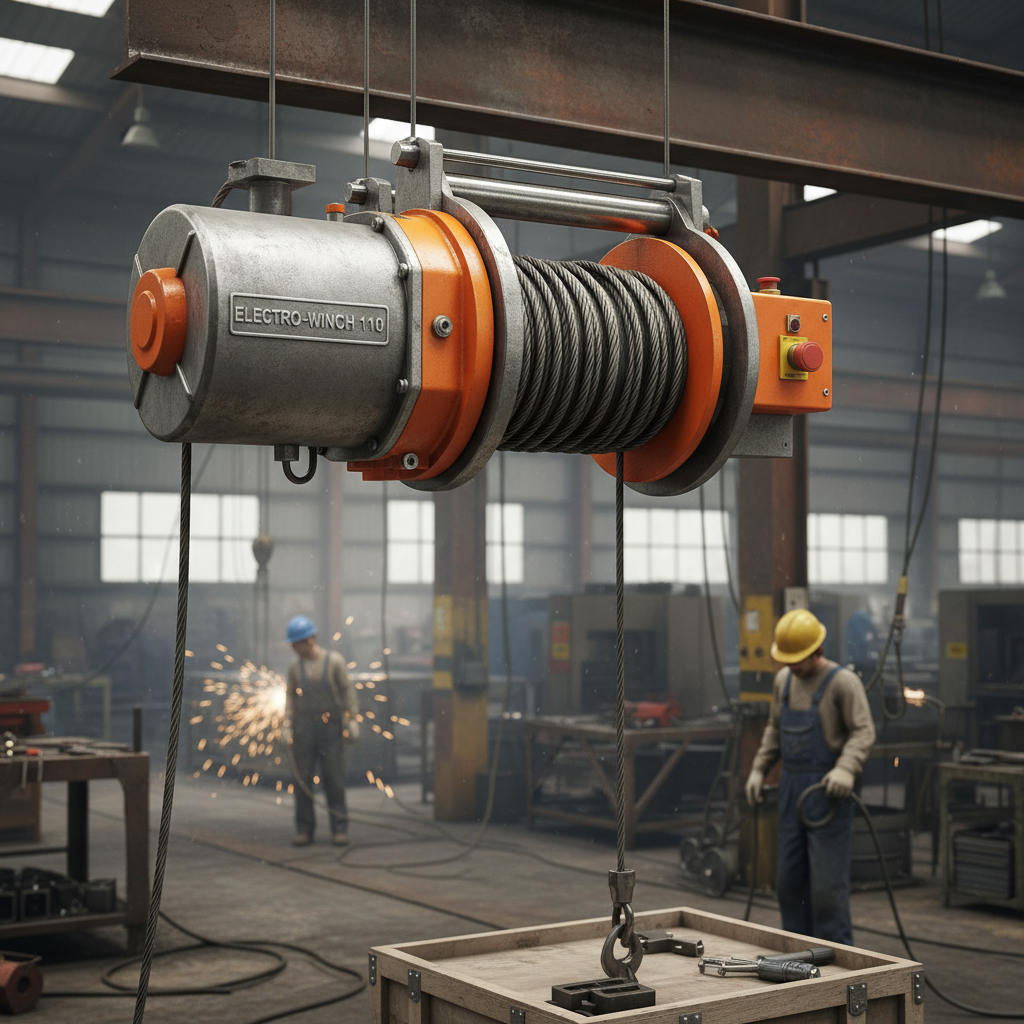
Electric truck winches find applications in a remarkably diverse range of industries and scenarios worldwide. In the construction sector, they are used for lifting and positioning heavy materials, as well as recovering stuck equipment. Mining operations utilize them for vehicle recovery and material handling in often treacherous environments.
Emergency services, including tow truck operators and rescue teams, rely heavily on electric truck winch systems for vehicle extraction and recovery operations. In post-disaster relief operations, they are essential for clearing debris and accessing affected areas.
Benefits and Long-Term Value Proposition
The benefits of utilizing electric truck winches extend beyond improved performance and efficiency. The reduced physical strain on operators translates to increased safety and reduced risk of workplace injuries. The precision control offered by electric systems minimizes the potential for damage to equipment and materials, lowering operational costs.
Long-term, the lower maintenance requirements and extended lifespan of electric winches contribute to a strong return on investment. The ability to integrate with renewable energy sources provides a pathway to sustainable operations and reduced carbon footprint. The enhanced reliability and safety features instill trust and confidence in operators and stakeholders.
Furthermore, the relatively quiet operation of electric winches minimizes noise pollution, a significant advantage in residential or environmentally sensitive areas.
Future Trends and Innovations in Electric Winch Technology
The future of electric truck winch technology is brimming with exciting innovations. Advancements in battery technology are leading to more powerful and longer-lasting winches with increased run times. The integration of smart sensors and IoT connectivity is enabling remote monitoring, predictive maintenance, and automated control.
New materials, such as synthetic ropes with higher strength-to-weight ratios, are enhancing winch performance and safety. The development of more efficient electric motors and gear systems is further improving energy efficiency and reducing operational costs.
We are also seeing a growing focus on modular winch designs, allowing for greater customization and adaptability to specific application requirements. These innovations will continue to solidify the position of electric truck winches as the preferred solution for demanding pulling and lifting tasks.
Summary of Electric Truck Winch Advancement Areas
| Innovation Area |
Current Status |
Potential Impact |
Implementation Timeline |
| Battery Technology |
Lithium-ion dominance, increasing energy density |
Extended runtime, reduced weight |
1-3 years |
| IoT Integration |
Basic remote monitoring capabilities |
Predictive maintenance, optimized performance |
3-5 years |
| Synthetic Ropes |
Increasing adoption, improved strength |
Reduced weight, increased safety |
Ongoing |
| Motor Efficiency |
Continued improvements in motor design |
Reduced energy consumption, lower operating costs |
2-4 years |
| Modular Designs |
Emerging trend, limited availability |
Customization, adaptability, faster repair times |
3-5 years |
| Automated Controls |
Basic auto-stop features |
Enhanced safety, reduced operator intervention |
5+ years |
FAQS
The lifespan of an electric truck winch varies depending on usage, maintenance, and environmental factors. However, with proper care, a high-quality electric winch can easily last 5-10 years or more. Regular inspection, lubrication, and adherence to the manufacturer’s recommendations are crucial for maximizing longevity.
Electric winches generally require less maintenance than hydraulic winches. Hydraulic systems are prone to leaks, require fluid changes, and can suffer from corrosion. Electric winches, with fewer moving parts and no hydraulic fluid, require primarily visual inspection, lubrication of gears, and checking of electrical connections.
Key factors include the winch’s pulling capacity, line speed, duty cycle, rope/cable type, and control system. Consider the type of vehicles you'll be using it with, the typical loads you'll be handling, and the environmental conditions it will be exposed to. Choosing a winch rated for above your anticipated needs is always recommended.
Many electric truck winches are designed to withstand wet and harsh environments, but it’s crucial to choose a model with appropriate weatherproofing and corrosion resistance. Look for winches with sealed motors, durable housings, and stainless steel components. Always follow the manufacturer’s guidelines for operation in challenging conditions.
Essential safety features include a reliable brake system, remote control operation (allowing for safe distancing from the load), load limiting devices, and automatic shut-off mechanisms. Ensure the winch is properly mounted and that all safety labels are clearly visible and understood.
Synthetic rope is significantly lighter and safer than steel cable. It doesn't have the same potential for snapping and causing whiplash. Steel cable offers higher abrasion resistance and is generally more affordable. The best choice depends on the application and budget.
Conclusion
Electric truck winches have emerged as a vital technology across numerous industries, providing unparalleled efficiency, safety, and reliability. Their ability to handle demanding tasks, combined with their environmentally friendly operation and long-term value proposition, makes them an increasingly essential tool for professionals and enthusiasts alike. Understanding the core components, performance characteristics, and future trends of electric truck winch technology is crucial for maximizing its benefits.
As technology continues to advance, we can expect to see even more innovative features and capabilities integrated into electric winch systems. Investing in a high-quality electric truck winch is not just a purchase; it’s an investment in enhanced productivity, improved safety, and a more sustainable future. Visit our website at www.lbswinch.com to explore our range of electric winches and find the perfect solution for your needs.