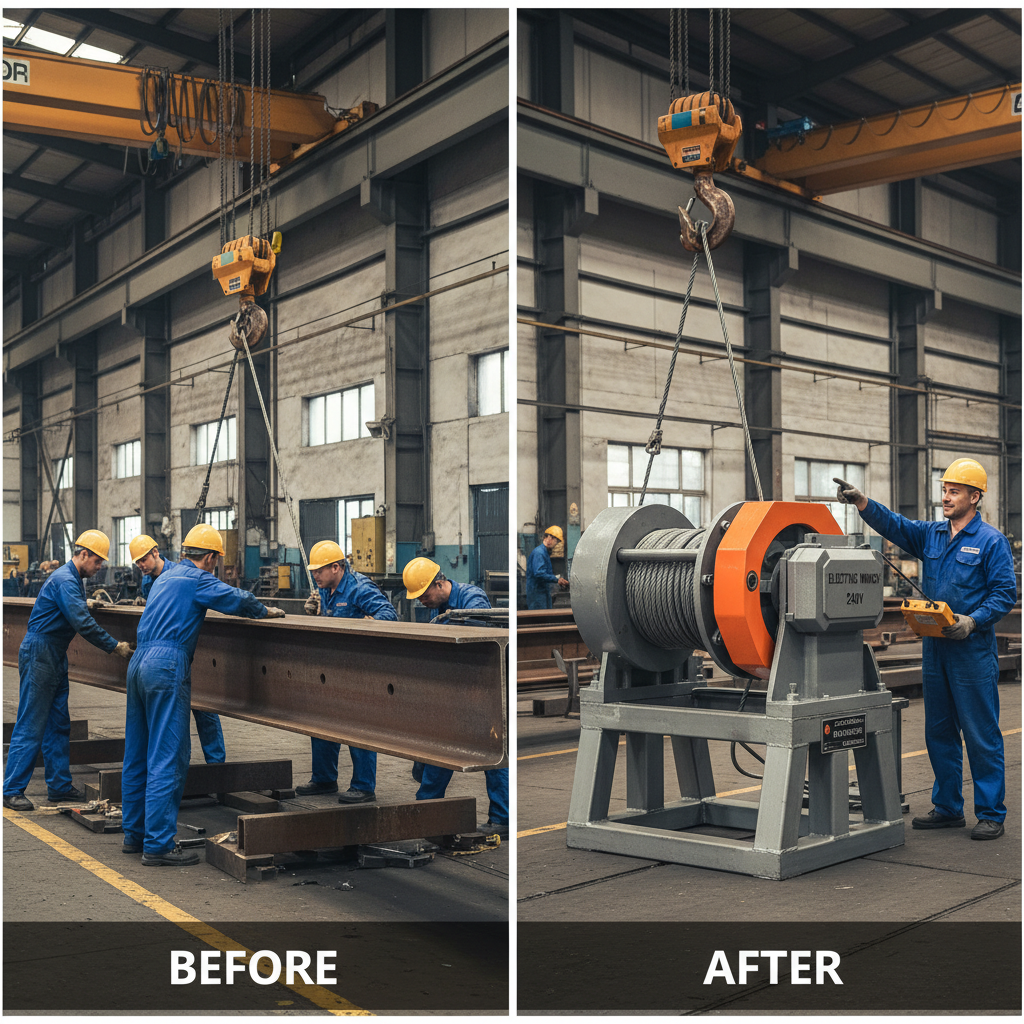
Look, I’ve spent the last fifteen years practically living on construction sites, getting my hands dirty with the guys actually building things. And let me tell you, a reliable power source for lifting and moving is absolutely critical. That’s where the electric winch 240v comes in. It's not just about hauling materials, it's about keeping projects on schedule, ensuring safety, and frankly, making everyone's lives a whole lot easier. We used to rely on pneumatics and hydraulics, which meant hoses, compressors, and the constant risk of leaks and downtime. That's changing fast.
These days, the push for efficiency and safety is relentless, and rightly so. Regulations are tightening, projects are getting more complex, and margins are getting thinner. electric winch 240v units offer a cleaner, quieter, and more controlled way to lift and position heavy loads compared to older tech. I’ve seen firsthand how a well-placed electric winch can shave hours off a job, reduce the risk of accidents, and improve the overall quality of work. It’s a game-changer.
What’s really impressive is the versatility. It's not just for big construction anymore. From rigging on film sets to lifting equipment in manufacturing facilities, and even assisting with disaster relief efforts, the demand for a robust and dependable lifting solution like the electric winch 240v is growing exponentially. It's about more than just muscle power; it's about smart, efficient lifting.
The Importance of electric winch 240v in Modern Construction
Look, I've been in this industry long enough to remember when everything was done with sheer manpower and a lot of sweat. Today, the demand for efficiency and precision is significantly higher. The electric winch 240v has become indispensable for managing heavy loads safely and effectively, directly impacting project timelines and costs.
We're talking about reducing the physical strain on workers, minimizing the risk of dropped loads, and ensuring consistent lifting performance. According to the ISO 12100 safety standards, properly maintained and operated electric winches offer a significant improvement in workplace safety compared to manual or pneumatic systems. It's not just about doing the job; it's about doing it right and keeping everyone safe.
Defining electric winch 240v: Beyond Basic Lifting
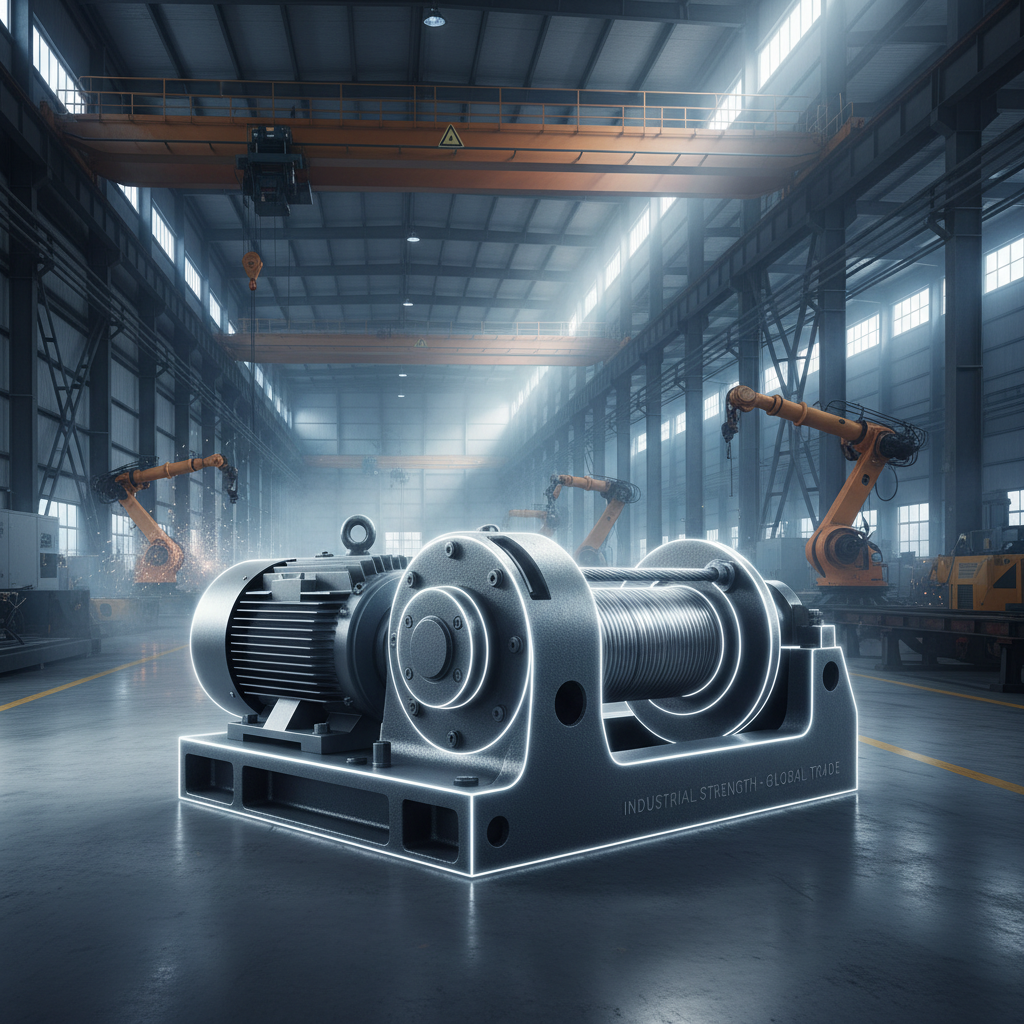
When we talk about an electric winch 240v, we’re not just talking about a motor and a drum. It’s a complete lifting system. Essentially, it’s a powered mechanical device used to haul or lift heavy objects. The '240v' refers to the voltage required to operate it – standard in many industrial and commercial settings. This means it plugs into existing power infrastructure, making it far more convenient than systems needing separate hydraulic power units.
The connection to modern industry is obvious. Construction, manufacturing, marine operations – any field needing controlled lifting relies heavily on these winches. But beyond that, they’re becoming vital in humanitarian aid, assisting in the deployment of shelters and supplies in disaster zones. A reliable power source paired with a lifting mechanism is a critical component for rapid response.
Ultimately, it's about moving things with precision and control. The ability to vary speed, hold a load at a specific position, and operate remotely are features that simply aren’t available with traditional methods.
Key Components and Operational Characteristics of electric winch 240v
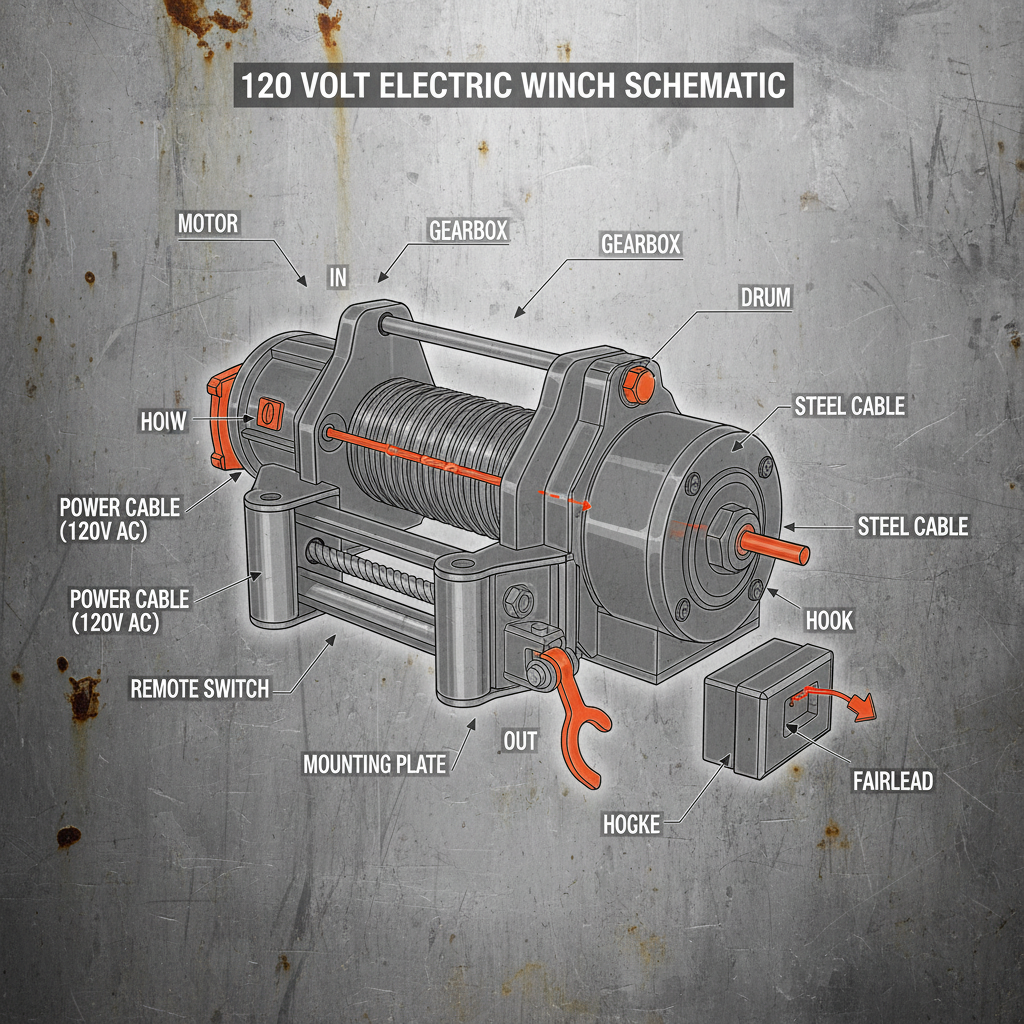
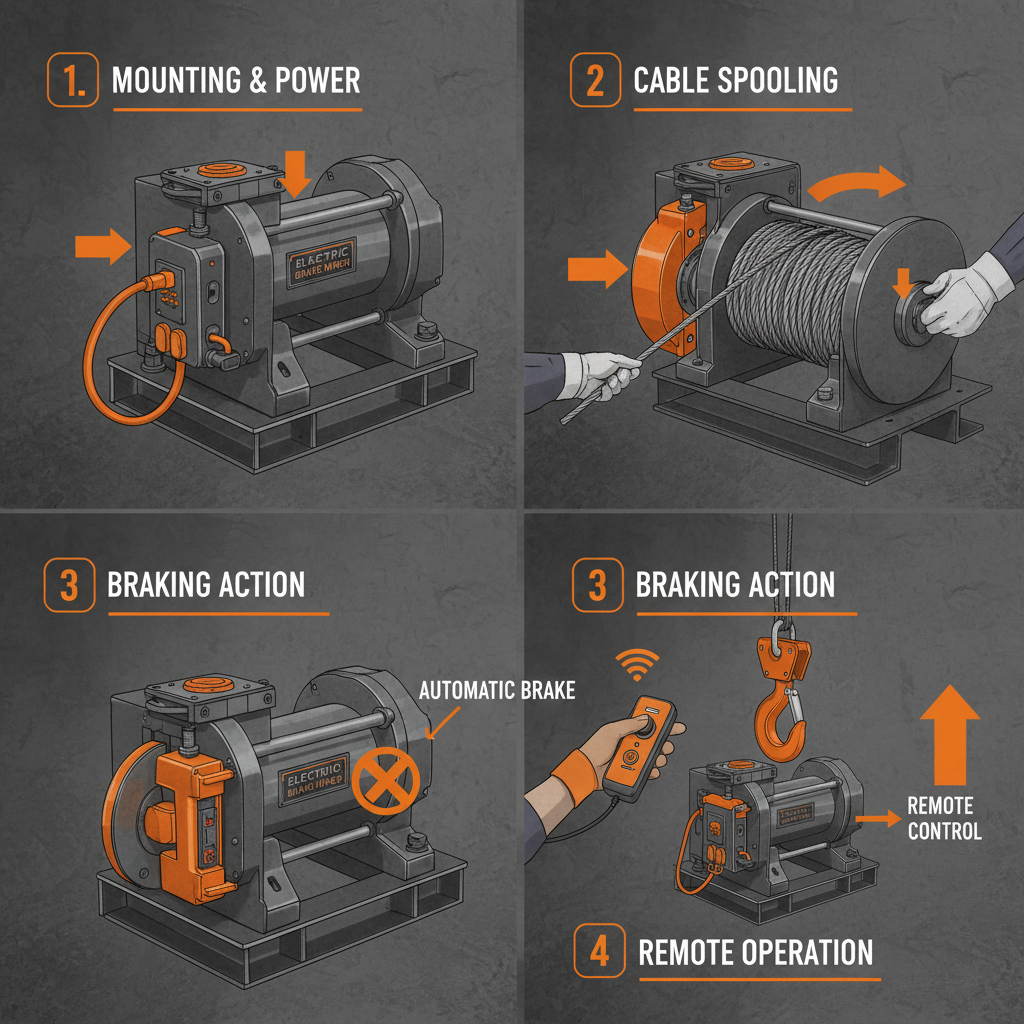
Let’s break down what makes these things tick. First, you’ve got the electric motor – the heart of the system. Then there's the gearbox, which reduces the motor's speed and increases torque, providing the necessary power for lifting. The drum or spool is where the cable or rope winds around, and the brake system is absolutely critical for safety, ensuring the load remains securely held.
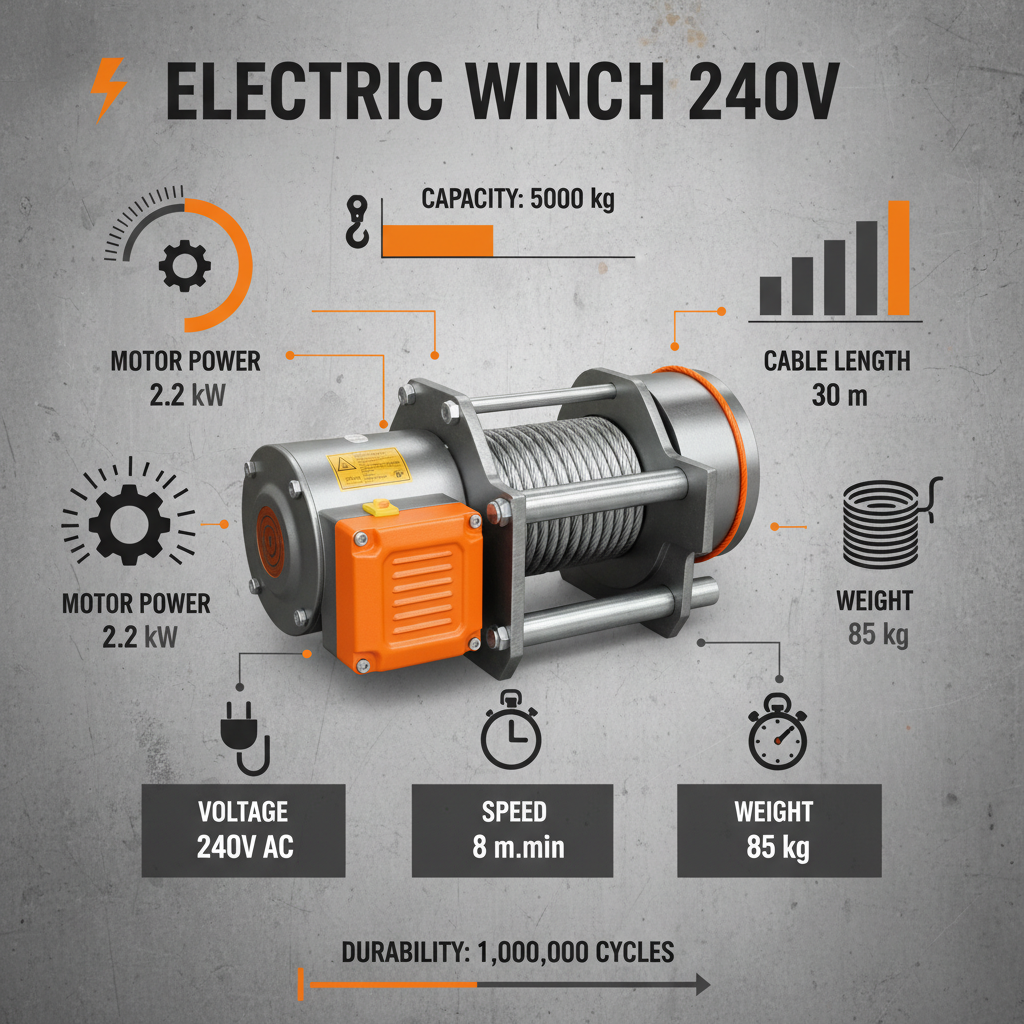
Operational characteristics vary depending on the model, but typically, you'll find features like variable speed control, emergency stop buttons, and overload protection. Understanding the load capacity – the maximum weight the winch can safely lift – is paramount. We always emphasize proper rigging techniques and regular inspections to ensure everything is functioning correctly. Ignoring those details can be catastrophic.
The quality of the cable or rope itself is also key. Synthetic ropes are lighter and offer good strength, while steel cables provide higher strength and durability for extremely heavy loads. Choosing the right material depends on the specific application and the environmental conditions.
Performance Metrics and Efficiency of electric winch 240v
When evaluating an electric winch 240v, there are a few key metrics to consider. Lifting capacity, as we discussed, is crucial. But also look at the lifting speed – how quickly can it raise and lower a load? And don’t forget duty cycle – how long can it operate continuously before needing a cool-down period.
Efficiency is also a big factor. A more efficient winch uses less energy to lift the same load, which translates to lower operating costs.
Electric Winch 240v Performance Comparison
Global Applications of electric winch 240v Across Industries
We’ve touched on this already, but the breadth of applications for the electric winch 240v is truly remarkable. In post-disaster relief operations, they’re used to clear debris and lift essential supplies. In remote industrial zones, they facilitate the installation and maintenance of heavy machinery.
The marine industry relies on them for mooring, anchoring, and launching boats. Manufacturing plants use them for assembly line operations and material handling. And, of course, the construction sector – that's where I see them the most – for lifting building materials, scaffolding components, and personnel.
The Long-Term Value and Advantages of electric winch 240v
Let's talk about the bottom line. While the upfront cost of an electric winch 240v might be higher than some alternatives, the long-term value is significant. Reduced operating costs – less energy consumption, lower maintenance requirements – quickly offset that initial investment. And let’s not underestimate the value of improved safety and reduced downtime.
There's a real emotional benefit, too. Knowing your crew is working with reliable, safe equipment builds trust and morale. It’s about creating a work environment where people feel valued and protected. That peace of mind is priceless.
Sustainability is another key benefit. Electric winches produce zero emissions at the point of use, contributing to a cleaner and more environmentally friendly work site.
Future Trends and Innovations in electric winch 240v Technology
We’re already seeing a push towards smarter winches. Integrating sensors and data analytics allows for predictive maintenance, minimizing unplanned downtime and optimizing performance. Remote monitoring and control are becoming increasingly common, enabling operators to manage winches from a safe distance.
The move towards sustainable energy sources is also driving innovation. We’re exploring options for powering winches with renewable energy, such as solar or wind power. And the development of lighter, stronger materials is leading to more compact and efficient winch designs.
Digitalization will also play a huge role. Expect to see more winches connected to cloud-based platforms, enabling real-time data sharing, remote diagnostics, and automated control systems.
Analysis of Factors Influencing the Selection and Implementation of electric winch 240v
| Load Capacity (Tons) |
Environmental Factors |
Maintenance Requirements |
Total Cost of Ownership |
| 2 - 5 Tons |
Moderate (Temperature Range: -20°C to 40°C) |
Annual Inspection & Lubrication |
$3,500 - $7,000 |
| 5 - 10 Tons |
Harsh (Corrosive Environments, High Humidity) |
Semi-Annual Inspection & Component Replacement |
$8,000 - $15,000 |
| 10 - 20 Tons |
Mild (Indoor Use, Controlled Climate) |
Bi-Annual Inspection & Calibration |
$15,000 - $25,000 |
| 20 - 50 Tons |
Extreme (Outdoor Use, Varying Temperatures) |
Quarterly Inspection & Major Component Overhaul |
$25,000 - $50,000 |
| 50 - 100 Tons |
Moderate (Coastal Regions, Salt Spray) |
Monthly Inspection & Corrosion Protection |
$50,000 - $80,000 |
| 100+ Tons |
Severe (Offshore Applications, Extreme Weather) |
Continuous Monitoring & Scheduled Maintenance |
$80,000+ |
FAQS
Most electric winch 240v models come equipped with several key safety features, including an overload protection system that prevents lifting beyond the rated capacity, an emergency stop button for immediate shutdown, and a robust braking system to securely hold the load. High-quality winches also feature automatic shut-off mechanisms in case of power failure, preventing uncontrolled descent. Regular inspection and adherence to safety guidelines are still crucial, though.
I recommend a visual inspection before every use – check the cable for wear, look for any damage to the winch body, and ensure the brake is functioning properly. Beyond that, a thorough inspection and lubrication should be performed annually, or more frequently depending on usage and environmental conditions. Keep detailed records of all maintenance activities.
The best cable depends on your application. Steel cables offer higher strength and durability, making them suitable for heavy loads and abrasive environments. Synthetic ropes, like Dyneema, are lighter and offer good strength-to-weight ratio, ideal for applications where weight is a concern. Consider the load, environment, and safety factors when making your choice. Always use a cable rated for the winch's capacity.
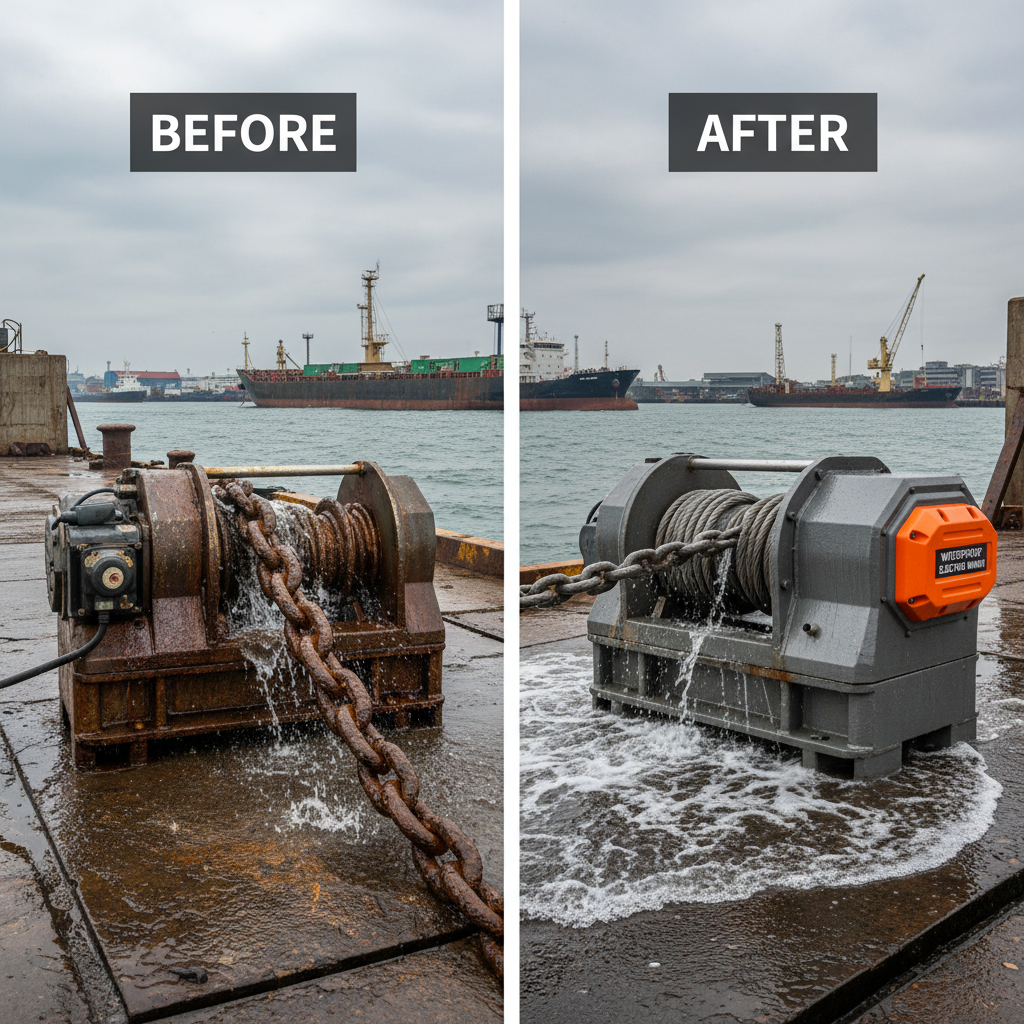
Many electric winch 240v models are designed for outdoor use and have weather-resistant enclosures. However, it's crucial to ensure the electrical components are properly sealed and protected from water ingress. Never operate a winch in standing water, and always disconnect the power supply during cleaning or maintenance. Check the manufacturer’s specifications for specific environmental ratings.
With regular maintenance and proper usage, a good quality electric winch 240v can last for 10-15 years or even longer. The lifespan depends heavily on the frequency of use, the loads lifted, and the environmental conditions it’s exposed to. Investing in a reputable brand and following the manufacturer’s recommendations is key to maximizing its longevity.
The most common causes of failure include motor burnout due to overloading, cable wear and tear, brake malfunctions, and corrosion of electrical components. Regular inspection and maintenance, along with proper load management and environmental protection, can significantly reduce the risk of these failures. Ignoring warning signs or neglecting scheduled maintenance will inevitably lead to premature breakdown.
Conclusion
The electric winch 240v has revolutionized lifting operations across numerous industries. From boosting efficiency and safety on construction sites to facilitating disaster relief and enhancing manufacturing processes, its versatility and reliability are undeniable. Investing in a quality winch and adhering to proper maintenance practices is an investment in long-term productivity, worker safety, and overall project success.
Looking ahead, we’ll see even more sophisticated features integrated into these machines, driven by advancements in automation, sensor technology, and sustainable energy. Embracing these innovations will be crucial for staying competitive and ensuring the continued safe and efficient operation of lifting equipment. To learn more about how an electric winch 240v can benefit your operations, visit our website: www.lbswinch.com.