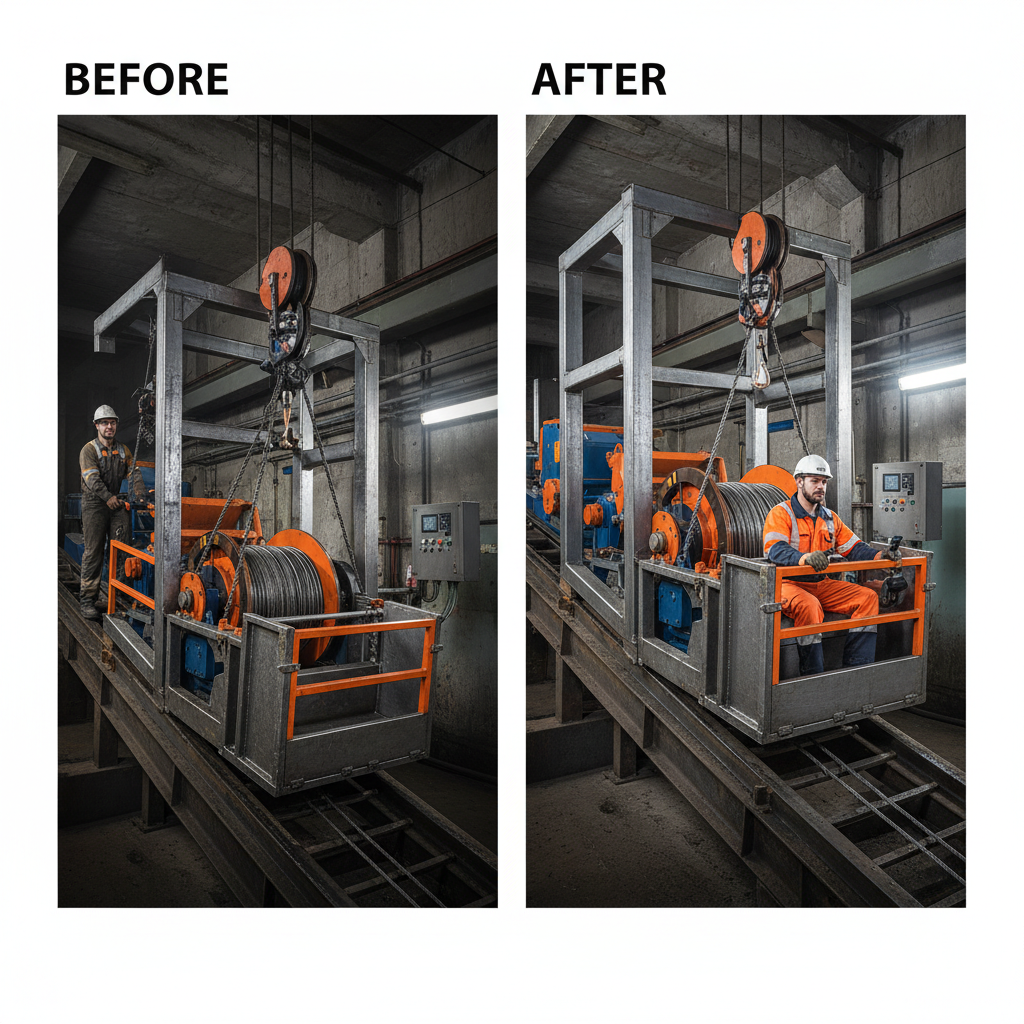
You know, I’ve been running around construction sites all year, and let me tell you, things are changing fast. Everyone’s talking about modular design now. Prefabrication is huge. It's all about speed, reducing on-site labor…which is good, because finding good hands is getting harder and harder. To be honest, it's less about groundbreaking innovation and more about just trying to make things easier for the guys on the ground.
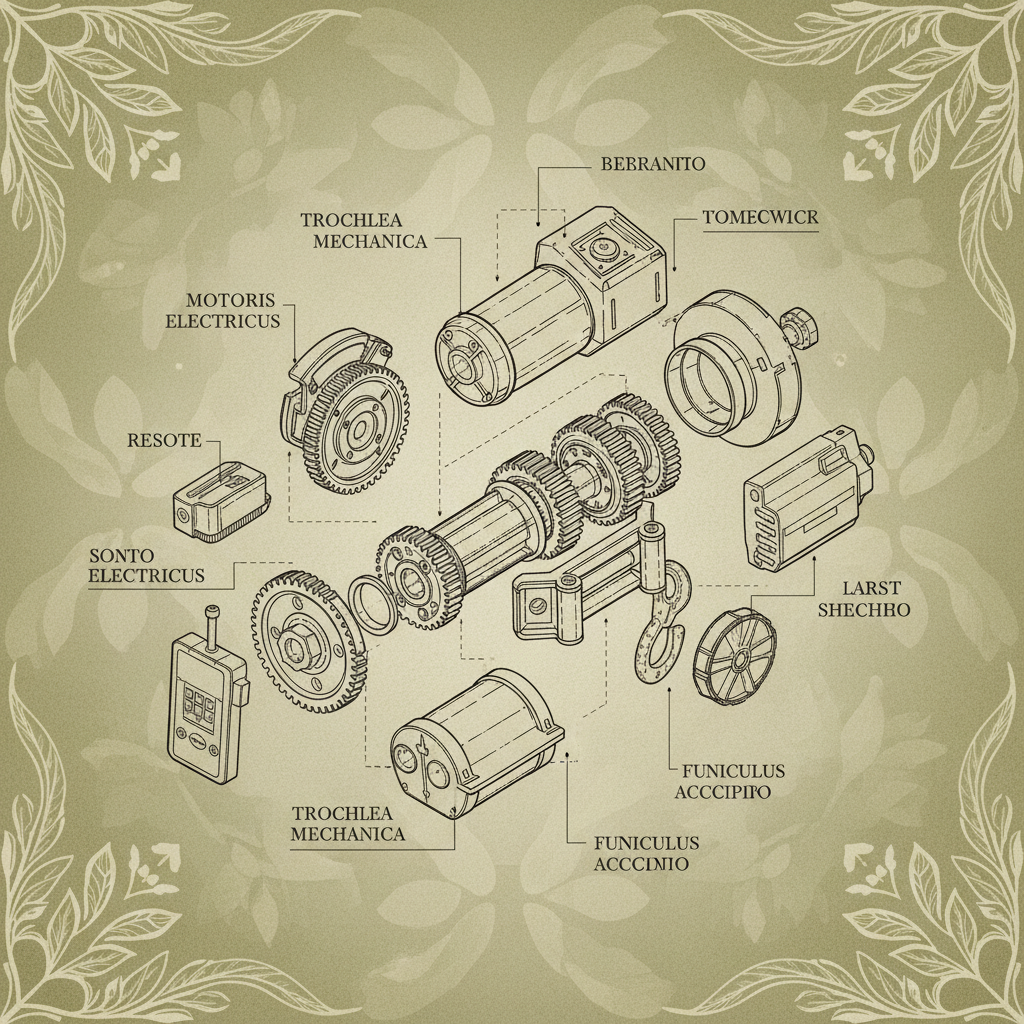
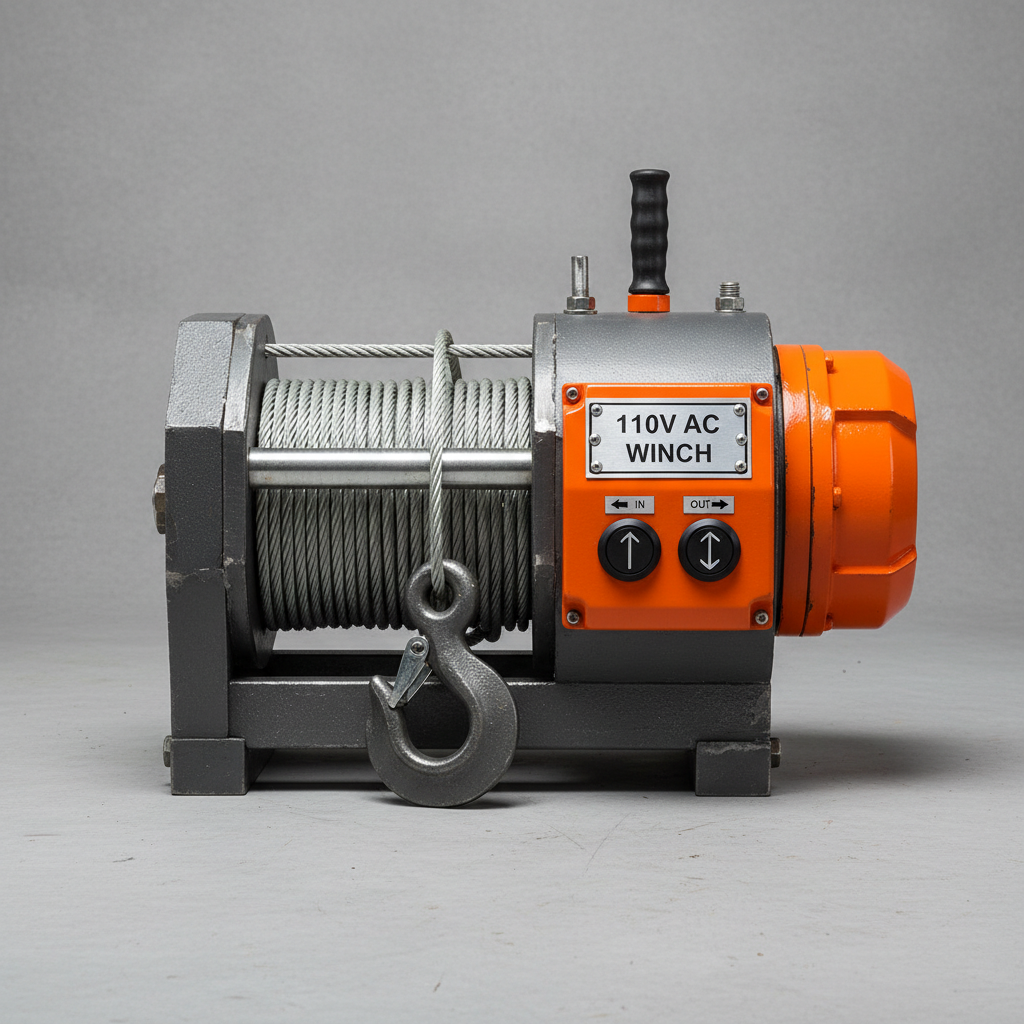
The whole ‘Industry 4.0’ buzzword… yeah, it’s creeping in. More sensors, more data, more…well, more headaches sometimes. But it’s happening. And electric winches, they’re right in the middle of it. They used to be these big, clunky things, right? Now they're getting smaller, smarter, and people are actually demanding better control systems.
It's funny, you spend all this time in the design phase, thinking you've covered everything, and then you get to the site and realize… you missed something. Always.
The Current Landscape of Electric Winch Manufacturing
Look, the market for electric winch manufacturers is booming. It's not just construction anymore. Think marine, oil & gas, even entertainment… stages, rigging, that sort of thing. A lot of the manufacturers are shifting to more specialized models, focusing on specific industries. There’s a real push for higher load capacities and, crucially, remote operation. Safety is always the biggest driver, of course. Have you noticed how everyone wants everything wireless these days? It makes things cleaner on site, less tripping hazard, but it adds another layer of complexity.
And it’s not just about the winch itself, it’s the whole ecosystem. The control systems, the power sources, the safety features... it all has to work together seamlessly.
Design Pitfalls and Common Mistakes
Strangely enough, a lot of designers, they sit in their offices and they don’t get what it’s like out here. They’ll design a beautiful winch, all sleek and modern, and then it gets covered in mud and grease five minutes after it’s installed. A big one is underestimating the environment. Salt spray, dust, extreme temperatures… these things kill equipment. Another mistake? Overcomplicating things. Sometimes, simple is better. The guys in the field don’t want to spend an hour reading a manual. They want something that just works. I encountered this at a shipyard in Shanghai last time - a beautiful winch, all fancy electronics, but the salt corrosion ruined the contacts in a week.
And the cable! Don't even get me started on cable management. If it’s not done right, it's a nightmare. Tangled cables, kinks, wear and tear… it's a constant battle.
You gotta think about accessibility too. Can you easily get to the components for maintenance? Is it easy to replace the cable? These things matter.
Materials: It’s Not Just Steel Anymore
Steel is still king, obviously. But it’s not just any steel. You’ve got your high-strength alloys, your corrosion-resistant steels… it makes a difference. The feel of the steel tells you a lot. A good quality steel has a certain weight to it, a solidity. Cheap steel just feels… flimsy. I can usually tell just by looking at it.
But then you have the other stuff. Synthetic ropes are getting more popular, especially for marine applications. They're lighter, stronger, and they don't rust. But they have their drawbacks too. They're more susceptible to abrasion, and they can stretch. You gotta pick the right material for the job. And the housings… that’s where you’re seeing a lot of experimentation with composites – fiberglass, carbon fiber. Lighter, stronger, but more expensive.
And the smell! You can smell a bad batch of synthetic rope a mile away. That chemical odor... it’s a warning sign. Anyway, I think it all comes down to knowing your materials and understanding their limitations.
Real-World Testing & Application
Forget the lab tests. They're useful, sure, but they don't tell the whole story. I want to see these winches tested on a real construction site, in real conditions. I want to see them lifted heavy loads, subjected to extreme weather, and abused by tired workers. That's how you find out what they're really capable of.
We do a lot of load testing, obviously. But we also do cycle testing – running the winch through hundreds, even thousands of cycles to see how it holds up. And we pay attention to the details. Are the bolts loosening? Is the cable fraying? Is the motor overheating?
Electric Winch Manufacturers: Failure Rate By Component
How Users Actually Utilize Electric Winches
You know, it’s never what you expect. We design these winches for specific tasks, but the guys on site always find a way to use them for something else. I saw one being used to pull a stuck tractor out of a mud pit last week! It's a testament to their versatility, I guess.
They use them for lifting materials, of course. But also for positioning equipment, tensioning cables, and even as makeshift hoists. It’s all about finding creative solutions.
Advantages, Disadvantages, and Customization
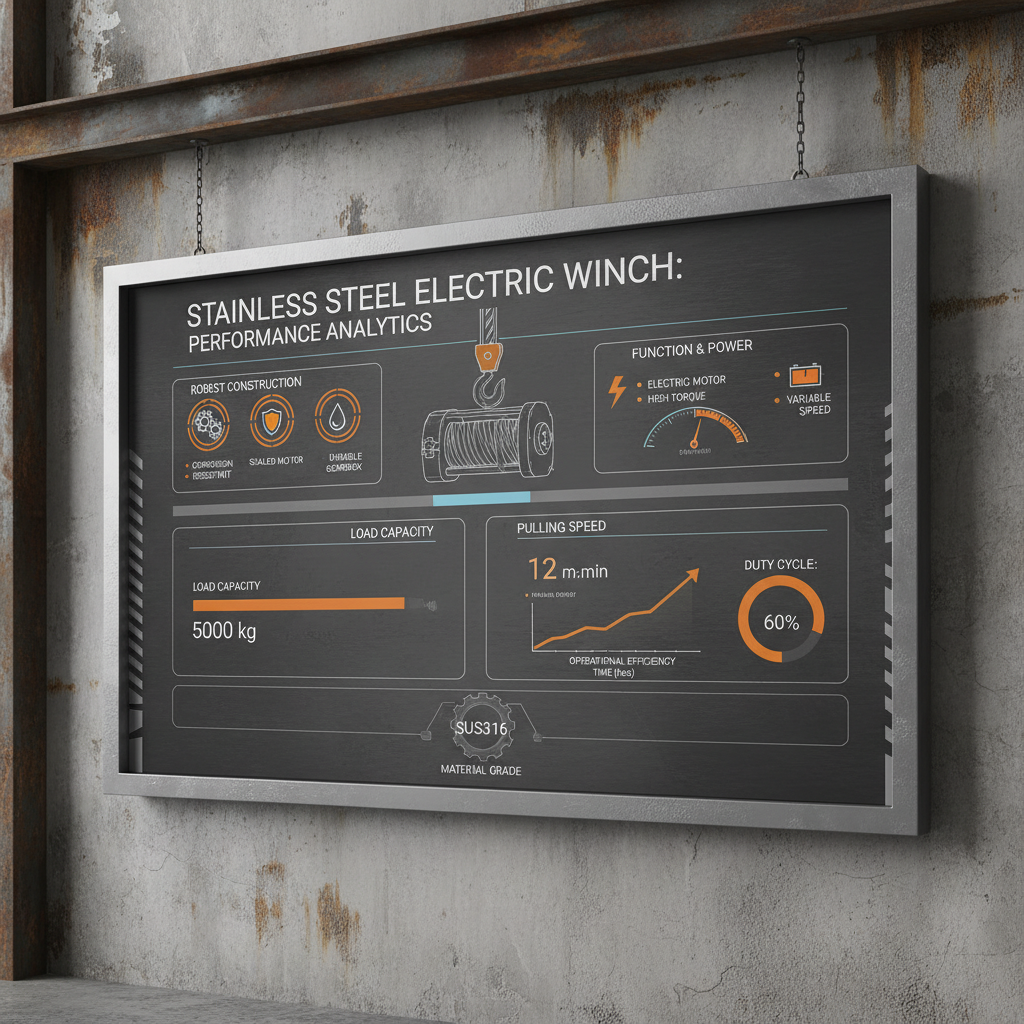
The biggest advantage of electric winches is obviously the control. You get precise control over speed and direction, which is crucial for many applications. They’re also quieter and cleaner than hydraulic winches. But they're not without their drawbacks. They require a reliable power source, and they can be more expensive upfront.
Customization is huge. Last month, that small boss in Shenzhen who makes smart home devices insisted on changing the interface to , and the result was a complete mess. Turns out, the power draw was too high for a standard cable, and it kept overheating. A valuable lesson, though – always listen to the customer, but also know when to say no.
Case Study & Practical Insights
We had a project in Norway, building a wind farm up in the mountains. They needed winches that could handle extreme cold and heavy loads. We ended up building a custom winch with a heated motor and a reinforced cable drum. It wasn’t cheap, but it saved them a ton of time and money in the long run.
It’s those challenging projects that really push us to innovate. And it's where you learn what really matters.
I’ve been doing this for a long time, and I’ve seen a lot of changes.
Summary of Key Considerations for Electric Winch Performance
| Environmental Factors |
Load Capacity & Duty Cycle |
Control System Complexity |
Maintenance Accessibility |
| Temperature Extremes (-20°C to 50°C) |
5-Ton Intermittent Use |
Basic On/Off Control |
Easy Access to Motor Brushes |
| High Humidity & Salt Spray |
10-Ton Continuous Duty |
Variable Speed Control |
Modular Design for Component Replacement |
| Dusty & Abrasive Environments |
2-Ton Sporadic Use |
Remote Control Capability |
Grease Points Readily Accessible |
| Explosive Atmospheres |
15-Ton Heavy Lifting |
PLC Integration |
Long-Life Lubrication System |
| Coastal Marine Conditions |
3-Ton Frequent Use |
Wireless Control with Feedback |
Corrosion-Resistant Coatings |
| Indoor Controlled Environments |
7-Ton Precision Positioning |
Automated Sequencing |
Predictive Maintenance Sensors |
FAQS
Honestly, it depends on how well it’s maintained and the environment. But a good quality electric winch, with regular servicing, should last at least 5-7 years, often longer. We’ve seen some still going strong after 10 years, but those are usually the ones that get treated right. Neglect is the biggest killer. And the dust... the dust gets everywhere.
Overload protection is number one, obviously. You don’t want the winch lifting more than it's designed for. Then you need limit switches to prevent the cable from over-extending or retracting. And a reliable braking system is crucial. Fail-safe braking, where it automatically engages if power is lost. Those are non-negotiable, in my book.
That’s a good question. It depends on the load, the environment, and the type of application. Steel cable is strong, but it can rust and fray. Synthetic rope is lighter and more flexible, but it’s more susceptible to abrasion. You gotta consider the breaking strength, the working load limit, and the diameter of the cable. And don't forget to inspect it regularly for wear and tear!
Regular lubrication is key. Grease the gears, the bearings, the cable drum. Inspect the cable for wear and tear. Check the electrical connections. And make sure the braking system is working properly. Basically, treat it like you would treat any other piece of expensive machinery. A little preventative maintenance goes a long way.
Yes, but you need to choose the right winch. You need an explosion-proof winch, designed to operate safely in environments with flammable gases or dust. These winches have special enclosures and components that prevent sparks and ignition. It’s not something you can just slap together. It’s a serious safety consideration.
Geared winches use a gearbox to increase torque, which is good for heavy lifting. They’re slower, but they’re more powerful. Direct-drive winches are faster, but they have less torque. They're better for lighter loads. It really depends on the application. For most construction jobs, a geared winch is the way to go.
Conclusion
Ultimately, electric winch manufacturers are constantly trying to make things more efficient, more reliable, and safer. We're dealing with a lot of complex factors – materials, design, testing, user behavior… It's a never-ending process of refinement. But at the end of the day, the real test is out on the job site.
And honestly, whether this thing works or not, the worker will know the moment he tightens the screw. That's the bottom line. So, we focus on building winches that can withstand the abuse and deliver the performance they promise. Because in the end, that’s all that matters.