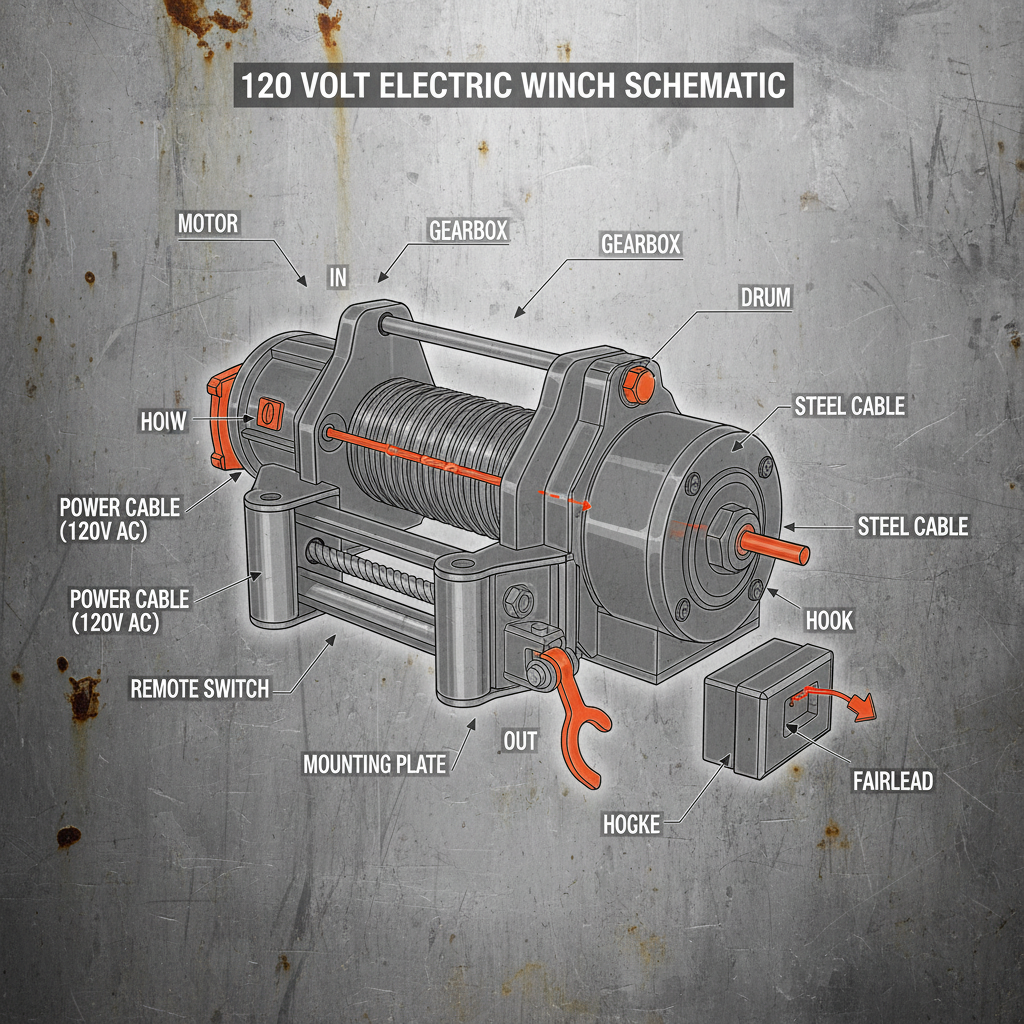
You know, the electric winch game… it’s changed a lot lately. Everyone’s chasing higher capacities, wireless controls, and these fancy variable speed drives. To be honest, it's a bit of a gold rush. I’ve been seeing a lot of designs that look great on paper, all sleek and modern, but then you get them out on a muddy construction site and… well, they just don’t hold up. Have you noticed how often people forget about the basics? Like, a solid mounting plate is worth ten times more than a fancy Bluetooth connection.
It’s funny. Engineers love designing for perfect conditions. But real life? Real life is rain, dust, dropped tools, and guys yelling. And those winches get abused. I was at a factory in Ningbo last time, and they were showing off this new winch with a carbon fiber drum. Carbon fiber! Looked beautiful, felt lightweight. But the foreman just gave me this look, and said, “What happens when someone drops a wrench on that?” Exactly. The durability just wasn’t there. Anyway, I think people are starting to realize that.
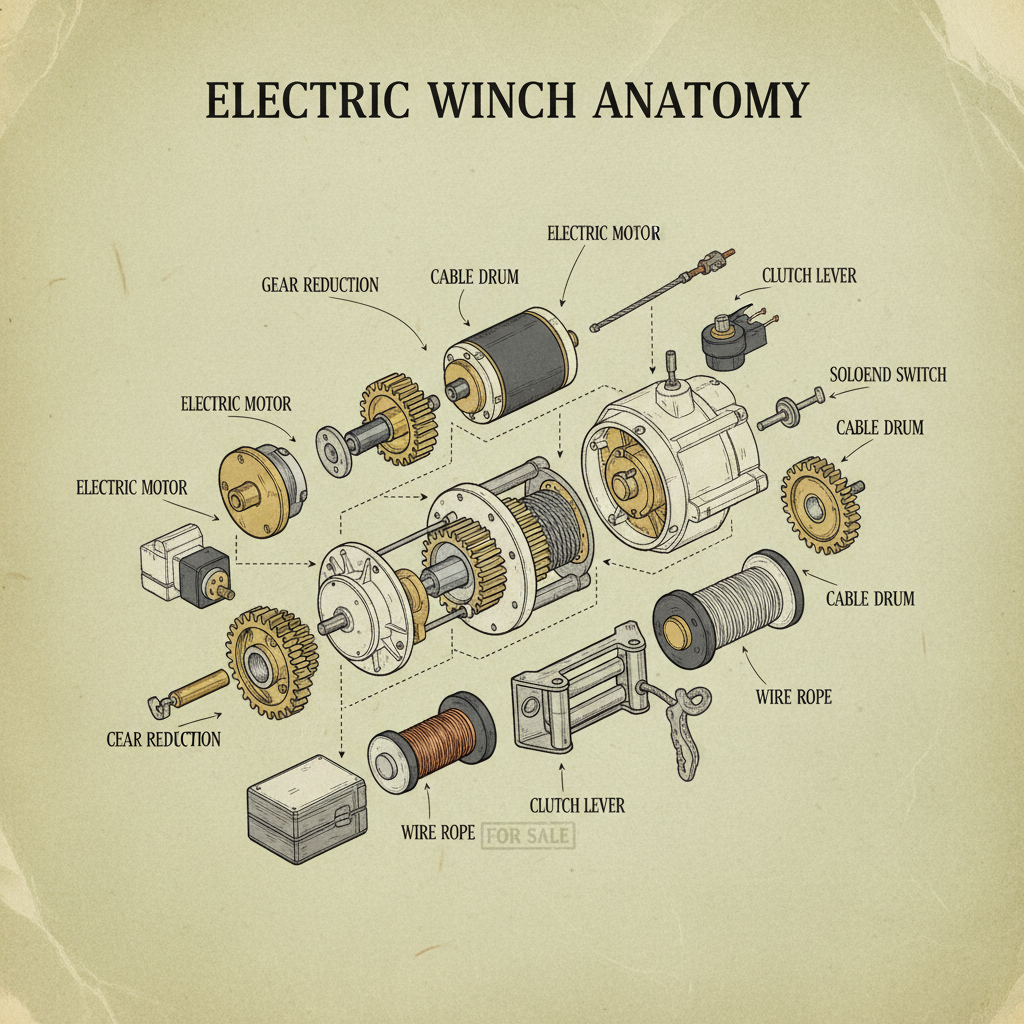
We mostly work with high-strength alloy steel for the drums and gears. It smells like oil and metal shavings, obviously. It's got a heft to it; you can tell it’s going to last. And the rope… that’s critical. We use synthetic ropes, mostly, polyester or HMPE. Polyester's good for all-around use, but HMPE – that’s the stuff that’s incredibly strong for its weight. Feels almost silky smooth, but don’t let that fool you, it's a beast. Handling it, you need gloves; it can chafe if you’re not careful. I’ve seen guys try to splice it themselves… don’t. Just don’t.
The Current Landscape of electric winches for sale
Strangely enough, demand for electric winches is up across the board, but not for the reasons you'd think. It’s not just construction anymore. There’s a big push from the film industry – they need quiet, precise winches for camera setups. And then there's the marine sector, obviously, but even there, it’s shifting. People want more control, less noise, and less maintenance. The market is definitely fragmenting. We're seeing more requests for specialized winches for specific tasks. It’s making things… interesting.
I've been noticing a trend towards wireless control systems. Which, on paper, is great. But battery life is always an issue, and interference can be a nightmare. I encountered that at a port in Shanghai last month. The whole system went down during a crane operation because of some rogue signal. Chaos. It highlighted the importance of fail-safes and redundancy. It’s becoming a lot more than just slinging a cable around a drum, you know?
Common Design Pitfalls in electric winches for sale
The biggest mistake I see? Undersizing the motor. People get caught up in the peak load capacity and forget about the duty cycle. A winch might be rated for 5 tons, but if you’re running it constantly at 4 tons, that motor is going to overheat. And then you’re dealing with a whole new set of problems. Another one is cheapening out on the gearbox. It’s the heart of the winch, and if it fails, everything stops. I saw a guy try to fix one with epoxy… Let's just say it didn't end well.
And don’t even get me started on the braking systems. You need a reliable braking system, period. I’ve seen some winches with these flimsy electromagnetic brakes that just… give way. It's terrifying. You’re trusting your life, and the lives of others, to that brake. Later… Forget it, I won’t mention it. It just brings back bad memories.
A really common issue is assuming everyone reads the manual. They don’t. People just hook it up and start pulling. That’s why clear labeling and intuitive controls are so important. But even then, you’ll always have someone who tries to use it for something it wasn’t designed for.
Material Selection and On-Site Handling for electric winches for sale
We stick with high-tensile steel for most of the structural components. It’s predictable, reliable, and relatively easy to repair in the field. I'm not saying other materials don't have their place, but you need to understand the trade-offs. Like, aluminum is lighter, but it’s not nearly as strong. And if it gets damaged, it's a pain to weld.
The rope is another story. HMPE ropes are incredibly strong, but they're sensitive to abrasion and UV exposure. You need to protect them with a sheath, and you need to inspect them regularly for wear and tear. You can feel the difference when a rope is starting to go. It loses its stiffness, becomes fuzzy. Smell it too – a burnt smell means it's degrading. Trust me, your nose will tell you.
Handling the winches on-site? Keep them covered when not in use. Grease the moving parts regularly. And for goodness sake, don't drag them around by the cable! It will damage the drum and the gearbox. It sounds obvious, but you wouldn't believe how many people do it.
Real-World Testing and Performance of electric winches for sale
Lab testing is fine, but it doesn’t tell you much about how a winch will perform in the real world. We do a lot of field testing. We take the winches to construction sites, ports, anywhere they're likely to be used, and we put them through their paces. We’ll run them continuously for hours, under different loads, in different weather conditions.
We also test them for shock loads. That’s when you suddenly apply a much higher load than the winch is rated for. It happens all the time on construction sites. Someone misjudges the weight of an object, or a load shifts unexpectedly. We want to see how the winch handles it. Does it hold? Does it deform? Does it fail catastrophically?
Electric winches for sale Performance Metrics
User Applications and Unexpected Uses of electric winches for sale
People use these things for all sorts of stuff. I've seen them used for pulling boats out of the water, lifting engines onto boats, even raising and lowering stage sets. One guy used it to pull a giant inflatable Santa Claus onto the roof of his house. I'm not kidding.
What surprises me is how often people underestimate the importance of proper rigging. They'll just slap a hook onto the load and start pulling. You need to use the right shackles, slings, and spreaders. Otherwise, you’re just asking for trouble.
The Pros and Cons of Modern electric winches for sale
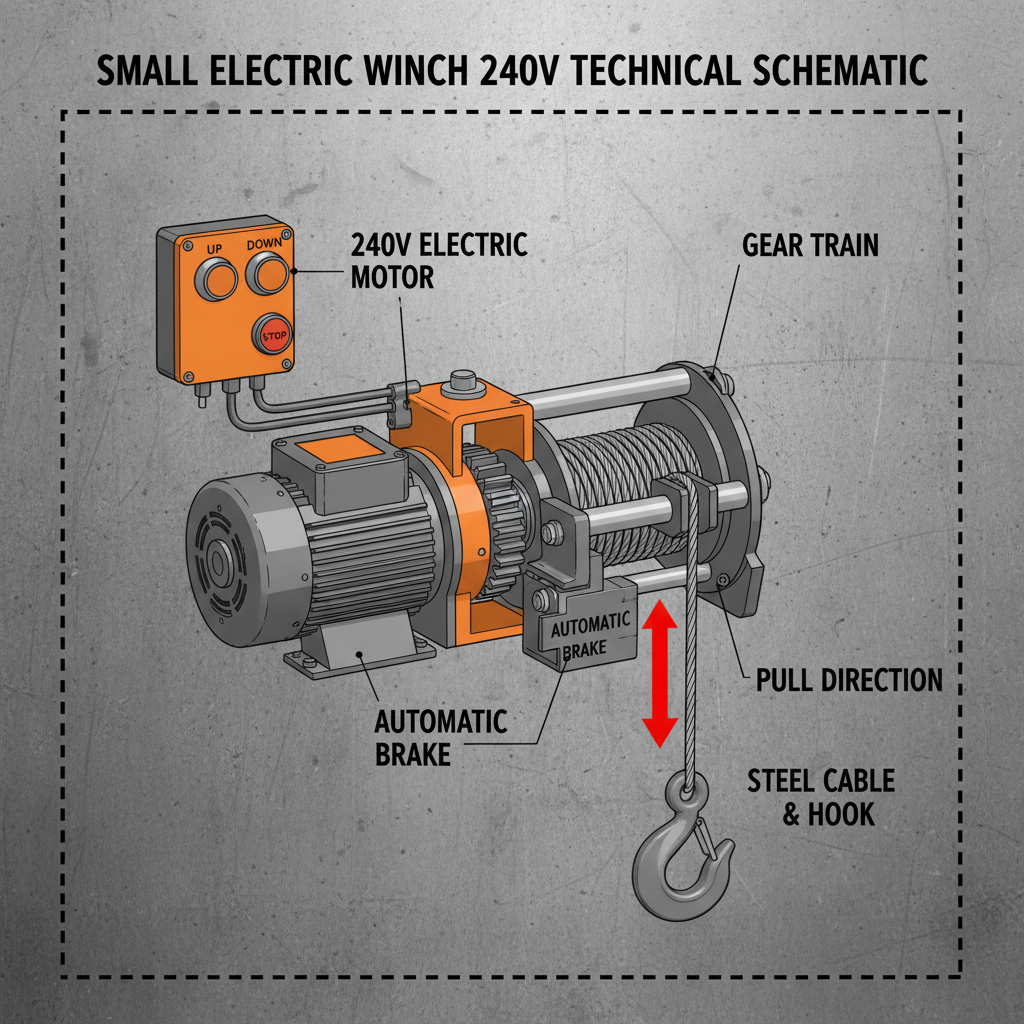
The pros are obvious: more power, more control, less noise, less maintenance. These new winches are a lot more efficient than the old mechanical ones. They're also safer, with features like automatic braking and overload protection. But there are downsides. They're more expensive, for starters. And they're more complex. If something goes wrong, you often need a qualified technician to fix it.
And honestly, sometimes simpler is better. I’ve seen too many cases where a complex winch breaks down and shuts down an entire job site. A basic, well-built winch that’s easy to maintain? That’s a lifesaver.
Another thing: these variable speed drives are great, until the control board fries. Then you're stuck with a winch that's either full throttle or nothing.
Customization Options and Case Studies in electric winches for sale
We do a lot of customization. People want different drum sizes, different rope lengths, different control systems. Last month, this small boss in Shenzhen who makes smart home devices insisted on changing the interface to . ! On a winch! He said it was for “brand consistency.” The result was a short circuit and a very unhappy engineer. Anyway, I think it's important to be flexible, but you also need to know when to say no.
We also did a project for a film crew that needed a winch that could operate silently. That meant replacing the gearbox with a custom-designed hydraulic system. It was expensive, but it worked perfectly. They were able to shoot scenes without any winch noise interfering with the audio.
Another case: a marine salvage company wanted a winch with a super-long rope. We ended up building a custom drum and using a special HMPE rope that was specifically designed for deep-sea applications. It held up beautifully.
Brief Summary of Customization Options for electric winches for sale
| Customization Area |
Complexity Level |
Cost Impact |
Typical Lead Time |
| Drum Capacity |
Low |
Moderate |
2-3 weeks |
| Rope Length & Material |
Medium |
High |
4-6 weeks |
| Control System (Wireless, Wired) |
Medium |
Moderate-High |
3-5 weeks |
| Gearbox Modification |
High |
Very High |
8-12 weeks |
| Specialty Coatings (Corrosion Resistance) |
Low |
Low-Moderate |
1-2 weeks |
| Interface Changes (e.g. ) |
Low |
Low |
2 weeks (but strongly discouraged) |
FAQS
Honestly, it’s underestimating the environment. They get a winch that looks great in the showroom, but haven't considered dust, moisture, or temperature extremes. A winch needs to be able to handle whatever you throw at it, and if it can’t, it’s just a fancy paperweight. Always overspec it, especially if you’re using it in harsh conditions. Look for IP ratings and corrosion-resistant materials. It’ll save you headaches down the line.
At least once a month, if you use it regularly. Check the rope for wear and tear, inspect the hooks and shackles for cracks, and make sure the gearbox is properly lubricated. Listen for any unusual noises. If something sounds off, stop using it immediately and get it checked out by a professional. Prevention is key – a little maintenance goes a long way.
Absolutely not! Electric winches are designed for lifting materials, not people. There are specific lifting devices designed for human transport that meet strict safety standards. Using a winch to lift a person is incredibly dangerous and could result in serious injury or death. Don't even think about it.
A single-line winch has a direct pull, meaning the full load is applied directly to the winch drum. A double-line winch uses a pulley system, effectively doubling the lifting capacity but halving the speed. So, a double-line winch can lift heavier loads, but it will take twice as long. It depends on your application.
Synthetic ropes like polyester and HMPE are generally preferred over steel cable. They're lighter, stronger, and safer. HMPE is particularly good for high-load applications. But make sure you use a rope that's specifically designed for winch use and that it’s the correct diameter for your winch drum. Don't skimp on the rope – it's the lifeline of your operation.
With proper maintenance, a good quality electric winch can last for 10-15 years, easily. Key is regular lubrication of moving parts, rope inspection, and addressing any issues promptly. Neglect it, and you'll be looking at major repairs or replacement much sooner. Treat it well, and it’ll treat you well.
Conclusion
So, where does all this leave us? Electric winches have come a long way, but they're not magic boxes. They're complex machines that require careful selection, proper installation, and regular maintenance. Choosing the right winch isn't about getting the cheapest option, it’s about finding the one that's best suited for your specific needs and the conditions you’ll be working in. It's about understanding the trade-offs and prioritizing safety.
Ultimately, whether this thing works or not, the worker will know the moment he tightens the screw. If it feels solid, if it runs smooth, if it just feels right… then you’ve got a good winch. And that’s all that really matters. Check out our selection at electric winches for sale.