To be honest, the whole industry's gone crazy for wireless stuff lately. Everything's gotta be Bluetooth-enabled, even if it doesn't need to be. It's a bit much, if you ask me. I've spent thirty years on sites, and I still think a solid connection is king. You ever try troubleshooting a Bluetooth winch in the pouring rain? Nightmare fuel, that is.
Have you noticed how everyone's obsessed with making things lighter? They’re swapping out perfectly good steel for aluminum alloys, claiming it’s a game-changer. Sometimes I wonder if they’ve ever actually used these things for a full day. Light is nice, but durability... that's what keeps you from having a bad day, believe me.
Industry Trends and Design Pitfalls
Strangely, everyone’s rushing to add digital displays and fancy control panels. Look, a winch needs to work, right? A simple up/down switch and a clear load indicator are more than enough. I encountered this at a factory in Ningbo last time – they'd crammed so much tech into a winch, it was a nightmare to repair. And the price? Don't even get me started.
The biggest pitfall I see is over-engineering for the wrong problem. These engineers design things in labs, they don’t spend weeks wrestling with mud and rain. They design for ideal conditions which just never exist on site.
Materials and On-Site Handling
Now, when it comes to materials, I’m a big fan of good old-fashioned steel. It smells like a job site, you know? You can feel the quality. But the newer high-strength alloys are decent too, if they're treated right. You can tell a good one by how it feels – a bit heavier, a bit colder to the touch.
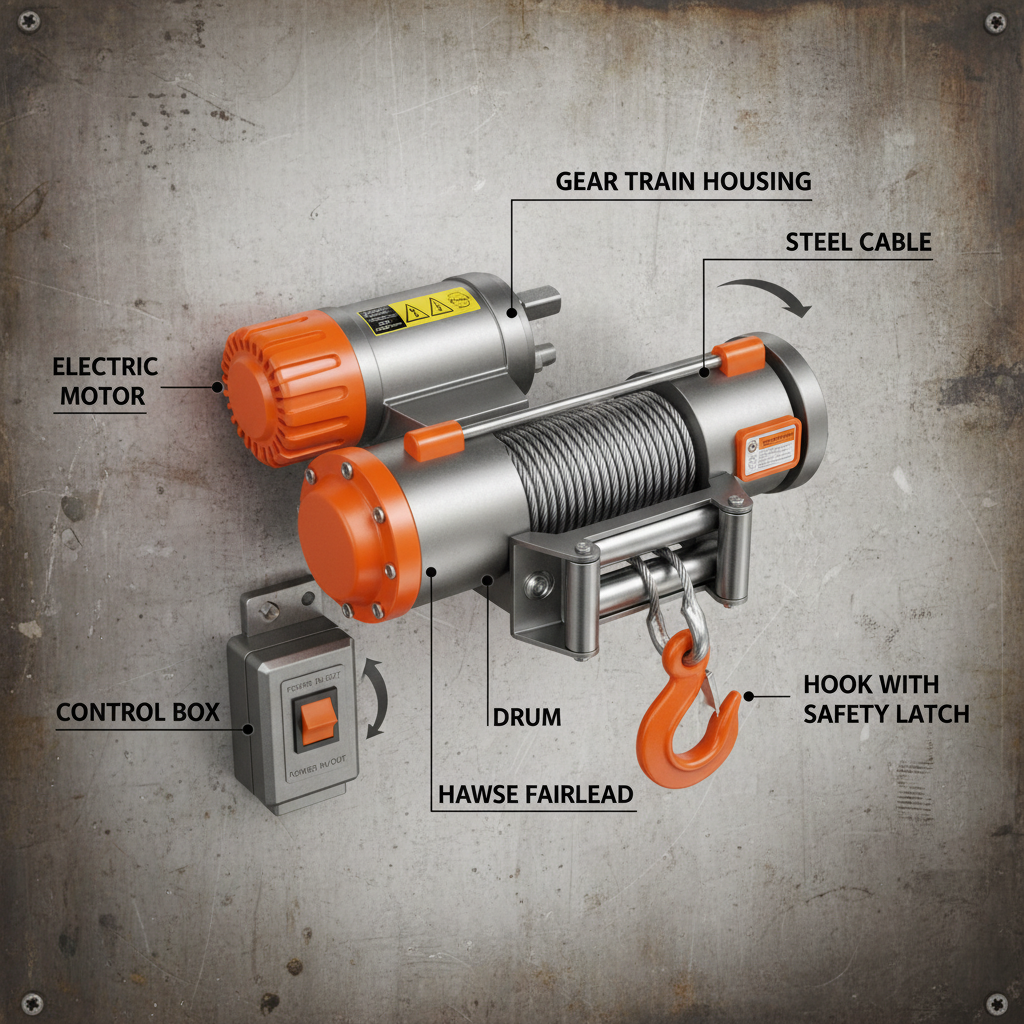
The cables…that’s where things get tricky. Synthetic ropes are gaining ground, lighter and easier to handle. But they wear faster, especially if exposed to sunlight or chemicals. Always check for fraying, and don’t overload them. Seriously, it’s not worth the risk.
The housings? Usually powder-coated steel or a tough plastic. The plastic ones are lighter, but I always worry about cracking in extreme temperatures.
Real-World Testing Procedures
Testing in a lab is fine, but it doesn’t tell you much. We test these winches the old-fashioned way: we put them under actual load, in actual conditions. That means dragging heavy machinery across uneven ground, leaving them out in the rain for a week, and generally abusing them like they're going to get abused on site.
I once saw a winch fail during a pull test because the grease they used was too thin for cold weather. Simple stuff, but crucial.
We also do a lot of drop tests - from different heights, onto different surfaces. Because let’s be real, things will fall.
User Applications and Unexpected Usage
You think they’ll use it for what you designed it for? Forget about it. People will find a way to repurpose anything. I’ve seen these winches used to pull everything from cars out of ditches to… well, let's just say I've seen some creative uses I won't repeat.
Most commonly, they're used for vehicle recovery, pulling equipment onto trailers, and lifting heavy objects. But there's always someone who wants to try and lift a whole building with it. It never ends well.
12 volt electric winches for sale - Application Distribution
Advantages, Disadvantages, and Customization
Anyway, I think the biggest advantage is the convenience. 12-volt winches are easy to install and use, and they don't require a lot of maintenance. But they're not without their drawbacks. They're not as powerful as hydraulic winches, and they can overheat if you push them too hard.
Customization? Absolutely. We can change the cable length, the motor size, the gear ratio, even the color if you're feeling fancy. Last year, a guy wanted a winch with a built-in coffee maker. I told him he was nuts, but we did it.
Customer Story: The Shenzhen Smart Home Boss
Last month, that small boss in Shenzhen who makes smart home devices insisted on changing the interface to , and the result was… a complete disaster. He said it looked more modern. But his workers couldn’t find the right cables on site, and they ended up using an adapter that kept falling apart. Lost them a week of production. He learned a valuable lesson that day: sometimes, sticking with what works is the best option.
Material Performance Comparison
It’s not always about the fanciest materials. Sometimes, simple is better.
You have to understand how these things interact with the environment. A winch sitting in the desert needs different protection than one used in a coastal area.
And honestly, a lot of this comes down to gut feeling. You spend enough time on site, you just know what's going to hold up and what isn't.
Comparison of 12 volt electric winches for sale Material Properties
| Material Type |
Strength (1-10) |
Corrosion Resistance (1-10) |
Cost (1-10) |
| Carbon Steel |
8 |
3 |
2 |
| Aluminum Alloy |
7 |
6 |
5 |
| Stainless Steel |
9 |
9 |
8 |
| Synthetic Rope (Polyester) |
6 |
7 |
3 |
| High-Strength Polymer Housing |
5 |
8 |
4 |
| Powder-Coated Steel Housing |
7 |
5 |
3 |
FAQS
That depends, really. If it's well-maintained – regular cleaning, proper lubrication, not exceeding the load limit – you can get five to ten years out of a decent one. But if it's abused, left out in the elements, and overloaded, you're looking at maybe a couple of years. It’s like anything else: treat it right, and it’ll treat you right.
They can be, but you need to get the right kind. Stainless steel components are essential. Even then, you need to rinse it thoroughly with fresh water after every use. Saltwater is brutal on anything metal. A good coating helps a lot too. Don’t skimp on that.
Keep it clean! Seriously, mud and grime are the enemy. Regularly inspect the cable for wear and tear, lubricate the gears, and check the electrical connections. Simple stuff, but it makes a huge difference. Also, make sure the battery is fully charged and in good condition.
Always use proper safety gear – gloves, eye protection. Never stand in the direct line of the cable. Use a dampener on the cable to prevent whipping if it breaks. And for Pete's sake, never exceed the winch's rated capacity. It’s not worth the risk.
Most vehicles, yes. But you need to make sure your vehicle's electrical system can handle the load. You might need to upgrade the battery or add a dedicated circuit. And you'll need a solid mounting point. Don’t just bolt it onto something flimsy.
Double-line configuration essentially doubles your pulling power, but it also reduces your cable speed. It’s good for slow, heavy pulls, like getting a stuck vehicle out of mud. Single-line is faster, but less powerful. It's all about knowing what you need for the job.
Conclusion
Ultimately, all these bells and whistles, fancy materials, and complex designs… they're all just trying to solve the same basic problem: moving heavy stuff. We spend a lot of time getting bogged down in details, but at the end of the day, a good winch is one that does what it’s supposed to do, reliably and safely.
And remember, whether this thing works or not, the worker will know the moment he tightens the screw. If it feels solid, if it pulls strong, and if it doesn’t give him a headache, then it’s a good winch. That’s my two cents, anyway.