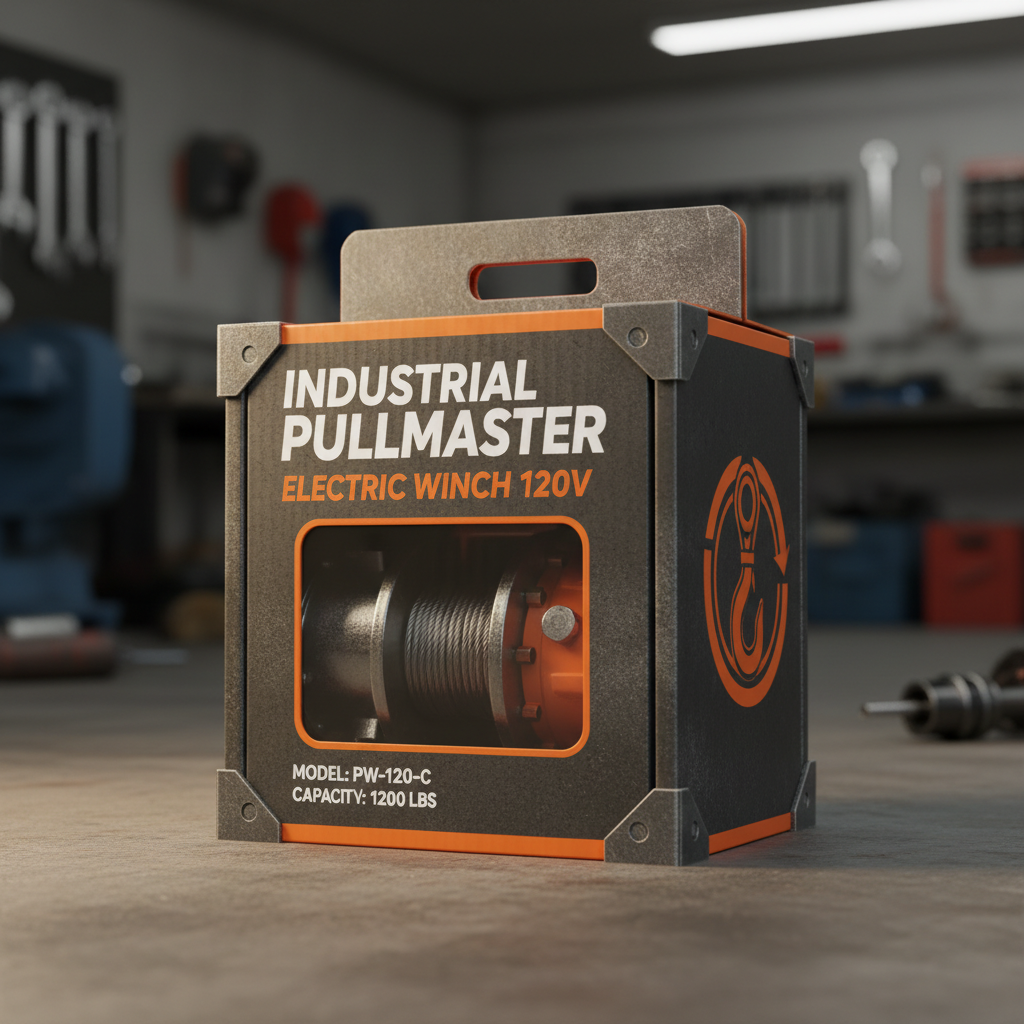
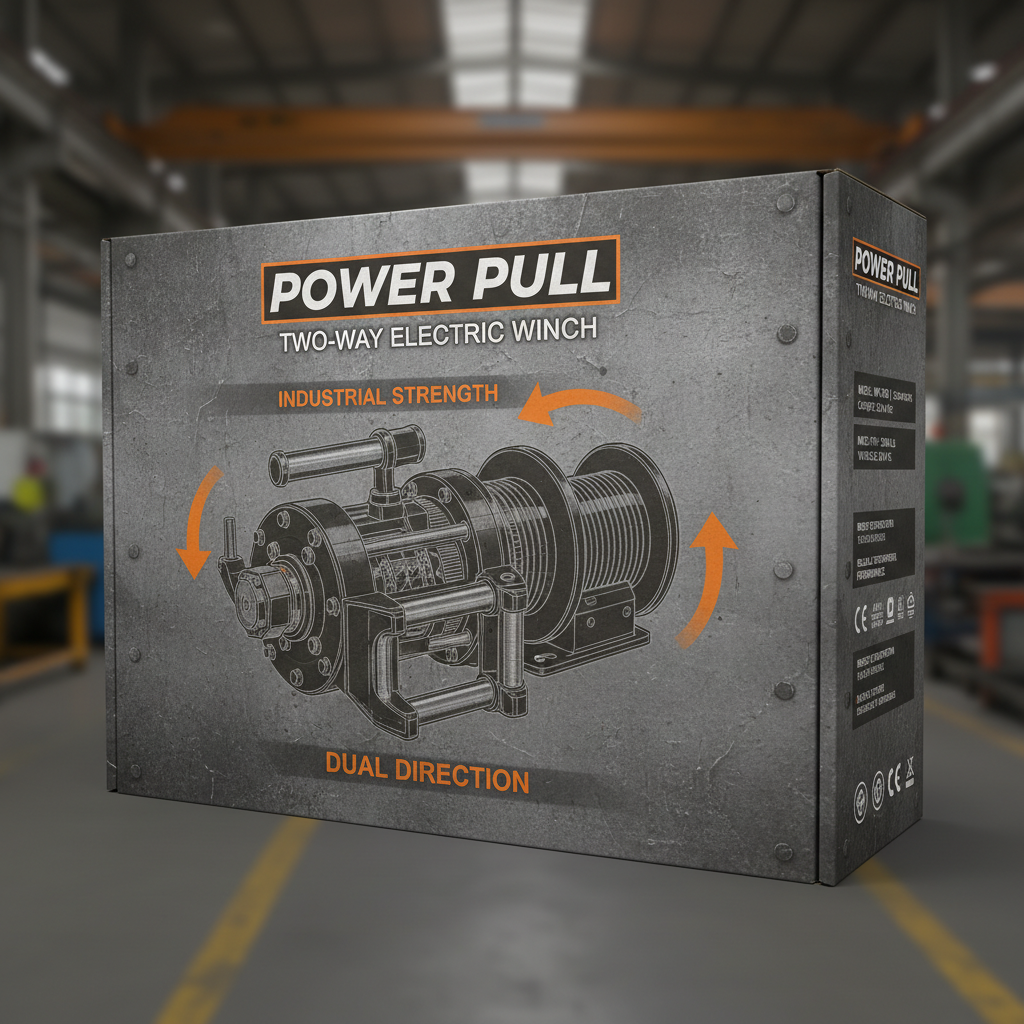
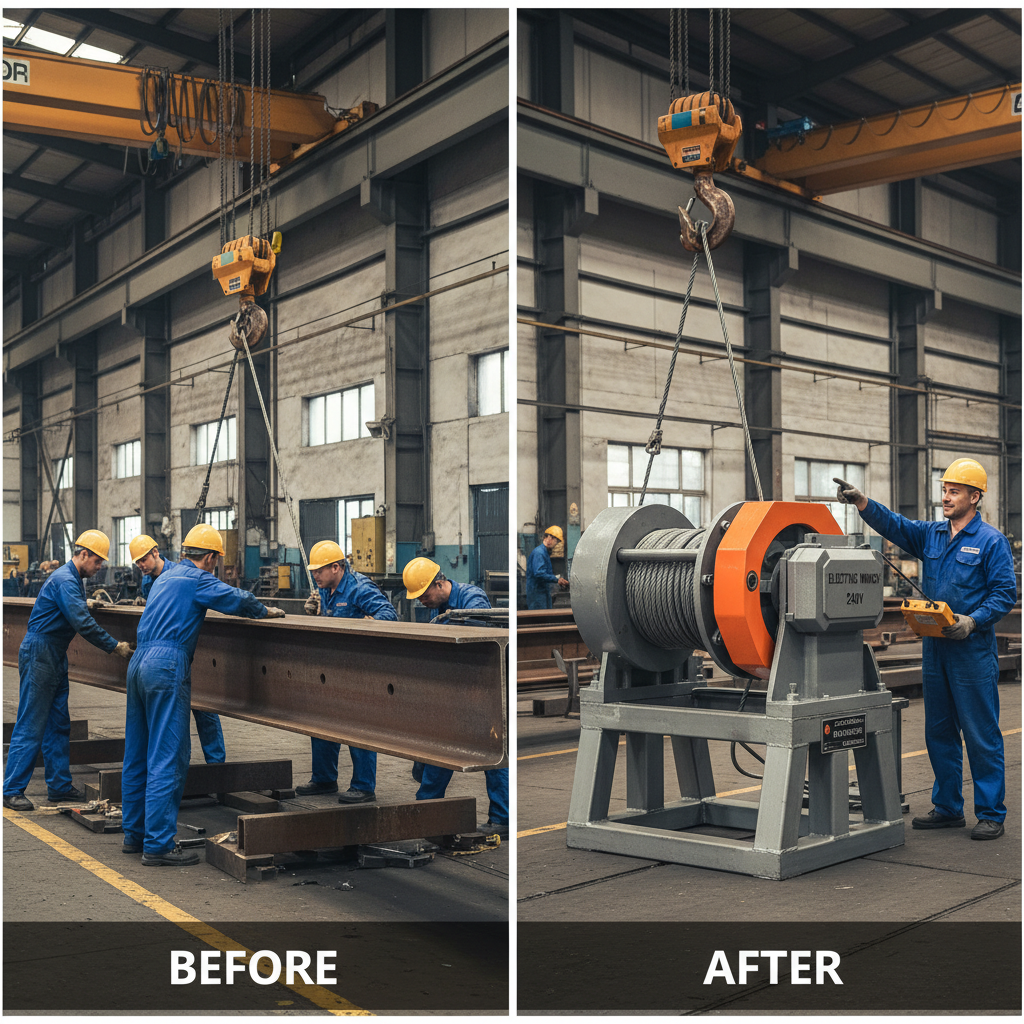
In the realm of modern material handling, the small electric winch 120v has emerged as an indispensable tool for both residential workshops and light industrial settings. By bridging the gap between manual labor and heavy-duty industrial hoisting, these compact devices allow users to lift, pull, and position loads with precision and minimal physical exertion. Understanding the nuances of 120V power integration ensures that users can maximize efficiency while maintaining strict safety standards in diverse environments.
Across the globe, the demand for accessible lifting solutions is rising as small-scale manufacturing and DIY home renovation projects proliferate. The versatility of a small electric winch 120v lies in its ability to plug directly into standard North American power outlets, eliminating the need for complex electrical installations or expensive pneumatic systems. This accessibility makes it a primary choice for those needing reliable torque in a portable package.
Whether it is hoisting engines in a garage, pulling equipment up a ramp, or managing inventory in a small warehouse, the implementation of these winches significantly reduces the risk of workplace injuries. By automating the most strenuous parts of the lifting process, businesses can increase their operational throughput and ensure a more ergonomic workflow for their staff.
Global Relevance of small electric winch 120v
The global shift toward decentralized manufacturing and the "maker movement" has placed the small electric winch 120v at the center of small-scale logistics. According to industry trends aligned with ISO safety standards, the integration of electrified lifting tools in home and light-commercial workshops has seen a steady increase, reducing the reliance on hazardous manual hoisting methods that often lead to musculoskeletal disorders.
In North American markets, where 120V is the residential standard, these devices solve the critical challenge of "last-meter" lifting. By providing a standardized power interface, they eliminate the barrier to entry for small businesses that cannot afford heavy industrial cranes but require the reliability of motorized tension and lifting.
Defining the small electric winch 120v Mechanism
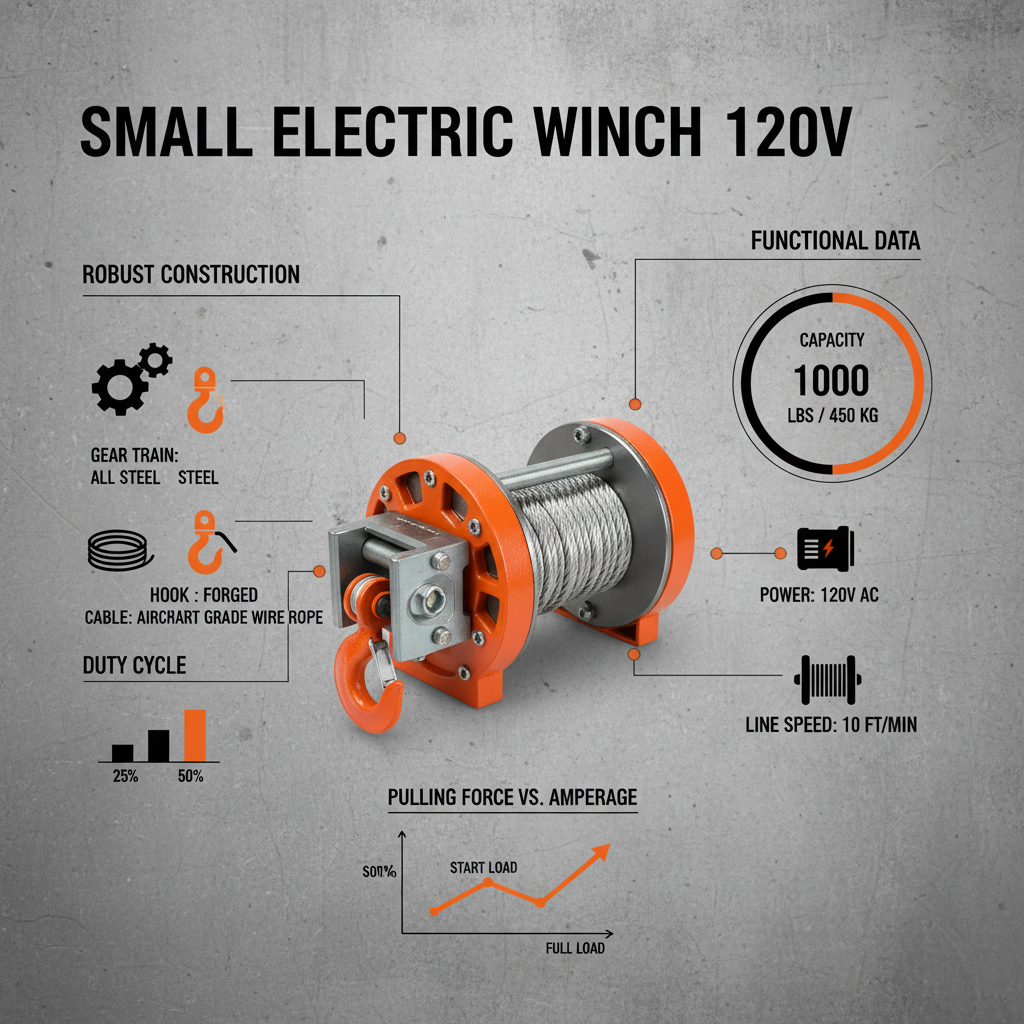
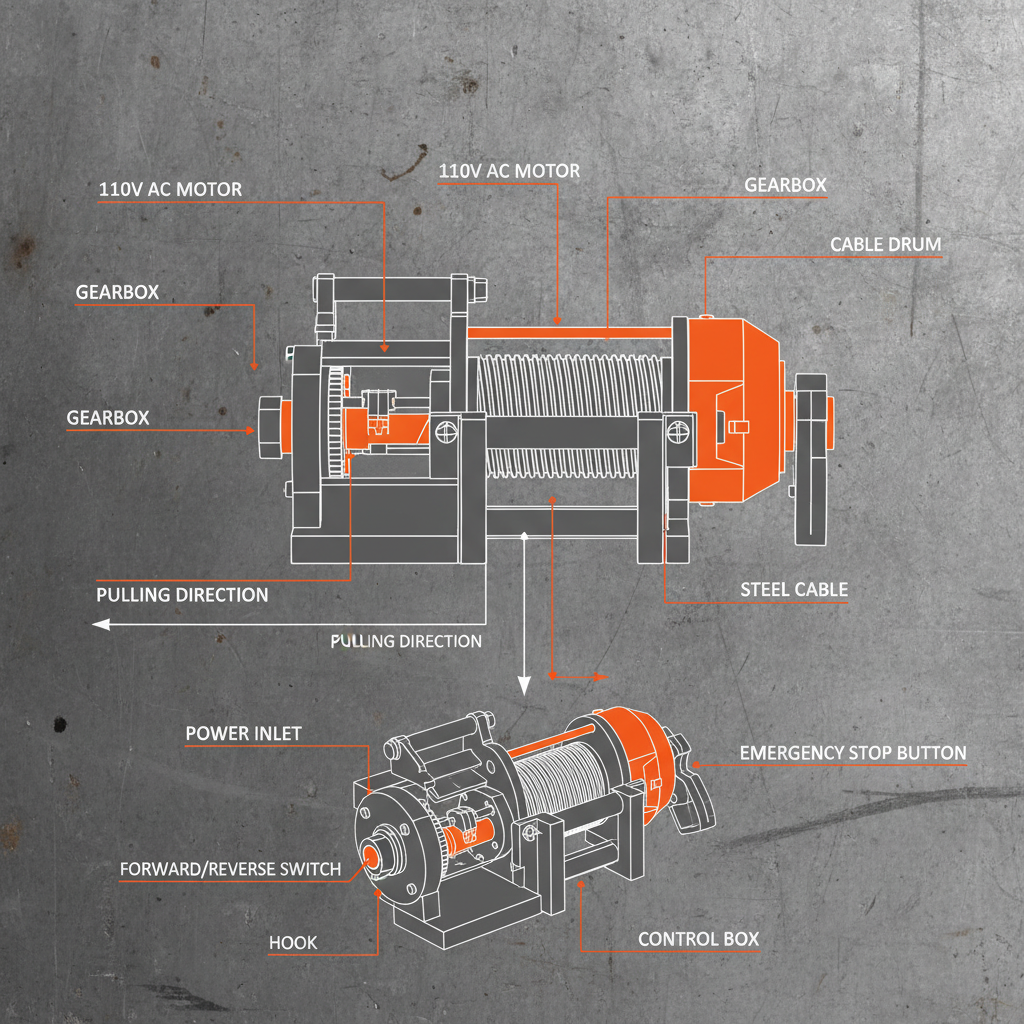
At its core, a small electric winch 120v is a motorized device designed to pull or lift loads via a wound cable or rope. It utilizes an electric motor powered by a standard 120V AC circuit, which drives a gear reduction system to convert high-speed rotation into high-torque pulling power. This allows a relatively small motor to move loads that would be impossible for a human to lift manually.
Beyond the basic mechanics, these winches are essential for modern humanitarian and industrial needs, such as assembling temporary shelters or moving medical equipment in makeshift clinics. Their ability to be deployed rapidly without specialized electrical training makes them a cornerstone of agile infrastructure and emergency response logistics.
The "small" designation refers not just to the physical footprint, but to the capacity range—typically catering to loads from 500 lbs to 4,000 lbs. This niche is critical because it serves the gap between handheld tools and heavy-duty industrial Winch Drums, offering a balanced ratio of power to portability.
Core Components for Maximum Durability
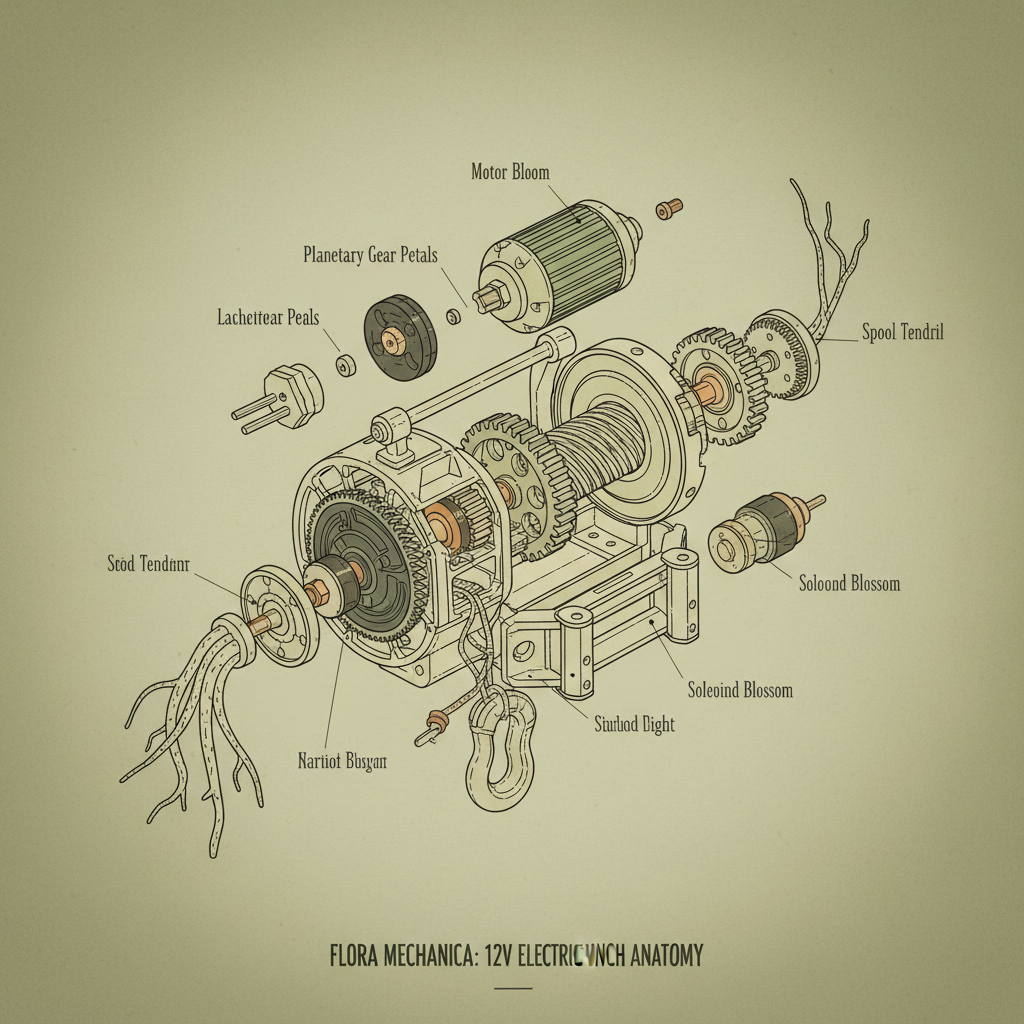
The longevity of a small electric winch 120v depends heavily on the quality of its planetary gear system. High-grade steel gears ensure that the torque is transferred efficiently without slipping, which is vital when managing heavy loads at peak capacity.
Another critical factor is the braking mechanism. A reliable small electric winch 120v must feature an automatic load-holding brake that prevents the load from slipping back down in the event of a power failure, ensuring operator safety and cargo integrity.
Finally, the housing and cable material play a huge role in scalability. Whether using galvanized steel cables or synthetic ropes, the outer casing of the small electric winch 120v must be corrosion-resistant to withstand the humid or dusty conditions common in workshops and outdoor job sites.
Performance Factors and Cost Efficiency
When evaluating a small electric winch 120v, the balance between pulling speed and load capacity is the primary performance metric. A winch geared for high capacity will naturally move slower, while those optimized for speed may struggle with maximum weight. Finding the "sweet spot" allows users to optimize their workflow without overspending on industrial-grade machinery.
From a cost-efficiency perspective, the 120V model is significantly more affordable to maintain than hydraulic alternatives. There are no fluid leaks to manage and no complex pumps to service, making the total cost of ownership remarkably low over a five-year lifecycle.
Performance Comparison of small electric winch 120v Configurations
Real-World Applications and Use Cases
In automotive workshops, the small electric winch 120v is frequently used for engine pulls and chassis adjustments. Its ability to provide a steady, controlled lift allows mechanics to move heavy components safely, reducing the risk of accidental drops that could damage expensive vehicle parts or cause injury.
Beyond the garage, these devices are vital in remote industrial zones for managing cable pulls or light construction. For example, in solar farm installations, small winches help in positioning panels and pulling wiring through conduits, proving that a compact 120V power source can handle rigorous outdoor tasks when paired with a durable frame.
Long-Term Value and Safety Advantages
The long-term value of investing in a high-quality small electric winch 120v extends beyond mere convenience; it is about institutionalizing safety. By removing the "brute force" element from lifting, companies can significantly lower their insurance premiums and worker compensation claims, as ergonomic risks are mitigated.
Furthermore, the reliability of a 120V system provides peace of mind. Unlike battery-powered winches that may lose charge during a critical lift, a plug-in electric winch offers consistent power delivery, ensuring that the load remains stable and the operation remains predictable.
There is also a psychological benefit to using these tools. Operators feel more confident and dignified when they have the right equipment for the job, leading to higher productivity and a more professional work environment where innovation is prioritized over manual struggle.
Future Innovations in Electric Winch Tech
The future of the small electric winch 120v is leaning heavily toward "smart" integration. We are seeing the emergence of digital load sensors that can alert the operator via a smartphone app if the winch is approaching its maximum weight limit, effectively preventing cable snaps and mechanical failure.
Sustainability is also driving innovation. Newer models are incorporating rare-earth magnets in their motors to increase energy efficiency and reduce heat generation, allowing for longer duty cycles without the need for extended cooling periods. This aligns with the global push toward green energy and reduced carbon footprints in manufacturing.
Additionally, the integration of remote-control wireless systems is becoming standard. This allows the operator of a small electric winch 120v to stand at a safe distance from the load, drastically reducing the risk of injury should a cable fail or a load shift unexpectedly.
Analysis of small electric winch 120v Technical Evolution
| Innovation Era |
Core Technology |
Efficiency Gain |
Safety Impact |
| Traditional |
Manual Gearbox |
Low |
Basic Braking |
| Early Electric |
120V AC Motor |
Medium |
Auto-lock Brake |
| Modern Era |
Planetary Gearing |
High |
Overload Protection |
| Smart Tech |
Digital Sensors |
Very High |
Real-time Alerts |
| Eco-Friendly |
Brushless Motors |
Extreme |
Heat Reduction |
| Future Concept |
AI-Load Balancing |
Optimal |
Predictive Maintenance |
FAQS
Yes, as long as it is used within its rated capacity and plugged into a grounded GFCI outlet. Most high-quality 120V winches include automatic braking systems that hold the load even if power is lost, making them much safer than manual pulleys for homeowners.
Absolutely. Many models are designed specifically for hoisting. However, ensure that the winch is securely mounted to a structural beam and that you are using a cable rated for vertical lifting to avoid any risk of failure.
A 12V winch runs on DC power (usually a battery), making it ideal for vehicles and off-road recovery. A small electric winch 120v runs on AC power from a wall outlet, making it better for stationary workshops and warehouses.
It is recommended to inspect the cable before every use. Look for frays, kinks, or flattened sections. If you notice any wear on the steel strands, the cable should be replaced immediately to prevent catastrophic failure during a lift.
Yes, electric motors generate heat. Most 120V winches have a "duty cycle" (e.g., 20% duty cycle), meaning they need a rest period after a certain amount of continuous use. Always follow the manufacturer's duty cycle to avoid burning out the motor.
In North America, no adapter is needed as they use standard NEMA plugs. However, if you are using the winch in an industrial setting with different voltage requirements, you may need a step-down transformer or a specific industrial power cord.
Conclusion
The small electric winch 120v represents a perfect intersection of accessibility and power, empowering small business owners and DIY enthusiasts to handle heavy loads with professional-grade safety. By integrating planetary gearing, automatic braking, and standard AC power, these tools eliminate the physical strain of manual labor while significantly increasing operational efficiency across various light-industrial applications.
As we look toward a future of smarter, greener machinery, the evolution of the electric winch will continue to focus on precision and safety. For those looking to upgrade their workshop or enhance their logistics capabilities, investing in a high-quality 120V winch is a strategic move toward a more ergonomic and productive workspace. Visit our website for more professional hoisting solutions: www.lbswinch.com