In the demanding world of heavy-duty lifting and material handling, the 2 ton electric winch stands as a pivotal piece of equipment that bridges the gap between manual labor and heavy industrial machinery. By providing a controlled, motorized method of pulling and lifting, these devices ensure that operations remain efficient, precise, and, most importantly, safe for the operator.
Globally, the reliance on motorized hoisting solutions has surged as industries move toward automation and stricter occupational health and safety standards. Whether it is in a remote mining camp or a sophisticated manufacturing plant, the ability to move two metric tons of load with the flick of a switch reduces physical strain and minimizes the risk of workplace injuries.
Understanding the technical nuances of a 2 ton electric winch is not just about knowing the load capacity; it is about optimizing duty cycles, selecting the right gear ratios, and ensuring the equipment can withstand the environmental stressors of its specific application.
Global Industrial Context of 2 Ton Electric Winches
The global demand for lifting equipment is closely tied to the growth of infrastructure and the modernization of the manufacturing sector. According to international industrial trends, the shift toward "Smart Factories" has increased the need for precisely calibrated tools like the 2 ton electric winch, which provides the ideal balance between compact size and substantial lifting power.
In regions like Southeast Asia and Africa, where rapid urbanization is occurring, these winches are essential for constructing modular buildings and transporting heavy components in areas where larger cranes are impractical. The challenge has always been maintaining high torque without excessive energy consumption, a hurdle that modern electric motor technology has largely overcome.
Defining the 2 Ton Electric Winch Architecture
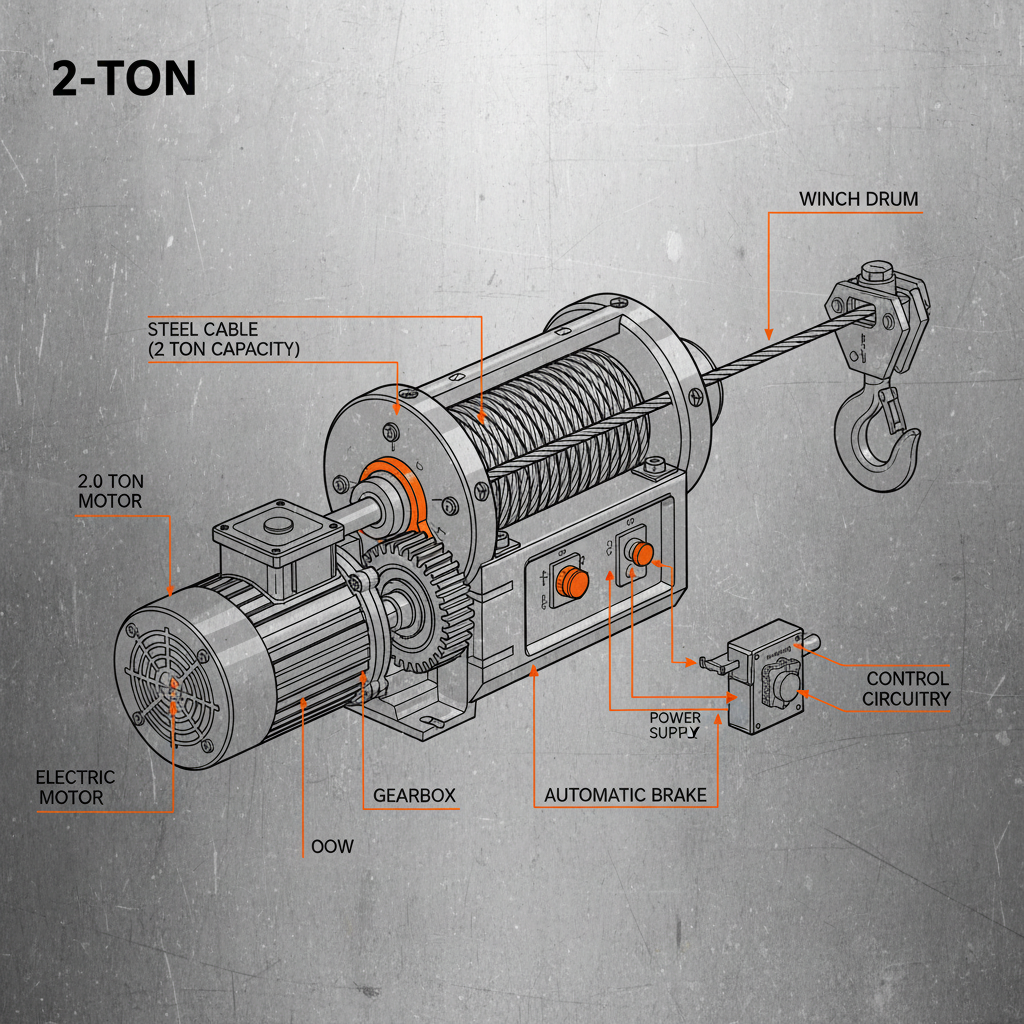
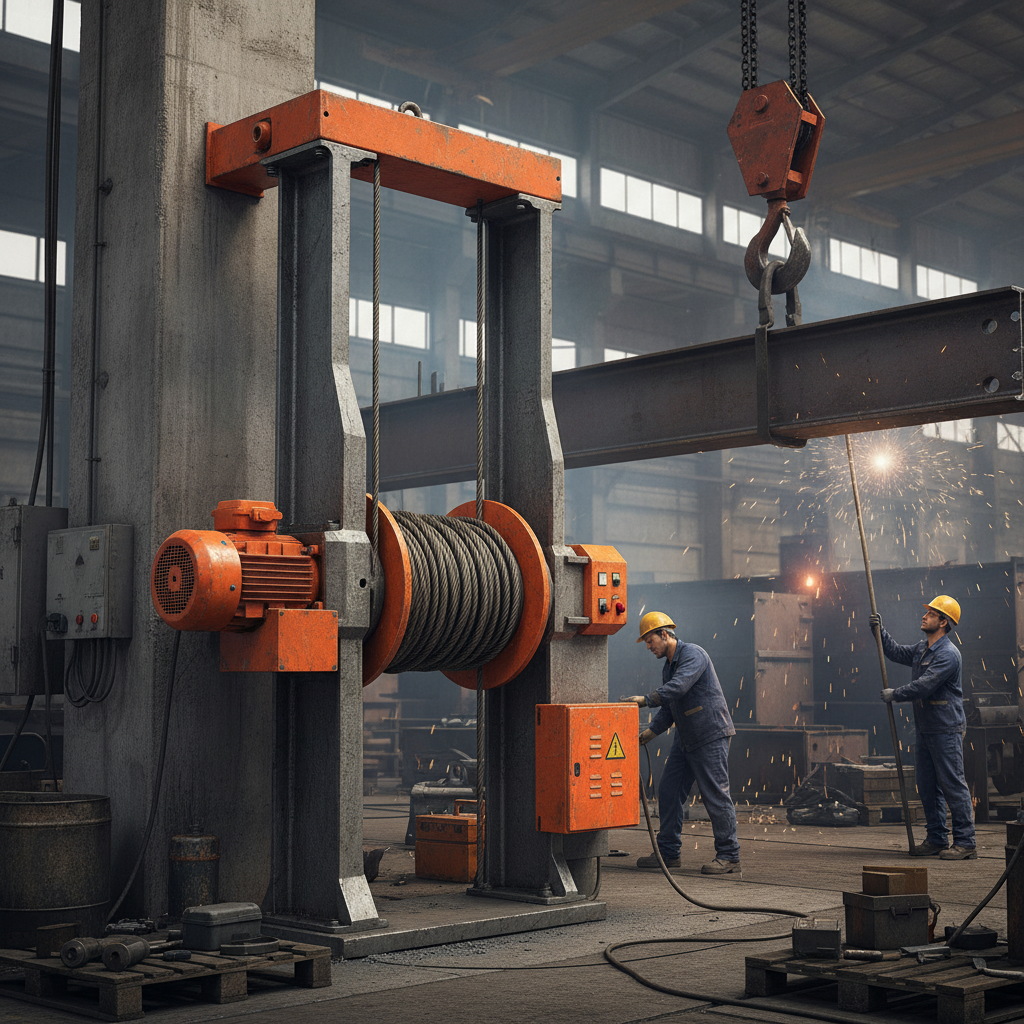
At its most fundamental level, a 2 ton electric winch is a mechanized device designed to pull or lift a load of up to 2,000 kilograms using an electric motor to rotate a cylindrical drum. This rotation winds or unwinds a wire rope or synthetic cable, converting electrical energy into powerful linear motion.
Unlike hydraulic systems, which are powerful but prone to leaks and requiring complex pumping stations, the electric winch is prized for its "plug-and-play" nature. It integrates a motor, a reduction gearbox, and a braking system into a single unit, making it an indispensable tool for workshops, shipping docks, and construction sites.
In modern industry, this equipment is more than just a pulling tool; it is a safety device. By utilizing electromagnetic brakes and limit switches, the 2 ton electric winch prevents over-winding and ensures that loads are held securely in place, even in the event of a power failure.
Core Components and Technical Factors
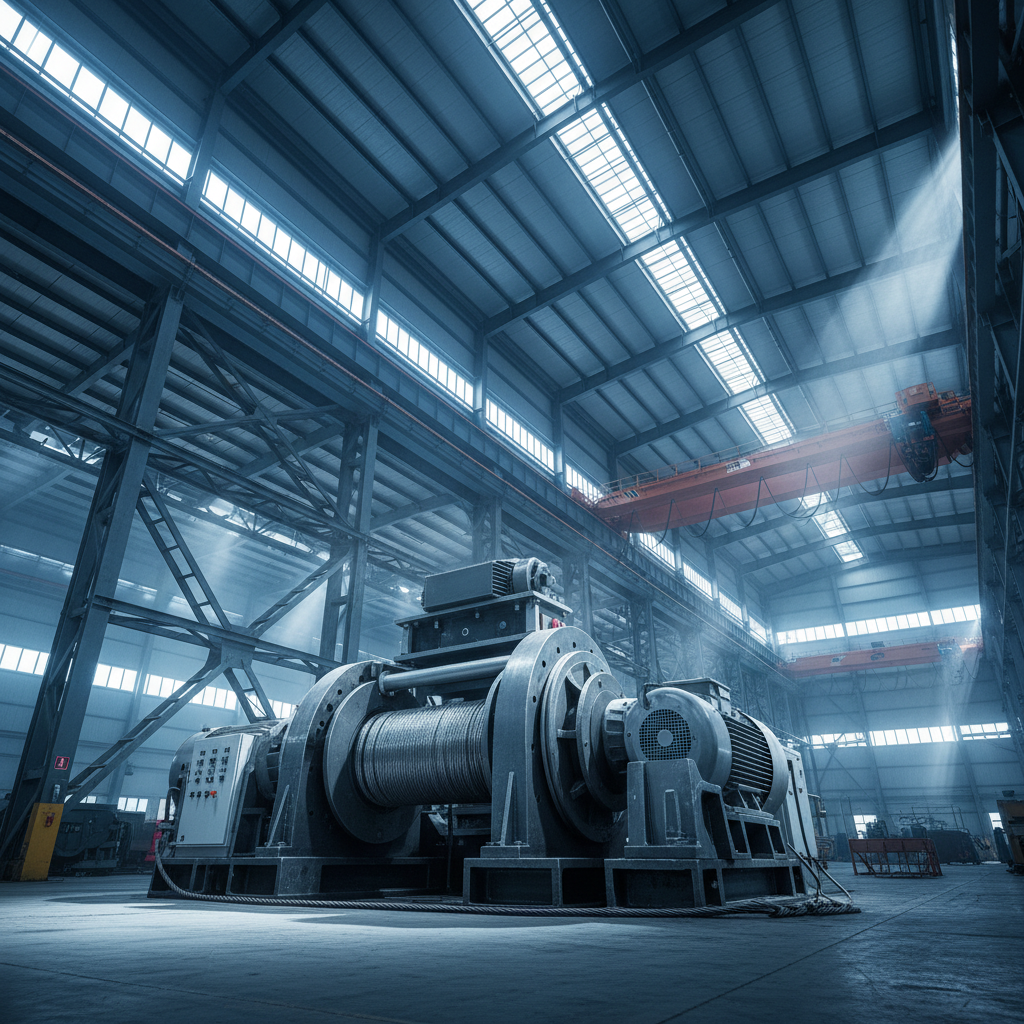
The durability of a 2 ton electric winch depends heavily on the quality of its gear train. Most professional-grade models utilize planetary gear systems, which allow for high torque multiplication in a very compact space, ensuring that the winch can handle the full 2-ton capacity without overheating the motor.
Another critical factor is the drum material and the grooved sleeves. A high-quality 2 ton electric winch often employs precision-machined drums to ensure the cable layers evenly. This prevents "bird-nesting" or cable overlapping, which can lead to premature wear and catastrophic failure under load.
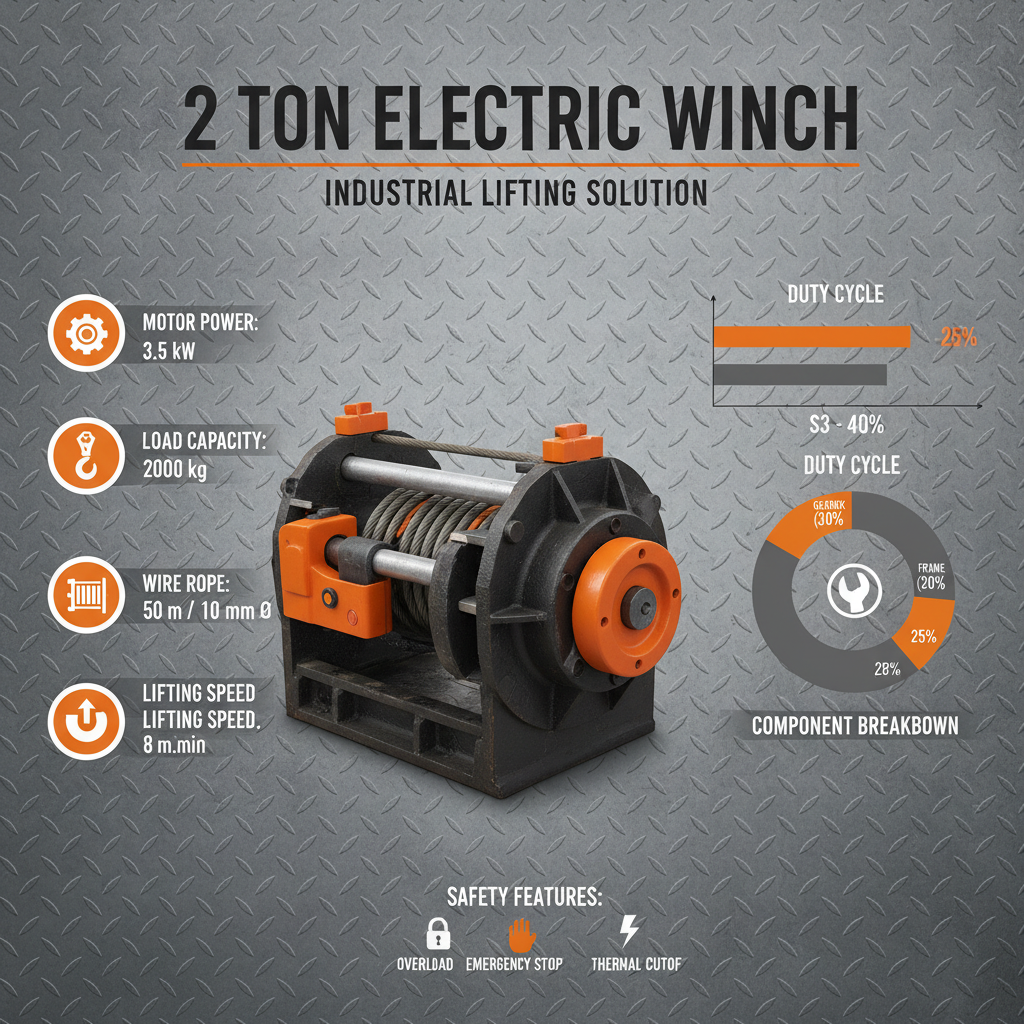
Finally, the duty cycle is a paramount technical consideration. Not all winches are created equal; some are designed for occasional use (S1 duty), while others are engineered for continuous industrial operation. For those investing in a 2 ton electric winch for 24/7 production lines, choosing a motor with superior thermal dissipation is non-negotiable.
Performance Metrics and Efficiency Analysis
When evaluating the performance of a 2 ton electric winch, operators typically look at the relationship between line speed and pulling force. As the load increases, the speed usually decreases due to the gear ratios, which is a necessary trade-off to maintain the mechanical integrity of the system.
Efficiency is also measured by the energy consumption per lift cycle. Modern brushless motors have significantly reduced the carbon footprint of these machines, allowing for higher torque delivery with less heat waste, which extends the overall lifespan of the equipment.
Comparative Efficiency of 2 Ton Electric Winch Configurations
Global Applications and Real-World Use Cases
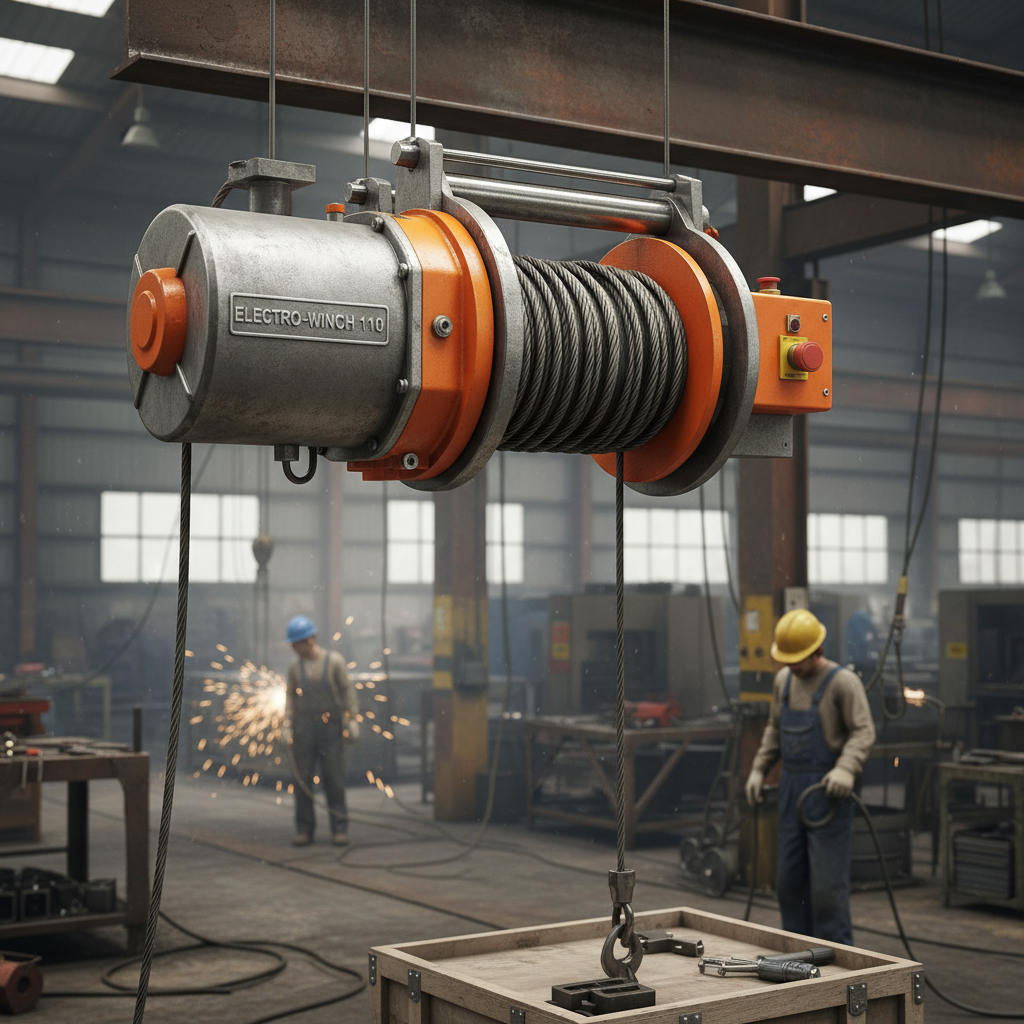
In the maritime sector, the 2 ton electric winch is frequently used for cargo handling on small to medium-sized vessels. Its ability to operate in humid environments (when properly sealed) makes it ideal for pulling nets or securing light equipment on deck without the need for heavy hydraulic infrastructure.
Beyond the coast, these winches are vital in the automotive and aerospace industries. For example, in aircraft maintenance hangars, a 2 ton electric winch is often used to precisely position engine components or fuselage sections, where a slow, steady pull is required to avoid damaging sensitive parts.
Long-Term Value and Safety Advantages
The long-term value of investing in a professional 2 ton electric winch manifests in reduced downtime. High-end models feature modular designs, meaning that worn-out brushes or bearings can be replaced without dismantling the entire unit, ensuring that production lines keep moving.
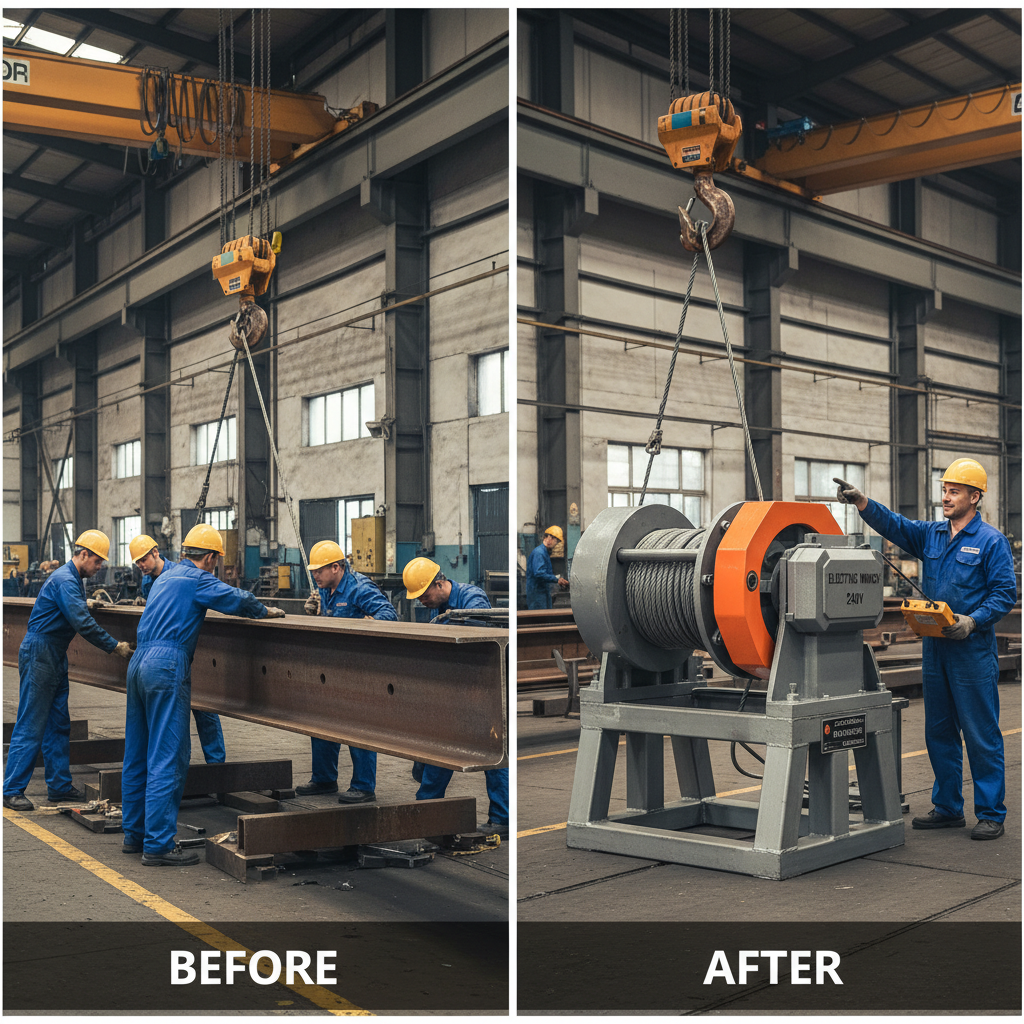
From a safety perspective, the move from manual or chain hoists to electric winches has virtually eliminated "snap-back" injuries caused by manual slip-ups. The integration of remote control systems allows the operator to stand at a safe distance from the load, which is a critical requirement in hazardous environments.
Furthermore, the consistency of a 2 ton electric winch builds trust within a team. When workers know that the equipment will behave predictably under load, they can focus on the precision of the task rather than worrying about the stability of the lifting mechanism.
Future Trends and Digital Innovations
The future of the 2 ton electric winch is inextricably linked to the Internet of Things (IoT). We are seeing the emergence of "Smart Winches" that can monitor their own load levels in real-time and send alerts to a central dashboard when the capacity is nearing the 2-ton limit, preventing overloading before it happens.
Sustainability is also driving innovation. New materials for cables, such as ultra-high-molecular-weight polyethylene (UHMWPE), are replacing traditional steel wires. These synthetic ropes are lighter and stronger, reducing the strain on the 2 ton electric winch motor and increasing energy efficiency.
Automation is the final frontier. Integrating winches into robotic cells allows for fully automated material transport systems. By pairing a 2 ton electric winch with PLC (Programmable Logic Controllers), factories can achieve millimetric precision in load positioning without any human intervention.
Technical Comparison of 2 Ton Electric Winch Models
| Model Type |
Load Stability |
Energy Efficiency |
Maintenance Need |
| Industrial Standard |
High |
Medium |
Quarterly |
| Precision Series |
Very High |
High |
Bi-Annually |
| Compact Portable |
Medium |
Medium |
Monthly |
| Heavy-Duty Marine |
High |
Medium |
Monthly |
| Eco-Smart Model |
Very High |
Very High |
Yearly |
| Budget Basic |
Medium |
Low |
Monthly |
FAQS
The primary difference lies in the power source. A 2 ton electric winch uses an electric motor and is generally easier to install and maintain, making it ideal for workshops. A hydraulic winch uses pressurized fluid, which typically offers more consistent power for extremely heavy, continuous loads but requires a pump and hose system, making it more complex to set up.
Not all winches are designed for lifting. You must check if your 2 ton electric winch is rated for "vertical lifting" or just "horizontal pulling." Lifting winches include specialized safety brakes and certifications (like CE or ASME) to prevent the load from falling if power is lost, which is a critical safety requirement for overhead work.
For industrial use, a monthly inspection of the cable for frays and a quarterly lubrication of the gear train is recommended. If the winch is used in corrosive environments, such as saltwater docks, daily rinsing and weekly inspections of the drum and motor housing are essential to prevent rust and mechanical failure.
Overloading can lead to several issues: the motor may overheat and burn out, the cable could snap, or the gears could strip. High-quality winches include overload protection circuits that trip the power when the limit is reached, but consistently pushing a winch beyond its 2-ton capacity will significantly shorten its lifespan.
Synthetic ropes are lighter, easier to handle, and safer because they don't "snap back" with as much force if they break. However, steel wire is more resistant to abrasion and heat. For most 2-ton applications, synthetic is preferred for ease of use, while steel is better for harsh, abrasive industrial environments.
You must match the winch's voltage requirements (e.g., 110V, 220V, or 380V 3-phase) with your facility's power grid. Using an undersized power supply can cause the motor to struggle, leading to voltage drops and overheating. Always consult the technical manual of your 2 ton electric winch to ensure the circuit breaker and wiring are rated for the starting current.
Conclusion
The 2 ton electric winch represents a vital intersection of mechanical power and operational safety. From its robust planetary gearing and durable drum design to its ability to integrate into modern IoT-driven factories, this equipment provides an essential solution for lifting and pulling challenges across various global industries. By prioritizing duty cycles and maintenance, businesses can ensure a high return on investment through increased productivity and reduced workplace accidents.
Looking ahead, the transition toward greener motors and smarter control systems will only enhance the utility of these machines. Whether you are upgrading a legacy workshop or designing a new industrial facility, selecting a high-quality, certified winch is an investment in both efficiency and human safety. For those seeking reliable, industrial-grade hoisting solutions, we invite you to explore our full range of products. Visit our website: www.lbswinch.com