Comprehensive Guide to Durable Stainless Steel Gears and Their Applications
Understanding Stainless Steel Gears: A Comprehensive Guide
Stainless steel gears are essential components in a multitude of industries, known for their durability, corrosion resistance, and precision. From robotics and automation to automotive and marine applications, these gears play a critical role in power transmission and motion control. This article will delve into the properties, applications, types, and benefits of using stainless steel gears, providing a comprehensive overview for engineers, designers, and anyone interested in this vital mechanical element. Choosing the right gear material is crucial for optimal performance and longevity.
Key Properties of Stainless Steel Gears
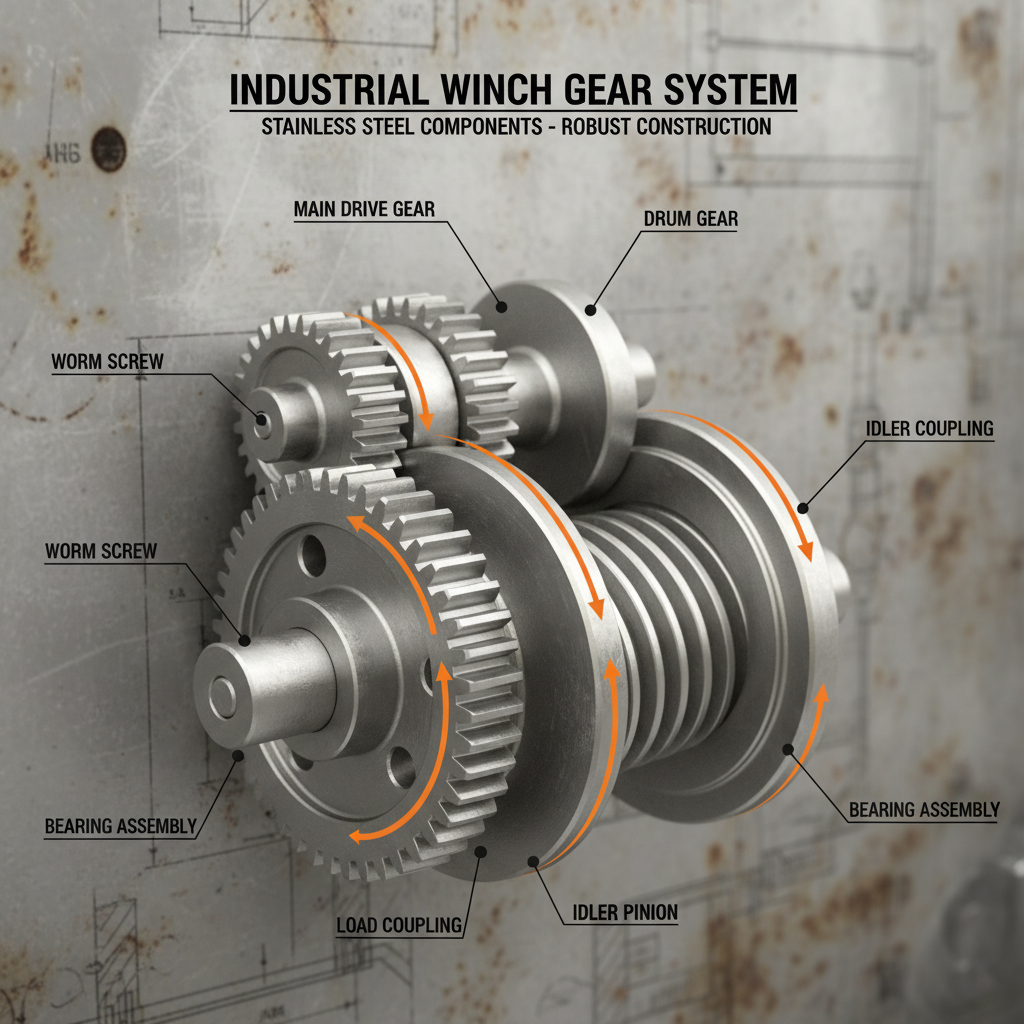
Stainless steel gears are favored due to a unique combination of properties. The most significant is their exceptional corrosion resistance, stemming from the chromium content in the alloy. This makes them ideal for use in harsh environments, including marine applications, chemical processing, and food manufacturing. Beyond corrosion resistance, stainless steel offers high strength and hardness, enabling it to withstand substantial loads and wear. Furthermore, these gears exhibit excellent temperature resistance and maintain their mechanical properties across a broad range of temperatures. Different grades of stainless steel offer varying levels of these properties, allowing for material selection tailored to specific application requirements.
Key Highlights: Superior corrosion resistance, high strength, excellent temperature resistance, and customizable properties based on stainless steel grade.
Types of Stainless Steel Used in Gear Manufacturing
Several stainless steel grades are commonly used for gear production, each offering a distinct balance of properties. 304 stainless steel is a widely used austenitic grade known for its good corrosion resistance and formability. 316 stainless steel, containing molybdenum, provides enhanced corrosion resistance, particularly against chlorides, making it suitable for marine environments. 410 stainless steel, a martensitic grade, offers high strength and hardness but has lower corrosion resistance compared to austenitic grades. Duplex stainless steels combine the benefits of austenitic and ferritic grades, offering high strength and excellent corrosion resistance. The optimal choice depends on the specific demands of the application, considering factors like load, speed, operating environment, and desired lifespan.
Stainless Steel Grade Comparison:
• 304 Stainless Steel: Good corrosion resistance, formability
• 316 Stainless Steel: Enhanced corrosion resistance (chlorides)
• 410 Stainless Steel: High strength, lower corrosion resistance
• Duplex Stainless Steel: High strength, excellent corrosion resistance
Stainless Steel Gears: Applications Across Industries
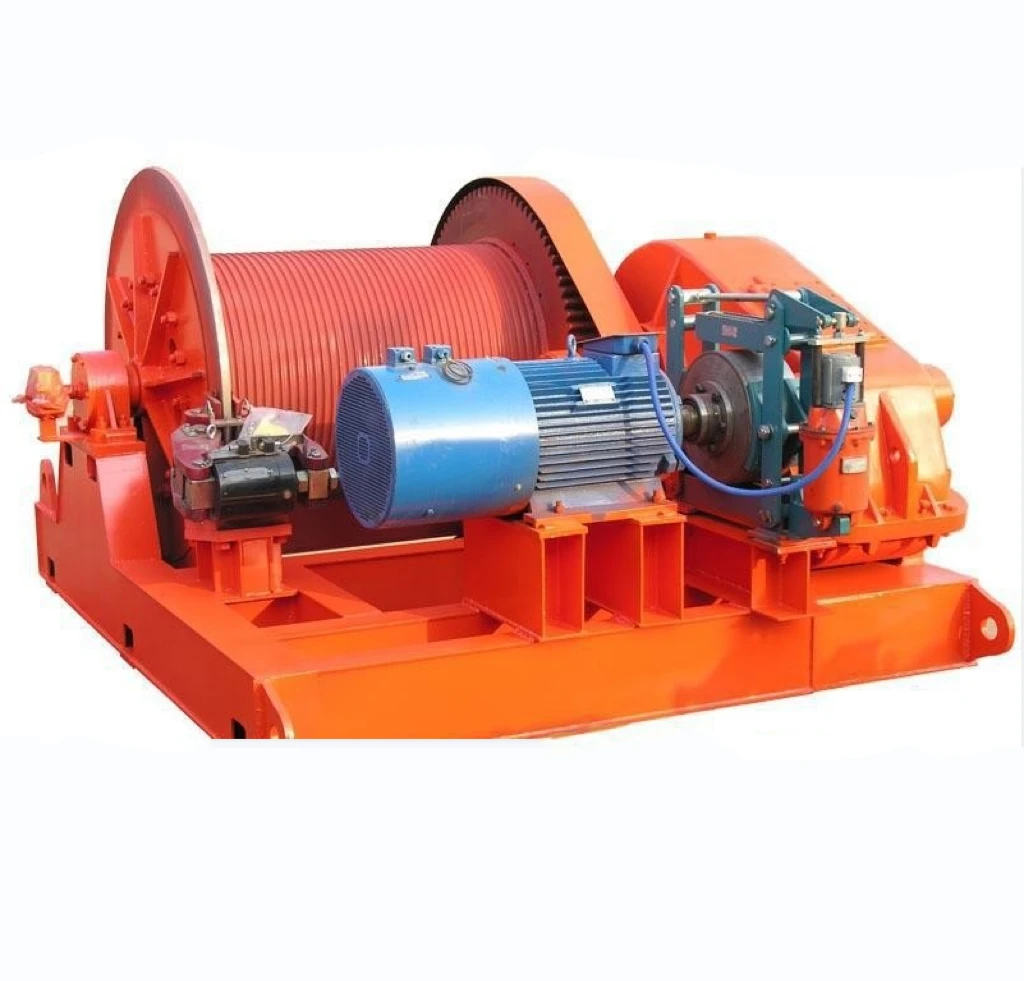
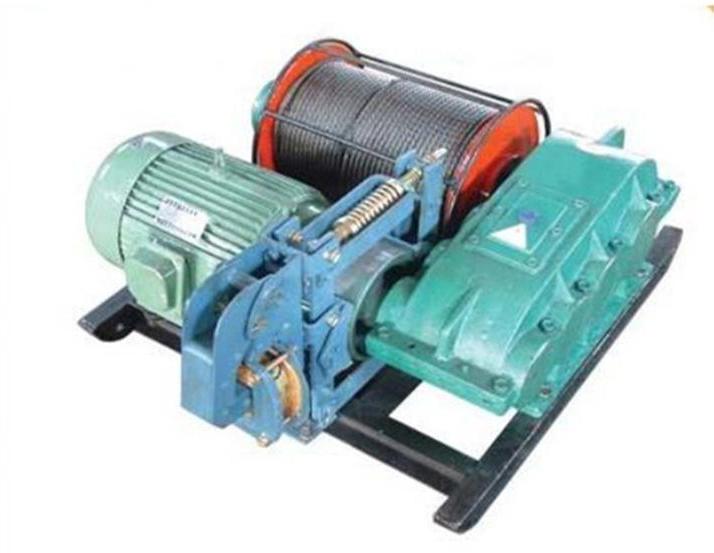
The versatility of stainless steel gears extends across numerous sectors. In the marine industry, their corrosion resistance is vital for steering systems, pumps, and winches. The food and beverage industry relies on their hygienic properties and resistance to cleaning agents. Robotics and automation benefit from their precision and durability in demanding applications. Automotive applications utilize them in transmission systems and actuators. Pharmaceutical and chemical processing industries leverage their resistance to harsh chemicals. The ability to withstand challenging conditions makes them a preferred choice where reliability and longevity are paramount.
The Advantages of Choosing Stainless Steel Gears
Compared to gears made from other materials, stainless steel offers a compelling set of advantages. Carbon steel gears, while stronger, are susceptible to corrosion. Plastic gears are less expensive but lack the strength and durability required for high-load applications. Stainless steel strikes an optimal balance, providing excellent strength, corrosion resistance, and a relatively long service life. This translates into reduced maintenance costs, increased uptime, and improved overall system reliability. Investing in stainless steel gears is a cost-effective solution in the long run, minimizing the need for frequent replacements and costly repairs.
Conclusion: Investing in Durability with Stainless Steel Gears
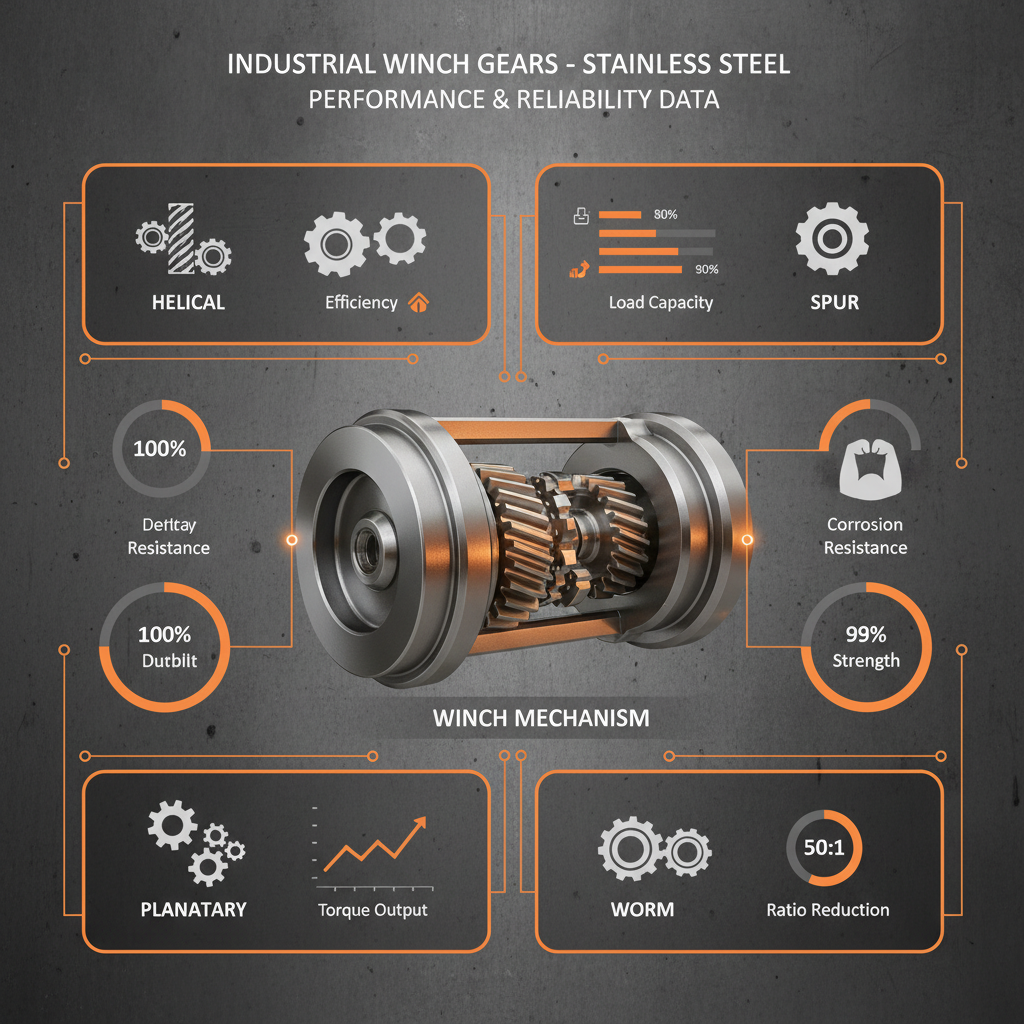
Stainless steel gears represent a smart investment for applications demanding reliability, durability, and corrosion resistance. From marine environments to food processing plants, these gears consistently deliver exceptional performance. LBS Winch provides high-quality stainless steel gears engineered to meet the most challenging demands. By choosing the right stainless steel grade and gear design, you can ensure optimal performance and longevity for your critical applications.
Frequently Asked Questions (FAQs)
What is the typical lifespan of a stainless steel gear?
The lifespan of a stainless steel gear varies significantly based on factors like the grade of stainless steel, load, speed, lubrication, and operating environment. With proper lubrication and within recommended load limits, a stainless steel gear can operate reliably for 10-20 years or more. However, harsh environments and excessive loads can shorten its lifespan. Regular inspections for wear and tear are crucial to identify potential issues and prevent failures.
What type of lubrication is recommended for stainless steel gears?
The appropriate lubricant depends on the application and operating conditions. Generally, synthetic lubricants are preferred for their superior temperature stability and corrosion protection. Grease is commonly used for lower-speed applications, while oil is more suitable for high-speed gears. It's important to choose a lubricant compatible with stainless steel and to follow the manufacturer's recommendations for lubrication intervals and types. Proper lubrication minimizes friction, reduces wear, and extends the gear's lifespan.
Are stainless steel gears suitable for high-temperature applications?
Yes, stainless steel gears can withstand relatively high temperatures compared to gears made from other materials. However, the specific temperature limit depends on the stainless steel grade. Austenitic stainless steels like 304 and 316 generally maintain their mechanical properties up to around 600-800°F (315-425°C). Martensitic grades like 410 can withstand slightly higher temperatures. It’s crucial to select a grade appropriate for the expected operating temperature and to consider the impact of temperature on lubricant performance.
How does the cost of stainless steel gears compare to other materials?
Stainless steel gears typically have a higher initial cost than gears made from carbon steel or plastic. However, their superior durability, corrosion resistance, and reduced maintenance requirements often result in lower lifecycle costs. While the upfront investment may be higher, the long-term benefits of reduced downtime, fewer replacements, and improved reliability make stainless steel gears a cost-effective choice for many applications.
-
The Ultimate Guide to Gear Steels for Durability and PerformanceNewsApr.16,2026
-
High Performance Gear Stainless Steel for Industrial DurabilityNewsApr.09,2026
-
Comprehensive Guide to Steel Bevel Gears Applications and SelectionNewsApr.07,2026
-
Comprehensive Guide to Durable Stainless Steel Miter Gears and ApplicationsNewsApr.04,2026
-
Comprehensive Guide to Steel Spur Gears Functionality and ApplicationsNewsMar.31,2026
-
Comprehensive Guide to Durable Stainless Steel Spur Gears and Their ApplicationsNewsMar.28,2026