Comprehensive Guide to Durable Stainless Steel Spur Gears and Their Applications
Understanding Stainless Steel Spur Gears: A Comprehensive Guide
Stainless steel spur gears are a crucial component in numerous industrial applications, prized for their durability, corrosion resistance, and efficient power transmission. They’re commonly found in everything from automotive systems and robotics to food processing equipment and marine machinery. This article delves into the properties, applications, manufacturing, and benefits of these gears. Understanding the nuances of stainless steel spur gears is key to selecting the right component for optimal performance and longevity.
What are Stainless Steel Spur Gears?
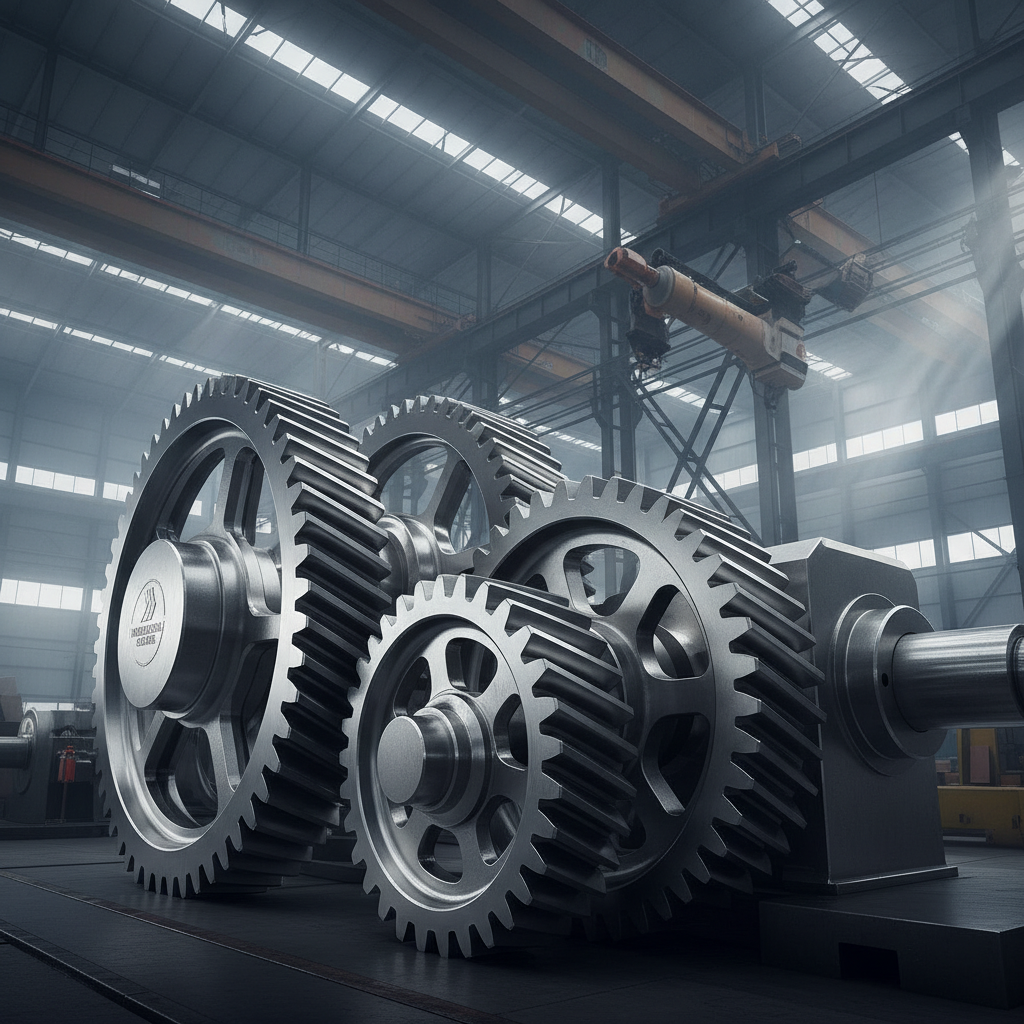
Spur gears are the simplest type of gear, characterized by straight teeth cut parallel to the axis of rotation. When manufactured from stainless steel, they gain exceptional resistance to corrosion, making them ideal for harsh environments. Stainless steel's chromium content forms a passive layer, protecting the underlying metal from rust and oxidation. This makes stainless steel spur gears superior to carbon steel gears in applications exposed to moisture, chemicals, or extreme temperatures. Their straightforward design also translates to cost-effectiveness in many situations.
Key Highlights: Stainless steel spur gears offer a combination of strength, durability, and corrosion resistance, making them a versatile choice for a wide range of applications.
Applications of Stainless Steel Spur Gears
The applications for stainless steel spur gears are diverse. They are commonly used in the food and beverage industry due to their hygienic properties and resistance to cleaning agents. Marine applications leverage their corrosion resistance in saltwater environments. Robotics and automation benefit from their precise power transmission and reliability. Furthermore, they find use in automotive gearboxes, industrial pumps, and various machinery requiring durable and reliable gear systems. LBS Winch specializes in providing high-quality stainless steel spur gears tailored to specific application needs.
Application Areas:
• Food and Beverage Processing
• Marine Industry
• Robotics and Automation
• Automotive Systems
Stainless Steel Spur Gears: Materials and Grades
Several grades of stainless steel are used in spur gear manufacturing, each offering specific properties. 304 stainless steel is a common choice, known for its good corrosion resistance and weldability. 316 stainless steel offers enhanced corrosion resistance, particularly against chlorides, making it suitable for marine environments. 410 stainless steel provides higher strength and hardness but lower corrosion resistance. The selection of the appropriate grade depends on the operating environment and the required performance characteristics. Considerations include load capacity, temperature, and exposure to corrosive substances.
Manufacturing Processes for Stainless Steel Spur Gears
Stainless steel spur gears are manufactured using various processes, including hobbing, shaping, and milling. Hobbing is the most common method for mass production, offering high precision and efficiency. Shaping is often used for smaller production runs or gears with complex geometries. Milling is suitable for prototyping and custom gears. After machining, the gears undergo heat treatment to achieve the desired hardness and strength. Surface finishing, such as polishing or coating, can further enhance their performance and durability. LBS Winch utilizes state-of-the-art manufacturing techniques to ensure superior gear quality.
Benefits of Using Stainless Steel Spur Gears
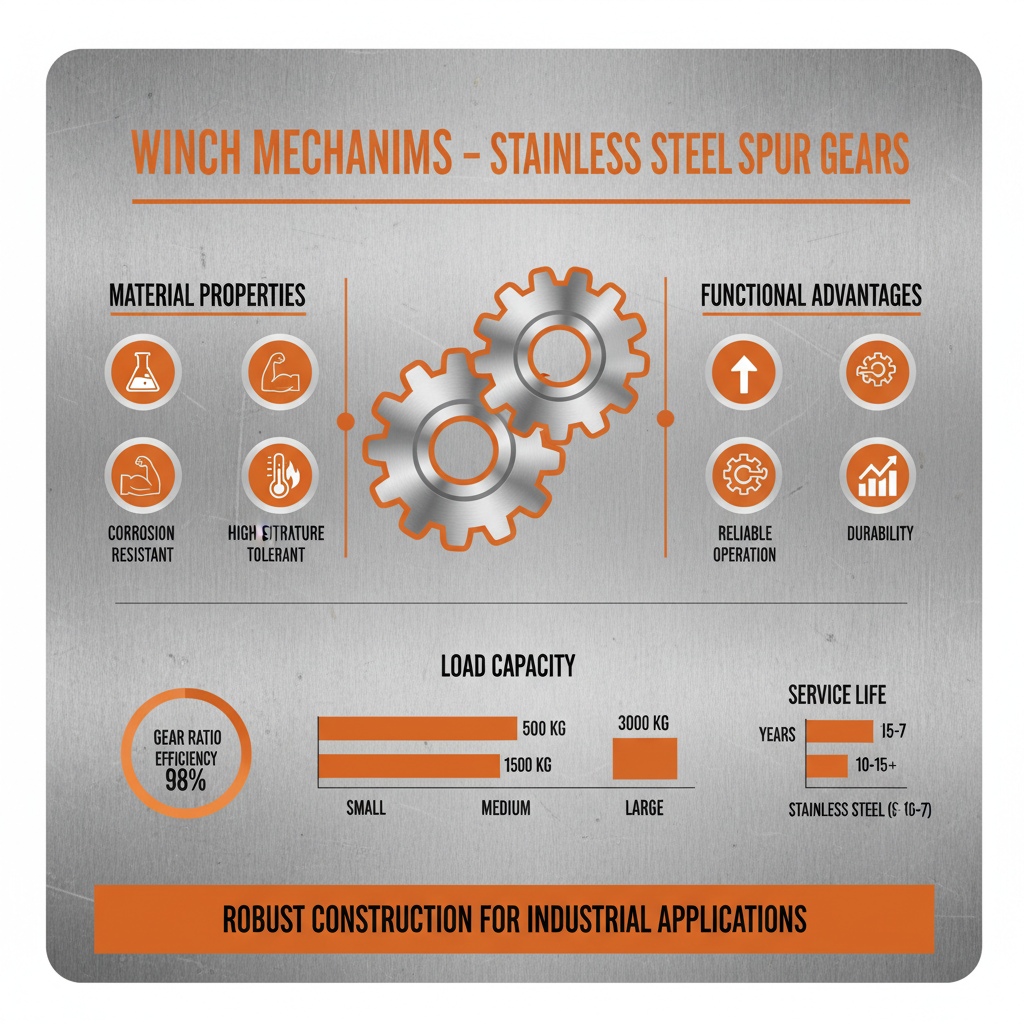
Choosing stainless steel spur gears offers numerous advantages. Their superior corrosion resistance extends service life, reducing maintenance costs. Their high strength and durability ensure reliable performance under demanding conditions. Stainless steel’s hygienic properties make them ideal for food processing and pharmaceutical applications. Furthermore, their relatively low cost compared to other materials like titanium makes them a cost-effective solution for many applications. Ultimately, investing in quality stainless steel spur gears, like those offered by LBS Winch, translates to long-term value and improved operational efficiency.
Conclusion: The Advantages of Stainless Steel Spur Gears
Stainless steel spur gears are a robust and versatile solution for a wide array of industrial applications. Their corrosion resistance, durability, and cost-effectiveness make them a smart choice for businesses seeking reliable power transmission components. Selecting the right grade and manufacturing process is crucial for optimal performance.
Frequently Asked Questions (FAQs)
What is the typical lifespan of a stainless steel spur gear?
The lifespan of a stainless steel spur gear depends heavily on its operating conditions. Factors such as load, speed, lubrication, and exposure to corrosive elements all play a role. Under optimal conditions, a well-maintained stainless steel spur gear can last for 10-20 years or more. Regular inspection and lubrication are crucial for maximizing its lifespan. Look for signs of wear such as pitting, cracking, or deformation. Replacement is recommended when significant wear is detected, or performance degrades.
What lubrication is recommended for stainless steel spur gears?
Choosing the right lubricant is critical for the longevity and performance of stainless steel spur gears. Synthetic lubricants are often preferred due to their high thermal stability and resistance to oxidation. Grease is suitable for lower-speed applications, while oil is better for high-speed gears. Ensure the lubricant is compatible with the stainless steel grade and the operating temperature. Regular re-lubrication is essential to maintain a protective film and reduce friction.
Can stainless steel spur gears be used in high-temperature environments?
Yes, certain grades of stainless steel, particularly those with higher chromium and nickel content, can withstand high temperatures. However, the operating temperature should be carefully considered. At elevated temperatures, the strength and hardness of the steel may decrease. Selecting a lubricant that maintains its properties at high temperatures is also vital. Consulting with a gear specialist, like those at LBS Winch, can help determine the appropriate material and lubrication for specific high-temperature applications.
-
The Ultimate Guide to Gear Steels for Durability and PerformanceNewsApr.16,2026
-
High Performance Gear Stainless Steel for Industrial DurabilityNewsApr.09,2026
-
Comprehensive Guide to Steel Bevel Gears Applications and SelectionNewsApr.07,2026
-
Comprehensive Guide to Durable Stainless Steel Miter Gears and ApplicationsNewsApr.04,2026
-
Comprehensive Guide to Steel Spur Gears Functionality and ApplicationsNewsMar.31,2026