Comprehensive Guide to Steel Spur Gears Functionality and Applications
Understanding Steel Spur Gears: A Comprehensive Guide
Steel spur gears are a fundamental component in a vast range of mechanical systems, prized for their simplicity, efficiency, and reliability. They transmit power between parallel shafts with teeth designed to mesh seamlessly. This article delves into the intricacies of steel spur gears, covering their applications, materials, design considerations, advantages, and maintenance. Whether you're an engineer, a machinery enthusiast, or simply curious about how things work, this guide will provide a comprehensive understanding of these essential power transmission elements.
The Core Functionality of Steel Spur Gears
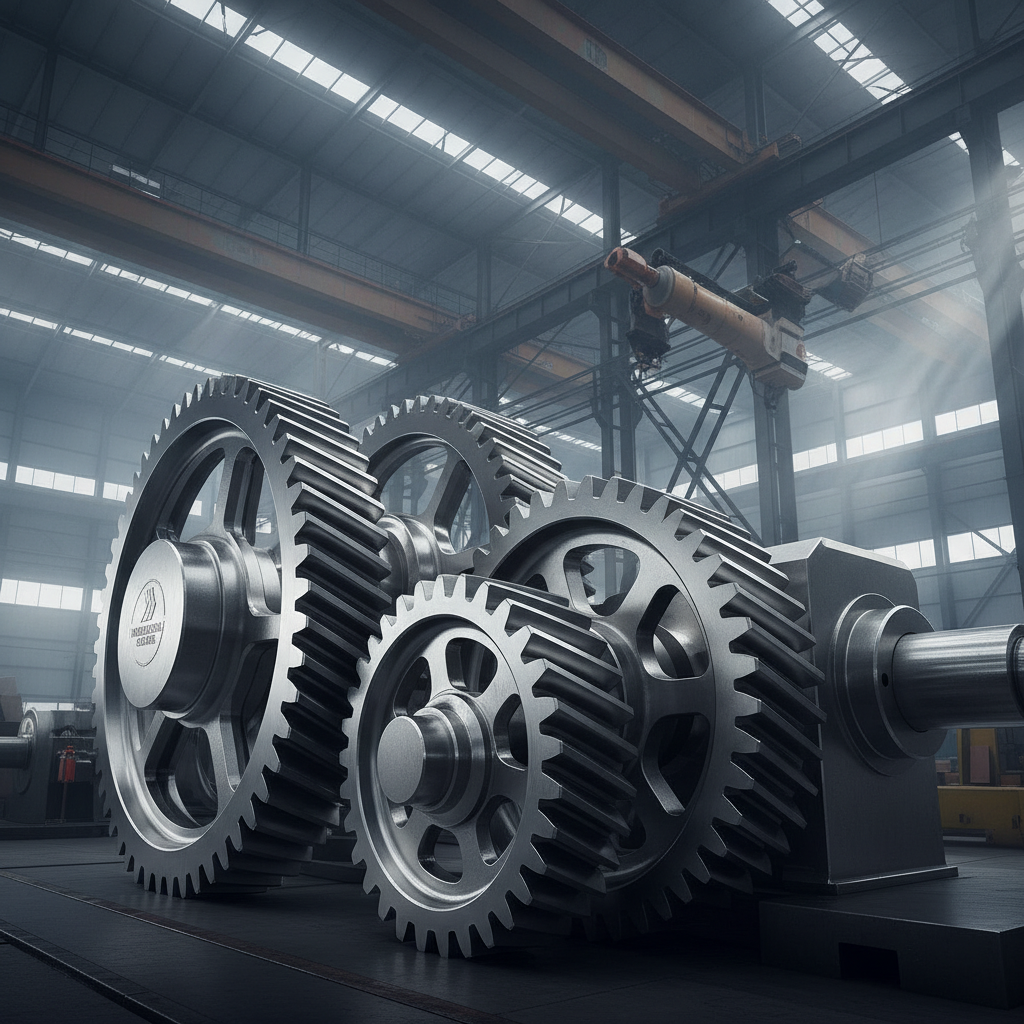
Spur gears are characterized by straight teeth cut parallel to the axis of rotation. This design makes them the simplest and most cost-effective type of gear. They excel at transmitting power efficiently over short distances between parallel shafts. The force is transferred through the gradual contact of the teeth as they interlock and rotate. Their straightforward construction translates to easier manufacturing and maintenance compared to more complex gear types. They are commonly found in applications where noise isn’t a primary concern, though modern manufacturing techniques have significantly reduced noise levels in high-quality steel spur gears.
Key Takeaway: Steel spur gears offer a cost-effective and reliable solution for transmitting power between parallel shafts, excelling in simplicity and efficiency.
Materials Used in Steel Spur Gear Manufacturing
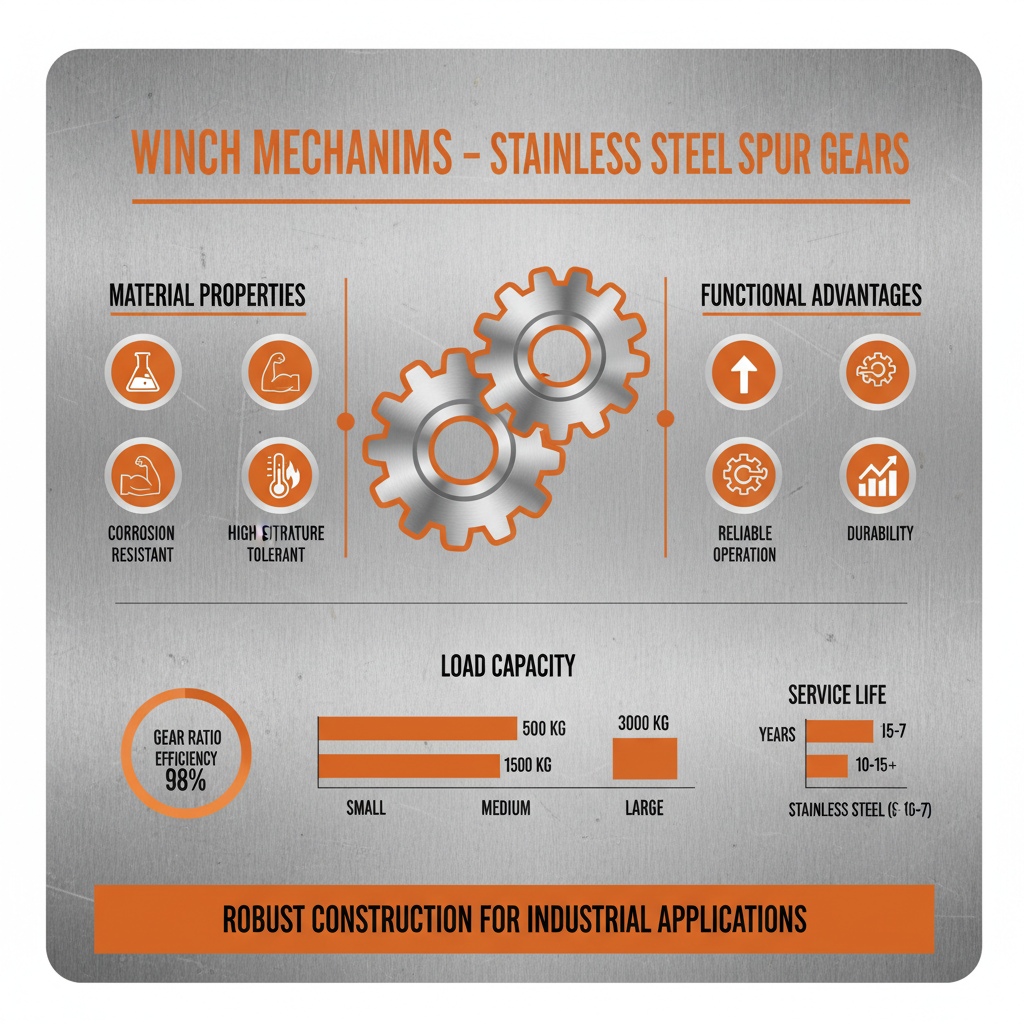
The choice of steel significantly impacts a spur gear's performance and longevity. Common materials include carbon steel, alloy steel, and stainless steel. Carbon steel offers good strength and is relatively inexpensive, making it suitable for less demanding applications. Alloy steel, containing elements like chromium and nickel, provides increased strength, wear resistance, and toughness. Stainless steel excels in corrosive environments, ideal for applications requiring resistance to rust and oxidation. The specific grade of steel is selected based on the anticipated load, speed, operating temperature, and environmental conditions.
Material Comparison:
• Carbon Steel: Cost-effective, good strength for general applications.
• Alloy Steel: Enhanced strength, wear resistance, and toughness.
• Stainless Steel: Superior corrosion resistance for harsh environments.
Steel Spur Gear Design Considerations
Designing effective steel spur gears involves careful consideration of several key parameters. These include the module (tooth size), pressure angle, number of teeth, and face width. The module dictates the size of the teeth, influencing the gear's strength and load-carrying capacity. The pressure angle affects the tooth shape and the amount of axial force generated. A higher number of teeth generally results in smoother operation and reduced noise, while the face width impacts the gear's ability to handle shock loads. Proper design ensures optimal performance, minimizes wear, and maximizes the gear's service life. Accurate calculations and adherence to industry standards are crucial for achieving reliable operation.
Applications of Steel Spur Gears
Steel spur gears find extensive use across numerous industries. They are integral to automotive transmissions, industrial machinery, robotics, and even everyday appliances. In automotive applications, they efficiently transfer power from the engine to the wheels. In manufacturing, they drive conveyor systems, pumps, and compressors. Robotics rely on precise spur gear arrangements for accurate and controlled movements. Their versatility and reliability make them a cornerstone of mechanical power transmission. The robustness of steel spur gears ensures they can handle demanding loads and provide long-term performance.
Maintenance and Longevity of Steel Spur Gears
Regular maintenance is vital for maximizing the lifespan of steel spur gears. Proper lubrication reduces friction, minimizes wear, and dissipates heat. Periodic inspection for wear, cracks, or damage is crucial. Alignment of the gears should be checked regularly to prevent premature failure. Using the correct type of lubricant and adhering to the manufacturer’s recommendations are essential. Addressing any issues promptly can prevent minor problems from escalating into costly repairs.
Conclusion: Reliable Power Transmission with Steel Spur Gears
Steel spur gears remain a workhorse in mechanical engineering due to their simplicity, efficiency, and cost-effectiveness. Understanding their design principles, material options, and maintenance requirements is crucial for ensuring optimal performance and longevity. For high-quality steel spur gears designed to meet your specific needs, explore the comprehensive range available at LBS Winch.
Frequently Asked Questions (FAQs)
What is the typical efficiency of a steel spur gear set?
Steel spur gears typically exhibit an efficiency of 98-99% under ideal conditions. However, this efficiency can decrease with increased load, speed, and lubrication quality. Factors like friction between the teeth, bearing losses, and lubricant viscosity all contribute to efficiency variations. Regular lubrication and proper gear alignment are crucial for maintaining optimal efficiency. The efficiency represents the ratio of output power to input power, indicating how effectively the gear set transmits energy.
What are the common failure modes for steel spur gears?
Common failure modes include wear, pitting, fatigue failure, and tooth breakage. Wear occurs due to friction between the teeth, while pitting involves surface damage caused by rolling contact fatigue. Fatigue failure typically results from repeated stress cycles exceeding the material's endurance limit. Tooth breakage can occur under excessive loads or sudden shock. Proper lubrication, material selection, and design considerations can mitigate these failure modes. Regular inspections can detect early signs of damage, allowing for timely maintenance and preventing catastrophic failures.
How does the pressure angle affect spur gear performance?
The pressure angle significantly influences spur gear performance. A higher pressure angle generally leads to stronger teeth but also increases axial forces. Lower pressure angles reduce axial forces but may compromise tooth strength. A commonly used pressure angle is 20 degrees, providing a good balance between strength and axial load. The choice of pressure angle depends on the specific application requirements and the desired trade-offs between these factors.
-
The Ultimate Guide to Gear Steels for Durability and PerformanceNewsApr.16,2026
-
High Performance Gear Stainless Steel for Industrial DurabilityNewsApr.09,2026
-
Comprehensive Guide to Steel Bevel Gears Applications and SelectionNewsApr.07,2026
-
Comprehensive Guide to Durable Stainless Steel Miter Gears and ApplicationsNewsApr.04,2026
-
Comprehensive Guide to Durable Stainless Steel Spur Gears and Their ApplicationsNewsMar.28,2026