Twin Drum Winch: Durable, Versatile Lifting Solutions for Global Industries
The Twin Drum Winch: A Crucial Tool in Modern Industry and Relief Efforts
At first glance, a twin drum winch might seem like just another piece of heavy machinery. Yet, it's a powerhouse in countless industries worldwide—from marine operations to humanitarian aid. Understanding its design and applications isn’t just an engineer’s curiosity; it’s about appreciating how efficient lifting and pulling systems can make a real difference in saving time, resources, and sometimes lives.
Global Context: Why Twin Drum Winches Matter
Globally, industries rely on effective material handling solutions, with the construction and maritime sectors leading demand. According to the International Maritime Organization (IMO), the shipping industry moves over 80% of the world’s goods by volume, many operations relying on heavy-duty winches to load and secure cargo safely. Meanwhile, in disaster relief, timely deployment of equipment hinges on reliable machines like the twin drum winch.
Especially in post-disaster zones, the ability to swiftly hoist and maneuver heavy loads can radically improve logistics. Oddly enough, despite their importance, many are unaware of the nuances that differentiate a twin drum winch from its simpler cousins.
Mini takeaway: Twin drum winches are critical yet often underappreciated assets that enhance global goods movement and emergency response.
Defining the Twin Drum Winch
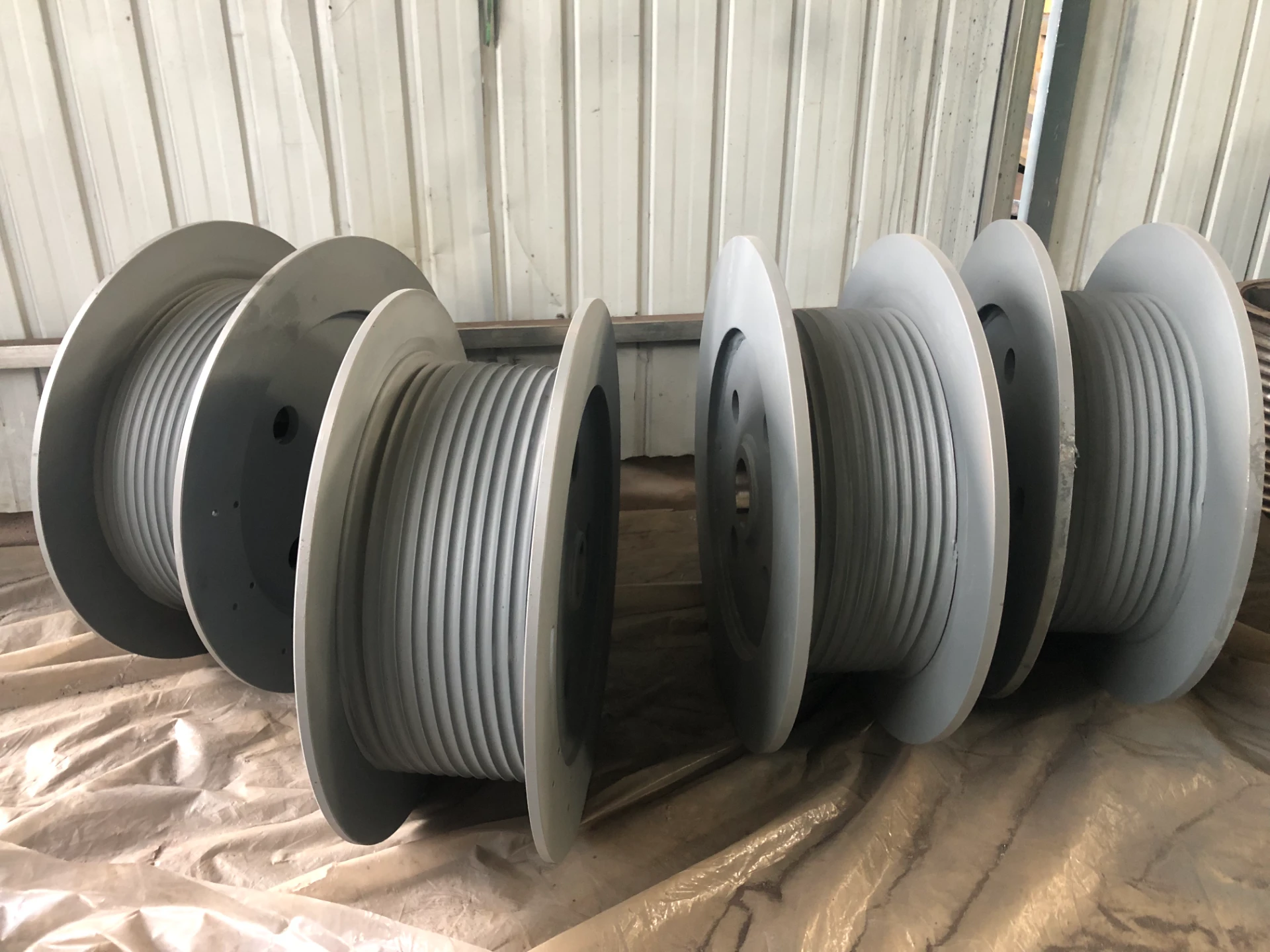
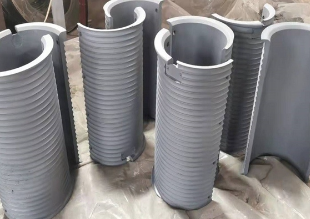
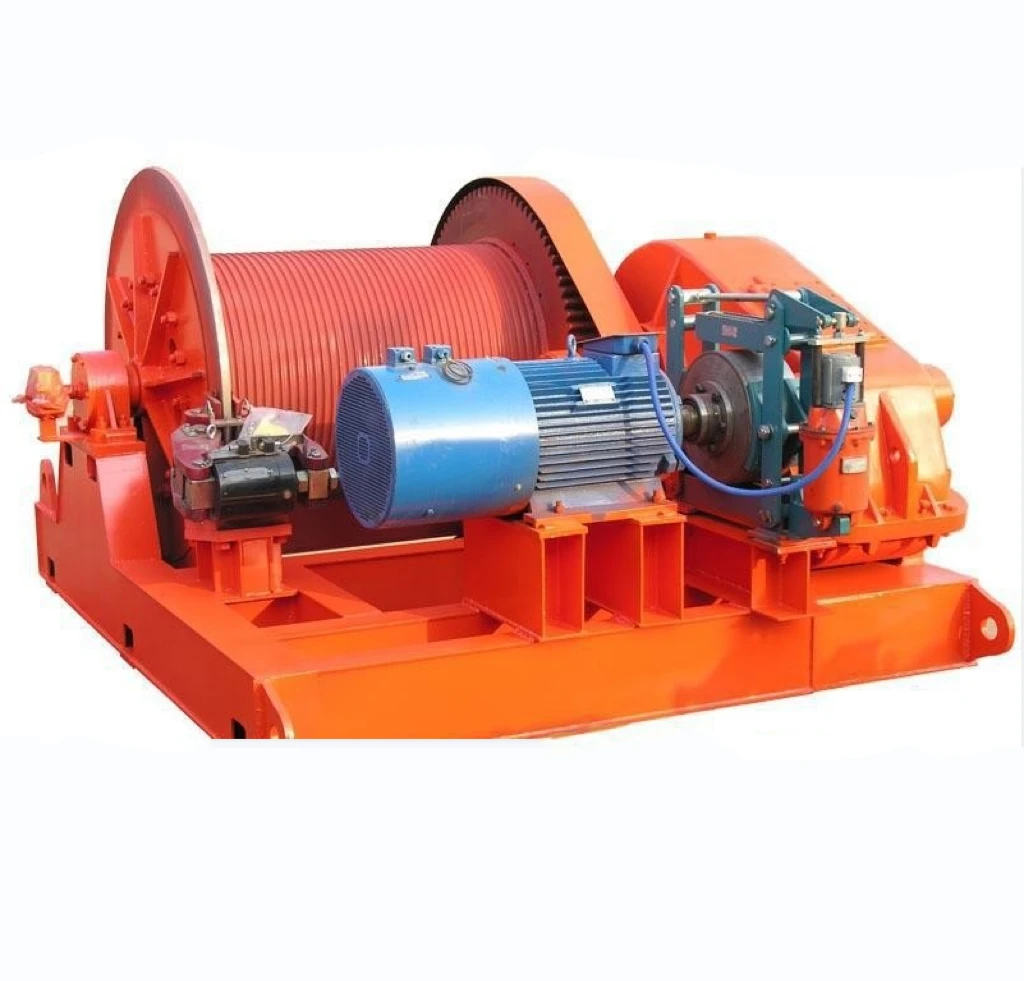
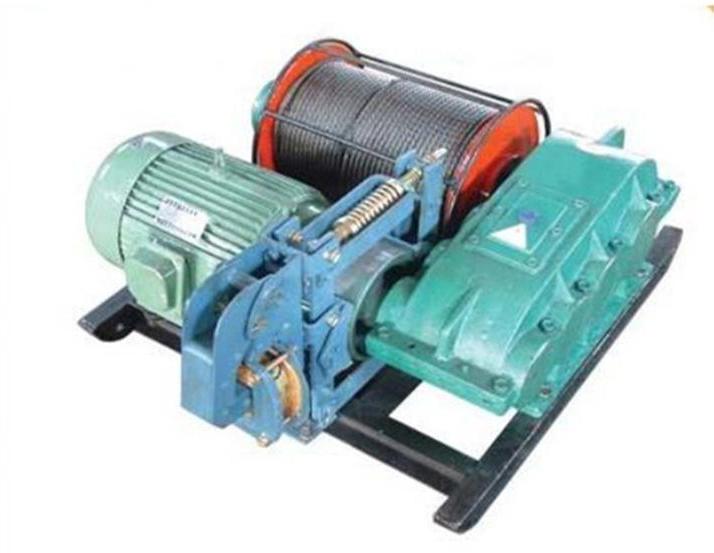
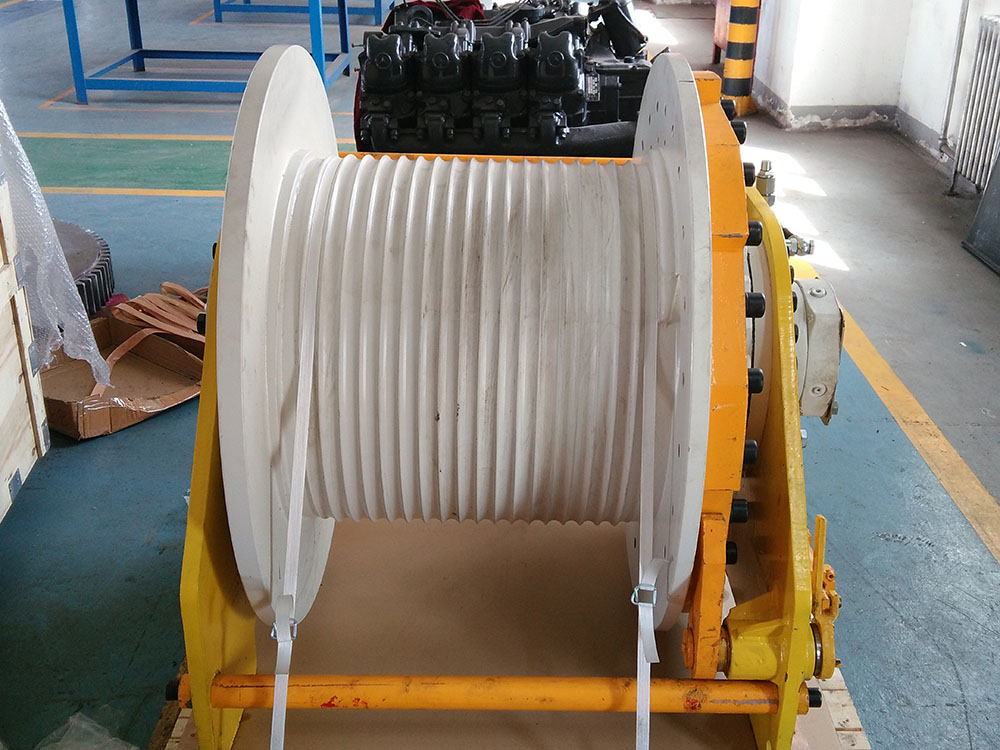
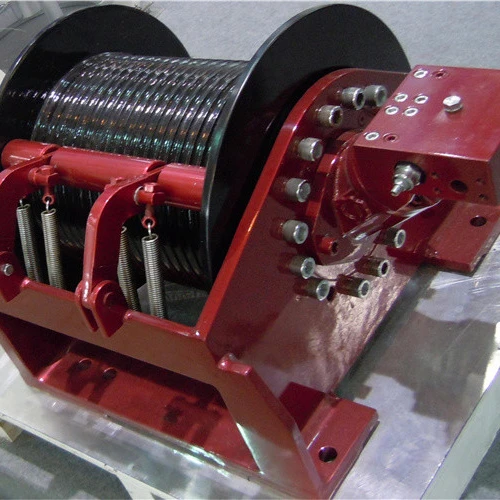
In straightforward terms, a twin drum winch is a mechanical device equipped with two drums mounted side-by-side, each capable of winding cable or rope independently. This dual-drum design offers greater operational versatility—allowing for simultaneous or sequential lifting and pulling tasks.
Industrial sectors prize them for their ability to handle multiple loads or balance forces during heavy lifting. Beyond that, humanitarian organizations rely on these winches for rapid setup of shelters, equipment transport, and even water access in remote communities.
Core Components of Twin Drum Winches
1. Durability
Given their typical harsh working environments—think saltwater decks or dusty mines—a winch must resist corrosion and mechanical wear. Most twin drum winches use high-grade steel, sometimes stainless or galvanized, plus robust seals to guard internal components.
2. Capacity and Scalability
Load capacity varies widely, usually from a few tons to several dozen tons. Twin drums allow for distributing or doubling pulling forces. This scalability suits different operations, whether lifting industrial machinery or tensioning ship rigging lines.
3. Control Systems
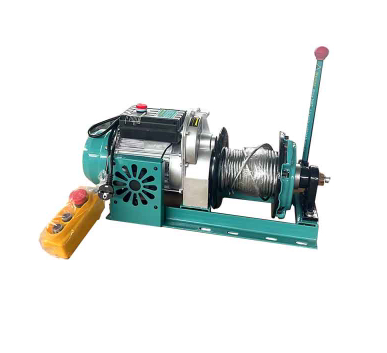
Modern variants often feature electronic controls for precision. These can include remote operation, variable speed settings, and load monitoring—key safety upgrades for operators.
4. Maintenance and Serviceability
Ease of access to gears and drums reduces downtime. Suppliers usually design twin drum winches with modular parts, anticipating field repairs, critical in remote locations.
5. Cost Efficiency
Though pricier upfront than single-drum models, twin drum winches reduce labor and task times, often translating into solid ROI over long term.
Mini takeaway: The twin drum winch’s longevity and versatility depend on balanced design choices from material to technology, always centered on field realities.
Global Applications & Use Cases
- Maritime Industry: Vessels employ twin drum winches for anchor handling, mooring operations, and towing. Ports worldwide, from Singapore to Rotterdam, deploy them for container movement.
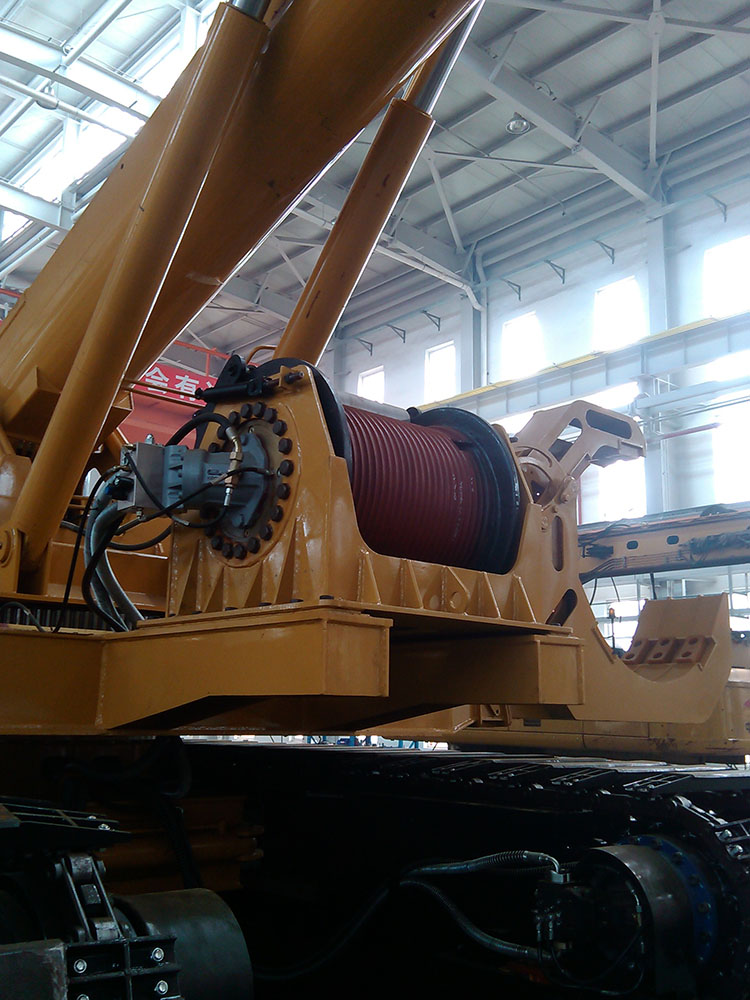
- Construction and Mining: On remote sites in Africa or Australia, these winches haul heavy loads, stabilize scaffolding, or assist in cableway installations.
- Disaster Relief: NGOs frequently use twin drum winches to erect temporary housing and transport supplies in areas where roads are impassable.
- Oil and Gas: Offshore platforms rely on specialized twin drum winches designed for harsh weather and saltwater corrosion.
Real-world example: After the 2010 Haiti earthquake, relief teams equipped with twin drum winches expedited material unloading and shelter setup—critical in the toughest terrain imaginable.
Advantages & Long-Term Value
From a practical standpoint, the twin drum winch offers distinct benefits:
- Operational Efficiency: Handling multiple cables simultaneously shortens project timelines.
- Safety: Independent drum control allows better load balancing, minimizing accidents.
- Sustainability: Durable materials and modular designs reduce waste and replacement frequency.
- Social Impact: Fast mobilization in emergencies preserves dignity and safety of affected populations.
On an emotional note, operators often develop trust in reliable winches—knowing the device won’t fail under pressure. Innovation fosters pride, too, when using cutting-edge equipment helps solve complex challenges.
Future Trends & Innovations
The twin drum winch isn’t static technology. Engineers now experiment with lightweight composites to cut weight without sacrificing strength. Integration with IoT sensors enables real-time monitoring of load stresses, preventing failures.
Digitization merges with green energy trends: solar-powered winches and electric drives are emerging. Automation will also transform operations—imagine remote-controlled winches working in hazardous areas without risking humans.
Challenges & Solutions
Despite advances, challenges persist. Twin drum winches can be heavy and require skilled operators. Maintenance costs in remote areas remain high, and extreme environments test material limits.
Innovatively, some manufacturers are developing modular, plug-and-play winch kits that local technicians can easily service with minimal tools. Others focus on training programs to upskill operators, which frankly is just as important as better hardware.
Product Specification Table
| Specification | Typical Value |
|---|---|
| Load Capacity | 5–30 tons |
| Drum Diameter | 400–800 mm |
| Motor Type | Electric / Hydraulic |
| Control | Remote & manual options |
| Material | Galvanized steel / stainless steel |
Vendor Comparison: Twin Drum Winch Providers
| Feature | Vendor A | Vendor B | Vendor C |
|---|---|---|---|
| Load Range | 5–25 tons | 8–30 tons | 3–20 tons |
| Automation | Partial | Full remote | Manual |
| Warranty | 2 years | 3 years | 1 year |
| Price Range | $$$ | $$$$ | $$ |
FAQ: Exploring Common Questions About Twin Drum Winches
- Q: What advantages does a twin drum winch have over a single drum model?
- A: Twin drum winches provide simultaneous multi-line operations, better load distribution, and enhanced control flexibility—making them ideal for complex lifting tasks where precision and efficiency are key.
- Q: Are twin drum winches suitable for remote field operations?
- A: Absolutely. Their durable design and modular serviceability make them excellent for remote sites. Field teams appreciate the ability to repair components on-site and adapt controls according to circumstances.
- Q: How important is load monitoring technology in modern twin drum winches?
- Load monitoring enhances safety by preventing overloads, which could lead to catastrophic equipment failure. Smart sensors integrated into winches provide operators with real-time feedback, improving operational decision-making.
- Q: Can twin drum winches help in emergency disaster response?
- Yes, many relief organizations rely on them for their versatility and speed in deploying heavy materials and equipment safely, especially in terrains where conventional cranes or vehicles can’t reach.
Conclusion: Why Investing in a Twin Drum Winch Makes Sense
In the end, a twin drum winch isn’t just an industrial tool; it’s a versatile asset with broad real-world impacts. Its ability to adapt across sectors—maritime, construction, relief efforts—demonstrates innovation meeting necessity. If you’re considering equipment for heavy lifting or complex material handling, understanding these nuances can guide you toward the best choice.
For detailed product options and expert advice, be sure to visit twin drum winch specialists who combine durability, technology, and field-tested reliability in their offerings.
Mini takeaway: Choose wisely, invest smartly, and your twin drum winch will be a long-term partner in operational success and safety.
References:
-
The Ultimate Guide to Gear Steels for Durability and PerformanceNewsApr.16,2026
-
High Performance Gear Stainless Steel for Industrial DurabilityNewsApr.09,2026
-
Comprehensive Guide to Steel Bevel Gears Applications and SelectionNewsApr.07,2026
-
Comprehensive Guide to Durable Stainless Steel Miter Gears and ApplicationsNewsApr.04,2026
-
Comprehensive Guide to Steel Spur Gears Functionality and ApplicationsNewsMar.31,2026
-
Comprehensive Guide to Durable Stainless Steel Spur Gears and Their ApplicationsNewsMar.28,2026