Comprehensive Guide to Two Drum Winch – Uses, Benefits & Innovations
Understanding the Two Drum Winch: Essential Insights for Industry and Beyond
When it comes to heavy-duty lifting and pulling applications, the two drum winch stands out as a versatile and reliable solution. These devices are crucial across sectors—from construction and maritime operations to humanitarian logistics. Understanding their design, benefits, and evolving technology is more than just niche knowledge; it's a key to expanding operational efficiency worldwide.
Global Context: Why Two Drum Winches Matter
Worldwide, the heavy lifting and material handling market continues to grow — projected to reach USD 12 billion by 2027, fueled by infrastructure demands and industrial expansion (source: Global Market Insights). The two drum winch plays a strategic role by doubling the winching capability through dual drums—essentially allowing simultaneous load management and improved safety.
Take marine or offshore industries, for example: the International Maritime Organisation (IMO) tracks thousands of vessels where two drum winches help maneuver anchor chains and tow lines efficiently. Meanwhile, in humanitarian circles, rapid deployment of equipment using dual winches can make or break emergency responses after natural disasters.
Oddly enough, while the technology is straightforward, its impact ripples from shipyards in South Korea to remote industrial zones in Africa.
Defining a Two Drum Winch
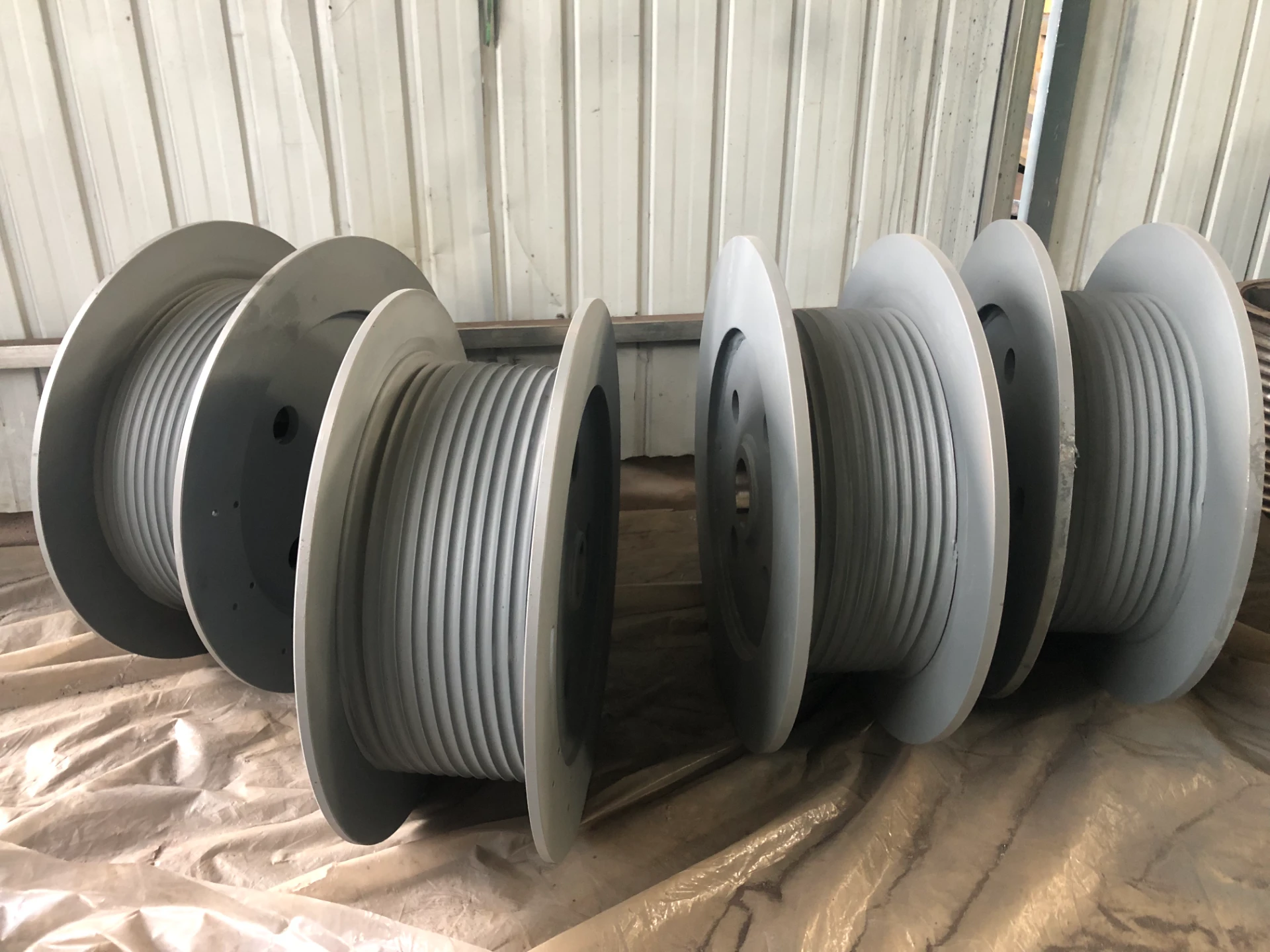
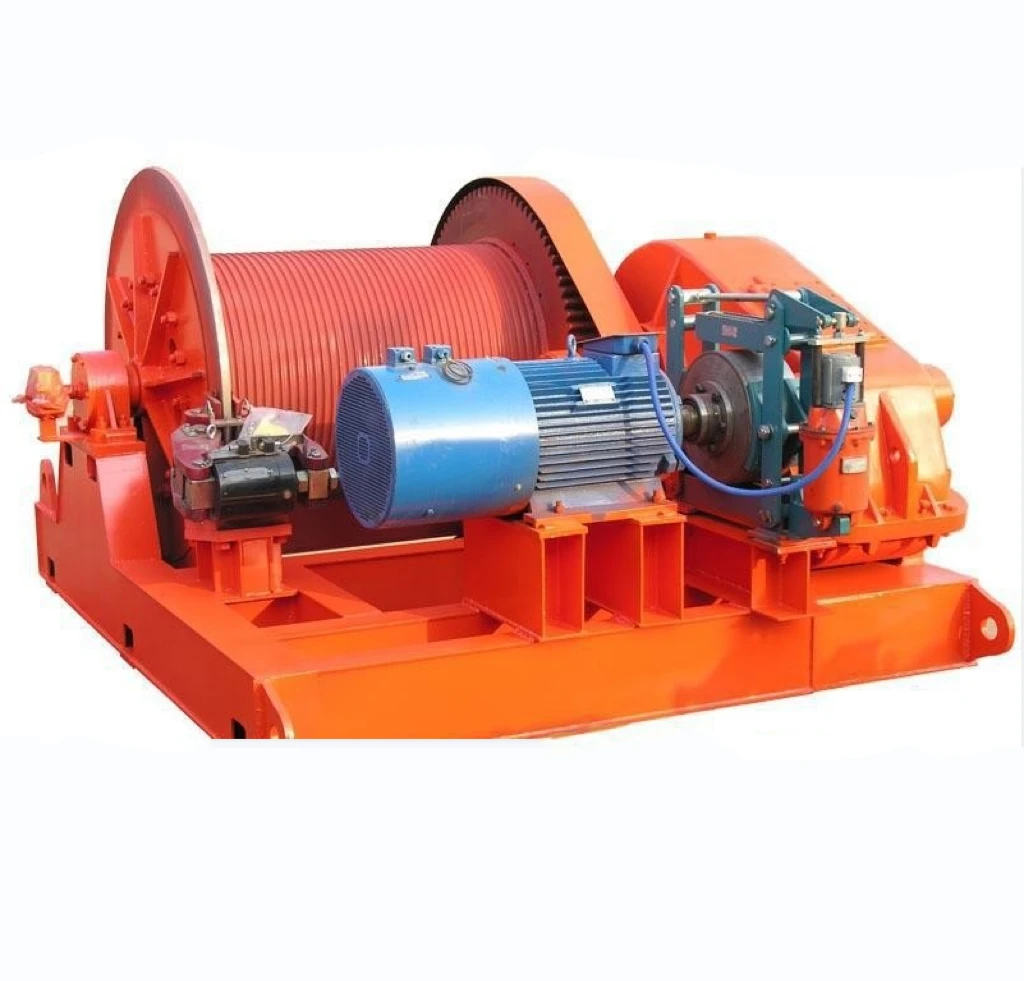
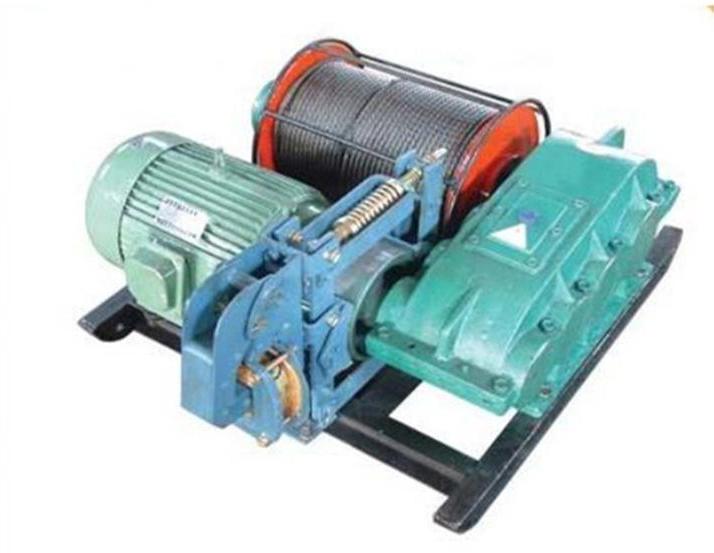
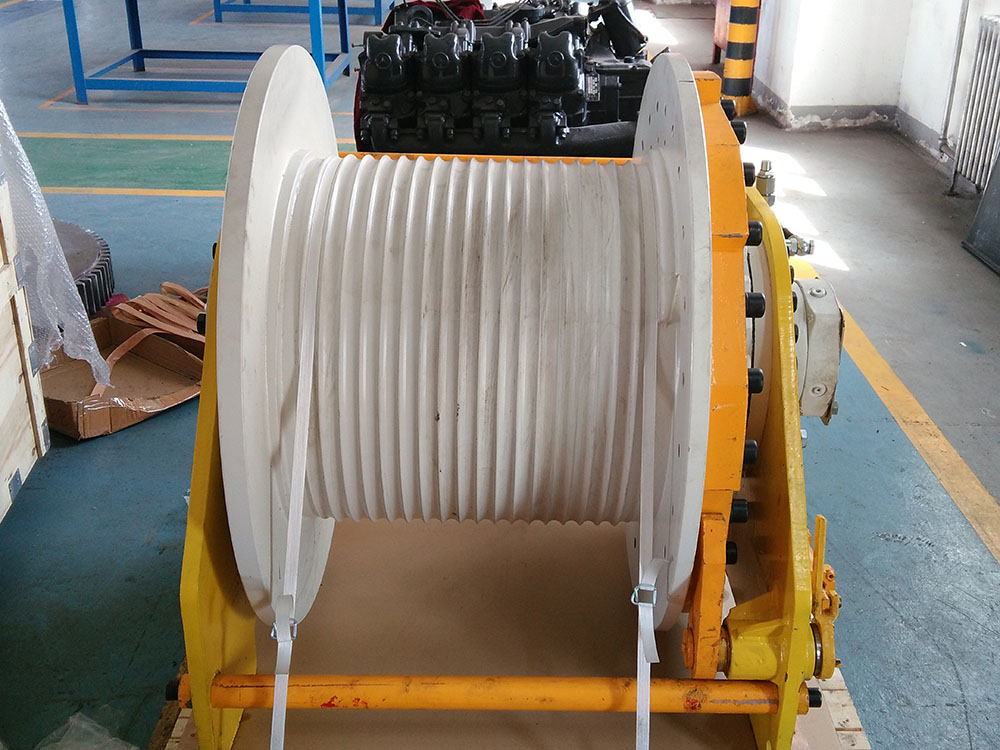
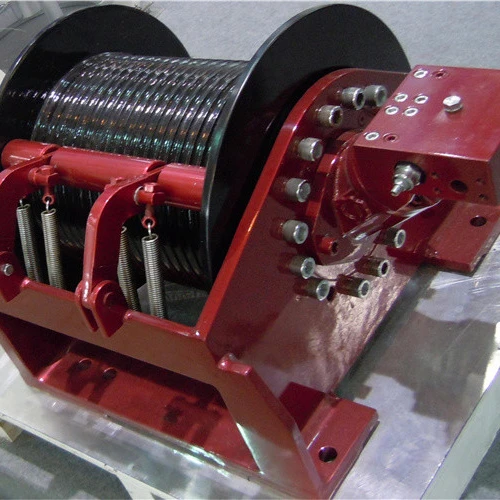
Simply put, a two drum winch is a mechanical device featuring two separate drums wound with wire ropes or cables, operated by a common motor or two motors. This configuration allows the operator to pull or lift two different loads independently or together, adding flexibility and speed. It’s a staple in environments where multiple hoisting tasks run parallel or when alternating loads increases operational tempo.
In industrial terms, it’s an elegant solution blending heavy-duty mechanics with practical control. On a humanitarian angle, deploying two drum winches can ensure quick offloading and movement of relief materials, enhancing safety and saving precious time.
Key Components & Factors Influencing Performance
Durability
These winches must withstand harsh environments—from salty sea air to dusty construction sites. Components are typically made of high-strength steel, with corrosion-resistant coatings. You look for features like IP-rated motors or sealed gears, especially if marine deployment is involved.
Load Capacity
The two drums may have equal or differing load capacities depending on design. For heavy industrial uses, capacities range upward of 20 tons per drum. Many designs allow adjustable braking systems for safety and precision.
Control Systems
Modern two drum winches often feature advanced electronic controls allowing independent drum operation or synchronized pulling. Remote control or automated systems enhance safety by letting operators work at safe distances.
Scalability & Customization
Suppliers typically customize winches based on customer needs; some offer variable drum sizes, wire rope lengths, and speeds. This flexibility matters when integrating the winch into complex machinery or bespoke industrial setups.
Cost Efficiency
While upfront investment can be significant, efficiency gains in load handling and reduced labor translate to long-term savings. Furthermore, well-maintained winches last decades, if not longer, with regular servicing.
Product Specification Table: Typical Two Drum Winch Model
| Specification | Details |
|---|---|
| Maximum Load Capacity | 20 tons per drum |
| Drum Diameter | 600 mm |
| Rope Length | 100 meters |
| Motor Power | 15 kW |
| Control Type | Electric remote + manual override |
| Weight | 1200 kg |
Mini takeaway: Durability, capacity, and control flexibility define the true strength of two drum winches, making them integral for efficient load management globally.
Global Use Cases & Industries Benefiting From Two Drum Winches
- Marine & Offshore: Anchor handling and towing operations rely heavily on two drum winches for safety and speed.
- Construction Sites: Dual lifting capacity helps in multitasking heavy materials on large sites simultaneously.
- Mining Industry: Winches are used for shaft excavation and hauling ore, particularly in remote or rugged regions.
- Disaster Relief Operations: NGOs deploy two drum winches to unload supplies quickly after floods or earthquakes, reducing setup time dramatically.
Vendor Comparison: Popular Two Drum Winch Providers
| Vendor | Load Capacity Range | Custom Options | Control Systems | Typical Price Range |
|---|---|---|---|---|
| A-Tech Winches | 5 - 25 tons | Full customization | Wireless remote + PLC | $20,000 - $50,000 |
| MarinePro Solutions | 10 - 30 tons | Standard sizes with add-ons | Manual + remote options | $18,000 - $45,000 |
| SafeLift Equipment | 15 - 40 tons | Bespoke engineering | Digital interface + automation | $25,000 - $60,000 |
Advantages and Long-Term Value Provided by Two Drum Winches
It’s tempting to focus on the raw numbers—capacity, speed—but the real value of a two drum winch comes from how it boosts efficiency and safety simultaneously. For organizations handling complex operations, reducing downtime and mechanical failures means a lot.
On a sustainability note, durable winches reduce waste and resource consumption. They often allow for more controlled movements, which leads to less accidental damage—an emotional relief to operators wary of endangering their team.
Emerging Trends & Innovations in Two Drum Winching Technology
Technology moves fast. We see increasing integration of digital sensors for real-time load monitoring, enhancing both safety and precision. Automation and AI-assisted winching systems are just around the corner, promising easier operations with less human error.
Eco-conscious manufacturers focus on energy-efficient motors, some powered by green energy sources. As the world pushes for sustainability, these incremental innovations matter, especially in offshore and environmentally sensitive zones.
Common Challenges & Expert Solutions
Of course, nothing is perfect. Issues like rope wear, maintenance demands, and occasional control complexity pose challenges. However, proper training, predictive maintenance using IoT sensors, and modular winch designs help minimize downtime.
Experts advise: selecting a vendor who offers training plus remote diagnostics can make a solid difference in operational readiness.
FAQ About Two Drum Winches
-
Q: What is the typical maintenance schedule for a two drum winch?
A: Maintenance depends on usage and environment but typically involves monthly inspections of rope condition, brakes, and motors, with a comprehensive service annually. Harsh conditions demand more frequent check-ups to ensure safety and longevity. -
Q: Can the two drums on the winch operate independently?
A: Yes, many designs allow independent operation, meaning you can have different loads on each drum. This flexibility increases efficiency in multitasking work environments. -
Q: What are key safety features to look for in a two drum winch?
A: Look for automatic braking systems, overload protection, wired or wireless emergency stops, and clear operator controls. These reduce risk of accidents significantly. -
Q: How do I choose the right two drum winch supplier?
A: Assess vendor reliability, customization options, after-sales service, and their expertise in your industry. User reviews and case studies are often a good indicator.
Conclusion: Why Two Drum Winches Deserve a Closer Look
If you’re working in an industry requiring heavy lifting or material handling, the two drum winch isn’t just an accessory—it’s a backbone component that can elevate your operation’s safety and flexibility. The long-term cost savings, adaptability, and ongoing technological improvements give it staying power for decades to come.
Oddly enough, while its impact might seem obvious to engineers or operators, understanding the nuances can empower planners, managers, and buyers alike. For deeper insights and industry-leading solutions, explore live demos and detailed specs at two drum winch.
In real terms, investing in reliable winching technology means investing in smoother workflows and safer workplaces.
-
The Ultimate Guide to Gear Steels for Durability and PerformanceNewsApr.16,2026
-
High Performance Gear Stainless Steel for Industrial DurabilityNewsApr.09,2026
-
Comprehensive Guide to Steel Bevel Gears Applications and SelectionNewsApr.07,2026
-
Comprehensive Guide to Durable Stainless Steel Miter Gears and ApplicationsNewsApr.04,2026
-
Comprehensive Guide to Steel Spur Gears Functionality and ApplicationsNewsMar.31,2026
-
Comprehensive Guide to Durable Stainless Steel Spur Gears and Their ApplicationsNewsMar.28,2026