Comprehensive Guide to Tension Drum Winch: Applications, Advantages & Innovations
Understanding the Tension Drum Winch: A Global Industrial Backbone
If you’ve ever been on a construction site, a shipping dock, or even watched rescue operations in tough terrains, there’s a high chance you encountered the tension drum winch in action — even if it went unnoticed. This mechanical marvel quietly delivers tension and traction across a variety of industries worldwide. But why does it matter globally? The simple answer: it’s a trusted, durable tool that keeps heavy loads stable and controlled, making large-scale operations safer and more efficient.
In today’s world where infrastructure is stretching across challenging environments — from deep-sea oil rigs to disaster relief zones — understanding the role of tension drum winches and their applications is increasingly important. They help solve logistical hurdles where human power simply won’t suffice. And frankly, knowing how these devices work and their benefits can save money, lives, and time.
Mini takeaway: The tension drum winch is an essential, though often overlooked, element of industrial and humanitarian operations worldwide, providing reliable load tensioning wherever strength and control are non-negotiable.
Global Context: Why the Tension Drum Winch Is More Relevant Than Ever
According to the International Labour Organization, industries such as construction, shipping, and energy sectors employ millions globally and require equipment that ensures not only efficiency but also safety. The tension drum winch contributes majorly here. With global infrastructure investments reaching trillions of dollars annually (World Bank, 2023), robust and reliable mechanical solutions like these are crucial in managing heavy loads and driving projects to completion.
Consider the rise of renewable energy installations — wind turbines and solar farms often involve heavy cable management under tough environmental conditions. Tension drum winches are front runners in these operations, offering reliable tension control to ensure cables don’t snap under stress. Additionally, post-disaster humanitarian efforts highlight their use for moving supplies or erecting temporary structures quickly.
Mini takeaway: The global push toward infrastructure growth and disaster resilience strengthens the tension drum winch’s role across industries and geographies.
What Is a Tension Drum Winch?
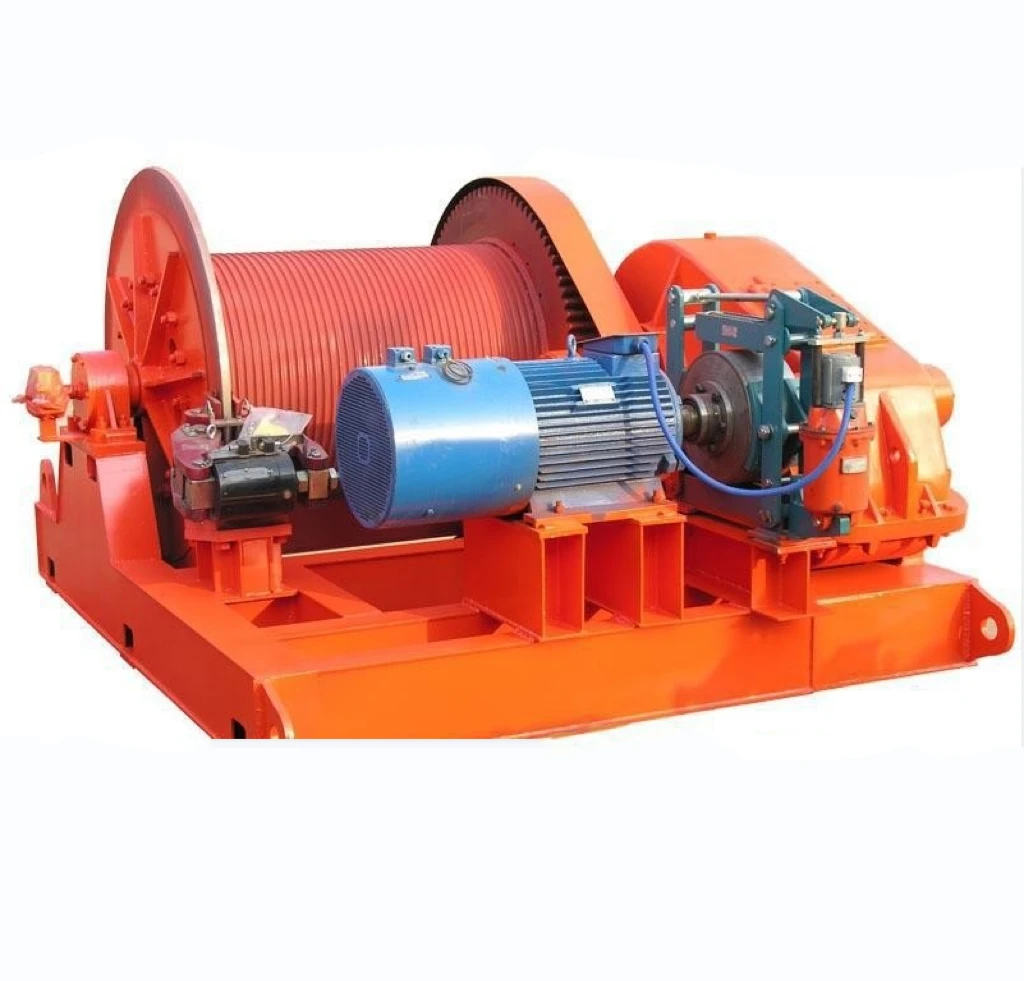
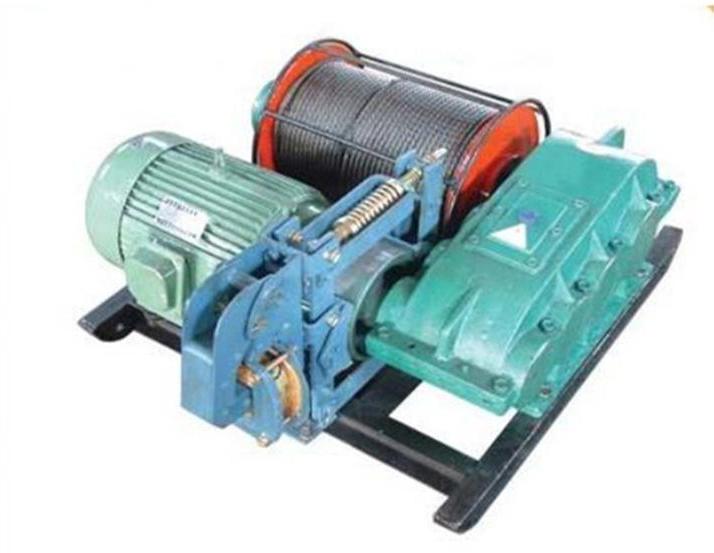
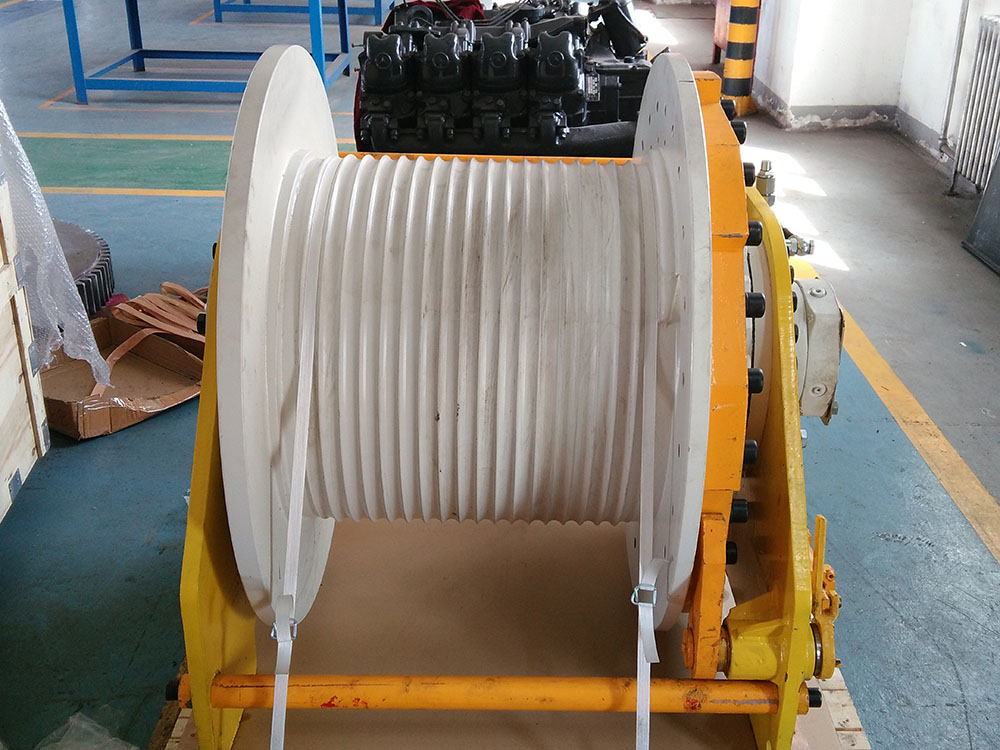
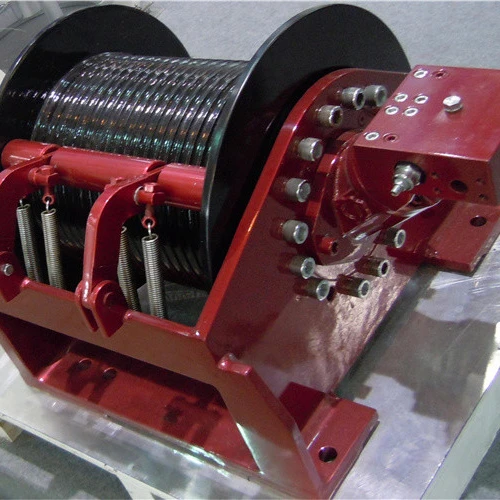
At its core, a tension drum winch is a mechanical device designed to apply a controlled amount of tension on a cable, rope, or wire by winding it onto a rotating drum. This tension is essential for stabilizing loads, towing, or lifting in scenarios where load security is critical.
Unlike simple winches that only pull, tension drum winches maintain steady tension, preventing slack or sudden jerks that could cause dangerous situations. This makes them invaluable not just in industrial machinery, but also in construction scaffolding, marine applications, and cable laying operations worldwide.
Tension drum winchs connect mechanical engineering with safety and operational reliability — two aspects that industries don’t compromise on.
Mini takeaway: The tension drum winch is more than a pulley; it’s a tension-regulating mechanism delivering consistent control essential for diverse heavy-duty applications.
Core Components & Key Factors of Tension Drum Winches
Durability
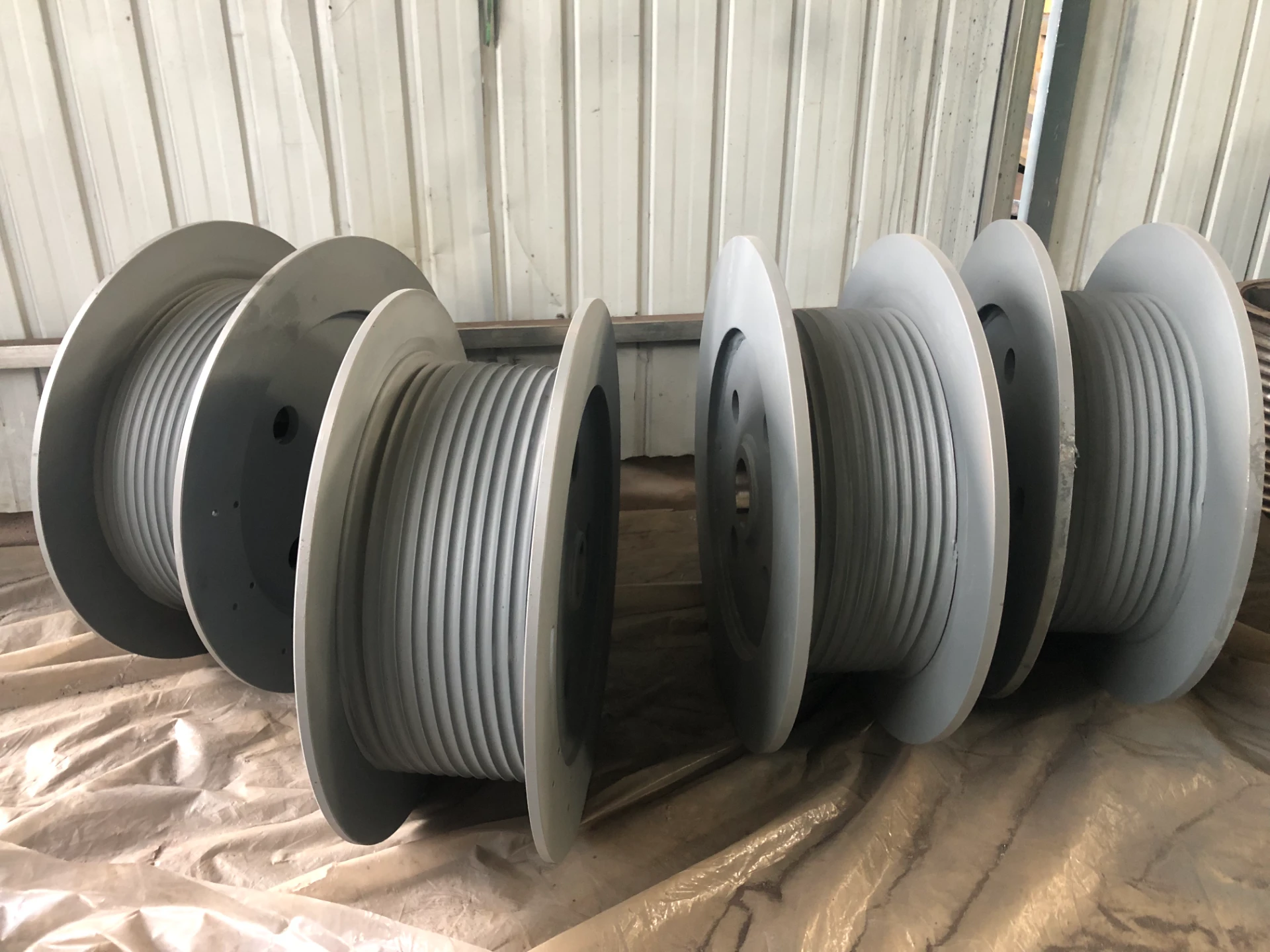
Given their usage in harsh environments, tension drum winches are built with rugged steel frames and weather-resistant finishes. Corrosion resistance is often critical, especially for marine or outdoor uses. Custom coatings and high-grade materials ensure long service life.
Scalability
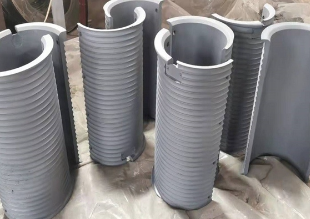
You’ll find these winches in everything from portable, lightweight units for field crews to large industrial models handling tons of cable. The ability to customize drum sizes, rope diameters, and motor power lets manufacturers tailor solutions to client needs seamlessly.
Cost Efficiency
At first glance, the upfront costs can seem high, especially for high-capacity units. But their lifespan and maintenance simplicity offer practical cost savings over time. Plus, reducing downtime and labor costs by ensuring smooth operation delivers better value.
Safety Features
Modern tension drum winches integrate braking systems, overload sensors, and automatic tension regulators, all aimed at preventing accidents and failures. In fact, ISO standards such as ISO 3691 focus on safety requirements for winch operations.
Power Sources & Portability
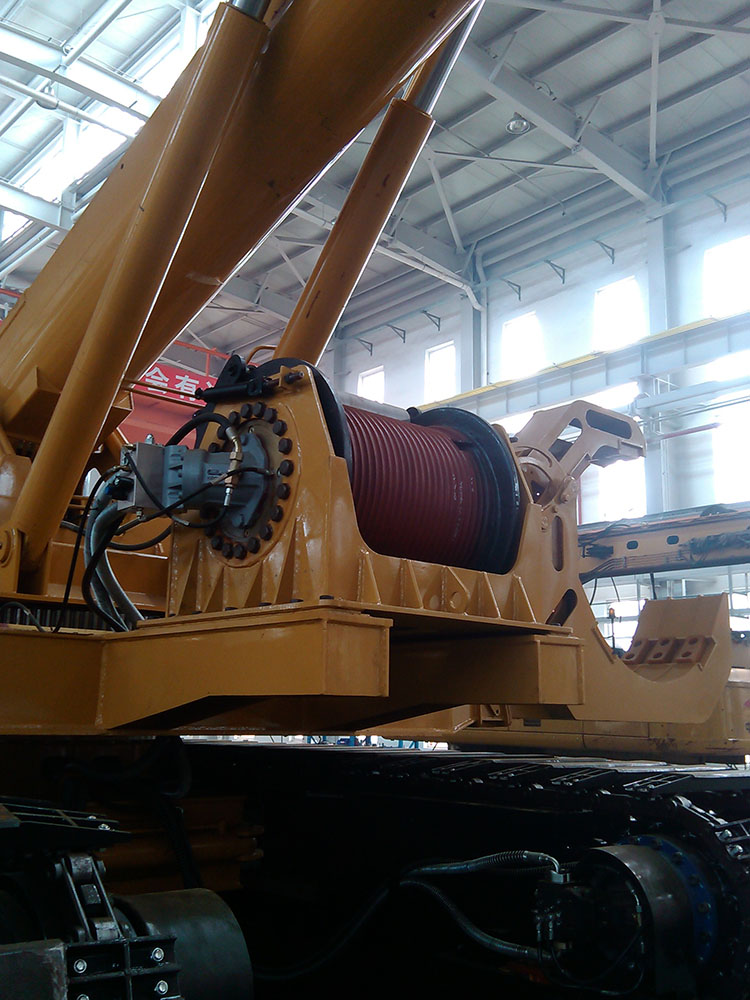
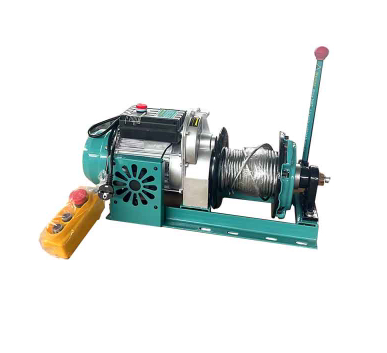
From electric motors to hydraulic systems and even manual setups for remote or off-grid locations, power options vary widely. Portability, especially in emergency or offsite scenarios, can be a deciding factor for purchase.
Mini takeaway: Durability, scalability, cost-effectiveness, safety, and adaptable power are the pillars that define a practical tension drum winch.
Product Specifications at a Glance
| Feature | Specification | Typical Use Case |
|---|---|---|
| Maximum Load Capacity | Up to 50,000 lbs (22,680 kg) | Heavy industrial towing |
| Drum Diameter | 12 - 36 inches (304 - 914 mm) | Cable management on ships |
| Motor Type | Electric, Hydraulic, Manual | Remote site operations |
| Safety Systems | Braking, Load Sensors, Emergency Stops | Construction and rescue work |
| Weight | 150 - 3,000 lbs (68 - 1360 kg) | Portable to fixed installations |
Global Applications & Real-World Use Cases
- Maritime Industry: Cable management winches on cargo and fishing vessels rely heavily on tension drum winches, especially under rough seas.
- Disaster Relief: Humanitarian organizations use these winches to deploy tents, bridges, and move supplies quickly after earthquakes or floods.
- Mining and Construction: For pulling heavy machinery or stabilizing scaffolds, these winches are indispensable on sites worldwide.
- Energy Sectors: In wind farms or offshore oil rigs, tension drum winches maintain cable tension for safety monitoring and system integrity.
Oddly enough, you’d be surprised how many remote villages gain access to basic infrastructure thanks to portable winch units enabling cable transport across valleys and rivers.
Mini takeaway: From coastal harbors to rugged mountains, tension drum winches prove versatile and mission-critical in many environments.
Advantages & Long-Term Value
The clear benefits include improved operational safety, increased job site efficiency, and cost savings from reduced equipment failure. These winches also support sustainability goals by minimizing the need for backup machinery and enabling safer manual interventions.
From an emotional standpoint, workers gain confidence from dependable equipment; project managers appreciate decreased downtime; and communities benefit from faster project delivery — advancing infrastructure and quality of life.
Future Trends & Innovations
- Green Energy Integration: Electrification of winches using renewable power sources for reduced environmental impact.
- Smart Winches: Incorporation of IoT sensors for real-time monitoring of tension, wear, and predictive maintenance.
- Advanced Materials: Use of composites and lighter alloys to improve portability without sacrificing strength.
With automation and robotics creeping into field operations, winches will likely become part of integrated, remotely operated systems — making their role even more vital and sophisticated.
Common Challenges & Expert Solutions
A few frequent challenges include maintaining consistent tension in variable weather, managing wear on cables, and ensuring ease of transport in remote areas. Experts suggest modular designs, routine sensor-driven maintenance, and ergonomic handles for manual units as practical fixes.
Not all tension drum winches are created equal — attention to quality manufacturing and compliance with international standards (such as ISO 9001) can dramatically reduce downtime and improve safety.
Frequently Asked Questions About Tension Drum Winch
- What distinguishes a tension drum winch from a standard winch?
- A tension drum winch not only pulls but also maintains a specified tension level on cables or ropes, preventing slack and sudden load shifts, which enhances safety and control compared to standard winches.
- How often should tension drum winches be inspected for safety?
- Industry guidelines recommend inspections at least every 6 months or more frequently in heavy-use scenarios, with attention to cable condition, brake systems, and motor function to ensure optimal safety.
- Can tension drum winches be used in extreme weather conditions?
- Yes, many models are designed with corrosion-resistant materials and weatherproof seals, but it's crucial to select a type rated for the specific environment — marine or desert — to ensure durability.
- Are there eco-friendly options available for tension drum winches?
- Absolutely — some manufacturers provide electric models compatible with solar or wind power sources, reducing carbon footprints and operating costs over traditional hydraulic or diesel-powered units.
- How do I choose a tension drum winch for a construction project?
- Evaluate the maximum load, cable length, power source, and site conditions. Consulting with experts or vendors online and reviewing technical specs helps ensure the right fit for project safety and efficiency.
Comparing Leading Tension Drum Winch Vendors
| Vendor | Load Capacity | Power Options | Unique Selling Point | Price Range (USD) |
|---|---|---|---|---|
| LBS Winch | Up to 50,000 lbs | Electric, Hydraulic, Manual | Customizable, premium corrosion protection | $5,000–$25,000 |
| Global Winch Co. | Up to 40,000 lbs | Electric only | Integrated digital tension controls | $4,500–$22,000 |
| Atlas Tension Systems | Up to 55,000 lbs | Hydraulic and Manual | Heavy-duty for offshore environments | $6,000–$30,000 |
Conclusion: Why the Tension Drum Winch Remains Indispensable
In real terms, tension drum winches quietly underpin some of the most critical operations worldwide. Whether moving mountains (figuratively and sometimes literally) or easing disaster response efforts, their mix of durability, safety, and adaptability makes them hard to replace. For companies or agencies needing reliable tension control, investing in a quality unit is not just a purchase — it’s a strategic step toward operational excellence.
Curious to explore the best tension drum winch options tailored to your needs? Dive into more details, get expert guidance, and find the right fit at LBS Winch.
Remember, the right winch is about trust, not just torque.
Quick reflection: It’s remarkable how a piece of equipment often taken for granted silently safeguards safety and efficiency daily. The tension drum winch deserves more spotlight in industrial discussions.
-
The Ultimate Guide to Gear Steels for Durability and PerformanceNewsApr.16,2026
-
High Performance Gear Stainless Steel for Industrial DurabilityNewsApr.09,2026
-
Comprehensive Guide to Steel Bevel Gears Applications and SelectionNewsApr.07,2026
-
Comprehensive Guide to Durable Stainless Steel Miter Gears and ApplicationsNewsApr.04,2026
-
Comprehensive Guide to Steel Spur Gears Functionality and ApplicationsNewsMar.31,2026
-
Comprehensive Guide to Durable Stainless Steel Spur Gears and Their ApplicationsNewsMar.28,2026