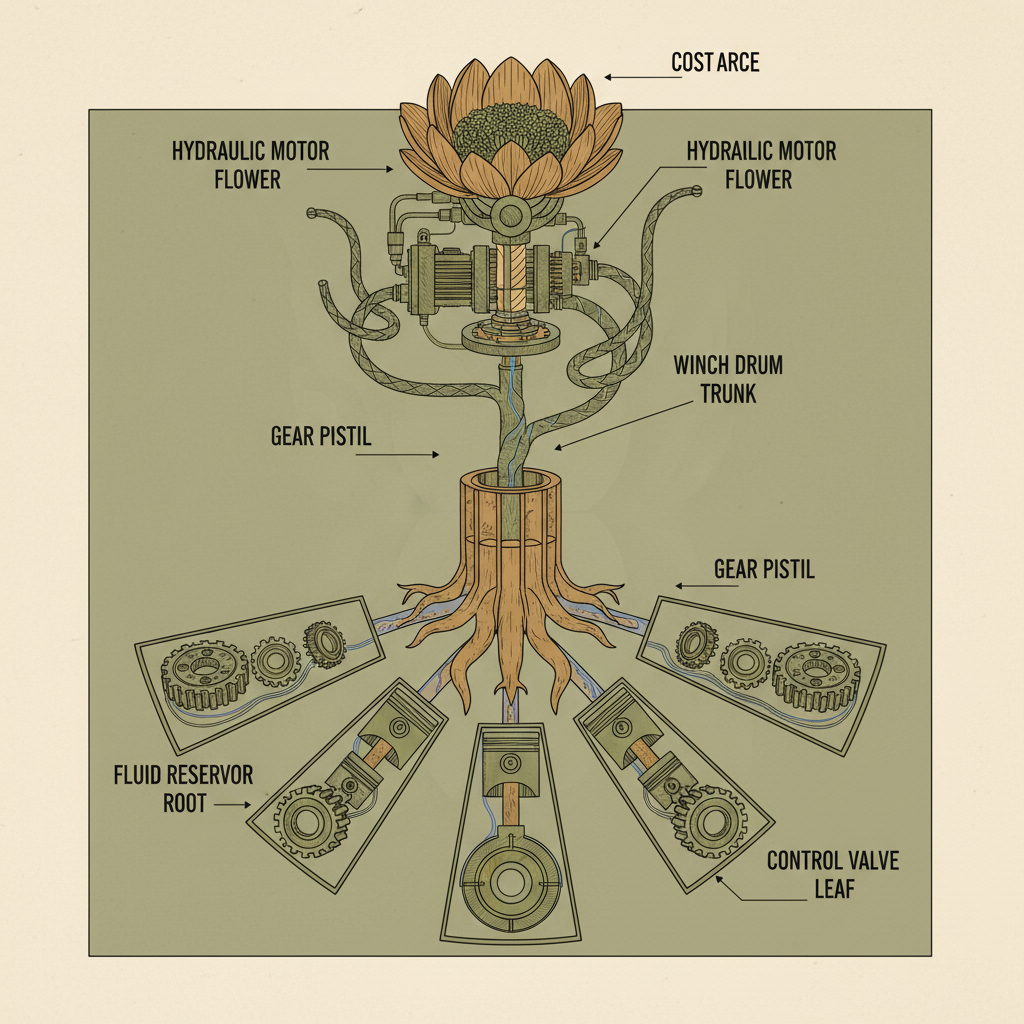
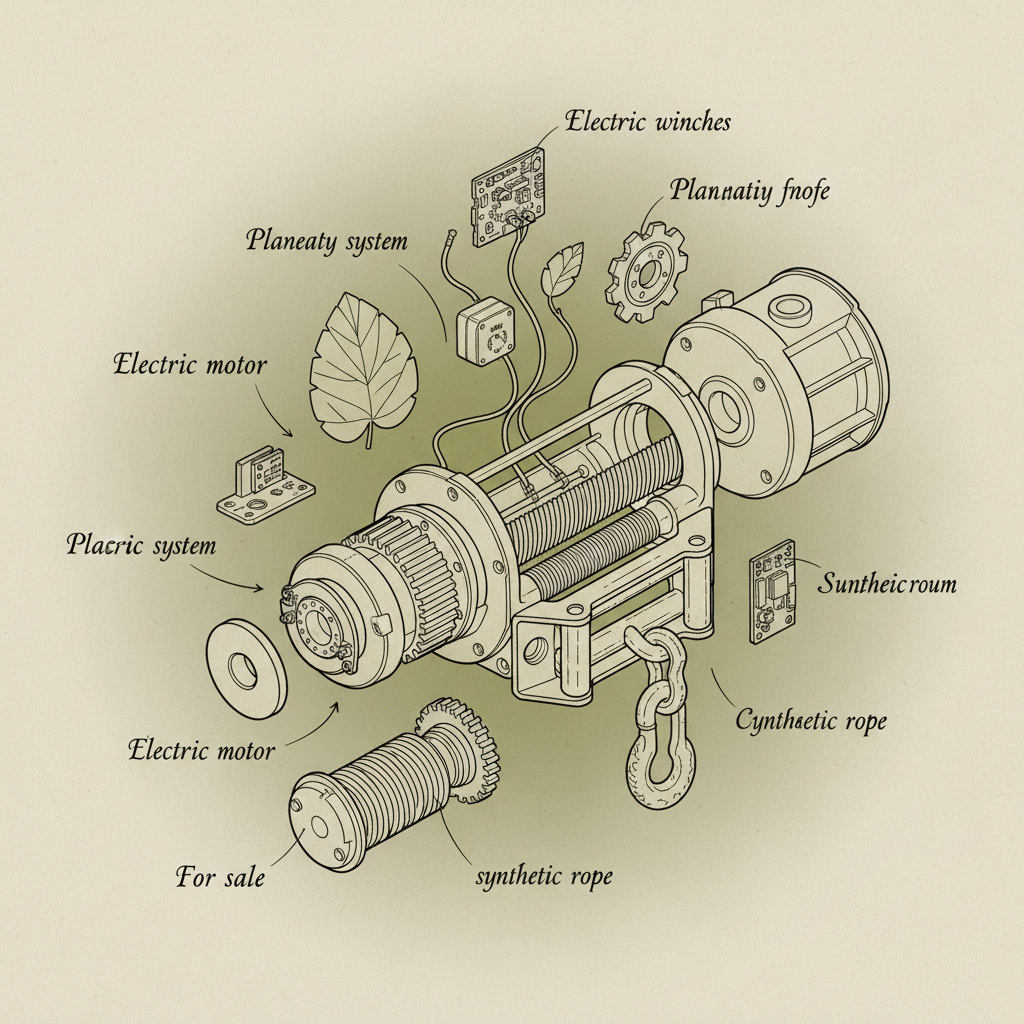
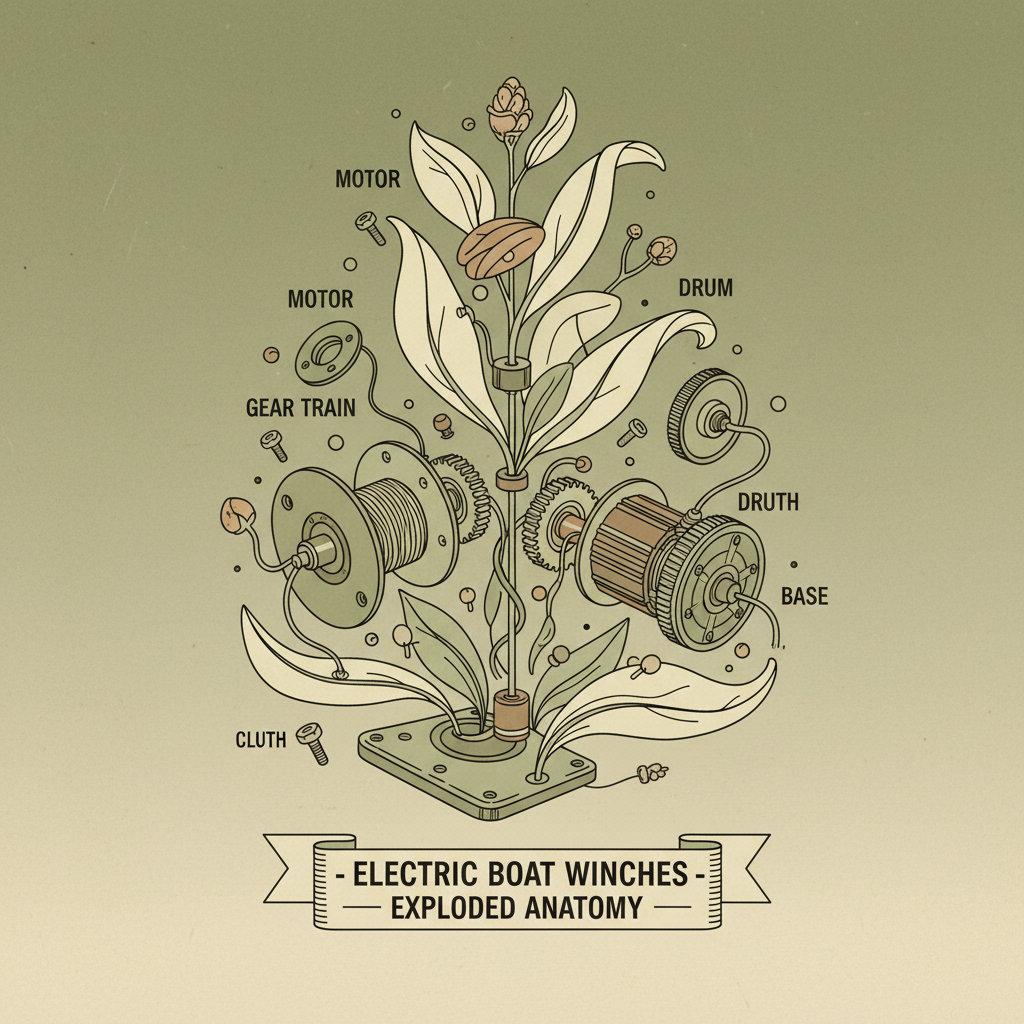
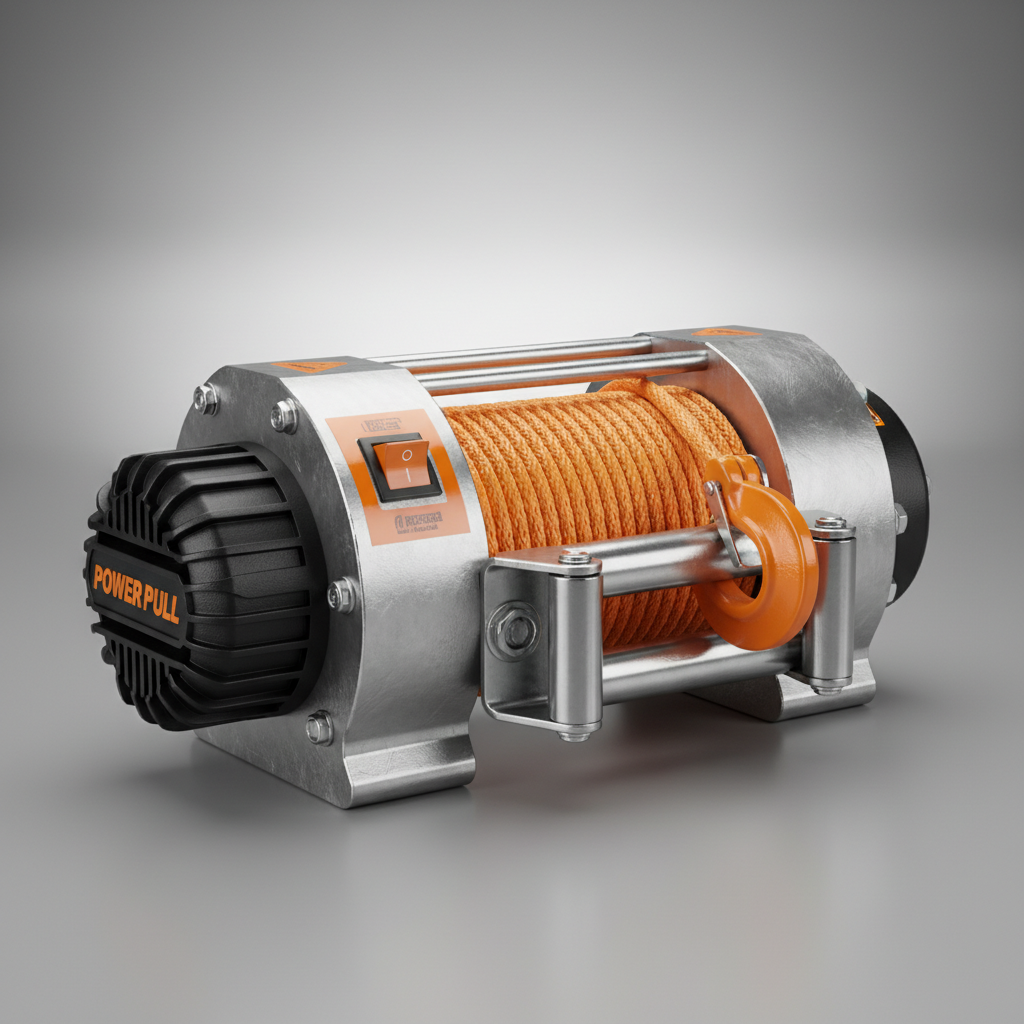
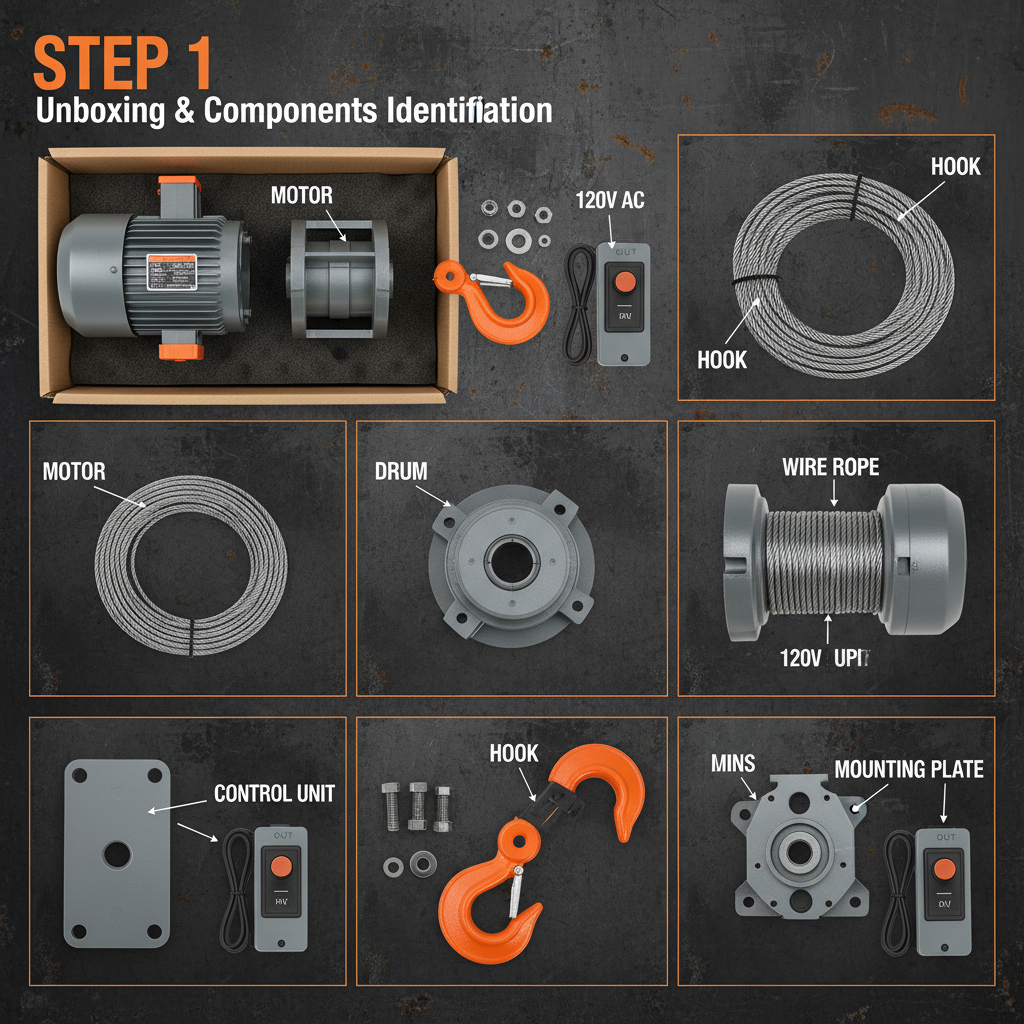
Look, hydraulic winches… seen ‘em all. Been draggin’ ‘em around sites for fifteen years. Things have changed, though. Used to be, it was all about brute force, right? Biggest motor, thickest cable. Now? Everyone's talkin’ efficiency, miniaturization, and… well, frankly, making things lighter for the guys actually using them. To be honest, I've seen a lot of fancy designs come and go.
It's funny, you spend all this time in a factory, listening to engineers talk about stress tolerances and material science, then you get on site and the first thing someone does is wrap a chain around it and try to lift a shipping container. Happens every time. You gotta build for the way it’s gonna be used, not the way you think it’s gonna be used.
And the suppliers? Well, let’s just say there’s a lot of noise out there. You gotta find the ones who actually understand what it's like to get mud in everything. That’s where finding the right hydraulic winch suppliers really matters.
The Current Landscape of Hydraulic Winch Suppliers
What’s trending now, you ask? Smaller, smarter winches. A lot of suppliers are pushing for integrated systems - hydraulic winches with load sensors, remote controls, even data logging. It’s… a lot. Have you noticed how many are coming out of China these days? Quality is improving, definitely, but the lead times can be a nightmare. And the support? Forget about it half the time. Finding reliable hydraulic winch suppliers is getting harder, not easier.
It’s not just about cost anymore; it’s about getting something that actually works, day in and day out, and having someone to call when it doesn’t.
Common Design Pitfalls with Hydraulic Winches
Strangely enough, the biggest issue I see isn’t necessarily with the hydraulics themselves, it’s with the cable terminations. People skimp on those. A beautiful winch, expensive motor, but then they use a cheap hook or clamp. It’ll fail. Always. I encountered this at a solar farm build in Nevada last time, whole project held up because of faulty cable clamps.
Another thing – seals. If the seals aren’t right, you're gonna be dealing with leaks, especially in dusty or sandy environments. It seems simple, but it’s surprising how often that gets overlooked.
And don't even get me started on gear ratios. You gotta have the right balance between speed and power. Too fast, and you lose torque. Too slow, and you're wasting time. There’s a sweet spot, and finding it requires actual engineering, not just guessing.
Materials: Beyond the Datasheet
Now, materials. Forget the fancy names. What matters is how it feels. High-strength steel? Should be cold, solid, a little oily. Anything flimsy or lightweight is a red flag. I've seen suppliers try to pass off low-grade stuff with a shiny paint job. Don’t fall for it.
The cable itself… you can smell a bad cable. Seriously. A cheap cable will have a kind of…plastic-y odor. A good one smells like metal, like it's been properly treated. And the way it flexes – a good cable will be smooth and consistent. A bad one will feel stiff and jerky. It sounds crazy, but you learn to trust your senses out here.
Hydraulic fluid, too. You want something that doesn’t break down in extreme temperatures. We were working in Siberia once… that fluid turned to sludge in a week. Lesson learned: read the spec sheet and ask around. Talk to guys who’ve used it in similar conditions.
Real-World Testing of Hydraulic Winch Systems
Lab tests are fine, I guess. But they don’t tell you much. I want to see it stressed. I want to see it covered in dirt and run for 24 hours straight. I want to see it lifted a load that's almost too heavy, just to see how it strains. That’s how you find the weaknesses.
We do a lot of our own testing on-site. Simple stuff – timed lifts, load capacity checks, cycle tests. But it’s effective. We found a batch of winches with a faulty valve last year doing that. Saved us a lot of trouble later on.
Hydraulic Winch Performance Metrics
How Users Actually Utilize Hydraulic Winches
You know, you design something for a specific purpose, and then the guys on the ground find a dozen other uses for it. I’ve seen them use hydraulic winches to pull tree stumps, reposition generators, even help pull boats out of the mud. They’re remarkably versatile.
But they also tend to overload them. A lot. They see a heavy object and think, “Eh, it’ll probably handle it.” It usually doesn’t. That’s why you need a good safety margin and reliable hydraulic winch suppliers who understand the application.
Advantages and Disadvantages of Modern Hydraulic Winches
Advantages? Power, obviously. Control. Reliability. The newer ones are surprisingly compact for the amount of force they can generate. Disadvantages? Cost, for one. And complexity. More parts mean more things that can break.
They’re also not maintenance-free. You gotta keep them clean, lubricated, and inspect them regularly. And honestly, a lot of guys don’t bother. They just use it until it stops working, then complain that it's a piece of junk.
Customization and Specialized Applications of Hydraulic Winch Suppliers
Anyway, I think customization is key. Last month, this small boss in Shenzhen who makes smart home devices insisted on changing the interface to – said it was more “modern.” I told him it was a terrible idea, but he wouldn’t listen. Turns out, the port couldn't handle the power draw. Winch fried within a week.
But on the flip side, we did a custom build for a marine salvage company a while back. They needed a winch with a specific cable length, a specific pull force, and a corrosion-resistant coating. hydraulic winch suppliers were able to deliver. That's the kind of thing that makes a difference.
Specialized applications are where these really shine. Deep sea recovery, oil rig work, even forestry – they all need something tailored to their specific needs.
Summary of Key Customization Factors for Hydraulic Winches
| Application Area |
Customization Priority |
Typical Material Change |
Estimated Cost Impact |
| Marine Environments |
Corrosion Resistance |
Stainless Steel Components |
+20-30% |
| High-Temperature Operations |
Heat Dissipation |
Specialized Hydraulic Fluids |
+10-15% |
| Remote/Unmanned Sites |
Remote Control Integration |
Wireless Communication Modules |
+15-25% |
| Precision Lifting |
Fine Control |
Variable Speed Control Valves |
+10-20% |
| Heavy-Duty Industrial Use |
Increased Load Capacity |
Reinforced Steel Structures |
+30-40% |
| Confined Spaces |
Compact Design |
Miniaturized Hydraulic Components |
+25-35% |
FAQS
That depends. A lot. But honestly, with regular maintenance – fluid changes, seal checks, cable inspections – a good quality hydraulic winch should last you at least 10-15 years. We’ve seen some on sites that are pushing 20, but those are exceptions, not the rule. The environment plays a huge role, too. Saltwater is a killer. Dust is bad. Constant extreme temperatures… you get the idea. Regular inspections by someone who knows what they're looking for is crucial.
Leaking seals are number one. Always. Then cable failures, usually due to corrosion or overloading. Hydraulic fluid contamination is another big one. Dirt, water, even tiny metal particles can wreak havoc on the system. And then there’s operator error – trying to lift something too heavy, improper cable wrapping, things like that. Proper training is essential to avoid those problems.
First, figure out the load capacity you need. Then consider the duty cycle – how often will you be using it? Continuous use requires a heavier-duty winch than occasional use. Think about the environment – will it be exposed to harsh conditions? And don’t forget about safety features – emergency stops, overload protection, etc. Talk to a reputable hydraulic winch suppliers and they can help you spec out the right winch for your needs.
Regular fluid checks and changes are critical. Inspect the cables for wear and tear. Check the seals for leaks. Lubricate moving parts. And have a qualified technician inspect the entire system at least once a year. Don’t wait until something breaks to start thinking about maintenance. Preventative maintenance saves you money in the long run.
Absolutely. Always wear appropriate PPE – gloves, safety glasses, steel-toe boots. Never exceed the winch’s load capacity. Ensure the cable is properly spooled and secured. Keep bystanders clear of the work area. And always follow the manufacturer’s instructions. Seriously, read the manual. It’s there for a reason.
They can, but you need to choose the right winch and take appropriate precautions. For explosive atmospheres, you’ll need an explosion-proof winch. For extreme temperatures, you’ll need a winch designed to withstand those temperatures. And always follow all relevant safety regulations. Don't assume a standard winch will work in a hazardous environment – it probably won’t.
Conclusion
So, there you have it. Hydraulic winches – they’ve come a long way, but they’re still fundamentally about power and reliability. Choosing the right hydraulic winch suppliers is crucial, and understanding your application is even more important. Don't fall for marketing hype, focus on build quality, and remember that proper maintenance is key.
Ultimately, whether this thing works or not, the worker will know the moment he tightens the screw. And that's what really matters. Because no matter how much engineering goes into it, no matter how fancy the features are, if it doesn't hold up under real-world conditions, it’s just a piece of metal.