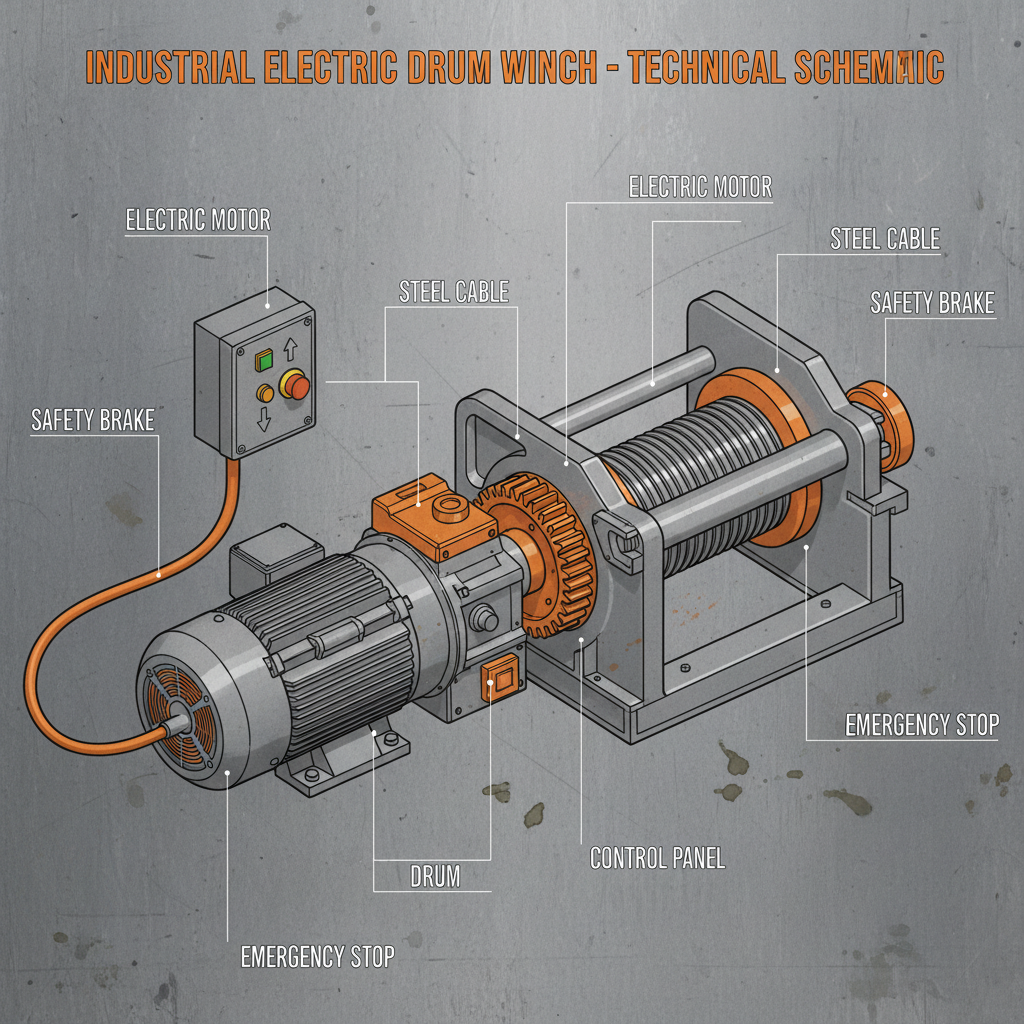
The electric tugger winch has emerged as a critical component in modern material handling, impacting industries from manufacturing and logistics to construction and even disaster relief. These powerful yet compact devices provide a safe and efficient means of moving heavy loads, reducing the risk of worker injury and streamlining operational processes. Understanding the nuances of electric tugger winch technology, its applications, and future trends is paramount for businesses aiming to optimize efficiency and embrace innovative solutions.
Globally, the demand for efficient and safe material handling solutions is escalating, driven by factors like increasing automation, a focus on worker safety, and the need for optimized logistics. The electric tugger winch directly addresses these demands, offering a versatile and cost-effective alternative to traditional methods. According to industry reports, the material handling equipment market is projected to reach \$146.9 billion by 2027, with electric solutions gaining significant traction.
The increasing complexities of modern supply chains and the rise of Industry 4.0 necessitate adaptable and intelligent material handling solutions. Electric tugger winches are uniquely positioned to fulfill this need, integrating seamlessly into automated systems and providing a reliable power source for diverse applications. Their ability to navigate confined spaces and operate with precision makes them indispensable in environments where space and maneuverability are limited.
Introduction to Electric Tugger Winch
Electric tugger winches represent a significant advancement in material handling technology. Unlike traditional winch systems that rely on manual labor or internal combustion engines, these devices utilize electric motors to provide controlled and precise pulling power. This not only enhances safety and efficiency but also contributes to a more sustainable operational footprint. The increasing demand for these systems is directly linked to the need for safer, more reliable, and environmentally friendly material handling solutions.
Their versatility allows for integration into a wide variety of applications, from moving heavy equipment in manufacturing facilities to assisting in the loading and unloading of trucks. This adaptability makes the electric tugger winch a valuable asset across numerous industries. Modern designs incorporate features such as variable speed control, remote operation, and advanced safety mechanisms, further enhancing their utility and effectiveness.
Defining the Electric Tugger Winch
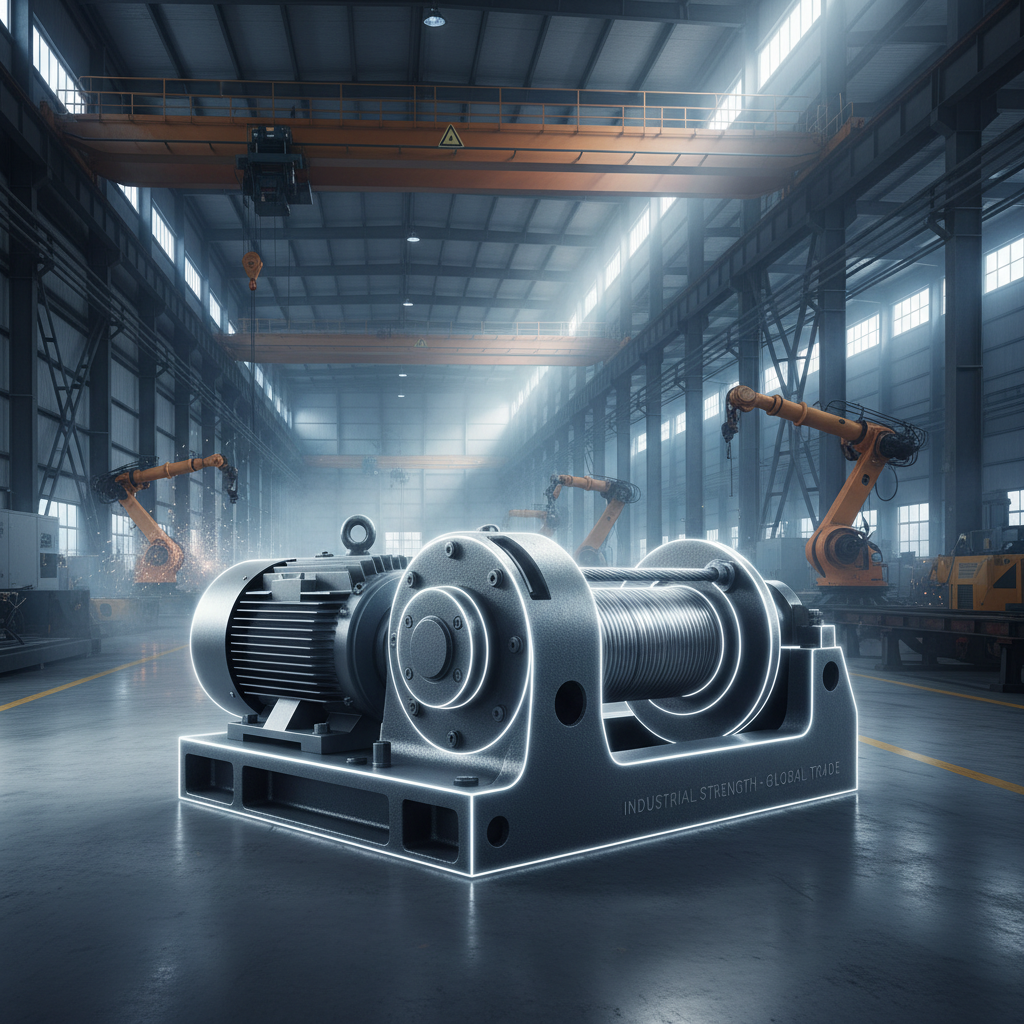
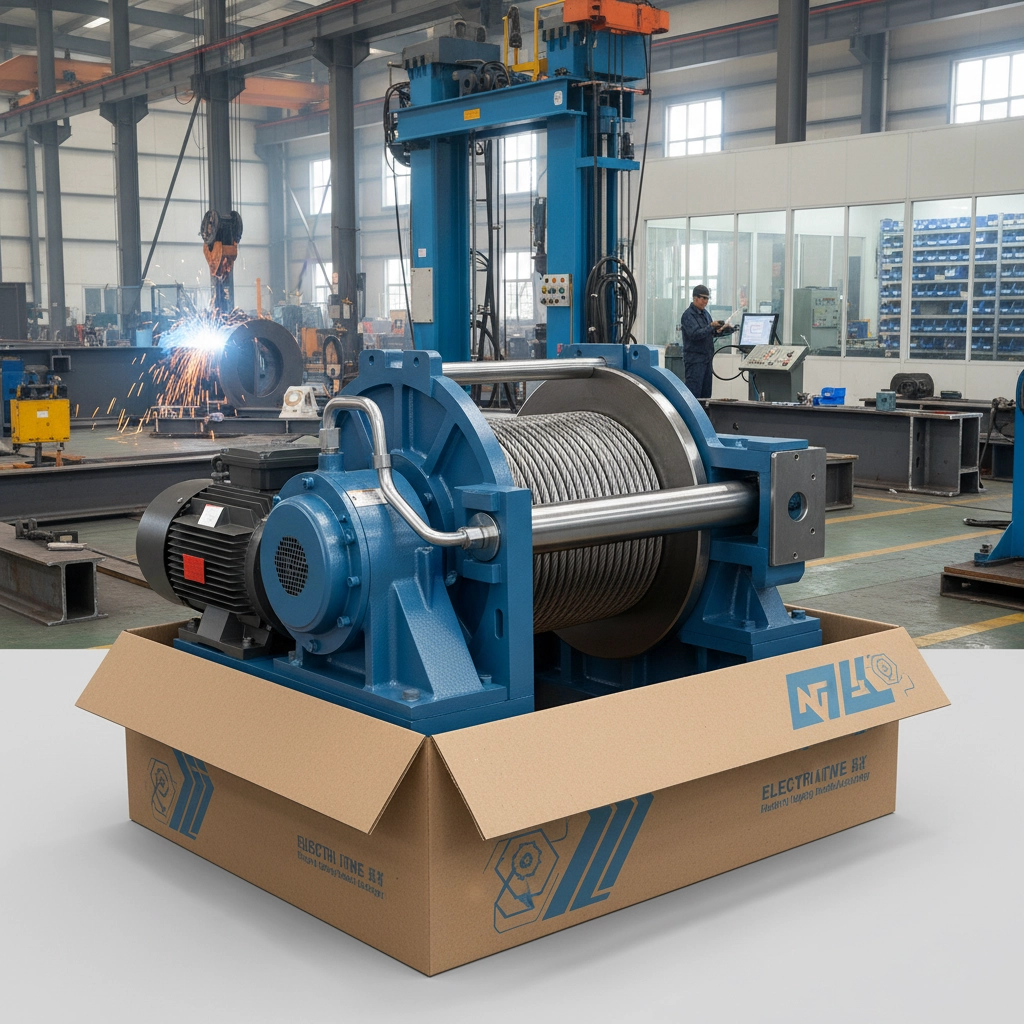
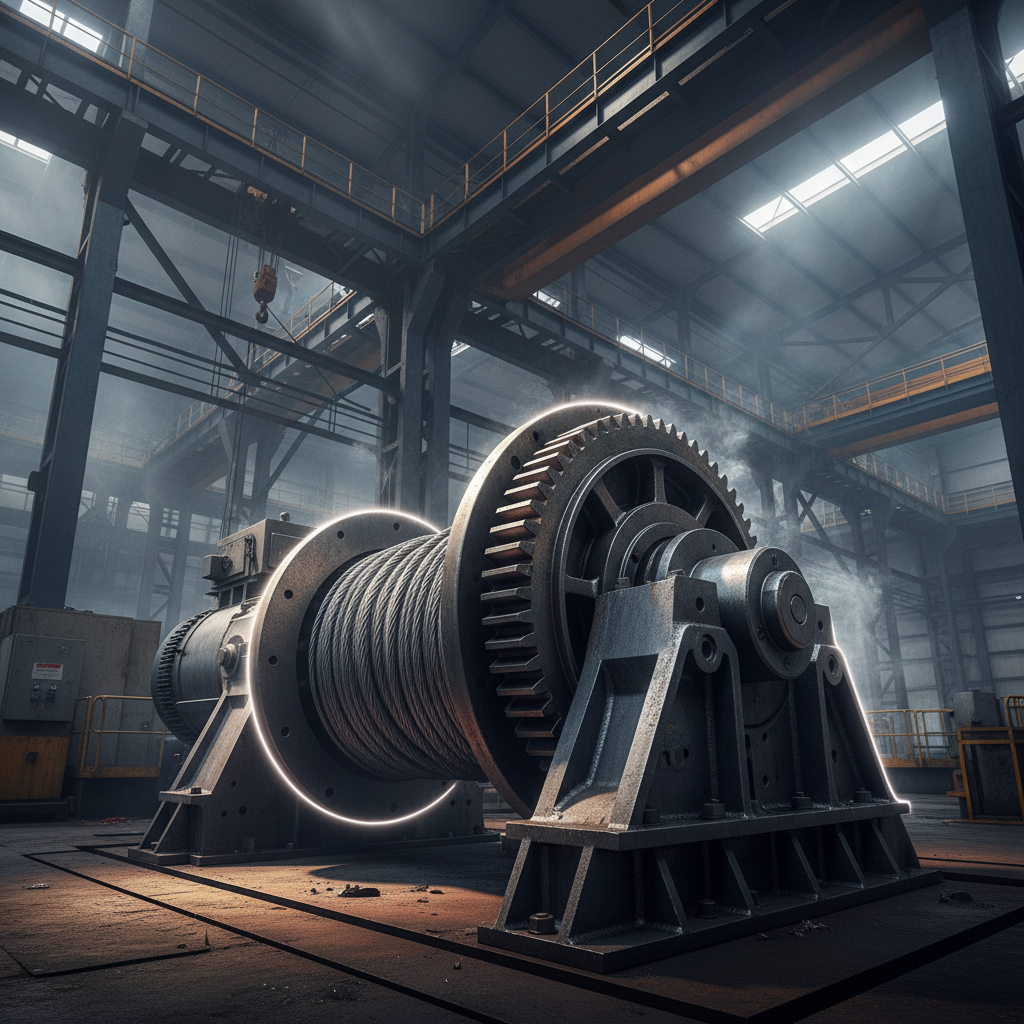
An electric tugger winch is a self-contained, electrically powered pulling device designed to move heavy loads over a variety of surfaces. It typically consists of an electric motor, a drum or spool onto which a cable or rope is wound, a braking system, and a control mechanism. Unlike traditional winches that require manual operation or rely on hydraulic systems, electric tugger winches offer precise control and minimal operator effort. They are particularly useful in situations where manual pulling is impractical or dangerous.
The connection to modern industry is undeniable. As businesses strive to improve efficiency, reduce costs, and enhance workplace safety, electric tugger winches provide a practical solution. They are integral to lean manufacturing principles, facilitating just-in-time delivery and minimizing production bottlenecks. Their reliability and ease of use make them a cornerstone of modern material handling systems.
In the context of humanitarian needs, electric tugger winches can play a vital role in disaster relief and recovery efforts. Their ability to quickly and safely move debris, deliver supplies, and assist in rescue operations makes them invaluable in challenging environments. The portability and self-sufficiency of these devices allow them to be deployed rapidly to affected areas, providing immediate assistance where it is needed most.
Key Factors of Electric Tugger Winch Performance
Durability: Electric tugger winches are built to withstand harsh industrial environments. Robust construction, utilizing high-quality materials, ensures long-term reliability and minimizes downtime. Regular maintenance, though minimal, is key to prolonging the winch’s lifespan.
Load Capacity: The pulling force of an electric tugger winch is a critical factor. Available models range from relatively small units capable of handling a few hundred pounds to heavy-duty versions capable of pulling several tons. Selecting the appropriate load capacity is essential for safe and effective operation.
Control Systems: Advanced control systems allow for precise speed regulation and directional control. Features such as remote operation and variable speed settings enhance operator safety and efficiency. Modern winches often incorporate programmable logic controllers (PLCs) for automated operation and integration into larger systems.
Diverse Applications of Electric Tugger Winch
Electric tugger winches find applications across a remarkably diverse range of industries. In manufacturing, they are used to move tooling, materials, and finished products. Within the aerospace industry, they assist in the positioning of aircraft components during assembly. They also play a crucial role in the marine sector, aiding in docking and mooring operations.
In remote industrial zones, where access is limited and logistical challenges are significant, electric tugger winches provide a reliable and efficient means of moving heavy equipment and materials. In post-disaster relief operations, they prove invaluable for clearing debris, transporting supplies, and assisting in search and rescue efforts.
Specific examples include the automotive industry, where they are used to move vehicle frames along assembly lines, and the construction industry, where they are employed to transport materials and equipment to elevated work areas. Even in the entertainment industry, electric tugger winches are used for stage rigging and special effects.
Comparative Performance of Electric Tugger Winch Types
Advantages and Long-Term Value
The benefits of using electric tugger winches are multifaceted. Cost savings are realized through reduced labor requirements, lower energy consumption (compared to internal combustion engines), and minimized maintenance. Sustainability is enhanced due to the elimination of emissions and the reduced reliance on fossil fuels.
From a social impact perspective, electric tugger winches contribute to a safer and more ergonomic work environment, reducing the risk of worker injury. Reliability is a key advantage, ensuring consistent performance and minimizing downtime. The inherent precision and control of these devices also lead to improved product quality and reduced material waste.
Future Trends in Electric Tugger Winch Technology
The future of electric tugger winch technology is poised for significant innovation. Integration with IoT (Internet of Things) devices will enable real-time monitoring, predictive maintenance, and remote diagnostics. The development of more powerful and energy-efficient electric motors will further enhance performance and sustainability.
Automation and robotics are playing an increasingly important role, with electric tugger winches being integrated into automated guided vehicle (AGV) systems. The use of advanced materials, such as carbon fiber composites, will reduce weight and improve durability. Furthermore, advancements in battery technology will result in longer run times and faster charging capabilities.
Challenges and Innovative Solutions
One of the primary challenges associated with electric tugger winches is the limited range of operation due to battery life. However, advancements in battery technology and the development of fast-charging systems are addressing this issue. Another challenge is the cost of initial investment, particularly for high-capacity models.
Innovative solutions include leasing programs that reduce upfront costs and the development of modular winch systems that can be customized to specific application requirements. Furthermore, the integration of energy recovery systems can help to extend battery life and reduce overall energy consumption.
Addressing safety concerns related to load handling requires robust safety mechanisms and comprehensive operator training. Incorporating features such as overload protection, emergency stop buttons, and visual and audible alarms enhances operator awareness and minimizes the risk of accidents.
Summary of Electric Tugger Winch Maintenance Best Practices
| Component |
Inspection Frequency |
Maintenance Task |
Potential Issue |
| Electric Motor |
Monthly |
Check for overheating, unusual noises, and proper ventilation. |
Motor failure due to overheating or debris. |
| Cable/Rope |
Weekly |
Inspect for fraying, kinks, or damage. Lubricate as needed. |
Cable breakage leading to load loss. |
| Braking System |
Quarterly |
Test brake functionality and adjust as necessary. Inspect brake pads. |
Brake failure resulting in uncontrolled load movement. |
| Control Panel |
Monthly |
Check for loose connections, damaged wiring, and proper operation of controls. |
Control malfunctions leading to erratic operation. |
| Gearbox |
Annually |
Inspect for leaks, unusual noises, and proper lubrication. |
Gearbox failure causing loss of power. |
| Battery (if applicable) |
Monthly |
Check voltage, charge levels, and clean terminals. |
Reduced battery life and potential for failure. |
FAQS
The lifespan of an electric tugger winch can vary depending on usage and maintenance, but with proper care, a well-built winch can last between 10 and 15 years. Regular inspections, lubrication, and adherence to manufacturer recommendations are crucial for maximizing longevity. Factors like load frequency and the severity of the operating environment also play a significant role. Choosing a winch constructed from durable materials and with high-quality components will contribute to a longer service life.
Essential safety features include overload protection to prevent exceeding the winch’s capacity, an emergency stop button for immediate shutdown, and a robust braking system to ensure secure load control. Consider winches with automatic shut-off mechanisms and audible/visual alarms to alert operators to potential hazards. Look for certifications from recognized safety organizations, such as CE or UL, to ensure the winch meets established safety standards. Proper training for operators is also vital.
Electric tugger winches generally offer higher efficiency than hydraulic winches, particularly in continuous operation. Electric motors convert electrical energy directly into mechanical power with minimal losses, while hydraulic systems experience losses due to fluid friction and pump inefficiencies. Electric winches also require less maintenance, as they have fewer moving parts and do not rely on hydraulic fluids. However, hydraulic winches may offer higher torque for specific applications requiring extreme pulling power.
Regular maintenance is essential for ensuring the reliable operation of an electric tugger winch. This includes inspecting the cable or rope for wear and tear, lubricating moving parts, checking the braking system, and verifying the functionality of the control panel. Periodic inspection of the electric motor for overheating or unusual noises is also important. Following the manufacturer’s recommended maintenance schedule will help prevent breakdowns and extend the winch’s lifespan.
Many electric tugger winches are designed for outdoor use, but it’s crucial to choose a model with appropriate weather protection. Look for winches with sealed enclosures to protect electrical components from rain, dust, and other environmental factors. Operating the winch in extreme temperatures or severe weather conditions may require additional precautions, such as using a protective cover or implementing a heated enclosure. Always consult the manufacturer's specifications for guidance.
Most electric tugger winches operate on standard AC power (110V or 220V), but some models may require a dedicated circuit. Battery-powered options are also available for applications where access to AC power is limited. Ensure that the power source is compatible with the winch’s voltage and amperage requirements. Using the correct power supply is essential for safe and efficient operation. Consider using a surge protector to safeguard the winch’s electrical components.
Conclusion
Electric tugger winches have fundamentally transformed material handling across diverse industries. Their combination of safety, efficiency, sustainability, and versatility makes them an invaluable asset for businesses seeking to optimize operations and enhance workplace safety. From manufacturing and logistics to construction and disaster relief, these devices have proven their effectiveness in a wide range of applications.
Looking ahead, the continued innovation in electric tugger winch technology – including advancements in battery power, automation, and IoT integration – promises even greater capabilities and benefits. Investing in this technology is not merely adopting a tool, but embracing a future of streamlined operations, enhanced safety, and sustainable practices. Visit our website at electric tugger winch to learn more about our range of solutions and how we can help you optimize your material handling processes.