Steel Wire Drum: The Industrial Linchpin for Safe, Efficient Cable Management
Understanding Steel Wire Drum: Backbone of Modern Industry and Beyond
If you've ever watched a massive crane at work or spotted thick cables wound tightly on a heavy-duty reel, you were likely glimpsing the unsung hero known as the steel wire drum. Its role, frankly, is fundamental yet often overlooked—acting as the core for winding and unwinding steel wire ropes vital to construction, shipping, and disaster relief globally.
Understanding this component can open your eyes to how logistics and heavy lifting are made efficient and safe. Globally, industries rely on steel wire drums to maneuver cargo, anchor offshore platforms, or even assist in humanitarian missions. Let's unpack what steel wire drums actually are, why they matter so deeply, and how their evolving tech landscape shapes the future.
1. Global Context: Why Steel Wire Drums Matter More Than You Think
The world’s heavy industries are massive consumers of steel wire ropes rolled on drums—whether for mining in Australia, shipping in Rotterdam, or for emergency stowage in cyclone-prone Bangladesh. According to the International Organization for Standardization (ISO), steel wire ropes and their drums form an essential part of lifting equipment safety protocols globally (ISO 4309:2017).
Yet, despite their pervasiveness, challenges persist: cables wear out, drums must withstand harsh environments, and replacements add expense. With global construction expected to grow 3.3% annually through 2025 (World Bank data), efficient and reliable steel wire drums are more vital than ever.
2. What Exactly Is a Steel Wire Drum?
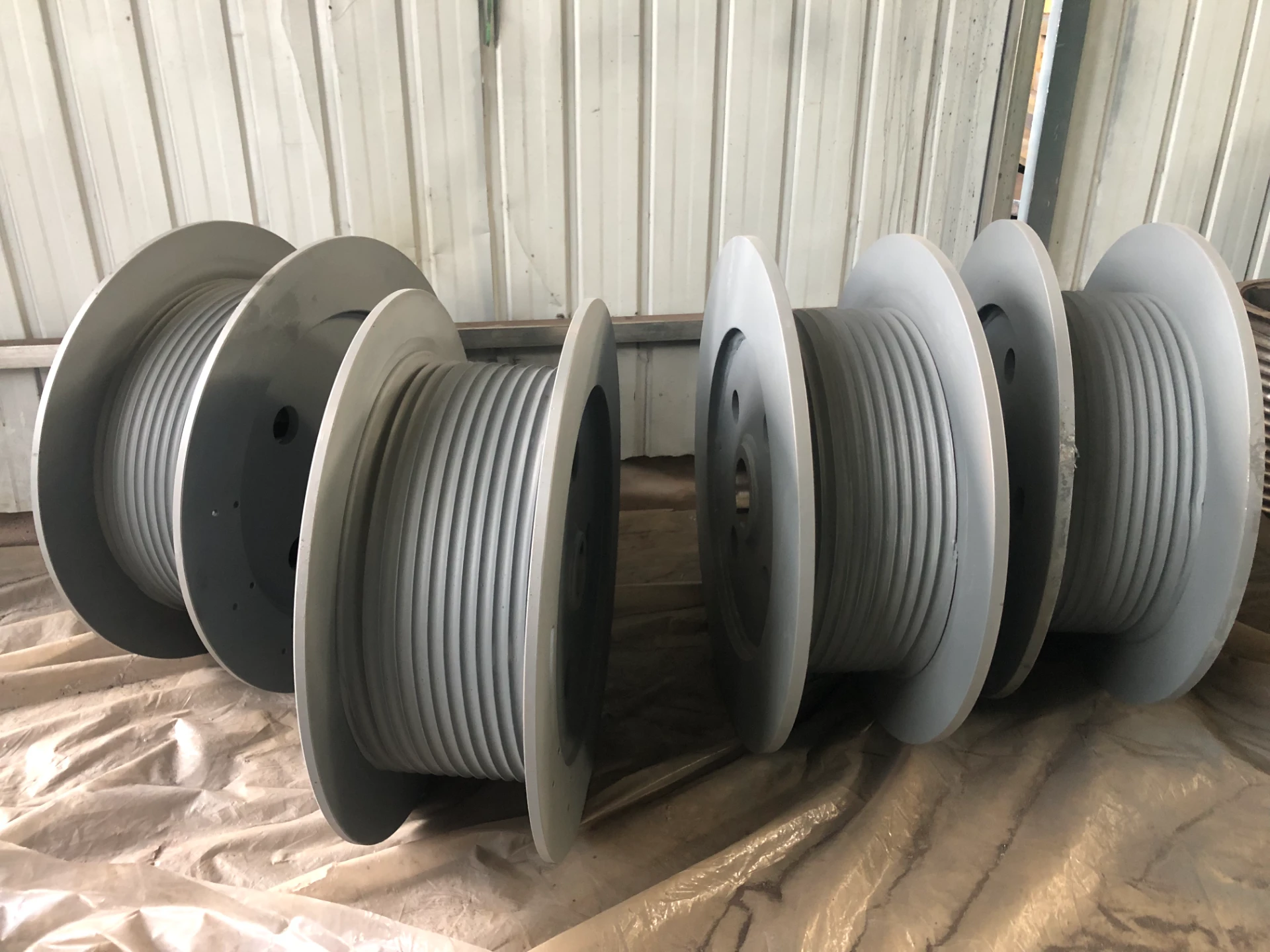
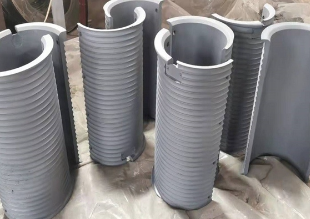
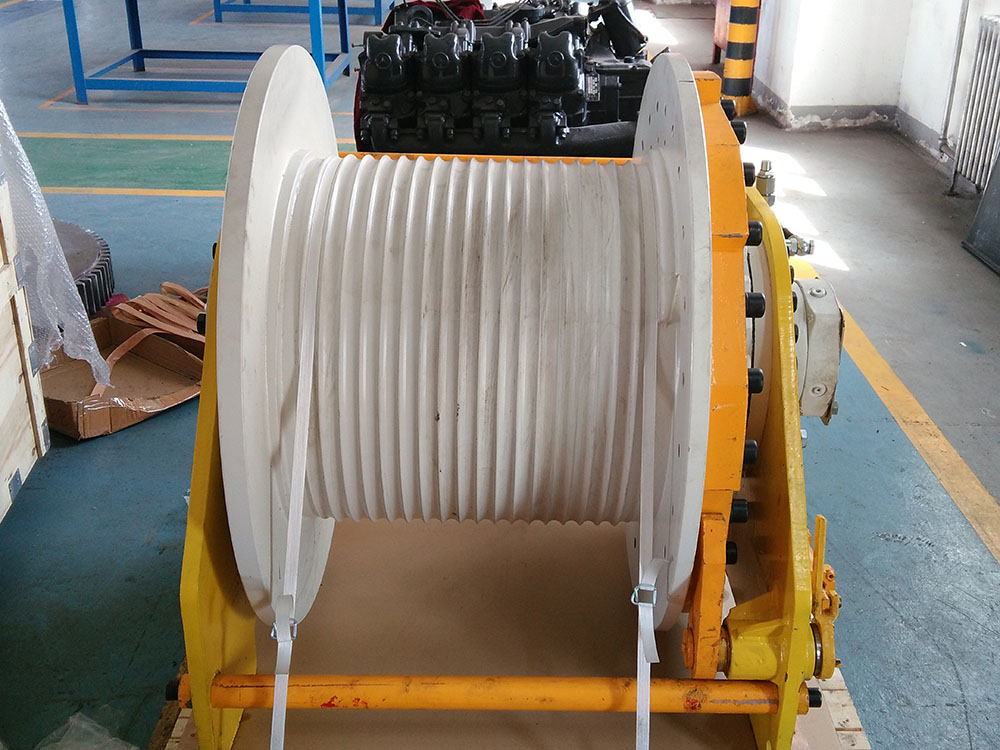
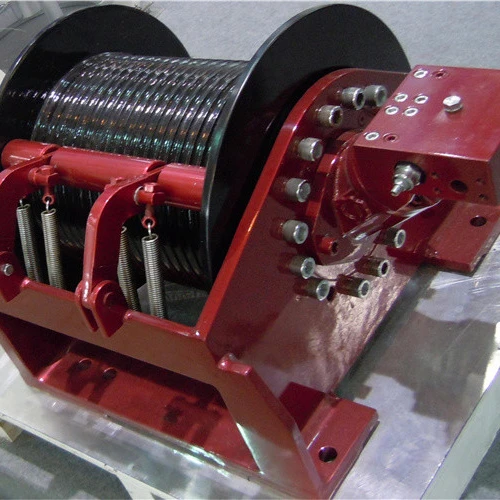
Put simply, a steel wire drum is a cylindrical spool made from robust metal, designed to wind and store steel wire ropes (or cables). They typically feature flanges on either end to keep the cables neatly in place during winding and unwinding operations. These drums serve as “the spoolers” for countless lifting, towing, and mooring applications.
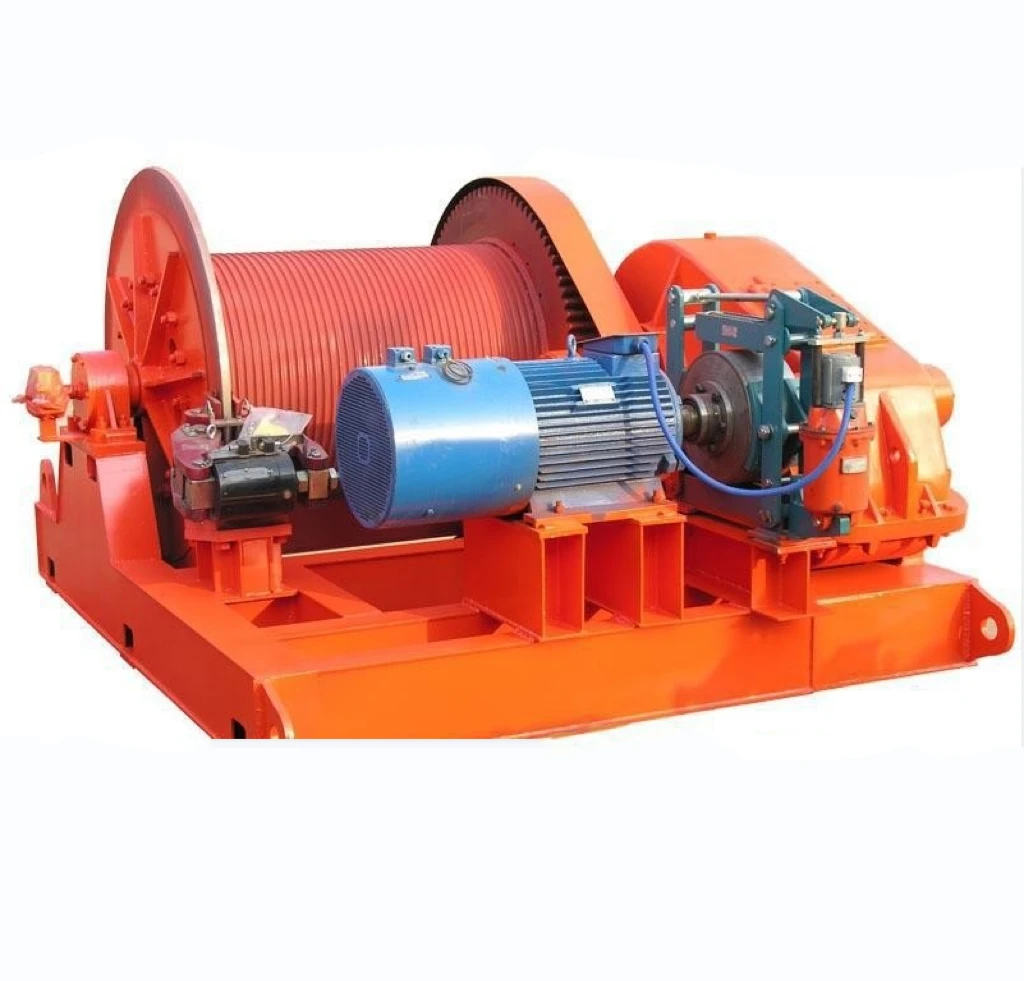
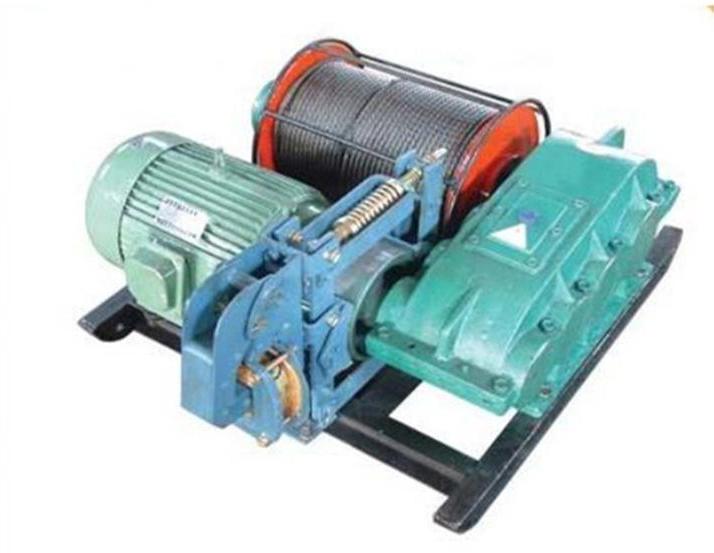
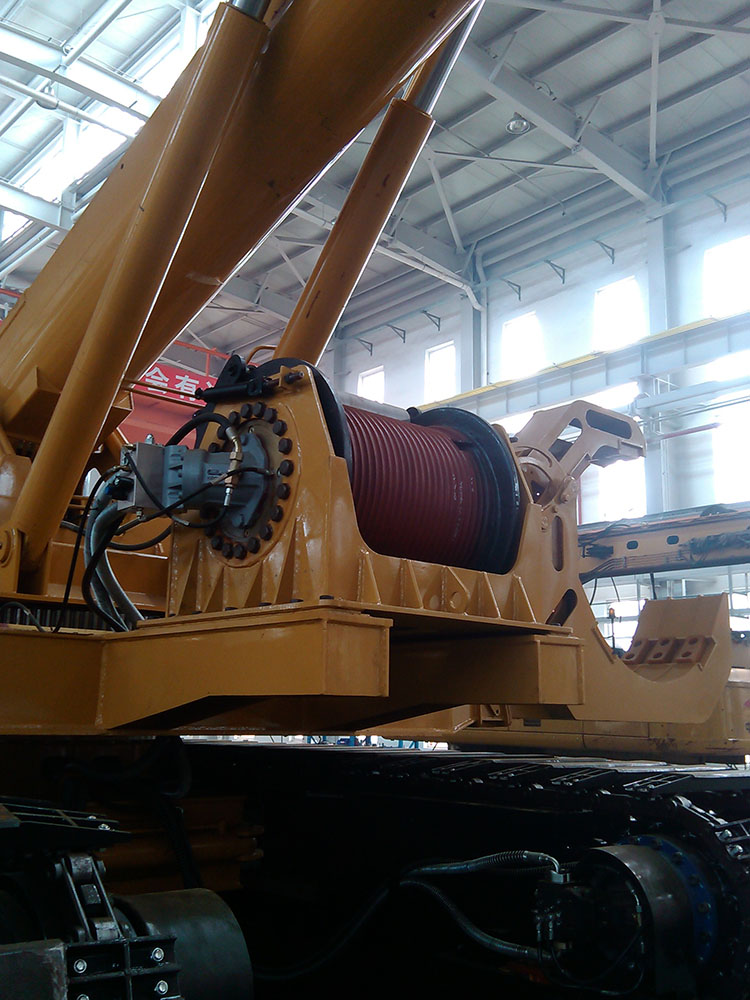
From an industrial vantage, they’re integral to cranes, winches, elevators, and marine rigs. Oddly enough, they also play a quiet role in humanitarian relief—facilitating rapid deployment of temporary shelters through support machinery that utilizes wire ropes. Their design directly connects to efficiency, safety, and operational uptime.
3. Key Factors Defining Steel Wire Drums
Durability & Material Strength
Durability often means using high-grade steel alloy resistant to corrosion, fatigue, and impact. Many engineers point out that proper surface treatments, like galvanization, can greatly extend operational life—especially in salty maritime settings.
Capacity & Scalability
Drum size varies immensely—from compact units handling a few tons to mammoth reels supporting hundreds of tons of cable. This scalability means they can accommodate projects ranging from small construction sites to offshore oil rigs without hitting performance limits.
Design and Flange Integrity
Flanges keep cables aligned under tension and help prevent tangles. But it’s a delicate balance: flanges that are too stiff can add stress, while too flexible ones risk slippage. Designing them to exact tolerances is part science, part art.
Ease of Maintenance
Many contemporary drums are modular or feature quick-clean designs so field operators can perform inspections without dismantling entire systems. This enhances safety checks and extends service life.
Customization & Application Specificity
Every industry presents unique demands—from temperature extremes in Arctic mining to rough seas in marine logistics. As such, manufacturers increasingly offer custom steel wire drums to meet precise operational criteria.
4. How Are Steel Wire Drums Used Globally?
- Construction & Heavy Lifting: Cranes worldwide, from skyscraper sites in Dubai to bridges in São Paulo, depend on steel wire drums for cable management.
- Maritime & Offshore: They help anchor vessels, deploy subsea equipment, or manage fishing operations across seas and oceans.
- Mining & Resource Extraction: Particularly in Australia and Canada, drums enable moving heavy loads efficiently and safely.
- Disaster Relief & Humanitarian Logistics: Rapid shelter deployment and supply lifting often rely on winches equipped with steel wire drums, especially in cyclone or earthquake zones.
- Utilities & Infrastructure: They are used in cable laying for telecom, power transmission lines, and renewable energy setups.
For example, a recent relief effort in the Philippines used winches with heavy-duty steel wire drums to quickly erect temporary housing after a typhoon, underscoring their importance beyond traditional industries.
5. Advantages and Long-Term Value of Steel Wire Drums
Steel wire drums bring direct cost savings by reducing downtime—because a well-maintained drum reduces cable damage. They afford sustainability since strong cables wound properly last longer and require less replacement (goodbye landfill piles). Socially, their reliability protects workers and communities, ensuring safety norms are met and lives aren’t put at risk.
From an emotional standpoint, there’s trust—knowing the lifting gear won’t fail mid-operation can never be overstated. Plus, advancements tend toward eco-efficient materials and coatings, marrying operational efficiency with green goals.
| Specification | Typical Value / Range |
|---|---|
| Drum Diameter | 0.5 m to 5 m |
| Load Capacity | Up to 500 tons |
| Material | High-grade carbon steel, galvanized options |
| Surface Treatment | Painted, galvanized, or powder-coated |
| Flange Thickness | 10-50 mm depending on load |
6. Innovations & Future Trends
Emerging trends paint a future where steel wire drums are smarter and greener. Coatings that self-heal scratches or flag corrosion early are in development. Digital monitoring — using IoT sensors embedded on drums — can detect tension or wear in real-time, avoiding catastrophic failures.
Meanwhile, biodegradable lubricants for cables and eco-certified steel alloys hint at a sustainability push. And oddly enough, some companies experiment with composite materials to reduce weight—though steel remains king for sheer strength.
7. Challenges and Forward-Thinking Solutions
The main issues lie in corrosion, fatigue, and operational wear. Replacing barrels can be costly and disrupt timelines. However, tech like modular drum designs and improved maintenance protocols is reducing these pains.
One promising approach is predictive maintenance powered by AI analyzing sensor data to plan interventions proactively, rather than reactively. Frankly, it might save millions in downtime losses industry-wide.
8. FAQ: Common Questions About Steel Wire Drums
Q1: How often should steel wire drums be inspected?
A1: Best practice suggests at least quarterly inspections, with additional checks following heavy use or exposure to harsh conditions. Regular visual and mechanical testing help spot wear early.
Q2: Can steel wire drums be customized for specific industries?
A2: Absolutely. Manufacturers offer tailored drum diameters, materials, and flange designs to suit particular load, environmental, and regulatory requirements.
Q3: What makes galvanized drums preferable in marine environments?
A3: The galvanization process coats steel with zinc, dramatically improving corrosion resistance against saltwater exposure—a must for longevity and safety.
Q4: How can I source reliable steel wire drums internationally?
A4: Trusted vendors often have certifications (ISO 9001, etc.) and international shipping capabilities. Checking references or case studies can also guide selection.
Q5: Are there eco-friendly options for steel wire drums?
A5: Yes, some manufacturers now employ recyclable steels, non-toxic coatings, and design drums that extend cable life — all boosting sustainability.
9. Vendor Comparison: Top Steel Wire Drum Suppliers
| Supplier | Product Range | Key Features | Certifications | Approximate Lead Time |
|---|---|---|---|---|
| LBS Winch | Wide range, custom builds | High durability, modular design | ISO 9001, ISO 4309 | 4-6 weeks |
| Global Wire Drum Inc. | Standard models only | Robust steel, economical | ISO 9001 | 6-8 weeks |
| TechLine Reels | Custom & specialized | Sensor ready, lightweight alloys | ISO 14001, ISO 45001 | 8 weeks |
10. Wrapping Up: Why Steel Wire Drums Are a Smart Investment
In real terms, the steel wire drum is a small part with a huge impact. It’s a fulcrum for safety, efficiency, and sustainability across countless sectors. The future, with smarter materials and sensor-driven oversight, looks robust and promising. If your operations need reliable cable management, a quality steel wire drum isn’t just an option—it’s an essential.
Interested? Visit our website: https://www.lbswinch.com to explore tailored solutions that bring both heritage and innovation to your projects.
-
The Ultimate Guide to Gear Steels for Durability and PerformanceNewsApr.16,2026
-
High Performance Gear Stainless Steel for Industrial DurabilityNewsApr.09,2026
-
Comprehensive Guide to Steel Bevel Gears Applications and SelectionNewsApr.07,2026
-
Comprehensive Guide to Durable Stainless Steel Miter Gears and ApplicationsNewsApr.04,2026
-
Comprehensive Guide to Steel Spur Gears Functionality and ApplicationsNewsMar.31,2026
-
Comprehensive Guide to Durable Stainless Steel Spur Gears and Their ApplicationsNewsMar.28,2026