What Is a Metal Cable Drum? Global Use, Benefits & Innovations
Understanding the Metal Cable Drum and Its Growing Global Importance
Metal cable drums might not be the flashiest components in the supply chain, but they’re absolutely vital. Think about it: these sturdy cylinders spool and transport heavy cables that power everything from sprawling electricity grids to massive construction projects. Globally, the demand for robust cable management solutions is up — driven by infrastructure expansion, renewable energy growth, and industrial modernization. Getting a grip on what metal cable drums are and how they function isn't just for engineers; it matters to anyone interested in the backbone of modern industry.
Introduction: Why Metal Cable Drums Matter Globally
Every year, thousands of miles of cable are laid worldwide, connecting continents, cities, and rural areas alike. The International Energy Agency estimates that to meet global energy goals, the world’s power grids will expand exponentially over the next two decades. These expansions require reliable handling and transport of heavy electrical and communication cables — and that’s where metal cable drums come in.
However, there's a problem: cable damage during transport causes delays and cost overruns. Fragile wooden drums have traditionally been used but they’re prone to breakdown and contamination. Metal cable drums provide a tougher, more sustainable alternative — helping industries maintain schedules and reduce waste.
What Is a Metal Cable Drum?
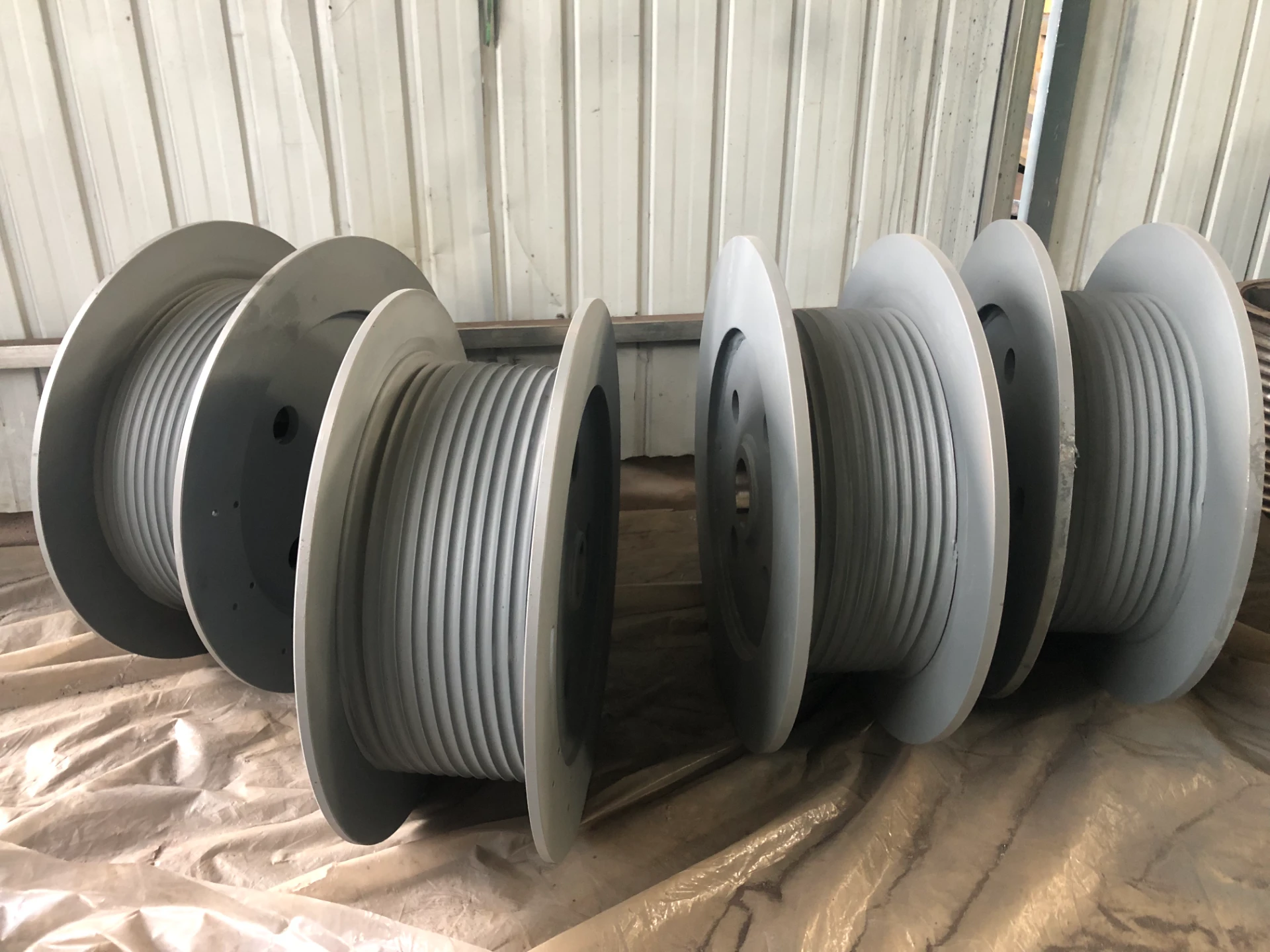
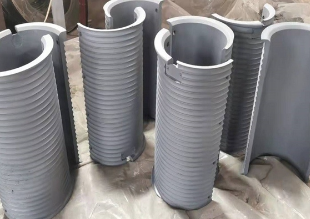
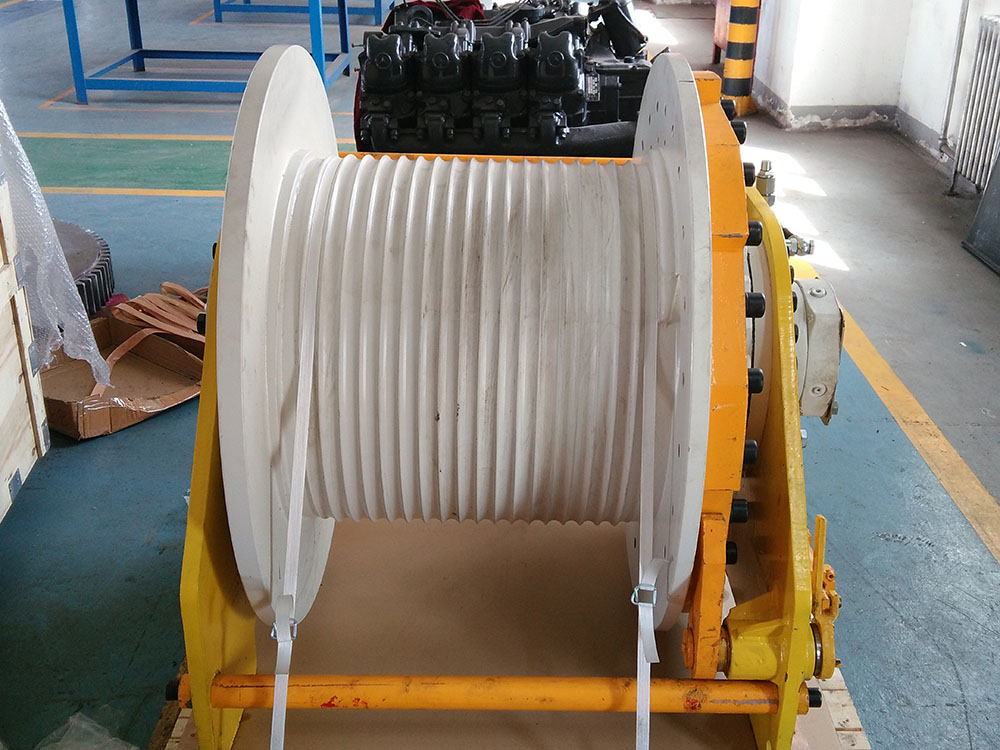
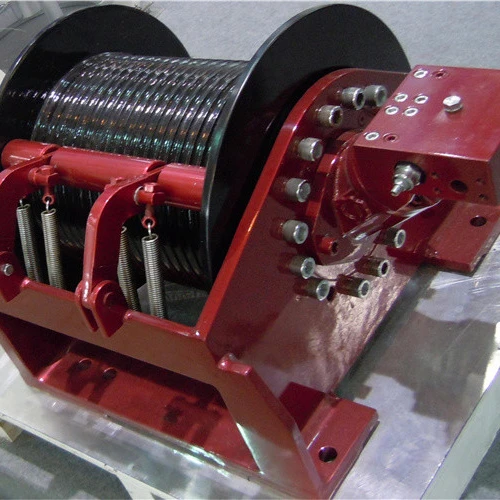
Put simply, a metal cable drum is a circular spool made primarily from steel or other metals, designed to store and transport cable efficiently and safely. Unlike their wooden counterparts, which are common but susceptible to moisture and mechanical damage, metal cable drums boast greater durability and reusability.
They play a crucial role not only in construction and energy sectors but also in humanitarian contexts — consider post-disaster relief operations where rapid deployment of communication lines is essential. Metal cable drums allow for easier handling of large cable reels, ensuring that vital connectivity reaches affected areas faster.
Core Components and Key Factors
Durability & Weather Resistance
One of the outstanding characteristics of metal cable drums is their unmatched structural strength. Crafted from galvanised steel or sometimes aluminium, these drums withstand harsh weather, mechanical shocks, and repeated use without warping or cracking — unlike wood alternatives.
Scalability & Size Variety
Metal cable drums come in a range of diameters and widths tailored to different cable types and lengths. From small control cables to giant power transmission cables, the size and weight parameters vary, giving industries the flexibility needed for specific projects.
Cost Efficiency Over Time
Upfront, metal drums may seem pricier than wood, but their lifecycle cost is often lower. Reusability cuts replacement frequency, and reduced cable damage leads to savings. Plus, many vendors offer refurbishment services.
Transport & Handling Ease
Metal drums support automation in loading and unloading processes. Their standardised core diameters allow compatibility with machinery, improving safety and efficiency on-site.
Product Specification Table
| Specification | Typical Range | Notes |
|---|---|---|
| Diameter | 600mm – 3000mm | Varies by cable size |
| Width | 400mm – 1500mm | Adjustable to cable length |
| Material | Galvanised Steel / Aluminium | Galvanisation prevents rust |
| Load Capacity | 500 kg – 15,000 kg | Depends on drum size and steel thickness |
Global Applications and Real-World Use Cases
In real terms, metal cable drums are workhorses in several key industries:
- Energy Sector: Used extensively to transport power cables for grid expansion projects in Asia, Africa, and Europe.
- Telecommunications: Telecom fiber optic cables often come spooled on metal drums for safe transit to remote regions.
- Construction and Infrastructure: Major transport and pipeline projects use metal drums to manage heavy-duty cables.
- Humanitarian Relief: Organizations deploying emergency power and communication lines in disaster zones rely on the durability and mobility offered by metal drums.
For instance, after the devastating 2010 Haiti earthquake, relief agencies deployed millions of meters of communication cable loaded on metal drums to quickly restore phone and internet services.
Vendor Comparison Table
| Feature / Vendor | LBS Winch | Global Drum Co. | CableTech Solutions |
|---|---|---|---|
| Material Quality | Galvanised Steel (High Grade) | Standard Steel | Aluminium Alloy |
| Customization Options | Wide (Sizes, Branding) | Limited | Moderate |
| Lead Time | 2-4 weeks | 4-6 weeks | 3-5 weeks |
| Price Range | Mid-High | Low-Mid | Mid |
Advantages and Long-Term Value
One thing I’ve noticed many engineers and logistics managers comment on is how metal cable drums embody a kind of investment in reliability. They’re not just a container; they protect the product and the project timeline. The emotional comfort this provides to project teams—knowing cables will arrive intact and ready to install—is significant.
On the logical side, metal drums deliver sustainability benefits. As industries move toward circular economy models, reusability and recyclability in materials gain importance. Metal drums can be refurbished multiple times and eventually recycled, reducing landfill waste compared to single-use wooden drums.
Future Trends and Innovations
What’s fascinating is how digital transformation is creeping into even drum manufacturing. Sensors embedded in metal cable drums that monitor tension, rotation, or environmental exposure aren’t science fiction anymore. There’s growing interest in integrating IoT (Internet of Things) to prevent damage during transport.
Also, green manufacturing processes — using recycled steel or innovative coatings — are on the rise. Such advances promise to align the humble metal cable drum with larger sustainability commitments seen in global industry standards (ISO 14001, for example).
Challenges and Solutions
Oddly enough, challenges persist. The heavier weight of metal drums compared to wooden ones can complicate logistics, especially where manual handling occurs. Furthermore, high initial costs can deter smaller companies.
Experts suggest modular design improvements — drums disassembled for return shipping — and leasing rather than buying to mitigate these issues. Also, expanding awareness of lifecycle cost benefits moves conversations beyond sticker price alone.
FAQ: Frequently Asked Questions About Metal Cable Drums
- Q: Why choose metal cable drums over wooden ones?
A: Metal drums offer higher durability, better weather resistance, and are reusable, reducing cable damage and long-term costs. - Q: How long can metal cable drums last in harsh environments?
A: With proper galvanisation and maintenance, metal drums can last upwards of 10 years, even under tough conditions. - Q: Are metal cable drums recyclable?
A: Yes, at the end of their life cycle, metal cable drums can be fully recycled, aligning with sustainable industry practices. - Q: Can metal cable drums be customized?
A: Absolutely, vendors often offer size, material thickness, and branding options to suit project specifics. - Q: How does one order metal cable drums internationally?
A: Businesses typically coordinate with manufacturers or distributors experienced in international shipping and customs compliance. Vendors like LBS Winch provide global shipping support.
Conclusion: Why Metal Cable Drums Are a Smart Long-Term Choice
All in all, metal cable drums are quietly revolutionizing the way cables are stored, transported, and deployed worldwide. Their durability, scalability, and sustainability align well with ongoing global infrastructure demands and environmental awareness. Whether you’re in energy, telecom, construction, or humanitarian logistics, investing in quality metal cable drums can mean fewer disruptions, better cost control, and ultimately, greater trust in your supply chain.
Interested? Visit https://www.lbswinch.com to explore top-tier metal cable drum solutions tailored for your needs.
Mini takeaway: Understanding the metal cable drum is understanding a crucial piece in the vast puzzle of global connectivity and infrastructure resilience.
References:
-
The Ultimate Guide to Gear Steels for Durability and PerformanceNewsApr.16,2026
-
High Performance Gear Stainless Steel for Industrial DurabilityNewsApr.09,2026
-
Comprehensive Guide to Steel Bevel Gears Applications and SelectionNewsApr.07,2026
-
Comprehensive Guide to Durable Stainless Steel Miter Gears and ApplicationsNewsApr.04,2026
-
Comprehensive Guide to Steel Spur Gears Functionality and ApplicationsNewsMar.31,2026
-
Comprehensive Guide to Durable Stainless Steel Spur Gears and Their ApplicationsNewsMar.28,2026