Drum of Rope: Essential Uses, Benefits, and Future Trends Explained
Understanding the Drum of Rope: A Global Industrial Backbone
If you’ve ever seen construction cranes or rescue winches in action, chances are you witnessed the silent workhorse—the drum of rope. It’s that robust spool tightly wound with cable or rope, driving heavy loads, securing cargo, or facilitating complex operations. Globally, the drum of rope underpins countless activities, from maritime shipping to disaster relief. Understanding this seemingly simple component is not just about engineering—it’s about appreciating a pivotal thread woven through industries and humanitarian efforts alike.
Introduction: Why the Drum of Rope Matters Worldwide
The drum of rope is more than a mundane mechanical element. International shipping, offshore oil rigs, and emergency response teams all hinge on its effectiveness. According to the International Maritime Organization, ships carry over 80% of global trade by volume, relying on secure winching and mooring systems—central to which you’ll find these drums. Meanwhile, organizations like the United Nations frequently deploy equipment with rope drums when supporting disaster zones, where timely, durable rope management can mean the difference between order and chaos.
Yet, challenges remain. In many developing regions, aging or poorly maintained equipment risks failure, complicating rescue or construction work. As infrastructure projects grow in scale—and humanitarian crises, unfortunately, don't abate—understanding the drum of rope's role becomes critical for safe, efficient operations worldwide.
What Exactly is a Drum of Rope?
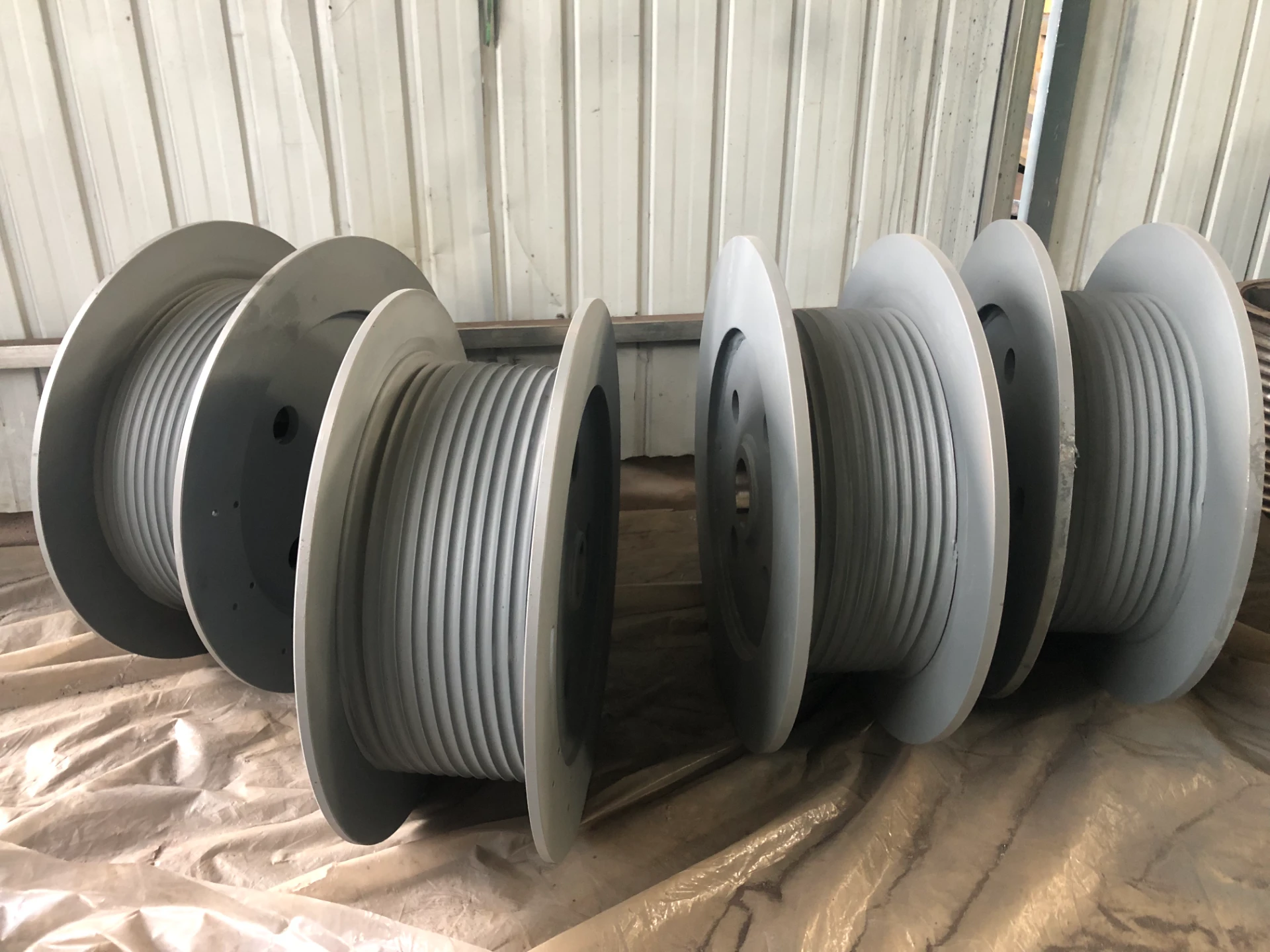
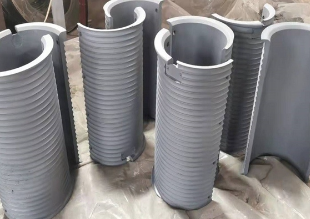
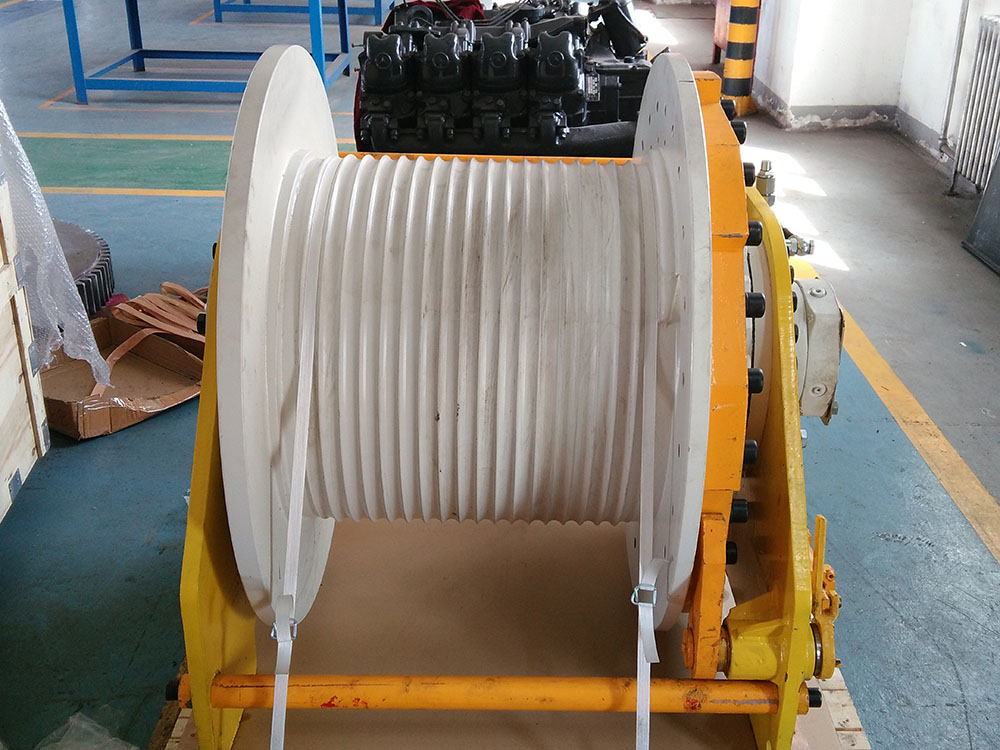
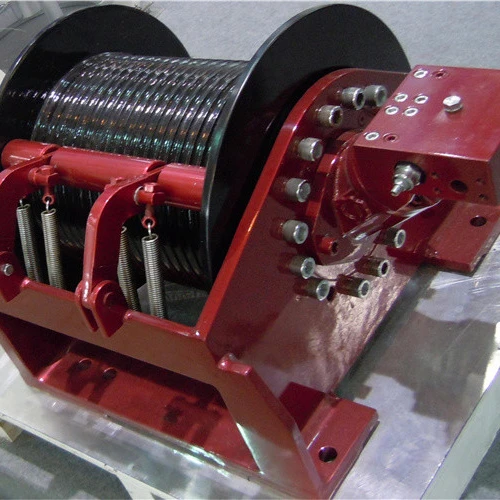
At its core, a drum of rope is a rotating cylinder around which rope or steel cable winds. Often made of metal, it’s part of winch and hoisting mechanisms, designed to store and deploy rope efficiently under heavy loads. Visualize a classic fishing reel but industrial-sized and engineered for far meatier tasks—lifting tons, securing vessels, or controlling tension on bridges.
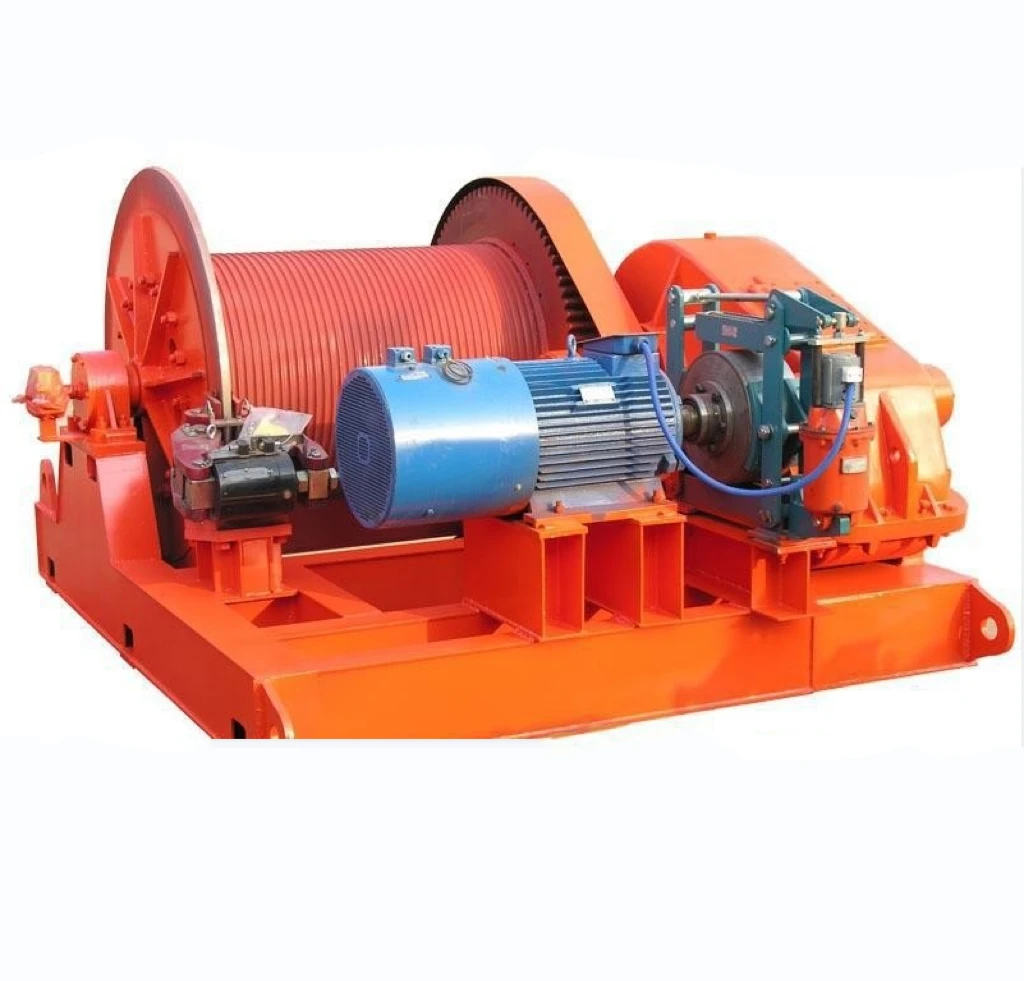
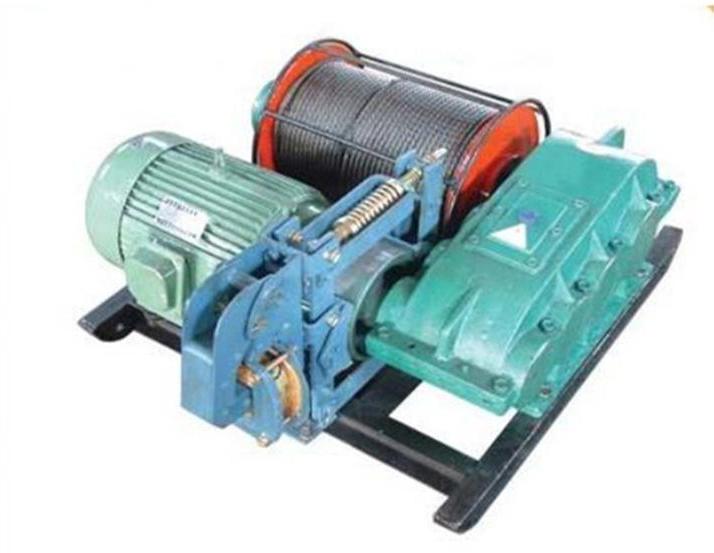
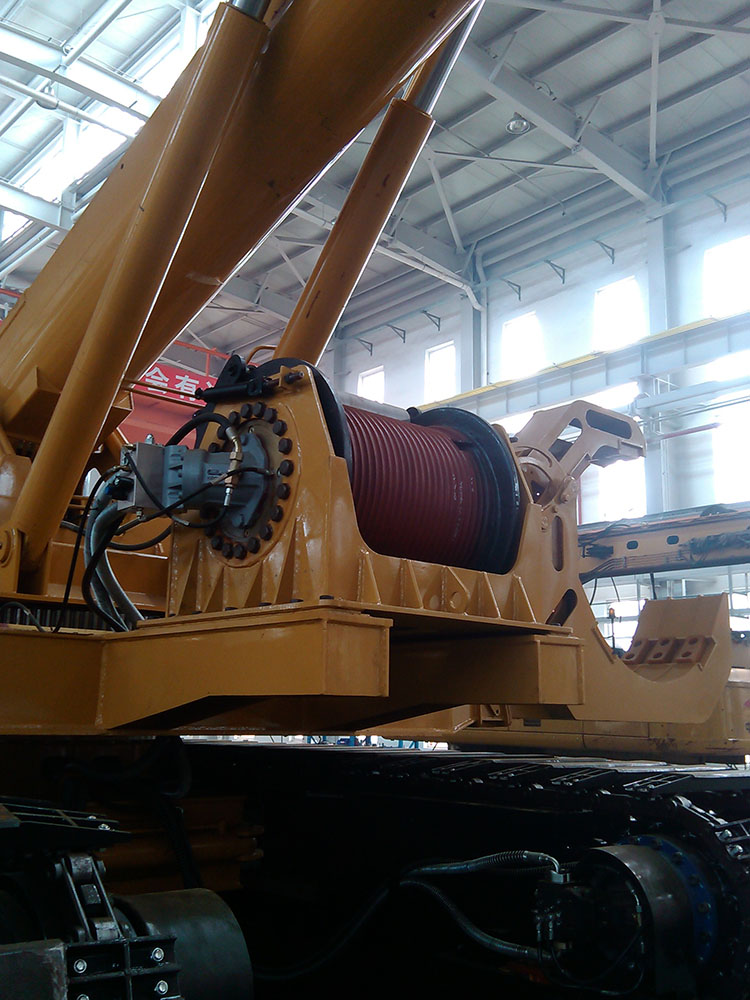
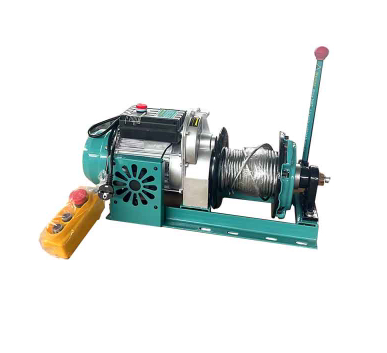
In today’s industrial landscape, the drum connects mechanical power to rope movement, essential for cranes, elevators, cable cars, and more. Even in humanitarian logistics, portable winches with rope drums speed up cargo handling or debris removal after disasters.
Key Features of the Drum of Rope
- Durability: Must withstand high tension and harsh environments, often made of steel alloys or corrosion-resistant materials.
- Capacity: Size and diameter dictate how much rope it can hold—important for scalability on large projects.
- Mechanical Integration: Compatibility with braking systems, motors, and safety devices ensures smooth operation.
- Ease of Maintenance: Designed to allow inspections and rope replacement with relative ease; vital for long-term field use.
- Load Rating: Rated to manage specific load weights, ensuring safety margins for personnel and equipment.
| Specification | Typical Value | Importance |
|---|---|---|
| Material | Carbon Steel / Stainless Steel | High durability, corrosion resistance |
| Diameter | 0.3–1.2 meters | Determines rope capacity and torque leverage |
| Load rating | Up to 50+ tons | Ensures operator and equipment safety |
| Rotational speed | 1–10 rpm | Affects rope deployment rate |
Global Applications and Use Cases
The versatility of drum of ropes is impressive. Maritime industries use them to manage anchor chains and mooring lines on vessels navigating harsh oceans. In oil and gas extraction, offshore platforms rely on heavy-duty drums for positioning and safety lines. On land, construction companies deploy massive winches during high-rise building projects, where timing and precision matter deeply. Humanitarian organizations, including the Red Cross and UN disaster teams, often integrate portable rope drums in relief kits to quickly establish lifts, bridges, or secure zones after earthquakes or floods.
Oddly enough, regions like Southeast Asia and sub-Saharan Africa see growing rope drum use in developing infrastructure—roads, bridges, and energy—to leapfrog traditional limitations and accelerate economic growth.
Advantages and Long-term Value
- Cost Efficiency: Durable drums reduce downtime and replacement frequency, saving money long-term.
- Sustainability: Modern materials and coatings extend lifespan, reducing environmental impact.
- Safety: Properly rated drums ensure workers' protection, especially in high-risk jobs.
- Trust & Innovation: Reliability breeds confidence among engineers and operators using drum systems worldwide.
- Social Impact: In disaster zones, dependable equipment accelerates relief, preserving dignity and life.
Future Trends & Innovations
Looking forward, rope drums are evolving with smarter materials like composites that still provide strength but reduce weight. Automation plays an increasing role—the integration of sensors for load monitoring and wear detection is gradually becoming standard, especially in marine and oilfield sectors. Sustainability is another driver; biodegradable ropes paired with eco-friendly drums could soon be a thing. Digital transformation isn’t just about data but about safer, predictive maintenance, extending service life and preventing failures before they occur.
Challenges & Modern Solutions
Of course, no solution is perfect. Drums exposed to saltwater and heavy loads risk corrosion and fatigue. Improper winding or mismatched rope sizes cause jams and failures. Many smaller operators still rely on outdated models without modern safety features. The solution? Regular inspection protocols, adoption of advanced materials, and operator training make all the difference. Companies now offer modular drums that simplify routine servicing, with built-in sensors to track wear in real time.
| Vendor | Material Options | Special Features | Typical Industries |
|---|---|---|---|
| LBS Winch Co. | Carbon Steel, Stainless Steel | Integrated load sensors, modular design | Marine, construction, emergency services |
| Global Hoist Ltd. | High-tensile Steel | Heavy load rated, corrosion resistant coating | Oil & Gas, Mining |
| EcoWinch Solutions | Composite alloys | Lightweight, eco-friendly materials | Renewable energy, infrastructure |
FAQ: Your Drum of Rope Questions Answered
-
Q: How do I know which drum of rope size fits my project?
A: It depends on the rope diameter, load requirements, and expected drum speed. Calculate your maximum load, then select a drum rated slightly above that to ensure safety. Consulting with engineers or suppliers like LBS Winch can provide custom recommendations. -
Q: Can I use synthetic rope on traditional steel drums?
A: Synthetic ropes like HMPE or polyester often require drums with smooth surfaces or specialized grooving to prevent abrasion. Steel drums work best with steel cables, but some designs now accommodate synthetics—always check compatibility. -
Q: What routine maintenance does a rope drum need?
A: Inspect for corrosion, check rope winding for proper layering, lubricate bearings, and test brakes if applicable. Regular inspections prevent failures and extend equipment life. -
Q: How is digital monitoring improving rope drum safety?
A: Sensors track load, rotation speed, and wear in real-time, alerting operators before failures. This predictive maintenance reduces downtime and accidents—a game changer in heavy industries.
Wrap-Up and Next Steps
The drum of rope may not make headlines, but its impact is quietly immense. From ensuring that cranes lift safely to enabling emergency teams to respond swiftly, these drums embody durability, trust, and innovation. As industries push toward greener, smarter solutions, the humble drum evolves with them. If you want to explore high-quality, expertly designed rope drums, I definitely recommend checking out LBS Winch’s offerings—they’ve set a solid standard that's tough to beat.
Stay curious about the components driving our complex world. Sometimes, the smallest parts carry the heaviest loads, literally and figuratively.
References
-
The Ultimate Guide to Gear Steels for Durability and PerformanceNewsApr.16,2026
-
High Performance Gear Stainless Steel for Industrial DurabilityNewsApr.09,2026
-
Comprehensive Guide to Steel Bevel Gears Applications and SelectionNewsApr.07,2026
-
Comprehensive Guide to Durable Stainless Steel Miter Gears and ApplicationsNewsApr.04,2026
-
Comprehensive Guide to Steel Spur Gears Functionality and ApplicationsNewsMar.31,2026
-
Comprehensive Guide to Durable Stainless Steel Spur Gears and Their ApplicationsNewsMar.28,2026