Reliable and Durable Ox Hydraulic Winch Solutions for Heavy Duty Applications
Understanding the Ox Hydraulic Winch: A Versatile Tool in Global Industries
If you haven't bumped into the term ox hydraulic winch before, you're not alone. But this seemingly niche gadget plays a surprisingly crucial role in countless industries worldwide — from heavy lifting in construction sites to disaster relief efforts on rough terrain. Its ability to reliably haul, pull, and control loads using hydraulic power helps solve some pretty tough logistical puzzles. And frankly, with growing demands for efficient, safe, and scalable machinery, getting a grip on what an ox hydraulic winch does isn't just industry insider chatter — it's a practical edge.
In this article, we'll untangle what exactly an ox hydraulic winch is, why it's increasingly vital globally, and how it contributes to smoother operations across multiple fronts.
Global Context: Why the Ox Hydraulic Winch Matters
Let's zoom out for a moment. According to ISO standards and figures from the United Nations, the infrastructure and heavy industry sectors keep growing, especially in developing regions. For instance, the World Bank notes that by 2030, infrastructure investment in emerging markets could double. That means cranes, pulleys, and yes, winches — especially reliable hydraulic versions — are in higher demand.
Here’s the thing though: Many projects happen in unpredictable, rugged conditions or disaster zones where electric power can be scarce. That’s where ox hydraulic winches shine — hydraulic systems can generate immense force with less dependence on fragile electrical grids. They’re more durable and ready for tough use. Oddly enough, while technology marches on with electric and battery options, hydraulic remains king for heavy lifting in harsh settings.
Mini takeaway: The ox hydraulic winch addresses a key challenge—powerful, reliable load management in demanding environments globally, where many other tools fall short.
What Exactly Is an Ox Hydraulic Winch?
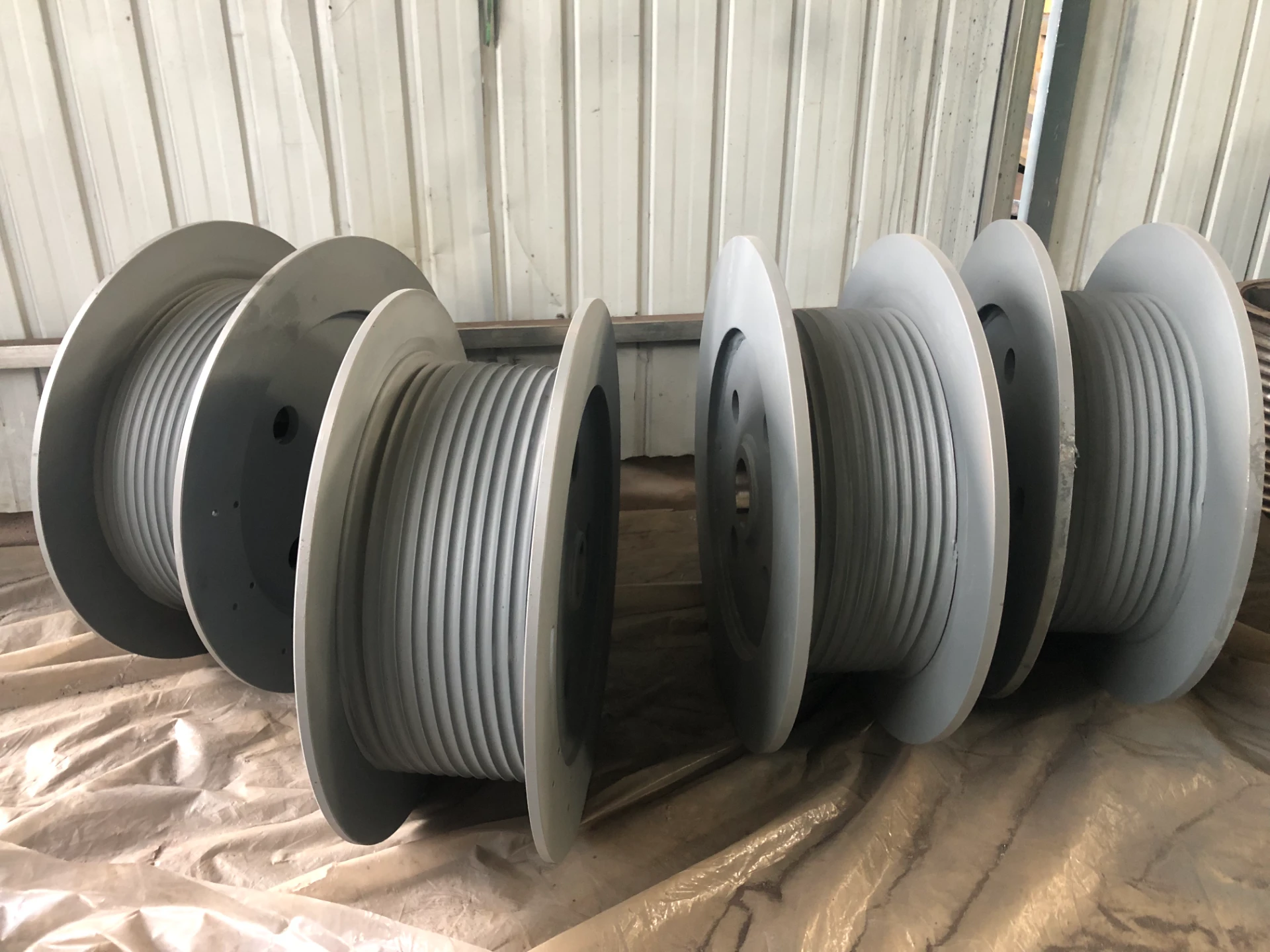
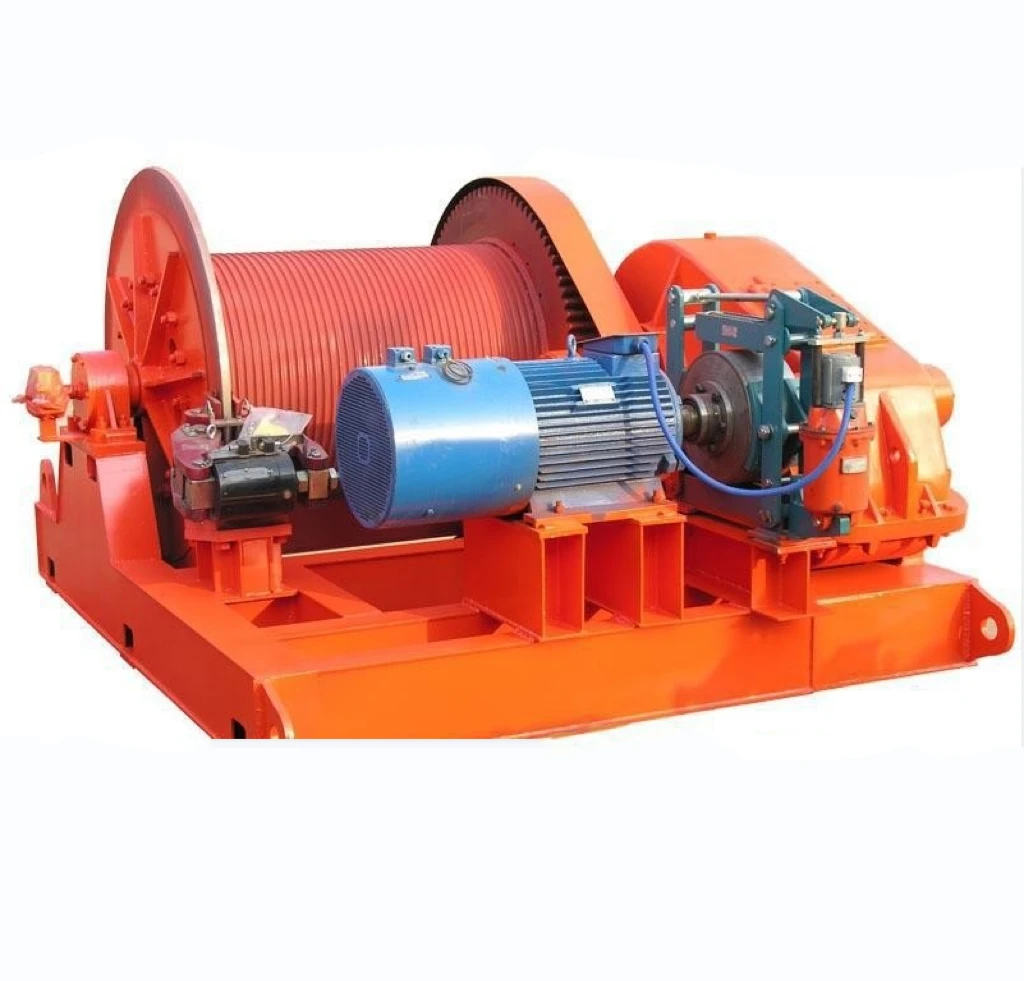
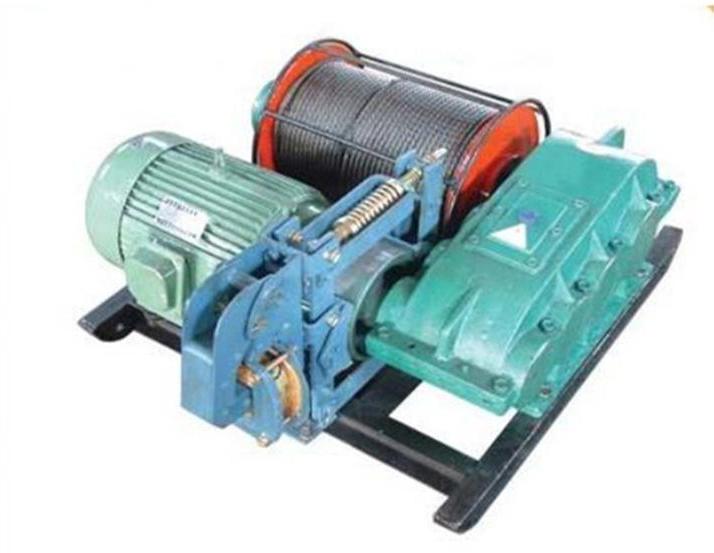
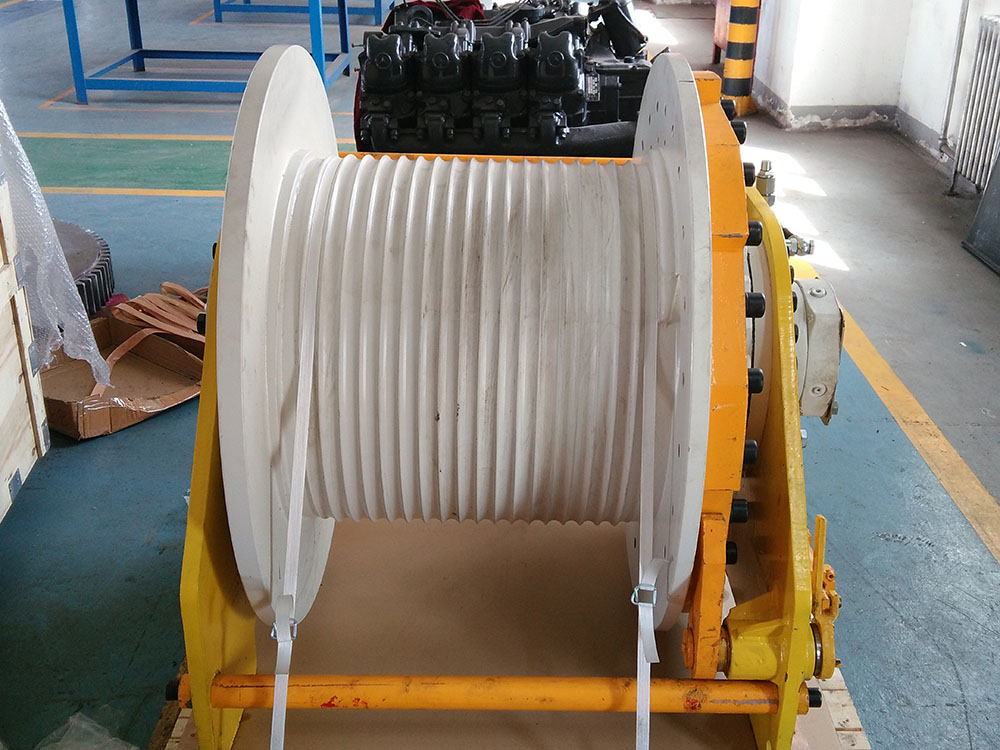
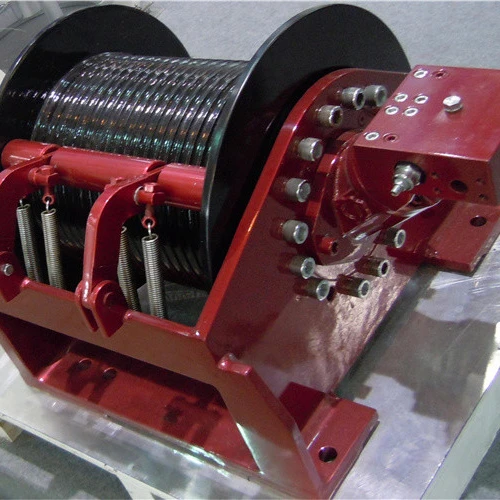
In simple terms, an ox hydraulic winch is a mechanical device that pulls or lifts heavy loads by winding cable or rope around a drum, powered by hydraulic fluid pressure. The “ox” part often refers to the ruggedness and strength of the device — think of it as the workhorse among winches. It operates by channeling pressurized oil or fluid, which provides smooth, controlled motion and massive pulling force.
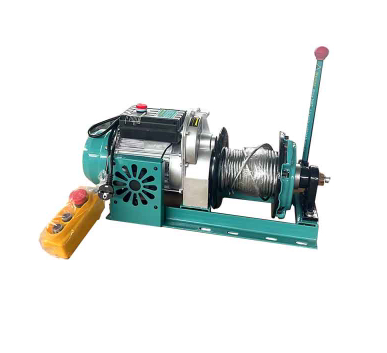
Unlike electric winches, hydraulic versions don’t rely on electric motors but on hydraulic pumps, making them ideal for environments where power stability is questionable or explosive atmospheres are a concern — for example, mining or offshore platforms.
In humanitarian aid or remote industrial settings, ox hydraulic winches help move heavy equipment, clear debris, or assist in vehicle recovery, tasks that are crucial when every second counts.
Core Components Defining an Ox Hydraulic Winch
1. Durability
Materials used for the drum, gears, and housing are often hardened steel alloys that can withstand rough use — abrasive environments, saltwater, dust, you name it. Many engineers I talked to swear by corrosion-resistant finishes that keep these winches ticking even after years.
2. Hydraulic Power System
The heart of the winch is the hydraulic pump and motor combo. Efficient pressure flow translates directly into winching power. Precisely controlling pressure means accurate load handling without jerks, which is super important for safety.
3. Scalability & Customization
The ox hydraulic winch can vary from light, compact models used on small utility trucks to massive ones used on oil rigs or logging operations. Vendors often customize rope length, drum size, and load capacity based on client needs.
4. Control & Safety Mechanisms
Modern ox hydraulic winches incorporate brakes, automatic lock systems, and remote controls to improve operator safety and precision. Considering those spinning drums can be unforgiving, these features are essential.
5. Cost Efficiency & Maintenance
Since these winches have fewer delicate electronic parts, maintenance is often simpler — but you still need regular fluid checks, filter changes, and lubrication. The upfront cost might be higher than electric alternatives, but the lifespan and lower downtime often balance that out.
Mini takeaway: Durability, hydraulic power, scalability, safety, and upkeep are the pillars that make the ox hydraulic winch a trusted tool.
Real-World Applications: Where Does the Ox Hydraulic Winch Earn Its Keep?
Honestly, these winches are everywhere — if you know where to look. Some use cases worth noting:
- Offshore Oil & Gas: Heavy lifting and equipment maneuvering in hostile marine environments demand the reliability of hydraulic winches.
- Forestry & Logging: Pulling large logs over uneven terrain is safer and faster with an ox hydraulic winch.
- Emergency & Disaster Relief: After earthquakes or floods, debris removal and vehicle recovery need robust winches that won’t fail under pressure.
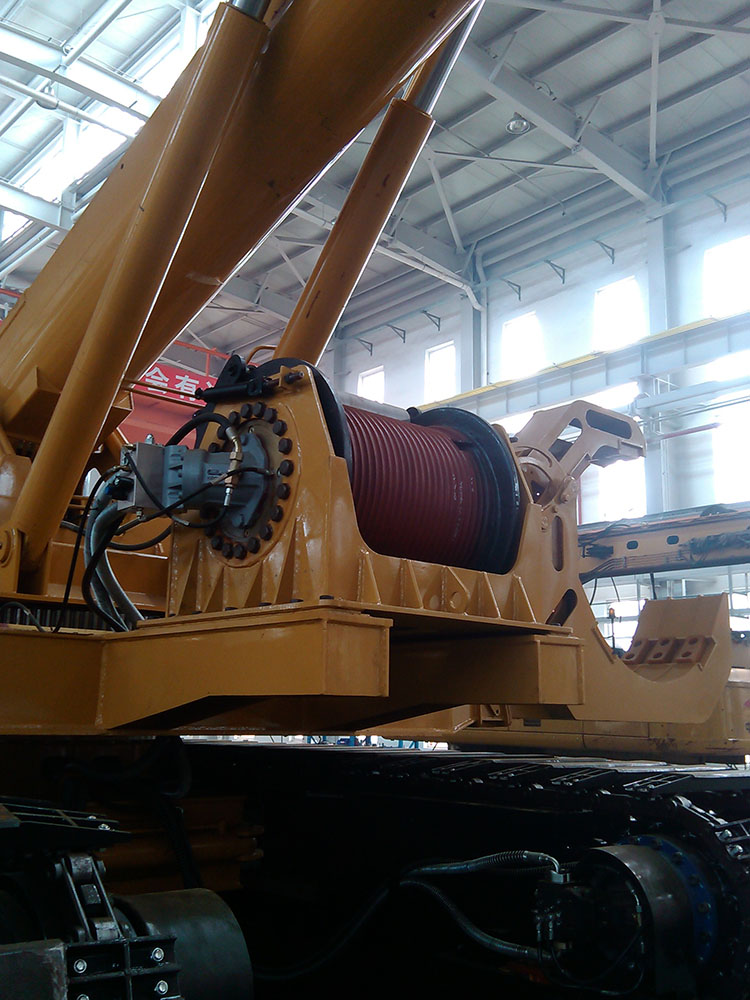
- Construction & Infrastructure Projects: Heavy materials often require steady control during lifts or pulls that hydraulic systems manage better than electric.
For example, NGOs working in remote areas of Southeast Asia often rely on ox hydraulic winch systems mounted on off-road vehicles to access tough-to-reach humanitarian sites. It’s these real-world tasks that underscore their value.
Ox Hydraulic Winch Advantages & Long-Term Value
When you weigh cost, reliability, and user safety, ox hydraulic winches come out surprisingly strong. They:
- Reduce operational risks thanks to smooth braking and controlled winching.
- Last longer—the rugged design withstands harsh conditions better than electric counterparts.
- Improve safety and dignity in humanitarian contexts, where reliable equipment means faster, safer operations.
- Offer energy-efficient power, since hydraulic systems can be connected to existing diesel or gas engines rather than relying on separate power grids.
Plus, for companies focused on sustainability, choosing durable equipment that doesn’t need frequent replacement, and that can function with hybrid or alternative power sources, feels like a step in the right direction.
Ox Hydraulic Winch Technical Specifications
| Feature | Specification |
|---|---|
| Load Capacity | Up to 15,000 kg (33,000 lbs) |
| Line Speed | Range: 5 - 30 m/min |
| Power Source | Hydraulic pump (oil-based) |
| Control System | Manual lever / Remote control |
| Drum Diameter | 250 mm standard (customizable) |
| Weight | From 150 kg (compact units) |
Vendor Comparison: Choosing the Right Ox Hydraulic Winch Partner
| Vendor | Load Capacity (kg) | Customization | Typical Delivery Time | Warranty |
|---|---|---|---|---|
| OxWinch Co. | Up to 15,000 | High (custom builds available) | 6-8 weeks | 24 months |
| HydroPull Ltd. | Up to 10,000 | Medium | 4-6 weeks | 18 months |
| WinchPro Engineering | Up to 12,000 | Low to Medium | 3-5 weeks | 12 months |
Looking Ahead: Future Trends and Innovations in Ox Hydraulic Winches
Technological leaps are nudging winches into smarter, greener territory. Innovations such as integrated IoT sensors for real-time monitoring, digitally controlled hydraulics for precision, and even hybrid power sources (mixing diesel and electric) are gaining traction.
And honestly, it feels like the industry is finally embracing sustainability without sacrificing power. New materials with better strength-to-weight ratios reduce overall winch weight, which means less fuel consumption on vehicles and better transportability. Some manufacturers are even exploring biodegradable hydraulic fluids to minimize environmental impact.
As automation creeps in, hydraulic winches could integrate with robotic arms or automated cranes, reducing manual labor risks and operational errors. The future is both tough and tech-savvy.
Challenges & How to Overcome Them
Of course, the ox hydraulic winch isn’t without its quirks. Some common challenges include:
- Hydraulic system leaks: This can cause performance issues and environmental hazards. Proper maintenance and quality seals help a lot.
- Weight and bulk: Larger winches can be hefty to transport or install. Modular designs and lighter materials can mitigate this.
- Dependency on hydraulic power source: Without a reliable pump or engine, the winch is useless. Backup systems and hybrid models address this risk.
Most industry experts recommend regular training for operators and scheduled preventative maintenance to keep things running smooth. It sounds old-fashioned, but it works.
FAQ: Your Practical Questions About Ox Hydraulic Winches
- What is the typical lifespan of an ox hydraulic winch?
- With proper maintenance, these winches can last 10-15 years or more. Regular fluid changes, inspections, and avoiding overload conditions extend their service life considerably.
- Can ox hydraulic winches be used in explosive environments?
- Yes. Since they don’t rely on electric motors, they’re safer in hazardous or explosive atmospheres such as mining or chemical plants—provided they meet industry safety certifications.
- How customizable are ox hydraulic winches for specific projects?
- Highly customizable. Load capacity, drum size, control options, and mounting configurations can all be tailored to your operational needs.
- Are these winches easy to operate for non-experts?
- While they’re designed for industrial use, many models offer remote controls and safety features that simplify operation. Training is recommended for safe handling, though.
Final Thoughts & How to Get Started
Ox hydraulic winches may not grab headlines daily, but their reliability, strength, and adaptability make them the unsung heroes of many industries—and aid efforts. Whether you’re lifting, pulling, or recovering, these winches provide a level of control and trust that’s hard to beat.
If your project requires a robust, proven winch system, consider exploring trusted models at ox hydraulic winch. Their expertise and customizable options might just be what your operation needs to click into gear.
Stay curious, keep those cables tight, and never underestimate a good winch...
References:
-
The Ultimate Guide to Gear Steels for Durability and PerformanceNewsApr.16,2026
-
High Performance Gear Stainless Steel for Industrial DurabilityNewsApr.09,2026
-
Comprehensive Guide to Steel Bevel Gears Applications and SelectionNewsApr.07,2026
-
Comprehensive Guide to Durable Stainless Steel Miter Gears and ApplicationsNewsApr.04,2026
-
Comprehensive Guide to Steel Spur Gears Functionality and ApplicationsNewsMar.31,2026
-
Comprehensive Guide to Durable Stainless Steel Spur Gears and Their ApplicationsNewsMar.28,2026