Understanding Hydraulic 4WD Winches: Power, Precision & Performance
Hydraulic 4WD Winch: Powering Tough Terrain and Heavy Lifting
If you’ve ever watched a recovery vehicle pull a truck out of a muddy ditch, or seen heavy machinery seamlessly hoist massive loads with precision in rough conditions, you’re glimpsing the magic of hydraulic 4WD winches at work. These rugged, hydraulically powered devices combine the brute strength of fluid pressure with the traction and torque of four-wheel drive (4WD) systems to tackle some truly gritty challenges.
Globally, industries from mining and forestry to disaster response rely increasingly on this technology. Understanding the hydraulic 4WD winch’s capabilities not only highlights engineering prowess but also its critical role in safety, efficiency, and environmental stewardship worldwide — especially in areas with little infrastructure or tough terrain.
The Global Context: Why Hydraulic 4WD Winches Matter Now More Than Ever
Across the world, rough and uneven terrain complicates logistics and emergency interventions. According to the United Nations Office for Disaster Risk Reduction, natural hazards have tripled in frequency over the past 40 years, often striking in remote, rugged regions where typical vehicles would get stuck. Here’s where the hydraulic 4WD winch steps in.
Data from the International Organization for Standardization (ISO) also reveals a growing push within extraction industries to adopt safer, more environmentally conscious heavy machinery. Hydraulic winches, with their precise control and energy-efficient design, fit the bill perfectly.
Yet, despite these advancements, operators often wrestle with slow deployment times and maintenance challenges — leading to costly downtime. Hydraulic 4WD winches help change that, making sure that vital equipment gets moving when it counts.
What Exactly is a Hydraulic 4WD Winch?
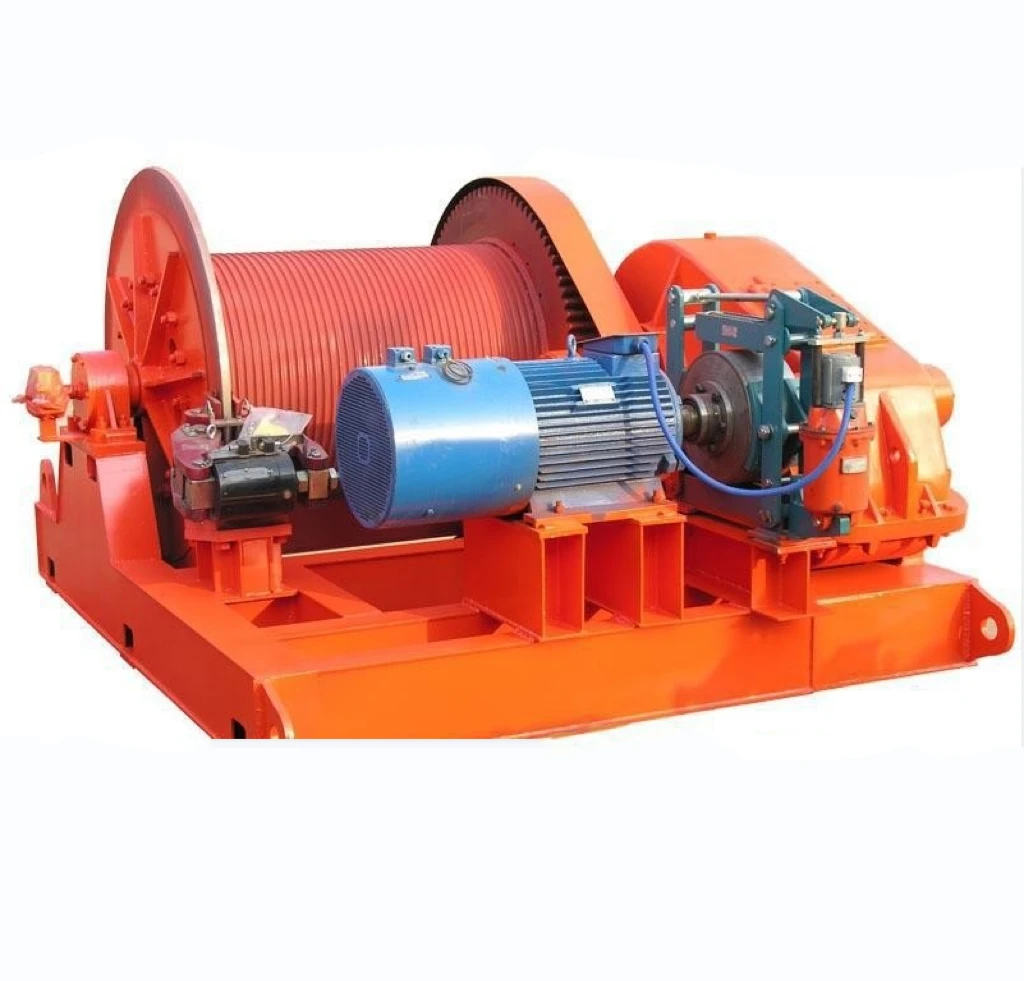
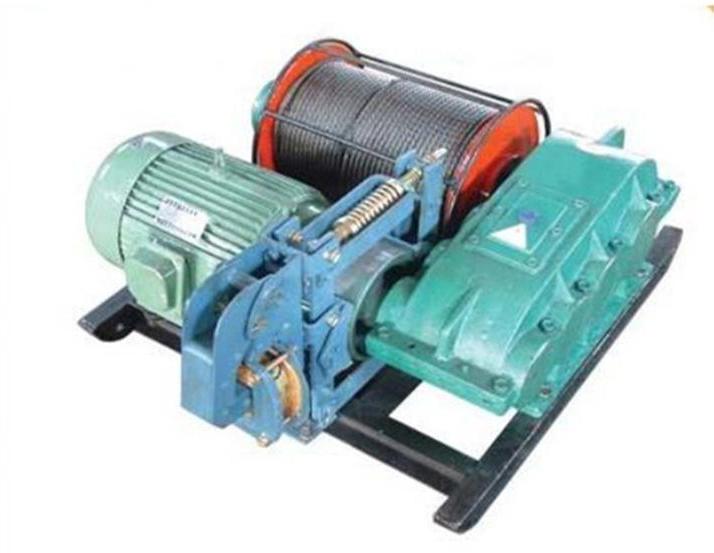
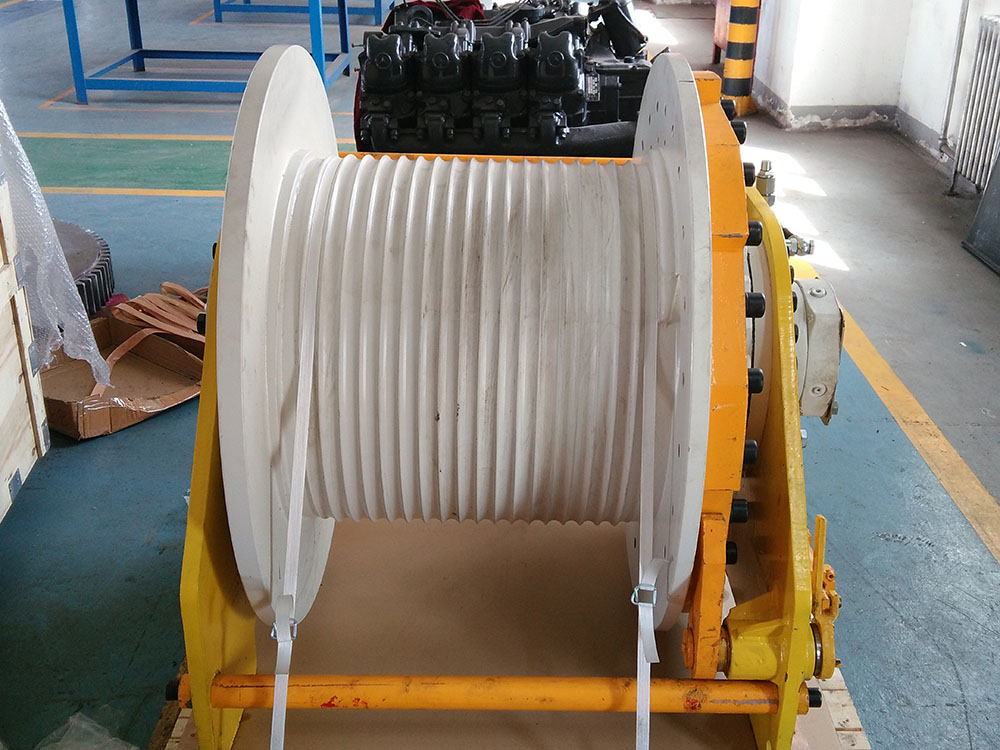
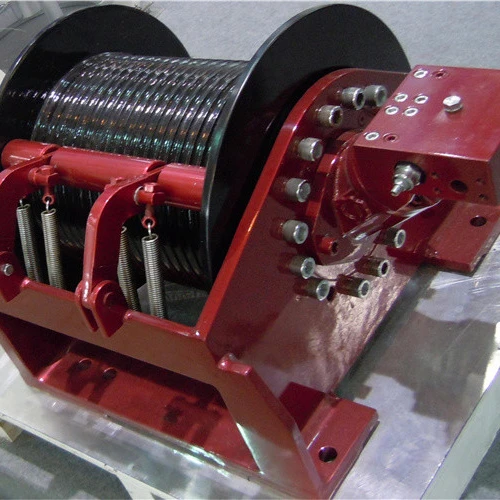
Simply put, a hydraulic 4WD winch is a device that uses hydraulic fluid pressure to generate mechanical pulling power combined with the drive and traction benefits of a four-wheel-drive system. Unlike electric or gasoline-powered winches, hydraulic winches tap into the vehicle’s hydraulic system — or a dedicated pump — for robust, steady force and durability.
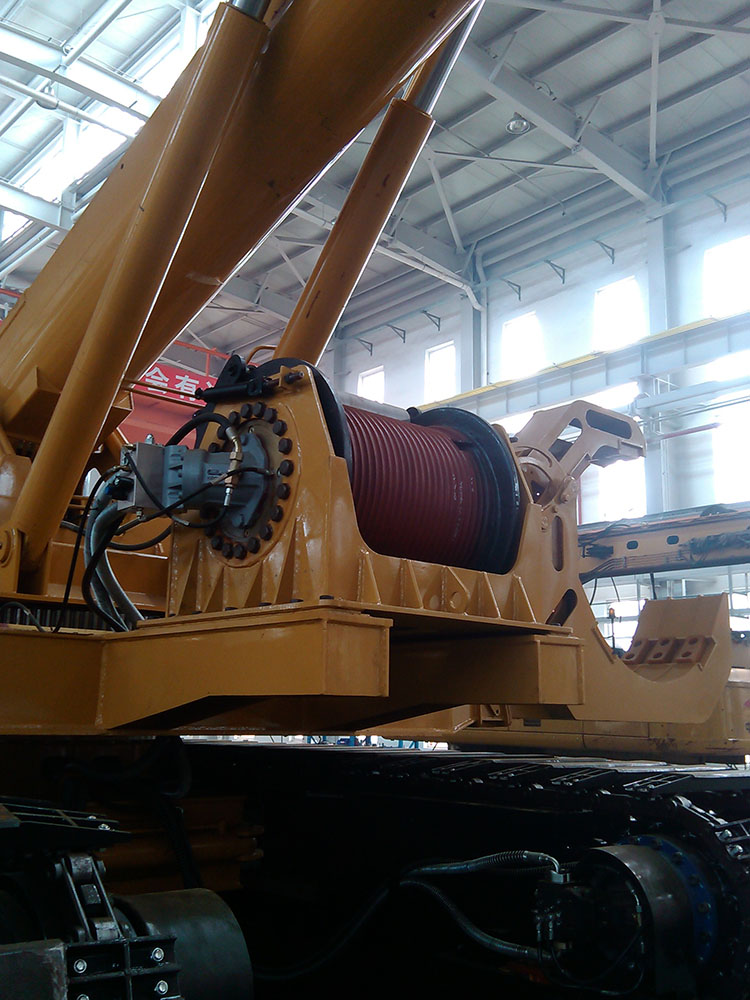
They’re often mounted on heavy-duty 4x4 vehicles and connected directly to the hydraulic lines. This integration ensures smooth power delivery even under the toughest loads and terrains. The result: a tool perfectly suited for industries requiring consistent performance, such as logging, mining, construction, or off-road rescue efforts.
Core Components and Key Factors of Hydraulic 4WD Winches
1. Durability and Robustness
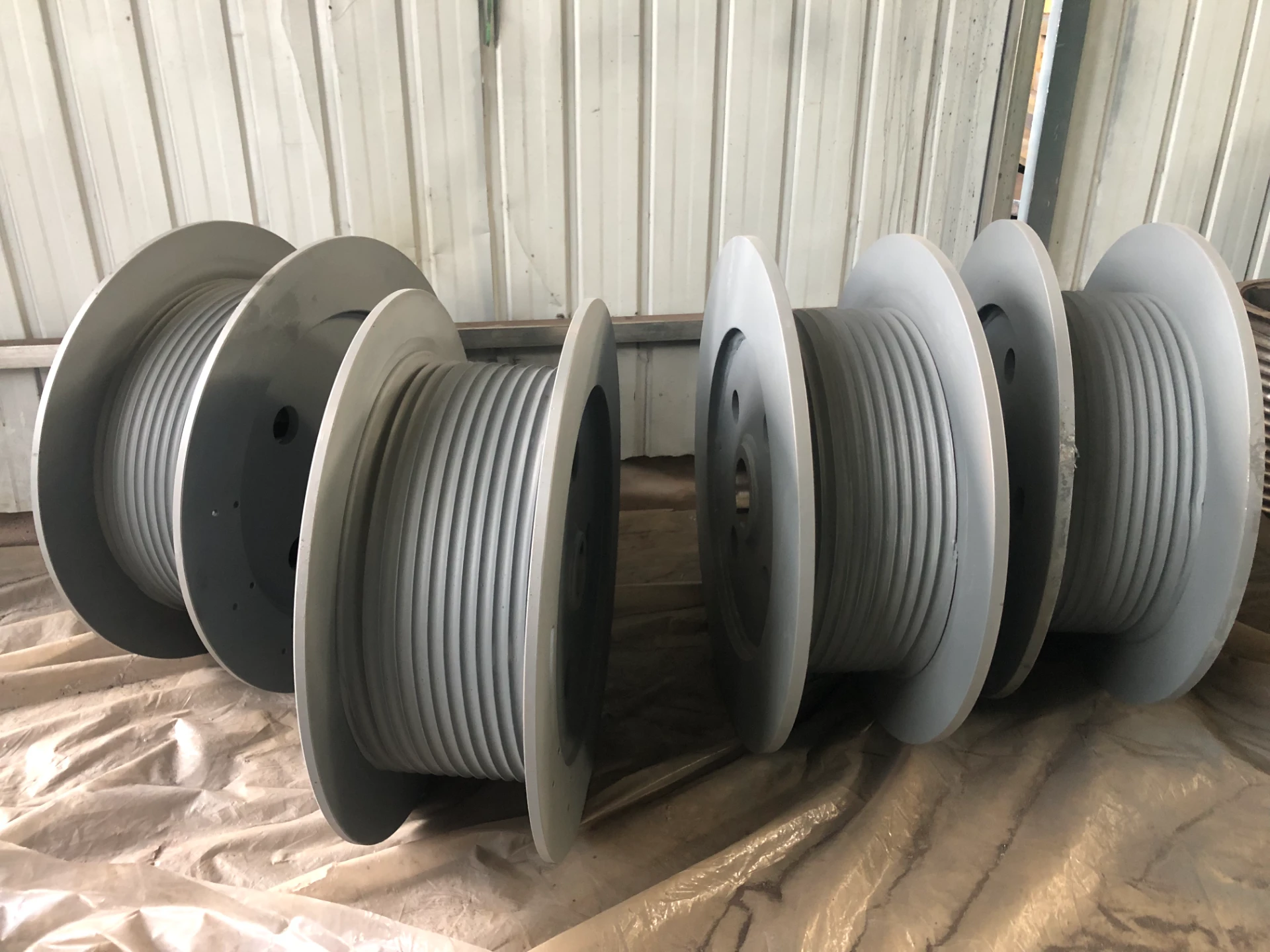
Hydraulic 4WD winches must endure environmental stresses — mud, water, dust, and fluctuating temperatures — daily. Engineered with heavy-duty steel and sealed components, they resist corrosion and mechanical wear better than many alternatives. This is crucial because downtime in remote or emergency conditions can be costly, even dangerous.
2. Power and Control Precision
Hydraulic systems offer fine control over pulling speed and torque. Operators appreciate how they can “feel” the load tension and adjust accordingly — no jerky starts or stops, just smooth, predictable movement. This is especially important when lifting delicate or very heavy cargo, or when rescuing stuck vehicles without causing further damage.
3. Scalability and Customization
Because hydraulic power can be calibrated through pump size, pressure settings, and hose setups, these winches are highly scalable. Manufacturers can tailor winch specs — from line capacities of a few tons to tens of tons — depending on end-use. And systems can be fitted to a wide variety of 4WD platforms, making them versatile across sectors.
4. Efficiency and Integration
By leveraging a vehicle’s existing hydraulic system or dedicated pumps, these winches require less electrical power and deliver high energy efficiency. This translates into lower fuel consumption and less strain on the vehicle’s alternators — a win-win for operators watching operational costs.
Hydraulic 4WD Winch Specifications: A Typical Example
| Specification | Model A500H4W | Model B800H4W |
|---|---|---|
| Rated Pull Capacity | 5,000 kg (11,000 lbs) | 8,000 kg (17,600 lbs) |
| Line Speed (full load) | 4 m/min (13 ft/min) | 3.2 m/min (10.5 ft/min) |
| Hydraulic Pressure | 150 bar (2,175 psi) | 180 bar (2,610 psi) |
| Cable Length | 30 m (98 ft) | 40 m (131 ft) |
| Weight | 75 kg (165 lbs) | 110 kg (243 lbs) |
Mini takeaway: The choice of a hydraulic 4WD winch depends on your load requirements and hydraulic system capacities — but no matter what, they offer durable, efficient force for tough jobs.
Where Are Hydraulic 4WD Winches Changing the Game?
From the dense rainforests of South America to the arid mines of Australia, the applications are diverse and expanding. NGOs operating in flood-affected Bangladesh use hydraulic winches mounted on 4WD trucks to transport emergency supplies over slippery terrain that defeats regular trucks. Mining companies in Canada rely on these winches to shift heavy equipment up steep slopes, minimizing downtime in cold, snowy conditions.
Even the forestry sector in the Pacific Northwest US depends on these systems. Winches help safely pull felled trees onto haul trucks without risking damage to the machine or soil erosion — a neat example of technology supporting environmental care.
Advantages That Keep Users Loyal
- Cost Efficiency: Less wear on vehicles means lower maintenance expenses over time.
- Safety: Operators can precisely control load tension, reducing accidents and equipment damage.
- Reliability: Hydraulic systems generally outperform electric alternatives in harsh environments.
- Eco-consciousness: Improved fuel efficiency aligns with sustainability goals in heavy industries.
Looking Ahead: Innovations Shaping The Future
Emerging trends point to increased integration of digital controls with hydraulic winches — enabling remote operation and predictive maintenance. Engineers are experimenting with greener hydraulic fluids and lightweight composite materials to shave weight without sacrificing strength. Plus, automation via AI-guided systems could soon make winch operation more intuitive and safer.
Common Challenges and Smart Solutions
Hydraulic 4WD winches do have their quirks — hydraulic leaks, hose degradation, and complex installation ranks high on user pain lists. The good news is that modern advances in hose materials and sealing techniques reduce leak risks significantly. Additionally, modular designs now allow easier servicing even in remote locations.
Vendor Comparison: Picking the Right Hydraulic 4WD Winch Maker
| Vendor | Product Range | Customization Options | After-Sales Support | Typical Price Range |
|---|---|---|---|---|
| LBS Winch | 4 models, 5-10 ton capacity | Full hydraulic & 4WD integration | 24/7 support, global service centers | $5,000 - $12,000 |
| Frontier Recovery | 3 models, up to 7 ton | Limited to standard kits | Business hours only, regional focus | $4,500 - $9,500 |
| HydroMax Solutions | Custom builds, up to 15 ton | Highly customizable, modular | Dedicated account managers | $7,000 - $20,000 |
FAQ: Common Questions About Hydraulic 4WD Winches
- Q1: How does a hydraulic 4WD winch differ from an electric winch?
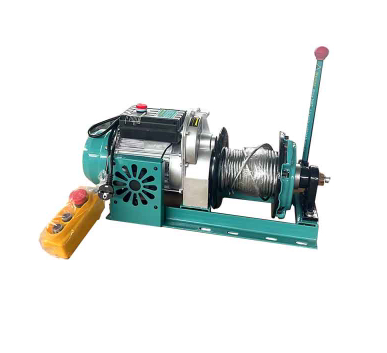
- Hydraulic winches use pressurized fluid to generate power, providing smoother, more consistent pulling force and better performance in harsh or wet environments compared to electric winches, which rely on batteries and are sensitive to overheating or moisture.
- Q2: Can I install a hydraulic 4WD winch on any 4x4 vehicle?
- Most 4WD vehicles with compatible hydraulic systems can accommodate these winches. However, installation depends on hydraulic pressure ratings and mounting options, so professional assessment and customization are advised.
- Q3: What maintenance is required for hydraulic winches?
- Routine checks include inspecting hydraulic hoses for leaks, testing fluid quality, and ensuring drums and cables are clean and rust-free. Preventative maintenance can extend lifespan and improve safety.
- Q4: Are hydraulic 4WD winches suitable for emergency rescue operations?
- Absolutely. Their high power, reliability, and control precision make them ideal for rescue teams dealing with difficult terrain or large vehicles.
- Q5: Where can I learn more or purchase trusted models?
- Visit trusted manufacturers' websites like hydraulic 4wd winch suppliers to explore product ranges and get expert advice tailored to your needs.
Wrapping Up: The Winch That Keeps On Winning
Hydraulic 4WD winches are not just machines; they’re vital problem solvers that make extreme work conditions manageable. Their combination of strength, reliability, and adaptability keeps industries running smoothly—even when nature throws a wrench in the works. For teams working in challenging environments, choosing the right hydraulic 4WD winch is less about convenience and more about trust and safety.
Interested in exploring the best hydraulic 4WD winches on the market? Feel free to visit our website anytime to find solutions designed to meet your toughest operational demands.
Mini takeaway: These winches are proving that with the right power and control, even the longest hauls and messiest recoveries become just another day at the office.
References
-
The Ultimate Guide to Gear Steels for Durability and PerformanceNewsApr.16,2026
-
High Performance Gear Stainless Steel for Industrial DurabilityNewsApr.09,2026
-
Comprehensive Guide to Steel Bevel Gears Applications and SelectionNewsApr.07,2026
-
Comprehensive Guide to Durable Stainless Steel Miter Gears and ApplicationsNewsApr.04,2026
-
Comprehensive Guide to Steel Spur Gears Functionality and ApplicationsNewsMar.31,2026
-
Comprehensive Guide to Durable Stainless Steel Spur Gears and Their ApplicationsNewsMar.28,2026