Keeper Hydraulic Winch – Reliable Power for Industrial Lifting and Material Handling
Understanding the Keeper Hydraulic Winch: Why It Matters Worldwide
If you’re involved in industrial lifting, hauling, or material handling, chances are you’ve come across a hydraulic winch — maybe even the keeper hydraulic winch specifically. But why is this tool not just another piece of machinery? Globally, industries from construction to maritime and humanitarian aid rely on efficient, powerful, and durable equipment like hydraulic winches to keep operations running smoothly and safely.
At its core, the keeper hydraulic winch offers unique benefits: from withstanding harsh environments to adapting to heavy-duty tasks without faltering. In today’s fast-paced world where downtime is costly and safety non-negotiable, understanding these machines is more than technical curiosity — it’s a necessity for industries (and indeed, societies) that depend on moving heavy loads efficiently.
Mini takeaway: Keeper hydraulic winches are not just tools; they’re pivotal players in industrial efficiency and safety worldwide.
The Global Context: Why Keeper Hydraulic Winches Are Increasingly Relevant
According to the United Nations' recent reports on global infrastructure development, developing regions are accelerating construction and resource extraction efforts, all of which demand reliable lifting solutions. The ISO 4309 standard on lifting devices highlights safety and maintenance as critical concerns, making robust equipment a must-have.
Yet, many operations struggle with challenges like equipment failure, environmental impact, and adaptability to varied operational conditions. This is where the keeper hydraulic winch comes in, addressing the call for reliable, rugged, and efficient machinery to keep projects on track and workers safe.
Mini takeaway: As global industry expands, the demand for specialized winches that combine reliability with adaptability has never been higher.
What Exactly Is a Keeper Hydraulic Winch?
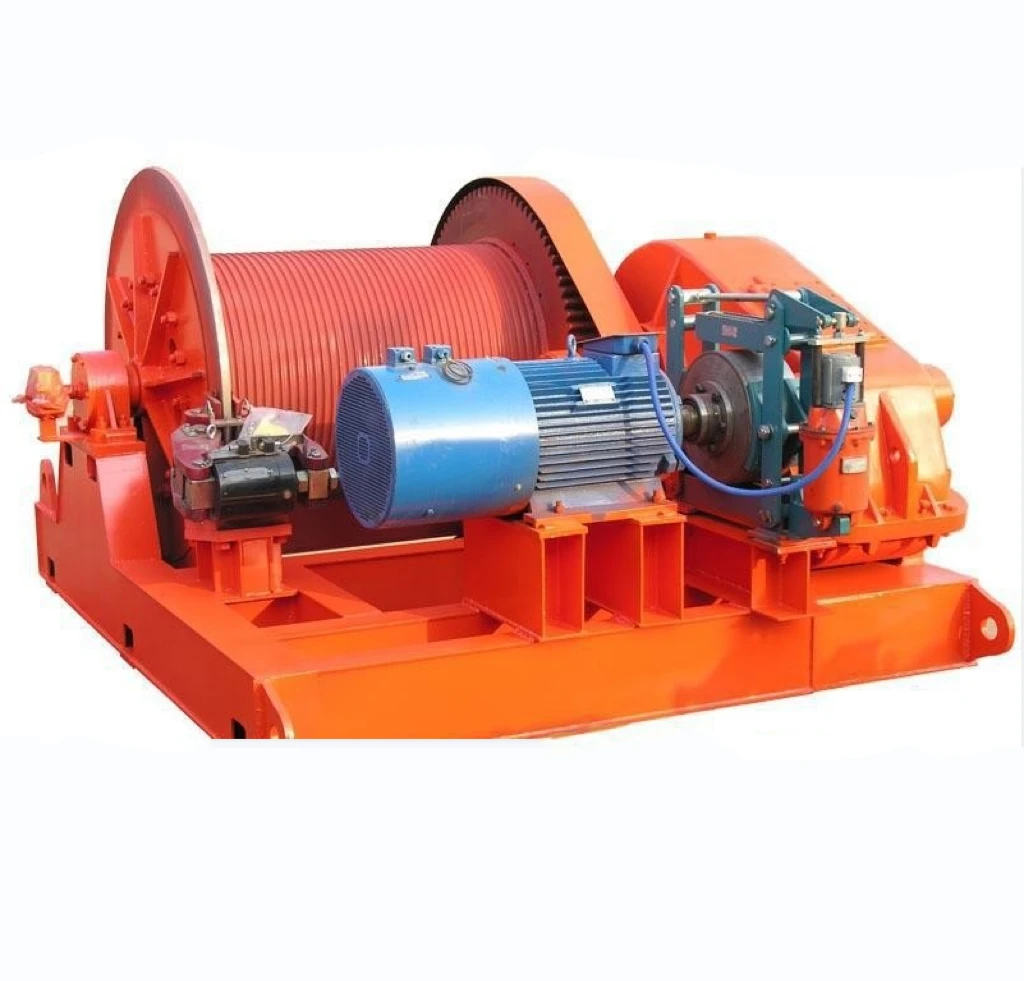
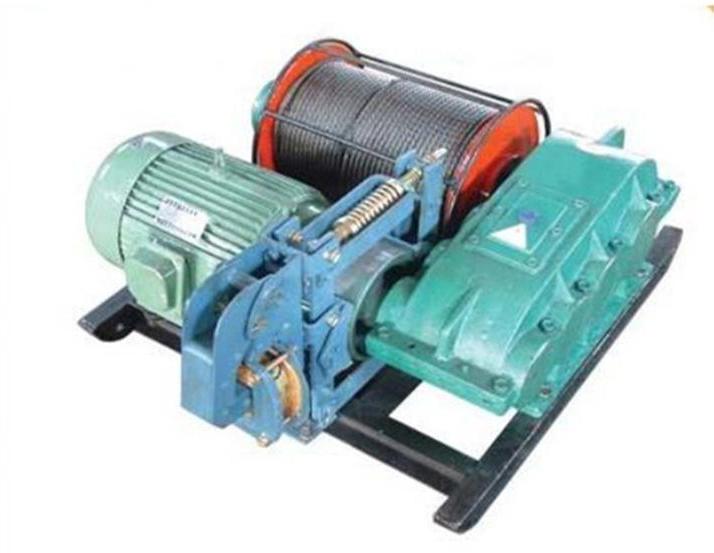
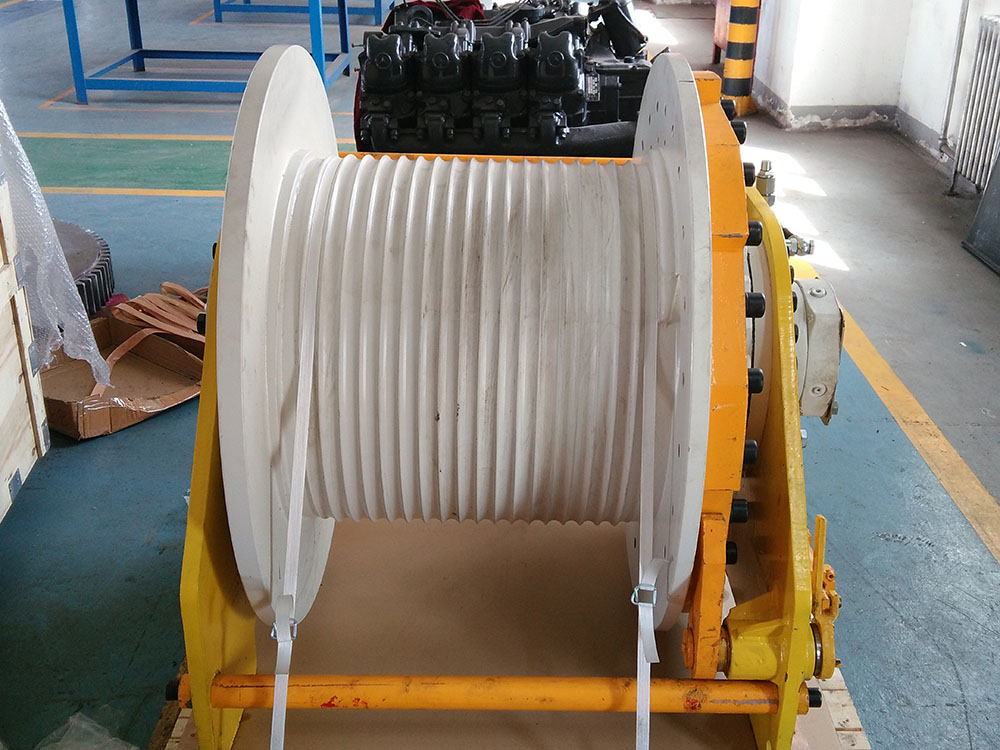
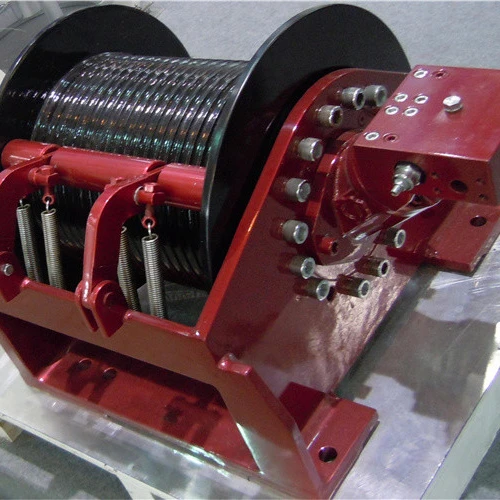
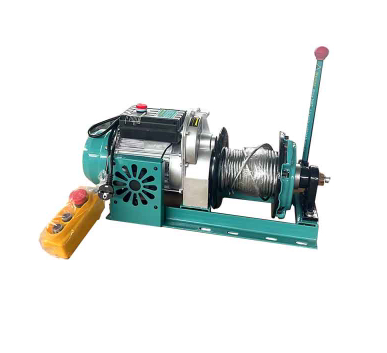
Simply put, a keeper hydraulic winch is a heavy-duty winch system powered by hydraulic fluid pressure rather than electric motors or manual force. The “keeper” label often refers to models designed for enhanced locking and load-holding capabilities, a vital feature in applications where maintaining position under heavy load is crucial.
These winches are indispensable in industries where precise control and power are paramount, such as maritime operations, mining, forestry, and emergency rescue. More recently, humanitarian aid groups have begun incorporating them into emergency logistics, recognizing their dependable performance even in the most austere environments.
Mini takeaway: Keeper hydraulic winches fuse hydraulic power with safety-focused design — perfect for modern industry’s tough demands.
The Core Components of Keeper Hydraulic Winches
1. Power Unit (Hydraulic Motor)
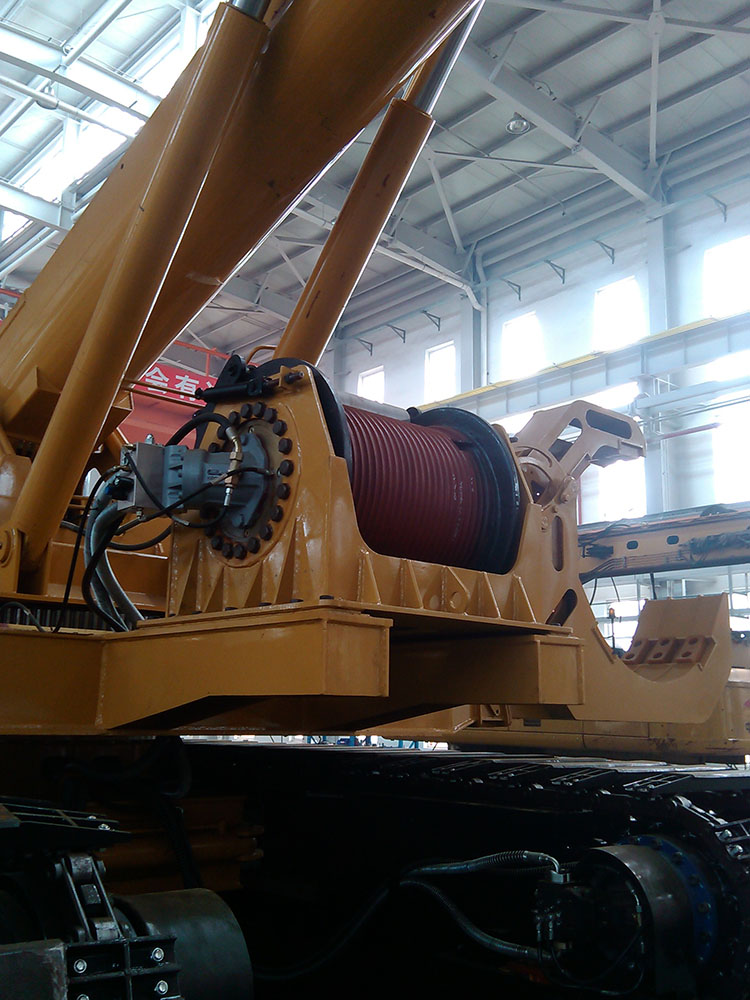
The heart of the system, the hydraulic motor converts pressurized fluid into rotational force. Its design affects torque, speed, and efficiency — many engineers note that a well-matched motor extends both performance and equipment lifespan.
2. Gear Train and Drum
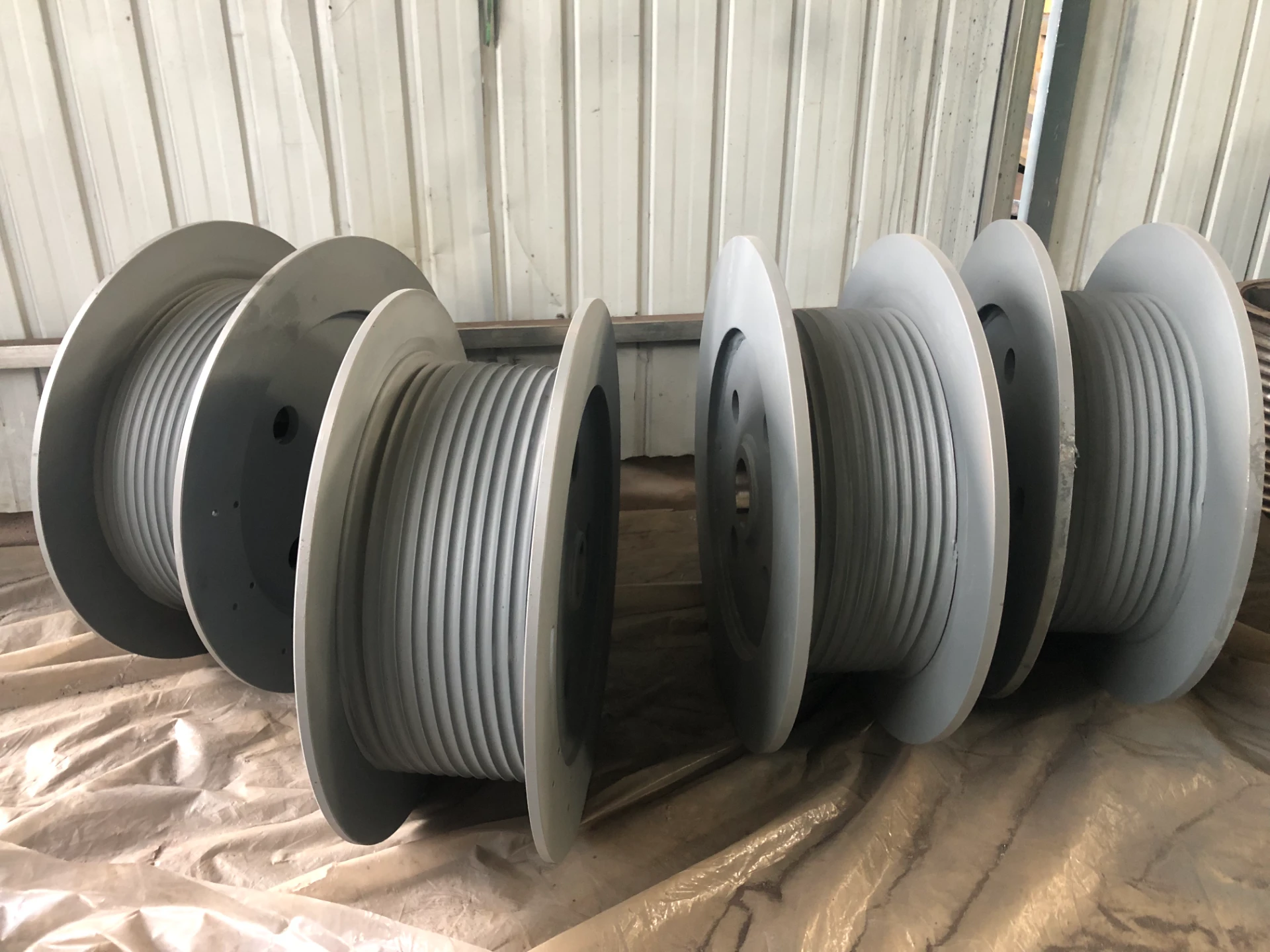
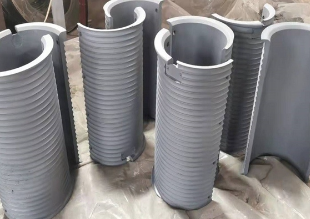
Responsible for torque multiplication and cable management, the drum holds the wire rope or synthetic line. Its durability often determines how the winch handles wear and tear over time.
3. Load-Holding Brakes
The “keeper” feature shines here with specialized brakes that prevent unwanted drum rotation under load. This is critical in safety-sensitive operations like crane lifts or rescue work.
4. Controls and Sensors
Modern hydraulic winches increasingly incorporate joystick or remote controls combined with load sensors, enabling precise, remote operation while ensuring safety parameters are monitored in real-time.
5. Housing and Mounts
Weatherproof, corrosion-resistant housing protects internal parts, making these winches reliable in marine or desert environments alike. Mounting flexibility also means easier integration on trucks, vessels, or fixed platforms.
Mini takeaway: The mix of hydraulic precision, rugged mechanics, and safety features ensures keeper winches perform reliably in varied, demanding settings.
Where Are These Winches Making a Difference? Real-World Applications
Where to start? Industries across the map engage keeper hydraulic winches in critical roles:
- Maritime Shipping & Offshore Oil: Handling heavy anchors, mooring lines, and cargo, especially in corrosive saltwater environments.
- Construction & Mining: For moving excavated material or assembling large segments, where robust power and fail-safe brakes prevent costly accidents.
- Forestry: Winching felled trees, often in rough terrain and variable weather, calls for adaptability.
- Disaster Relief & Humanitarian Aid: Delivering supplies or clearing debris post-calamity requires reliable, easy-to-deploy winches that work under pressure.
For instance, during recent tropical cyclone relief efforts in Southeast Asia, portable keeper hydraulic winches helped rescue teams clear roads blocked by fallen trees, restoring crucial supply routes faster than expected.
Mini takeaway: From coastal platforms to disaster zones, keeper hydraulic winches anchor many vital operations worldwide.
Advantages and Long-Term Value of Keeper Hydraulic Winches
Beyond raw power, these winches offer tangible advantages worth noting:
- Cost Efficiency: Their robust design means less downtime from maintenance and longer operational life.
- Sustainability: Hydraulic systems often outperform electric ones in energy efficiency and can be integrated with renewable power sources.
- Operational Safety: The keeper brake reduces risk of accidental load drops, saving lives and equipment.
- Social Impact: By enabling rapid infrastructure rebuilds post-disaster, these winches support community resilience and dignity.
Pick a keeper hydraulic winch and you’re investing in peace of mind, technological reliability, and often, a better environmental profile.
Mini takeaway: The best winches do more than move loads — they reduce risks, costs, and environmental footprints.
Future Trends: What’s on the Horizon for Keeper Hydraulic Winches?
The future feels pretty exciting here. Industry experts are watching several trends closely:
- Green Hydraulics: Using biodegradable fluids and energy recovery systems to cut environmental impact.
- Digital Integration: IoT sensors enabling predictive maintenance and remote diagnostics, potentially minimizing unplanned downtime.
- Automation: Partially autonomous winch operations for high-risk sites, allowing operators to stay out of harm’s way.
- Material Innovation: Lighter, stronger alloys and composite drums reducing weight without sacrificing durability.
Mini takeaway: Keeper hydraulic winches are evolving toward smarter, safer, and greener solutions — just as the world demands.
Challenges and Solutions in Deploying Keeper Hydraulic Winches
Let’s be honest: they’re not magic. Hydraulic winches come with their own quirks:
- Hydraulic Fluid Contamination: Dirt or water ingress can severely degrade performance.
- Complex Maintenance: Skilled technicians are needed, which can be scarce in remote areas.
- Initial Cost: Higher upfront investment compared to electric or manual winches demands justification.
Yet, proactive measures help: high-grade filtration systems, modular component design for easier servicing, and training programs supported by manufacturers reduce these barriers. Some global NGOs even partner with local experts to build maintenance capacity.
Mini takeaway: Challenges exist, but thoughtful design and support networks keep these winches working reliably worldwide.
Keeper Hydraulic Winch Specifications
| Specification | Typical Value | Notes |
|---|---|---|
| Max Pulling Capacity | 15,000 kg (33,000 lbs) | Varies by model and hydraulic pressure |
| Line Speed | 5 - 20 meters/min | Adjustable via control valve |
| Power Source | Hydraulic fluid pressure (Oil based) | Compatible with external power units |
| Brake Type | Spring-applied, hydraulically-released | Ensures load holding when power is off |
| Cable Capacity | 50-150 meters of 12mm wire rope | Options for synthetic line available |
Vendor Comparison: Keeper Hydraulic Winch Providers
| Feature | LBS Winch | WinchPro | HydroLift |
|---|---|---|---|
| Max Pulling Capacity | 15,000 kg | 12,000 kg | 18,000 kg |
| Load-Holding Brake | Advanced keeper brake | Standard hydraulic brake | Spring-applied brake |
| Remote Control | Available (wired/wireless) | Available (wired only) | Optional |
| Warranty | 3 years full support | 2 years limited | 1 year |
| Price Range | $$$ (mid-range) | $$ (budget) | $$$$ (premium) |
Frequently Asked Questions About Keeper Hydraulic Winch
Q1: What factors should I consider when selecting a keeper hydraulic winch?
When choosing a keeper hydraulic winch, consider load capacity, line speed, braking system, and compatibility with your existing hydraulic power units. Also, think about the operating environment — saltwater, high altitude, or dusty conditions demand specific materials and protections.
Q2: How often should hydraulic fluid be checked or replaced?
Hydraulic fluid quality is critical. Many manufacturers recommend inspecting fluid monthly and replacing it every 6-12 months, depending on usage intensity and operating conditions, to prevent contamination and maintain efficiency.
Q3: Can keeper hydraulic winches be used in emergency or disaster relief scenarios?
Absolutely. Their ruggedness, safety features, and power make them ideal for quick response operations, such as clearing debris or moving supplies, especially where electric power isn't readily available.
Q4: Are there eco-friendly options for hydraulic winches?
Yes. Some models use biodegradable hydraulic fluids, and energy recovery systems reduce overall power consumption. These options are growing as sustainability becomes a priority.
Q5: How can I ensure the safe operation of a keeper hydraulic winch?
Operators must be trained on safe load handling, proper maintenance, and emergency braking. Always follow manufacturer guidelines and conduct regular inspections to mitigate risks.
Conclusion: Why Your Next Winch Should Be a Keeper Hydraulic Winch
In real terms, the keeper hydraulic winch is more than a simple tool — it’s a trusted companion for industries facing complex material handling challenges worldwide. Its blend of raw hydraulic power, superior safety, and adaptability delivers lasting value. Whether you’re managing a construction site, an offshore rig, or coordinating disaster relief, investing in this technology pays back in reliability and peace of mind.
Ready to upgrade your lifting solutions? Visit keeper hydraulic winch experts at LBS Winch to explore models, customization options, and support services that suit your unique needs.
Sometimes it’s the gear behind the scenes that quietly keeps the world turning.
References
-
The Ultimate Guide to Gear Steels for Durability and PerformanceNewsApr.16,2026
-
High Performance Gear Stainless Steel for Industrial DurabilityNewsApr.09,2026
-
Comprehensive Guide to Steel Bevel Gears Applications and SelectionNewsApr.07,2026
-
Comprehensive Guide to Durable Stainless Steel Miter Gears and ApplicationsNewsApr.04,2026
-
Comprehensive Guide to Steel Spur Gears Functionality and ApplicationsNewsMar.31,2026
-
Comprehensive Guide to Durable Stainless Steel Spur Gears and Their ApplicationsNewsMar.28,2026