Powerful & Reliable 6000 lb Hydraulic Winch for Industrial & Rescue Use | LBS Winch
Why a 6000 lb Hydraulic Winch Matters in Today's World
Whether you're in construction, forestry, oil and gas, or emergency response, the need for reliable, powerful lifting and pulling equipment is universal. A 6000 lb hydraulic winch isn’t just another piece of heavy gear; it’s a workhorse that can solve tough challenges globally. From hauling heavy equipment across rugged terrains to assisting in disaster relief efforts, understanding the capabilities of such a winch can save time, money, and even lives.
At the global scale, industries that depend on heavy machinery report significant efficiency gains with hydraulic winches. According to ISO standards on lifting gear (ISO 4309), hydraulic winches designed for these capacities undergo rigorous testing for safety and longevity. Notably, the UN’s Office for the Coordination of Humanitarian Affairs (OCHA) often cites hydraulic winches as critical equipment during supply chain restoration in disaster zones, emphasizing their role beyond just industrial use.
Mini takeaway: A 6000 lb hydraulic winch is more than a tool; it’s a global asset in efficiency, safety, and crisis management.
What Exactly Is a 6000 lb Hydraulic Winch?
Simply put, it’s a mechanical device powered by a hydraulic motor capable of pulling or lifting loads up to 6000 pounds (roughly 2721 kg). Unlike electric winches, hydraulic versions draw power from a fluid pressure system, offering smoother operation and greater torque at lower RPMs. This means better control for heavy-duty or continuous tasks, especially in demanding environments.
Think about industries working in remote locations or rough environments—there, electric power availability might be unreliable, but hydraulic systems—often backed by mobile machinery or vehicle power take-offs—deliver consistent performance. For humanitarian causes, where quick extraction of debris or heavy materials can make all the difference after an earthquake or flood, this equipment’s robust design is invaluable.
Mini takeaway: The 6000 lb hydraulic winch combines heavy lifting power with adaptable, reliable operation in tough conditions.
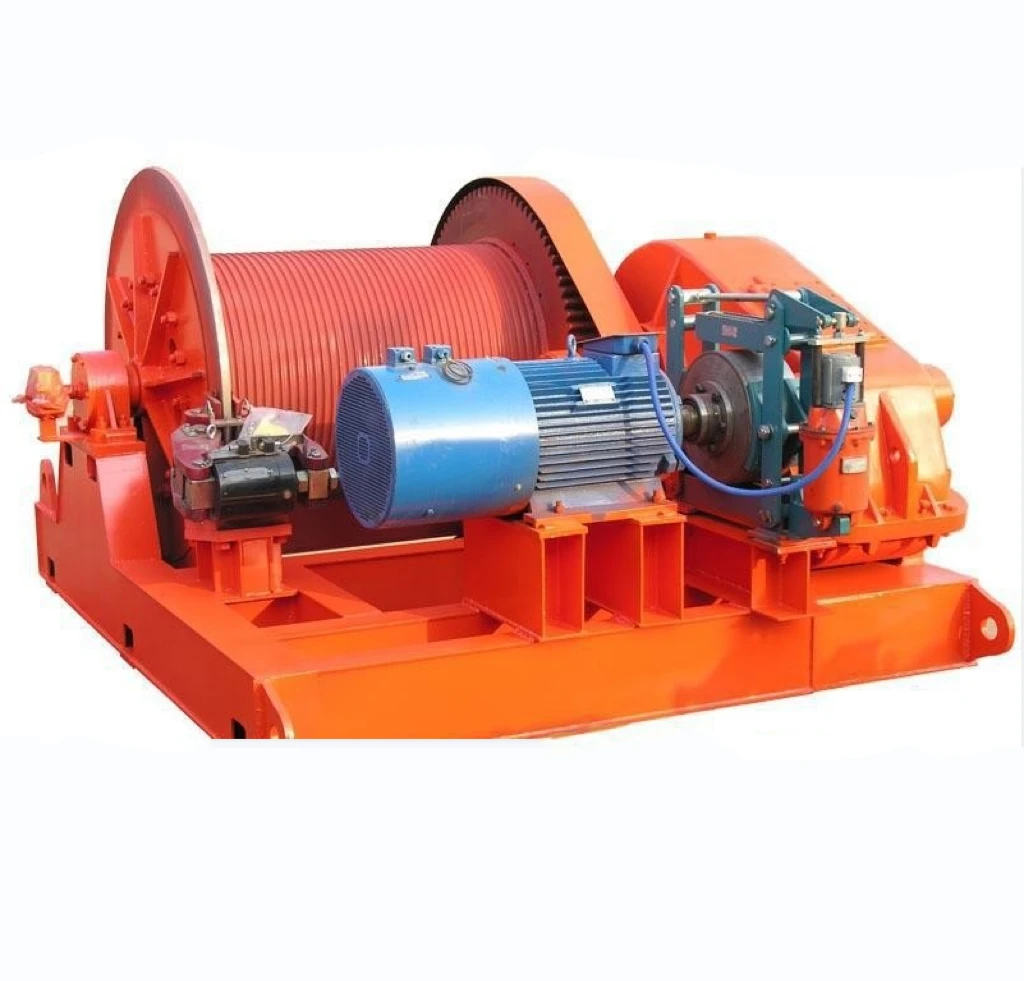
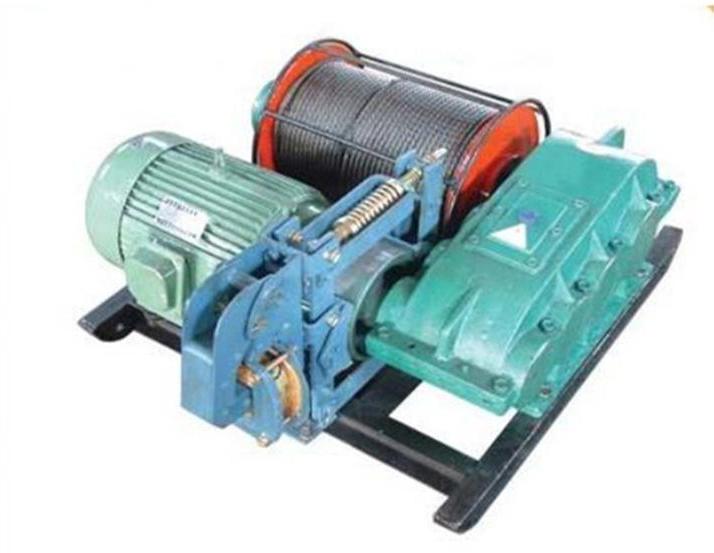
Core Components That Define Its Performance
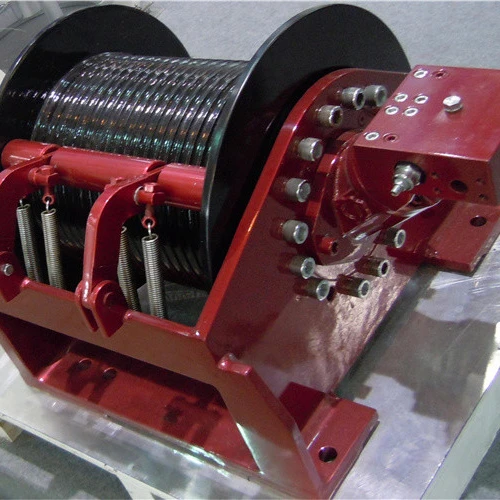
Hydraulic Motor
This is the heart of the winch. It converts pressurized hydraulic fluid into rotary power. The motor’s capacity to provide high torque at low speed means it can handle loads without overheating or stalling—a common issue with electric winches under heavy stress.
Drum and Cable
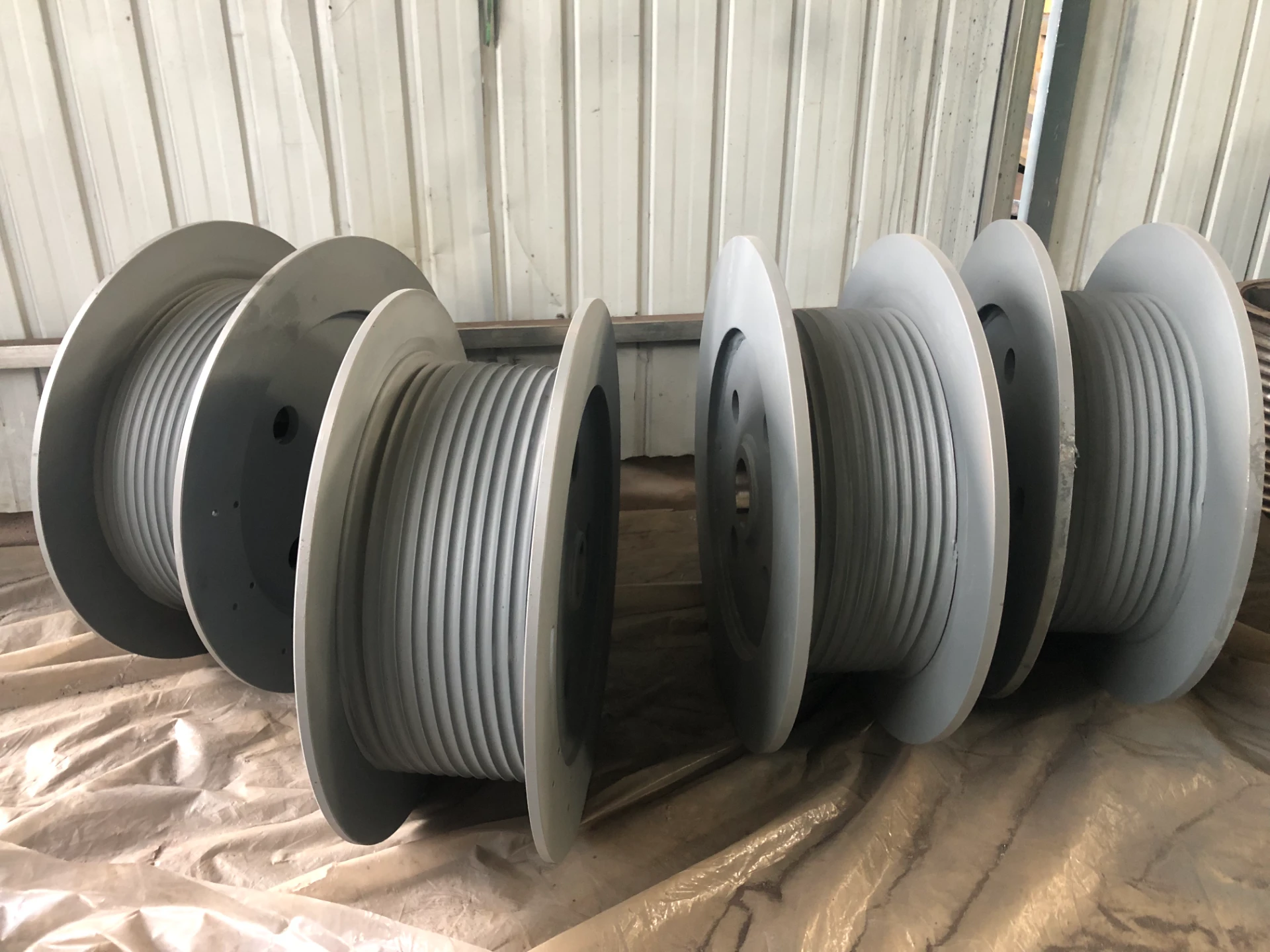
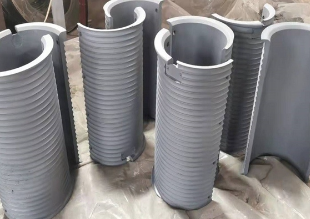
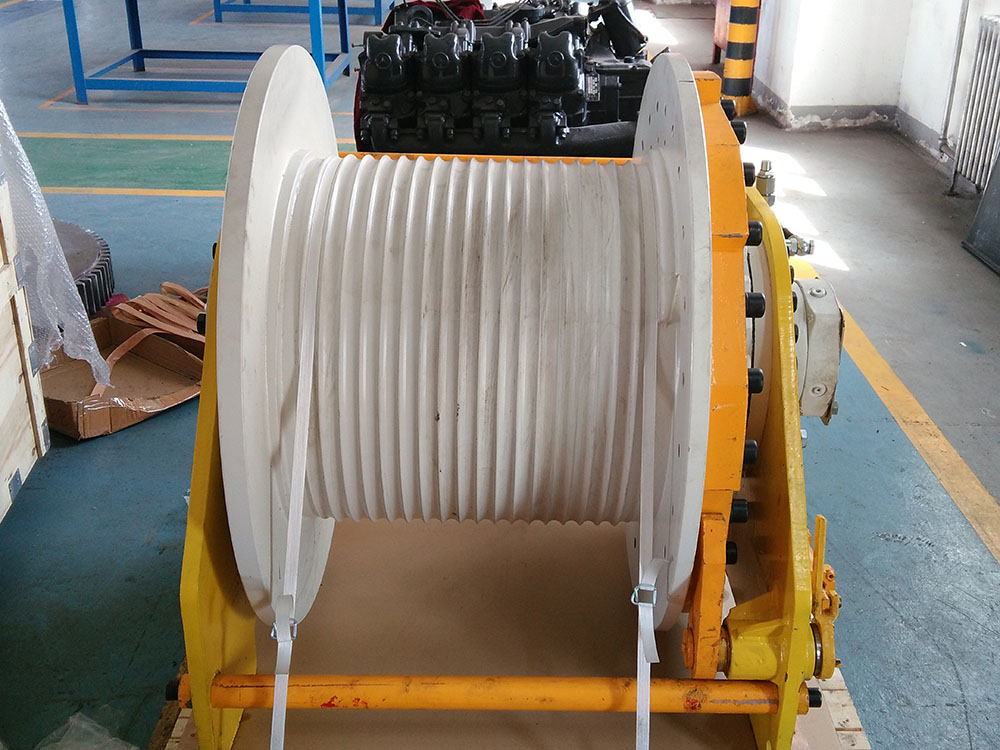
The drum, typically steel or a high-strength alloy, holds the cable or wire rope. This component’s durability dictates how long the winch can stay reliable under repeated use. Many engineers emphasize the value of corrosion resistance here, especially if the winch is used in marine or wet environments.
Gearbox
A crucial piece that multiplies torque from the motor, the gearbox ensures slow, steady pulling without sudden jerks. Its design impacts both efficiency and maintenance frequency.
Control Mechanism
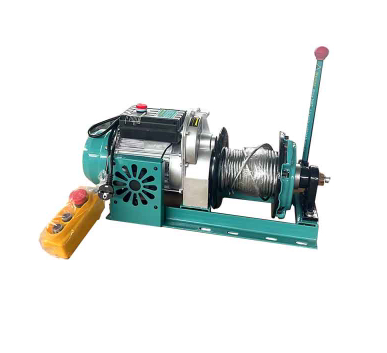
Often a joystick or wired remote, it gives operators smooth, precise control. Advanced models now feature wireless remotes, increasing safety on the worksite.
Mounting Frame
Made of heavy-duty steel, it anchors the system securely to vehicles or stationary points. The design eases installation but should be rigorously tested for vibration resistance.
Mini takeaway: The winch’s power is only as good as its components working seamlessly in tough environments.
Where You'll Find the 6000 lb Hydraulic Winch in Action
These winches enjoy widespread use across multiple sectors:
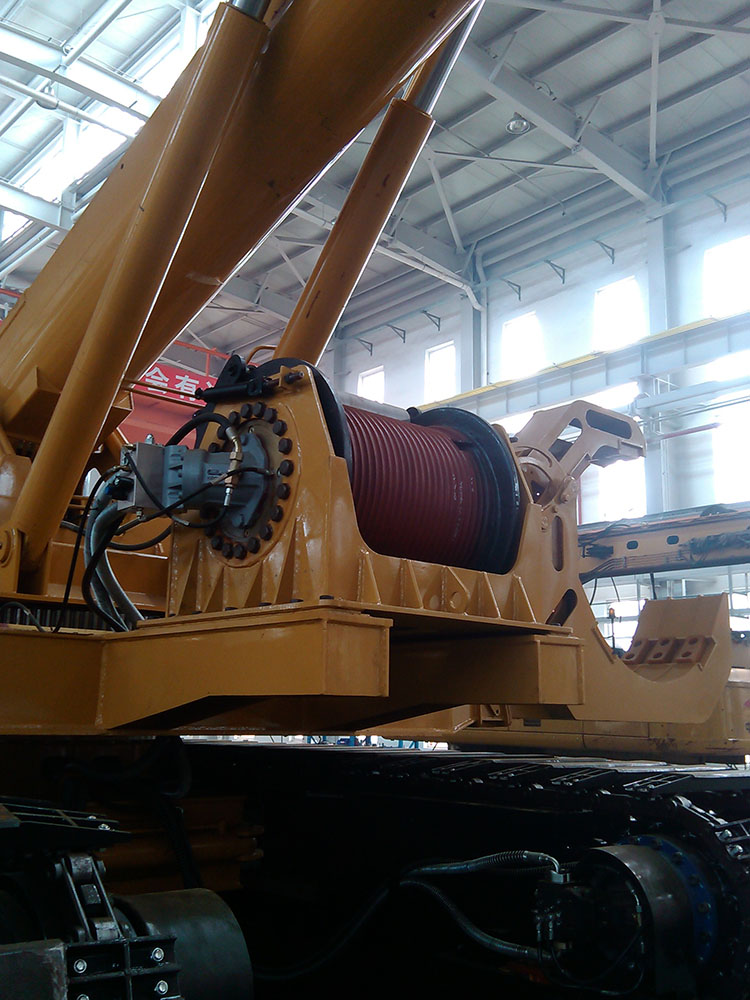
- Construction and Logging: For pulling heavy loads like felled trees or steel beams uphill or out of difficult spots.
- Oil & Gas Exploration: Operators rely on hydraulic winches to hoist drilling equipment and pipe segments on uneven terrain.
- Military and Rescue Operations: Their dependable power and control are vital for vehicle recovery or clearing debris after disasters.
- Transportation and Shipping: Loading/unloading cargo logs or heavy machine parts is made safer with hydraulic assistance.
For example, in Southeast Asia’s flood-prone areas, NGOs use hydraulic winches to reset uprooted vehicles quickly, aiding relief teams to continue their work without delay.
Mini takeaway: 6000 lb hydraulic winches cross industries and geography, proving indispensable in both everyday heavy lifting and emergency situations.
Looking Under the Hood: Specification Summary
| Specification | Details |
|---|---|
| Rated Pulling Capacity | 6000 lbs (2721 kg) |
| Motor Type | Hydraulic, high-torque, low RPM |
| Drum Diameter | 8 inches (20.3 cm) |
| Cable Length | 100 ft (30.5 meters) |
| Control Type | Remote control (wired/wireless optional) |
| Weight | Approx. 120 lbs (54 kg) |
| Material | Corrosion-resistant steel frame |
Comparing Top Vendors in the 6000 lb Hydraulic Winch Market
| Vendor | Price Range | Warranty | Key Features |
|---|---|---|---|
| LBS Winch Co. | $2,200 – $2,800 | 2 years | Wireless control, corrosion-resistant, heavy-duty steel frame |
| HydroTech Systems | $2,000 – $2,600 | 1 year | Compact design, high efficiency motor, standard wired control |
| PowerLine Equipment | $2,500 – $3,000 | 3 years | Industrial-grade materials, advanced sealing, optional remote app |
Why Investing in a 6000 lb Hydraulic Winch Pays Off
First off, it’s about reliability. Hydraulic winches tend to operate longer under sustained loads. That translates into less downtime and fewer repair bills. Cost-efficiency is another big win, especially when you factor in fuel savings—hydraulic systems can integrate with existing mobile equipment power sources effortlessly.
From a social perspective, these winches improve workplace safety by reducing manual labor and limiting operator exposure to hazards. After all, a safer worksite is a happier one, where trust flourishes. For organizations active in humanitarian aid, that means being able to deploy faster with less risk to personnel. It’s often said that no mechanical advantage is worth much unless people on the ground trust it completely.
Mini takeaway: A 6000 lb hydraulic winch isn’t just a purchase; it’s a strategic asset improving safety, sustainability, and operational trust.
The Road Ahead: Innovations in Hydraulic Winch Technology
As with many mechanical systems, the future looks smarter and greener. Expect to see more integration with digital control systems—for example, winches that connect to mobile apps for remote diagnostics and load monitoring. Automation is slowly creeping in, too. Imagine a winch system that adjusts pull speed automatically depending on load feedback.
Materials technology is evolving as well, with lighter yet stronger alloys extending lifespan and reducing weight. And the green push means hydraulic oil formulations that are more biodegradable and pumps that consume less energy. This is all aligned with broader ISO environmental standards for industrial equipment.
Common Challenges and Expert Solutions
One frequent issue is overheating during prolonged operation. Proper installation with adequate cooling, plus choosing a hydraulic winch matched correctly to the task—never overselling or underselling the rated capacity—helps mitigate this.
Another is maintenance complexity. While hydraulic systems are robust, they require scheduled fluid changes and inspections. Many suppliers now offer user-friendly diagnostic kits, and remote monitoring minimizes surprises.
Frequently Asked Questions About 6000 lb Hydraulic Winches
- What are the main advantages of a 6000 lb hydraulic winch over electric models?
- Hydraulic winches deliver higher torque at low speeds and operate better under continuous heavy loads without overheating. They’re also more suitable for remote sites where electric power is unavailable or unreliable.
- Can a 6000 lb hydraulic winch be installed on different vehicles?
- Yes. They are designed with adaptable mounting frames that fit on trucks, ATVs, and heavy machinery. However, it's critical to ensure the host vehicle can supply adequate hydraulic pressure.
- How often should I maintain the hydraulic winch?
- Routine maintenance includes inspecting cables, checking hydraulic fluid, and lubrication every 200 operating hours or six months, whichever comes first, but always refer to the manufacturer’s guidelines.
- Are wireless remotes standard?
- Not always. Many models offer wireless remote control as an option, which improves safety and convenience but tends to add to the cost.
- Is the cable length adjustable?
- Standard cable lengths are usually about 100 feet, but many vendors offer customization based on your needs.
Wrapping Up: Why It Pays to Know Your Winch
Choosing or upgrading to a 6000 lb hydraulic winch means investing in versatile power, safety, and durability. From rough industrial sites to lifesaving rescue operations, it's a device designed to take a beating and keep going. Modern advancements promise even greater efficiency and smarter operation soon.
If you want to see what the right winch could do for your projects or teams, explore offerings at LBS Winch — they’ve got options tailored for real-world needs and expert advice to boot.
Until next time, keep that heavy gear humming safely and smartly.
References
-
The Ultimate Guide to Gear Steels for Durability and PerformanceNewsApr.16,2026
-
High Performance Gear Stainless Steel for Industrial DurabilityNewsApr.09,2026
-
Comprehensive Guide to Steel Bevel Gears Applications and SelectionNewsApr.07,2026
-
Comprehensive Guide to Durable Stainless Steel Miter Gears and ApplicationsNewsApr.04,2026
-
Comprehensive Guide to Steel Spur Gears Functionality and ApplicationsNewsMar.31,2026
-
Comprehensive Guide to Durable Stainless Steel Spur Gears and Their ApplicationsNewsMar.28,2026