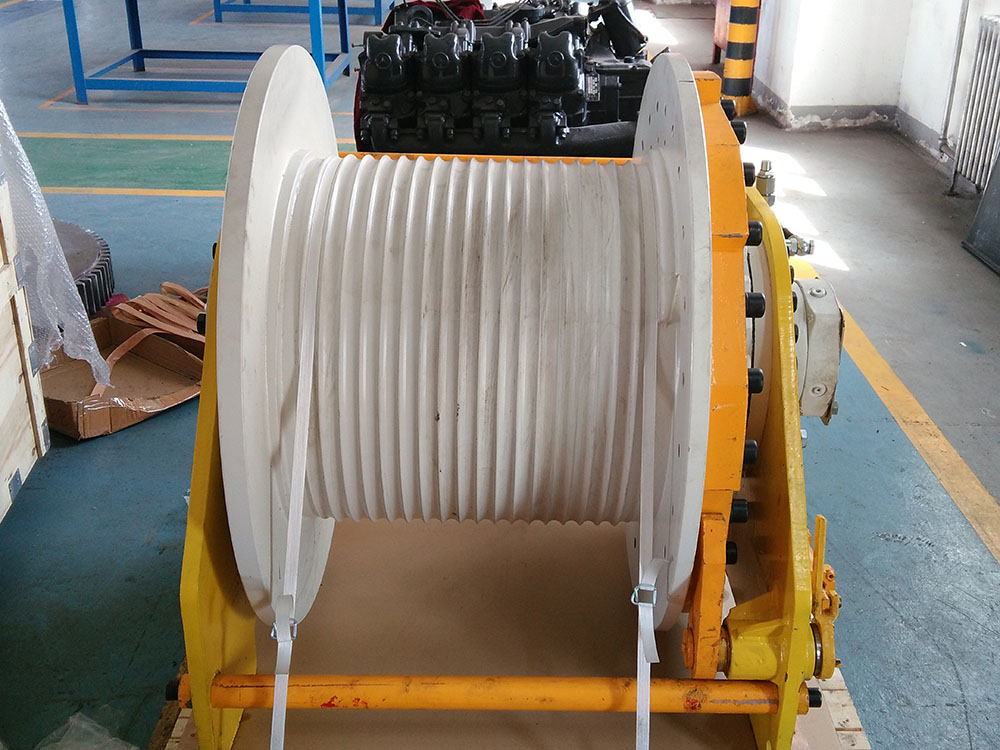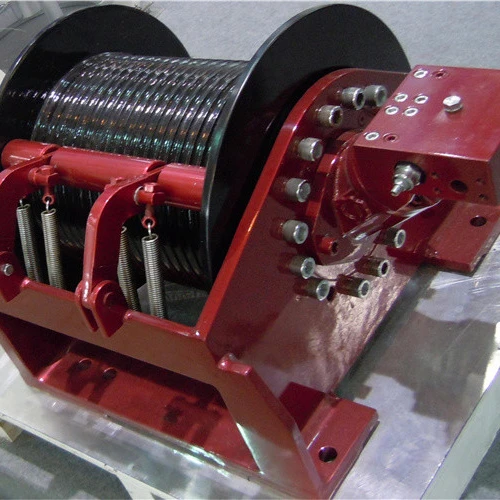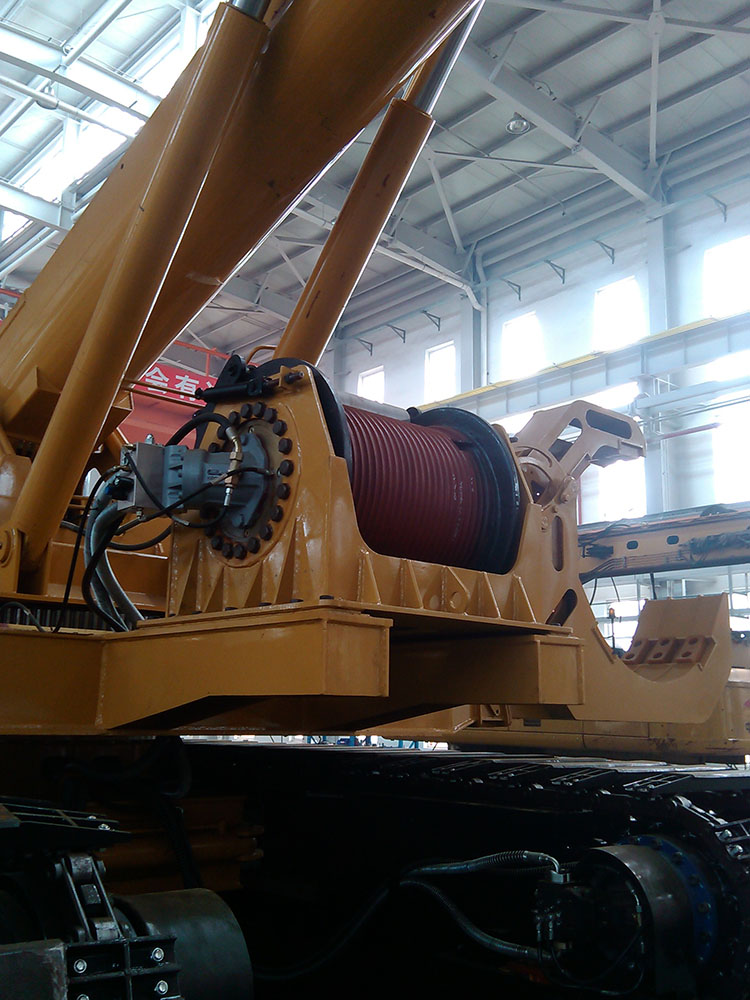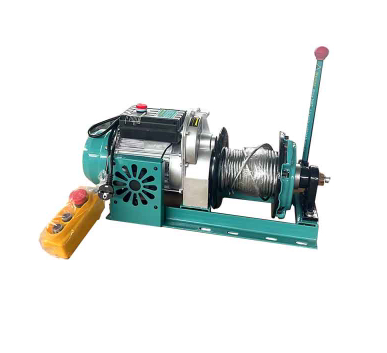
Explore Powerful 6 Ton Hydraulic Winches for Heavy-Duty Applications
The Unsung Powerhouse: Understanding the 6 Ton Hydraulic Winch
Whether you're working in remote construction sites, aiding disaster relief, or managing heavy industrial loads, the 6 ton hydraulic winch quietly powers many critical operations worldwide. It’s fascinating how a seemingly simple machine holds such global significance—from moving mountains (sometimes literally) to saving lives in emergency responses. Understanding this tool’s capabilities offers insight into improving operational efficiency, safety, and sustainability within many sectors.
Global Context: Why the 6 Ton Hydraulic Winch Matters
In an age where infrastructure projects and humanitarian efforts demand rugged reliability, equipment like the 6 ton hydraulic winch is indispensable. According to the United Nations, over 1.5 billion people worldwide live in areas susceptible to natural disasters, meaning prompt, heavy-duty equipment is in high demand globally (UNDRR, 2023). Additionally, the World Bank estimates global infrastructure spending will exceed $94 trillion by 2040, highlighting the ongoing need for robust lifting and pulling solutions in construction and resource extraction.
A challenge that clearly arises is how to balance power and portability. Many sites—like remote mining installations or fast-moving disaster zones—require machines that are powerful but also agile enough for tough terrain. That’s where the 6 ton hydraulic winch often steps in.
Breaking It Down: What Exactly Is a 6 Ton Hydraulic Winch?
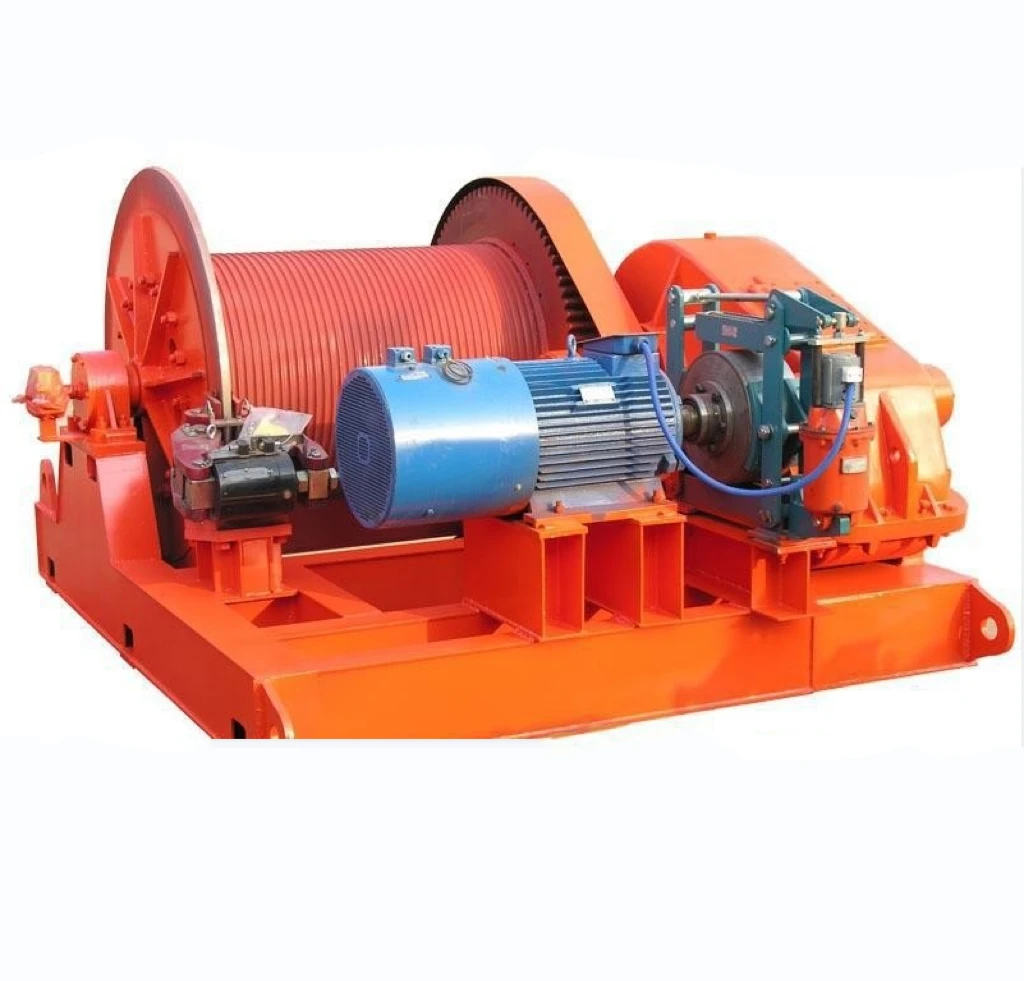
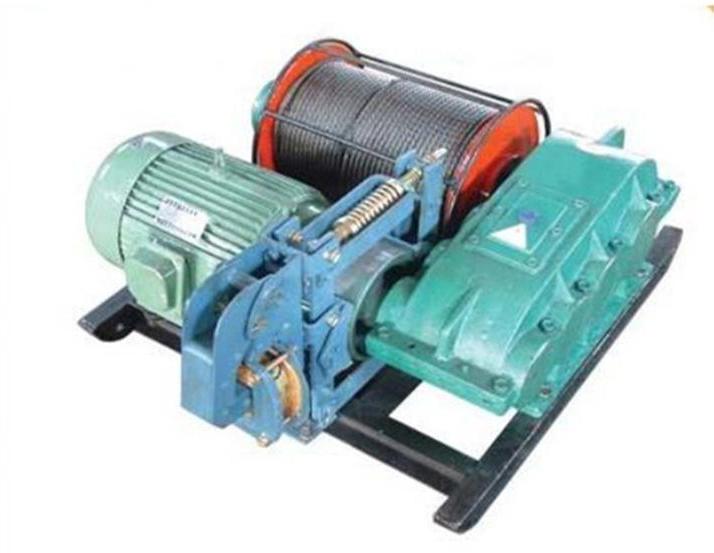
Simply put, a 6 ton hydraulic winch is a mechanical device powered by hydraulic fluid pressure, designed to pull or lift heavy loads up to six tons safely and efficiently. Unlike electric or manual winches, hydraulic models thrive in high-stress environments because hydraulic systems deliver steady, controllable power while being relatively compact.
Its links to modern industry and humanitarian work are clear: wherever there's a need to haul heavy materials—say, large logs in forestry, steel beams on construction sites, or vehicles stuck in rugged terrain—these winches serve as the muscle behind critical operations.
Core Components that Define a 6 Ton Hydraulic Winch
1. Durability to Withstand Harsh Conditions
Most 6 ton hydraulic winches are built with heavy-duty steel frames and corrosion-resistant components to endure rain, mud, or salt air. This means less downtime and maintenance, a must for remote jobs or emergency response teams who can’t afford equipment failure.
2. Scalability and Flexibility
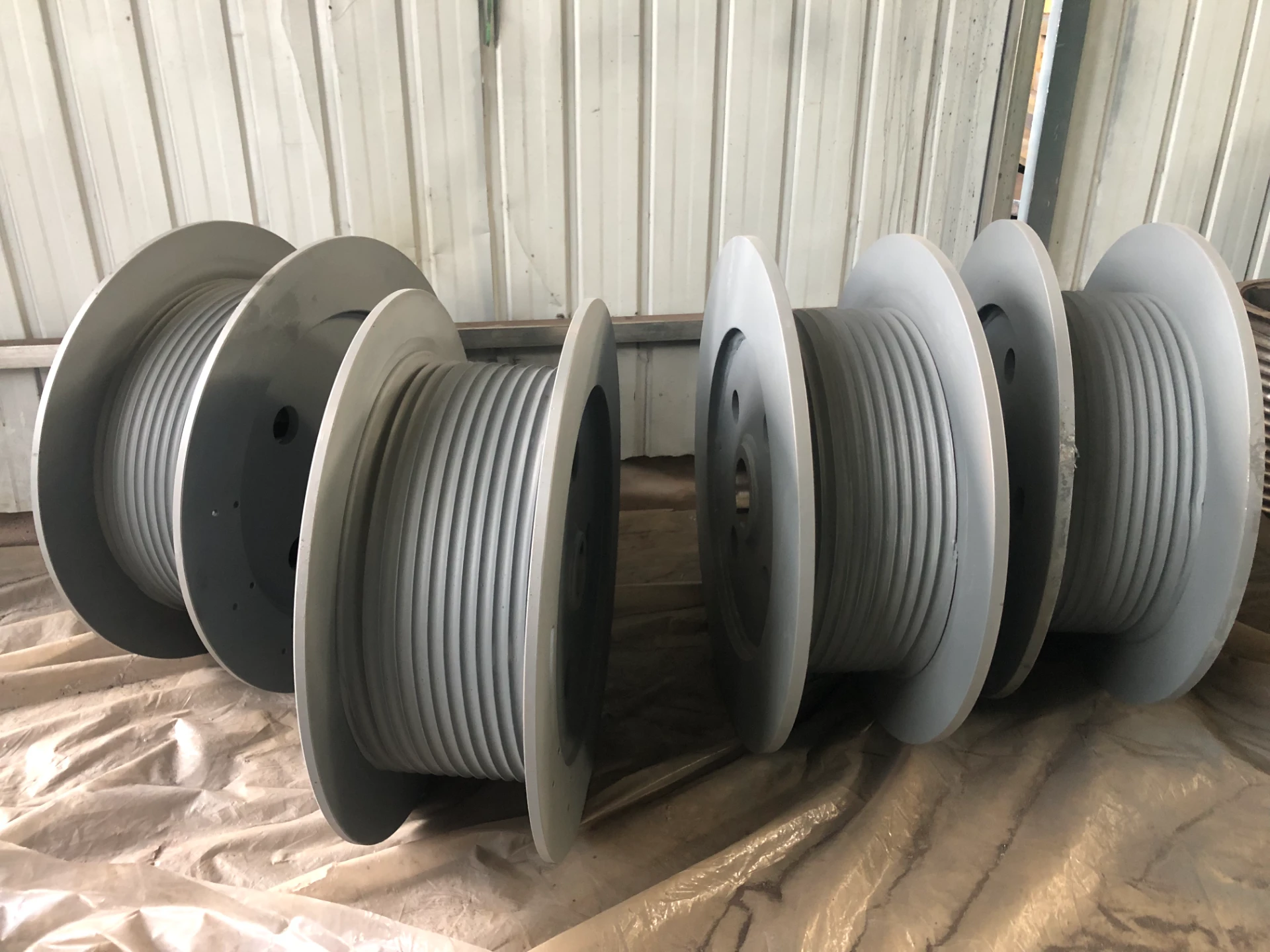
These winches can be fitted on trucks, ships, or standalone rigs, making them versatile. Adjustments in cable length, drum size, or mounting options mean users can customize setups for anything from pulling disabled vehicles to raising construction materials on tall scaffolding.
3. Cost Efficiency Through Reliability
While hydraulic winches might have a higher upfront cost than electric counterparts, their longer lifespan and lower repair frequency often lead to lower total cost of ownership.
4. Safety Mechanisms
Overload protection, automatic brakes, and emergency release features ensure that operators stay safe in intense situations, which is crucial when handling multi-ton loads.
5. Power and Control
Hydraulic systems deliver smooth, precise motions, allowing operators to manage heavy objects delicately—a small thing that matters greatly.
6. Environmental Resistance
Operating in extreme temperatures or wet conditions is often required—these winches are designed to function reliably in those environments.
Mini takeaway: The 6 ton hydraulic winch blends power, adaptability, and safety, making it an essential tool across industries.
Real-World Applications of the 6 Ton Hydraulic Winch
The scope of 6 ton hydraulic winches is broad. Here’s just a sampling of where they really shine:
- Disaster Relief Operations: When natural calamities strike, these winches help clear debris, move fallen trees, or haul emergency vehicles quickly. The Red Cross and UN teams often deploy them for rapid response.
- Remote Industrial Zones: Oil rigs, mining camps, and logging operations rely on hydraulic winches for material transport and vehicle recovery in harsh, inaccessible areas.
- Marine Applications: Used on boats and offshore platforms for anchor handling, lifting heavy loads, or towing tasks.
- Construction & Infrastructure: From bridge-building to pipeline laying, hydraulic winches make pulling and positioning enormous components manageable.
For instance, in Northern Canada’s mining operations, rugged 6 ton hydraulic winches have drastically reduced downtime caused by stuck trucks or heavy loads, boosting productivity through the brutal winters.
The Advantages and Long-Term Value of These Winches
Why invest in a 6 ton hydraulic winch? Several tangible benefits come to mind:
- Cost Savings: Durable construction lowers replacement costs and reduces maintenance headaches.
- Sustainability: Hydraulic power uses less energy compared to some electric models, and the long life cycle reduces waste.
- Social Impact: By enabling faster rescue and relief operations, they protect lives and communities.
- Reliability: It’s peace of mind knowing the equipment won’t fail during critical moments.
It’s important not to overlook the emotional element. Operators often develop a kind of trust with their machinery because, frankly, their safety depends on it. When the winch handles those heavy loads smoothly, it’s a source of quiet confidence amid chaos.
Looking Forward: Innovations and Future Trends
Hydraulic winch technology is steadily evolving. Innovations to watch include:
- Green Hydraulics: New fluids and energy-efficient pumps that minimize environmental impact.
- Digital Control Systems: Sensors and IoT connectivity allow real-time monitoring for predictive maintenance and performance optimization.
- Compact Designs: Lighter, higher-strength materials like advanced composites that maintain strength but reduce overall weight.
- Automation: Semi-autonomous operation could reduce human risk during dangerous lifting tasks.
Challenges & How Experts Tackle Them
No piece of equipment is perfect. For 6 ton hydraulic winches, common hurdles include:
- Hydraulic fluid leaks: Regular inspection and improved seal materials help prevent environmental contamination and performance loss.
- Weight and Portability: Although powerful, these winches can be bulky; modular designs and lightweight alloys address this.
- Training Requirements: Effective operation demands skilled personnel, so ongoing training programs are essential for safe use.
Many engineers suggest that pairing winches with smart diagnostics not only anticipates failure but also enhances operator training results — kind of like learning with instant feedback.
Product Specification Table
| Specification | Details |
|---|---|
| Rated Load Capacity | 6 Ton (12,000 lbs) |
| Power Source | Hydraulic Pump (External/Vehicle-driven) |
| Cable Length | Up to 50 meters (customizable) |
| Drum Diameter | 250 mm - 300 mm |
| Weight | Typically 180 - 250 kg |
| Brake Type | Automatic hydraulic disc brake |
| Operating Temperature | -20°C to +60°C |
Vendor Comparison: Leading 6 Ton Hydraulic Winch Manufacturers
| Feature | AlphaWinch | HydroLift | ProTorque |
|---|---|---|---|
| Max Load | 6 Tons | 6 Tons | 6 Tons |
| Weight (kg) | 210 | 185 | 240 |
| Warranty | 24 months | 18 months | 36 months |
| Price Range | $$$ | $$ | $$$$ |
| Special Feature | Smart sensor diagnostics | Lightweight alloy frame | Heavy-duty brake system |
Common Questions About 6 Ton Hydraulic Winches
Q1: How does a 6 ton hydraulic winch differ from an electric winch?
A 6 ton hydraulic winch uses pressurized hydraulic fluid to generate the pulling force, offering smoother power delivery and sustained strength. Electric winches rely on electric motors and generally have shorter duty cycles and less torque for heavy loads. Hydraulics also perform better in extreme weather and heavy-duty operations, making them ideal for industrial or rescue applications.
Q2: What maintenance does a hydraulic winch typically require?
Regular checks for hydraulic fluid levels, leaks, and filter condition are crucial. Greasing moving parts and inspecting cables for fraying or damage also help prolong lifespan. It’s recommended to follow manufacturer guidelines and schedule professional inspections annually or after heavy use.
Q3: Can the cable length be customized for my application?
Yes, most vendors offer cable length customizations depending on your needs. Standard lengths range up to 50 meters, but extensions are often possible. Just be mindful that longer cables can affect load capacity and speed.
Q4: Are 6 ton hydraulic winches suitable for marine environments?
Absolutely. Many are equipped with corrosion-resistant coatings and sealed components designed to withstand saltwater and high-moisture conditions, making them a common choice on boats and docks.
Q5: How portable are these winches for remote job sites?
While they weigh between 180–250 kg, hydraulic winches can be mounted on trucks or trailers for mobility. Innovations in lightweight alloys are further improving portability, but they generally require machinery or vehicles to transport and install.
Wrapping It Up: Why the 6 Ton Hydraulic Winch is a Strong Investment
The 6 ton hydraulic winch remains a standout among heavy lifting and pulling tools. By offering a durable, versatile, and efficient solution for tough jobs, it empowers industries from construction to disaster relief with reliability and confidence. For businesses and organizations that regularly confront heavy loads or challenging environments, investing in quality hydraulic winches means fewer delays, less risk, and ultimately better outcomes.
If you’re looking to explore options, understand specs, or want expert advice on the best setup for your particular needs, visit our website: 6 ton hydraulic winch — your trusted partner in heavy lifting technology.
References:
- United Nations Office for Disaster Risk Reduction (UNDRR), 2023 Report on Disaster Vulnerability
- World Bank Group: Global Infrastructure Outlook, 2022
- ISO 9001:2015 Standards on Quality Management Systems for Industrial Equipment
-
The Ultimate Guide to Gear Steels for Durability and PerformanceNewsApr.16,2026
-
High Performance Gear Stainless Steel for Industrial DurabilityNewsApr.09,2026
-
Comprehensive Guide to Steel Bevel Gears Applications and SelectionNewsApr.07,2026
-
Comprehensive Guide to Durable Stainless Steel Miter Gears and ApplicationsNewsApr.04,2026
-
Comprehensive Guide to Steel Spur Gears Functionality and ApplicationsNewsMar.31,2026
-
Comprehensive Guide to Durable Stainless Steel Spur Gears and Their ApplicationsNewsMar.28,2026