8 Ton Hydraulic Winch – Durable, Powerful Winching Solutions for Industry & Disaster Relief
Understanding the 8 Ton Hydraulic Winch: Why It Matters Today
Imagine a machine that can pull or lift eight tons with surprising precision — that’s exactly what an 8 ton hydraulic winch does. But beyond just muscle, these devices shape whole industries, from construction to disaster relief, and play a critical role globally. As infrastructure grows and challenges become more complex, knowing the capabilities and impact of this hydraulic powerhouse isn’t just technical trivia — it’s essential knowledge.
Hydraulic winches like the 8 ton model offer immense power in a compact, reliable package. They leverage fluid mechanics to deliver controlled movement, adapting to multiple needs. This adaptability has wide-reaching benefits, for example, in safer lifting, efficient resource handling, and supporting timely emergency responses worldwide.
Setting the Scene: The Global Context for Hydraulic Winches
Globally, industries heavily rely on moving large, heavy materials — just think of mining, oil exploration, maritime operations, or large-scale construction. According to the International Organization for Standardization (ISO), lifting equipment accidents dropped by 15% after stricter equipment requirements were adopted in many regions, highlighting the importance of robust machinery like the 8 ton hydraulic winch (ISO Equipment Safety).
The challenge? As urbanization accelerates, and new frontiers open in deep ocean, remote mines, or disaster zones, the need for efficient, reliable winches with increased load capacities keeps rising. The 8 ton hydraulic winch fills this gap, offering a sweet spot between heavy-duty lifting and operational flexibility.
What Exactly Is an 8 Ton Hydraulic Winch?
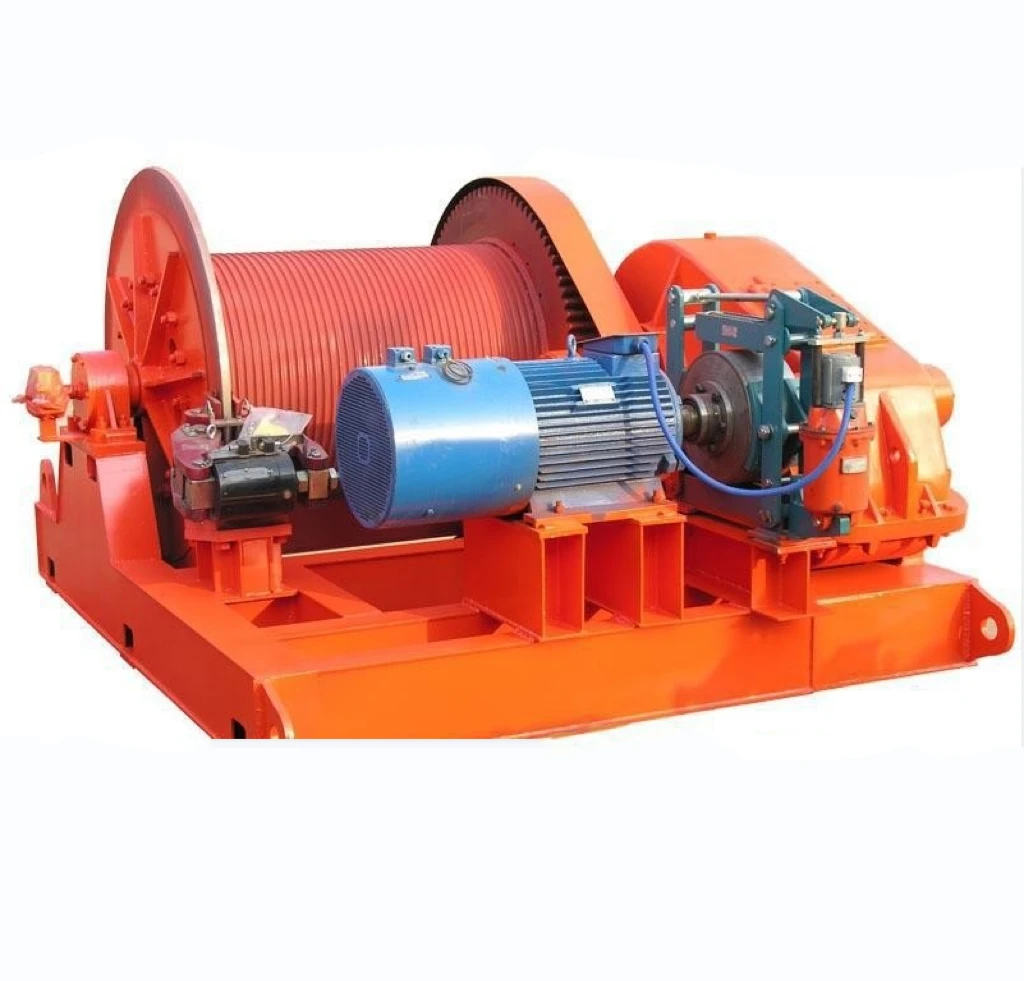
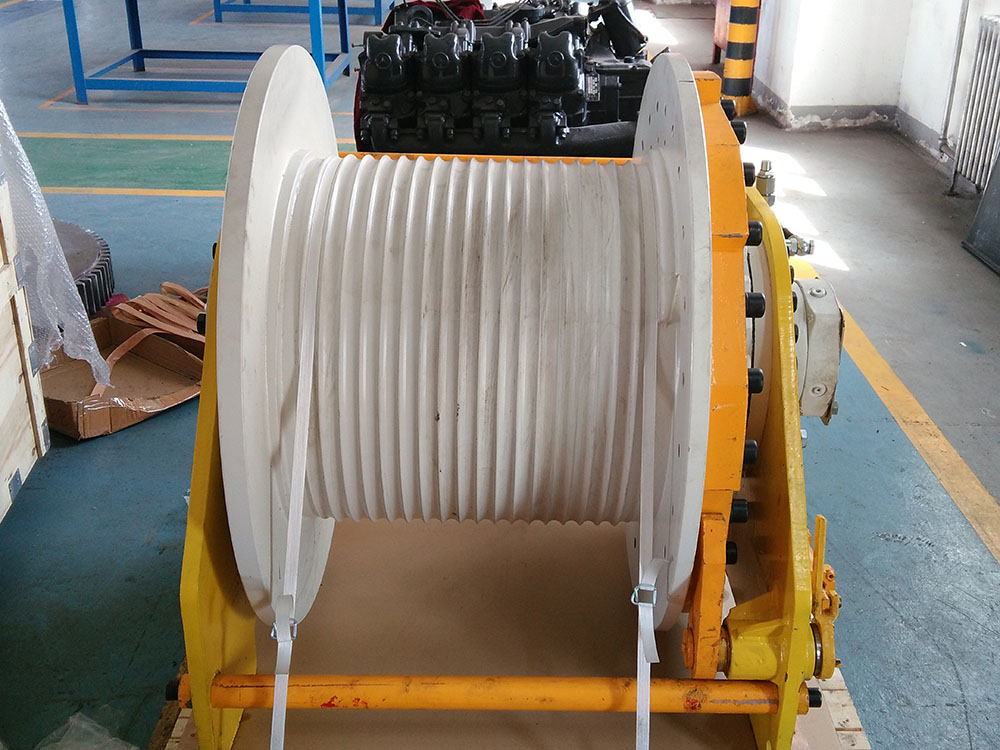
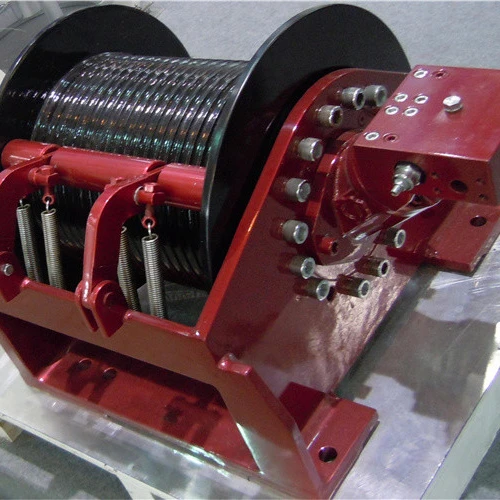
Put simply, an 8 ton hydraulic winch is a mechanical device that uses hydraulic power to pull, lift, or drag loads of up to eight tons. Hydraulic systems use pressurized fluid to generate force, which is smoother and more controllable than electric or manual alternatives. These winches are critical in industries where precision and power have to go hand in hand.
In humanitarian and industrial applications alike, this winch’s role can’t be overstated. For instance, in disaster zones where infrastructure has collapsed, the ability to rapidly and safely move debris, vehicles, or construction materials depends on such equipment.
Core Components That Make the Difference
1. Durability: Built to Last in Harsh Conditions
Look, an 8 ton hydraulic winch often faces brutal environments: mud, dust, saltwater, or extreme temperatures. Manufacturers usually employ corrosion-resistant materials and sealed systems to ensure longevity — a vital factor for users in offshore platforms or remote logging sites.
2. Precision Control
The hydraulic system offers incredibly fine control over speed and torque, which means operators can maneuver heavy loads smoothly without sudden jerks, reducing risk to both people and equipment. That’s why many engineers swear by them for tasks demanding delicate handling.
3. Scalability and Compactness
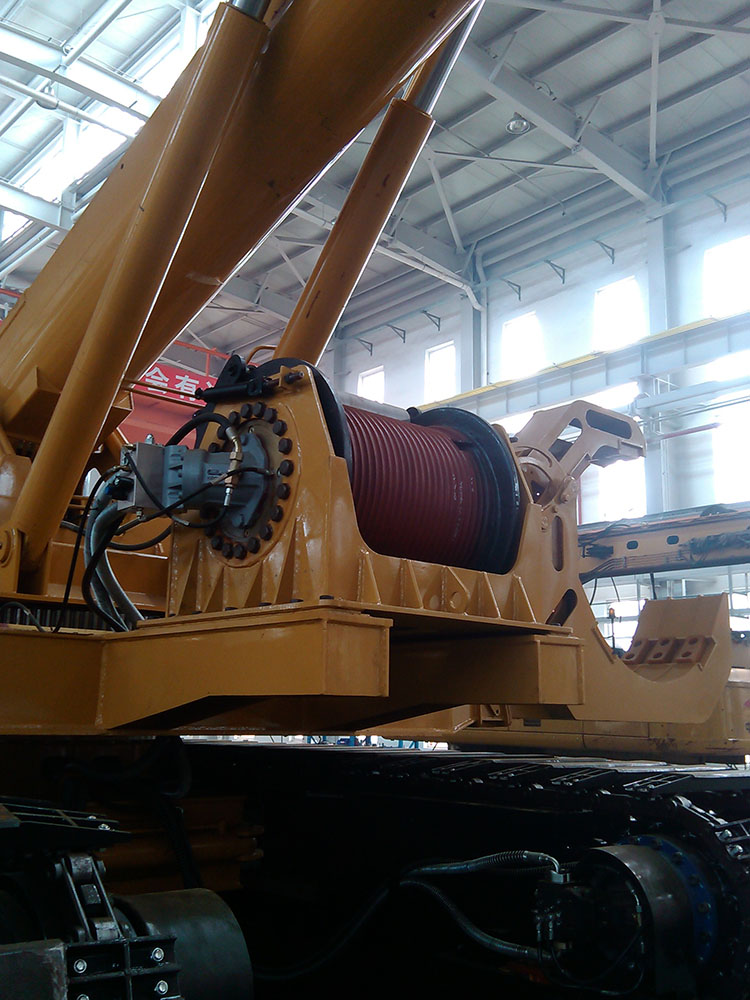
Despite its power, an 8 ton hydraulic winch can be surprisingly compact. It’s versatile enough to fit into tight spaces on cranes, trucks, or ships. Its modular design often allows developers to customize winch units for specific uses, whether it’s for pulling timber or deploying rescue equipment.
4. Cost Efficiency Over Time
Hydraulic systems generally require less maintenance and offer longer working life compared to electric winches, especially in tough environments. While initial costs might be higher, the long-term savings on downtime and parts replacements are usually worth it — something contractors and fleet managers think about a lot.
Mini Takeaway:
So far, the 8 ton hydraulic winch impresses by blending strength, control, and resilience, standing out not just as a piece of hardware but as a long-term solution across various high-demand fields.
Global Applications You Might Not Have Considered
- Construction & Infrastructure: From skyscrapers in Dubai to bridges in Southeast Asia, these winches move heavy steel and concrete with precision.
- Maritime and Offshore: On oil rigs or supply vessels, these winches manage anchors, nets, and heavy cargo under constant stress and salt spray.
- Disaster Relief Operations: In earthquake-hit zones or floodplain evacuations, 8 ton hydraulic winches help clear rubble and deploy temporary shelters.
- Forestry and Agriculture: Moving felled logs or heavy machinery often hinges on this equipment’s reliable pulling power.
- Mining and Extraction: Winches haul heavy drilling equipment or ore carts from deep pits.
In fact, remote mineral fields in Australia and Canada rely heavily on these winches for equipment mobilization, often in icy, hard-to-reach spots where reliability isn’t just preferred — it’s survival.
Why Investing in an 8 Ton Hydraulic Winch Pays Off Long-Term
Beyond the raw power, these winches represent sustainability and safety. Their smooth hydraulic action reduces wear and tear on rigging gear. From a social perspective, fewer accidents mean more worker dignity and trust in safety standards — companies win respect, too. The intuitive operation cuts training time, ensuring quicker deployments and less downtime.
Some operators mention the quiet operation as a surprisingly pleasant benefit, especially on sites near residential areas or protected environments. It’s the small things that count sometimes.
Looking Forward: Innovations on the Horizon
Technology marches on, and 8 ton hydraulic winches are no exception. We’re starting to see:
- Integration of Smart Sensors: Monitoring winch health and loads in real-time to prevent failures.
- Eco-Friendly Hydraulic Fluids: New bio-based fluids reduce environmental impact.
- Hybrid Power Systems: Combining electric motors and hydraulics to optimize energy use.
- Automation: Remote controls and AI-assisted operation making winching safer and more precise.
These trends mean the iconic 8 ton hydraulic winch will get even smarter, greener, and easier to handle — keeping pace with global sustainability goals set by entities like the UN (United Nations Sustainable Development Goals).
Tackling Common Challenges in Hydraulic Winch Deployment
Admittedly, no machine is perfect. The 8 ton hydraulic winch can face:
- Hydraulic Fluid Leaks: These raise environmental alarms, especially offshore.
- Maintenance Accessibility: Tight installation spaces can hinder upkeep.
- Initial Cost Premium: Puts off some smaller contractors despite long-term gains.
Innovative fixes include sealed fluid systems, quick-access panels, and leasing options to ease upfront investment. Training technicians specifically on hydraulic system diagnosis has also improved downtime considerably.
Product Specification Table: Typical 8 Ton Hydraulic Winch
| Specification | Value |
|---|---|
| Maximum Load Capacity | 8 tons (7,257 kg) |
| Cable Length | 50 - 100 meters (varies by model) |
| Motor Type | Hydraulic motor (variable displacement) |
| Power Source | Hydraulic system (vehicle PTO or dedicated pump) |
| Control Type | Remote or manual lever control |
| Weight | Approx. 250 - 400 kg |
| Material | Steel frame with corrosion-resistant finish |
Vendor Comparison: Top Providers of 8 Ton Hydraulic Winches
| Vendor | Price Range | Warranty | Customization Options | Notable Features |
|---|---|---|---|---|
| LBS Winches | $8,000 - $12,000 | 2 years | Cable length, control type | High corrosion resistance, ISO certified |
| HydroTech Solutions | $9,000 - $13,500 | 3 years | Quick mount options | Integrated diagnostics, smart sensors |
| PowerPull Ltd. | $7,500 - $11,000 | 1.5 years | Motor type, remote control | Compact design, energy-efficient |
Frequently Asked Questions About the 8 Ton Hydraulic Winch
Q1: How does an 8 ton hydraulic winch differ from electric winches?
Hydraulic winches use fluid power to generate smooth, high-torque pulling force, offering better control and durability in harsh environments. Electric winches can be simpler but may struggle with sustained loads and extreme conditions. The hydraulic type tends to be more reliable for heavy industrial or off-road applications.
Q2: Can I customize the cable length or power source of an 8 ton hydraulic winch?
Yes, most manufacturers including LBS Winches provide customization options for cable length, control types, and sometimes power sources to suit different operational needs.
Q3: What maintenance routines are essential for ensuring my hydraulic winch’s longevity?
Regular inspection for hydraulic leaks, checking fluid levels, cleaning the cable and drum, and ensuring proper lubrication are crucial. Scheduled professional servicing every 6-12 months helps detect wear early and prolongs equipment life.
Q4: Are 8 ton hydraulic winches suitable for emergency rescue operations?
Absolutely. Their power and precise control make them ideal for moving debris, lifting vehicles, or setting up temporary infrastructure in disaster zones.
Q5: How do environmental factors affect the winch’s performance?
Harsh environments like saltwater exposure or extreme temperatures require corrosion-resistant materials and sealed designs. Choosing a model with those specs helps maintain performance and safety.
Wrapping Up: The Long-Term Value of Investing in Reliable Winches
In the end, an 8 ton hydraulic winch is more than a piece of equipment — it’s an investment in operational safety, efficiency, and sustainability. Whether it’s hauling loads thousands of miles away in a remote mine or supporting rapid humanitarian response, the dependable power and adaptability are invaluable. If you want to explore your options or get a custom solution, feel free to visit our website and dive deeper.
References:
-
The Ultimate Guide to Gear Steels for Durability and PerformanceNewsApr.16,2026
-
High Performance Gear Stainless Steel for Industrial DurabilityNewsApr.09,2026
-
Comprehensive Guide to Steel Bevel Gears Applications and SelectionNewsApr.07,2026
-
Comprehensive Guide to Durable Stainless Steel Miter Gears and ApplicationsNewsApr.04,2026
-
Comprehensive Guide to Steel Spur Gears Functionality and ApplicationsNewsMar.31,2026
-
Comprehensive Guide to Durable Stainless Steel Spur Gears and Their ApplicationsNewsMar.28,2026