To be honest, electric car winches for sale… it's a bit of a hot topic these days. Everyone's talking about off-roading, overlanding, even just getting unstuck when you take a wrong turn on a forest road. Seems like more and more people are realizing their SUVs aren’t quite as capable as the marketing suggests. It’s also a safety thing, right? Pulling someone out of a bad spot is a good feeling. And let’s be real, a lot of these folks are just wanting to look the part, too.
Have you noticed how everything is going electric? It's not just cars anymore. Winches were always noisy, smelly, and a pain to maintain with all the cables and hydraulics. Electric winches, well, they’re cleaner, quieter, and generally less hassle. Plus, newer cars have limited alternator capacity, and a traditional winch can really drain the battery. That’s where these electric ones shine. But don’t get me wrong, it's not all sunshine and roses. More on that later.
The demand is really climbing. I saw some stats from a trade show earlier this year, projecting a 15% annual growth rate for the next five years. Pretty significant. A lot of it's driven by the increasing popularity of electric vehicles themselves. People are investing in these things as accessories for their new EVs. Seems counterintuitive in some ways—adding a power-hungry winch to a battery-powered vehicle—but hey, who am I to judge?
The Rise of Electric Car Winches for Sale
I encountered this at a fabrication shop in Detroit last time, they're shifting production from hydraulic to electric winches at a rapid pace. They were complaining about sourcing enough high-quality motors and gearing. Seems everyone wants the same stuff these days. What's strange is, a lot of companies are trying to retrofit existing hydraulic winches with electric motors. It can be done, but it’s usually more trouble than it’s worth. The wiring alone is a nightmare.
Anyway, I think the biggest driver is reliability. Hydraulic systems need regular maintenance – fluid checks, hose replacements, potential leaks. Electric winches have fewer moving parts, making them inherently more reliable, especially in harsh environments. Plus, let's face it, nobody wants to be covered in hydraulic fluid.
Defining Electric Car Winches for Sale
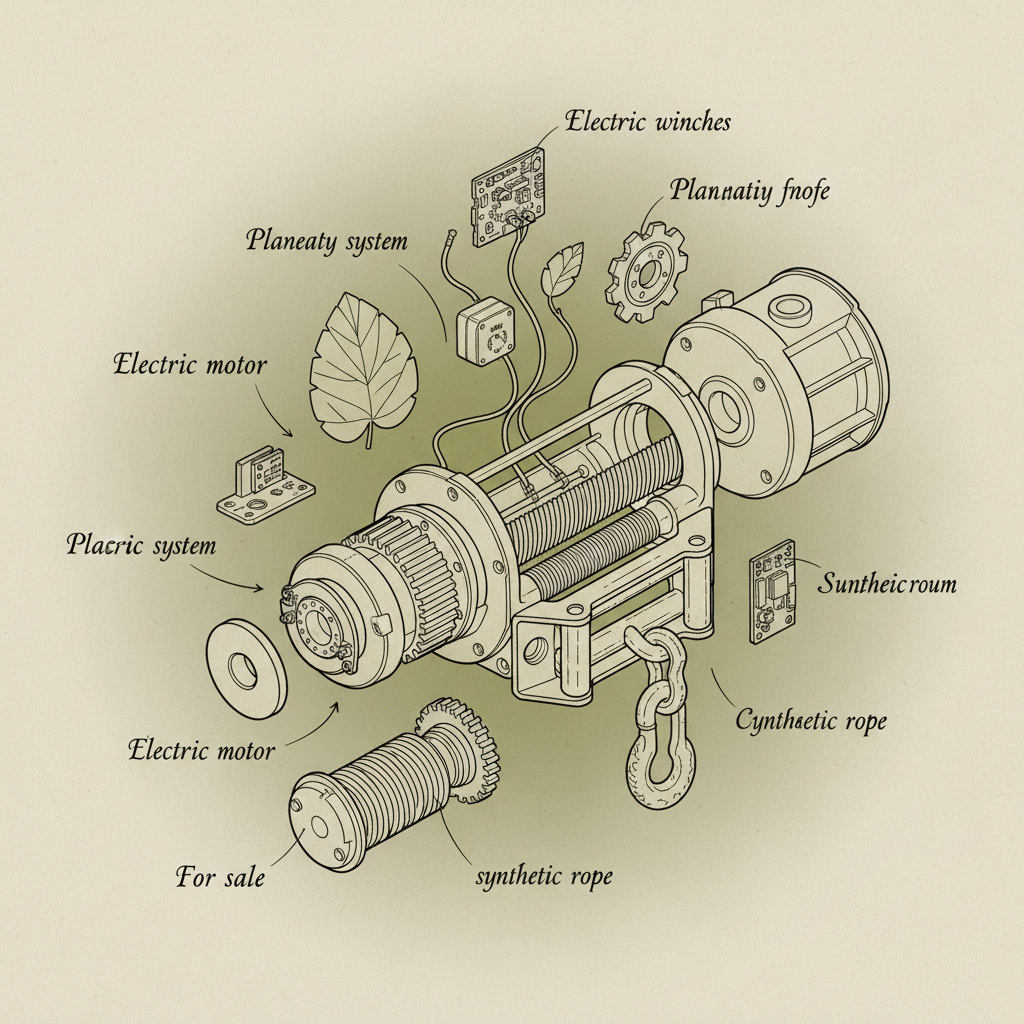
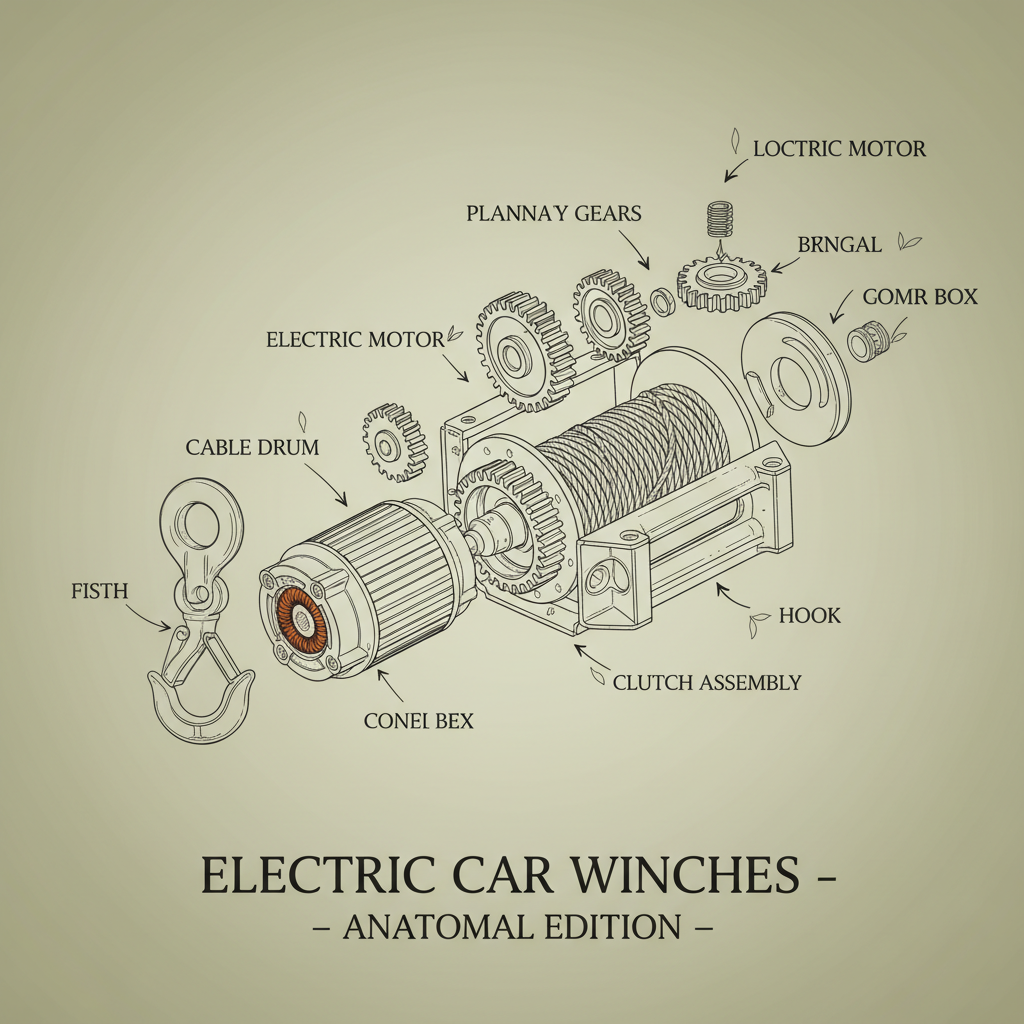
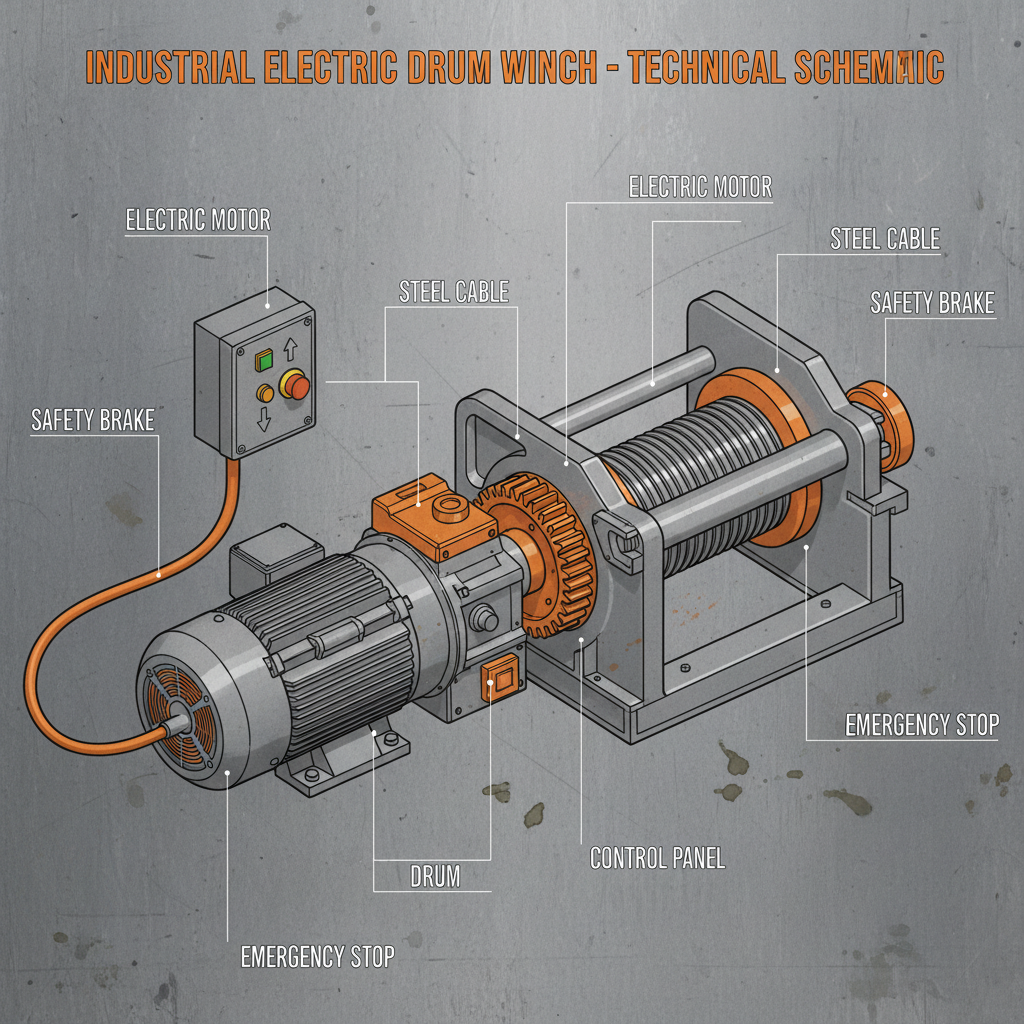
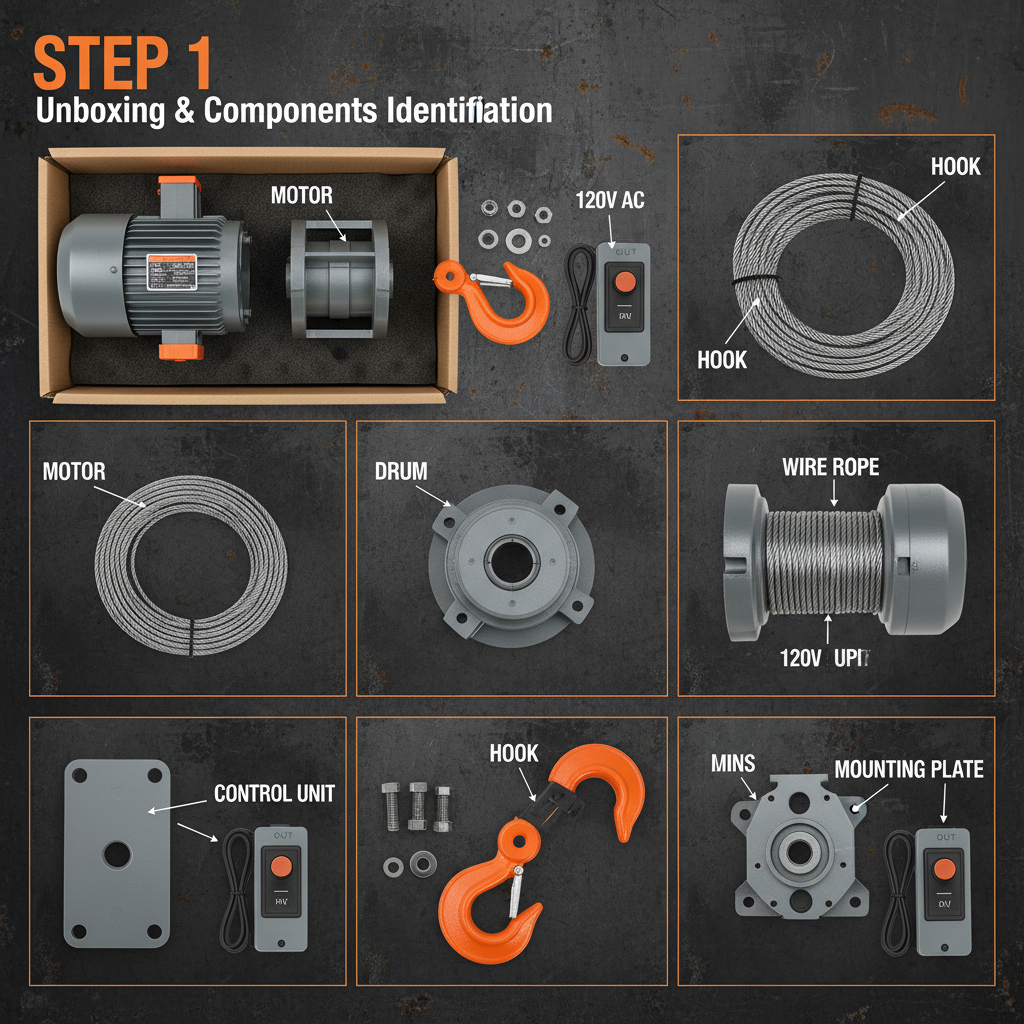
Basically, an electric car winch is a motorized device used to pull or lift heavy loads, specifically designed for use with cars and trucks. It’s powered by the vehicle's electrical system, usually through a dedicated circuit. Unlike older hydraulic winches, they don’t rely on fluid pressure. Instead, they use an electric motor driving a gearbox to spool or unspool a cable or synthetic rope. Seems simple enough, right? But the devil is in the details.
It’s connected to modern industry and humanitarian needs in ways you wouldn’t expect. Recovery operations after natural disasters, for example. Getting vehicles unstuck in remote locations. Even assisting with construction and lifting tasks. The demand for portable, reliable pulling power is always there. But the trend towards electric is more about efficiency and environmental responsibility, I guess.
There’s a lot of variance in quality, though. You get what you pay for, generally. Those cheap winches you see online? They’re likely to fail when you need them most. And believe me, that's the worst time for a winch to fail. It's like a steering wheel breaking on the highway.
Core Components and Considerations
Durability is key. The motor, gearbox, and drum assembly need to be built to withstand extreme stress and harsh weather conditions. Synthetic rope is becoming increasingly popular over steel cable because it's lighter, stronger, and doesn’t have the same risk of snapping and whipping around. It smells different, too – kinda like a nylon climbing rope. You can actually feel the quality.
The control system is important. Wireless remotes are almost standard now. Makes it a lot easier to operate the winch safely from a distance. But the solenoid – the electrical switch that controls the motor – is a common failure point. I’ve seen a lot of those burn out. Good ones use heavy-duty solenoids with proper heat sinks. Otherwise, you’re replacing it every few months.
Gear ratio is another critical factor. A lower gear ratio provides more pulling power but slower line speed. A higher gear ratio gives you faster line speed but less pulling power. You need to find the right balance for your specific needs. Also, the brake system. A good winch should have an automatic load-holding brake to prevent the cable from unwinding under load. Seriously, that's a safety thing.
Global Applications and Real-World Use
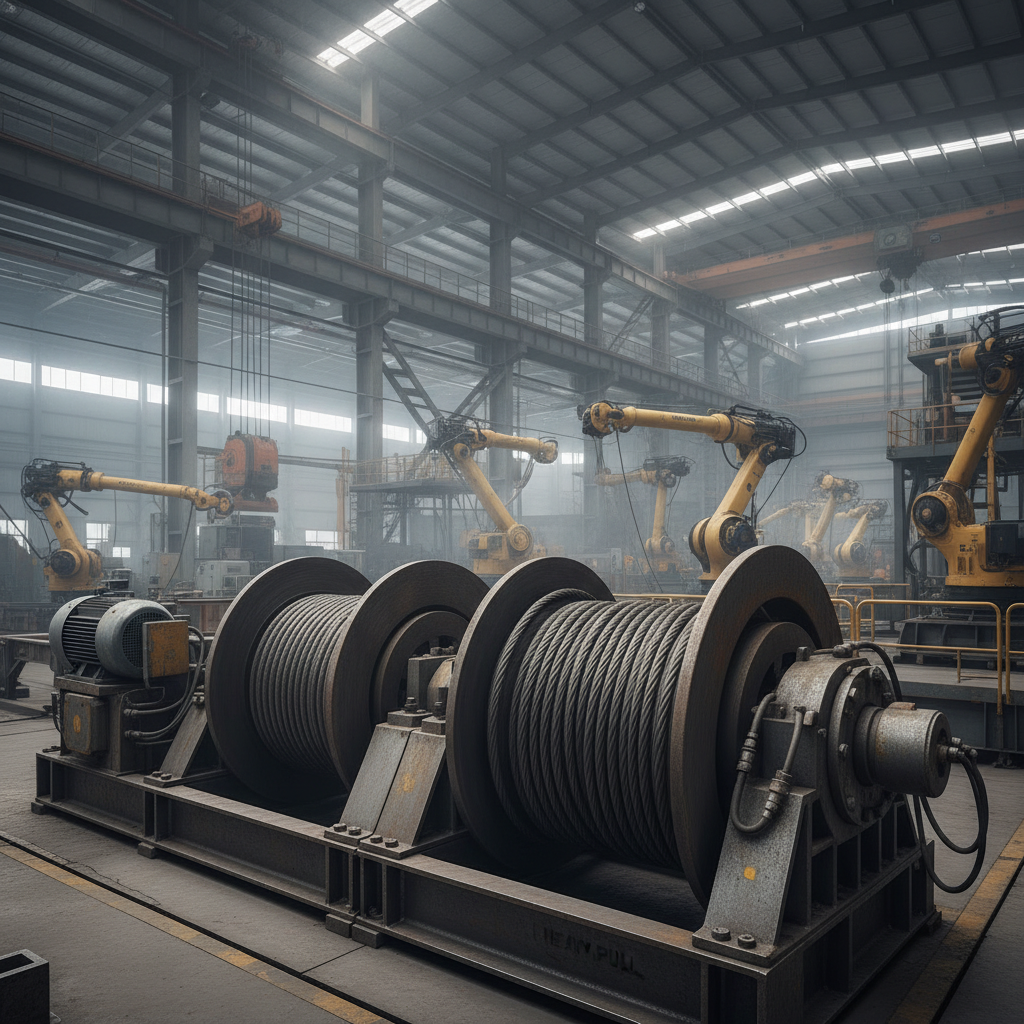
In post-disaster relief operations, electric winches are invaluable for clearing debris and recovering vehicles. I heard stories about the flooding in Kentucky last year, and local rescue teams were using them to pull cars out of the water. Also, in remote industrial zones like mining operations in Australia, they're used for everything from moving equipment to recovering stuck vehicles.
Off-roading enthusiasts, obviously, are a huge market. But it’s also becoming popular with farmers and ranchers who need to pull equipment or livestock out of difficult terrain. I’ve seen some guys using them to lift engines out of trucks – not exactly what they’re designed for, but hey, people are resourceful. They're even showing up on overlanding rigs heading into Central Asia.
The military uses them, too, for vehicle recovery and other logistical tasks. They need something reliable and durable. They usually go for the higher-end models with extra features and heavy-duty construction. Those guys don’t mess around.
Electric Car Winches for Sale – Performance Metrics
Advantages & Long-Term Value Proposition
The biggest advantage, as I mentioned, is reliability. Less maintenance, fewer parts to fail. That translates to lower long-term costs. Plus, they’re quieter, which is nice. It's a less stressful experience for everyone involved when you’re winching someone out of a sticky situation. And they're more eco-friendly. That’s becoming a bigger selling point, especially with the younger crowd.
But here’s where I roast them a bit. The initial cost is higher than a comparable hydraulic winch. And you need a good electrical system to run them. If your vehicle’s wiring is already questionable, you’re asking for trouble. It is about the peace of mind knowing it’ll work when you need it, and avoiding a messy breakdown in the middle of nowhere.
Future Trends and Innovations
I'm seeing a lot of development in smart winch technology. Winches with built-in sensors that monitor load, rope tension, and motor temperature. They can even automatically adjust the pulling power to prevent damage. It's all connected to an app on your phone, of course. Sometimes I wonder if we’re overcomplicating things, but hey, that’s progress, right?
There's also research into using more sustainable materials in winch construction. Recycled plastics, bio-based lubricants, that sort of thing. And I think we’ll see more integration with vehicle safety systems. Automatically disabling the winch if the vehicle’s stability control system detects a loss of traction. That could be a lifesaver.
Challenges and Practical Solutions
The biggest challenge is heat management. Electric motors generate a lot of heat, especially under heavy load. If the winch doesn’t have adequate cooling, it can overheat and fail. That’s why good heat sinks and ventilation are crucial. Also, water intrusion is a major concern. Winches need to be properly sealed to prevent corrosion and electrical shorts.
Another issue is compatibility with different vehicles. Not all vehicles have the electrical capacity to handle a high-power winch. You might need to upgrade the alternator and battery to ensure reliable operation. And don’t forget about proper mounting. A poorly mounted winch can damage your vehicle’s frame. I saw one guy who tried to mount a winch to a plastic bumper. It didn’t end well.
Last month, that small boss in Shenzhen who makes smart home devices insisted on changing the interface to , and the result was they blew up a whole batch of controllers. They were trying to be trendy, but it didn't hold up to the current draw. They had to revert back to a more robust connector. It was a mess. Anyway, I think good engineering comes down to practicality.
Challenges and Solutions Summary
| Challenge |
Impact on electric car winches for sale |
Potential Solution |
Implementation Cost (1-10) |
| Overheating |
Reduced winch lifespan, potential failure. |
Improved heat sinks, forced-air cooling, optimized motor design. |
6 |
| Water Intrusion |
Corrosion, electrical shorts, operational failure. |
Enhanced sealing, waterproof connectors, corrosion-resistant materials. |
7 |
| Electrical System Load |
Battery drain, potential electrical damage. |
Alternator upgrade, dedicated battery, optimized winch power consumption. |
5 |
| Mounting Issues |
Structural damage, winch instability, safety hazards. |
Reinforced mounting plates, proper bolting procedures, professional installation. |
4 |
| Interface Compatibility |
Controller malfunction, unreliable operation. |
Robust connectors, secure wiring, standardized interface protocols. |
8 |
| Component Sourcing |
Delays in production, increased costs. |
Diversified supplier network, long-term contracts, strategic inventory management. |
6 |
FAQS
That's a good question. Synthetic rope is a lot lighter and safer if it breaks. Steel cable can snap and become a dangerous projectile. Synthetic rope is also easier on your hands and doesn’t rust. But it is more expensive upfront and can wear faster if not properly maintained. It's really a trade-off between cost, safety, and convenience.
It depends on the winch, of course. But most electric winches for cars and SUVs are rated for between 9,000 and 12,000 pounds. Some heavy-duty models can pull up to 15,000 or even 20,000 pounds. It’s important to choose a winch that’s appropriate for the weight of your vehicle and the type of recovery work you’ll be doing. Don't ever exceed the rated capacity!
It can be. It's not a simple plug-and-play operation. You need to mount the winch securely to your vehicle’s frame, connect it to the electrical system, and install a wireless remote. If you’re not comfortable working with electrical wiring, it’s best to have a professional do it. Improper installation can be dangerous.
Not a ton, thankfully. Regularly inspect the rope or cable for wear and tear. Lubricate the gears and moving parts. Keep the electrical connections clean and corrosion-free. And store the winch properly when not in use. It's also a good idea to test it periodically to make sure it's still working correctly.
Not necessarily. You need to make sure your vehicle has a strong enough frame and electrical system to support the winch. Some vehicles may require modifications, such as a reinforced bumper or an upgraded alternator. It’s also important to consider the vehicle’s weight and intended use. A small car probably doesn’t need a 12,000-pound winch.
Compared to hydraulic winches, they’re significantly quieter. But they’re not silent. You’ll still hear the motor and the sound of the rope spooling. However, the noise level is much more manageable and less intrusive than a hydraulic winch. Especially if you’re trying to be discreet.
Conclusion
So, electric car winches for sale are really taking off, and for good reason. They offer a compelling combination of reliability, convenience, and environmental responsibility. They’re not perfect, but they’re a significant improvement over traditional hydraulic winches. The key is choosing the right winch for your needs and ensuring it’s properly installed and maintained.
Ultimately, whether this thing works or not, the worker will know the moment he tightens the screw. That’s what I always say. You can talk about specs and features all day long, but it all comes down to real-world performance. And these electric winches are starting to deliver. Visit our website at electric car winches for sale to find the perfect winch for your adventure.