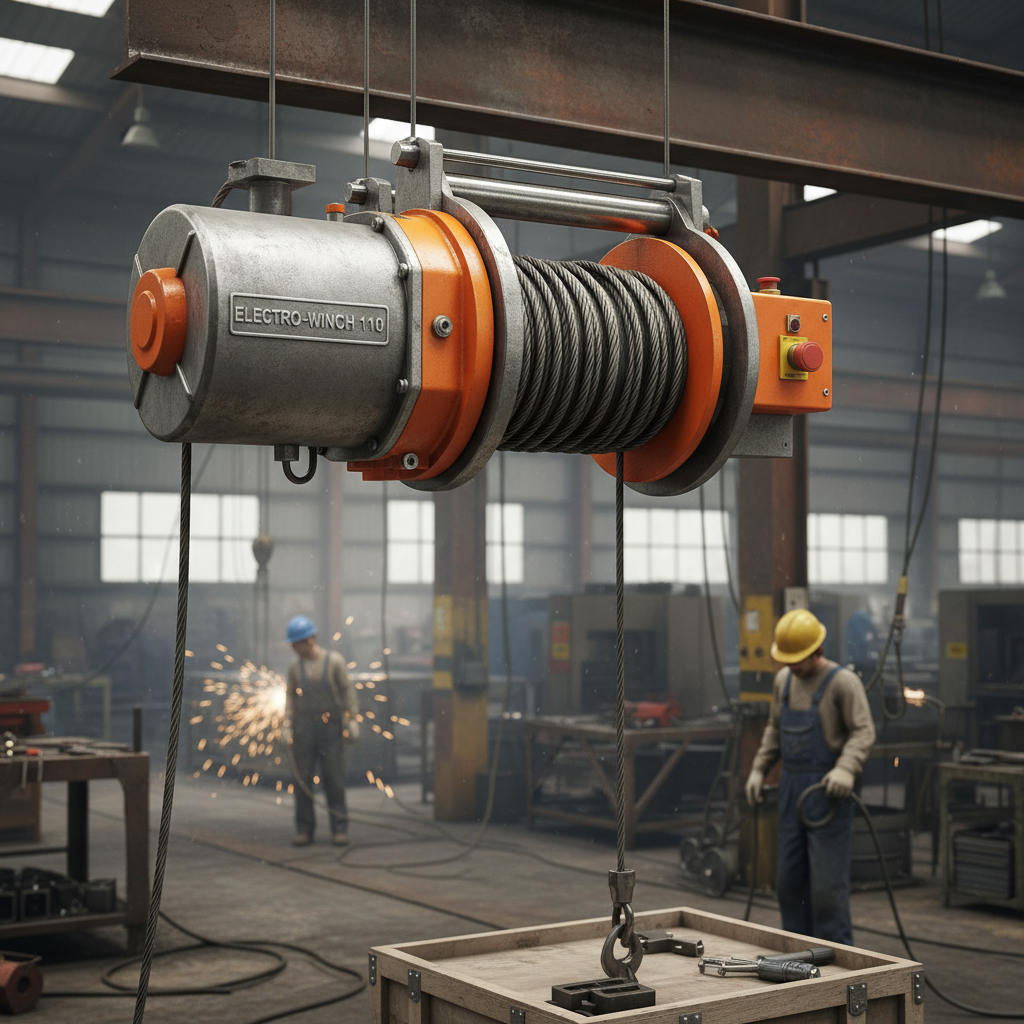
The modern industrial landscape relies heavily on efficient material handling, where the 110 electric winch stands as a pivotal tool for precision lifting and pulling. Whether in heavy manufacturing, marine operations, or construction, the ability to move substantial loads with electrical precision reduces manual labor and significantly enhances operational safety. Understanding the technical nuances of this equipment is essential for any project manager aiming to optimize workflow and maintain rigorous safety standards.
Globally, the demand for robust lifting solutions has surged as infrastructure projects become more complex and the need for rapid deployment increases. The 110 electric winch provides a balanced intersection of power and control, allowing operators to handle high-tension tasks without the volatility associated with purely manual or outdated hydraulic systems. By integrating these winches into a broader logistics framework, companies can achieve a higher throughput while minimizing the risk of workplace accidents.
Investing in high-quality electric hoisting equipment is not merely about procurement but about long-term reliability and adherence to international engineering standards. As industries shift toward smarter, more automated environments, the role of the 110 electric winch continues to evolve, incorporating better energy efficiency and more durable materials to withstand the harshest environmental conditions.
Global Relevance of 110 Electric Winch
In the context of global trade and industrialization, the 110 electric winch serves as a critical component in the supply chain, particularly in ports and heavy machinery assembly plants. With ISO standards driving the need for precision and safety, the adoption of electric-driven winching systems has seen a marked increase in emerging economies where infrastructure is being built from the ground up.
The challenge often lies in the volatility of power sources in remote areas, making the efficiency of the 110 electric winch a deciding factor in project timelines. By providing a reliable means of hauling and lifting, these devices ensure that heavy-duty components can be positioned with millimeter precision, reducing the waste of time and materials.
Defining the 110 Electric Winch Technicality
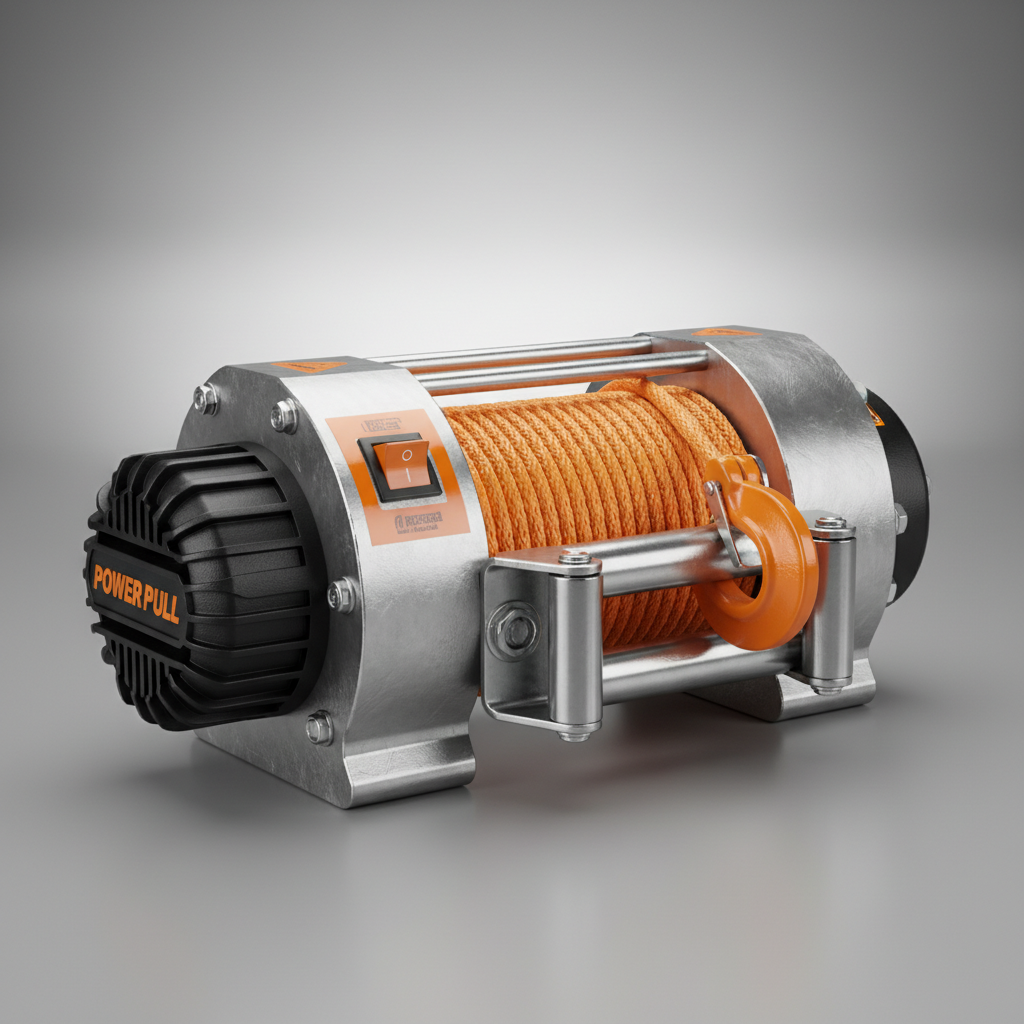
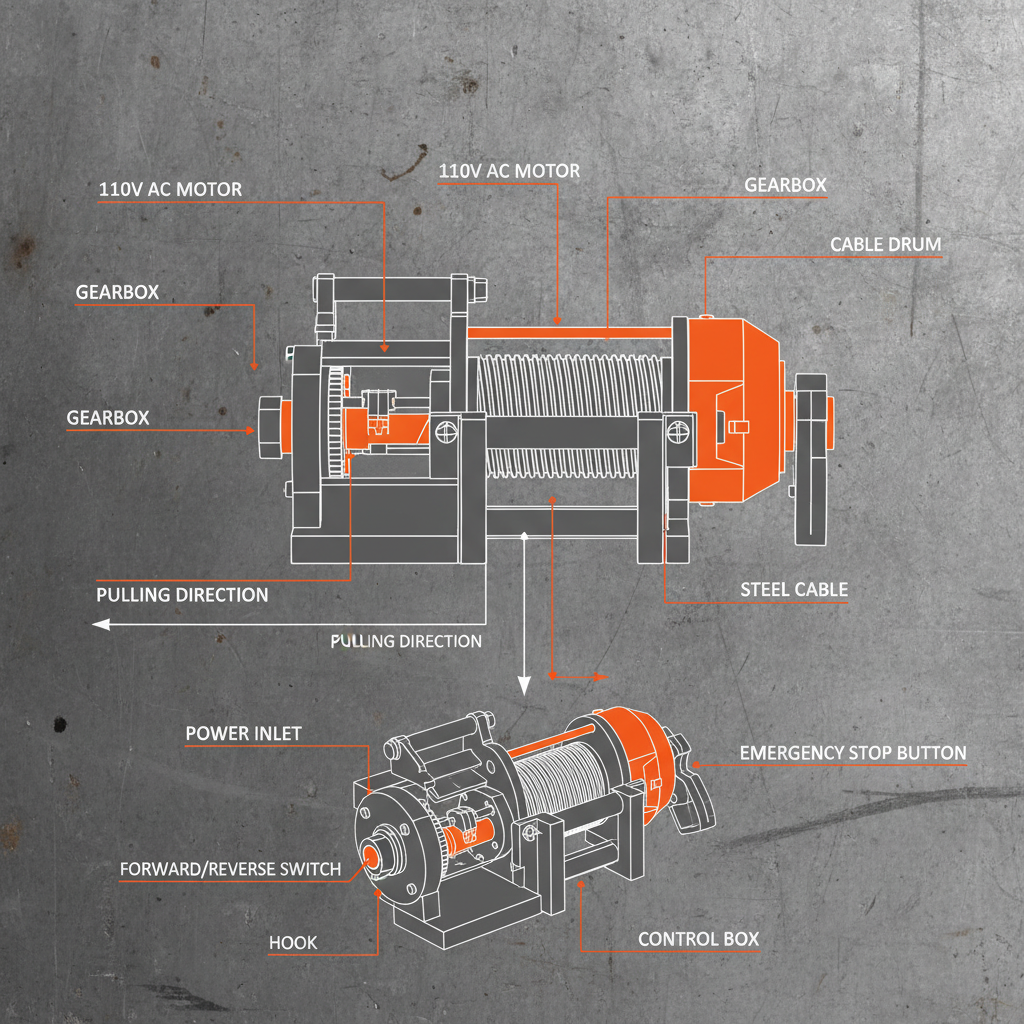
At its core, a 110 electric winch is a motorized device used for pulling or lifting loads via a wound cable or rope. Unlike manual winches, the electric variant utilizes an electric motor to drive a drum, providing a consistent torque and pulling force that minimizes human fatigue and maximizes safety.
In modern industry, this equipment is often linked to "smart" control systems, allowing for remote operation and precise speed regulation. This connection to automation is vital for humanitarian needs, such as clearing debris in disaster zones or transporting heavy medical equipment into remote regions where traditional cranes cannot reach.
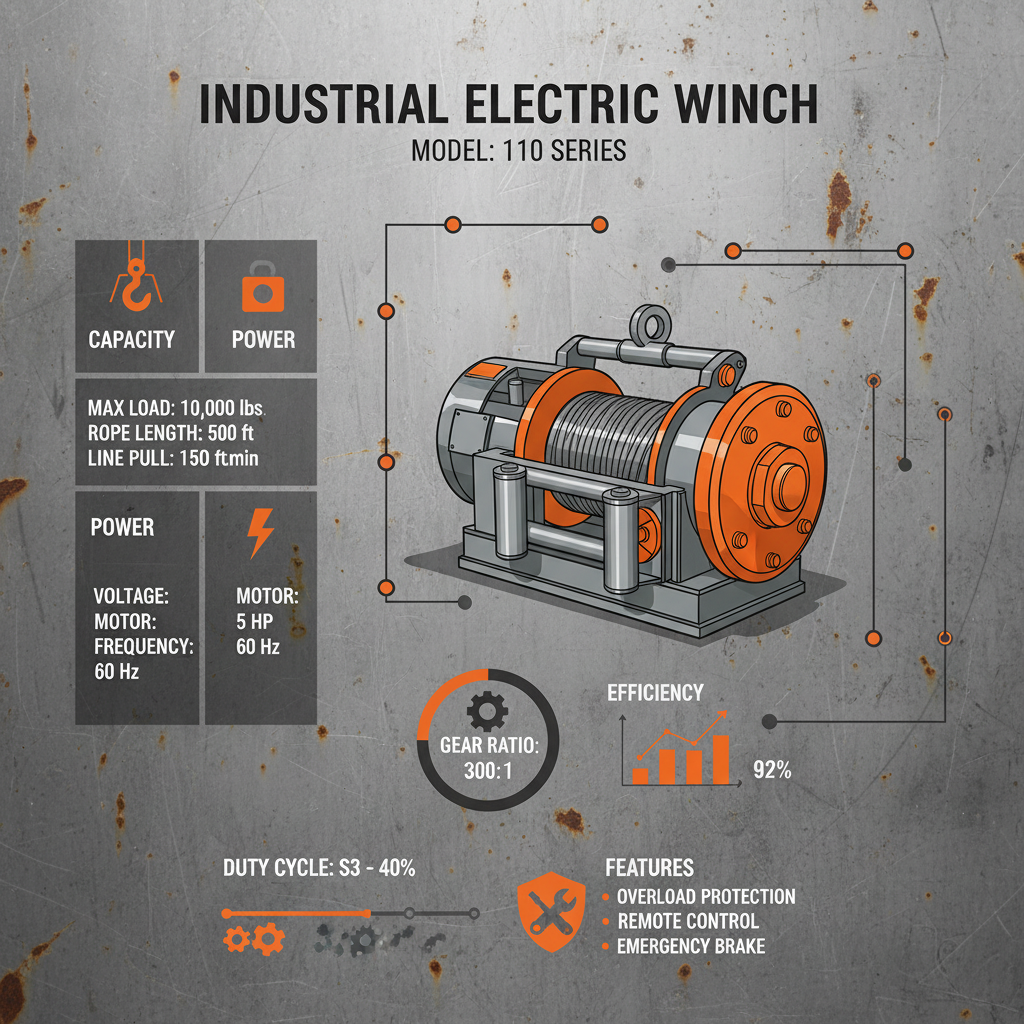
Whether configured for a permanent installation in a factory or as a portable unit for field work, the 110 electric winch is defined by its capacity to handle specific weight thresholds while maintaining a high safety factor, ensuring that the cable and motor are never pushed beyond their structural limits.
Core Components and Durability Factors
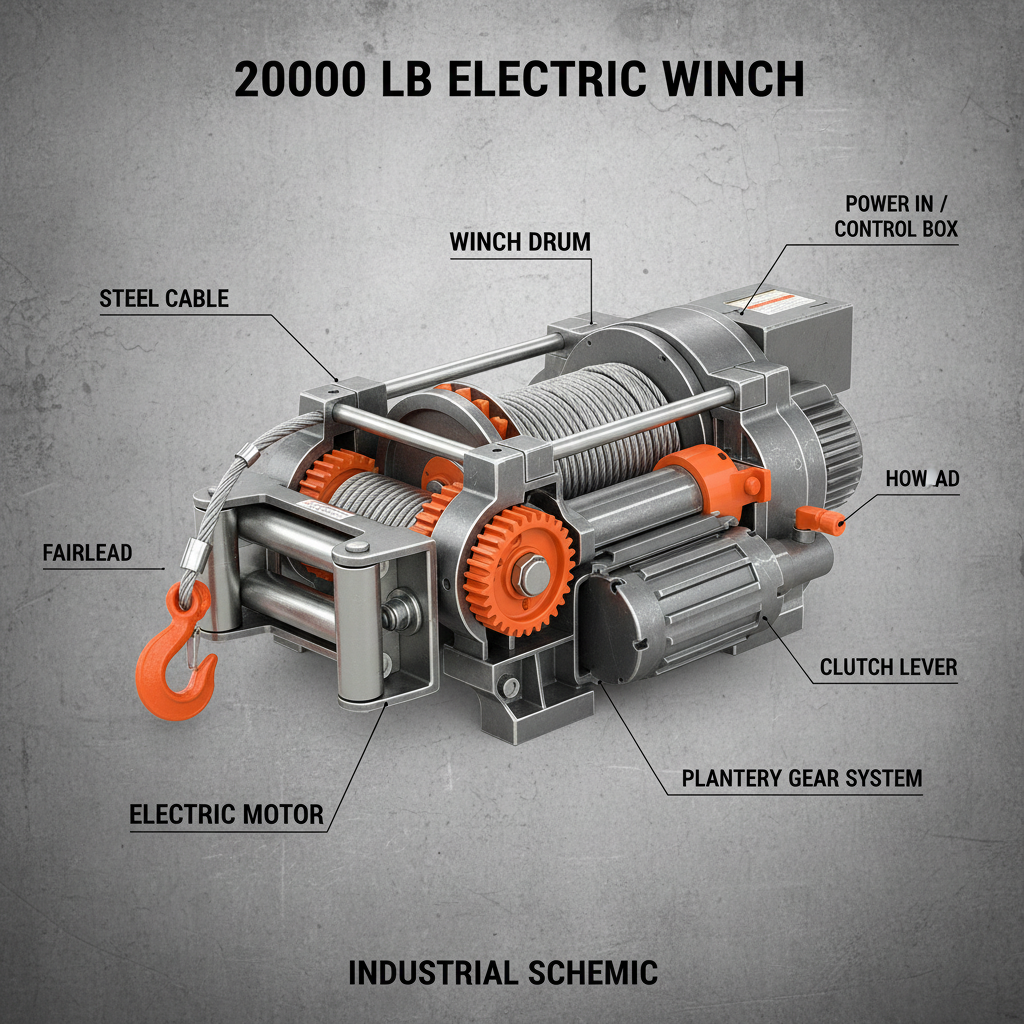
The longevity of a 110 electric winch is primarily determined by the quality of its gear train and the insulation of its motor. High-grade alloy steels are used in the planetary gears to ensure that torque is transferred efficiently without excessive wear, which is crucial for high-frequency industrial cycles.
Another critical factor for the 110 electric winch is the braking system. An automatic load-holding brake is essential to prevent the load from slipping during power failures, providing a layer of security that is non-negotiable in heavy lifting environments.
Finally, weatherproofing and corrosion resistance are what set a professional-grade 110 electric winch apart. Using IP-rated enclosures and galvanized coatings allows the winch to operate in saline marine environments or dusty construction sites without internal component degradation.
Global Industrial Applications
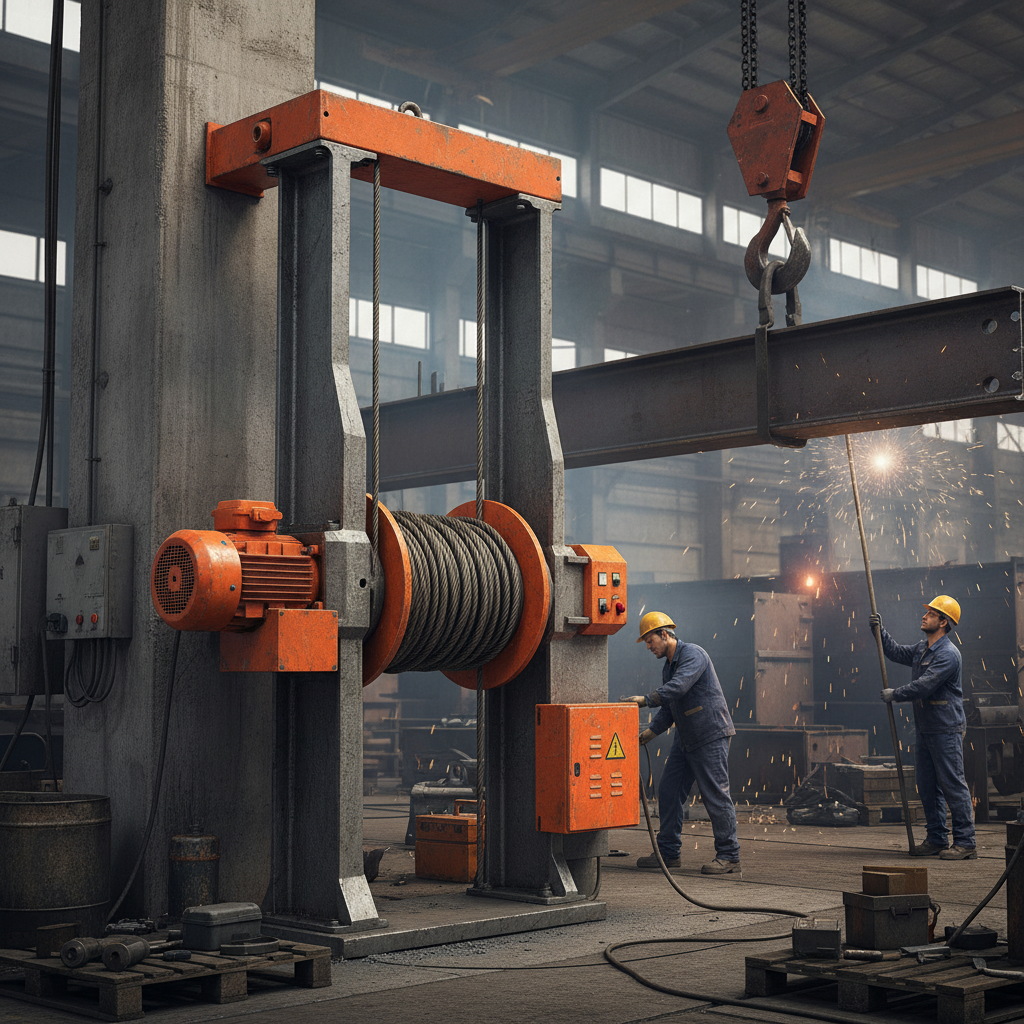
The versatility of the 110 electric winch allows it to be integrated into a wide array of sectors. In the mining industry, for example, these winches are used to move heavy equipment across shafts and galleries, while in the shipping industry, they facilitate the loading and unloading of specialized cargo.
In post-disaster relief operations, the portable nature of certain electric winch configurations allows NGOs to move collapsed structures or heavy supplies into inaccessible areas. This adaptability makes the 110 electric winch an indispensable tool for emergency response teams worldwide.
Performance Analysis of 110 Electric Winch Configurations
Tangible Advantages and Long-Term Value
One of the most immediate benefits of implementing a 110 electric winch is the dramatic reduction in operational costs. By automating the pulling process, companies can reduce the manpower required for a single lift, allowing labor to be redirected toward more skilled supervisory roles.
Beyond the financial metrics, there is a significant safety and emotional value. Operators feel a greater sense of trust and security when using a precision-engineered 110 electric winch compared to makeshift rigging. This reliability fosters a culture of innovation, as engineers can design more ambitious projects knowing they have a dependable lifting solution.
Future Innovations in Electric Winching
The future of the 110 electric winch is inextricably linked to the digital transformation of the manufacturing sector. We are seeing a shift toward IoT-integrated winches that can report real-time tension data and wear-and-tear metrics to a central dashboard, enabling predictive maintenance before a failure occurs.
Green energy is also playing a massive role. New iterations of the 110 electric winch are being optimized for battery-powered operation or integration with solar-grid systems, reducing the carbon footprint of remote industrial zones.
Furthermore, the integration of AI-driven load balancing will allow the winch to automatically adjust its speed and torque based on the weight of the load, ensuring that the 110 electric winch operates at peak efficiency regardless of the operator's experience level.
Overcoming Common Implementation Challenges
Despite their advantages, the installation of a 110 electric winch often faces challenges related to power stability. In many industrial settings, voltage drops can lead to motor overheating or inconsistent pulling speeds, which can be dangerous during critical lifts.
To solve this, experts recommend the use of dedicated voltage regulators and high-capacity capacitors. By stabilizing the power input, the 110 electric winch can maintain a steady torque, prolonging the motor's life and ensuring a smooth operation.
Another common hurdle is the improper spooling of the cable, which can lead to "bird-nesting" and eventual cable failure. The solution lies in the adoption of grooved sleeves and automated spooling guides, ensuring the 110 electric winch deposits the wire evenly across the drum every time.
Technical Analysis of 110 Electric Winch Operational Parameters
| Configuration Type |
Load Stability Score |
Energy Efficiency |
Maintenance Cycle |
| Standard Duty 110 |
7.5/10 |
Moderate |
6 Months |
| Heavy Duty 110 |
9.8/10 |
High Torque |
4 Months |
| Marine Grade 110 |
8.2/10 |
Optimal |
3 Months |
| Precision-Control 110 |
9.5/10 |
Variable |
8 Months |
| Compact Portable 110 |
6.8/10 |
Low Consumption |
12 Months |
| Automated 110 System |
9.0/10 |
Smart Optimized |
5 Months |
FAQS
A typical maintenance schedule for a 110 electric winch involves monthly lubrication of the gears and a quarterly inspection of the cable for frays or kinks. For heavy-duty industrial use, it is recommended to perform a full system check every 3 to 6 months to ensure the braking system and motor insulation remain within safe operational parameters.
Yes, provided that you select a marine-grade 110 electric winch. These models feature specialized galvanized coatings and IP-rated sealed motors to prevent corrosion from saline air and water. Regular rinsing with fresh water and the application of marine-grade lubricants are highly recommended to extend the life of the device in such conditions.
To prevent overlapping, it is best to use a 110 electric winch equipped with a grooved drum or an automated cable guide. Additionally, ensuring the cable is wound under a slight tension during the initial spooling process prevents loose loops, which are the primary cause of "bird-nesting" and potential cable failure during heavy lifts.
Always ensure the 110 electric winch is securely anchored to a stable foundation. Operators should never stand directly under a suspended load and must use a remote control to maintain a safe distance. Regularly check the load capacity rating and never exceed the maximum rated pulling force to avoid structural failure.
While some drums can be repurposed, it is generally safer and more cost-effective to purchase a dedicated 110 electric winch assembly. This ensures that the motor, gear ratio, and braking system are perfectly matched to the load capacity, providing a level of safety and efficiency that a retrofitted system cannot guarantee.
Power requirements depend on the duty cycle. A compact 110 electric winch may operate on a standard single-phase power supply, whereas heavy-duty industrial models often require three-phase power to maintain consistent torque under heavy loads. Always verify your site's power capacity before installation to avoid motor burnout.
Conclusion
The 110 electric winch represents a vital synthesis of power, precision, and safety in the modern material handling sector. By addressing the challenges of heavy lifting through advanced gear engineering and electrical control, it provides an indispensable service across mining, marine, and construction industries. Its ability to reduce manual labor while increasing operational reliability makes it a cornerstone of industrial efficiency.
Looking forward, the integration of smart sensors and green energy will further elevate the utility of the 110 electric winch, making it not just a tool for lifting, but a data-driven asset for project management. For businesses seeking to modernize their hoisting capabilities and ensure a safer workplace, investing in high-quality electric winching technology is the most sustainable path forward. Visit our website for more information: www.lbswinch.com