In-Depth Guide to Hydraulic Winch Working – Technologies, Applications & Innovations
Understanding Hydraulic Winch Working: The Global Force Behind Heavy Load Handling
The phrase hydraulic winch working might sound niche, but this technology quietly powers countless industries worldwide. From shipyards in Singapore to remote mining sites in Australia, these mechanical beasts pull, lift, and control heavy loads with precision and reliability. If you’ve ever wondered how massive materials get moved safely and efficiently, understanding hydraulic winch working is your answer — and knowing this can help businesses optimize operations, save costs, and promote workplace safety globally.
Delve a little deeper, and you’ll find that these winches aren’t mere muscle machines — they represent decades of engineering finesse marrying fluid dynamics and industrial mechanics. Their impact? Gigantic, especially when industries face the rising demand for efficiency and sustainability in a changing world.
Hydraulic Winch Working in Context: Why It Matters Globally
Hydraulic systems, including winches, have become integral in the global push for stronger, safer infrastructure and sustainable industrial methods. According to the International Organization for Standardization (ISO), hydraulic systems provide “high power density and precise force control” — qualities essential to the modern logistics and construction landscapes.[1]
World Bank data highlights that ports, offshore oil rigs, and construction sites account for over 40% of heavy material handling worldwide. Hydraulic winches offer the solution to many of their challenges — ensuring not only that tasks complete faster but also safer and with less environmental footprint.
Yet, the challenge is real. Manual pulling or electric winches don’t always offer the torque nor reliability when the loads become weighty or operations demand prolonged endurance. Hydraulic winch working, with its fluid-driven power, addresses these serious industry bottlenecks with grace.
What Exactly Is Hydraulic Winch Working?
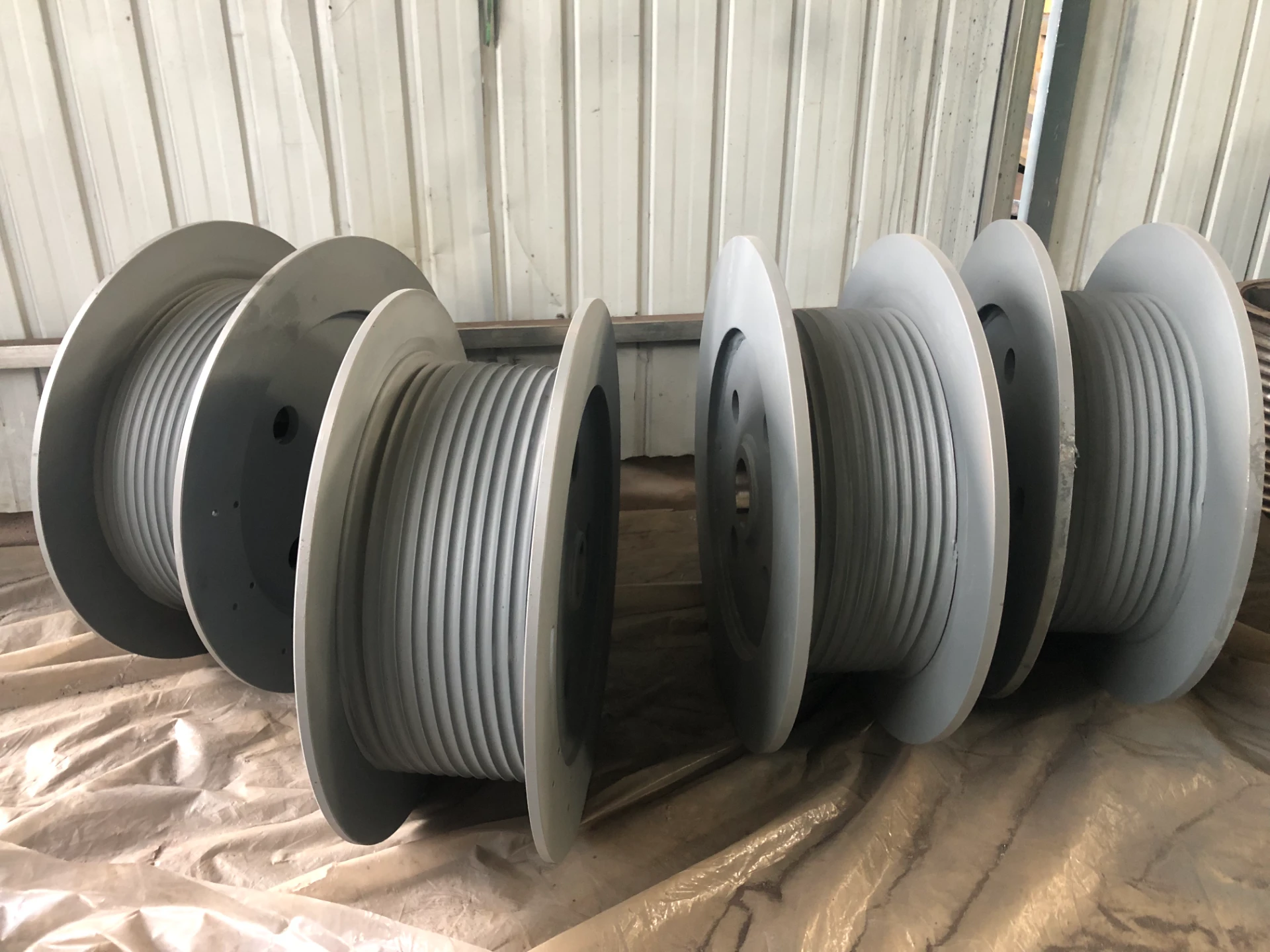
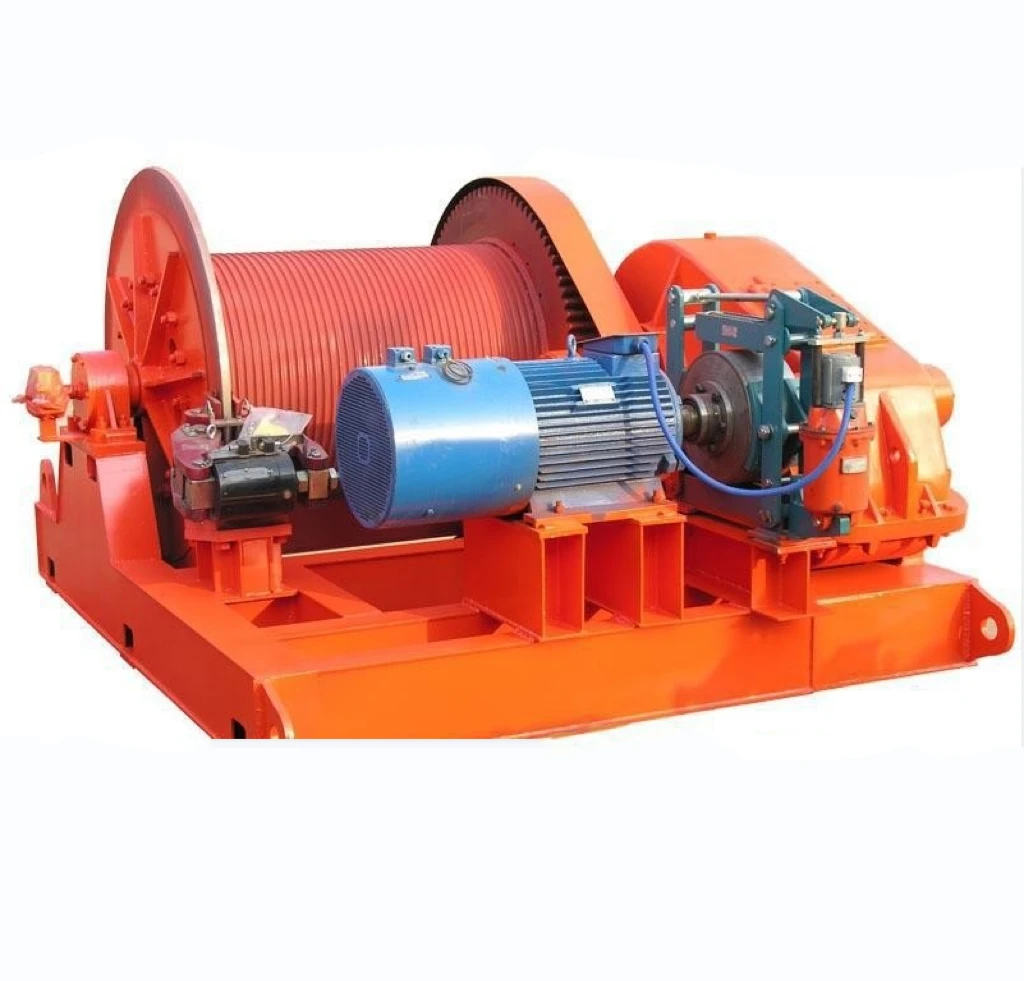
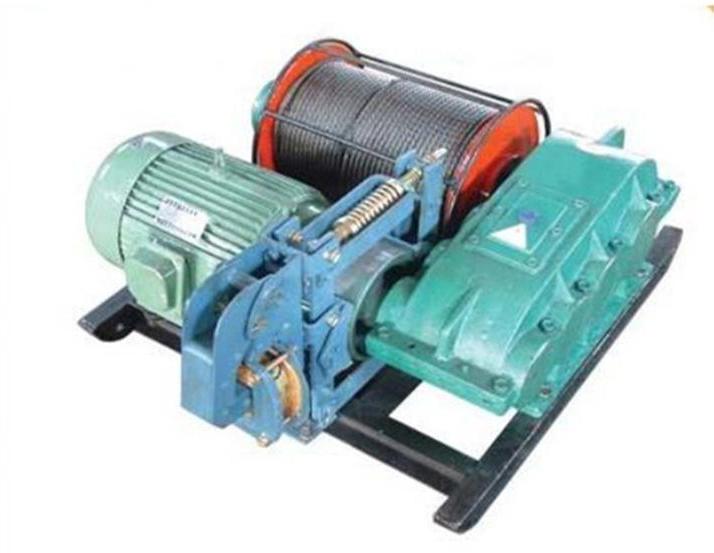
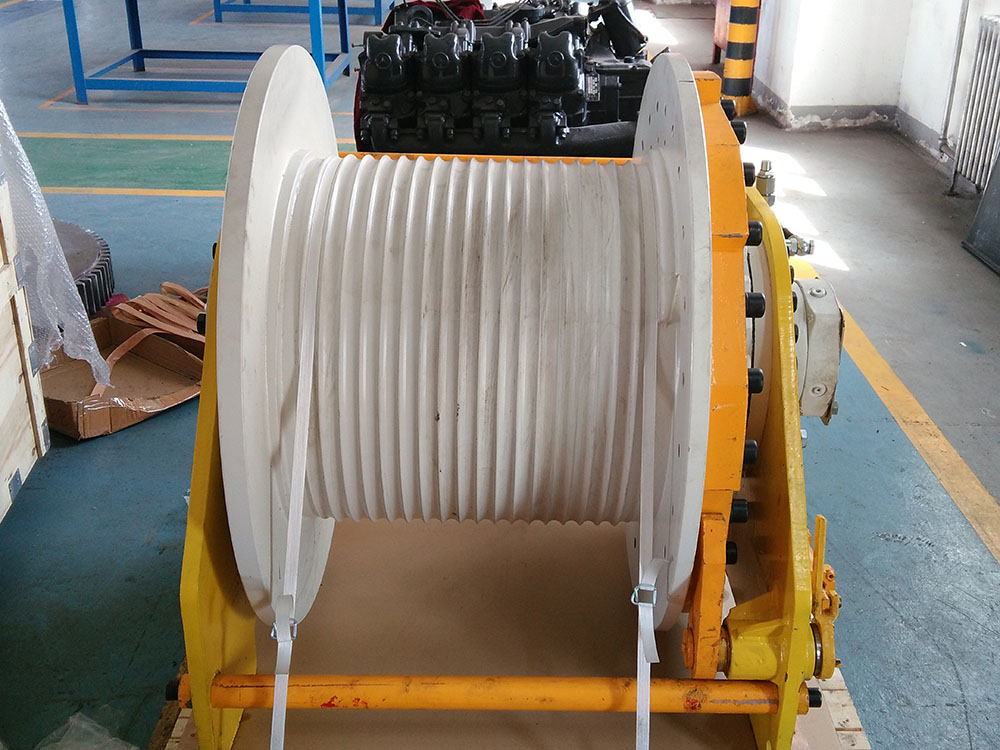
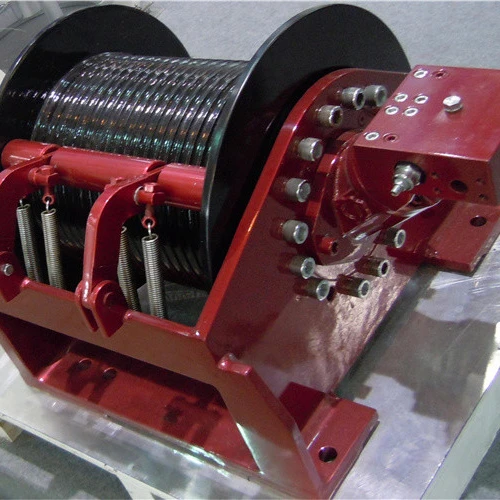
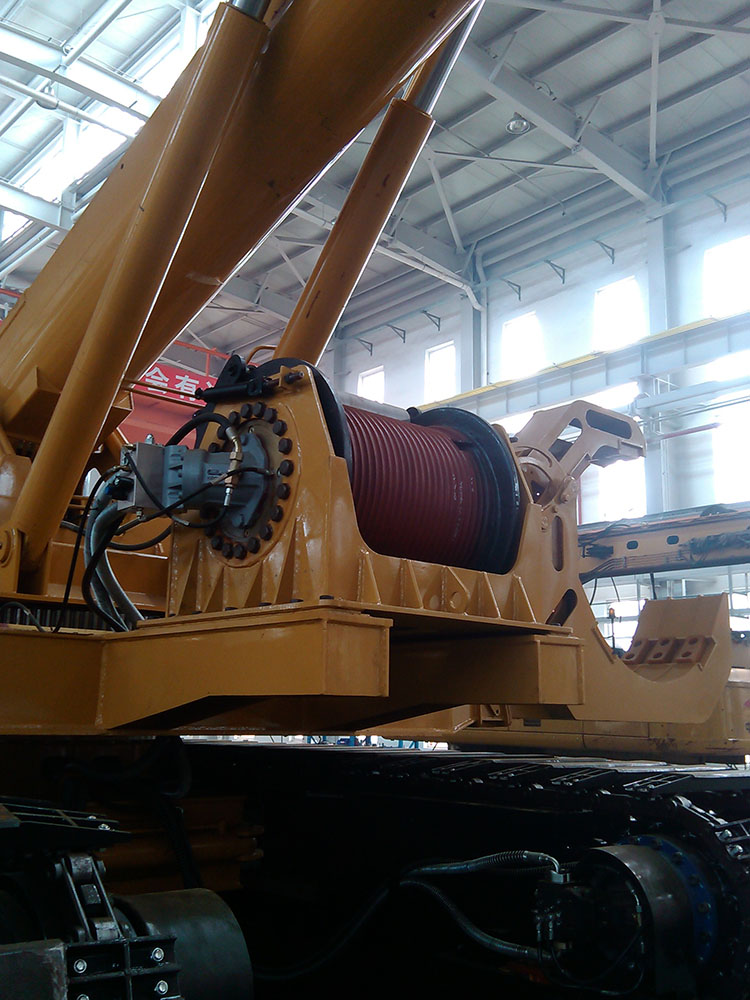
Simply put, hydraulic winch working refers to the operation and control of winches powered by hydraulic fluid pressure. Instead of electric motors or manual effort, these winches rely on pressurized oil or other fluids to generate strong rotational force, which winds or unwinds cables or ropes around drums.
At its core, it’s an elegant dance of mechanical engineering and fluid power. Industries such as maritime shipping, mining, forestry, and disaster relief harness this synergy to move heavy equipment, secure cargo, or rescue stranded vehicles with far greater power and control than other winching systems.
In humanitarian contexts, for example, hydraulic winch working facilitates rapid deployment of equipment after disasters where conventional infrastructure fails — think deploying temporary bridges or hauling debris safely away.
Core Components Powering Hydraulic Winch Success
Durability – Built to Withstand Rough Conditions
Every engineer I spoke with prioritizes durability, and hydraulic winches excel here. Their sealed hydraulic systems resist dust, moisture, and corrosion far better than open electrical systems, making them ideal for offshore platforms or harsh deserts alike.
Precision Control – The Art of Smooth Power
One advantage of hydraulic power is the ability to finely tune pulling speeds and torque. Operators can gently move fragile loads or grab hold of massive weights without sudden jolts or mechanical overload.
Scalability – From Light to Heavy Duty
Hydraulic winch working isn’t one-size-fits-all. Winches come in diverse sizes, capable of managing loads from a few hundred kilograms in agriculture to hundreds of tons on ocean rigs.
Cost Effectiveness – Efficiency in Energy Use
Though initial investment may be higher than electric options, hydraulic winches often save money over time via reduced maintenance and energy consumption — especially when integrated with existing hydraulic machinery.
Safety Features – Minimizing Operational Risks
Many modern hydraulic winches incorporate overload protection and fail-safe brakes. Since hydraulics handle power transfer internally, risks of sparks or electrical faults are lower, essential in hazardous environments.
Environmental Resilience
Oddly enough, hydraulics tend to perform better in extreme weather. Cold temperatures or wet conditions? Hydraulic fluids can be specially formulated to keep systems running smooth.
Mini takeaway:
Hydraulic winch working thrives because it combines strength, precision, and safety — qualities hard to match for heavy-duty industrial tasks.
Real World Examples: How Hydraulic Winch Working Shapes Industries Globally
Consider offshore oil rigs in the North Sea, where loading heavy equipment safely, inch by inch, can mean life or death for workers. Hydraulic winches handle these tasks daily, under punishing weather and with no margin for error.
In post-disaster relief zones — such as after major earthquakes — humanitarian teams use hydraulic winching to clear debris and erect temporary shelters quickly, where every minute counts for survivors.
Elsewhere, forestry operations in Canada rely on hydraulic winches to haul logs across difficult terrain without damaging the forest ecosystem, striking a balance between efficiency and sustainability.
And I recall an Australian mining site where hydraulic winch working enabled safer transport of heavy drilling equipment into deep pits, lowering accident rates significantly.
Quick Specification Table of a Typical Hydraulic Winch Unit
| Specification | Typical Value | Remarks |
|---|---|---|
| Power Source | Hydraulic pump (fluid pressure) | Often driven by diesel engines or electric pumps |
| Rated Pulling Capacity | Up to 150 tons | Varies by model and application |
| Cable Diameter | 12mm to 32mm | Depends on load requirements |
| Operating Pressure | 1500 - 3500 PSI | Higher pressures allow greater torque |
| Weight | 300 - 1200 kg | Based on size and capacity |
How Do Leading Vendors Compare?
| Vendor | Capacity Range | Customization Options | Warranty Period | Global Support |
|---|---|---|---|---|
| LBS Winch | 1 ton to 150 tons | High (custom cable lengths, controls) | 3 years | Worldwide |
| HydroForce | 5 to 100 tons | Medium | 2 years | North America, Europe |
| AquaWinch Solutions | 10 to 120 tons | Low | 1 year | Asia-Pacific |
Why Choose Hydraulic Winch Systems? Advantages and Lasting Value
- Cost Efficiency: While upfront costs can be higher, fewer mechanical failures and minimal downtime save money long-term.
- Reliability: The sealed nature of hydraulic systems greatly reduces risk of malfunction, even in extreme conditions.
- Environmental Impact: Efficient power usage and fewer replacements lower the ecological footprint.
- Safety: Load control and safety brakes reduce workplace accidents — a win for both workers and regulators.
- Social Impact: In disaster zones, hydraulic winches enable faster recovery and infrastructure rebuild, supporting communities in dire moments.
New Horizons: Future Trends in Hydraulic Winch Working
The future looks pretty exciting. Innovations such as IoT-enabled winches allow remote monitoring and predictive maintenance, cutting downtime further. Manufacturers are experimenting with biodegradable hydraulic fluids, aiming to reduce environmental impact, while lightweight composite materials may soon make these units more portable.
Automation — integrating sensors that adjust cable tension automatically — might be another step forward, freeing operators to focus on more complex tasks safely and smartly. Add to that the push for green energy; combining hydraulic winch working with renewable power sources is no longer a far-fetched idea.
Addressing Challenges: Practical Solutions in Hydraulic Winch Working
Despite all advantages, some drawbacks remain. Hydraulic systems require regular fluid checks and potential leakage management. Oils spill if careless, posing environmental hazards.
However, many vendors today incorporate leak-proof fittings and environmentally friendly oils, alongside rigorous maintenance schedules — all aiming to make systems cleaner and safer. Operator training is critical, as many accidents stem from misuse rather than system failure itself.
FAQs About Hydraulic Winch Working
1. What makes hydraulic winches better than electric winches for heavy-duty tasks?
Hydraulic winches provide more consistent torque and power controllability under heavy loads, especially in extreme temperatures or harsh environments where electric motors may struggle or fail. Their sealed systems also make them more resistant to dust and moisture.
2. How often should hydraulic fluids be replaced to maintain optimal winch performance?
Typically, hydraulic fluids should be inspected regularly and replaced every 1,000 to 2,000 operating hours, or at least once a year, depending on usage severity. Keeping fluids clean is vital to prevent wear and corrosion inside the system.
3. Can hydraulic winches be customized for specific industrial applications?
Absolutely. Many manufacturers — including LBS Winch — offer customization options like control configurations, cable lengths, and mounting setups tailored to the unique needs of industries such as mining, maritime, and construction.
4. Are hydraulic winches environmentally friendly?
While traditionally hydraulic fluids posed environmental concerns, modern biodegradable and non-toxic options improve sustainability. Moreover, hydraulic winch systems tend to be energy-efficient and longer-lasting, reducing waste over time.
5. What safety measures should operators follow when using hydraulic winches?
Operators should undergo thorough training, always check the system for leaks or damage before use, maintain proper tension, and never exceed rated load capacities. Using safety brakes and regular maintenance further ensures accident prevention.
Final Thoughts: Harnessing the Power of Hydraulic Winch Working
In real terms, hydraulic winch working is more than just hydraulics and cables — it’s a vital technology underpinning safety, efficiency, and innovation in heavy load management globally. Whether rebuilding after disaster, loading massive cargo, or powering remote industrial sites, its value keeps growing.
Curious to learn more or explore the latest equipment? Visit our website at https://www.lbswinch.com to see how modern hydraulic winch solutions can transform your operations and support your toughest challenges with strength and precision.
References
-
The Ultimate Guide to Gear Steels for Durability and PerformanceNewsApr.16,2026
-
High Performance Gear Stainless Steel for Industrial DurabilityNewsApr.09,2026
-
Comprehensive Guide to Steel Bevel Gears Applications and SelectionNewsApr.07,2026
-
Comprehensive Guide to Durable Stainless Steel Miter Gears and ApplicationsNewsApr.04,2026
-
Comprehensive Guide to Steel Spur Gears Functionality and ApplicationsNewsMar.31,2026
-
Comprehensive Guide to Durable Stainless Steel Spur Gears and Their ApplicationsNewsMar.28,2026