Hydraulic Winch Truck: Powerful, Mobile Load Handling for Modern Industry
What Is a Hydraulic Winch Truck and Why Should You Care?
Imagine needing to pull or lift heavy loads in the toughest conditions—whether in remote construction sites, disaster zones, or sprawling industrial plants. That’s exactly where hydraulic winch trucks come into their own. These machines combine the brute strength of hydraulic systems with the mobility of trucks, enabling powerful and precise hauling solutions across the globe.
Understanding hydraulic winch trucks matters because they're central to industries splitting between efficiency and safety, especially where manual labor alone can't handle the load. For international development agencies, construction firms, and even mining operations, these vehicles aren’t just convenience—they’re necessity. Plus, their increasing adoption signals a shift toward smarter, more sustainable machinery worldwide.
Global Landscape: Why Hydraulic Winch Trucks Are on the Rise
To grasp why these trucks have grown indispensable, look at the larger picture. According to the International Organization for Standardization (ISO) and World Bank data, global infrastructure investments are booming—especially in regions like Southeast Asia and Africa. Roughly 70% of construction projects worldwide now rely on equipment capable of handling challenging loads efficiently (World Bank, 2023). Yet, many of these sites lack fixed installation points or cranes, especially in remote areas.
Enter the hydraulic winch truck: a nimble, flexible solution to lift and pull heavy elements where cranes can’t go. This adaptability addresses a pressing challenge—how to deliver reliable, rapid power on uneven ground or disaster zones without massive infrastructure investments. For humanitarian agencies, for instance, winch trucks speed up logistics in rough terrain, speeding aid delivery.
Breaking It Down: What Exactly Is a Hydraulic Winch Truck?
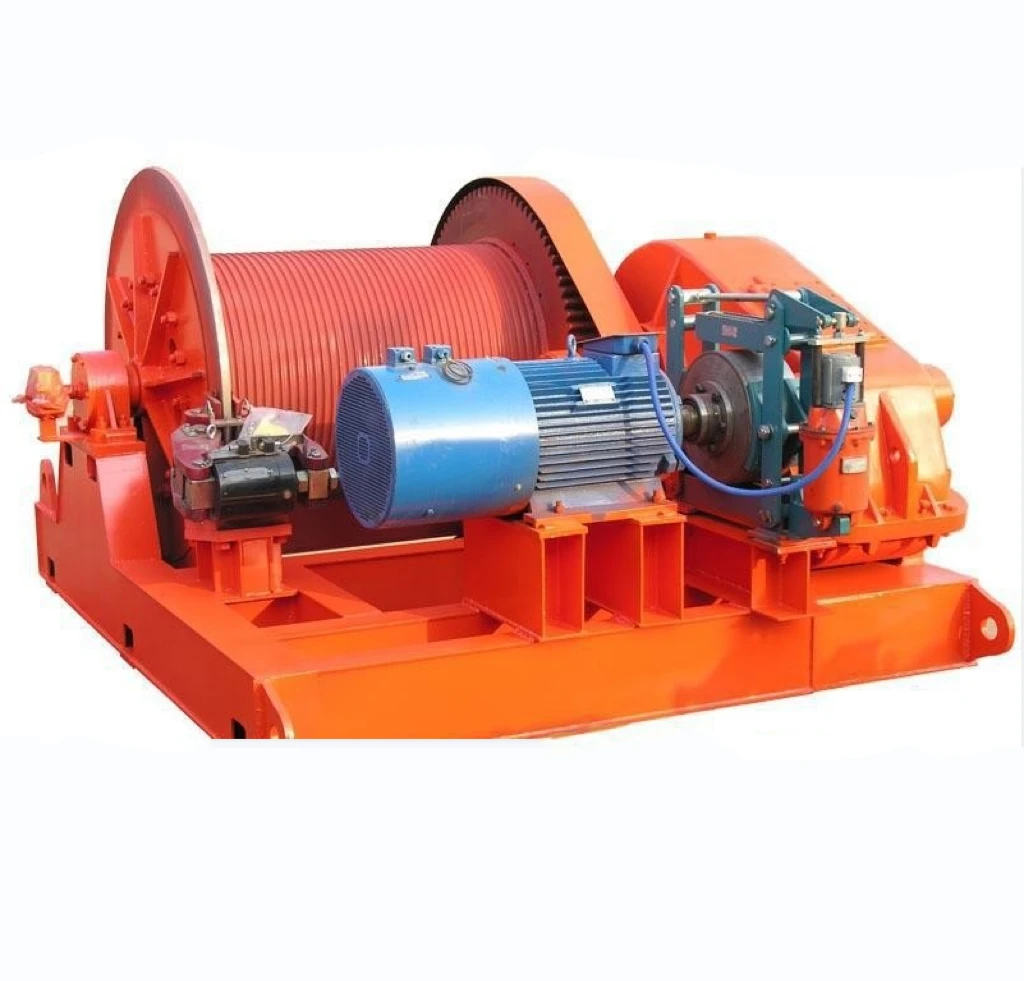
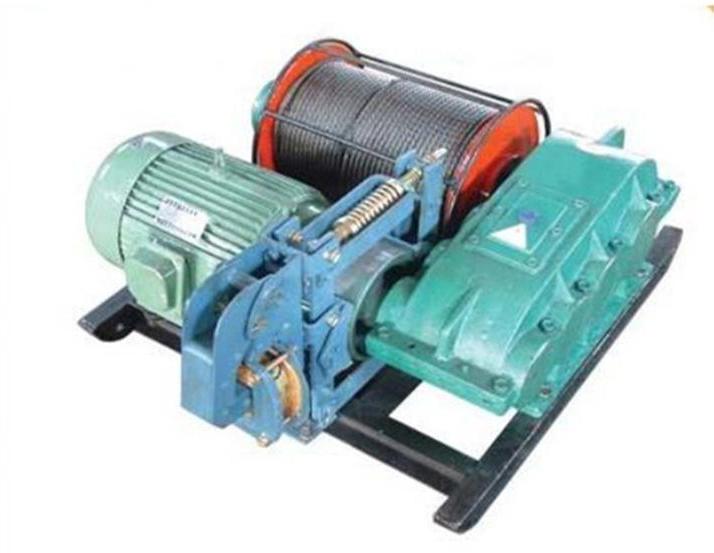
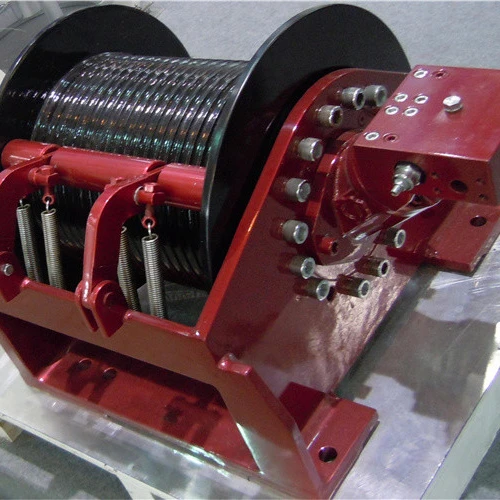
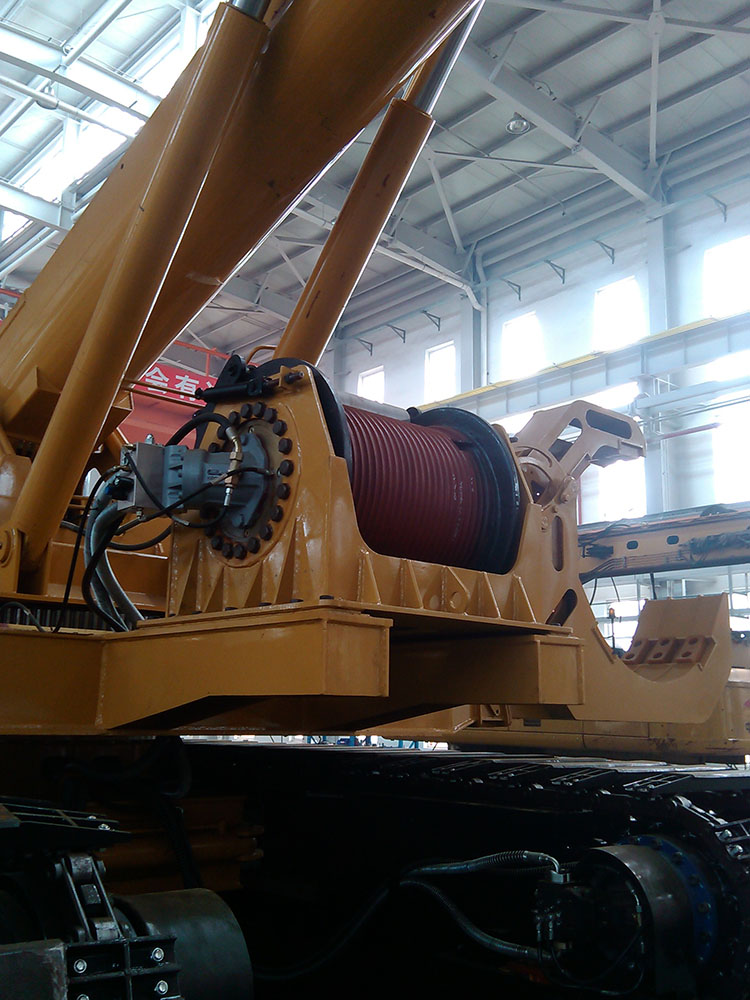
Simply put, a hydraulic winch truck is a vehicle equipped with a winch powered by a hydraulic system rather than electric or purely mechanical drives. The hydraulic mechanism provides greater torque, smoother operation, and the ability to handle heavier loads. These trucks can drag, haul, or lift loads by winding wire rope or cable controlled precisely via hydraulic power.
The connection to modern industry? Huge. Sectors requiring reliable load handling without fixed infrastructure—such as forestry, mining, oil drilling, and emergency response—often turn to hydraulic winch trucks because they combine durability with power. In disaster zones, they move debris or pull vehicles out of mud quickly, helping relief workers save time and lives.
Core Components that Make or Break Efficiency
1. Hydraulic System
The heart of the truck’s power. A strong hydraulic pump drives the winch motor, offering control over speed and torque. The efficiency of this component directly influences pulling power and safety.
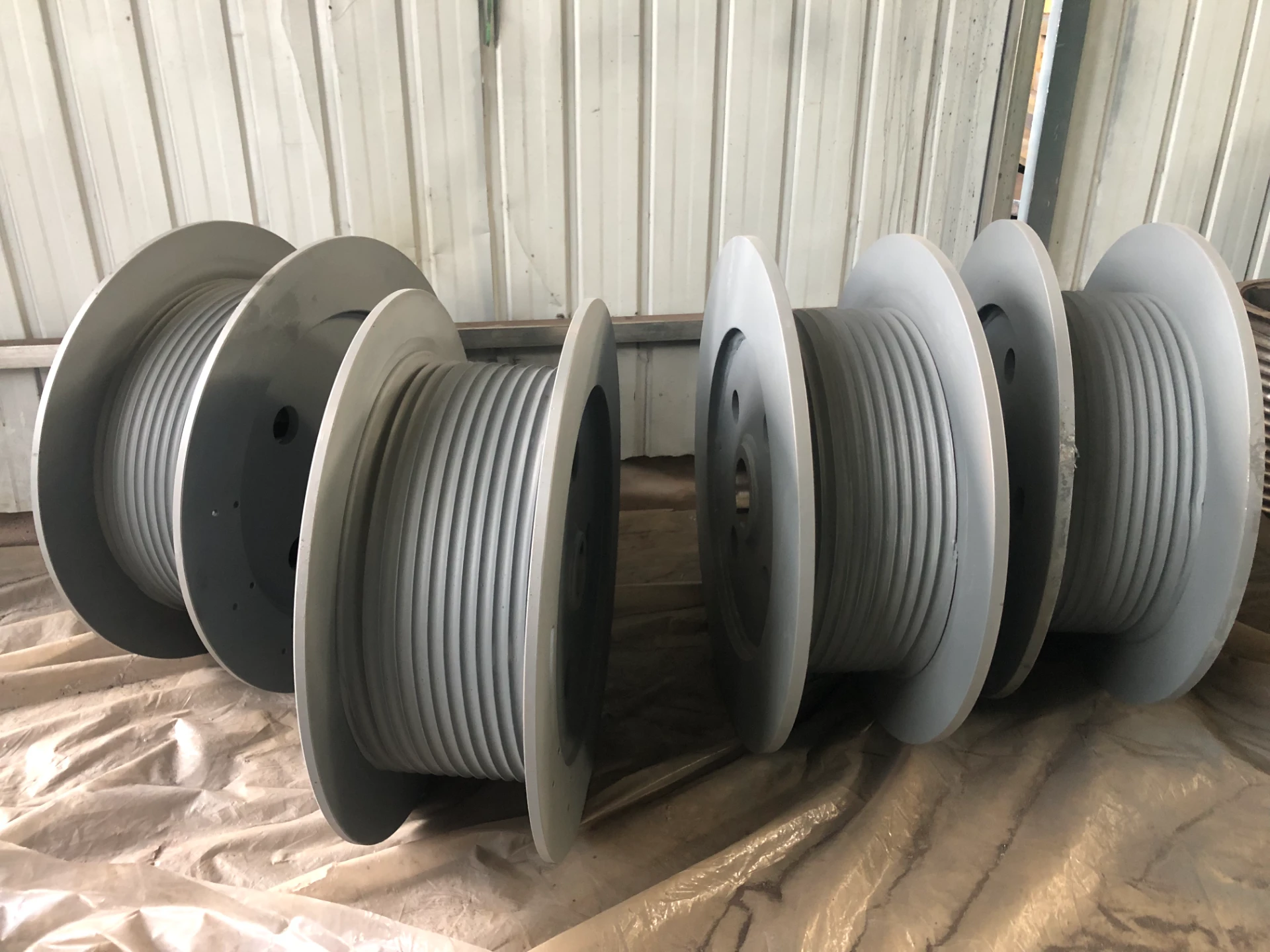
2. Winch Drum and Cable
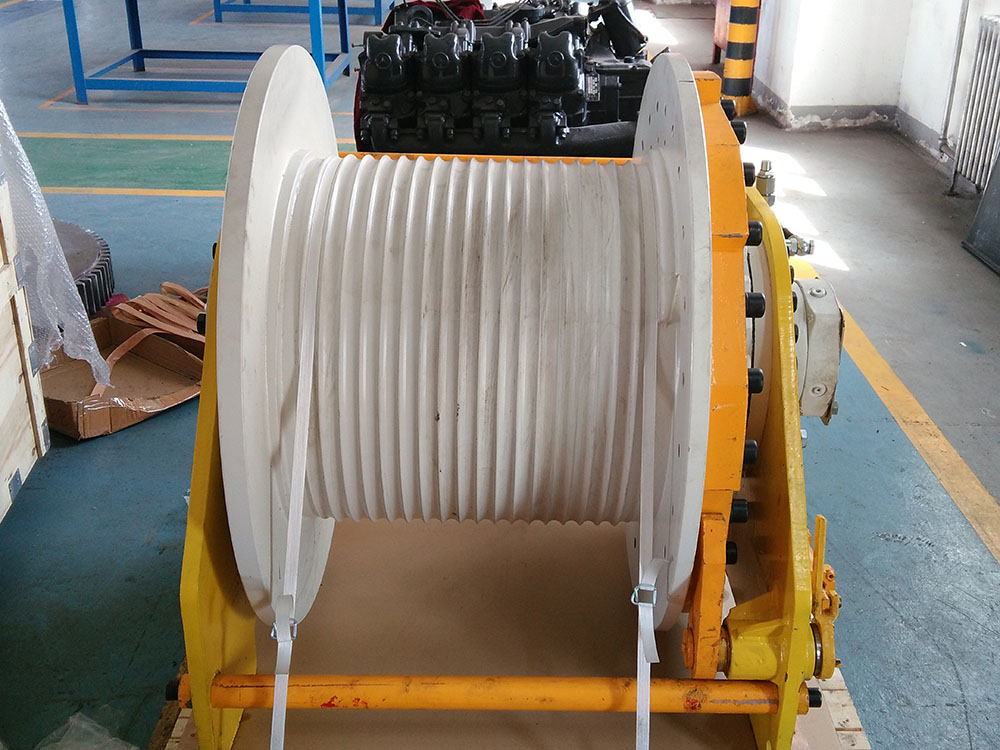
The physical rope drum stores the cable, which must be abrasion-resistant and flexible. Quality materials reduce breakage risks, which is critical in hazardous environments.
3. Truck Chassis and Mobility
A robust chassis, often a 4x4 or 6x6, ensures the vehicle can navigate rough terrain, which is common in mining or forestry applications. Mobility here is as important as power.
4. Control Systems
Modern hydraulic winch trucks often feature joystick or remote controls, enhancing operator safety and precision. Some advanced versions integrate digital systems for load monitoring.
5. Safety Mechanisms
Brake systems, emergency stops, and overload protection guards against accidents, protecting both operators and equipment.
How Hydraulic Winch Trucks Make a Global Impact
Their use isn’t limited to one niche. Post-disaster relief teams rely on them to clear rubble or recover stuck vehicles. In remote industrial zones—say Australian mines or Canadian logging camps—they transport heavy equipment over terrain where cranes simply can’t travel. Even large ports use hydraulic winch trucks for container positioning where fixed winches aren’t feasible.
For example, after Typhoon Haiyan struck the Philippines in 2013, NGOs reported using hydraulic winch trucks to rapidly clear debris and reestablish supply routes across rugged terrain. Southeast Asian forestry companies have widely adopted them, citing faster deployment and reduced downtime compared to older winch models.
Examining Specifications: A Typical Hydraulic Winch Truck at a Glance
| Specification | Typical Value | Remarks |
|---|---|---|
| Maximum Pulling Capacity | 20,000 lbs (9,070 kg) | Varies with winch model |
| Cable Length | 150 meters | Steel wire, coated for abrasion resistance |
| Hydraulic Pump Power | 50 HP (Horsepower) | Ensures efficient torque generation |
| Truck Drive | 6x6 | Off-road terrain capable |
| Control Type | Remote joystick | Improves safety and precision |
Why Invest in Hydraulic Winch Trucks? Advantages & Long-Term Gains
Frankly, the benefits extend beyond raw power:
- Cost Efficiency: Compared to cranes or fixed winch installations, hauling winch trucks reduce setup times and labor costs.
- Reliability: Hydraulics deliver smooth operation, less wear, and better heat management—meaning fewer breakdowns.
- Safety: Remote controls and fail-safes improve operator protection.
- Sustainability: Modern systems optimize fuel use, and innovations allow for bio-hydraulic fluids, aligning with green goals.
- Social Impact: By facilitating faster infrastructure rebuilding, especially in developing countries, they enable communities to recover quicker.
Looking Ahead: Future Trends in Hydraulic Winch Truck Technology
It feels like the next leaps will come from both tech and materials. We're seeing greater moves toward digital integration—imagine winch trucks with IoT sensors sending real-time load and maintenance data wirelessly. Automation is also creeping in, with semi-autonomous winching for precision tasks reducing operator fatigue.
Materials science contributes too: lighter but stronger composite cables and winch drums are decreasing weight while improving durability. There's also a push to power hydraulic systems with electric or hybrid pumps, reducing emissions and noise—a big plus for urban work sites.
Common Challenges and How Experts Tackle Them
Of course, no tech is perfect. Hydraulic winch trucks sometimes face issues like hydraulic fluid leaks, cable wear, or difficulties operating in extreme climates. Maintenance can be tricky too without trained personnel.
Innovations like sealed hydraulic circuits help prevent leaks, and training programs focus on preventive upkeep. Many vendors now offer modular components for quick replacement in the field. Environmental regulations require using biodegradable fluids, and engineers are adapting designs to handle temperature extremes better.
FAQ: Your Practical Questions About Hydraulic Winch Trucks
- Q: How do hydraulic winch trucks compare to electric winch systems?
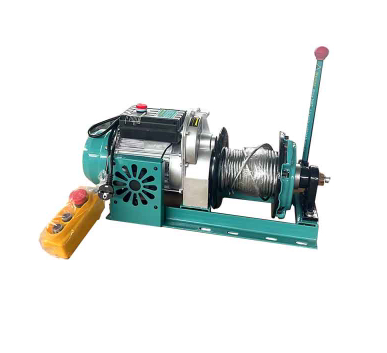
- A: Hydraulic winch trucks generally provide smoother, stronger torque, especially for heavy loads, making them better for rugged environments. Electric systems are simpler but may lack the same pulling capacity or durability outdoors.
- Q: Can hydraulic winch trucks operate in extreme weather?
- A: Yes, but they require specialized hydraulic fluids and sealed components to withstand cold, heat, or moisture. Proper maintenance is essential to ensure reliable operation.
- Q: What safety features should I expect in a hydraulic winch truck?
- A: Look for emergency stop buttons, remote control options, overload protection, and fail-safe brake systems to minimize accident risks.
- Q: Are hydraulic winch trucks customizable for different industries?
- A: Absolutely. Vendors often adapt winch capacity, cable length, and truck chassis based on the specific needs of mining, forestry, rescue, or construction sectors.
How Vendors Stack Up: A Quick Comparison
| Vendor | Max Pull Capacity | Typical Price Range | Key Features |
|---|---|---|---|
| LBS Winch Co. | 20,000 lbs | $90,000–$120,000 | Remote joystick, hybrid hydraulic pump |
| HydraPull Inc. | 18,000 lbs | $85,000–$110,000 | Custom cable options, rugged chassis |
| TerraLift Solutions | 22,500 lbs | $95,000–$130,000 | Advanced safety features, IoT monitoring |
Wrapping It Up: The Long-Term Value of Hydraulic Winch Trucks
To sum it all up, hydraulic winch trucks offer a potent blend of power, flexibility, and safety that few other vehicles match. In today's fast-paced, evolving work environments, their ability to adapt brings undeniable long-term cost savings and operational effectiveness.
Whether you’re overseeing a massive infrastructure project, leading disaster recovery efforts, or managing forestry operations, investing in a quality hydraulic winch truck feels less like a cost and more like an enabling partner.
So, if you’re curious to see these machines in action or want to explore the latest models, do yourself a favor and check out hydraulic winch truck options that can redefine how you get the heavy work done.
References
-
The Ultimate Guide to Gear Steels for Durability and PerformanceNewsApr.16,2026
-
High Performance Gear Stainless Steel for Industrial DurabilityNewsApr.09,2026
-
Comprehensive Guide to Steel Bevel Gears Applications and SelectionNewsApr.07,2026
-
Comprehensive Guide to Durable Stainless Steel Miter Gears and ApplicationsNewsApr.04,2026
-
Comprehensive Guide to Steel Spur Gears Functionality and ApplicationsNewsMar.31,2026
-
Comprehensive Guide to Durable Stainless Steel Spur Gears and Their ApplicationsNewsMar.28,2026