Truck Hydraulic Winch Explained: Uses, Advantages & Future Trends | LBS Winch
Understanding the Truck Hydraulic Winch: Why It Matters Globally
At first glance, a truck hydraulic winch might sound like an obscure industrial gadget. But globally, this simple-looking device is a cornerstone of countless operations—from construction projects in dry deserts to disaster relief efforts in rain-soaked jungles. Simply put, a truck hydraulic winch enhances the power and control that vehicles have when pulling or lifting heavy loads. Understanding the nuances of this equipment can unlock better safety, efficiency, and sustainability across many fields, making it much more than just “another winch.”
Why do we care? Because these devices solve tough mechanical challenges that impact logistics, infrastructure development, and emergency response worldwide. As industries strive for greener and more dependable solutions, the truck hydraulic winch quietly powers much of that progress.
The Global Context of Truck Hydraulic Winches
According to the International Organization for Standardization (ISO), hydraulic machinery accounts for a massive share of industrial equipment globally, with a steady growth rate driven by demand in developing countries and expanding infrastructure projects.1 In real terms, a truck hydraulic winch can increase vehicle versatility, allowing trucks to serve dual roles—both as transport and as recovery or lifting units.
But here’s the challenge: in harsh environments—whether freezing mountain passes or dusty deserts—reliable load pulling isn’t just about muscle; it’s about survivability. Around 60% of vehicle recovery failures are traced back to inadequate or poorly maintained winching systems.2 Enter the truck hydraulic winch, helping solve this with powerful, smooth, and controllable mechanical advantage.
What Exactly Is a Truck Hydraulic Winch?
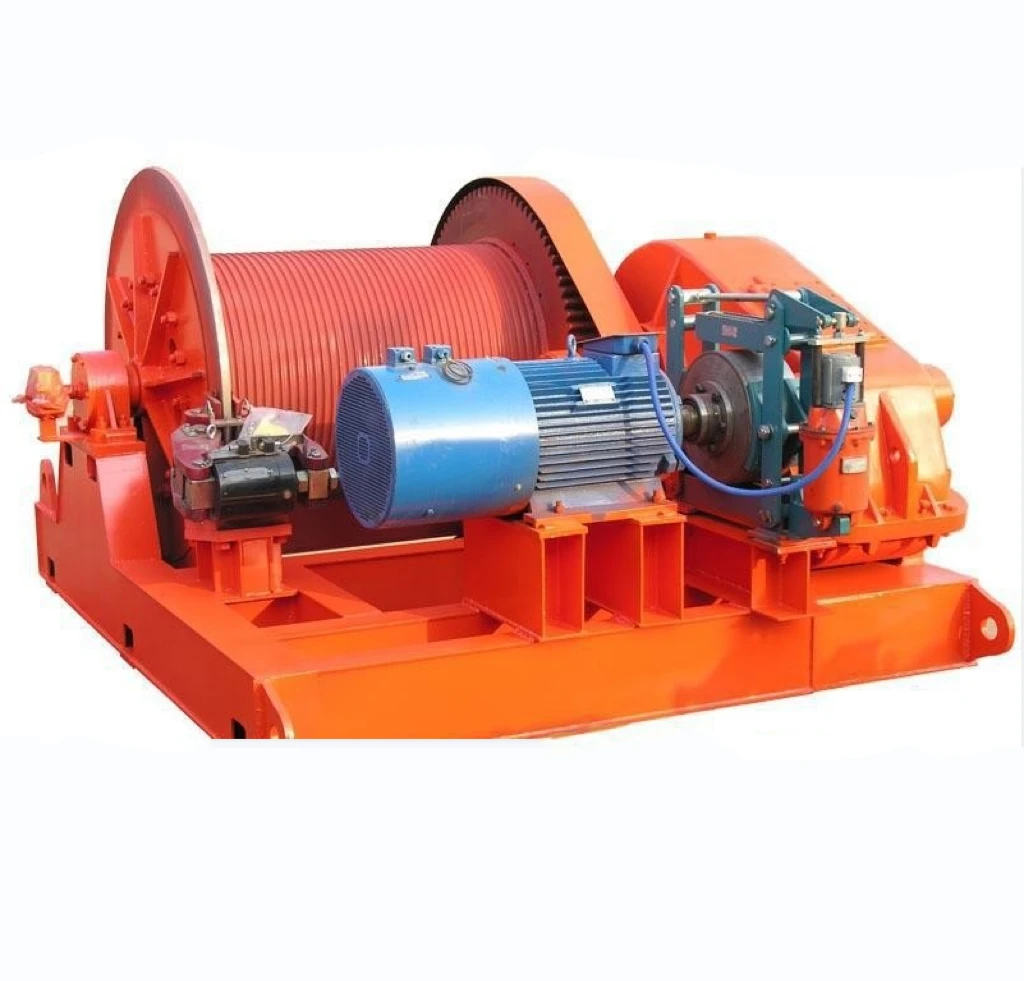
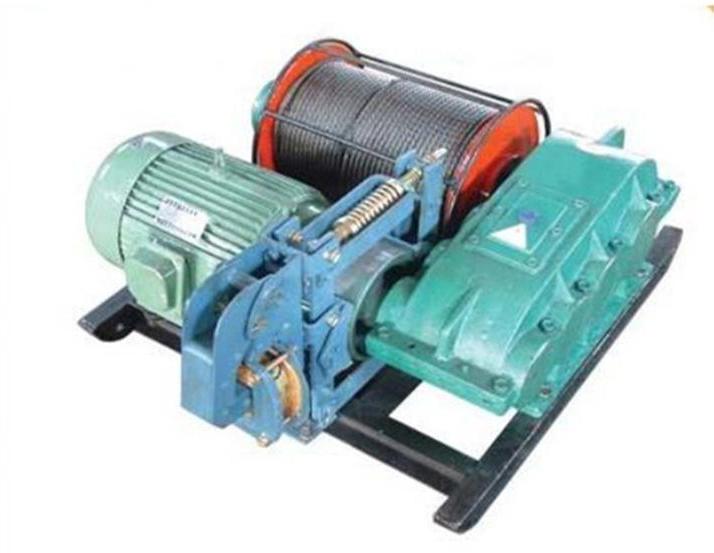
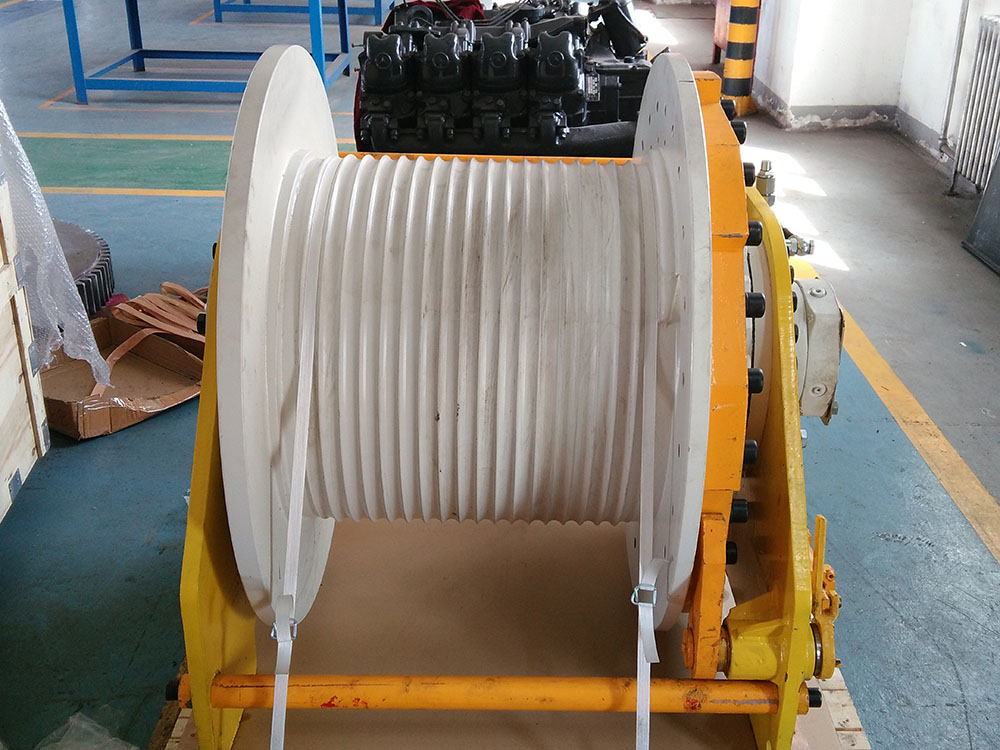
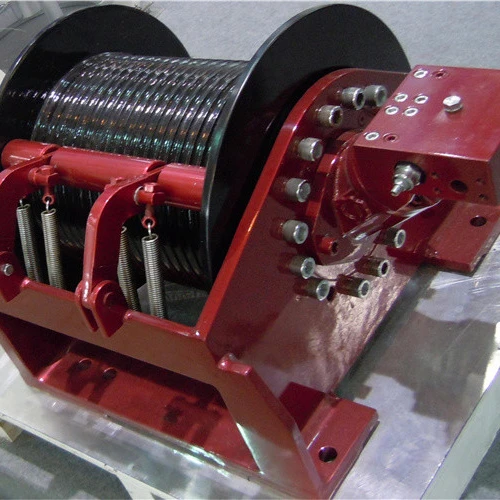
Think of a hydraulic winch as a compact powerhouse attached to a truck’s hydraulic system. It converts pressurized fluid energy into mechanical pulling force. Unlike electric or manual winches, hydraulic winches take advantage of the truck’s onboard hydraulic pump and fluid system to deliver consistent torque and duty cycles.
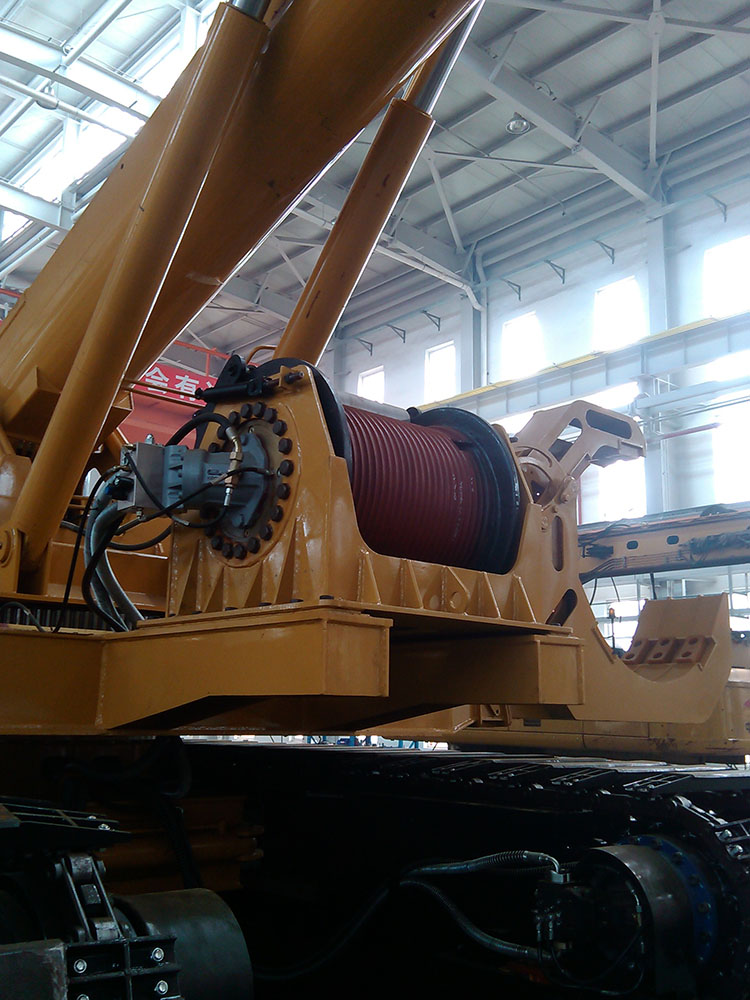
In practical terms, this means the truck’s engine powers a pump that sends pressurized fluid to the winch, enabling it to pull or lower heavy loads smoothly. The hydraulic winch, therefore, becomes an extension of the vehicle’s powertrain—ready to assist in rugged recovery tasks, industrial haulage, or safety-critical lifting. This connection to the truck’s power is what sets a truck hydraulic winch apart from other winch types.
Key Factors That Make a Truck Hydraulic Winch Effective
Durability
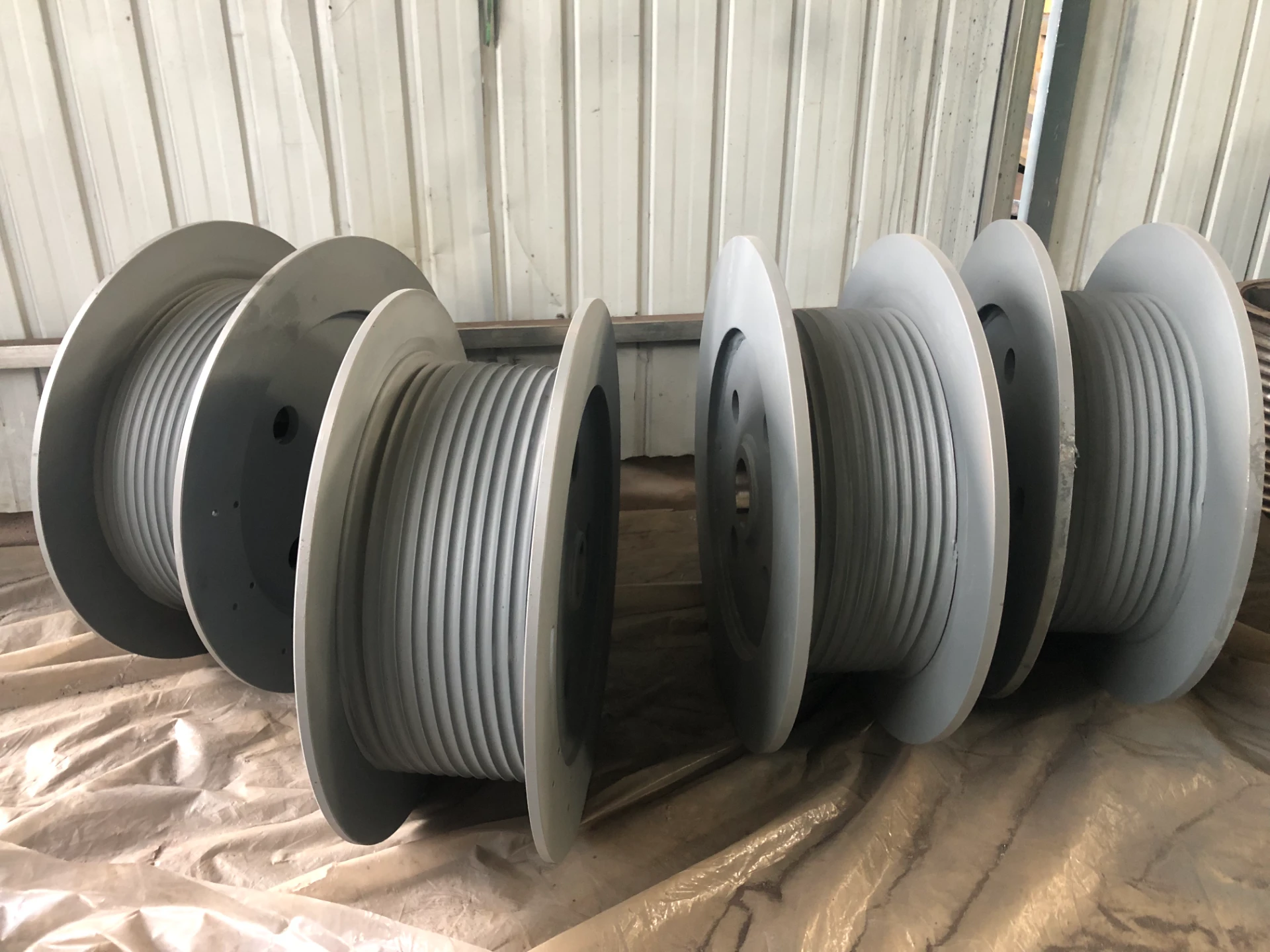
Many engineers swear by the robust builds of hydraulic winches for their ability to withstand dirt, water, and extreme temperatures. The sealed hydraulic motors and high-quality steel drums ensure the unit keeps pulling no matter the weather or terrain.
Power and Control
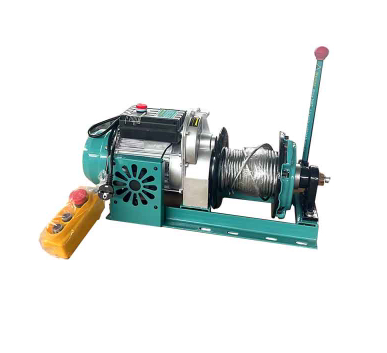
Because hydraulic winches leverage the truck’s hydraulic system, they offer significantly higher torque and smoother speed control compared to electric models. This is a godsend when delicately recovering vehicles or maneuvering heavy equipment without jerking loads.
Cost Efficiency
While initial costs may be higher than electric winches, lower maintenance requirements and longer service life often translate into savings over the long haul.
Scalability & Customization
Hydraulic winches come in a wide range of capacities and configurations, from light-duty assistance tools to heavy industrial units capable of pulling tens of thousands of pounds. This flexibility makes them ideal for varied industries.
Safety Features
Modern hydraulic winches often incorporate fail-safes like automatic brakes, thermal overload prevention, and remote controls—features vital for workplace safety.
Mini takeaway: A truck hydraulic winch’s blend of toughness, torque, and control transforms it from a tool into a critical partner in tough environments.
Truck Hydraulic Winch in Real-World Operations
You can find these winches in so many settings it almost boggles the mind. For example:
- Disaster Relief: After earthquakes or floods, humanitarian teams rely on truck hydraulic winches to clear debris and haul supplies through damaged terrain swiftly.
- Mining and Construction: In rugged, remote areas, trucks equipped with hydraulic winches can self-recover from mud or rocks and assist in moving heavy machinery.
- Forestry and Agriculture: Winches help in dragging logs or repositioning equipment where manual methods would be impossible or unsafe.
- Oil & Gas Exploration: Remote well sites depend on hydraulic winches for rigging, maintenance, and lifting tasks where reliability is crucial.
Regions with challenging terrain like the Rockies, Andes, or Sub-Saharan Africa see significant value from these winches, as do key organizations like the Red Cross and UN peacekeeping units.
Advantages That Outlast the Initial Investment
When you think of investing in a truck hydraulic winch, consider not just the upfront cost but the long-term value:
- Cost Savings: Reduced downtime and maintenance can save thousands annually.
- Sustainability: Hydraulic systems can often be integrated with energy-recovery tech or low-emission trucks.
- Social Impact: Faster, safer operations mean workers return home unharmed and communities see quicker infrastructure rebuilding.
- Reliability & Trust: Knowing your winch won’t fail when the stakes are high offers peace of mind that’s hard to quantify.
In a way, a good winch is a quiet champion of both progress and safety.
What’s Next? Future Trends in Truck Hydraulic Winches
The humble hydraulic winch isn’t standing still. Automation and digital monitoring are increasingly added to give operators real-time feedback on load tension and system health. This tech integration helps prevent failures before they happen.
Green energy is another exciting frontier. Imagine hydraulic winches powered by hybrid or electric trucks with regenerative braking systems that enhance hydraulic pressure efficiently. Advanced materials like carbon composites may also reduce weight while improving strength.
All this signals an industry adapting to stricter environmental regulations and smarter, safer work environments.
Overcoming Current Challenges
It’s not all smooth sailing. Hydraulic systems can be complex and sensitive to contamination or improper maintenance. Without regular fluid checks and cleaning, performance drops quickly.
Training operators to understand system pressure limits and hydraulics basics is crucial. Some vendors now provide remote diagnostics and predictive maintenance support to tackle these issues proactively. Also, standardized parts and modular designs help reduce downtime during repairs.
Product Specifications: Sample Truck Hydraulic Winch
| Specification | Value |
|---|---|
| Pulling Capacity | 10,000 lbs (4,536 kg) |
| Line Speed (@ Max Load) | 15 ft/min (4.57 m/min) |
| Drum Diameter | 7 inches (178 mm) |
| Operating Pressure | 2,800 psi (193 bar) |
| Weight | 85 lbs (39 kg) |
| Cable Length | 100 feet (30.5 m) |
Vendor Comparison: Popular Truck Hydraulic Winch Manufacturers
| Feature / Vendor | Vendor A | Vendor B | Vendor C |
|---|---|---|---|
| Max Load Capacity | 12,000 lbs | 10,000 lbs | 15,000 lbs |
| Remote Control | Yes, wireless | Wired only | Yes, wireless & wired |
| Warranty | 3 years | 2 years | 5 years |
| Price Range | $$$ | $$ | $$$$ |
| After-Sales Support | 24/7 hotline | Email support only | Local agents worldwide |
FAQ: Your Questions About Truck Hydraulic Winches, Answered
- How does a truck hydraulic winch differ from an electric winch?
- Hydraulic winches harness the truck’s hydraulic system to produce greater torque and more continuous pulling power, making them more durable for heavy-duty or extended use. Electric winches are usually simpler but can overheat on long pulls and depend on the battery. Hence, hydraulic winches are preferred in industrial and recovery applications where reliability is critical.
- What maintenance does a truck hydraulic winch require?
- Key maintenance steps include regularly checking hydraulic fluid levels and cleanliness, inspecting hoses for leaks or damage, lubricating moving parts, and testing safety features. Because hydraulic systems are sensitive to contamination, clean conditions and scheduled servicing are essential to prevent breakdowns.
- Can hydraulic winches be installed on any truck?
- Most medium to heavy-duty trucks equipped with a compatible hydraulic system can be fitted with a truck hydraulic winch. Installation requires proper mounting brackets and consideration of hydraulic flow ratings. Consulting with manufacturers or experts (like those at LBS Winch) helps ensure a perfect match.
- Are truck hydraulic winches safe for use in emergency rescue?
- Yes, many are designed specifically for rescue operations and feature emergency brakes, overload protection, and remote controls to keep operators safe. Proper training and adherence to safety protocols are still vital to minimize risk.
Wrapping It Up: Why Truck Hydraulic Winches Are a Solid Investment
Whether you’re running a construction fleet, managing emergency relief operations, or troubleshooting tough recovery jobs, a well-chosen truck hydraulic winch is more than a tool—it’s a partner. It combines performance, durability, and adaptability in a way that can fundamentally improve safety, reduce costs, and boost efficiency over years.
Thinking about upgrading or outfitting a new vehicle? Visit our website to explore our product range and expert advice: https://www.lbswinch.com. Sometimes the smallest piece of equipment changes the way you get the big stuff done.
References
- International Organization for Standardization (ISO), Hydraulic Machinery Statistics, 2023
- National Vehicle Recovery Safety Report, 2022
- United Nations Logistics for Disaster Recovery, 2021
-
The Ultimate Guide to Gear Steels for Durability and PerformanceNewsApr.16,2026
-
High Performance Gear Stainless Steel for Industrial DurabilityNewsApr.09,2026
-
Comprehensive Guide to Steel Bevel Gears Applications and SelectionNewsApr.07,2026
-
Comprehensive Guide to Durable Stainless Steel Miter Gears and ApplicationsNewsApr.04,2026
-
Comprehensive Guide to Steel Spur Gears Functionality and ApplicationsNewsMar.31,2026
-
Comprehensive Guide to Durable Stainless Steel Spur Gears and Their ApplicationsNewsMar.28,2026