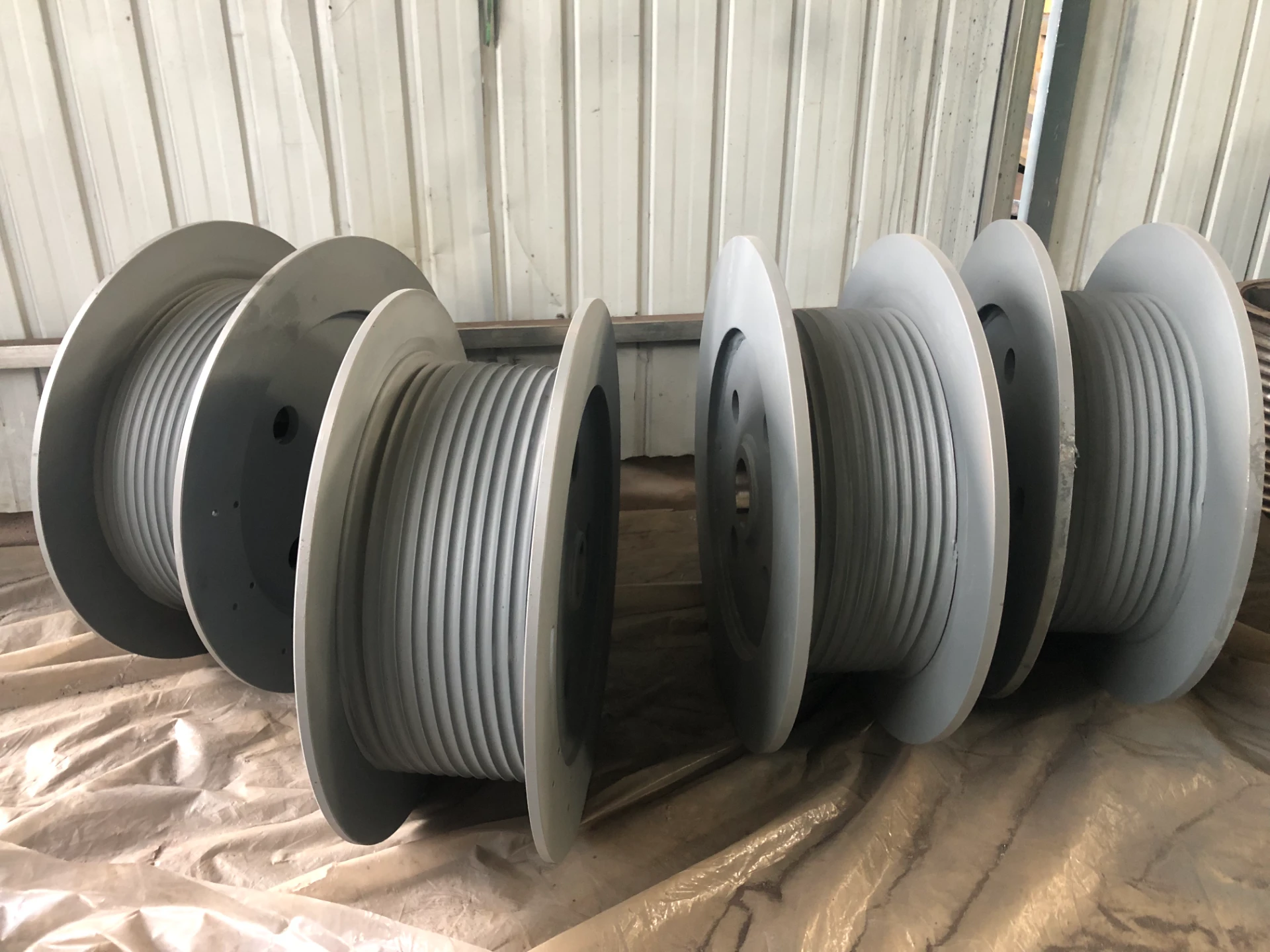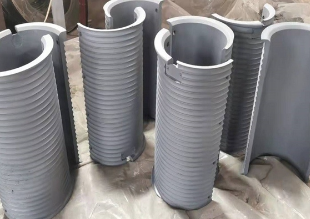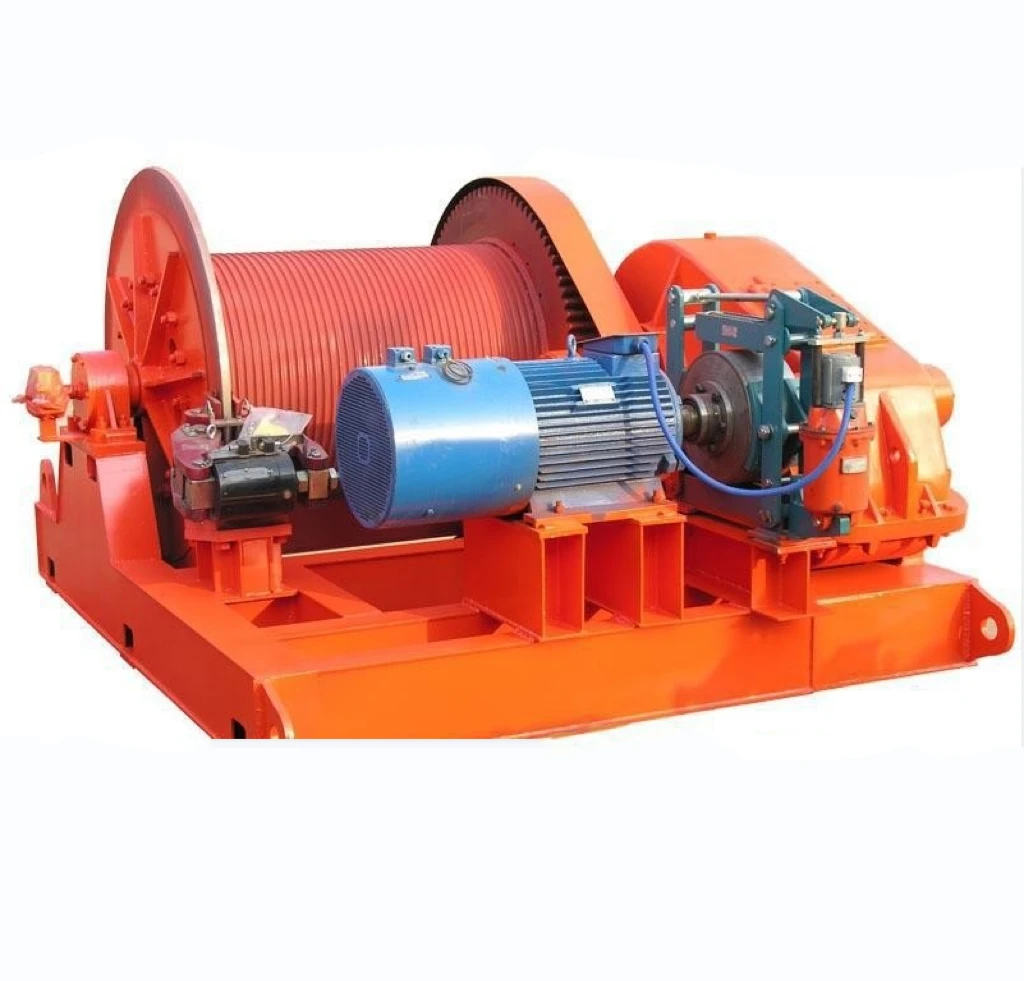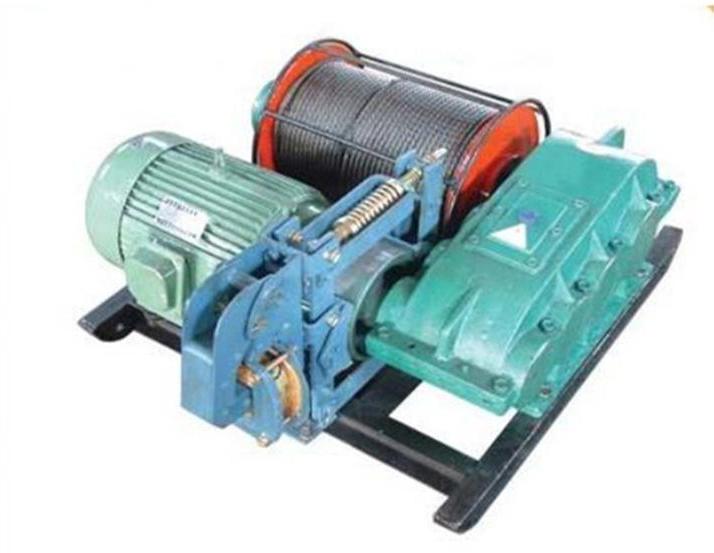
Hydraulic Worm Gear Winch: Reliable Heavy-Duty Lifting Solutions for Industry
Discovering the Power of the Hydraulic Worm Gear Winch
If you’ve ever witnessed heavy-duty lifting or precise load control in sectors like construction, marine, or industrial manufacturing, you might’ve caught a glimpse of this quietly essential machine: the hydraulic worm gear winch. Now, why does it matter so much, not just in local yards but across continents? Well, simply put, these winches marry the steady torque of worm gears with the reliable push of hydraulic power, offering control and strength in tough and varied situations. Global transport, infrastructure build-outs, and even disaster relief operations hinge on such equipment functioning just right, making knowing about their role pretty crucial.
Mini takeaway: This gear isn’t just machinery; it’s a problem solver bridging raw human need and high-tech solutions worldwide.
Why the Hydraulic Worm Gear Winch Holds Global Relevance
Take a moment and think about how many tons of freight move daily or how many heavy materials are repositioned on rugged terrains globally. According to data from the International Organization for Standardization (ISO), lifting device standards have evolved to meet the growing demand for safety and efficiency. The hydraulic worm gear winch answers a global call for precise and reliable load handling. Not everywhere has gentle gradients, smooth roads, or even steady electricity - so hydraulic systems, known for their robustness, fill a critical gap.
Why does this matter? Well, one challenge remains the safe, controlled, and efficient handling of heavy loads without adding undue risk to workers or causing equipment burnout. Hydraulic worm gear winches step in by offering a mechanical advantage — and in harsher climates, such as remote mining locations or emergency relief zones, their dependability shines.
So, What Exactly Is a Hydraulic Worm Gear Winch?
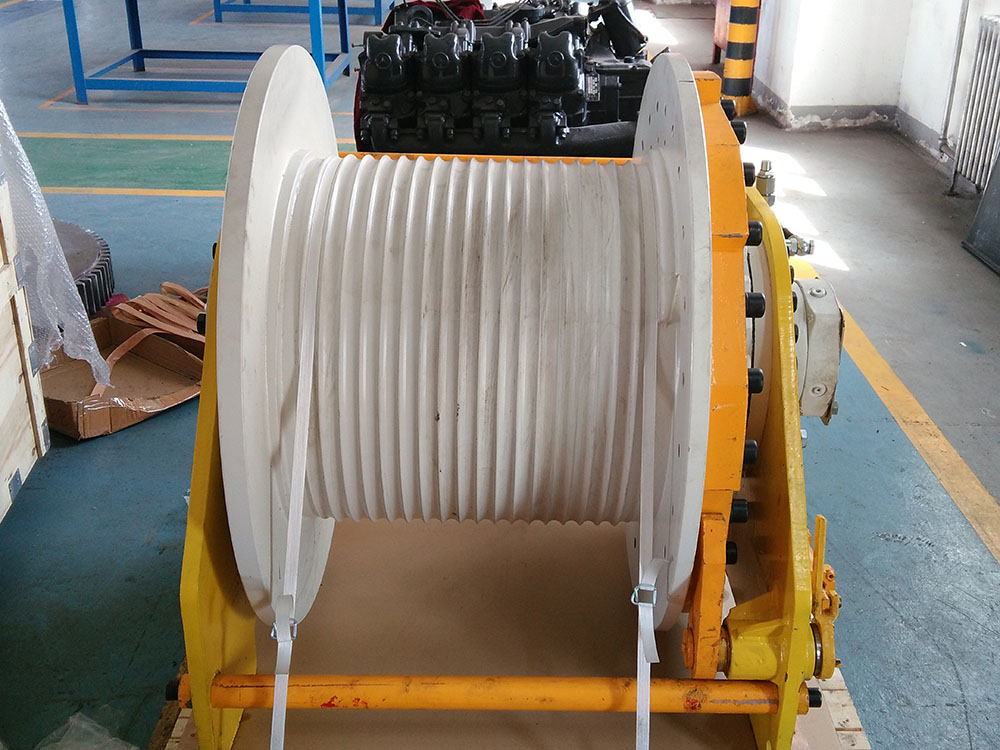
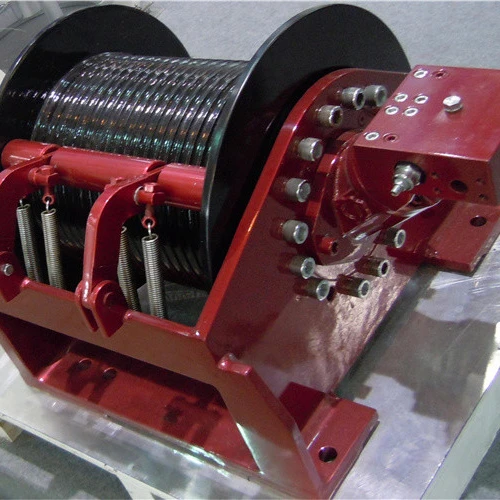
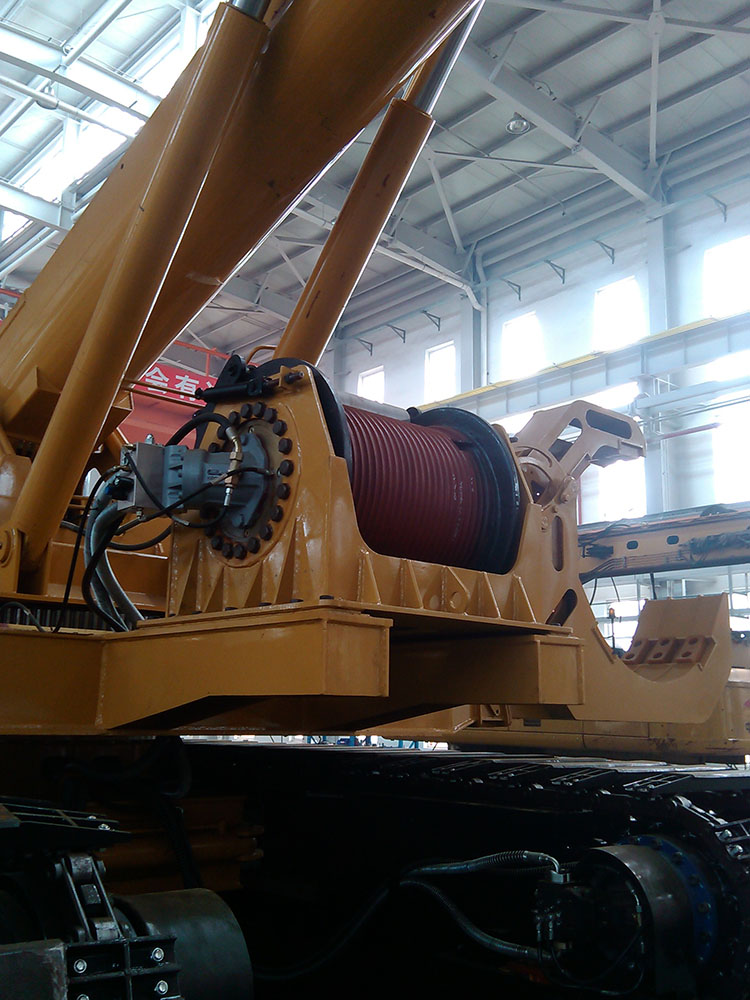
At its core, a hydraulic worm gear winch is a mechanical device designed to pull, lift, or position heavy objects using the combined torque of worm gear mechanics powered by a hydraulic motor. The worm gear’s defining feature is its unique helical thread, which provides high torque multiplication but prevents back-driving — meaning it won’t spin backward under load, a critical safety feature.
Pairing this with hydraulic power creates a system that can smoothly generate force without the jerking or slipping sometimes found in purely electric or manual systems. In industries ranging from marine operations to infrastructure projects and humanitarian missions, these winches are trusted for their stability and precision.
Core Components That Make All the Difference
1. Durability
Think about the environments these winches often operate in — salty seas, dusty quarries, freezing cold zones. Components are typically built from hardened steel and sealed to protect from corrosion and dirt, which extends operational life and reduces unexpected downtime.
2. Scalability & Versatility
There's a broad range of sizes and capacities for these winches. Whether it’s a tiny unit for light industrial use or a heavy-hitter for offshore drilling platforms, manufacturers offer customizable options to meet specific needs — bolt on a different drum size or upgrade the hydraulic motor; it’s surprisingly adaptable.
3. Efficiency & Power Control
Hydraulics allow nuanced force application, meaning operators can smoothly start and stop movement without strain. This control is especially valuable when handling fragile cargo or undertaking precise assembly tasks.
4. Safety Features
Aside from the self-locking worm gear that prevents rollback, many models incorporate load limiters, emergency braking systems, and fail-safe valves — all contributing to safer workplaces.
5. Cost Efficiency Over Time
While the initial investment can be heftier compared to some alternatives, the longevity, minimal upkeep, and reduced failure rates often translate to better cost-effectiveness in the long run.
Mini takeaway: It’s not just raw power that counts but the harmony of design, safety, and adaptability that makes these winches industry favorites.
Hydraulic Worm Gear Winch in Action Around the Globe
In real terms, you’ll find these machines pushing and pulling across all sorts of settings:
- Disaster relief operations: Relief teams use them to clear debris, haul supplies, or stabilize structures after earthquakes or hurricanes.
- Offshore oil rigs: Constant, reliable heavy-lift capacity is a must when moving equipment in unpredictable marine environments.
- Mining and construction: Transport of raw materials from tough, confined locations benefits from these winches’ tough construction and smooth operation.
- Transport and logistics hubs: Loading heavy goods onto trucks or ships requires precision and power that these winches offer effortlessly.
For instance, a mining company in Western Australia reported significant safety improvements and faster setup times after switching to hydraulic worm gear winches for underground earthmoving — the winch’s controlled torque was safer for operators underground where space is tight.
Advantages & How They Pay Dividends Over Time
Besides the obvious strength and precision, these winches foster a safer workspace, reduce equipment wear, and often lower insurance premiums due to improved safety records. The feeling of reliability — knowing your gear won’t suddenly fail or slip on a critical job — can’t be overstated. From a social standpoint, workers feel more secure and valued, fostering a culture of safety and trust.
Product Specification Table
| Feature | Description |
|---|---|
| Power Source | Hydraulic motor (variable flow and pressure) |
| Gear Type | Self-locking worm gear mechanism |
| Load Capacity | 0.5 to 50+ tons (model-dependent) |
| Speed Control | Fully adjustable via hydraulic flow modulation |
| Brake System | Automatic load-holding brake and emergency stop valve |
| Materials | Cold-rolled steel casing, stainless fasteners |
Navigating the Market: How Leading Vendors Stack Up
| Vendor | Load Range | Customization Options | Warranty | Price Range (USD) |
|---|---|---|---|---|
| LBS Winch | 1 - 60 tons | Full modular accessories | 5 years | $8,000 - $45,000 |
| HydroLift Co. | 0.5 - 30 tons | Custom drum sizes | 3 years | $7,000 - $30,000 |
| GearMaster Inc. | 2 - 45 tons | Enhanced sealing; corrosion resistance | 4 years | $9,000 - $40,000 |
Innovations and the Road Ahead
Looking forward, the welding line between hydraulics and electronics is blurring. Smart winches that monitor load stress, predict maintenance, and automatically adjust torque are no longer just scenes from sci-fi — they’re starting to hit the market. The push for greener energy sources means some winches are being designed to interface better with renewable power via hybrid systems.
Material science is evolving too — composites and advanced coatings mean winches that resist corrosion and wear yet weigh less, improving portability and reducing fuel costs during transport. It’s a thrilling phase where reliability meets innovation, ultimately benefiting end-users worldwide.
Common Challenges and Practical Solutions
No system is perfect, and the hydraulic worm gear winch does face obstacles — from hydraulic fluid leaks and maintenance complexities to initial cost hurdles in less developed regions. However, many engineers advocate for rigorous preventative maintenance schedules and training programs to cut down runtime errors.
Innovations like sealed fluid reservoirs, remote monitoring, and modular components ease the burden. Plus, global vendors are increasingly offering financing options or retrofit packages to modernize existing manual or electric winches, broadening access to hydraulic benefits.
FAQ: What Buyers and Operators Want to Know
Q1: How does a hydraulic worm gear winch differ from a traditional electric winch?
A hydraulic worm gear winch offers smoother torque control, higher reliability in harsh conditions, and self-locking safety features. Unlike electric winches, hydraulics are less prone to overheating and often better suited for continuous heavy load tasks.
Q2: Are hydraulic worm gear winches easy to maintain in remote locations?
With proper training, yes. Their simple design means fewer moving parts wear quickly, and many vendors provide comprehensive manuals and remote support. Keeping spare hydraulic fluids and seals handy is key, though.
Q3: Can these winches be customized for different industries?
Definitely! Modular design lets you swap drums, change load capacities, or add safety features tailored to sectors like marine, construction, or emergency relief.
Q4: How energy-efficient are hydraulic winches?
Though slightly less energy-efficient than electric motors in some cases, their durability and ability to interface with variable speed pumps make them practical and cost-effective, especially where electric power supply is unreliable.
Q5: Where can I find reliable suppliers or get more information?
A good starting point is visiting specialized vendors such as hydraulic worm gear winch providers with proven track records and certifications. They often offer tailored quotes and consultation services.
Wrapping Up: Why This Matters for Your Next Project
In the grand scheme, owning or specifying a hydraulic worm gear winch means opting for a trusted ally in heavy load management. Its long service life, safety, and adaptability truly pay off, not just financially but in peace of mind. If you’re scouting the ideal system, be sure to check out modern options to match your project scope — the right winch can simplify logistics and enhance operational safety tremendously.
Visit our website for more information and expert advice: hydraulic worm gear winch
References
-
The Ultimate Guide to Gear Steels for Durability and PerformanceNewsApr.16,2026
-
High Performance Gear Stainless Steel for Industrial DurabilityNewsApr.09,2026
-
Comprehensive Guide to Steel Bevel Gears Applications and SelectionNewsApr.07,2026
-
Comprehensive Guide to Durable Stainless Steel Miter Gears and ApplicationsNewsApr.04,2026
-
Comprehensive Guide to Steel Spur Gears Functionality and ApplicationsNewsMar.31,2026
-
Comprehensive Guide to Durable Stainless Steel Spur Gears and Their ApplicationsNewsMar.28,2026