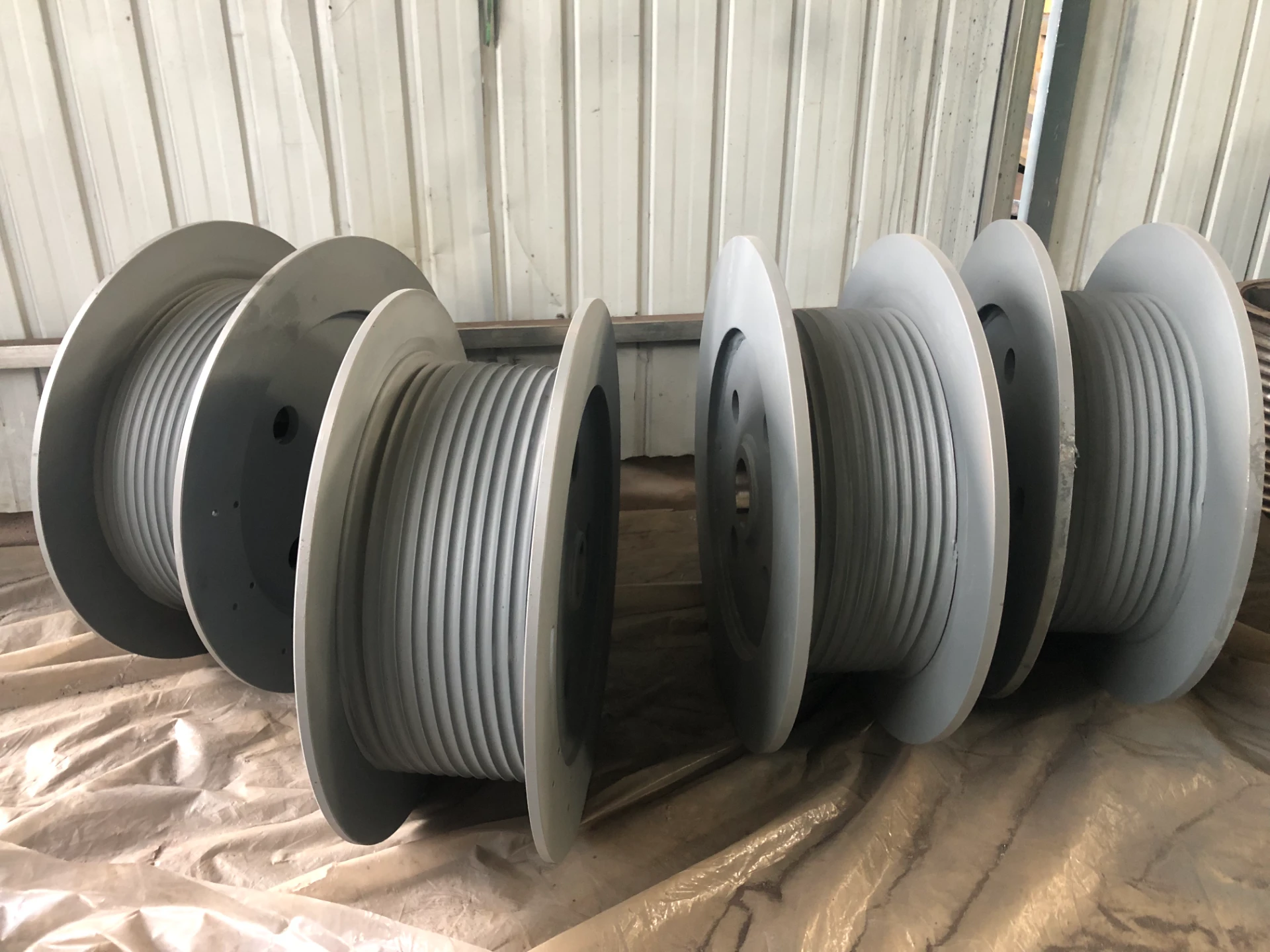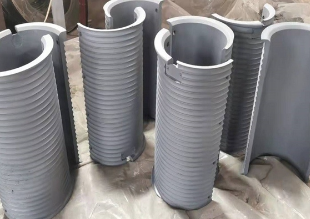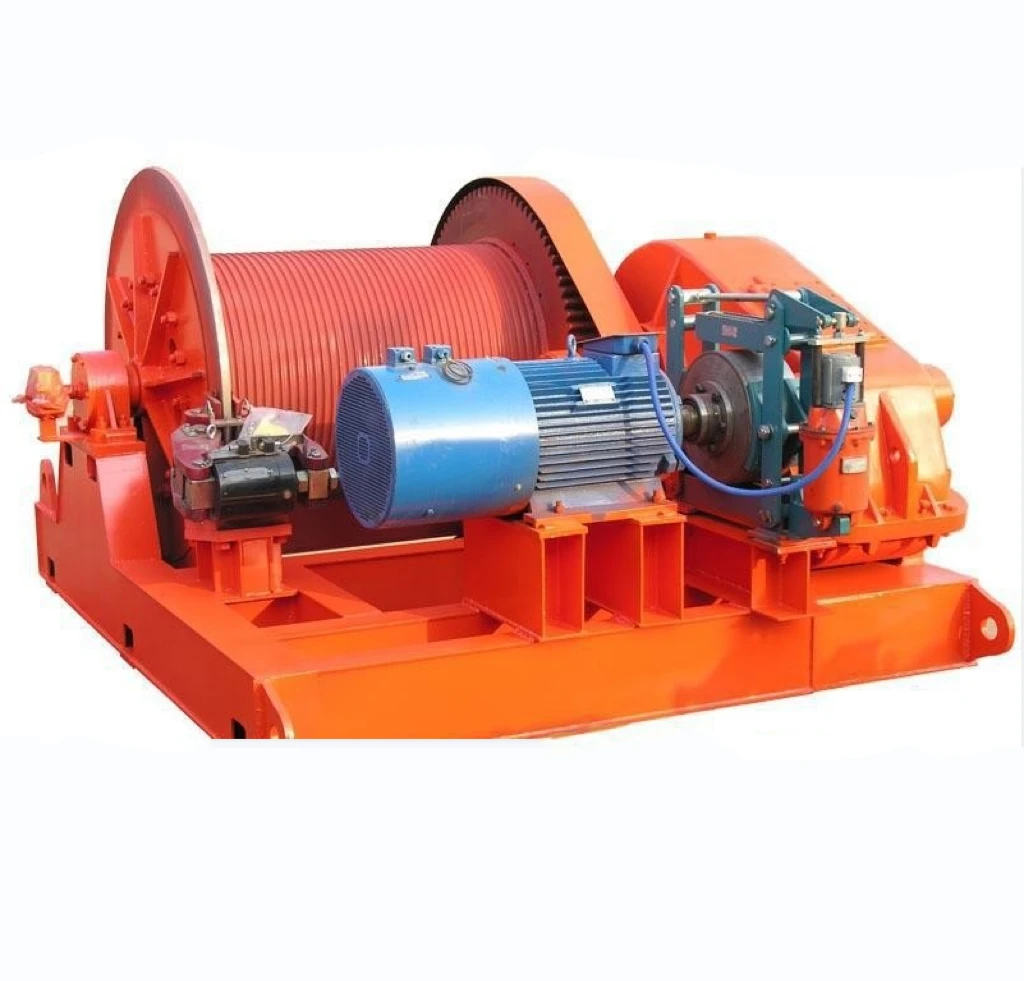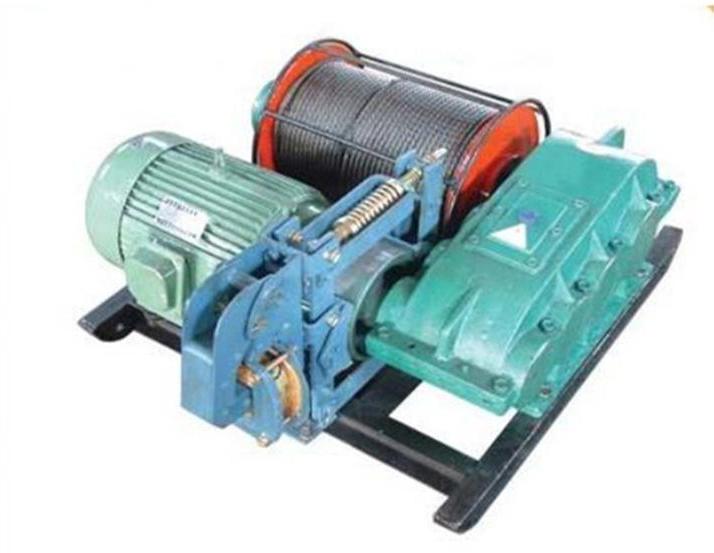
Hydraulic Lifting Winch – Power, Precision & Reliability for Heavy Lifting
Hydraulic Lifting Winch: A Vital Cog in Global Lifting Operations
At first glance, a hydraulic lifting winch might seem like just another mechanical tool gathering dust in a warehouse. Yet, it’s anything but ordinary: this device quietly powers a vast array of industries nationwide and worldwide—from offshore oil platforms to humanitarian aid fields. Understanding its design, advantages, and applications is not just a curiosity but a key to unlocking safer, more efficient lifting operations.
Introduction: Why Hydraulic Lifting Winches Matter Globally
Did you know the global construction equipment market was valued at over $145 billion in 2023? A significant slice of this involves heavy lifting tools like hydraulic winches. According to the International Organization for Standardization (ISO), lifting machinery failures can contribute to as much as 20% of workplace incidents in industrial zones worldwide. Here’s where hydraulic lifting winches step in—designed for power, precision, and reliability to prevent costly delays and accidents.
Hydraulic lifting winches are especially crucial where electric or manual winches simply can't cut it—think remote mining locations or emergency relief efforts after natural disasters. The need for dependable, rugged equipment that can perform under tough conditions is only growing.
What Is a Hydraulic Lifting Winch?
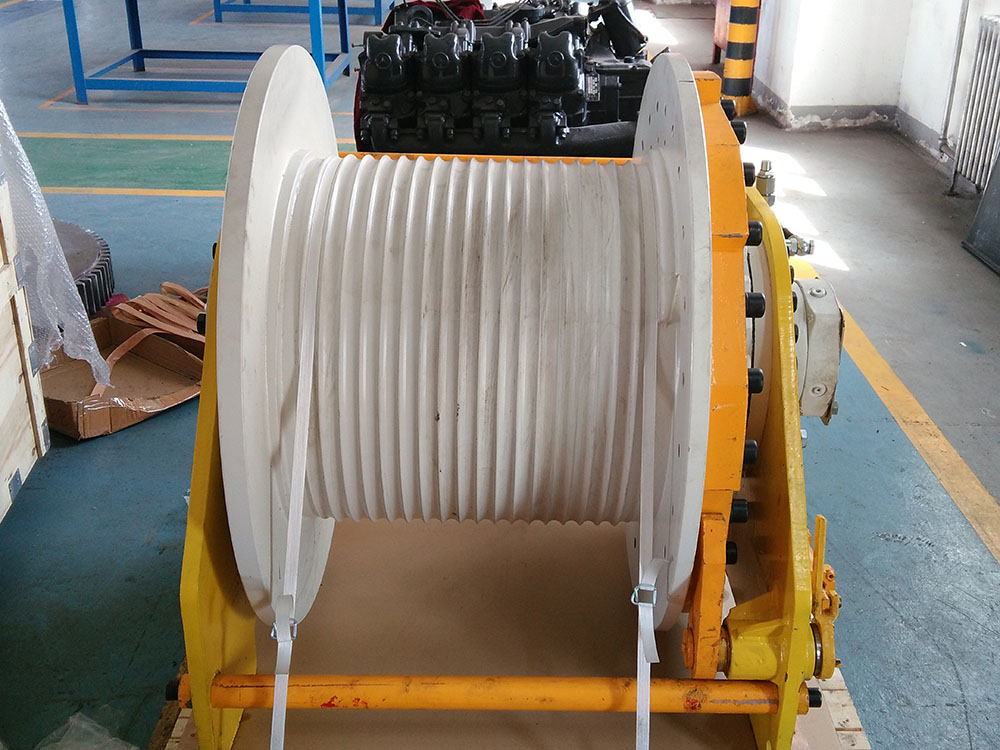
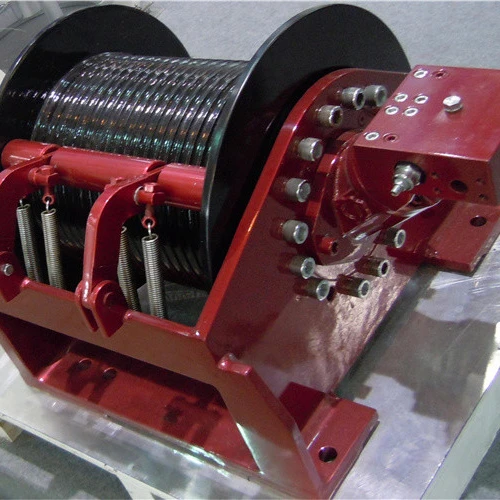
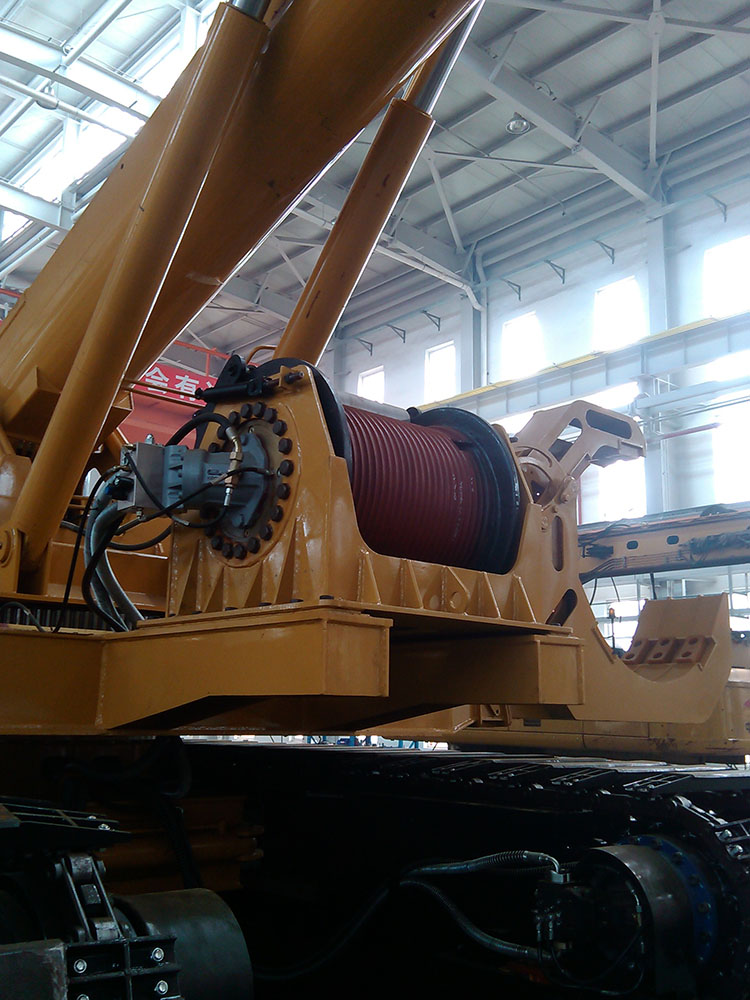
In the simplest terms, a hydraulic lifting winch is a machine that uses hydraulic fluid pressure to wind or unwind a cable or rope, lifting heavy loads vertically or pulling them horizontally. Unlike electric winches, hydraulic ones rely on fluid dynamics to generate horsepower, which makes them ideal for continuous heavy-duty use with greater torque and smoother control.
These winches form the backbone of many modern industries, as they bring substantial lifting power into environments where electric power sources may be unreliable—or simply unavailable. Relief organizations also depend on them to move supplies quickly and securely in disaster zones where speed and safety literally save lives.
Core Components & Key Factors to Consider
1. Durability
Hydraulic systems are renowned for their robustness. The key lies in their sealed hydraulic circuits that resist dust, moisture, and extreme temperatures—ideal for harsh environments like offshore rigs or desert mining camps.
2. Power and Torque
Fluid pressure allows the winch to deliver immense torque, often more than electric winches of comparable size. This ensures efficient lifting even with heavy, awkwardly shaped loads.
3. Scalability
Hydraulic winches come in many sizes—from small mobile units to giant-scale models capable of lifting dozens of tons. This versatility ensures fit for purpose across different industries.
4. Cost Efficiency
While initial costs might be higher than their electric counterparts, hydraulic winches often prove more economical over time thanks to lower maintenance and longer service life.
5. Safety Features
From fail-safe brakes to controlled descent valves, modern hydraulic lifting winches embed safety into their designs, minimizing risks during operation.
Global Applications & Use Cases
They’re everywhere, really. In the Middle East, hydraulic lifting winches play a crucial role in the oil and gas sector—elevating heavy drilling equipment safely and efficiently. In East Africa, NGOs rely on portable hydraulic winches during disaster relief to haul debris and deliver food supplies in rough terrain.
In North America’s logging industry, rugged hydraulic winches pull huge timber loads through dense forests. Even in urban construction sites across Europe, these tools help raise prefabricated building components with precision.
Why Choose Hydraulic Lifting Winch? Real Advantages & Long-Term Value
- Cost-effectiveness: Reduced downtime, less maintenance, and better power-to-weight ratio.
- Reliability: Dependable performance in varied climates and operational conditions.
- Safety: Hydraulic brakes and controlled movements reduce accidents.
- Sustainability: Fewer electrical components mean less electronic waste and easier recycling.
- Trust and precision: Operators often report smoother control and quicker response times, boosting confidence during complex lifts.
Product Specification Table
| Specification | Model HLW-1500 | Model HLW-3000 | Model HLW-5000 |
|---|---|---|---|
| Max Lifting Capacity | 1,500 kg | 3,000 kg | 5,000 kg |
| Power Source | Hydraulic Oil | Hydraulic Oil | Hydraulic Oil |
| Max Line Speed | 8 m/min | 6 m/min | 5 m/min |
| Weight | 95 kg | 180 kg | 250 kg |
| Material | Steel Alloy | Steel Alloy | Steel Alloy |
| Dimensions (LxWxH) | 90x50x45 cm | 120x60x60 cm | 140x80x75 cm |
Leading Vendors: Quick Comparison
| Vendor | Product Range | After-Sales Support | Customization Options | Pricing Tier |
|---|---|---|---|---|
| WinchPro International | 1,000-7,000 kg capacities | 24/7 Hotline, On-site | Full custom engineering | Premium |
| LiftMax Solutions | 500-5,000 kg | Email Support, Spare Parts | Modular add-ons | Mid-range |
| HydroWinch Tech | Up to 4,000 kg | Limited to warranty period | Standard models only | Budget-friendly |
Emerging Trends & Innovations in Hydraulic Lifting Winches
Green energy initiatives are reshaping hydraulic systems: developers are experimenting with bio-based hydraulic fluids to reduce environmental impact. Also, digital integration—like remote monitoring through IoT sensors—is becoming the norm, allowing predictive maintenance and reducing downtime.
Automation is another frontier. While winches have traditionally relied on manual operator input, upcoming models can adjust tension and speed autonomously, greatly increasing precision and reducing operator fatigue. It feels like we’re shifting from rough “muscle power” to a more elegant, digitally assisted lifting era.
Common Challenges and How Experts Tackle Them
Hydraulic winches can be heavy and require proper power packs, which sometimes limits mobility on site. Engineers often design modular systems where the power source is separate but quickly connectable—a neat workaround.
Another issue is hydraulic fluid leaks, which can be environmentally hazardous. Advances in sealed components and routine maintenance scheduling have cut these incidents significantly.
Frequently Asked Questions About Hydraulic Lifting Winch
- Q: How does a hydraulic lifting winch differ from an electric winch in power delivery?
- A: Hydraulic winches provide smoother torque and higher power density, meaning they can handle heavier loads continuously without overheating—advantages electric winches sometimes fall short on in harsh or remote environments.
- Q: What industries can benefit most from hydraulic lifting winches?
- A: Industries like oil & gas, construction, forestry, and disaster relief operations frequently rely on these winches because of their durability and reliability in challenging conditions.
- Q: Are hydraulic winches easy to maintain?
- A: While generally low-maintenance compared to electric models, hydraulic winches do require regular fluid checks and seal inspections. Proper maintenance prolongs service life and ensures safe operation.
- Q: Can I customize a hydraulic lifting winch for special applications?
- A: Yes, many vendors offer custom engineering services to tailor winch capacity, speed, and control features to your project's demands.
Conclusion & Your Next Step
So, after all that, why should you seriously consider a hydraulic lifting winch? Because it's not just about brute strength — it’s about reliability, safety, and efficiency wrapped into a robust package designed to keep your operations moving smoothly, whether in a dusty remote mine or a fast-paced construction site.
If you're ready to explore how a hydraulic lifting winch could revolutionize your heavy-lift tasks, don’t wait. Visit our site to learn more and connect with experts who understand your challenges first-hand.
Mini Takeaway:
Hydraulic lifting winches blend power, precision, and durability—making them indispensable for heavy lifting across industries worldwide.
References
-
The Ultimate Guide to Gear Steels for Durability and PerformanceNewsApr.16,2026
-
High Performance Gear Stainless Steel for Industrial DurabilityNewsApr.09,2026
-
Comprehensive Guide to Steel Bevel Gears Applications and SelectionNewsApr.07,2026
-
Comprehensive Guide to Durable Stainless Steel Miter Gears and ApplicationsNewsApr.04,2026
-
Comprehensive Guide to Steel Spur Gears Functionality and ApplicationsNewsMar.31,2026
-
Comprehensive Guide to Durable Stainless Steel Spur Gears and Their ApplicationsNewsMar.28,2026