Hydraulic Rope Winch: Power, Precision & Global Industrial Applications
Understanding Hydraulic Rope Winches: A Global Perspective
In a world where efficiency, reliability, and safety are paramount, the hydraulic rope winch quietly plays a critical role across many industries. From remote construction sites to disaster relief operations, grasping what these workhorses do and why they matter globally isn't just technical trivia — it’s practically essential for engineers, project managers, and even policymakers. Their ability to generate tremendous pulling power through hydraulic mechanisms has made them indispensable for heavy lifting and load control in demanding environments.
Worldwide, industries that depend on controlled load movement — mining, marine transport, forestry, and rescue operations — have seen steady growth, with the need for robust equipment more pronounced than ever. According to a 2023 ISO industrial report, the global hydraulic equipment sector is expected to grow by over 5% annually over the next 5 years, partly due to rising infrastructure development in Asia and Africa. Yet, challenges like equipment failure in harsh conditions or the need for sustainable practices persist. Here’s where hydraulic rope winches come in, offering a blend of power and precision.
What Exactly Is a Hydraulic Rope Winch?
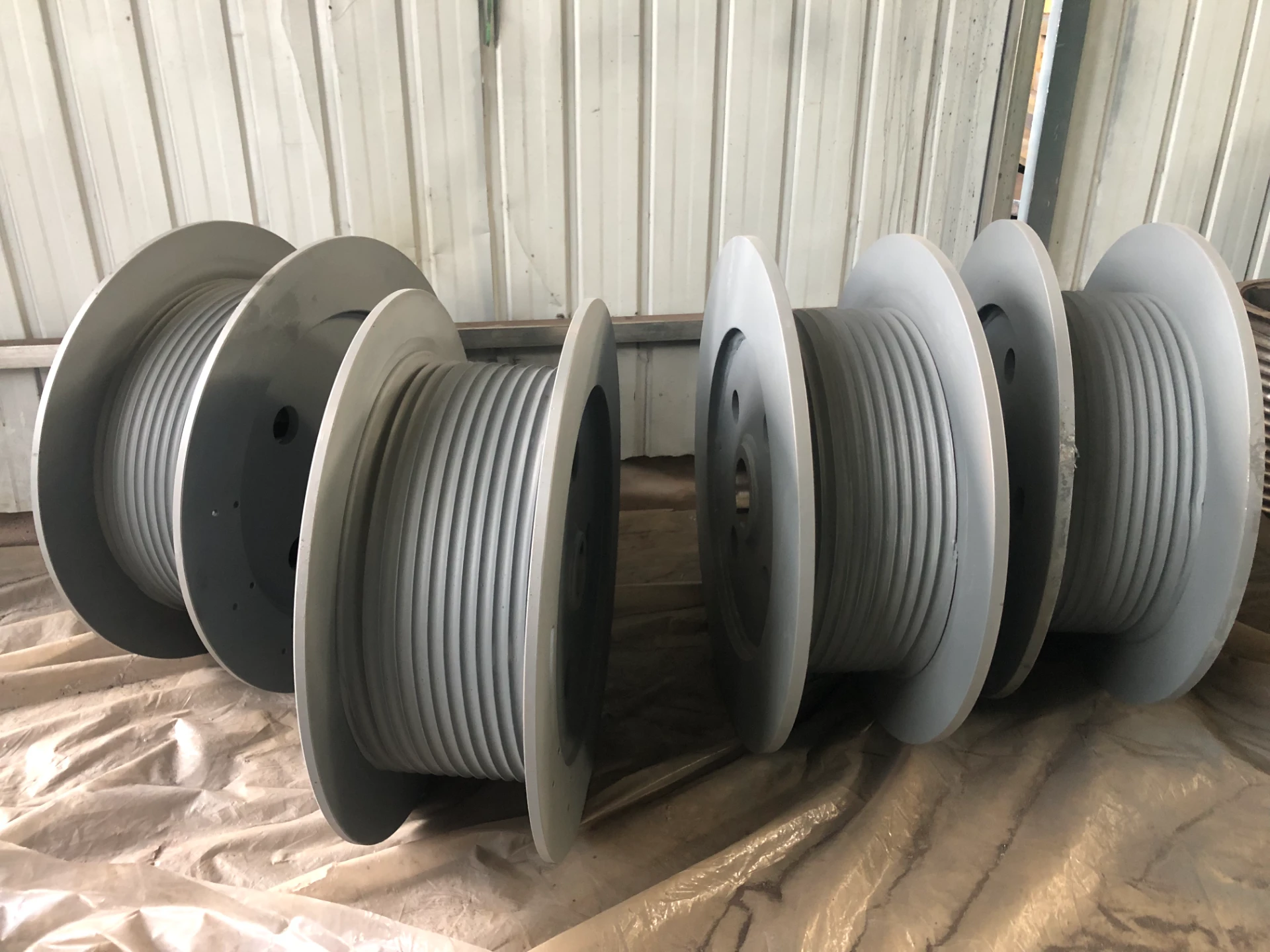
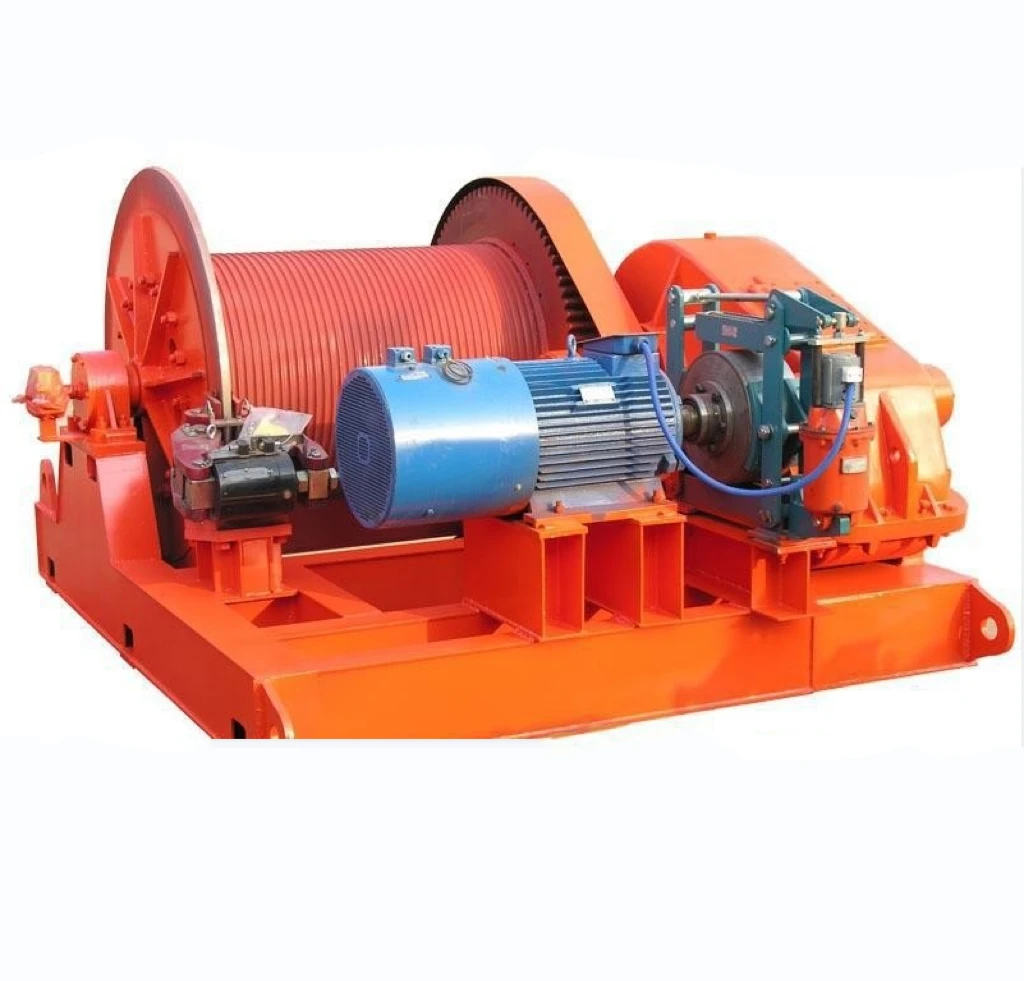
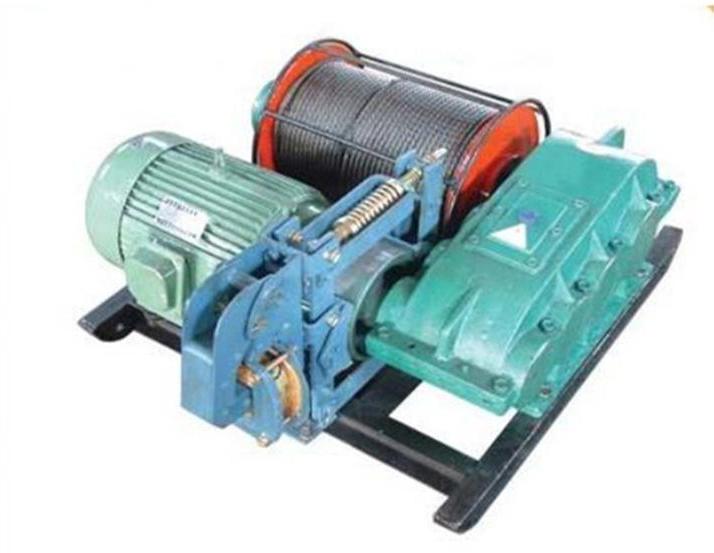
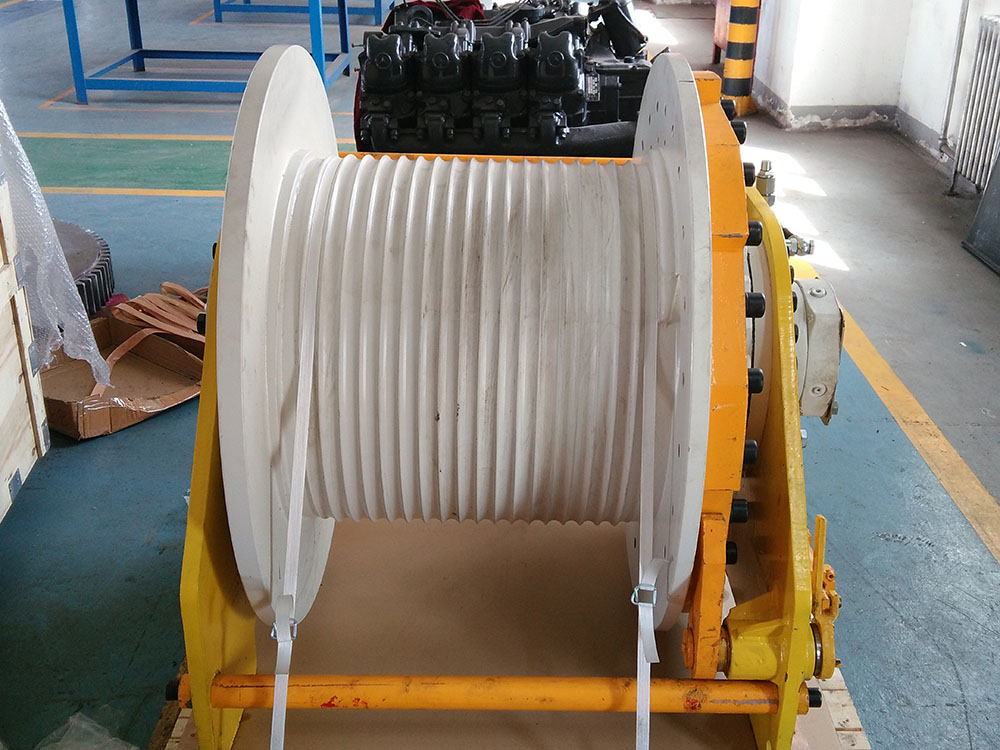
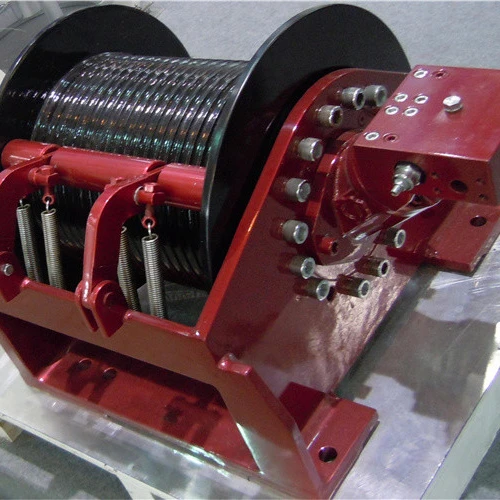
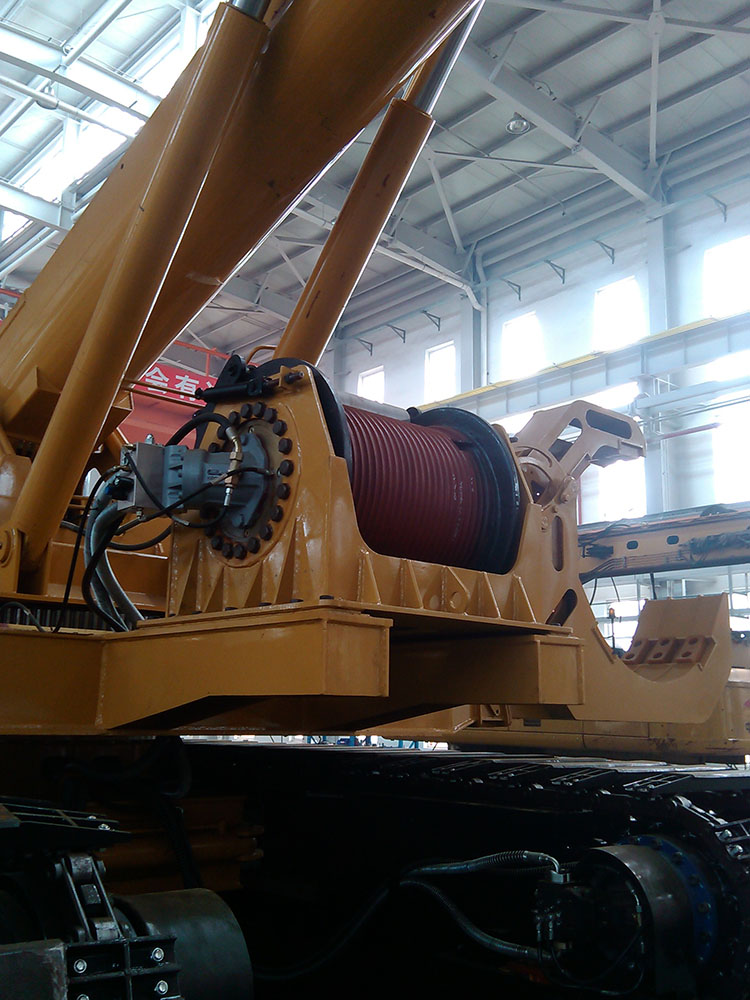
If you think a winch is simply a spool to reel in a rope, you’re only partly right. A hydraulic rope winch uses hydraulic fluid pressure to power a motor, which turns the drum that winds or unwinds the rope. This provides much higher torque and controlled force than traditional electric or manual winches. They’re engineered for heavy-duty tasks where reliability and adjustable power are a must.
These devices are essential in modern industry — whether it’s hauling enormous logs out of dense forests, positioning shipping containers on vessels, or enabling rescue teams to maneuver debris in disaster zones swiftly. That connection between precision power and safety is why hydraulic rope winches have become a global asset. Not to mention, their application extends to humanitarian missions, where they help clear rubble or erect emergency infrastructure faster.
Core Components That Make Hydraulic Rope Winches Work
1. Durability and Material Quality
Typically made with corrosion-resistant alloys and sealed hydraulic systems, these winches withstand extreme weather and heavy wear. Many operators work in salty, wet, or abrasive environments, so longevity is more than a benefit — it’s a necessity.
2. Power and Precision Control
The hydraulic pump and valves allow operators to finely control pulling speed and force. This reduces jerky movements and enhances safety, especially when lifting heavy or awkward loads.
3. Scalability and Customization
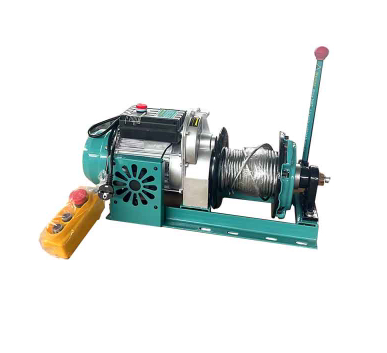
Hydraulic winches come in various sizes — from compact models for lightweight tasks to industrial giants capable of pulling several tons. Vendors often provide custom rope lengths, drum capacities, and control systems to match specific job site needs.
4. Energy Efficiency
Compared to electric alternatives, hydraulic systems can be integrated into existing machinery with less energy waste. Some new designs even recover fluid energy, contributing to sustainability goals.
5. Ease of Maintenance
While hydraulic systems sound complex, many winches are designed with modular components for quick servicing. This reduces downtime on projects where every hour counts.
Hydraulic Rope Winch in Action: Real-World Use Cases
Across continents, these winches have proven indispensable. For example, in Southeast Asia’s dense tropical forests, logging companies rely on hydraulic rope winches to haul timber without damaging sensitive ecosystems, since the controlled speed prevents sudden jerks that might snap trees or harm the environment.
Humanitarian organizations deploy them during earthquake relief efforts in countries like Nepal, where clearing debris rapidly can save lives. The hydraulic winch’s power lets responders lift heavy slabs of concrete or twisted metal with precision, making access possible where manual labor or electric winches would fail.
In the offshore oil and gas sector, winches are mounted on rigs and vessels to assist in lowering heavy equipment and anchors under harsh marine conditions. Their resistance to corrosion and ability to handle multi-ton loads safely is a key factor in preventing costly accidents.
Advantages and Long-Term Value of Hydraulic Rope Winches
- Cost Efficiency: Despite a higher upfront price than some alternatives, their durability reduces replacement expenses.
- Safety: Smooth control minimizes risks and injuries.
- Sustainability: Lower energy consumption and longer life cycles align with green engineering principles.
- Reliability: Works consistently under diverse conditions, from arid deserts to wet coastlines.
- Social Impact: By improving rescue and construction efficiency, they contribute to community safety and infrastructure development.
Product Specification Table: Typical Mid-Range Hydraulic Rope Winch
| Specification | Detail |
|---|---|
| Maximum Pulling Capacity | 15,000 lbs (6,800 kg) |
| Drum Diameter | 12 inches (305 mm) |
| Rope Length (Standard) | 200 ft (61 m) |
| Operating Pressure | 3,000 psi (210 bar) |
| Weight | 850 lbs (385 kg) |
| Control Type | Remote hydraulic lever |
Comparing Leading Hydraulic Rope Winch Vendors
| Vendor | Max Pull Capacity | Warranty | Key Feature | Price Range |
|---|---|---|---|---|
| LBS Winch Co. | 20,000 lbs | 5 years | Modular hydraulic controls | $$$ |
| HydroLift Systems | 15,000 lbs | 3 years | Energy recovery tech | $$ |
| Maritime Winches Ltd. | 25,000 lbs | 4 years | Marine-grade corrosion resistant | $$$$ |
Emerging Trends and Innovations in Hydraulic Rope Winching
The synergy between hydraulic winches and technology is on the move. Smart sensors embedded in winches monitor load tension and temperature, alerting operators to potential failures before something breaks. Automation is creeping in, allowing winches to adjust torque and speed dynamically based on real-time conditions. Green energy integration, such as powering hydraulic pumps via solar-charged systems in remote locations, is another exciting frontier. It feels like the humble winch is becoming a high-tech sentinel in the material handling world.
Overcoming Challenges in Hydraulic Winch Deployment
Despite all their strengths, hydraulic rope winches aren’t without issues. Leakage from hydraulic lines can cause environmental risks and downtime. Operators must be trained adequately to avoid overloading or mishandling. However, many manufacturers now offer sealed and eco-friendly hydraulic fluids plus comprehensive training programs, which are game changers. Plus, modular designs allow rapid part replacement, greatly reducing operational delays.
FAQs: Practical Questions About Hydraulic Rope Winches
- Q1: How do hydraulic rope winches compare to electric winches in terms of maintenance?
- Hydraulic winches generally require more attention to seals and fluid quality but less electrical troubleshooting. Proper maintenance includes checking hydraulic fluid levels and inspecting hoses for wear. Electric winches have fewer fluid concerns but can falter in wet conditions or with electrical faults.
- Q2: Can hydraulic rope winches be used in cold climates?
- Yes, but fluid viscosity changes at low temperatures may affect performance. Selecting appropriate hydraulic fluids and pre-heating systems helps maintain smooth operation in freezing environments.
- Q3: What safety measures should be followed when operating these winches?
- Always ensure the load does not exceed rated capacity, use proper anchoring points, keep clear of the rope path, and perform regular system inspections. Training operators in emergency release procedures is crucial.
- Q4: Are hydraulic rope winches suitable for offshore use?
- Absolutely. Many winches are designed using marine-grade materials and sealed systems to resist saltwater corrosion and withstand harsh offshore conditions.
Wrapping Up: Why Hydraulic Rope Winches Still Matter
It’s easy to admire high-tech drones or AI systems, but when it comes to pulling massive loads safely and consistently, hydraulic rope winches remain quietly indispensable. Their blend of power, precision, and adaptability addresses real, tangible challenges worldwide — from environmental protection to emergency response. If you want to deepen your understanding, or just find a reliable partner for your next project, visit hydraulic rope winch vendors like LBS Winch Co.
Trust me, the more you know about these machines, the more you appreciate the engineering muscle behind many of the world’s toughest jobs.
1. ISO Hydraulic Equipment Sector Growth Data, 2023
2. United Nations Industrial Development Organization Reports, 2022
3. Wikipedia contributors. Hydraulic winch. Wikipedia, The Free Encyclopedia. https://en.wikipedia.org/wiki/Winch
-
The Ultimate Guide to Gear Steels for Durability and PerformanceNewsApr.16,2026
-
High Performance Gear Stainless Steel for Industrial DurabilityNewsApr.09,2026
-
Comprehensive Guide to Steel Bevel Gears Applications and SelectionNewsApr.07,2026
-
Comprehensive Guide to Durable Stainless Steel Miter Gears and ApplicationsNewsApr.04,2026
-
Comprehensive Guide to Steel Spur Gears Functionality and ApplicationsNewsMar.31,2026
-
Comprehensive Guide to Durable Stainless Steel Spur Gears and Their ApplicationsNewsMar.28,2026