Hydraulic Winch Working Principle Explained – Core Components, Applications & Future Trends
Understanding the Hydraulic Winch Working Principle: Why It Matters Worldwide
In an age where efficiency and power converge, the hydraulic winch working principle stands out as a keystone technology. But what exactly makes it so globally relevant? At its core, understanding how hydraulic winches operate illuminates a path toward safer, more durable, and energy-efficient lifting and pulling solutions. From shipping ports in Singapore to oil rigs in the North Sea, grasping this concept is essential for industries that literally move the world.
Think about this: the global lifting equipment market is expected to exceed $13 billion by 2027, and hydraulic winches form a large slice of that pie. Their appeal goes beyond raw power; it's the adaptability across sectors – humanitarian aid logistics, construction, mining, and more – that truly showcases their value. Knowing the mechanics does more than satisfy curiosity, it helps engineers, project leads, and operators choose better tools for challenging environments.
The Global Context: Hydraulic Winch Working Principle in Industry and Beyond
Hydraulic systems have surged in popularity due to their robustness and precision control. According to ISO standards, hydraulic machinery must meet strict safety and efficiency benchmarks, reflecting the technology’s expanding footprint. Hydraulic winches, which use pressurized fluid to generate torque, tackle loads that electric or manual winches can’t manage as reliably, especially in harsh conditions.
Interestingly, the UN and World Bank highlight how hydraulic lifting mechanisms aid disaster relief operations worldwide. When roads vanish and infrastructure falters, these powerful, compact tools help move heavy debris, deliver supplies, and erect shelters quickly. The challenge? Equipment must not only be reliable but also versatile and easy to maintain in remote or volatile regions. This is where the hydraulic winch working principle reveals its real-world magic.
What Is the Hydraulic Winch Working Principle?
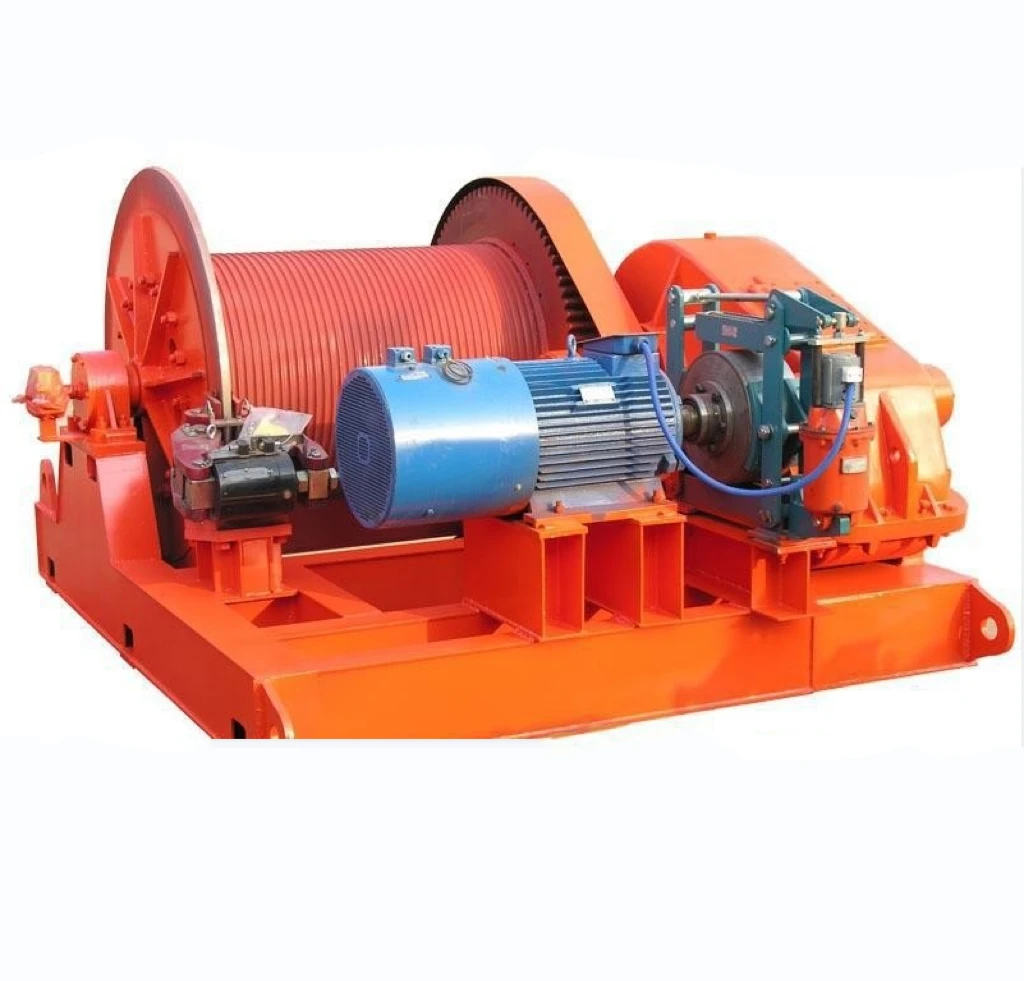
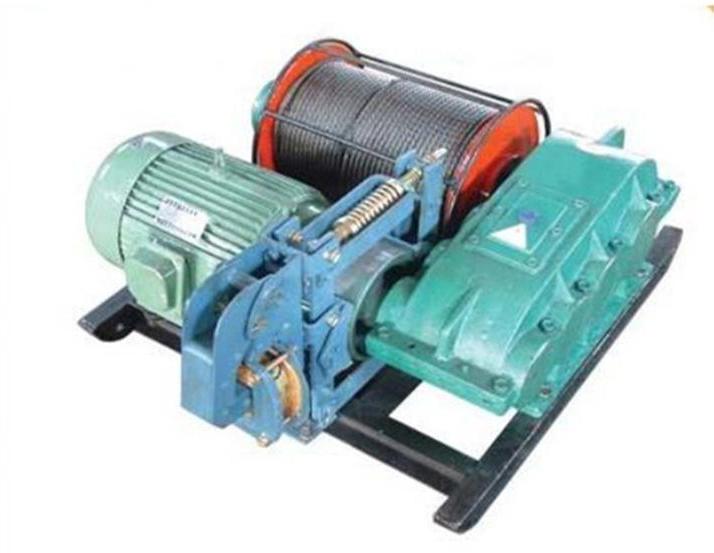
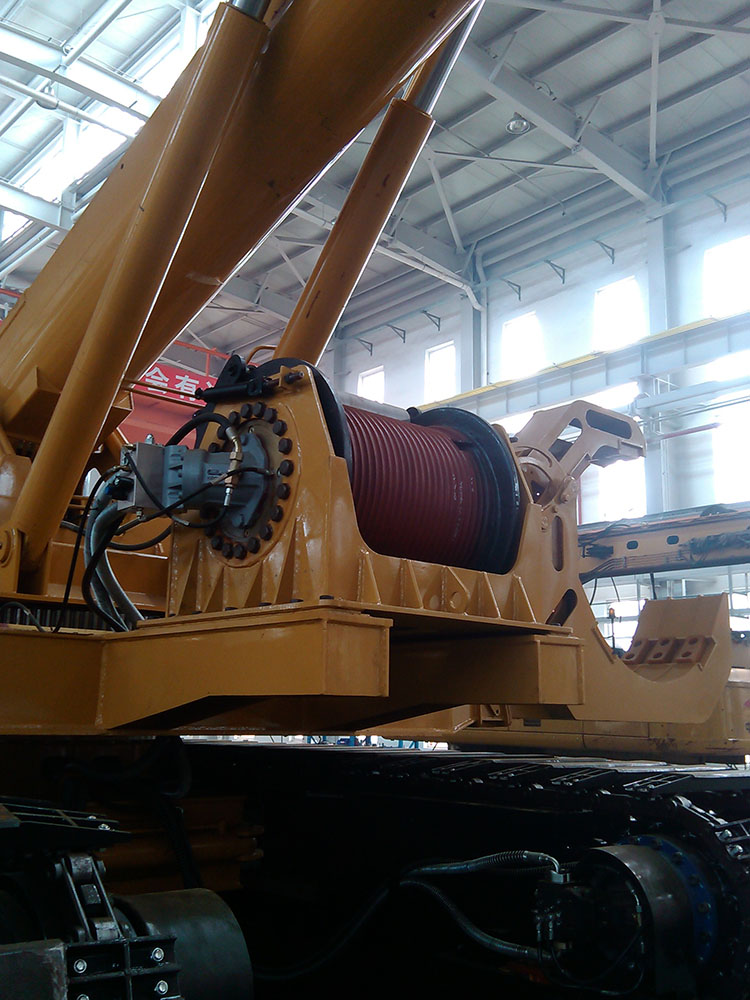
Put simply, a hydraulic winch operates by converting hydraulic fluid pressure into mechanical power. Imagine a motor powered not by electricity or human strength but by fluid forced through cylinders and valves. When fluid flows into the winch’s hydraulic motor, it generates rotational force, pulling in (or letting out) the cable or rope on the drum.
This principle is inherently efficient and rugged, coping with dirty environments, temperature swings, and heavy-duty needs. No wonder industries from maritime shipping to forestry depend on hydraulic winches daily. The underlying mechanism also fits neatly into portable and fixed equipment, delivering high torque even with relatively small motors.
Mini Takeaway:
The hydraulic winch working principle is the smart partnership of fluid power and mechanical advantage, powering heavy lifts where human or electric power can fall short.
Core Components Essential to Hydraulic Winch Performance
1. Hydraulic Motor
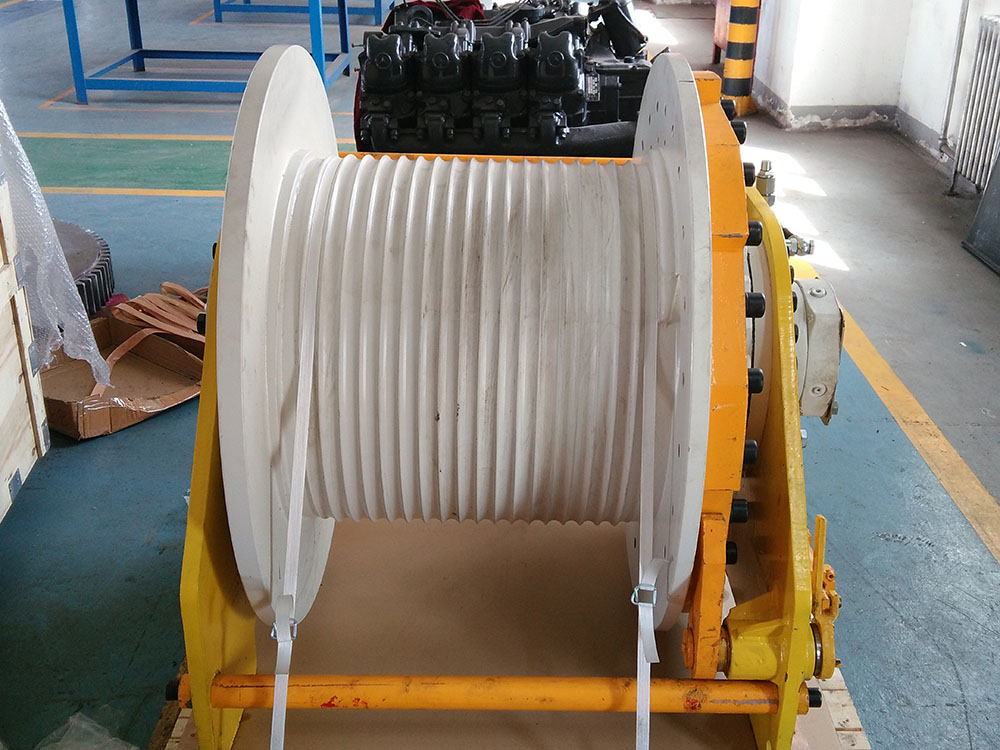
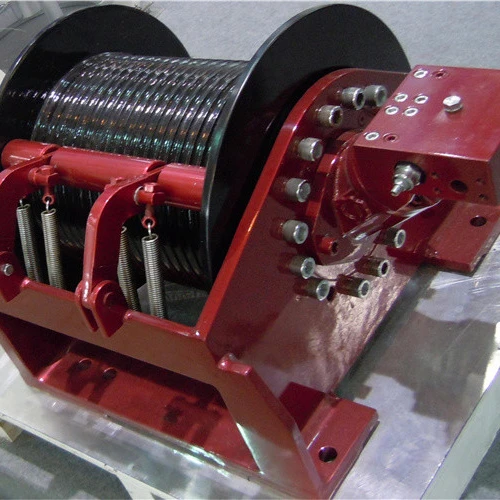
This is the heart of the system, converting pressurized fluid into mechanical rotational force. The motor needs to be durable, leak-free, and responsive for safe winch operation.
2. Control Valves
Control valves regulate the fluid’s direction and flow rate, providing smooth start/stop and variable speed. Precision here means less wear and safer loads.
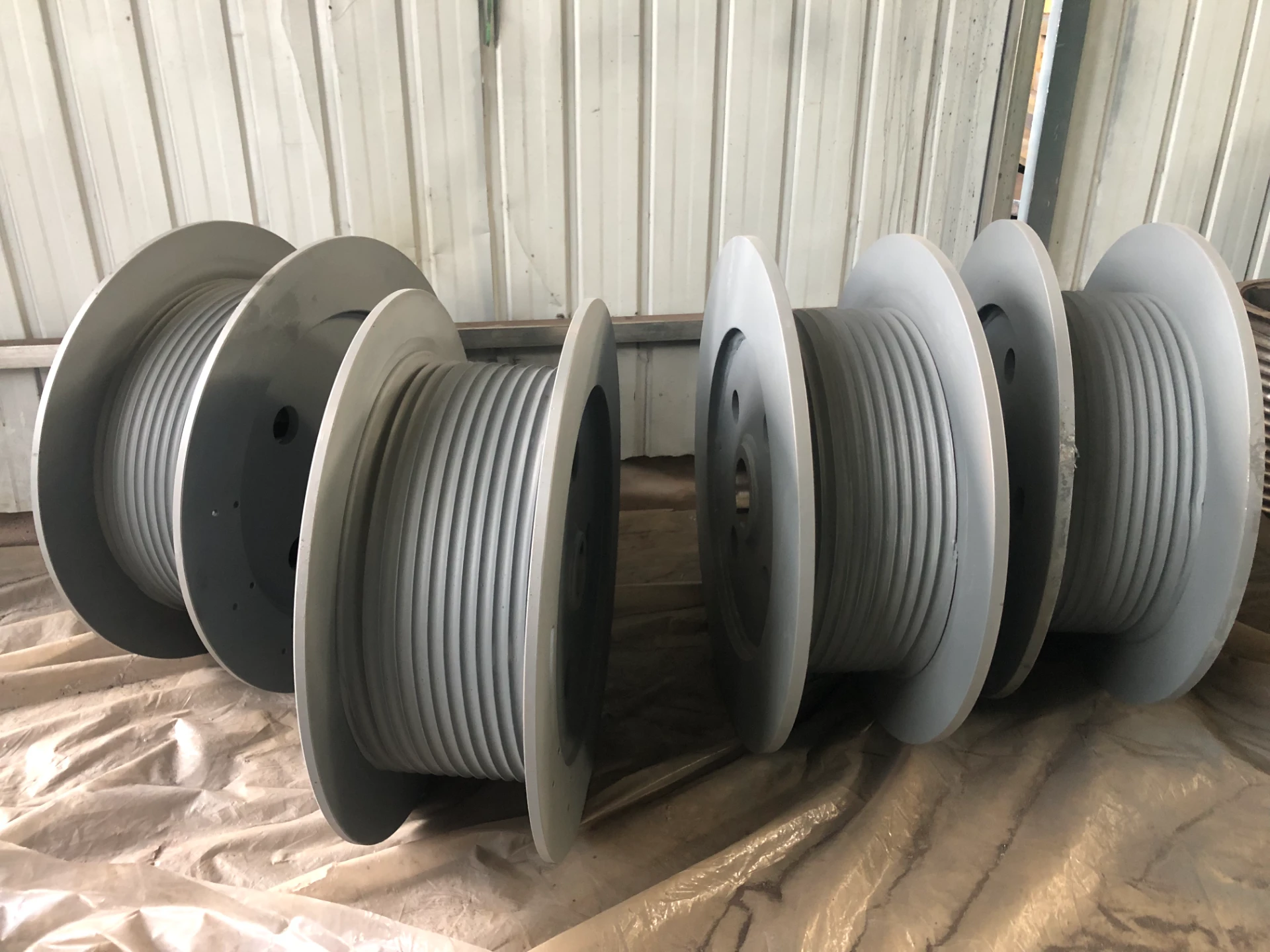
3. The Drum and Cable System
The cable drum must be rugged to handle heavy loads and continuous tightening/unwinding. Material choice and drum diameter impact rope lifespan and pulling power.
4. Pump and Reservoir
The hydraulic pump supplies pressurized fluid, while the reservoir keeps the fluid clean and cool — crucial in continuous or high-demand operation.
5. Safety Mechanisms
Locking brakes and overload sensors prevent accidents. Operators rely on these layered safety features, especially when working on critical infrastructure.
Mini Takeaway:
A hydraulic winch's efficiency and reliability boil down to the synergy of motor, controls, drum, and safety components — each one indispensable for smooth, effective handling.
Global Applications and Real-Life Use Cases
Hydraulic winches demonstrate their prowess from polar icefields to desert mining sites. For example:
- Post-disaster relief operations: After major earthquakes in Asia, hydraulic winches help remove rubble and erect emergency tent shelters rapidly.
- Remote industrial zones: Mining companies in Australia employ hydraulic winches to haul ore carts safely across uneven terrain, reducing downtime.
- Maritime logistics: Sea ports worldwide use hydraulic winches for mooring and anchoring large vessels — where electric winches would struggle with salt corrosion.
- Forestry and agriculture: Winches assist logging operations in mountainous regions, pulling timber out with minimal environmental impact.
Mini Takeaway:
From relief zones to rugged industries, the hydraulic winch working principle powers essential tasks, often where safety and precision are non-negotiable.
Advantages and Long-Term Value of Hydraulic Winches
What draws many to hydraulic winches beyond sheer pulling power? Consider these benefits:
- Cost Efficiency: Reduced downtime and maintenance costs due to fewer electrical components and better load control.
- Sustainability: Hydraulic systems can be paired with eco-friendly fluids and energy recovery setups, aligning with green standards.
- Reliability and Safety: Hydraulic drives are less prone to overheating and can maintain continuous torque without risk of stalling.
- Social Impact: In emergency and construction contexts, hydraulic winches reduce manual labor risks, protecting workers' well-being.
The emotional pull here is trust. When you deploy a hydraulic winch in a high-stakes environment, you’re betting on technology that won’t quit halfway through.
Hydraulic Winch Specification Table
| Spec | Details |
|---|---|
| Rated Pulling Capacity | 10,000 – 50,000 lbs |
| Hydraulic Motor Displacement | 30–120 cc/rev |
| Operating Pressure | 2000–3500 psi |
| Drum Diameter | 6–14 inches |
| Cable Length Capacity | 100–300 ft |
| Weight | 150–600 lbs |
Comparing Top Hydraulic Winch Vendors
| Vendor | Product Range | Key Strength | Typical Customers |
|---|---|---|---|
| LBS Winch Co. | 5,000–50,000 lbs capacities | Customizable controls & rugged build | Marine, rescue, industrial |
| HydroLift Solutions | 10,000–40,000 lbs capacities | Lightweight, energy-saving designs | Construction, forestry |
| PowerHaul Inc. | 7,500–60,000 lbs capacities | Advanced automation & remote control | Oil & gas, utilities |
Looking Ahead: Trends Shaping Hydraulic Winch Technology
The future is pretty exciting. We’re seeing a big push toward integrating smart sensors and IoT tech into hydraulic winches, allowing remote monitoring of load conditions and maintenance scheduling. This kind of digital transformation means fewer breakdowns and improved safety.
Renewable energy players are also interested — imagine hydraulic winches powered by solar-charged pumps or paired with bio-hydraulic fluids to reduce environmental footprint. And automation? It’s making the rig floor and construction sites safer by reducing direct human interaction with heavy loads.
Materials science trends play a role too. Stronger, lighter alloys and composite ropes cut weight and increase the durability of the cable drum system. So the basic principle remains, but the machines get smarter and greener.
Common Challenges & Smart Solutions
Hydraulic winches aren’t without hitches. Leakage, contamination, and system overheating can sneak in without proper maintenance. Also, initial costs can be higher than electric winches, which some companies shy away from on tight budgets.
The solution? Increasingly, vendors offer modular designs making repairs and parts replacement easier in the field. Upgrading filtration and cooling systems helps prevent breakdowns, especially in heavy-use environments. Training operators on the hydraulic winch working principle also reduces mishandling risks.
FAQ about Hydraulic Winch Working Principle
- Q: How does a hydraulic winch perform better than an electric winch in cold or wet conditions?
- A: Hydraulic winches use fluid pressure rather than electric motors, which can be vulnerable to moisture and freezing. This makes them ideal for marine or cold-weather applications where reliability is critical.
- Q: Can hydraulic winches be used in remote areas with limited power sources?
- A: Yes, they can be powered by portable hydraulic pumps or integrated into existing hydraulic systems, making them highly adaptable in remote or off-grid situations.
- Q: What maintenance is essential for prolonging the life of a hydraulic winch?
- A: Regular inspection of hydraulic fluid levels, cleaning filters, checking hoses for wear, and ensuring safety brakes function properly are key to longevity.
- Q: Are hydraulic winches customizable for specific industrial needs?
- A: Absolutely. Many suppliers provide tailored solutions, adjusting pulling capacity, drum sizes, and control systems to fit precise operational demands.
- Q: How do hydraulic winches contribute to worker safety?
- A: By offering smooth load control, automatic locking brakes, and reducing manual strain, hydraulic winches minimize accident risks in demanding environments.
Wrapping it Up: Why Knowing the Hydraulic Winch Working Principle Pays Off
Whether you’re an engineer evaluating equipment or a project manager coordinating logistics, understanding the hydraulic winch working principle is more than just academic. It’s about choosing the right tool for complex challenges—where failure isn’t an option, and efficiency equals cost savings.
Don’t just take my word for it; explore trusted vendors like LBS Winch Co for in-depth product details and custom solutions that reflect these principles in action. Hydraulic winches are quietly powering industries across the globe. Maybe it’s time you tapped into their potential too.
Visit our website to learn more about our range of hydraulic winches and get started.
References:
-
The Ultimate Guide to Gear Steels for Durability and PerformanceNewsApr.16,2026
-
High Performance Gear Stainless Steel for Industrial DurabilityNewsApr.09,2026
-
Comprehensive Guide to Steel Bevel Gears Applications and SelectionNewsApr.07,2026
-
Comprehensive Guide to Durable Stainless Steel Miter Gears and ApplicationsNewsApr.04,2026
-
Comprehensive Guide to Steel Spur Gears Functionality and ApplicationsNewsMar.31,2026
-
Comprehensive Guide to Durable Stainless Steel Spur Gears and Their ApplicationsNewsMar.28,2026