Hydraulic Winch Used: Durable, Affordable Solutions for Global Industries
Understanding Hydraulic Winch Used: Why It Matters Worldwide
When you hear the term hydraulic winch used, it's not just jargon from the heavy machinery world — it’s a practical tool with a global footprint. These mechanical devices harness hydraulic power to perform tasks like pulling, lifting, and positioning heavy loads with precision and muscle that electric or manual winches just can’t match. In a world pushing hard towards more efficient and sustainable industries, knowing what a hydraulic winch is — and how used or refurbished models bring value — can save both cost and environmental impact. If your work touches on construction, marine logistics, forestry, or disaster relief, these winches might already be part of the conversation, even if you didn’t realize it.
Mini takeaway: Hydraulic winches, especially used versions, offer a powerful, cost-effective alternative that benefits many sectors globally.
The Global Scope of Hydraulic Winch Used
Globally, the industrial and maritime sectors are expanding fast. According to the International Organization for Standardization (ISO) and World Bank data, machinery demand for efficient lifting and hauling equipment has surged over 12% in emerging markets over the past decade. The challenge? Providing durable, cost-effective solutions that do not sacrifice quality — especially when budgets are tight. That’s where a hydraulic winch used gains importance.
Used hydraulic winches offer economies of scale — making advanced hydraulic technology accessible to regions where brand-new equipment might break the bank. This directly supports infrastructure projects, mining operations, or humanitarian missions where reliable gear must function reliably, often under harsh conditions.
Mini takeaway: Used hydraulic winches help bridge the equipment gap worldwide, pushing development forward.
What Exactly Is a Hydraulic Winch Used?
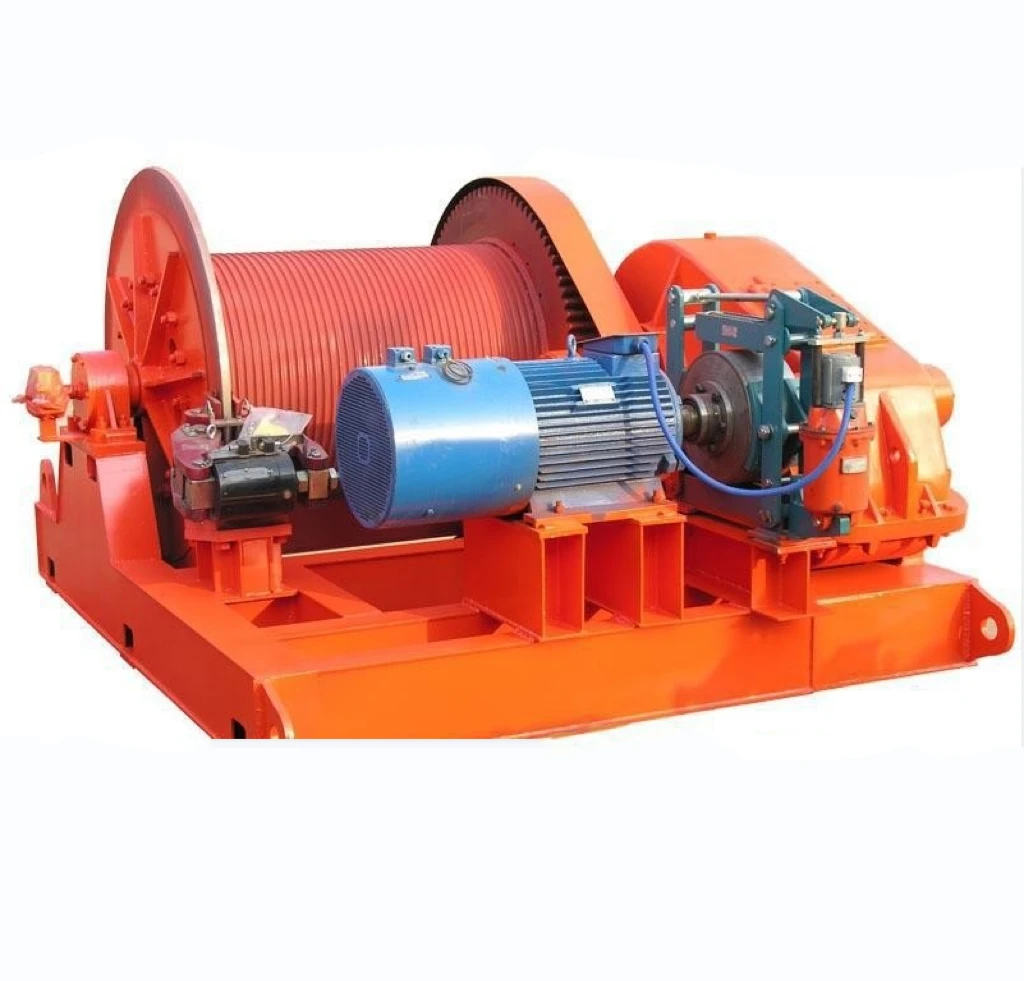
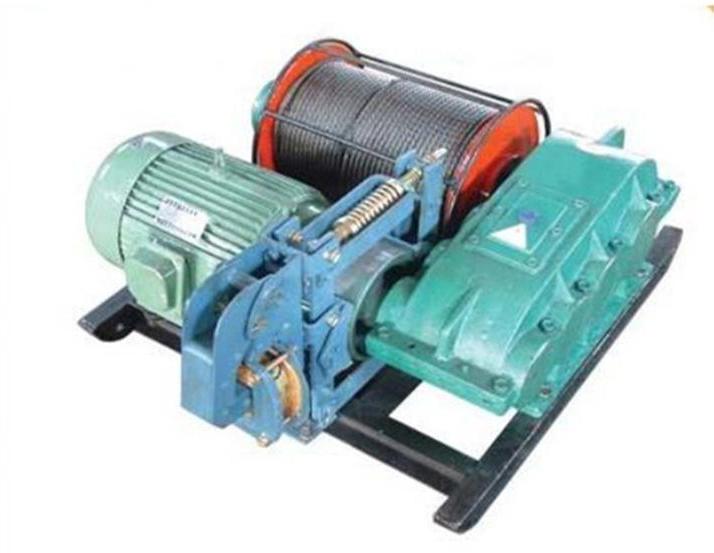
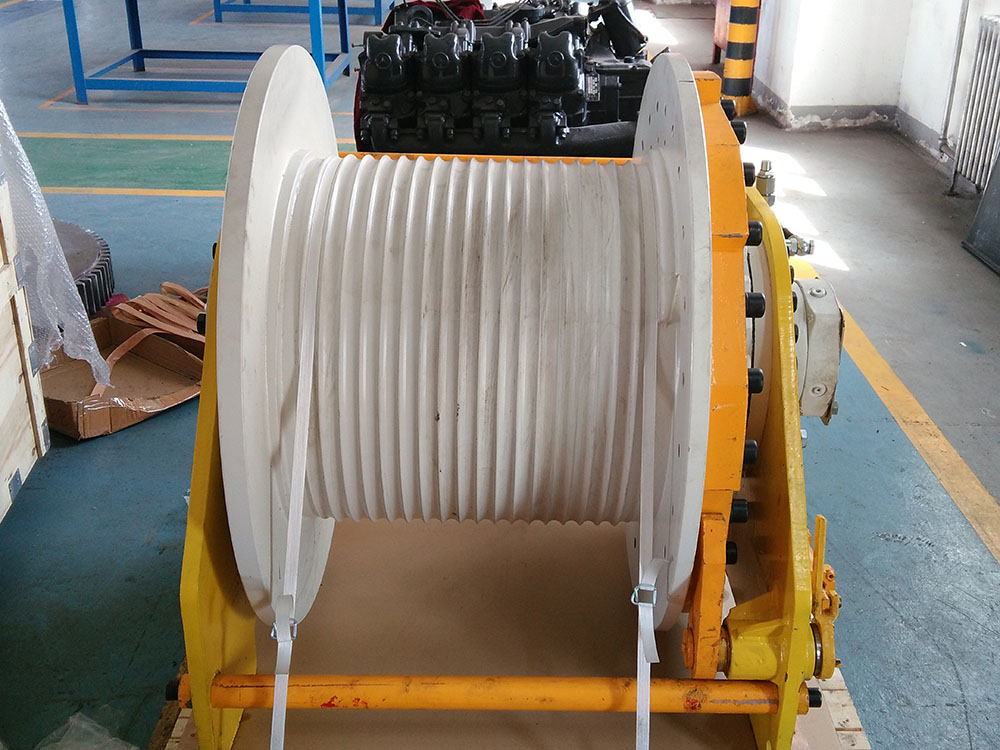
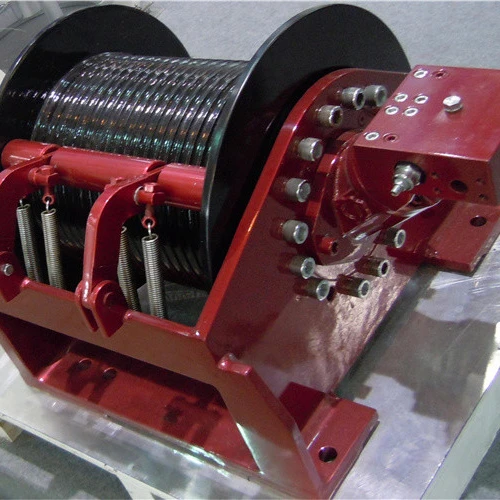
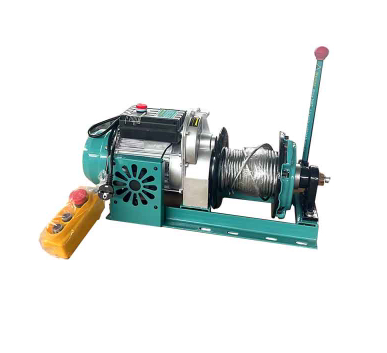
Simply put, a hydraulic winch converts hydraulic energy into mechanical force to pull or lift loads. Unlike electric winches, these rely on pressurized fluid — usually oil — pressed through pumps and motors to generate the necessary power. When we talk about a “hydraulic winch used,” we mean one that has already been installed, operated, and then refurbished or resold.
The relevance is twofold: industrially, it means affordable, sustainable equipment; socially, it can mean enabling critical recovery work after disasters or in remote communities lacking new infrastructure.
Core Components and Why They Matter
Durability and Build Quality
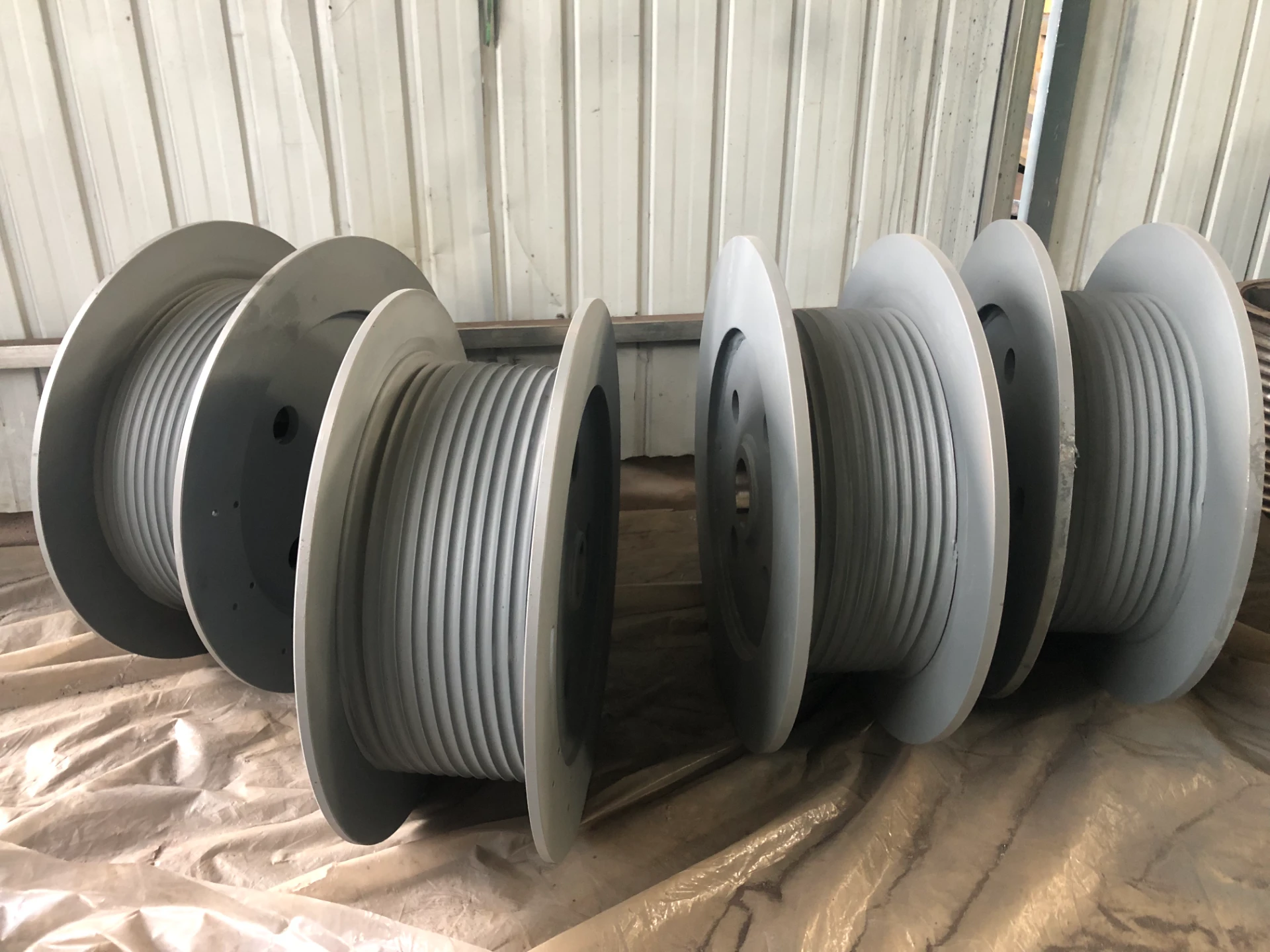
Hydraulic winches must withstand harsh environments: saltwater corrosion, dust, heavy vibration. Many manufacturers build with high-strength steel and seals that fend off contamination. If you’re picking a hydraulic winch used, checking the integrity of components like the drum, gearing, and hydraulic seals is vital.
Power and Torque Capacity
The heart of a winch is its ability to handle load. Hydraulic winches offer variable power, controlled by hydraulic pressure. This means stronger torque for heavy pulling—a feature crucial for industries like logging ships or oil rigs.
Portability & Scalability
Some winches are mounted permanently; others are designed to be moved between machines or vehicles. The used market offers models with various footprints — which suits both big projects and quick emergency deployments.
Cost Efficiency
Buying used hydraulic winches can slash costs by up to 40%, while still maintaining quality (if well-serviced). This economic angle often sways purchasing decisions more than anything.
Safety Features
Modern hydraulic winches come with brakes, automatic load control, and thermal protection. Older used models may lack these, so retrofitting or inspections are common to comply with current safety standards.
Mini takeaway: The best-used hydraulic winch balances durability, performance, and safety — not just initial price.
Global Applications: Real-World Winch Work
- Marine and shipping: From tugboats to offshore platforms, hydraulic winches move massive anchors and cargo, sometimes in freezing oceans.
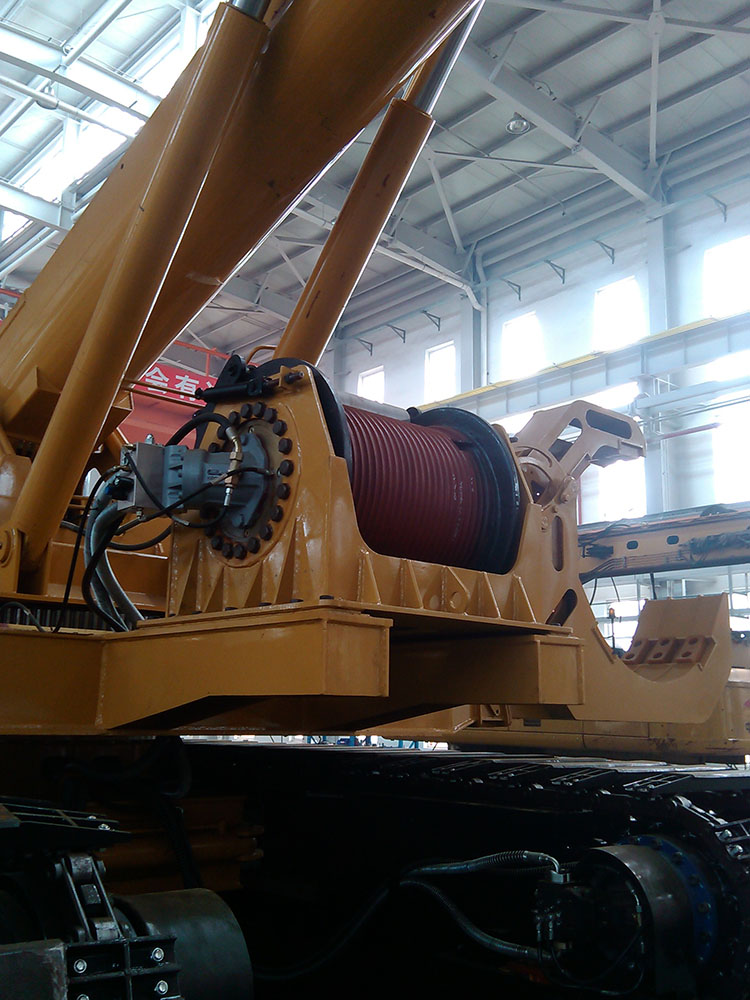
- Construction and mining: Winches lift heavy materials and equipment on sites where electric power may be unstable.
- Forestry: They drag felled trees through uneven terrain without destroying the ecosystem too much.
- Disaster relief: In places shaken by earthquakes or floods, portable hydraulic winches clear debris or help move critical supplies.
- Renewable energy: Installation teams use hydraulic winches during wind turbine assembly and maintenance.
Oddly, in many developing countries, hydraulic winch used models facilitate infrastructure development that would otherwise remain stalled.
Advantages and Long-Term Value
When you invest in a used hydraulic winch, you’re not just saving money upfront.
- Reliability: Tried-and-tested, proven machines often come with easier-to-source parts and service histories.
- Environmental benefit: Extending the lifecycle of mechanical equipment reduces waste and manufacturing footprints.
- Safety and innovation: Retrofitted models can marry old sturdiness with new tech (think remote controls or IoT monitoring).
- Social impact: Affordable equipment empowers smaller operators to compete and innovate.
Frankly, there’s an emotional reassurance too — seeing a robust, well-maintained machine roll onto site feels like trust earned over years.
Hydraulic Winch Used: Key Specifications Comparison
| Model | Max Pulling Force | Drum Capacity | Weight | Portability | Typical Use |
|---|---|---|---|---|---|
| HWinch-3000 | 30 kN | 150 m cable | 250 kg | Medium | Marine, Construction |
| HWinch-5000 | 50 kN | 200 m cable | 430 kg | Low (Heavy) | Mining, Heavy Lifting |
| HWinch-Pro | 40 kN | 180 m synthetic rope | 270 kg | High (Mobile) | Forestry, Relief |
Top Vendors of Hydraulic Winch Used: A Quick Comparison
| Vendor | Geographical Reach | Warranty Offerings | After-Sales Support | Refurbishment Quality |
|---|---|---|---|---|
| LBS Winch Co. | Global (50+ countries) | 12 months comprehensive | 24/7 hotline & on-site | OEM parts, certified techs |
| Global Equip Ltd. | Asia, Europe, Africa | 6 months limited | Remote diagnostics | In-house techs, recycled parts |
| HeavyHaul Inc. | North & South America | 24 months optional | On-demand mobile teams | OEM & aftermarket parts |
What the Future Holds for Hydraulic Winch Used
Looking ahead, the hydraulic winch sector, even on the used market, is gearing toward innovation. We’re talking about hybrid winches combining electric and hydraulic drives to reduce energy consumption. Smart sensors are increasingly integrated for predictive maintenance — because nasty breakdowns cost real money and safety. Sustainability is also big: manufacturers cut back on materials like lead-based seals and switch to eco-friendlier hydraulic fluids.
Interestingly, digital platforms now allow buyers to inspect, verify service history, and even remotely test hydraulic winches before purchase — a game changer for cross-border procurement. Green energy-powered hydraulic systems (solar-hydraulic) are on small pilots too, especially in remote areas.
Common Challenges & How to Navigate Them
One obvious challenge with buying a hydraulic winch used is uncertainty over its condition. One mechanic’s 'good as new' could be another’s 'near scrap.' Knowing what to check — pressure levels, seal wear, drum condition — is key. Many buyers turn to vendors who offer transparent histories and warranties. Also, the technical expertise required for repair might not be locally available everywhere, which can delay fixes.
Innovations like modular components that can be swapped quickly or refurbished by third-party specialists offer practical solutions to reduce downtime. Nor should one neglect training operators on updated safety standards, a must with older equipment.
Frequently Asked Questions About Hydraulic Winch Used
- Q: How do I know if a used hydraulic winch is reliable?
- A: Check for a detailed maintenance record, a credible warranty, and ideally an inspection by certified technicians. Also, verify it’s within operational pressure and torque specifications for your tasks.
- Q: Can a used hydraulic winch be customized for specific jobs?
- A: Absolutely. Many vendors retrofit winches with different drum sizes, remote controls, or synthetic ropes to fit client needs. Always discuss your application during purchase.
- Q: What’s the average lifespan of a hydraulic winch used?
- A: With proper care and servicing, a hydraulic winch can last 10–20 years. Used models often have years of operational life left but confirm with sellers.
- Q: Are used hydraulic winches safe for heavy lifting?
- A: Yes, if inspected and maintained according to safety standards. Retrofitting with modern safety brakes or remote operation can enhance safety.
- Q: How do I import hydraulic winch used equipment internationally?
- A: Partner with vendors familiar with export/import customs regulations, and ensure shipping insulation for the equipment during transit. Also, verify compliance with local safety and environmental standards.
Conclusion: The Practical Wisdom of Investing in Hydraulic Winch Used
Choosing a hydraulic winch used can unlock impressive value — financially, environmentally, and operationally. Whether for rugged industrial zones or critical relief efforts, these machines offer strength and reliability when you really need it. In fact, the used market is quietly transforming industrial equipment access worldwide.
So, if you’re shopping for hydraulic solutions, consider this option carefully. It might just be the smart, sustainable step forward.
Visit our website: https://www.lbswinch.com for more details and expert advice.
References
-
The Ultimate Guide to Gear Steels for Durability and PerformanceNewsApr.16,2026
-
High Performance Gear Stainless Steel for Industrial DurabilityNewsApr.09,2026
-
Comprehensive Guide to Steel Bevel Gears Applications and SelectionNewsApr.07,2026
-
Comprehensive Guide to Durable Stainless Steel Miter Gears and ApplicationsNewsApr.04,2026
-
Comprehensive Guide to Steel Spur Gears Functionality and ApplicationsNewsMar.31,2026
-
Comprehensive Guide to Durable Stainless Steel Spur Gears and Their ApplicationsNewsMar.28,2026