Essential Guide to Hydraulic Winch Operation – Industry & Global Insights
Understanding Hydraulic Winch Operation: Why It Matters Globally
Hydraulic winch operation might sound like something only engineers or offshore workers think about, but its impact reaches far beyond specialized fields. Worldwide, these robust systems play a crucial role in everything from disaster relief efforts to industrial heavy lifting and marine applications. The ability to safely and efficiently move heavy loads saves lives, protects infrastructure, and drives economic growth. In fact, as industries become more mechanized, understanding how hydraulic winches work and how best to employ them is becoming a vital skill—not just for technicians, but for project managers, planners, and even humanitarian responders.
Think about construction sites in developing countries trying to build critical infrastructure or emergency teams pulling debris after natural disasters; hydraulic winches help get the job done when muscle power just isn’t enough.
The Global Context: Why Hydraulic Winch Operation Is More Important Than Ever
As global infrastructure expands and climate challenges become more frequent, the demand for reliable, efficient heavy lifting systems soars. According to the International Organization for Standardization (ISO), worldwide standards for hydraulic machinery—winches included—are evolving to keep pace with demands for safety and sustainability. The United Nations reports a steady rise in humanitarian missions requiring heavy equipment in remote or disaster-stricken areas, where hydraulic winches often serve as lifelines.
But here's the real crunch: many regions lack the technical knowledge or maintenance capacity to keep hydraulic winches operating optimumly. Poor operation, improper handling, or insufficient training can lead to failures that are costly, dangerous, or worse—life-threatening. Recognizing these challenges has put hydraulic winch operation in the spotlight for global development agencies.
What Exactly Is Hydraulic Winch Operation?
Simply put, a hydraulic winch operation refers to the process of using a hydraulic-driven machine to spool and control a rope, cable, or chain for lifting or pulling heavy loads. Instead of relying on electric or manual power, a hydraulic winch uses pressurized fluid to generate immense force, which makes it ideal for heavy-duty applications where power and precision must meet safety.
In modern industries, hydraulic winches connect to power units—typically involving pumps, valves, and motors—enabling controlled movement, load holding, and smooth speed variation. This hydraulic principle turns a complex system of fluid pressure into practical muscle, whether for hoisting materials on offshore rigs or extricating equipment after a disaster.
Core Components That Make Hydraulic Winch Operation Work
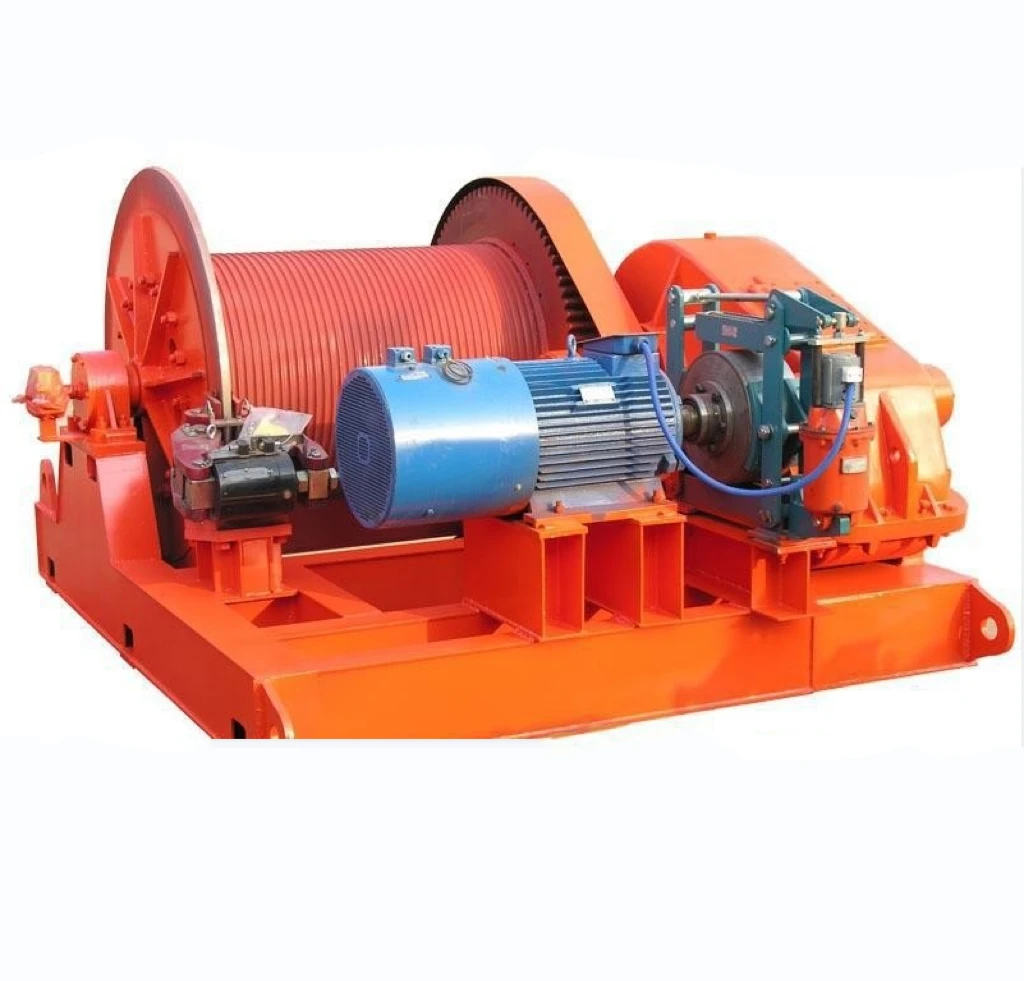
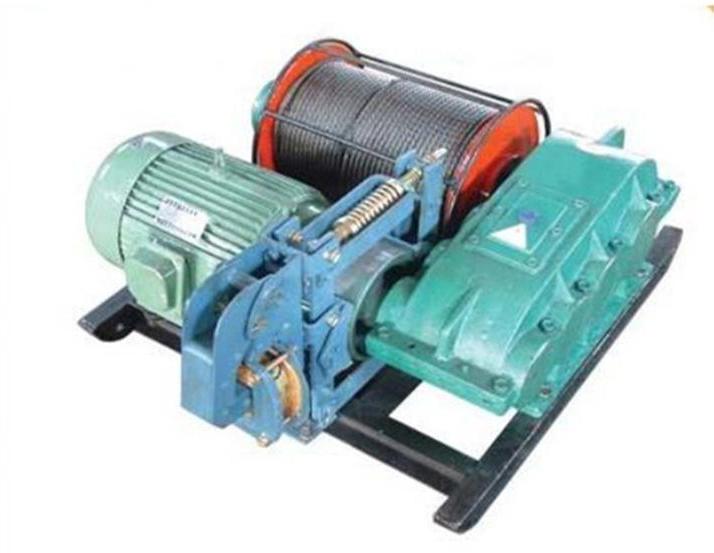
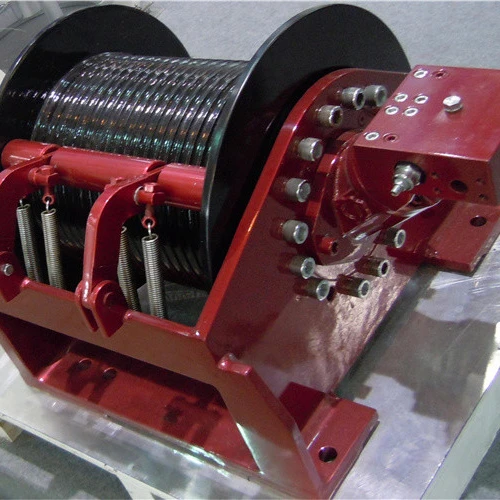
1. Power Source & Hydraulic Pump
At the heart of any hydraulic winch operation is the pump, which pressurizes the hydraulic fluid. The power source—often an engine or motor—drives the pump to create the necessary force. The efficiency and durability of this component impact the whole system's reliability.
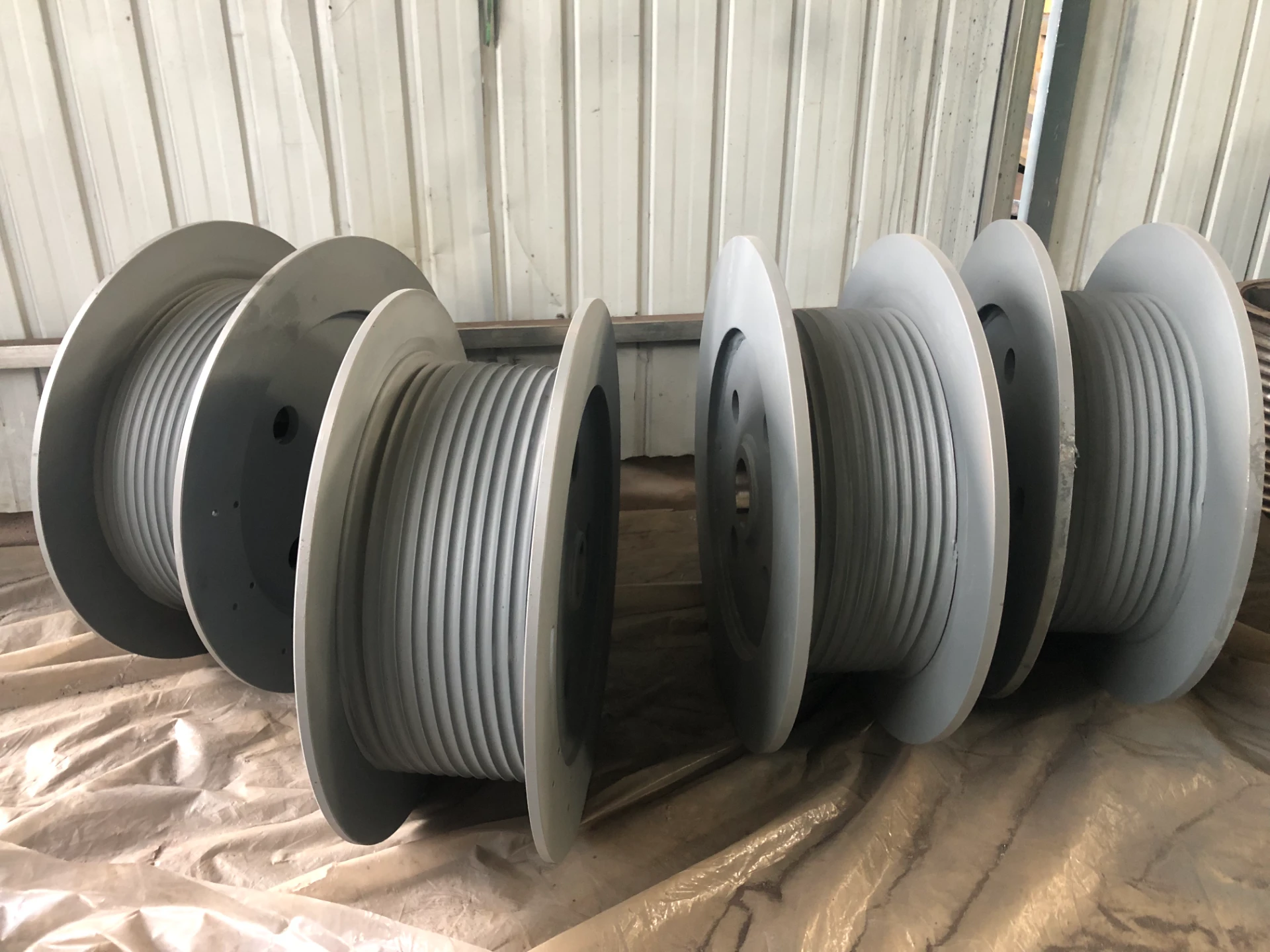
2. Drum & Cable System
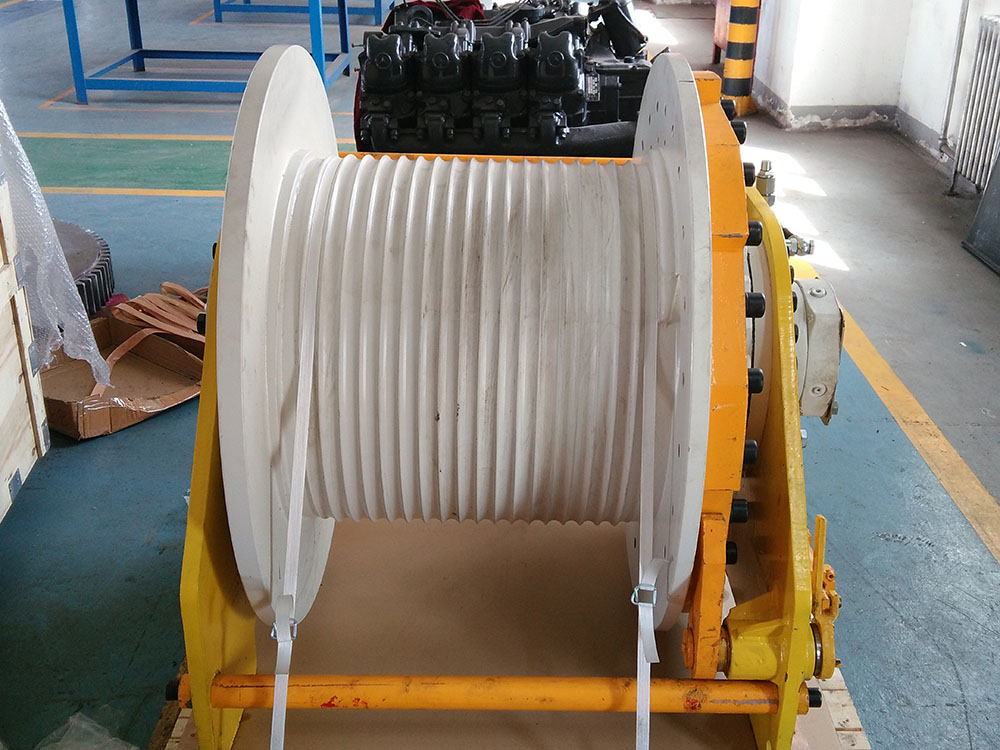
The drum holds the cable or rope, allowing it to spool smoothly for lifting or pulling. Quality materials and precise engineering in the drum system prevent jams and ensure consistent control. For heavy loads, high-tensile steel cables or synthetic alternatives are commonly used.
3. Control Valves & Safety Features
Operators rely on control valves to regulate fluid flow and thus control winch speed and direction. Safety elements like brakes and overload sensors are critical to avoid accidents, especially when handling unpredictable loads.
4. Frame & Mounting
A sturdy frame protects internal components and allows the winch to anchor securely to vehicles, ships, or fixed installations. Durability here influences service life and maintenance intervals.
Mini Takeaway:
In essence, a hydraulic winch is a finely balanced system of components working harmoniously. Each piece plays a role in ensuring precise, safe, and powerful operation.
Worldwide Applications: Where and How Hydraulic Winches Make a Difference
From the arctic oilfields of Norway to the flood-ravaged zones of Southeast Asia, hydraulic winches serve countless purposes:
- Disaster Relief: After earthquakes or typhoons, hydraulic winches pull debris or rescue vehicles when conventional power sources fail.
- Maritime Industry: Offshore platforms use hydraulic winches for anchor handling, equipment deployments, and cargo securing.
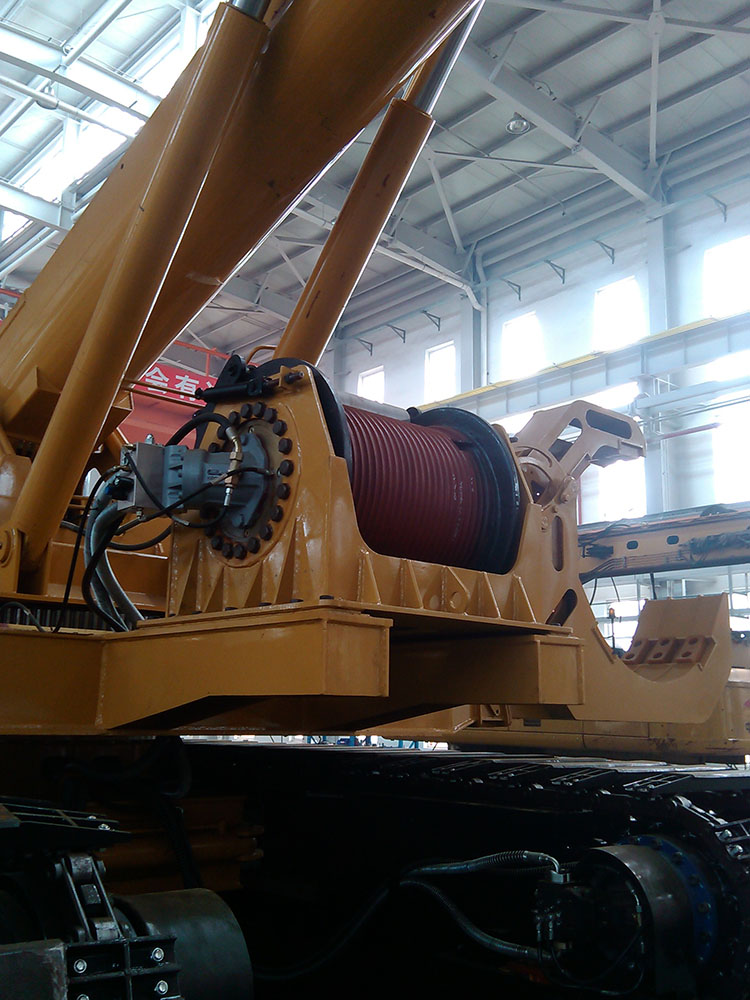
- Construction & Mining: Remote mining sites rely on hydraulic winches to lift heavy machinery parts and materials up difficult terrain.
- Forestry & Agriculture: Heavy logs or farm equipment are maneuvered safely with hydraulic winches, reducing human strain.
In many cases, organizations like the hydraulic winch operation providers partner with NGOs and governments to supply rugged, easy-to-maintain units suited for hard-to-reach areas.
Advantages That Make Hydraulic Winches Valuable Long-Term
Compared to electric or manual winches, hydraulic variants offer several tangible benefits:
- Strength & Reliability: Hydraulics provide smooth, high torque output over extended periods without overheating.
- Cost Efficiency: Lower maintenance costs often result because of fewer electrical components and more rugged mechanical design.
- Safety: Advanced braking systems reduce accidental slippage, protecting operators and cargo alike.
- Sustainability: When combined with green hydraulic fluids and energy-efficient pumps, environmental impact is minimized.
On a more human level, hydraulic winch operation inspires confidence on tough jobs – people know that when the stakes are high, their equipment won’t let them down.
Product Specifications: Typical Hydraulic Winch Model Overview
| Feature | Specification |
|---|---|
| Max Pulling Capacity | 30,000 lbs (13,600 kg) |
| Drum Diameter | 14 inches (36 cm) |
| Cable Length | 150 feet (45 meters) |
| Operating Pressure | 3,000 psi (207 bar) |
| Weight | 2,500 lbs (1,134 kg) |
Comparing Top Hydraulic Winch Vendors
| Company | Max Load Capacity | Warranty | Special Features |
|---|---|---|---|
| LBS Winches | Up to 40,000 lbs | 3 years | Custom designs, rugged offshore models |
| HydraLift Corp | Up to 35,000 lbs | 2 years | Automatic load sensors, remote controls |
| PowerPull Systems | Up to 50,000 lbs | 1 year | Lightweight frames, modular units |
What Does the Future Hold for Hydraulic Winch Operation?
Oddly enough, the future feels like a mix of tradition and innovation. Digital controls and automation are steadily integrating with hydraulic systems, promising smarter, safer winch operation through sensors and AI-assisted load management. Meanwhile, advances in materials science are bringing lighter, stronger cables and corrosion-resistant components—vital for marine or harsh environment use.
There’s also a green push gaining momentum. Manufacturers are exploring biodegradable hydraulic fluids and solar-powered pump units, blending environmental responsibility with industrial strength. Could we see fully electric-hydraulic hybrids soon? Perhaps. Whatever happens, the goal remains the same: combine power with precision and sustainability.
Tackling the Challenges Head-On
Hydraulic winch operation isn’t without its hitches. Maintenance complexity and the need for trained personnel often slow things down. Leaks, fluid contamination, and improper installation can ground operations unexpectedly.
That said, many experts recommend investing in operator training programs and adopting predictive maintenance technologies—like vibration monitoring and fluid analysis—to minimize downtime and extend equipment life. Partnerships between manufacturers and end-users are key, ensuring the system works as intended in the field, not just on paper.
FAQ: Your Questions on Hydraulic Winch Operation Answered
What training is needed to operate hydraulic winches safely?
Operators should complete hands-on, manufacturer-specific courses covering fluid power principles, safety protocols, and emergency procedures. On-site practical instruction is critical to understanding real-world challenges and responding to unexpected events.
How long do hydraulic winches typically last under heavy use?
With proper maintenance—including fluid changes, seal replacements, and cable inspections—well-built hydraulic winches can last 10 to 15 years even in tough conditions. Neglecting upkeep drastically shortens this lifespan.
Can hydraulic winches be customized for special applications?
Absolutely. Many suppliers offer options like specialized drum sizes, cable types, mounting brackets, and control systems tailored to unique industry needs, whether for offshore platforms or emergency response vehicles.
Are hydraulic winches suitable for international shipping and relief efforts?
Yes. Their durability and independence from electrical grids make them ideal for rough, off-grid environments often encountered in international disaster zones. Logistics around transport and installation should be planned carefully, though.
In Closing
Hydraulic winch operation embodies a beautiful balance: complex engineering meeting practical necessity. When done right, it lifts more than just loads—it elevates entire operations, saving time, money, and often human lives. Whether you’re in maritime, construction, or humanitarian aid, deepening your knowledge of hydraulic winch systems pays dividends.
Curious to learn more or select the perfect winch for your needs? Visit our website: https://www.lbswinch.com and explore detailed guides, products, and expert advice.
References
-
The Ultimate Guide to Gear Steels for Durability and PerformanceNewsApr.16,2026
-
High Performance Gear Stainless Steel for Industrial DurabilityNewsApr.09,2026
-
Comprehensive Guide to Steel Bevel Gears Applications and SelectionNewsApr.07,2026
-
Comprehensive Guide to Durable Stainless Steel Miter Gears and ApplicationsNewsApr.04,2026
-
Comprehensive Guide to Steel Spur Gears Functionality and ApplicationsNewsMar.31,2026
-
Comprehensive Guide to Durable Stainless Steel Spur Gears and Their ApplicationsNewsMar.28,2026