Comprehensive Guide to Hydraulic Winch Systems: Applications & Innovations
What Is a Hydraulic Winch System and Why Does It Matter Globally?
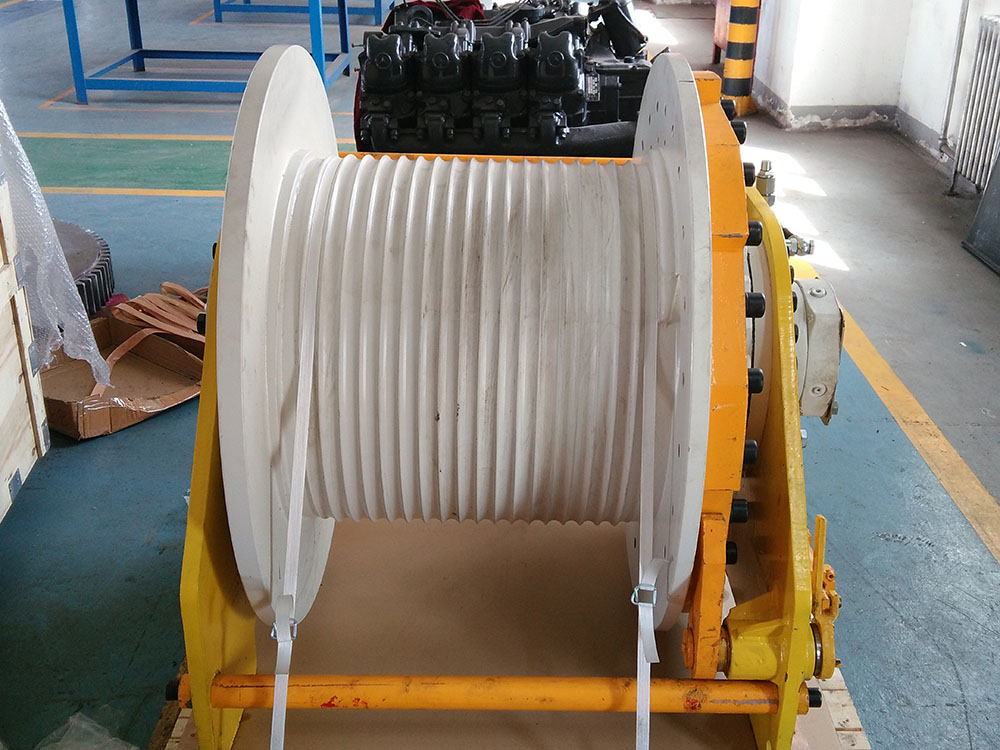
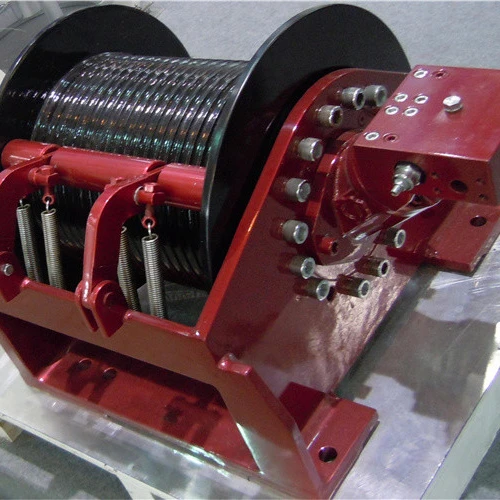
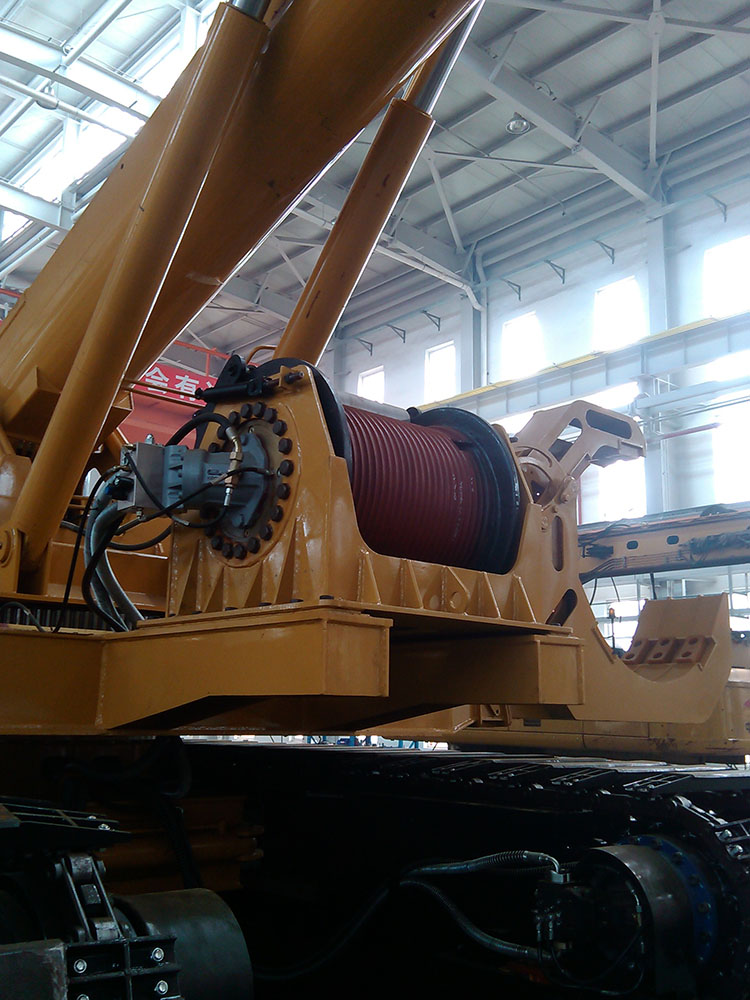
At its core, a hydraulic winch system is a powerful mechanical device that uses hydraulic fluid pressure to generate rotational force. Now, you might think, “Okay, another industrial gadget,” but these systems quietly underpin countless operations—everything from large-scale construction cranes to disaster relief logistics. Globally, they’re essential because they efficiently handle heavy loads where electric or manual winches might not cut it. Think about a remote logging site deep in a rainforest or an emergency team trying to extract vehicles stuck in mud after floods. In both cases, the hydraulic winch system’s raw power and reliability make all the difference.
Understanding these devices isn’t just for engineers; it’s crucial if you want to appreciate how industries maintain momentum even in challenging environments. Plus, grasping how they work—and why they’re chosen—offers insights into sustainability, safety, and innovation in industrial operations worldwide.
The Global Role of Hydraulic Winch Systems: Context and Challenges
Here’s where it gets interesting: global industrial demand for hydraulic winches is growing briskly. According to the International Organization for Standardization (ISO), heavy machinery usage is expected to rise nearly 5% annually in fields like mining, offshore drilling, and construction.
Yet, many places still face critical limitations—difficult terrain, climate extremes, and limited power infrastructure—that make traditional electric winches impractical. The hydraulic winch system emerges as a solution precisely because of its adaptability and robustness.
For instance, the United Nations Office for the Coordination of Humanitarian Affairs (UNOCHA) often relies on equipment featuring hydraulic winches during post-disaster responses to rapidly deploy shelters or clear debris. But challenges remain: hydraulic leaks, maintenance costs, and operator training can slow effectiveness if not managed smartly.
Defining the Hydraulic Winch System in Everyday Terms
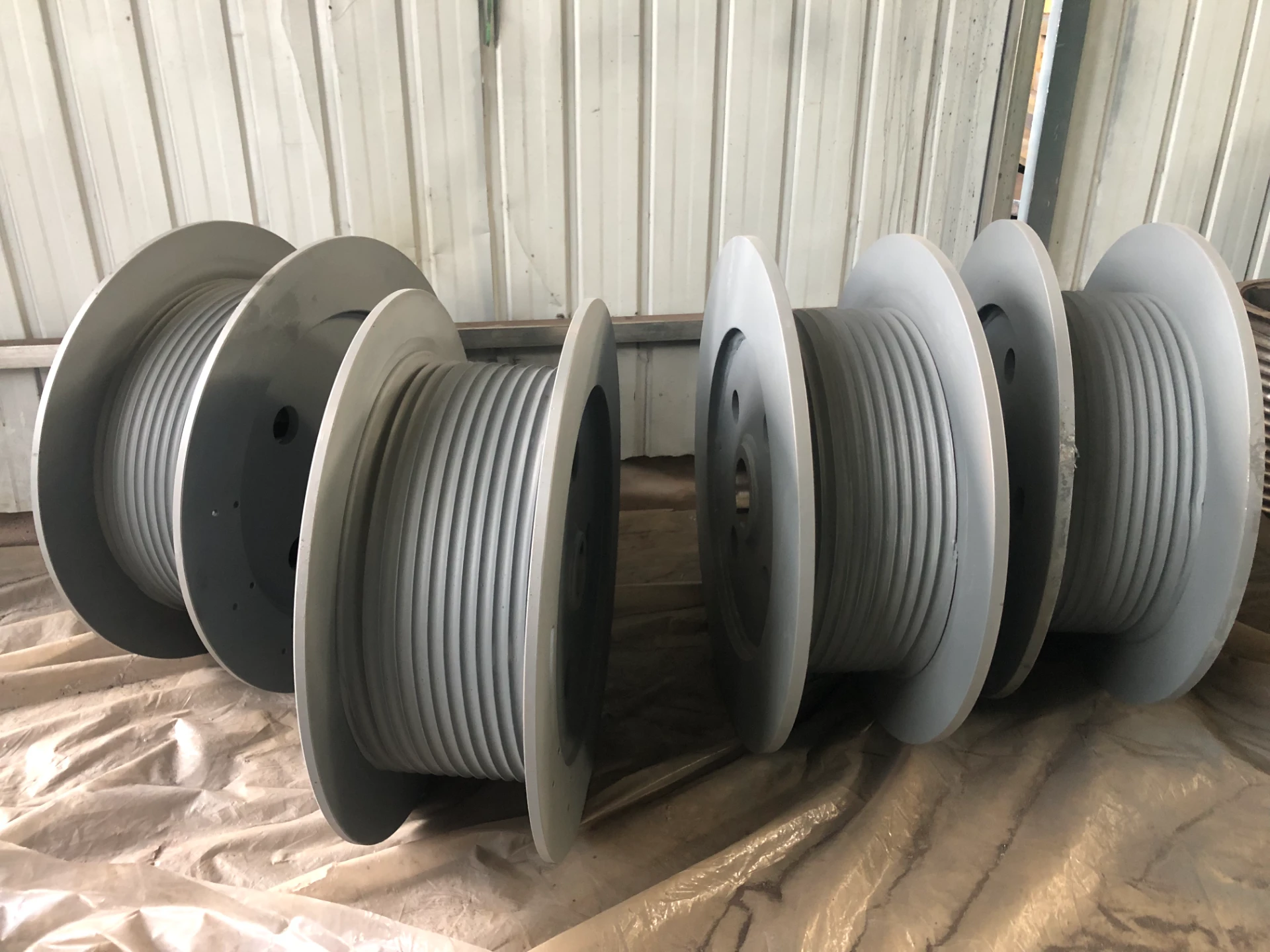
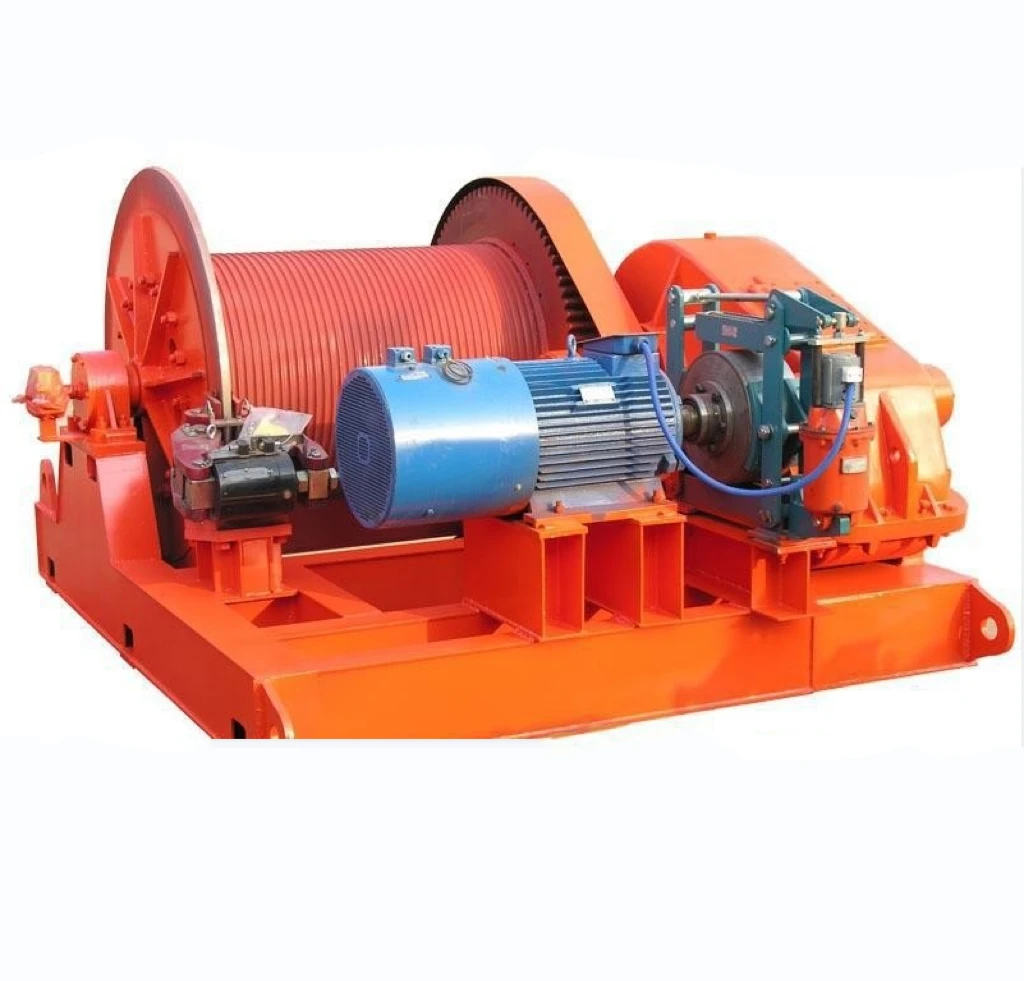
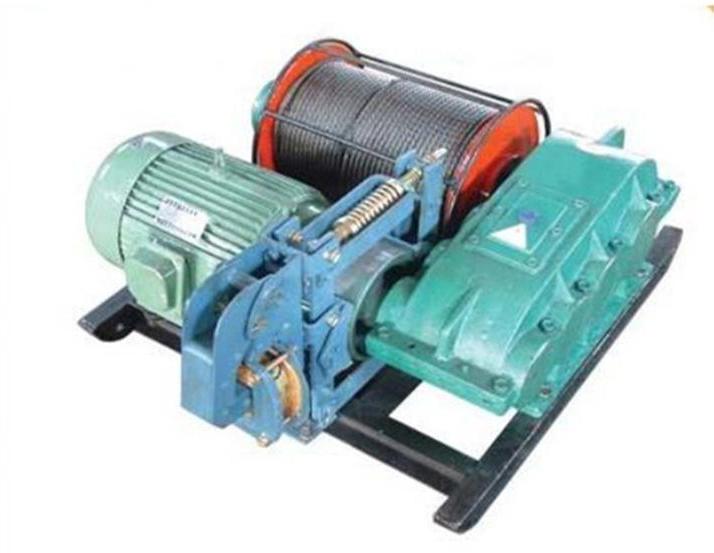
Let’s boil it down: a hydraulic winch system uses pressurized liquid—usually oil—to power a drum that winds a cable or rope. The fluid’s pressure, controlled by valves and pumps, translates to immense pulling or lifting force. Compared to traditional electric winches, hydraulic versions don’t depend on electricity, which means they’re ideal in places where power supply is unreliable or absent.
This simple yet ingenious technology links to everything from industrial cranes lifting steel beams miles high, to rescue vehicles pulling stranded ones, to ships managing heavy anchors. And yes, sometimes they even play a subtle but critical role in humanitarian supply chains—delivering hope, quite literally.
Core Components of Hydraulic Winch Systems
1. Durability
Hydraulic winches typically use sealed components resistant to dust, moisture, and temperature swings. This ruggedness is key when operating in harsh environments—from arctic cold to tropical heat.
2. Power Density
Because hydraulic systems amplify force via fluid pressure, they deliver exceptional power in compact sizes. This means manufacturers can build smaller, lighter winches that pack a punch without taking up much space.
3. Scalability and Customization
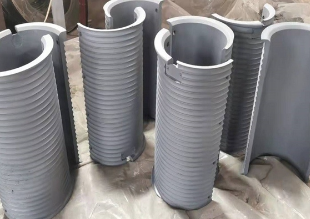
Whether you need a system for pulling a few tons in a warehouse or several hundred tons on a platform rig, hydraulic winches scale easily. Engineers can tweak motor sizes, drum diameters, and control units for specific tasks.
4. Cost Efficiency Over Time
Though initial investment can be higher than electric counterparts, the longer lifespan, lower downtime, and less dependency on electrical infrastructure often make hydraulic systems more cost-effective in the long run.
5. Maintenance Needs
Yes, they require fluid checks and periodic seal replacements. But regular sweat-free maintenance routines and improvements in sealed systems have reduced this hassle drastically compared to older generations.
6. Safety Features
Integrated brake systems and overload sensors help prevent accidents—something critical in industrial and rescue settings alike.
Practical Applications Across the Globe
The beauty of hydraulic winch systems is how universally adaptable they are:
- Marine Operations: Sophisticated hydraulic winches control anchor chains and stabilize vessels in turbulent seas.
- Forestry and Logging: Winches pull heavy logs from dense forests where other machinery can’t reach.
- Disaster Relief: After earthquakes or floods, hydraulic winches help clear debris or deploy shelters rapidly in rugged terrain.
- Mining & Drilling Industries: Heavy loads need reliable handling underground and on remote rigs.
- Military & Defense: Equipment recovery and mobility in complex terrain depend on robust hydraulic winches.
In fact, in South-East Asian post-disaster scenarios, NGOs consistently report faster setup times and fewer equipment failures when using hydraulic winch-powered vehicles.
Mini takeaway:
Hydraulic winch systems are the unsung heroes in tough environments—trusted for strength, resiliency, and adaptability.
Advantages & Long-Term Value
Most businesses or operations invest in hydraulic winches because they want reliability when stakes are high. Some advantages worth noting:
- Lower operational downtime: Hydraulic winches keep working when electrical power fails.
- Environmental Adaptability: With sealed components, the equipment handles rain, dust, and grime gracefully.
- Enhanced Safety: Smooth start-stop control reduces the risk of sudden load drops.
- Social Impact: In disaster zones, the ability to quickly deploy infrastructure helps save lives and restore dignity.
Frankly, it’s a blend of trust and ingenuity—knowing the winch will pull through when everything else feels precarious.
Hydraulic Winch System Specifications
| Specification | Typical Value | Notes |
|---|---|---|
| Max Line Pull | 5,000 kg – 100,000 kg | Varies by model and application |
| Drum Diameter | 200 mm – 1,000 mm | Impacts cable length and torque |
| Operating Pressure | 140 – 210 bar | Typical hydraulic system capture range |
| Cable Speed | 0.3 – 5 m/s | Controlled via flow rate |
| Weight | 200 kg – 3,000 kg | Depends on capacity and frame materials |
Comparing Leading Hydraulic Winch Vendors
| Vendor | Power Range | Customization | Industry Focus | Warranty |
|---|---|---|---|---|
| LBS Winch | Up to 100,000 kg | High, tailored for remote industries | Construction, Military, Disaster Relief | 3 years standard |
| HydroLift Co. | Up to 80,000 kg | Moderate, some off-the-shelf options | Marine, Offshore | 2 years |
| PowerHaul Inc. | Up to 60,000 kg | Low, focused on standard units | Mining, Heavy Industry | 1 year |
Looking Ahead: Trends and Innovations
What’s next for hydraulic winch systems? A few neat trends are worth mentioning:
- Green Energy Integration: Hybrid systems pairing hydraulics with electric motors to reduce fuel use.
- Digital Controls & Automation: Remote monitoring and operation for safer, smarter uses.
- Lightweight, High-Strength Materials: Carbon composites and alloys shrinking device weight while boosting power.
- Improved Sealing & Fluids: Better resistance to leaks and temperature swings extends maintenance intervals.
Challenges to Consider and Emerging Solutions
No device is perfect, and hydraulic winches face some known issues:
- Hydraulic Fluid Leaks: Environmental risks and downtime, increasingly tackled with eco-friendly fluid alternatives.
- Training & Safety: Operators must understand nuanced control; simulation-based training is gaining traction.
- Initial Cost: The upfront price can be daunting for smaller outfits, but leasing options and modular builds help.
Innovative sensor technologies and modular designs promise to minimize these hurdles over the next decade.
FAQ: Common Questions About Hydraulic Winch Systems
Q1: How does a hydraulic winch system differ from an electric winch?
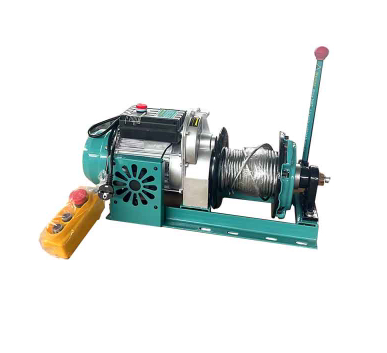
A hydraulic winch uses pressurized fluid to generate power, making it suitable for environments lacking stable electrical supply. Electric winches rely on motors powered by electricity, which can be limited by infrastructure. Hydraulics also deliver higher torque and can be compact relative to power output.
Q2: What maintenance should I expect with a hydraulic winch?
Regular checks include monitoring hydraulic fluid levels, inspecting hoses and seals for leaks, and system testing for proper pressure and brake function. Many modern systems have automation that alerts operators when maintenance is due, minimizing surprises.
Q3: Can hydraulic winches be used in offshore environments?
Absolutely. Their sealed hydraulic components resist corrosion and moisture, making them popular in marine and offshore drilling applications. However, regular maintenance remains critical to combat harsh saltwater exposure.
Q4: What industries benefit most from hydraulic winch systems?
Besides construction and marine sectors, mining, forestry, military, and even disaster relief organizations rely on these systems for hauling heavy loads efficiently and reliably in tough or remote conditions.
Wrapping It Up: The Long-Term Promise of Hydraulic Winches
Hydraulic winch systems combine raw power with adaptability — a combination that’s been quietly changing operations from disaster zones to deep-sea rigs. Their long-lasting durability, safety features, and capacity for customization mean that, even as technology advances, the basics stay relevant and robust.
If you’re curious to explore options or want to see how a trusted hydraulic winch system could upgrade your operations, I highly recommend checking out dedicated suppliers who understand both your needs and the environments you work in.
After all, when it’s time to pull through, a solid hydraulic winch is the kind of partner you want beside you.
References
-
The Ultimate Guide to Gear Steels for Durability and PerformanceNewsApr.16,2026
-
High Performance Gear Stainless Steel for Industrial DurabilityNewsApr.09,2026
-
Comprehensive Guide to Steel Bevel Gears Applications and SelectionNewsApr.07,2026
-
Comprehensive Guide to Durable Stainless Steel Miter Gears and ApplicationsNewsApr.04,2026
-
Comprehensive Guide to Steel Spur Gears Functionality and ApplicationsNewsMar.31,2026
-
Comprehensive Guide to Durable Stainless Steel Spur Gears and Their ApplicationsNewsMar.28,2026