Hydraulic Winch Machine – Powerful Lifting Solutions for Industry and Beyond
The Rise of the Hydraulic Winch Machine: Why It Matters Globally
When you think of machinery that makes heavy lifting look easy, the hydraulic winch machine probably isn’t the first thing that comes to mind. Yet, in the global industrial and humanitarian landscape, this unassuming marvel is quietly powering everything from construction sites to disaster relief efforts. The ability to safely and efficiently manage heavy loads—not just anywhere but in tough environments—has made the hydraulic winch an indispensable tool.
Globally, industries that rely on reliable lifting and pulling mechanisms have seen tangible benefits in productivity and safety by integrating these machines. According to the International Organization for Standardization (ISO), the worldwide demand for specialized lifting equipment, including hydraulic winches, has grown steadily by about 5% annually over the last decade, reflecting their rising importance.
Understanding how hydraulic winch machines work and why they matter can unlock numerous operational efficiencies and promote safer work practices across industries.
Hydraulic Winch Machines: A Global Perspective
From oil rigs in the North Sea to wind farms in Asia, and even in remote construction projects across Africa, hydraulic winch machines make heavy lifting safer and more efficient. The World Bank reports that infrastructure projects worldwide have increasingly leaned on hydraulic technologies to overcome the unique challenges posed by geography and environment. This means that areas once off-limits due to logistical difficulties can now benefit from modern development.
Despite their many advantages, challenges remain — for example, ensuring the availability and maintenance of hydraulic systems in remote regions where technical expertise is scarce. This is where the winch truly shines by offering dependable performance in harsh, challenging conditions.
What Is a Hydraulic Winch Machine, Really?
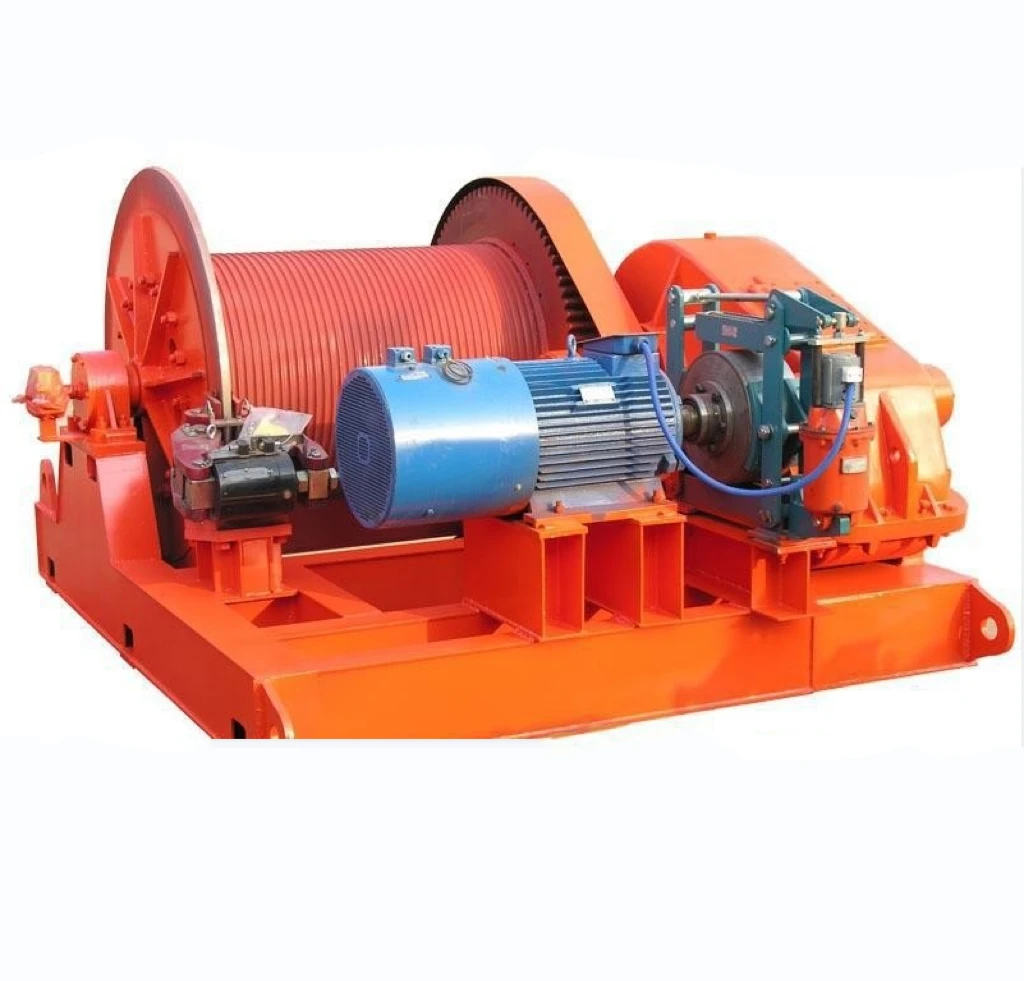
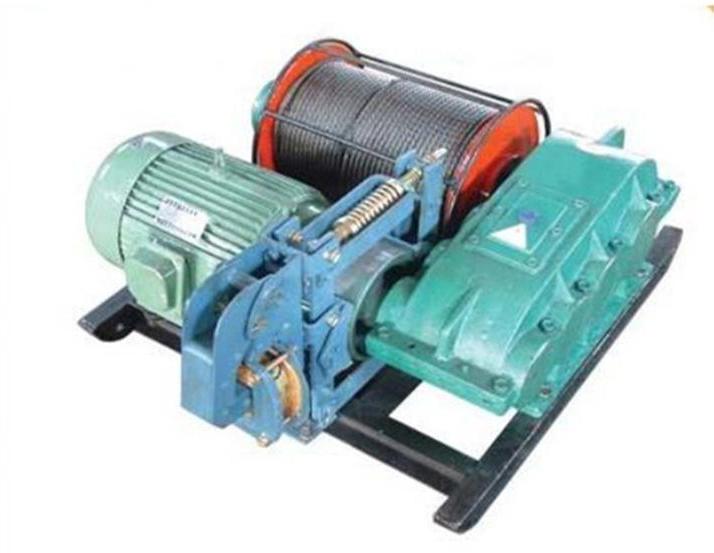
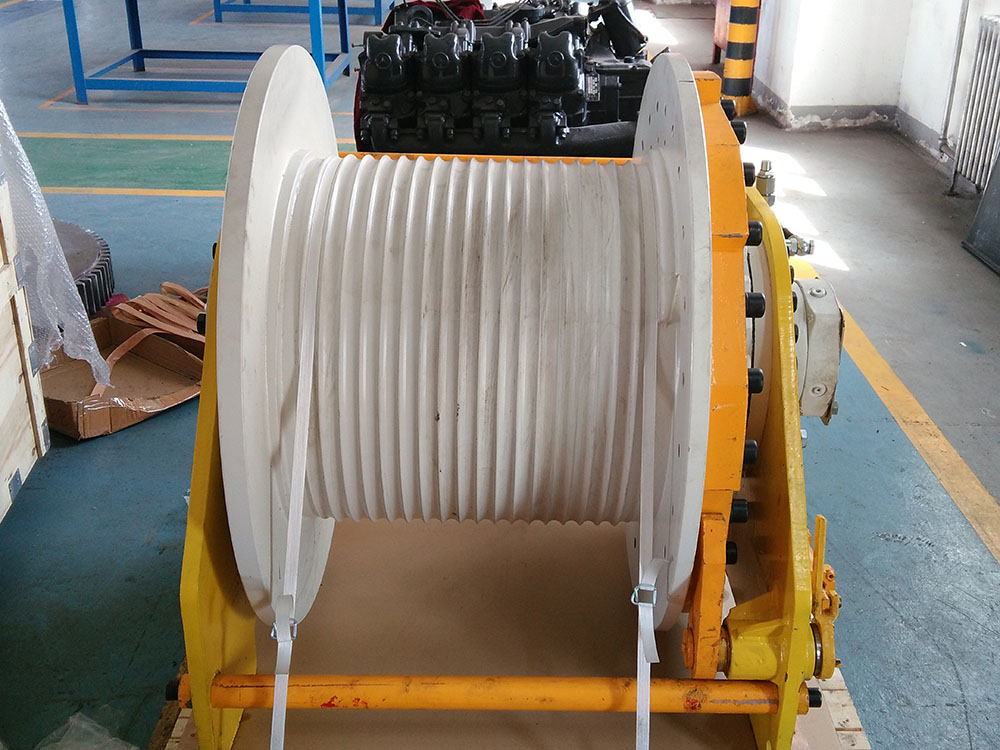
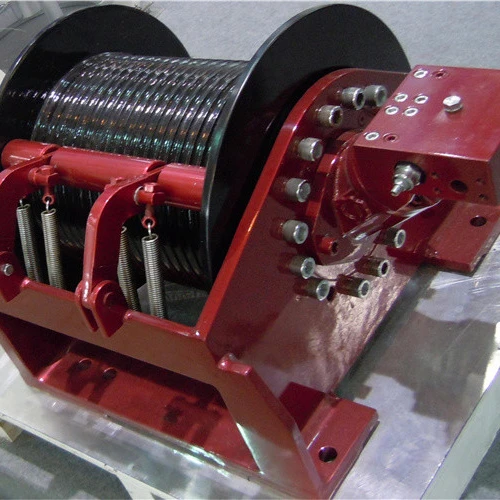
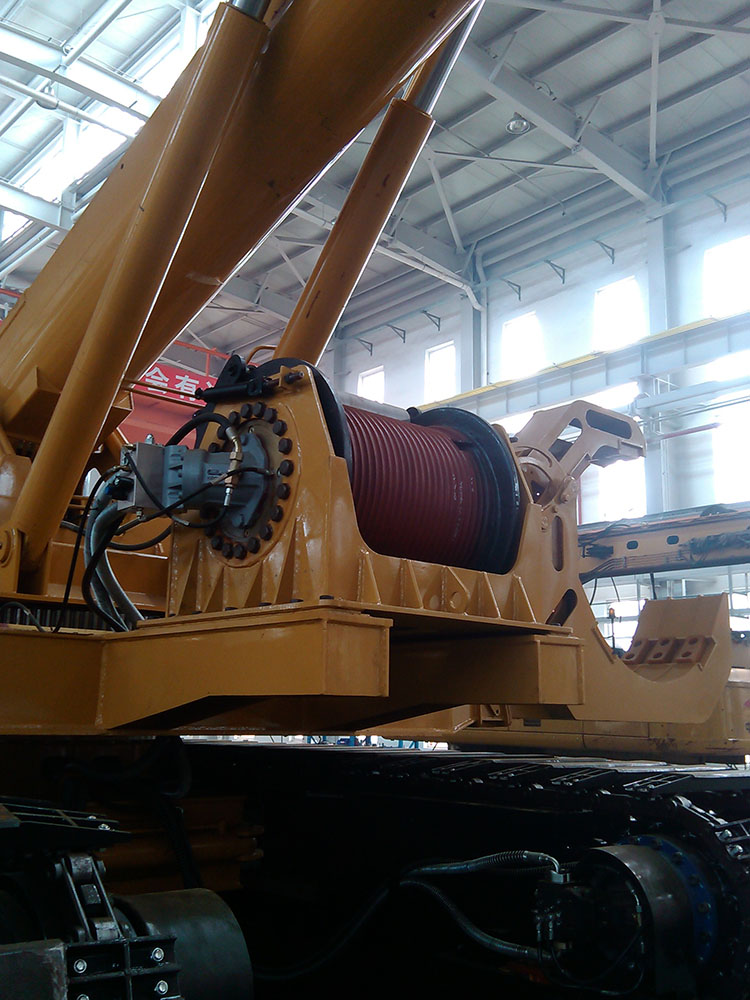
At its core, a hydraulic winch machine is a powerful device that uses pressurized hydraulic fluid to generate torque, which then operates a drum to wind or unwind cable or rope. Unlike electric winches, hydraulic winches offer superior torque, smoother operation, and can handle heavier loads in rugged environments.
These machines are pivotal in sectors like maritime, forestry, construction, and emergency response, enabling the controlled movement of massive weights, whether it’s pulling a boat to shore or hoisting construction materials high in the air.
Mini takeaway:
Think of the hydraulic winch as the strong but agile helper in many industries — reliable, versatile, and often underestimated.
Core Components That Make Hydraulic Winch Machines Tick
1. Power Source: The Heartbeat
The hydraulic power unit drives the winch. Usually powered by diesel or electric motors operating hydraulic pumps, it converts energy into fluid pressure. This pressure then moves to the winch motor, offering precise control over speed and torque.
2. Drum and Cable System
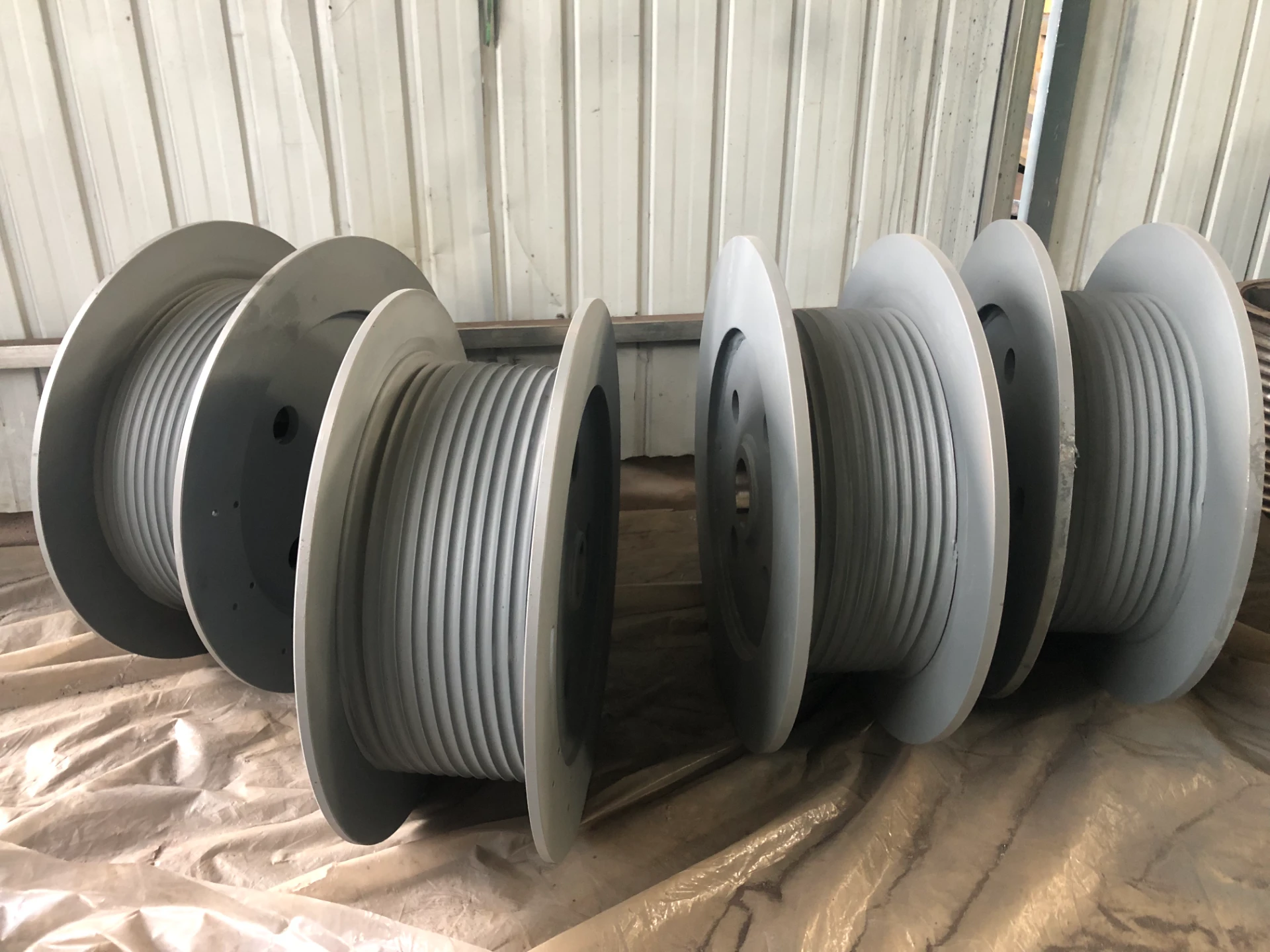
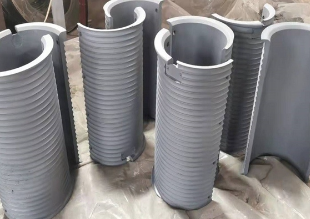
The drum winds the cable or rope responsible for lifting or pulling. The size, material, and design of the drum vary depending on required load capacity and cable type. Steel cables remain popular, but synthetic ropes gain ground for specific applications.
3. Control Valves and Safety Features
These regulate the hydraulic flow, enabling smooth operation, emergency stops, and load-holding capabilities. Many modern units integrate electronic sensors for enhanced safety and automation.
4. Durability and Build Quality
Hydraulic winch machines are often built to withstand corrosive marine environments or dust and grit on construction sites. Stainless steel, treated alloys, and robust seals contribute to longevity.
5. Scalability and Customization Options
Manufacturers offer tailored solutions based on load requirements, power availability, and physical constraints. This modular approach makes the equipment flexible across industries and regions.
Mini takeaway:
Behind the scenes, a hydraulic winch is a beautiful orchestration of power, precision, and safety — not just a heavyweight brute.
Hydraulic Winch Machines in Action: Around the World
In maritime shipping hubs like Rotterdam and Singapore, hydraulic winches are essential for moving cargo containers and securing ships. In harsh climates like Canada’s northern forests, they help haul timber through challenging terrain. Post-disaster relief organizations in the Caribbean rely on these winches to clear debris and deploy equipment quickly.
Industrial sectors in emerging markets benefit too. For example, in remote mining operations in Australia and South America, hydraulic winches manage heavy drilling equipment, minimizing manual labor and reducing accident risks.
Interestingly, the energy sector is a prolific user. Wind turbine installation and maintenance teams depend on the steady, controllable force of hydraulic winches to maneuver blades and towers safely.
Mini takeaway:
From forests to sea ports, from disaster zones to energy fields, hydraulic winches quietly solve some of the toughest lifting challenges.
Advantages of Hydraulic Winch Machines — More Than Just Muscle
- Reliability: Hydraulic systems tolerate overloads better and offer longer lifespans in tough conditions.
- Cost Efficiency: Though upfront costs can be higher, the reduced maintenance and increased uptime save significant money.
- Safety: Smooth, precise control minimizes accidents and equipment damage.
- Sustainability: Some newer models are designed to use biodegradable hydraulic fluids and comply with stringent environmental standards.
- Innovation Friendly: Easily integrated with digital controls and automation systems.
In real-world terms, this means fewer project delays, happier workers, and safer operations. There’s something reassuring about machines that don’t quit halfway through a job.
Product Specification Table
| Specification | Model HXW-5000 | Model HXW-8000 | Model HXW-12000 |
|---|---|---|---|
| Max Pulling Capacity | 5,000 kg | 8,000 kg | 12,000 kg |
| Drum Diameter | 350 mm | 450 mm | 600 mm |
| Hydraulic Pressure | 210 bar | 250 bar | 300 bar |
| Cable Length | 60 m | 80 m | 120 m |
| Weight | 320 kg | 450 kg | 680 kg |
How Suppliers Stack Up: Vendor Comparison
| Vendor | Price Range | Customization | Lead Time | Warranty |
|---|---|---|---|---|
| GlobalWinch Co. | $15,000–$25,000 | High (Modular options) | 4-6 weeks | 2 years |
| HydroPull Ltd. | $12,000–$20,000 | Moderate | 5-7 weeks | 1.5 years |
| WinchTec Innovations | $18,000–$30,000 | Extensive (Digital integration) | 3-5 weeks | 3 years |
Looking Ahead: Future Trends in Hydraulic Winch Technology
Technology doesn’t stand still. Hydraulic winches are no exception. We’re starting to see an exciting convergence of hydraulics with digital tech and green energy:
- Smart Sensor Integration: Real-time load monitoring and predictive maintenance reduce downtime.
- Eco-Friendly Fluids: Biodegradable hydraulic oils decrease environmental impact.
- Hybrid Power Units: Combining electric motors with hydraulic systems for cleaner, quieter operation.
- Automation & Remote Controls: For safer operation in dangerous zones, even offshore platforms.
These innovations aren’t just futuristic—they're being piloted in industrial hubs right now. It feels like a quiet revolution under the hood.
Common Challenges & How They’re Tackled
Despite the winch’s usefulness, there are common stumbling blocks:
- Maintenance Complexity: Hydraulic systems require skilled servicing. Solution? Training local technicians and modular parts for easier replacements.
- Cost Barriers: Initial investment can be steep. Yet, leasing options and modular purchasing plans help spread out expenses.
- Environmental Concerns: Hydraulic leaks can cause contamination. Using greener fluids and robust sealing tech mitigates this risk.
Forward-thinking manufacturers and clients are increasingly collaborating to find balanced solutions that keep projects running smoothly.
Hydraulic Winch Machine: Frequently Asked Questions
- What industries can benefit most from hydraulic winch machines?
- Hydraulic winches are widely used in maritime, construction, forestry, mining, and renewable energy sectors due to their high load capacity, durability, and smooth operation in harsh environments.
- How does a hydraulic winch compare with an electric winch?
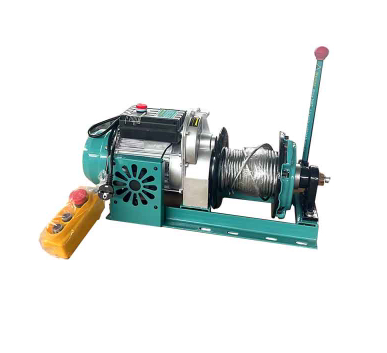
- While electric winches are generally lighter and easier to operate, hydraulic winches provide greater pull force and better heat dissipation, making them ideal for heavy-duty or continuous operations.
- Can hydraulic winch machines be customized for specific applications?
- Absolutely. Most manufacturers offer modular designs allowing customization of drag capacity, drum size, mounting options, and integration with digital controls based on client needs.
- Are hydraulic winches suitable for remote or off-grid locations?
- Yes, especially those powered by diesel-driven hydraulic pumps. Some models even support hybrid or solar-assisted operation to fit off-grid requirements.
- What maintenance is required to keep a hydraulic winch operating efficiently?
- Regular inspection of hydraulic fluids, seals, cables, and control systems is key. Preventive maintenance schedules help avoid unexpected downtime and extend service life.
Wrapping Up the Power of Hydraulic Winch Machines
There’s a kind of quiet, mechanical poetry in watching a hydraulic winch machine at work—muscle and finesse combined to solve tough problems. From lifting materials on skyscraper sites to aiding disaster relief teams in remote islands, their long-term benefits are clear: safety, versatility, and reliability.
If your operation demands more muscle without compromising control, it’s definitely worth exploring what a hydraulic winch machine can do for you. After all, better tools lead to better results.
Explore options and detailed specs at LBS Winch.
References
-
The Ultimate Guide to Gear Steels for Durability and PerformanceNewsApr.16,2026
-
High Performance Gear Stainless Steel for Industrial DurabilityNewsApr.09,2026
-
Comprehensive Guide to Steel Bevel Gears Applications and SelectionNewsApr.07,2026
-
Comprehensive Guide to Durable Stainless Steel Miter Gears and ApplicationsNewsApr.04,2026
-
Comprehensive Guide to Steel Spur Gears Functionality and ApplicationsNewsMar.31,2026
-
Comprehensive Guide to Durable Stainless Steel Spur Gears and Their ApplicationsNewsMar.28,2026